Dec 13, 2013

Food Safety and Standards Act

As per regulation 2.2.1 of Food Safety and Standard (Packaging and Labeling) Regulations, 2011 every package shall carry a label containing information as prescribed under Regulation 2.2.2. 
As per Regulation 2.2.1(4), the label shall be applied in such a manner that they will not become separated from the container. Further, as per Regulation 2.3.2, the labelling information shall be given on the principal display panel of the package or container in the following manner: 
(i) All information should be grouped together and given at one place, OR the pre-printed information be grouped together and given in one place and, 
(ii) Online information or those not pre-printed be grouped together in another place.” 
However, in imported food articles alone, name and complete address of the importer and declaration regarding Veg/Non-veg is allowed in the form of sticker even after arrival of consignment under the supervision of Customs Authorities. 
Moreover, the recent direction given in the case of M/s Rajputana Distributors v/s Deputy Commissioner of Customs and Others by the Madras High Court Order dated 23.09.2011 in W.P. No.19279 of 2011 is complied with by FSSAI. The operative portion of the judgment is reproduced below: 
“As far as the issue in question is concerned, the goods imported are food products, that too, chocolates, which are normally consumed by children and the conditions stipulated with regard to labelling, have admittedly, not been complied with the petitioner. Even as per the stand of the learned counsel for the petitioners, the information furnished is only by way of a sticker. But as per the provisions of the Act, the label must be an inseparable one, as otherwise, to suit the convenience; the importer may fill in any information therein. If the goods imported, especially food products, do not satisfy the specifications mentioned in the act at the time of import then such goods have to be restrained from being brought into the market and in the case on hand, the food products are chocolates, which are normally consumed by children and therefore, safety measures are mandatory. If the conditions imposed with regard to the import of food items are violated, then the question of going to the next stage, i.e. sending them for laboratory testing will not arise at all.” 
After enactment of the Food Safety and Standards Act 2006, Food Safety and Standards Authority of India (FSSAI) started implementation of the Food Import Clearance System (FICS) under Section 47 (5) of the Act at five port locations, namely, Delhi, Mumbai, Kolkata, Chennai and Cochin. At other ports, this function is carried out by the Port Health Officers/Customs Authorities. 
In some import consignments referred by Customs to FSSAI for grant of NOC for customs clearance, samples were not drawn for testing inter alia due to non-compliance with the labelling requirements prescribed under Food Safety and Standards (Packaging and Labelling) Regulations 2011. Examples of such labelling non-compliances are either absence of the list of ingredients, nutritional information, name & address of the manufacturer, Best Before/Use by Date, declaration regarding food additives, etc. or such information is on attached stickers which are separable. 
This was stated by Sh Ghulam Nabi Azad, Union Minister for Health and Family Welfare in a written reply to the Lok Sabha today.

Need to be vigilant about use of chemicals to increase size of fruits and vegetables

New Delhi, Dec 13 (KNN) Following media reports about the use of oxytocin injection being used to increase size of vegetables and fruits by farmers, there is no information available about the extent to which such practices are being carried out. 
“There have been some reports in the Media regarding the use of oxytocin injection being administered to cattle by dairy owners and also to increase the size of vegetables and fruits by farmers in the country. However, there is no scientific data available on the extent of these practices,” said Union Minister for Health and Family Welfare, Ghulam Nabi Azad, in the Lok Sabha today.
As the implementation of the Food Safety and Standards Act/ Rules/ Regulations rests with state governments, they need to be vigilant about such mal practices. 
Previously there were reports of the use of artificial colouring / ripening agents in vegetables/ fruits. To look into the matter, a Joint Committee for Research on Food Safety was constituted in August, 2010 under Co-Chairmanship of the Director General, Indian Council of Medical Research (ICMR) and the Director General, Indian Council of Agriculture Research (ICAR).
The task of the committee was to address the various issues relating to the safety of using ripening and colouring agents, and any other relevant issues in nutrition and food safety which emerge from time to time.
As per the recommendation of the Joint Committee, several research studies were carried out to generate information / data regarding the extent of use and effect of oxytocin in animals and vegetables. Among them was the survey to assess the use of oxytocin in production of vegetables; effect of oxytocin injection on yield and quality of bottle gourd; assessing the thermal stability of oxytocin in milk and digestive stability of oxytocin in vitro; and effects of oxytocin exposure on reproduction in adult male and female rat.
Implementation of the Food Safety and Standards Act/ Rules/ Regulations rests with State/ U.T. Governments. The Commissioners Food Safety/ Food (Health) Authority of States/ UTs who are responsible for implementation of Food Safety and Standard Act, 2006 and Rules/ Regulations made thereunder in their States/ UTs, have been requested from time to time to keep a strict vigil on use of carbide gas and other hazardous chemicals for ripening of fruits and to take legal action for violation of the above provision of the Act/ Regulations.
State Governments have also been advised to educate the public through print and electronic media against consumption of such artificially ripened fruits and vegetables.
Further, State Governments have taken measures in this regard, such as ordering the Food Safety Officers (FSOs)/ Designated Officers (DOs) to keep a watch on fruit markets, inspection of fruit market, fruit stalls/ godowns, taking samples of fruits, vegetables and milk, educating fruit vendors to refrain from using these chemicals, etc. 

5 ரோடு, சூரமங்கலத்தில் கி83 ஆயிரம் மதிப்பிலான பான்பராக், குட்கா பறிமுதல்

சேலம், டிச.13:
சேலம் 5 ரோடு, சூரமங்கலம் உள்ளிட்ட பகுதியில் உணவு பாதுகாப்புத்துறை அதிகாரிகள் நடத்திய அதிரடி சோதனையில் 83 ஆயிரம் மதிப்பிலான பான்பராக், குட்காவை பறிமுதல் செய்தனர்.
சேலம் 5 ரோடு, சூரமங்கலம், ராம்நகரில் உள்ள பெட்டிக்கடை, டீக்கடை, மளிகை கடைகளில் அரசால் தடை செய்யப்பட்ட பான்பராக், குட்கா, புகையிலை பொருட்கள் விற்பனை செய்வதாக சேலம் மாவட்ட உணவு பாதுகாப்பு துறை நியமன அலுவலர் அனுராதாவுக்கு தகவல் கிடைத்தது.
அவரது உத்தரவின் பேரில், சூரமங்கலம் உணவு பாதுகாப்பு அலுவலர் திருமூர்த்தி, பாலு ஆகியோர் தலைமையில் அதிகாரிகள் அப்பகுதியில் உள்ள மளிகை கடை, டீக்கடை, பெட்டிக்கடையில் அதிரடி சோதனையில் ஈடுபட்டனர். இந்த சோதனையில் 83 ஆயிரம் மதிப்பிலான பான்பராக், குட்கா, புகையிலை பொருட்களை அதிகாரிகள் பறிமுதல் செய்தனர்.
அரசால் தடை செய்யப்பட்ட இது போன்ற பொருட்களை விற்றால், கடும் நடவடிக்கை எடுக்கப்படும் என கடை உரிமையாளர்களை எச்சரித்த அதிகாரிகள், நோட்டீஸ் வழங்கினர்.

சேலத்தில் ரூ.83 ஆயிரம் மதிப்பிலான போதை பொருட்கள் பறிமுதல் உணவு பாதுகாப்பு அதிகாரிகள் நடவடிக்கை

சேலம், டிச.13-சேலத்தில் ரூ.83 ஆயிரம் மதிப்பிலான போதை பொருட்களை உணவு பாதுகாப்பு அதிகாரிகள் நேற்று பறிமுதல் செய்தனர்.
அதிகாரிகள் சோதனை
சேலம் 5 ரோடு மற்றும் சூரமங்கலம் பகுதிகளில் போதை பொருட்களான பான்பராக், குட்கா, புகையிலை போன்றவை விற்பனை செய்யப்பட்டு வருவதாக மாவட்ட உணவு பாதுகாப்புத்துறை நியமன அதிகாரி அனுராதாவுக்கு புகார் வந்தது.
இதையடுத்து, அவரது உத்தரவின் பேரில் உணவு பாதுகாப்புத்துறை அதிகாரி திருமூர்த்தி, பாலு மற்றும் சூரமங்கலம் போலீசார் இணைந்து சேலம் 5 ரோடு, சூரமங்கலம், ராம்நகர் உள்ளிட்ட பகுதிகளில் நேற்று காலை சோதனை நடத்தினர். 
201 கிலோ பறிமுதல்
அப்போது, அந்த பகுதியில் உள்ள மளிகை கடை மற்றும் டீக்கடைகளில் சோதனை மேற்கொண்டதில் பல கடைகளில் தடை செய்யப்பட்ட பான்பராக், குட்கா, புகையிலை போன்றவை பதுக்கி வைத்து விற்பனை செய்வது தெரியவந்தது.
இதையடுத்து அந்த போதை பொருட்களை அதிகாரிகள் கைப்பற்றினர். மொத்தம் 201 கிலோ போதை பொருட்கள் பறிமுதல் செய்யப்பட்டது. இவற்றின் மதிப்பு ரூ.83 ஆயிரம் ஆகும். மேலும் இவற்றை விற்பனை செய்த கடை உரிமையாளர்களை உணவு பாதுகாப்புத்துறை அதிகாரிகள் எச்சரித்தனர்.
பறிமுதல் செய்யப்பட்ட போதை பொருட்கள் மாவட்ட உணவு பாதுகாப்புத்துறை அலுவலகத்துக்கு கொண்டு செல்லப்பட்டு பின்னர் தீயிட்டு எரித்து அழிக்கப்பட்டன.

கலப்பட பால் விற்றவர்கள் மீது நடவடிக்கை எடுக்கப்படும் உணவு பாதுகாப்பு அதிகாரி தகவல்

அம்பை வட்டார பகுதியில்
வி.கே. புரம், டிச. 13: 
அம்பை வட்டார பகுதியான அடையக்கருங்குளம், சிவந்திபுரம், ஆறுமுகம்பட்டி, வராகபுரம் பகுதிகளில் கலப்பட பால் விற்றவர்கள் மீது நடவடிக்கை எடுக்க பரிந்துரைக்கப்பட்டுள்ளதாக அம்பை வட்டார உணவு பாதுகாப்பு அதிகாரி நாகசுப்பிரமணி யன் தெரிவித்தார். 
இது தொடர்பாக அவர் கூறியதாவது: அம்பை வட் டார பகுதிகளில் கலப்பட பால், எண்ணெய், மற்றும் தேயிலை விற்பனை செய்வதாக வந்த புகாரின் அடிப்படையில் கலெக்டர் மற்றும் மாவட்ட உணவு பாதுகாப்பு நியமன அலு வலர் டாக்டர் ஜெகதீஸ் ஆலோசனையின் பேரில் சிவந்திபுரம், அடையக்கருங்குளம், ஆறுமுகம்பட்டி, வராகபுரம் பகுதிகளில் விற்கப்பட்ட பால், சோதனைக்காக எடுக்கப்பட்டு பகுப்பாய்வு கூடத்திற்கு அனுப்பி வைக்கப்பட்டது. 
ஆய்வில் பாலில் அதிக அளவு தண்ணீர் சேர்க்கப்பட்டது தெரியவந்தது. 
இவர்கள் மீது வழக்கு தொடரப்படும். மேலும் பால், இறைச்சி, குடிநீர், கலர், சோடா உள்ளிட்ட குளிர்பானங்கள், அரிசி, மாவு ஆலை, பலசரக்கு விற்பனையாளர், ஏஜன்டுகள், உணவு தொழில் செய்பவர்கள் அனைவரும் 2014 பிப்ரவரி 4ம் தேதிக்குள் பதிவு அல்லது உரிமை சான்றிதழ் பெற வேண்டும். இச்சான்றிதழ்கள் பல்வேறு ஆய்வுக்குப் பின் வழங்கப்படும் என்பதால் 60 நாடகளுக்கு முன்பே விண்ணப்பிக்க வேண்டும். மேலும் ஏற் கனவே உரிமை சான்றிதழ் பெற்றவர்கள், அதனை புதுப்பித்து கொள்ள வேண் டும். கலப்படமான, காலாவதியான மற்றும் கெட்டுப் போன பொருட்களை விற்பனை செய்தாலோ, ஸ்டாக் வைத்திருப்பதோ தெரியவந்தால் அம்பை வட்டார உணவு பாதுகாப்பு அலுவலருக்கோ (9443582884) மாவட்ட உணவு பாதுகாப்பு அதிகாரிக்கோ (9443151996) தொடர்பு கொண்டு தெரிவிக்கலாம். இவ்வாறு அவர் கூறினார்.

புகையிலை பொருட்கள் விற்றவர் கைது

கோவை, டிச. 13: 
கோவை பீளமேடு போலீசார் அவினாசி சாலையில் ரோந்து சென்றனர். அங்குள்ள ஒரு கடையில் திடீர் சோதனை நடத்திய போது, அங்கு தடை செய்யப்பட்ட புகையிலை பொருட்கள் விற்பது தெரிந்தது. இதையடுத்து புகையிலை பொருட்களை விற்பனை செய்த பி.ஆர்.புரத்தை சேர்ந்த முருகன்(45) என்பவரை போலீசார் கைது செய்து, அங்கு விற்பனைக்கு இருந்த 300 பாக்கெட்டுகள் புகையிலை பொருட்களை பறிமுதல் செய்தனர். சிங்காநல்லூர் போலீசார், அப்பகுதியில் ரோந்து சென்றனர். இஎஸ்ஐ மருத்துவமனை அருகேயுள்ள ஒரு கடையில் போலீசார் திடீர் சோதனை நடத்திய போது, தடை செய்யப்பட்ட புகையிலை பொருட்கள் விற்பது தெரிந்தது. இதையடுத்து, புகையிலை பொருட்களை விற்பனை செய்த காமராஜபுரத்தை சேர்ந்த கிருஷ்ணசாமி என்பவரை போலீசார் கைது செய்தனர்.

FDA to register all food vendors before Feb 4

BHOPAL: It is a move that would impact some seven lakh food business operators (FBO) in Madhya Pradesh. From Puri Bhandars to plush restaurants, school canteens and even small time street vendors, Madhya Pradesh Food and Drug Administration (FDA) is gearing up to register them all - ahead of February 4, 2014 deadline.
After nearly two years of delay, all FBOs will have to obtain registration from the Government-run central food authority Food Safety and Standards Authority of India (FSSAI). The deadline for obtaining the licenses is February 4, after which FSSAI will have the authority to randomly check any eatery and if it is found without the license, FSSAI can penalise the restaurant or even have the outlet shut down.
The move stirred a hornet's nest for the restaurant industry in 2012 and led to a hotels and restaurants down shutters to protest new FSSAI act. Two years on traders are in no mood to repeat protests, feels Bhopal Hotel and Restaurant association president, Tejkul Singh Pali. "Nearly 80% of established FBOs adhere to new norms. There are some issues of infrastructure which need to be sorted in association with civic bodies," he said.
To avoid further protests, state FDA says it has formulated a plan to convince FBOs. Beginning December 13, FDA would hold camps to register and educate FBOs, the first such camp will be held in Bairagarh in the state capital, says FDA commissioner, D D Agarwal. To make documentation user-friendly, FDA has tied up with MPOnline portal or through FSSAI website, he added.
In a bid to reduce opposition, the state government has been permitted to relax rules on packaging. For instance, sale of open edible oil, not allowed under FSSAI has been permitted until May 2014 and is subject to further extension.
Registration of FBOs likely to touch 7 lakh in Madhya Pradesh
FBO business with a turnover of Rs 12 Lakh (estimated 20% of all FBOs) require a license
For every restaurant in every city, a separate license will need to be issued.
In addition, there would a central license required to be obtained from the head office of that particular food business firm.
Penalties for not registering FBO up to Rs 2 Lakh
Operating a business without a licence could lead to six months imprisonment and fine of Rs 5 lakh

Food Safety And Standard Act-2006 Will Be Effectively Implemented In Sirsa

Chandigarh, December 12- Food Safety and Standard Act-2006 would be effectively implemented in district Sirsa of Haryana and under this Act, apart from registering all milk sellers, they would also be issued licenses.
While stating this here today, an official spokesman said that under the act, the license would be issued to milk sellers selling above 500 liters of milk. For getting registered, the milk sellers would have to pay annual fee of Rs 100 each and for getting license, they would have to pay annual fee of Rs 3000 each, he added.
He said that under the act strict action would be taken against those indulged in the business of milk without registration and license. Effective measures would be taken to put a check on the selling of adulterated milk. He said samples of milk would be collected from various place and checked in laboratories and in case impurities would be found, cases against the sellers would be registered in courts. He said that for those found guilty, there is a provision of imprisonment of six months to three years and fine of Rs five lakh.

Pesticides potentially toxic but without them food supply will be affected: WHO

HYDERABAD: Over 35 per cent of the world's food supply would be lost without the use of pesticides. With already over one billion people, which is about 15 per cent of the human population, hungry and with an expected population of nine billion in 2050, the world needs a significant increase of food production. 
"It is likely that a significant increase of pesticideuse will be an unavoidable consequence of the intensification of food production even if increasing voices are asking for a more sustainable development for the future," said Dr Philippe Verger, department of food safety and zoonoses, World Health Organisation (WHO), Geneva, Switzerland. 
Dr Veger was speaking at an international conference on 'Emerging issues on health effects of pesticides residues in food and environment - unmet challenges and research opportunities' organised by the Food and Drug Toxicology Research Centre, National Institute of Nutrition (NIN-ICMR) here on Thursday. 
Delivering the keynote address on "WHO's perspective on pesticide residues in food and strategies for their mitigation", Dr Verger said WHO's mission was to lower the burden of food borne disease, thereby strengthening the health security and sustainable development of countries. 
"The first need, at an early stage of development of pesticide, is to consider together, the efficiency of the compound, its low toxicity for human and its limited persistence in the environment. Good product quality is essential for effective and safe pesticide use. Impurities formed during manufacture of the pesticide or by interaction in unstable formulations can increase product toxicity to humans and the environment," he said. 
Dr Verger said once specifications were developed for formulations, the WHO was promoting a risk-based approach for assessing the health impact of all chemical residues in food including pesticides. 
Pesticides are chemical compounds that are used to kill pests, including insects, rodents, fungi and unwanted plants like weeds. Pesticides are used in public health to kill vectors of diseases, such a mosquitoes and in agriculture, to kill pests that damage crops and to ensure that the productivity of the land can feed the world's population sustainably. By their nature, pesticides are potentially toxic to humans, Dr Veger said adding that 35 per cent of the world's food supply would be lost without the use of pesticides.

Dec 12, 2013

தடையை மீறி விற்பனை விழுப்புரத்தில் 14 மூட்டை புகையிலை பறிமுதல்

விழுப்புரம்
விழுப்புரத்தில் தடையை மீறி விற்பனை செய்த ரூ. 1 லட்சம் மதிப்பிலான புகையிலை பொருட்களை உணவு பாதுகாப்பு அதிகாரிகள் பறிமுதல் செய்தனர். 
தமிழகத்தில் பான்மசாலா, குட்கா உள்ளிட்ட புகையிலை பொருட்களை விற்பனை செய்ய தமிழக அரசு தடைவிதித்துள்ளது. இந்த தடையை மீறி பலர் புகையிலை பொருட்களை விற்பனை செய்து வருகின்றனர். இதனை தடுக்கும் வகையில் உணவு பாதுகாப்பு அதிகாரிகள் அவ்வப்போது சோதனை செய்து புகையிலை பொருட்களை பறிமுதல் செய்து வருகின்றனர். விழுப்புரம் உணவு பாதுகாப்பு அலுவலர் சங்கரலிங்கம், காணை சமரேசன், முருகன் ஆகியோர் நேற்று விழுப்புரம் பழையபேருந்து நிலையத்தில் உள்ள கடைகளில் சோதனை நடத்தினர். அப்போது ஒரு கடையில் தடையை மீறி புகையிலை பொருட்கள் விற்பனை செய்வது கண்டுபிடிக்கப்பட்டது. 8 மூட்டை புகையிலை, 6 மூட்டை பான்மசாலா என ரூ. 1 லட்சம் மதிப்பிலான புகையிலை பொருட்களை உணவு பாதுகாப்பு அதிகாரிகள் பறிமுதல் செய்து அதனை கொட்டி அழித்தனர். 
விழுப்புரம் பழைய பேருந்து நிலையம் எதிரே தடையை மீறி விற்பனை செய்த புகையிலை பொருட்களை உணவு பாதுகாப்பு அதிகாரிகள் பறிமுதல் செய்தனர்.

Guidelines for registration of food vendors

The administration has come out with a set of guidelines for registering retail vendors and manufacturers of food items under Food Safety and Standards Act (FSSA), 2006.
Under rule 2.1 of FSSA, the licensing rules apply to all food manufacturers and suppliers, bottling plants, hospital canteens, oil manufacturers, rice retailers, bakeries, ice plants, soda plants, milk vendors among others. Those engaged in cottage-level food manufacturing such as making snacks from homes, wedding caterers, temporary food suppliers for temple festivals, and food retailers through petty shops with an annual procurement of less than Rs.12 lakh are required to apply for licences to the area food safety officers.

Cigarette lobby may be behind move to ban areca nut: Campco

Says will launch agitation if growers’ interest hit
Alleging that some officials of the Union government are attempting to ban areca nut, president of the Central Arecanut and Cocoa Marketing and Processing Cooperative Ltd. (Campco) Konkodi Padmanabha said here on Wednesday that the cooperative will continue to make all efforts to protect the interests of growers.
He said that Campco would not allow banning of areca nut. If situation warranted “we will come to the streets”, he said while addressing presspersons here on Wednesday.
Mr. Padmanabha said that a director of the National Rural Health Mission, under the Union Ministry of Health and Family Welfare, wrote to the director of the Food Safety and Standards Authority of India on September 6, 2013, “requesting to examine the scientific evidences on the harmful effects of areca nut with a view to initiating necessary action to classify areca nut as an injurious substance and accordingly prohibit its use as ingredient in any food product”.
The copy of the letter released to media said that a meeting chaired by the Secretary of the ministry on July 2, 2013, “… recommended that areca nut should be classified as an injurious substance”.
Mr. Padmanabha said that it was not sure if the Food Safety and Standards Authority of India had taken any steps based on the letter.
He said the Karnataka High Court in its verdict in a case (The Malnad Areca Marketing Cooperative Society Ltd vs Union of India) in 2007 had ruled that areca nut was not injurious to health. The Union government had not challenged this order.
It was not easy to ban it as both the Union and state governments have been supporting areca nut cultivation.
The government was also earning revenue in its marketing. But only in the official circles there was some move to ban it. But the Campco would protest any move to ban areca nut.
“I suspect a lobby, probably cigarette lobby, behind this (move to ban areca nut),” he said.
A World Health Organisation report had mentioned that the presence of alkaloids in areca nut was below 0.15 per cent, below the permissible limit.
President of Campco Konkodi Padmanabha said here on Wednesday a six-member team of advocates is defending areca nut growers in the Supreme Court in a case pertaining to the Centre’s plea before the court for passing an appropriate order to ban all kinds of gutka .
He said the Campco was an impleader in the case which would come up for hearing on January 6 before a new bench. The team of advocates represent senior lawyers like Ram Jethmalani and retired high court judge Vishwanath Shetty, he said. Gutka has 80 per cent crushed areca nut.

Dec 11, 2013

MAALAI MALAR NEWS


738 booked this year for violating Food Safety Act

Jammu, December 10
The Jammu Municipal Corporation (JMC) claims to have booked 738 people, particularity owners of eateries in the city, for dumping solid waste in the open during 2012-13 under the Food Safety Act. 
As per the data, total challans produced by the Health and Sanitation Wing in the municipal court in the year (2012-13) was 617 and during this fiscal a fine of Rs 3,85,360 was imposed on 738 defaulters.
Meanwhile, a team of Sanitation Wing, under the supervision of Dr Vinod Sharma, Health Officer, visited various food Junctions and inspected premises. The team also inspected the Jammu Club, Press Club and Amar Singh Club and directed to them to improve the condition of their kitchens as per the new Food Safety and Standard Act before February 4 next year.
The team also visited Canal Road, Akhnoor Road and Roop Nagar for checking banned items like polythene bags. The team seized 8 kg polythene from 12 defaulters and fined them Rs 5,000.
Health Officer Dr Vinod Sharma said any person violating municipal laws regarding sanitation and encroachments would be challaned. To avoid such challans, residents are requested to keep their premises neat and clean and free of encroachments.
Dr Vinod Sharma said, "The Act says that in food business manufacturer has to ensure his premises free from the growth of mould, fungi and infection and workers should wear clean aprons, hand gloves, head wears and keep their nails trimmed, clean and wash their hands with soap and detergent before commencing their work."
The food business operators include small retailers, roadside food vendors, hawkers, stall holders, cottage industries relating to food business, meat/mutton/poultry business operators with the slaughtering capacity of two large animals or 10 small animals or 50 poultry birds per day.

Artificial sweetener aspartame declared 'safe to drink'

London, Dec. 11 (ANI): European Food Safety Authority has ruled out any 'potential risk of aspartame', claiming that the artificial sweetener is safe and poses no threat to health. 
The EFSA said breakdown products of aspartame, which is used in many foods and soft drinks, are safe for human consumption at current levels of exposure, the BBC reported. 
For most products containing aspartame, consumption would need to be exceptionally high and regular over a person's lifetime, in order to exceed the ADI. 
Dr Alicja Mortensen, who chaired the EFSA's aspartame review panel, said that this study is a step forward in strengthening consumer confidence in the scientific underpinning of the EU food safety system and the regulation of food additives.

Delhi to host three-day National Street Food Festival in December

New Delhi, Dec.10 (ANI): Promoting, professionalizing and branding street food, the National Association of Street Vendors of India (NASVI) is organising a grand National Street Food Festival at Jawaharlal Nehru Stadium from December 20 to 22.
The theme slogan of this culinary carnival is 'Swad hai, Romanch hai, Street Food ki Baat hi kuchh aur hai'. 
NASVI has invited several union ministers, parliamentarians, development experts, industry representatives, culinary experts, food critics and civil society organizations to join the inaugural ceremony of the festival which would begin at noon on December 20. 
On the last day, an awards ceremony would be organized wherein master street food vendors would be awarded in categories of hygiene, nutrition, serving, customer relation, innovation and popularity by the Food Safety and Standards Authority of India. 
Every day the festival would be in running rhythm from noon to 10 p.m. at night 
Announcing this at the Press Club of India here today, NASVI national coordinator Arbind Singh said the winter delight is set to attract thousands of foodies over the three days, as master street food vendors of different regions of India would deliver their signature dishes.
More than 100 stalls of street foods of Kerala, Tamil Nadu, Andhra Pradesh, Karnataka, Maharashtra, Gujarat, Rajasthan, Delhi, Punjab, Kashmir, Madhya Pradesh, Uttar Pradesh, Bihar, Jharkhand, West Bengal, Orissa, Assam and Meghalaya would be on show at the festival. A stall from Sikkim is also expected. 
The entry would be by ticket only. One time per person entry would cost just Rs. 30. The entry would be from Gate no 14 of the Jawaharlal Nehru Stadium complex. 
Metro commuters can easily alight at Jawaharlal Nehru Stadium metro station and come out from its gate no.3. 
Timescity, RED FM 93.5 and BuzzinTown have so far announced to be the online media and communication partners of the festival, he added.
"Not just a unique battle of tastes, the carnival will be an advocacy event with a difference wherein the executives and functionaries of tourism, food processing, health, labour and employment departments and boards, and representatives of culinary institutes, development agencies, media and academic institutions would join together to share, acknowledge and celebrate the potentials and the possibilities of street food vending sector", said Mr. Singh. 
"It will be an occasion to reassert that the grassroots street food entrepreneurs play a wonderful role in poverty reduction, employment generation and enterprise building, and they make cities charming for all", he said.

Street delights from across India at Delhi food carnival

Lip-smacking delicacies from the country's streets strewn across West Bengal, Punjab, Assam, Andhra Pradesh, Tamil Nadu, Sikkim among other states are served up by street vendors at a festival here. 
"We are organising this fest for the public to experience street food and also to catch the eye of government officials and private enterprises to help professionalise street food vendors," Arbind Singh, national coordinator, National Association of Street Vendors of India (NASVI) said today. 
The three-day festival from December 20 themed "Swad hai, Romanch Hai, Street Foods ki Baat hi Kuch Aur Hai" scheduled at Jawaharlal Nehru Stadium has minimum Rs 30 entry ticket. 
"We try to bring in various delicacies and to participate every year we invent new varieties of the street food also. All participants have to undergo rigorous training on safety and hygiene," Vasudev Suneja a vendor from Patiala who had won "Most Popular Street food vendor" award at the 2012 festival. 
The fare ranges from mouth watering delicacies like Pav Bhaji, Golgappa, Chola Batura cuisines like Pitha from West Bengal, or lassun and Piaz ki Kheer (Garlic and Onion Kheer) from Uttar Pradesh or Lobsters and crabs from Odisha to the famous butter Palao from Punjab. 
"It will be an occasion to reassert that the grassroots street food entrepreneurs play a wonderful role in poverty reduction, employment generation and enterprise building and they make cities charming for all," Arbind Singh said. 
Special attractions like interactive competitions for children such as poster making, extempore speech, cooking without fire, sing your own food song, writing slogan on promotion of street food and other cultural programs have also been lined up. 
"A total of 120 vendors are putting up their stalls and We we will be giving awards and prizes in association with Food Safety and Standards Authority of India (FSSAI) to them," Singh said. 
Street food, across the world is widely recognised for being not just palatable, inexpensive and convenient, but also as a large source of employment generation for informal workers. 
NASVI, is a network advocacy platform of 740 street vendor bodies, trade unions and community groups across 23 states. 
It has started engaging with the Food Safety and Standards Authority of India (FSSAI) to train and register street food vendors. In October this year, it organised a huge training of street food vendors on food safety and hygiene here. 
"The carnival will be an advocacy event where executives and functionaries of tourism, food processing, health, labour and employment departments and boards will team up with representatives of culinary institutes, development agencies, media and academic institutions to share, acknowledge and celebrate the potentials and possibilities of street food vending," Singh said

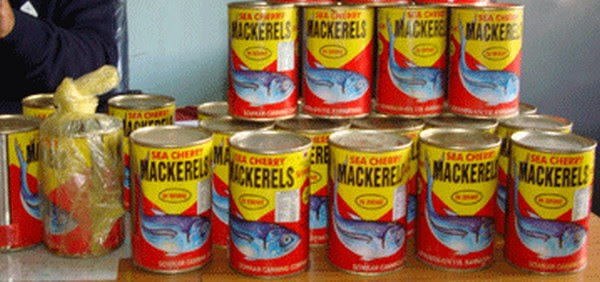
Sea Cherry Mackerel Sowkar (In brine) : Playing the 'Ban' and 'Lift' card Directorate, Secretariat differ on food safety rules

Imphal, December 10 2013: As far as implementation of the Food Safety and Standard Act is concerned, the Health Directorate and Health Department Secretariat are not on the same footing.
The latter has allegedly threw down all the laid down rules and procedures in the gutter in this particular case.
Sea Cherry Mackerel Sowkar (In Brine) manufactured/packaged by M/S Sowkar Canning Company, Udyavara 574, Karnataka was banned on March 25 this year for not complying with the Food Safety and Standard Act 2006 and its rules and regulations.
The ban was lifted by an order issued by the Principal Secretary (Health and Family Welfare) who is also the Food Safety Commissioner on November 30 .
An independent investigation conducted by The Sangai Express to study on what grounds the ban was lifted revealed differences in the perspectives of Health Directorate officials and Health Department Secretariat with regard to the rules and mandatory provisions of the Food Safety and Standard Act 2006 .
File pic of Sea Cherry Mackerel canned fish put on sale at a store
Sea Cherry Mackerel canned fish put on sale at a store
The reason cited by the Food Safety Commissioner in the November 30 order for lifting the ban was not fully comprehensible within the gamut of the Act.
To check whether a food product is complying with the Food Safety and Standard Act 2006 and Its Rules and Regulations 2011, it sample should be sent to NABL (Accredited Food Testing Laboratories) notified by the FSSAI (Food Safety and Standard Authority of India) .
According to this provision, samples of suspected food products should be sent either to the Mitra SK Private Limited, Kolkata or the Export Inspection Agency Lab, Kolkata.
Notably, Sea Cherry Mackerels Sowkar (In Brine) was banned in Manipur in accordance with the sample test results given by the Mitra SK Private Limited, Kolkata.
However, the order for the lifting the ban was issued based on the test result given by the laboratory of College of Fisheries, Karnataka Veterinary, Animal and Fisheries Sciences University.
According to rules, for all products found suspect in Manipur, their samples are to be sent to the two Kolkata based laboratories.
As such, it is highly questionable why the particular food sample was sent to the Karnataka based laboratory for the particular food produced (canned fish) was manufactured by Karnataka based Sowkar Canning Company.
Before lifting the ban, the Principal Secretary (Health and Family Welfare) wrote a letter to the Health Directorate on July 17, 2013 seeking the Directorate's opinion on the matter.
In its response sent on July 27, the Directorate maintained that the Sea Cherry Mackerel Sowkar manufactured by Sowkar Canning Company was not only unfit for human consumption but also did not comply with mandatory provision 2.2.2(8) of the Food Safety and Standard (Packaging and Labelling) Regulations 2011 .
The Health Directorate's letter further pointed out that the particular brand of canned fish was manufactured in unhygienic manner with the sole motive of earning profit.
The canned fish when tested in a laboratory notified by FSSAI, Ministry of Health and Family Welfare was found containing excessive quantities of yeast and mould which are harmful to health.
The department cannot make any compromise on the matter for consumption of the particular brand of canned fish would be harmful to the people's health, asserted the director's letter.
However, in spite of the Directorate's succinct negative opinion, the Principal Secretary (Health and Family Welfare) issued the order and allowed marketing of the particular brand of canned fish in Manipur.
For re-introduction of the canned fish after it was banned completely in Manipur, the manufacturer/company should first filed an application to the Health Directorate, Manipur along with an assurance that their food product fully complies with the Food Safety and Standard Act 2006 and its rules and regulations.
The company should also provide a sample for necessary laboratory test.
Then the Directorate should sent the sample to a qualified laboratory and its officials should also visit the company's units where the canned fish is manufactured.
Only when it is confirmed that the manufacturing unit and its product fully comply with the mandatory provisions of the Act, the ban may be lifted.
But what was done in the case of Sea Cherry Mackerel Sowker (In Brine) was not in line with the general procedure.
The ban was lifted after skipping all the laid down procedures.

Residents want action against soft drink firm

BOKARO: The recovery of huge stock of expired cold drinks and packaged drinking water from godowns of PepsiCo distributors, following massive raids conducted by administrative officials on Monday, has raised concern among the residents here. People are shocked to learn about the recent development in the district and demanded strict action against the company.
The stocks recovered is said to be of worth crores of rupees .The district administration found that the distributors in the town are involved in unethical practice of doling out famous brands of soft drinks like Pepsi, 7UP, Slice, etc after its expiry date.
Different teams led by sub-divisional magistrate (SDM) of Chas, Sanjay Singh conducted raids in half a dozen godowns in the district. Each of these distributers was found to have kept a huge stock of cold drinks and packaged drinking water which expired three-four months ago.
"However to find out the extent of harm these expired products could cause to the residents, the district health department has sent samples of the stock to State Food and Drug Laboratory, Ranchi for examination," said civil surgeon, Bokaro, Shashi Bhusan.
Meanwhile, the SDM on Tuesday submitted a detail report of the inquiry to Bokaro DC Uma Shanker Singh mentioning the provisions of Food Safety and Standard Act, 2006 that was violated.
The food safety officer of the district, B K Sinha has also sent a letter to chief executive officer of the bottling plant of PepsiCo India in Jamshedpur in this connection. The SDM said they have sought reaction of PepsiCo India in this regard.
"We have asked the company to tell who is supposed to recall the stock of cold drinks and packaged waters after expiry? We have also asked how long the expired stock can be considered safe for human consumption," said Sanjay Singh.
The administrative team, however, after conducting raids in the godown has also searched a retail shop in Sector-VIII where expired cold drink bottles were put on sale. This indicates that the distributors have stocked the cold drinks with an aim to circulate in market for money.
Investigating the matter, Singh came to know that these distributors lure retailers giving them lucrative officers to promote sale of cold drink bottles after its expiry date. The DC has appealed people to check the expiry date before consumption to avoid health problem.
The distributors and representatives of PepsiCo India were not available for comment. However, the political leaders, social workers and residents have appreciated the step taken by the administration in this regard and demanded strict action against the company in this connection.

Drastic reduction in malpractices by manufacturers of F&B, says Sankhe


Since the Food Safety and Standards Act (FSSA), 2006, came into being on August 5, 2011, manufacturers and retailers of food and beverages in Maharashtra have become extremely careful, stated Kamlesh Sankhe, joint commissioner (food), Food and Drug Administration (FDA) Maharashtra, in an interaction with Abhitash Singh.
Excerpts:
There have been reports alleging that worms are present in certain foods and pieces of plastic floating in a soft-drink bottle. Could you throw some light on this? 
Reports of these kinds have become a thing of the past. Since the implementation of the Food and Safety Standards Act on August 5, 2011, the ambit of our activities has increased, and manufacturers and retailers of food and beverages in Maharashtra have become more than careful. 
The provisions of its predecessor, the Prevention of Food Adulteration (PFA) Act, 1954, only made it possible for the FDA to play a monitoring role. 
What is the aim of FSSA?
FSSA aims at overall improvement in the hygiene of food. It is primarily a promotional act in terms of the quality of food that is being manufactured, distributed and ultimately consumed by the people.
How concerned is FDA Maharashtra about the hygiene of food and the health of people?
FDA Maharashtra is very concerned about the health of every resident of the state, and therefore, the thrust is on safe and hygienic food and beverages being consumed by the people. Right from the manufacturer to the street vendor, anybody dealing with food and beverages is covered under the FSSA.
Nobody can deal without a licence or registration. They have to guarantee that the food is hygienic and safe for consumption. In the last two years, we have noticed that instances of malpractices by food manufacturers and sellers have come down drastically.
What training is FDA Maharashtra imparting to the public?
Useful information to the public, industry and trade is disseminated by the state FDA on a regular basis through meetings, lectures, organisation of seminars, exhibitions, workshops and brainstorming sessions.

Dec 10, 2013

35-40 per cent FBOs licensed/ registered in M’rashtra; Kerala on track

The Food Safety and Standards Authority of India (FSSAI) has set February 4, 2014, as the final deadline for food business operators (FBOs) to obtain licences or get their establishments registered and many states seem to be on track thanks to methods such as creation of awareness over the issue, introduction of online licensing and registration, and impartation of training for the same.
However some states like Delhi and Punjab are still struggling to find solutions for problems such as lack of manpower thus putting a question mark on what would happen here if the process is not completed on time.
Maharashtra
In Maharashtra, home to approximately 15 lakh FBOs, about 3.5 lakh FBOs have either registered their establishments or obtained licences, either online or offline, according to Mahesh Zagade, the state FDA commissioner.
“The process is about 35-40 per cent complete,” he said, adding that the remainder would be completed on time, because food safety officers (FSOs) across the state are not only creating awareness about the importance of registration and licensing, but also imparting training on the process of applying for the same online.
Kerala
K Anil Kumar, joint commissioner, food, FDA Kerala, said, “The estimated number of FBOs is 5 lakh. We have already completed the registration and licensing of about 1,80,000 FBOs. Most of it has been offline so far, but we have recently started the online registration and licensing process. We are imparting training to the FBOs on the online licensing and registration process, and they are now comfortable applying online. We are sure that the process would be complete before February 4, 2014. If any of them failed to comply with the norms, they would be fined and imprisoned.”
Hitches in northern states
A regulatory source from the north, however, was not very optimistic, primarily due to the shortage of manpower. According to him, this was particularly the case in Delhi and Punjab. K J R Burman, Delhi’s food commissioner, said that the state had over 15 lakh FBOs, but to date, only 645 of them have acquired licences, because the state food regulator has been grappling with a shortage of manpower and inadequate infrastructure.
Burman explained, “We are lagging behind other states, because we have just started the process. We were not able to focus on the registration and licensing earlier, but now we have started the process online, and are confident that we would complete the registration and licensing of FBOs well before the deadline. Most FBOs in Delhi acquired their licences online.”
FDA Punjab’s food commissioner Hussan Lal said about 70,000 FBOs in the state have already registered or acquired licences, and efforts are on to get the rest to comply. He added there was no data about the number of FBOs in the state.
A state-wise statistical summary
In Maharashtra, 2,29,296 FBOs have registered and 1,21,484 have acquired licences. Tamil Nadu (with 2,03,869 registrations and 29,121 licences) is second, and Kerala (with 1,48,639 registrations and 26,910 licences) is third. Dr H G Koshia, food commissioner, Food and Drug Control Administration (FDCA), Gujarat, said, “Till date, we have registered 87,316 and licensed 31,266 FBOs. We would able to complete the process well on time. Since we were one of the first states to start the online registration and licensing process, FBOs have been cooperating with us.”

State
FBO licensed
FBO registered
Maharashtra
1,21,484
2,29,296
Tamil Nadu
29,121
2,03,869
Kerala
26,910
1,48,639
Gujarat
31,266
87,316
Punjab
8,931
57.263
Rajasthan
55,382
1,52,649
Uttar Pradesh
30,957
1,29,619
Andhra Pradesh
22778
51,657
Bihar
6,965
14,815
Goa
1,751
12,691
Madhya Pradesh
17,352
61,456
West Bengal
8,788
26,476
Delhi
645
Nil

Tobacco ban across India

Gutkha and similar other food products containing nicotine and tobacco have been banned across the country as per Food Safety and Standards (Prohibition and Restrictions on Sales) Regulations, 2011 dated 1st August 2011, issued under the Food Safety and Standards Act, 2006.
The laid down regulation 2.3.4 states that-- “Product not to contain any substance which may be injurious to health: Tobacco and nicotine shall not be used as ingredients in any food products”.
In a written reply to the Lok Sabha on Monday, union minister for Health and Family Welfare, Ghulam Nabi Azad said, so far 33 States/UT’s have issued orders for implementation of the Food Safety Regulations banning manufacture, sale and storage of Gutka and Pan Masala containing tobacco or nicotine. 
The states are-- Madhya Pradesh, Kerala, Bihar, Himachal Pradesh, Rajasthan, Maharashtra, Mizoram, Chandigarh, Chattisgarh, Jharkhand, Haryana, Punjab, Delhi, Gujarat, Uttar Pradesh, Nagaland, Andaman & Nicobar, Daman & Diu, Dadra and Nagar Haveli, Uttarakhand, Odisha, Andhra Pradesh, Goa, Sikkim, Manipur, Arunachal Pradesh, J&K, Assam , West Bengal, Tripura, Tamil Nadu, Karnataka and Puducherry.
Enforcement and implementation of the regulation lies with the commissioners of Food Safety under the state governments, as per the provisions of Food Safety & Standards Act 2006.
SC had earlier directed all health secretaries of 28 States/UT’s who had till then issued orders for implementation of the Food Safety Regulations, to file affidavits on the issue of compliance of ban imposed on manufacturing and sale of gutkha and pan masala with tobacco and/or nicotine.


JMC inspects various food junctions

Jammu, Dec 9 : The team of Health and Sanitation (H&S) wing of Jammu Municipal Corporation (JMC) inspected Jammu Club, Press Club and Amar Singh Club, and directed to them to improve their conditions of kitchen as per new Food Safety & Standard Act before 4th Feb. 2014. The team also visited the Jammu city and seized 8 Kg polythene from 12 defaulters and fined Rs. 5,000. 
A total of 617 persons were challaned in the year for violating the provisions of Municipal Act for creating nuisance or throwing garbage in the Municipal lanes / drains and the total compounding fee charged an amounting Rs. 3,03,575. In the current year 2013-14 total number of challaned produce 738 and fee charged Rs. 3,85,360. 


Please wash your hands, Mr Street food vendor


Food Safety and Standards Authority of India and National Association of Street Vendors of India are giving lessons on hygiene to street food vendors across the country
Even though the city fumes over the unhygienic practices of street food vendors, some say the ones in Koramangala can set an example for the rest to follow
Remember "Emploice Muswasands" from Sacha Baron Cohen's The Dictator? Well, street food vendors in India have been told to do just that: must wash hands. While hard core street food lovers would agree that cheap, roadside fast food doesn't taste the same in a hygienic food court without the street dust and grime, the next-gen Indian is becoming increasingly conscious of the hygiene levels. 
India has sported a long history of street food peddlers where a weekend outing for children would be to the nearest pani puri wallah. So the Food Safety and Standards Authority of India (FSSAI) along with National Association of Street Vendors of India (NASVI) have begun training sessions for street food vendors in the country to help them become more hygienic. 
At the first session in New Delhi in October, vendors were asked to not pick their noses and or scratch their ears while on the job. The situation in Bangalore, though, is apparently better than Delhi and Mumbai. 
Sangeeta Singh, street food program manager, NASVI, said, "Even though Bangalore was late in catching up on the street food culture, hygiene lessons were in place. The younger generation is conditioned to look for signs of good hygiene when scouring for roadside snacks. For most, the gloves and cap are assurance enough."

Karnataka to bring legislation to control adulterated milk production


BANGALORE: The state government is all set bring in a legislation to punish the guilty dealing with adulterated milk supply. 
Following Supreme Court's observation on December 5, the law and health are meeting on Thursday to discuss the modalities and set the ball rolling for the legislation. Law minister TB Jayachandra told reporters on Monday that necessary amendments to the existing or a fresh law would be introduced. "Milk coming from other states, supplied in border areas are reported of adulteration. Government will strictly deal with this," he said. 
The SC has asked state governments to make necessary amendments to their laws to make production and marketing of adulterated milk, which is injurious to human consumption, an offence punishable with life imprisonment. 
The observation by an apex court bench of Justice KS Radhakrishnan and Justice AK Sikri came after taking note of Uttar Pradesh, West Bengal and Odisha having made the sale of adulterated milk, contaminated with synthetic material, an offence punishable with life imprisonment. 
Asking the states to make the law to deal with production and sale of milk which is harmful to human beings more stringent, the court observed that the maximum punishment of six months for such offences under the Food Safety and Standards Act was grossly inadequate. 
The court was hearing a public suit which said samples collected by the Food Safety and Standards Authority of India (FSSAI) in 2011 revealed large-scale sale of adulterated milk across the country.
The FSSAI survey had warned that 70% of milk sold in the country is adulterated. The survey said the milk samples collected from rural and urban areas of all states failed to meet the norms of food safety and standards (FSS). It included both packaged and lose milk. 

FDA: ‘GMOs food safe, requires no labeling’

December 8, 2013: PROPONENTS of genetically modified organisms (GMOs) as safe-to-eat gained the upper-hand as the Food and Drug Administration (FDA) said in a statement on Friday it will not require labeling of GM products.
GMOs virtually has no difference from conventional food, is not cancer-causing, and has been proven safe for human health under numerous tests, the FDA statement said.
According to the food authority, packaged products containing GM crops like the Bacillus thuringiensis (Bt) corn and those that are not yet in the market, the Bt eggplant and the Vitamin A-rich Golden Rice, have no verifiable difference from any other conventional crops, adding that labeling is only mandatory if there are safety issues.
“These are as safe as the usual crops in the market. The nutrition contents too are substantially equivalent compared to usual farmers’ produce, so why GM food should be labeled?” Oscar Gutierrez Jr., chairman of the FDA Policy Planning Office, was quoted in the statement as saying.
Controversies
ON May 17, the Special 13th Division of the Court of Appeals issued a ruling to permanently stop confined field trials of Bt eggplant because these allegedly pose risks to human health and the environment.
The appellate court said the field trials of Bt talong (Bt eggplant) are unsafe to humans and environment and that the government of Philippines has failed to adopt sufficient biosafety protocols, as well as feasibility studies on GMOs to protect the environment and people’s health.
The groups Masipag (Farmer-Scientist Partnership for Development), Greenpeace Southeast Asia, and other advocates against GMOs contend that Bt eggplant is genetically modified to produce its own toxin to kill the eggplant fruit and shoot borer.
According to these groups, genetic engineering disrupts the precise sequence of genetic codes, disturbing the functions of neighboring genes, and that when consumed; GM foods may give rise to potentially toxic or allergenic molecules or even alter the nutritional value.
Concerns were also raised over genetic contamination, wherein a GMO crop reproduces once released in the open via pollination and interacts genetically with natural varieties of the same crop. Bt corn has contaminated the indigenous varieties of corn in Oaxaca, Mexico, a rich gene pool for maize varieties, according to a study published in academic science journal Nature.
In an earlier interview, Masipag said that prospects of export for Philippine organic corn, and eventually rice, might be affected once contamination is proven.
Last month the Department of Agriculture (DA) Undersecretary for Operations Dante S. Delima said the country has already shipped out 350 metric tons of organic rice to several countries.
Biotechnology was identified by the agriculture department as one of the strategies of the government to pursue its food staples sufficiency program in improving the production of staple foods to feed the burgeoning population.
Differences
ACCORDING to the FDA, the difference between GM and non-GM crops is the presence of recombinant DNA or the protein gene that is present in GM crops.
However, in the process of cooking the GM crop, the protein is destroyed or denatured, the FDA said.
“Once cooked, it’s no longer there. The food no longer carries the verifiable recombinant DNA. So what is there to label?” Gutierrez said, adding that in processed products like corn oil or corn syrup which are by-products of both GM and non-GM crops, nutritional content is practically the same in all aspects.
Bt corn, which contains the Bt protein, cannot harm humans because it will need an alkaline environment to be activated, and human guts are acidic, Antonio A. Alfonso said in an interview.
Alfonso, director of DA’s Crop Biotechnology Center, added that the human body does not have receptors in their cells to receive the insecticidal protein.
Guidelines
IN its “Draft Guidelines on Labeling of Prepackaged Foods Derived from or Containing Ingredients from Modern Biotechnology,” the food and drug agency indicated that it will not require labeling for GM packaged foods.
“Special labeling shall not be required for prepackaged food products derived from modern biotechnology that is highly processed as to eliminate the verifiable presence of recombinant DNA [rDNA] or its resulting protein. [These] are substantially equivalent compared with its conventional counterpart or as safe,” it added.
The regulation is in accord with the food safety standards Codex Alimentarius listed in the “Compilation of Codex Texts Relevant to Labelling of Foods Derived from Modern Biotechnology.”
Special labels will only be required when there is safety concern about food, according to the guidelines, and this only in instances that “significant change in composition, level of toxin, toxicity, allergenicity, nutritional value, or intended use of the food product as compared to its comparator.”
The Codex Alimentarius Commission (CAC) was established by the Food and Agriculture Organization and World Health Organization in 1963 to develop harmonized international food standards, guidelines and codes of practice to protect the health of consumers and ensure fair trade practices. The commission also promotes coordination of all food standards work undertaken by international governmental and non-governmental organizations like European Food Safety Authority and International Life Science Inc. The Sanitary Phytosanitary Agreement of the World Trade Organization ensures that internationally traded food meets the standards based on the scientific principles set by the CAC.
Advisory
IN its Advisory 2013-014 on “Safety of GM Food Produced through Modern Biotechnology” dated June 24, 2013, the FDA stated that food-safety assessment of biotechnology products “is more rigorous,” compared to other conventionally bred crops.
“For the GM food crops that have undergone food-safety assessment and approval process, the consensus of scientific opinion and evidence is that the application of GM technology introduces no unique food safety concerns and up to this time there is no single case of evidence of harm in man,” the FDA said.
The FDA also said with GM crops, Filipino farmers who do not want to plant biotech crops may use conventional seeds that are widely available. Farmers planting corn have chosen to plant the GM Bt corn which as of 2012 occupied 719,446 hectares. This area was up from 685,372 hectares in 2011 and was a steady increase from around 10,000 hectares when it was first planted in 2003, it noted.

Dec 9, 2013

Tobacco Ban in the Country

Gutkha and similar other food products containing nicotine and tobacco have been banned across the country vide Food Safety and Standards (Prohibition and Restrictions on Sales) Regulations, 2011 dated 1st August 2011, issued under the Food Safety and Standards Act, 2006. The said Regulation 2.3.4 lays down as under: 
“Product not to contain any substance which may be injurious to health: Tobacco and nicotine shall not be used as ingredients in any food products”. 
So far, 33 States/UT’s have issued orders for implementation of the Food Safety Regulations banning manufacture, sale and storage of Gutka and Pan Masala containing tobacco or nicotine. These are- Madhya Pradesh, Kerala, Bihar, Himachal Pradesh, Rajasthan, Maharashtra, Mizoram, Chandigarh, Chattisgarh, Jharkhand, Haryana, Punjab, Delhi, Gujarat, Uttar Pradesh, Nagaland, Andaman & Nicobar, Daman & Diu, Dadra and Nagar Haveli, Uttarakhand, Odisha, Andhra Pradesh, Goa, Sikkim, Manipur, Arunachal Pradesh, J&K, Assam , West Bengal, Tripura, Tamil Nadu, Karnataka and Puducherry. 
Enforcement and implementation of this regulation lies with the Commissioners of Food Safety under the state governments, as per the provisions of Food Safety & Standards Act 2006. 
Ministry of Health & Family Welfare, Government of India is aware of incidents of sale of tobacco and pan masala in separate pouches thereby circumventing the provisions under Food Safety Regulation. The said matter has been brought to the notice of the Supreme Court of India by the Ld ASG representing Union of India in the matter of Ankur Gutka vs. Indian Asthma Care Society & Ors. [SLP No.16308/2007,]. The Apex Court during its hearing on 03.04.2013 directed the Health Secretaries of 28 States/UT’s who had till then issued orders for implementation of the Food Safety Regulations, to file affidavits on the issue of compliance of ban imposed on manufacturing and sale of gutkha and pan masala with tobacco and/or nicotine. 
Gutkha and other similar food products containing nicotine and tobacco are prohibited under the Food Safety and Standards (Prohibition and Restrictions on Sales) Regulations, 2011 dated 1st August 2011, issued under the Food Safety and Standards Act, 2006. The said regulation lays down that tobacco and nicotine shall not be used as ingredients in any food products. 
Other forms of tobacco including cigarette and bidi etc., are regulated by the cigarettes and other tobacco products (Prohibitions of Advertisement and Regulation of Trade and Commerce, Production, Supply and Distribution) Act, (COTPA), which regulates consumption, production, supply and distribution of tobacco products, by imposing restrictions on advertisement, promotion and sponsorship of tobacco products; prohibiting smoking in public places; prohibiting sale to and by minors, prohibiting sale within a radius of 100 yards of educational institutions and through mandatory depiction of specified pictorial health warnings on all tobacco product packs. 
National Level Public Awareness campaign is a very important activity under National Tobacco Control Programme which is aimed at educating people about the adverse health effects of tobacco use. A variety of media like electronic (Government and private Channels and FM/radio), outdoor billboards, bus panels, exterior train wrap-up, news-paper advertisement etc. have been used to reach a wide set of audience. Dedicated spots have been developed as well as adapted from global best practices. 
Health spots relating to harmful effects of tobacco use are also displayed by films and TV Programmes displaying tobacco products or their use, as per the Rules notified under COTPA, 2003. 
This was stated by Sh. Ghulam Nabi Azad, Union Minister for Health and Family Welfare in a written reply to the Lok Sabha today.

மக்கள் உடல் நலம் பாதிக்கும் அபாயம் கலப்பட டீ தூள் பயன்பாடு அதிகரிப்பு விரைந்து நடவடிக்கை எடுக்க வலியுறுத்தல்

ஊட்டி, டிச.9: 
மாவட்டத்தில் உள்ள பெரும்பாலான கடைகளில் கலப்பட தேயிலை தூள் பயன்பாடு அதிகரித்துள்ளது. இதனை கட்டுப்படுத்த உரிய நடவடிக்கை எடுக்க வேண்டும் என பொதுமக்கள் வலியுறுத்தி வருகின்றனர். 
நீலகிரியில் உற்பத்தி செய்யப்படும் தரமான தேயிலை தூளுக்கு இந்தியா மட்டுமின்றி சர்வதேச அளவில் நல்ல மார்க்கெட் உள்ளது. பாகிஸ்தான், ரஷ்யா போன்ற வெளிநாட்டு வியாபாரிகள் நீலகிரிக்கு வந்து தேயிலை தூளை வாங்கி செல்கின்றனர். இதேபோல் சுற்றுலா வரும் பயணிகளும் தரமான தேயிலை தூளை மொத்தமாவோ அல்லது சில்லரையாகவோ வாங்கி செல்கின்றனர். 
இதனால் பொதுமக்கள் பலர் தொழிற்சாலைகளில் இருந்து மொத்தமாக தேயிலை தூளை வாங்கி சில்லரையாக பயணிகளுக்கு விற்பனை செய்து வருகின்றனர். இந்நிலையில் சமீபகாலமாக மாவட்டத்தில் உள்ள சில டீ கடைகளில் சாயம் கலந்த கலப்பட தேயிலை தூளை பயன்படுத்தி வருகின்றனர். தரமான தேயிலை தூளை வாங்கி அதில் மரத்தூள், புளியங்கொட்டை போன்றவற்றை அரைத்து கலந்து விடுகின்றனர். சிலர் டிக்காஷன் வருவதற்காக சாயப்பொடிகளை கலந்து டீ தயாரிக்கின்றனர். இதனை தொடர்ந்து அருந்தினால் உடல் கோளாறுகள் ஏற்பட வாய்ப்புள்ளது. குறிப்பாக ஊட்டி பஸ் நிலையம், ஏ.டிசி.மற்றும் சுற்றுலா தலங்களில் உள்ள டீ கடைகளிலும், ஊட்டி நகரில் உள்ள ஒரு சில ஆவின் பூத்களிலும் டீ தயாரிக்க கலப்பட தேயிலை தூள் தாராளமாக பயன்படுத்தப்பட்டு வருகிறது. கலப்பட தேயிலை தூளை கட்டுப்படுத்த தேயிலை வாரியம் கடுமையான நடவடிக்கை எடுத்து வரும் நிலையில் தேயிலை உற்பத்தி செய்யும் மாவட்டத்திலேயே கலப்பட தேயிலையின் பயன்பாடு அதிகரித்துள்ளது. 
கலப்பட தேயிலை பயன்பாட்டை முழுமையாக கட்டுப்படுத்த தேயிலை வாரியமும், உணவு பாதுகாப்புத் துறையும் கை கோர்த்துள்ளன. ஆனால் இதுவரை இருதுறையும் இணைந்து கடைகளில் ஆய்வு மேற்கொள்ளும் நடவடிக்கைகளை மேற்கொள்ளவில்லை. 
சுற்றுலா மாவட்டமான நீலகிரியில், தற்போது பெருகி வரும் கலப்பட தேயிலை தூளின் தாக்கத்தை கட்டுப்படுத்த விரைந்து உரிய நடவடிக்கை எடுக்க வேண்டும். மேலும் கலப்பட தேயிலை தூள் பயன்படுத்துவோர் மீது கடுமையான நடவடிக்கை எடுப்பதுடன், கடைகளின் உரிமத்தையும் ரத்து செய்ய நடவடிக்கை எடுக்க வேண்டும் என பொதுமக்கள் வலியுறுத்தி உள்ளனர். தவறும்பட்சத்தில் மக்கள் மத்தியில் நீலகிரி தேயிலைக்கு அவப்பெயர் ஏற்படும் அபாயம் ஏற்பட்டுள்ளது.

நுகர்வோர் பாதுகாப்பு சங்கம் சார்பில் உணவு பாதுகாப்பு அதிகாரிக்கு விருது

கிருஷ்ணகிரி, டிச.9: 
கிருஷ்ணகிரியில் நடந்த மக்கள் விழிப்புணர்வு கூட்டத்தில் உணவு பாதுகாப்பு அதிகாரிக்கு, நுகர்வோர் பாதுகாப்பு சங்கம் சார்பில் விருது வழங்கப்பட்டது. 
கிருஷ்ணகிரியில் சமூக நுகர்வோர் பாதுகாப்பு நலச்சங்கம் சார்பில், மக்கள் விழிப்புணர்வு கூட்டம் மற்றும் சாதனையாளர்களுக்கு விருது வழங்கும் விழா நடந்தது. சமூக நுகர்வோர் நலப்பாதுகாப்பு சங்க மாநில பொதுச்செயலாளர் சந்திரமோகன் தலைமை வகித்தார். கவுரவ தலைவர் சக்தி மனோகரன் முன்னிலை வகித்தார். மாநில செயலாளர் சதீஸ் வரவேற்றார். 
கூட்டத்தில் சிறந்த முறையில் அரசு பணியாற்றி வரும், உணவு பாதுகாப்பு மற்றும் மருந்துகள் கட்டுப்பாட்டு துறை நியமன அலுவலர் டாக்டர் கலைவாணி, தர்மபுரி உதவி தொடக்க கல்வி அலுவலர் நாகராஜன், தர்மபுரி கூடுதல் உதவி தொடக்கக் கல்வி அலுவலர் துளசிராமன், நீதித்துறை ஓய்வுபெற்ற அலுவலர்கள் சங்க மாவட்ட தலைவர் ராஜாமணி, ராஜேஷ் ஆகியோருக்கு சிறந்த சேவைக்கான விருது வழங்கப்பட்டது. 
இந்த விருதை, இந்திய அரசின் உணவுக்கழக உறுப்பினரும், நுகர்வோர் சங்க தேசிய செயலாளருமான சாரதி வழங்கி வாழ்த்தி பேசினார்.

அதிகரித்து வரும் பாஸ்ட்புட் கலாச்சாரத்தால் நோய் தாக்கும் அபாயம்


சிவகங்கை, டிச. 9: 
அதிகரித்து வரும் பாஸ்ட்புட்(ஜங்க் புட்) உணவு கலாச்சாரத்தால் பல்வேறு நோய் தாக்குதல் ஏற்பட வாய்ப்பு உள்ளதாக மருத்துவர்கள் எச்சரித்துள்ளனர். 
சிவகங்கை மாவட்டத்தை பொறுத்தவரை சிவகங்கை, காரைக்குடி, திருப்பத்தூர், காளையார்கோவில், மானாமதுரை, தேவகோட்டை, இளையான் குடி உள்ளிட்ட பகுதிகளில் தனியார் மற்றும் அரசு கல்லூரிகளில் படிக்கும் மாணவர்கள், மற்றும் விடுதிகளில் தங்கியிருக்கும் மாணவர்க ளை குறிவைத்தே இது போன்ற பாஸ்ட் புட் கடை கள் திறக்கப்பட்டுள்ளன. 
சென்னை போன்ற பெரு நகரங்களில் மட்டுமே இருந்து வந்த இக்கடைகள் கடந்த சில ஆண்டுகளாக சிவகங்கை மாவட்டத்திலும் ஏராளமாக திறக்கப்பட்டுள்ளன. மாவ ட்டம் முழுவதும் பாஸ்ட் புட் ஓட்டல்கள் தவிர, சுகாதாரமற்ற நிலையில் உள்ள சாலையோர கடை களின் எண்ணிக்கை மட்டும் 500க்கும் மேல் உள்ளன. இங்கு தயாரிக்கப்படும் பாஸ்ட்புட் உணவில் சுவை மற்றும் வாசனைக்காக பல கெமிக்கல் கலந்த பொரு ட்களை உணவோடு கலக்கின்றனர். கல்லூரி மாணவர்கள் மட்டுமின்றி சிறு வயது குழந்தைகளும் இதன் சுவைக்கு மயங்கி இந்த உணவை தொ டர்ந்து சாப்பிடும் நிலைக்கு தள்ளப்பட்டுள்ளனர். 
தற்போது அதிகமாகி வரும் நோய் தாக்குதலுக்கு உணவு பழக்க வழக்கங்களில் மாற்றம் ஏற்பட்டதே காரணம் என கூறப்படுகிறது. இந்நிலையில் பாஸ்ட்புட் உணவால் பல்வேறு நோயை நாமே விலை கொடுத்து வாங்குகிறோம் என மருத்துவர்கள் எச்சரிக்கை செய்கின்றனர். இது குறித்து அரசு சுகாதாரத்துறை இயக்குனர் ஒருவர் கூறுகையில், 
நம்முடைய பாரம்பரிய உணவு வகையில் உள்ளதை போன்று ஆயிரக்கணக்கான மடங்கு கலோரி பாஸ்ட்புட் உணவு வகைகளில் உள்ளது. இந்த உணவில் கலக்கப்படும் பொருட்களினால் கொழுப்புச்சத்து அதிகரிக்கும். இதை தொடர்ந்து சாப்பிடும் போது மாரடைப்பு, ரத்த அழுத்தம், அல்சர், டயரியா, ஆண்மைக்குறைபாடு, சர்க்கரை நோய் போன்றவை ஏற்படும். நூடுல்ஸில் வழு வழுப்பு தன்மைக்காக சேர்க்கப்படும் மெழுகு பொருள் எளிதில் ஜீரணமாகாது. இதனால் குடல், இரைப்பை, உணவுக்குழாய் கேன்சர் வர வாய்ப்புள்ளது. இந்த வகை உணவை சாப்பிட்டால் பெண்களுக்கு மலட்டுத்தன்மை, குழந்தை பேறு பிரச்சினை மற்றும் கர்ப்பிணிகளின் வயிற்றில் உள்ள குழந்தைகளுக்கும் நோய் தொற்று ஏற்படும். எனவே இந்த உணவை அறவே தவிர்க்க வேண்டும் என்றார்.

சுகாதாரமற்ற முறையில் இறைச்சி விற்பனை 50 கிலோ இறைச்சி பறிமுதல்

கோவை, டிச.9:கோவை 
மாநகராட்சி பகுதிகளில் பல இடங்களில் சாலையோரம் திறந்த வெளியில் இறைச்சி விற்பனை செய்யப்படுகின்றன. சாலையோரம் 3 கம்புகளை நட்டி அதில் ஆடு, கோழி இறைச்சிகளை தொங்க விட்டு விற்பனை செய்கின்றனர். 
சுகாதாரமற்ற முறையில் இறைச்சி விற்பனை செய்வதற்கு மாநகராட்சி தடை விதித்துள்ளது. மாநகராட்சி அனுமதி பெறாமல் இறைச்சி விற்பனை செய்தால் அவற்றினை பறிமுதல் செய்யப்படும் என மாநகராட்சி எச்சரிக்கை செய்தும், அதனை பொருட்படுத்தாமல் பிராதன சாலைகளின் ஓரத்தில் திறந்த வெளியில் இறைச்சிகள் விற்பனை செய்யப்படுகின்றன. 
இதை தொடர்ந்து மாநகராட்சி கால்நடை மருத்துவரும், மிருகசாலை இயக்குநருமான டாக்டர் அசோகன் தலைமையில் மேற்பார்வையாளர் ஸ்ரீராம் மற்றும் துப்புரவு பணியாளர்கள் 5 பேர் நேற்று கவுண்டம்பாளையம் முதல் துடியலூர் வரை சாலையோரங்களில் திறந்த வெளியில் இறைச்சி விற்பனை செய்த கடைகளில் அதிரடி சோதனை மேற்கொண்டனர். 
10 இறைச்சி கடைகளில் நடைபெற்ற இச்சோதனையில் சுகாதாரமற்ற முறையில் விற்பனை செய்த 50 கிலோ இறைச்சியை பறிமுதல் செய்தனர். கடைகளுக்கு ரூ.17,000 அபராதம் விதிக்கப்பட்டது. இது போன்ற சோதனை தொடர்ந்து நடத்தப்படும் என மாநகராட்சி கால்நடை மருத்துவர் அசோகன் தெரிவித்தார்.

DINAMALAR NEWS


DINAMALAR NEWS


Midnight raids expose supply of banned tobacco products

Food Safety Wing zeroes in on lorry booking offices that supply the products to places in southern districts
During intensive raids conducted across the city in the last three days, the Food Safety Wing has detected an illegal network through which banned tobacco products were being supplied to various southern districts from here.
The inspection teams stumbled upon a major supply chain which has been operating by using lorry booking offices as supply points thereby evading the food safety officials who normally carry out raids in retail and wholesale shops.
Large cartons of banned tobacco products such as ‘pan parak’ were seized at lorry booking offices situated on East Veli Street in the city and also some quantities from houses at Villapuram, Kaithari Nagar and T.Kallupatti, official sources told The Hindu on Sunday.
Food safety inspectors led by J.Suguna, Designated Officer for Food Safety, undertook inspection in 20 lorry parcel booking offices at East Veli Street from 12’o clock midnight till 3 a.m. on Friday. At least, four lorry offices were actively involved in transporting huge boxes containing consumable tobacco products despite the ban imposed by the State Government.
“We have seized tobacco products worth Rs.5 lakh from lorry godowns but the staff there was not forthcoming to provide details on who booked the parcel. The modus operandi to supply banned tobacco needs more investigation,” she said.
After informing District Collector L.Subramanian about the seizure, the food safety inspectors destroyed the tobacco products.
The lorry parcel connection was traced to Virudhunagar, Sivakasi, Ponamaravathi, Salem and Kanyakumari.
Inspecting teams suspect that large stocks of ‘pan parak’ and other such chewable tobacco products might have been stocked in the houses of retail shop owners in the city’s outskirts.
Dr.Suguna has said that the district administration had already formed a coordination committee comprising representatives from various departments, including the police, to implement the ban and take the violators to task.