Apr 9, 2016

Khayber Expose may blow your mind

The surprising truth about the Khyber may land you in shock
Everything you need to know about adultration of Khyber milk. We got for you
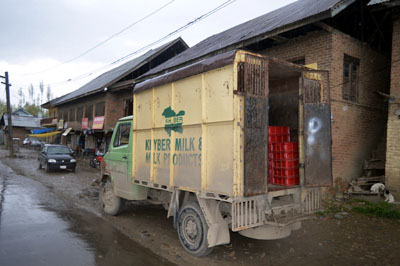
Hoardings In Srinagar
Everyone wants to know WHY?
Kashmir gets poisoned milk by their own people: Why
Administration can’t save Kashmir from dangerous food items: Why
If a company us convicted for adulterating milk, the story is absent from the top papers: Why
SMC is unable to take down the Hoardings: Why
Khyber manufacturing products are still in market: Why
Khyber products should not be available for HUMANS only: Why
Convicts are roaming freely including some officials supporting the company: Why
Despite the company found guilty earlier, they continue marketing: Why
Advertisements continuously flash on TV channels: Why
By Beigh Irshad || Valley Online
SRINAGAR: As valley’s leading milk producing company, Khyber group is in headlines from last few days due to it’s sub-standard, un-safe and mis- branded milk products.
The news about Khyber group was almost buried by the local press here. Almost all the leading newspapers whose lofty slogans claiming to be the bold voices of Kashmir silently buried the news even the advertisements of Khyber were continuously being published in the news papers.
It was only possible by social media where the news got fire and was highlighted by criticism on local News Papers and their owners.
Youths poured out their anger against the newspapers and taunted them on social networking sites with headings like ‘Khyber supplying poison instead of milk’, ‘Kashmir’s killed by Kashmiri’ and much more.
“Through its milk product, Khyber poisons Kashmir and then treats them at their hospital (Khyber Hospital) a social media user posted on Facebook.
Printer and Publisher Greater Kashmir did not know why that story was not carried because he was not in town, Editor-in-Chief Rising Kashmir too was out of town and knew nothing about it, and Editor-In-chief Kashmir Reader said they did not carry the news because only one brand was being targeted and declared as unsafe, while quoting them a local journalist filed a story on Khyber in The Hoot (http://www.thehoot.org/media-watch/regional-media/kashmirs-cronyism-means-a-news-blackout-9277).
“We thought it is someone’s conspiracy to discredit the brand and company (Khyber). Why are samples of other brands not being checked?
There are spice companies who don’t follow set criteria but no action is being taken against them,” Editor-In-Chief Kashmir Reader said.
Despite court directions, adulterated milk is being sold boldly and openly in the market in connivance with those employed to check and seize it, thus playing with the health and lives of people.
According to the J&K government’s an order and direction to stop the marketing of milk and all milk products manufactured by Khyber Agro Farms till further directions products are available in several shops across Kashmir Valley.
Doctors Association Kashmir (DAK) also demanded strict enforcement of ban on sale of Khyber milk.
“Virtually every cup of tea grownups have been taking for years and every ounce of milk infants have been brought up on was actually a deadly cocktail of detergents and hazardous substances,” the DAK president said.
The Health and Medical Education Department, in its order No HD/Legal/Drug/MR-56/2016 dated 06-04-2016 ordered that no milk or milk product of the company be available for human consumption till these products are declared safe by a referral laboratory in Kolkata.
Government took three days in removing the Khyber Dairy products even after the strict directions from the Court in J&K and the hoardings of Khyber Company are Still found in every nook and corner of Srinagar city.
Commissioner Srinagar Municipal Corporation Bashir Ahmed Khan said that the Corporation is bound to remove these misleading hoardings. “I am out of station and once I will reach Srinagar, all these hoardings will be removed,” he said.
If years back Khyber Agro Farms Private Limited was found guilty of selling sub- stranded, mis-branded and unsafe milk but it was again sell in market without any fear and care. This time again the sample was found “sub-standard, un-safe and mis- branded” by a Kolkata laboratory.
The Judicial Magistrate in his judgment noted similar instances earlier and said that the milk manufactured by Khyber contains “detergent, urea and other dangerous chemicals not only in milk but other edible products.”
“The accused company is facing similar cases before various courts, therefore, the presumption of innocence in favour of the accused company is ruled out,” the judge said.
The Judicial Magistrate also sentenced the convicted company’s head of operations to six months imprisonment for violating various sections of Food Safety and Standards Act, 2006 and Rs 9 lakh as fine.
The court also criticised the Food Analyst for not discharging his duties and ordered his removal.
“Either Hamidullah Dar (Food Analyst Kashmir) is incapable to conduct the test and discharge his duties to the expectations of his assignment and job Or he is dishonest to his job,” the court remarked in the judgment.
Dar was termed as a deadwood and cancer for the nation by court.
On its part, Khyber Agro Farms Managing Director Abdur Rouf Tramboo said he would not comment now. “We will soon clarify our stand.
We will see what the law allows us to comment because the case is in the court,” he said.
“As court has already had taken a serious note of the manner of conduct of the two officers and put on record appreciation for Zeenat Ayoub, Food Safety Officer and the . of the case but their should be an award for them” a respectable citizen has uploaded this status on social media.

DAK demands death penalty for food adulterators

Srinagar 
Amid deepening public concerns over food safety following a wave of recent food adulteration, Doctors Association Kashmir (DAK) today demanded capital punishment for those involved in contamination of eatables. Describing food adulteration as a crime against humanity, President DAK Nisar ul Hassan said death penality will act as a powerful deterrent and will curb the menace of food adulteration. 
This provision of exemplary punishment should be inserted into the food act to discourage those who are responsible for food adulteration which is causing loss of precious human lives. The current food safety and standards act has provisions for a maximum punishment of life imprisonment for those involved in manufacture and sale of unsafe foods. 
The DAK president said there are growing voices in favor of death sentence to weed out this heinous crime which is perilous to human life and health. In 2009, two persons were executed in China for tainting milk powder with melamine, an industrial chemical. Dr Hassan said two years before that, China executed head of Food and Drug administration for accepting bribes to allow untested drugs to be approved for marketing. 
Adulteration of food which was unheard in past has now become a way of life in Kashmir.This dangerous malpractice is responsible for rise in cancers and deaths in the valley, he said. Recent expose of contaminated milk and spices of two leading corporate houses has shaken the confidence of common man and no deterrent punishment was meted out. 
There is hardly any pure item in the market which is grossly unchecked and unregulated, he said adding those who are employed to control the menace and prosecute criminals are in active connivance with them and are involved in the complicity of this grave crime. 
The inordinate delay in disposable of court cases has becom,a tool for perpetrators to wriggle out the legal proceedings.


Apr 8, 2016

Khyber Milk Not even Worth For Animals Use’

Company dares court order, floods market with 47,000 litres of milk and 2000 kgs of curd

‘Srinagar: A shocking revelation by a former civil servant about Khyber milk is enough to shake ground beneath your feet: Not even worth for Animals use.
This grave revelation about a widely used product has caused the people of the valley to lash out on various social media sites.
Mohammad Anees, a former civil servant in a response to a Facebook post reveals how he was told that Khyber milk wasn’t even fit for animals. “Late Mufti sahab wanted to involve Mr Kurrieen of Amul to start an Amul backed milk plant on cooperative lines in J&K,”Mr Anees said. “I was those days the Secretary Resident in Commission Office New Delhi and was given a task to liaise with Mr Anand and GM Amul. One of the formalities for this exercise was to send samples of locally available packed milk to Mr Anand. While proceeding ahead I, for curiosity sake, asked GM about the report of local milk brand, Khyber besides other small local brands. His remarks were stunning. "Not even worth for Animals use", he answered.
“It is shocking how milk, a necessity, is being replaced by detergent. In times when even the officers are allowing companies to sell us poison, who are we supposed to trust? Does our health and life mean so little?”Dr.Abid Hussain, a general physician lamented.
“God knows how many people might have died by consuming this milk,” another Facebook user reflected upon Mr. Anees’ revelations. “The Food Analyst Kashmir--Habillullah--has been in league with them. The court has termed the Food Analyst as 'cancer for the society'.”
Former Director Animal Husbandry, Farooq Ahmad Kaloo in his response said that he had forecast this thing to happen. “I was a part of the team tasked to inspect various milk plants in Kashmir. When I learned that they have been procuring milk from Punjab, I told the managers that they would one day land in trouble because there is absolutely no mechanism to prevent milk adulteration enroute. And it has now finally got detected by some honest fellow. Unfortunately milk and mutton inspection in the state has been assigned to non-professional people instead of it being assigned to vets who are better equipped and better trained to undertake the job.”
The concern over food adulteration is not something new to the valley. Earlier, food products like chicken kebabs and fish had come under the scanner and the administration had even banned certain unknown brands, declaring them unsafe for consumption.
Notwithstanding the Doctors Association Kashmir (DAK) Wednesday demanding a complete ban on sale of Khyber milk, the company continued to openly violate the orders of the Honourable Judicial Magistrate Budgam, Mr Imtiaz Ahmad Lone, and supplied milk to the valley markets.
As per reports, around 47,000 litres of milk and 2000 kgs of curd were supplied by the company to the markets only a day after the Budgam court had ordered Commissioner Food and Safety, to either close the company or remove all the products manufactured by them till declared safe.
Khyber products had been involved in a similar controversy a few months back, however the company had denied any adulteration on their part.
As per a medical report submitted by the Sheri-Kashmir Institute of Medical Sciences, the company’s milk was found to contain traces of detergent and was labelled as a threat to human health.
Terming contaminated milk as attack on human lives, President DAK Dr Nisarul Hassan in a statement said that the government should immediately stop manufacture and sale of Khyber dairy products and withdraw all stocks from the market till there is clarity on the quality of products.
“Khyber milk is consumed by hundreds of valley residents including small children. How can they play with our health? They should be punished severely so that no company will dare to do such a thing in future”, said SheemaAshai, a resident of AaliKadal.
The court has imposed a penalty of Rs 6 lakh on Khyber and sentenced its representatives to six months imprisonment.
“Having high regard for the judicial system, I really feel disappointed from the judgement, said Rafiq Ahmad Shah, a Jeddah based bank manager. “Though the learned judge seem to be convinced about the crime and have come up with serious remarks against the company and food analyst but is the fine imposed enough and Exemplary? Possibly not.”
The court has ordered the product samples to be collected and sent to Referral Laboratory, Kolkata for further testing. However the samples couldn’t be collected on Wednesday as the Station House Officer, Budgam was not available.
Commissioner Food and Safety, Mr Mandeep K Bhandari, on being quizzed about the issue assured that the court orders will be obeyed properly and said that the samples couldn’t be collected today as the court order was received late in the evening yesterday.
Meanwhile, the company continues to play with the health of the consumers by selling their unsafe products. Shockingly, the Food Analyst, Kashmir, Mr Hamidullah Dar had very recently given a clean chit to the company and declared its products safe for consumption.

Will remove Khyber hoardings soon: SMC

Srinagar: Even after government invoked a ban on Khyber Dairy products, the company’s hoardings about the banned toned milk and curd on roadsides and footpaths are still intact while people are alleging that Srinagar Municipal Corporation seems in no mood to entertain the order.
“It is irony that government took three days in removing the Khyber Dairy products even after the strict directions from the Court. Now it is responsibility of SMC to remove the hoardings of Khyber Company that are found in every nook and corner of Srinagar city,” said a Srinagar resident.
Pertinently, Judicial Magistrate (Sub-Judge) Budgam, Imtiaz Ahmad Lone, had directed the Commissioner Food and Safety to close down the company or ensure that its products are taken off the market till the outcome of results of the samples to be taken from the market.
In his judgment, Lone had said: “The Commissioner Food and Safety shall immediately take all steps in ensuring that the convicted company is closed or products are taken off from the market unless Referral Laboratory Kolkata declares that the products of the convicted company as safe to consume and products manufactured by the convicted company do not harm the nation as is proved by the medical report submitted by the SKIMS.”
Reports said that Khyber Company had installed hoardings of banned Dairy products in different parts of Srinagar city. “It gives a wrong signal. The SMC should remove these hoardings without any delay,” said a passerby after looking at the company’s hoarding near Regal Chowk.
Commissioner Srinagar Municipal Corporation Bashir Ahmed Khan said that the Corporation is bound to remove these misleading hoardings. “I am out of station and once I will reach Srinagar, all these hoardings will be removed,” he said.

Why Focus on Khyber?

Khyber is the largest milk supplier in the Kashmir valley

Kashmir Observer has been criticized by certain quarters for highlighting misdemeanours of Khyber Agro Farm Ltd. In the main, it has been alleged, washing the dirty linen of a native or local company that has over time morphed into a brand is wrong. Moreover, it has been alleged that drubbing Khyber amounts to creating space for outside brands and firms. There are faint echoes of nativism and pride involved here. But both are misplaced.
Khyber over time has indeed evolved into a diversified quasi conglomerate. This is heartening. But what is alarming and worrisome is that the ‘local’, native company was involved in egregious malpractice that hurt or more potentially hurt consumers- if the Government version is to be believed. Khyber’s motive in taking recourse to malpractice stretches reason and credulity. If the firm wanted to increase economies of scale, and thus market share, there were legitimate and perfectly legal and ethical means to do so. Moreover, the firm- even though we have not had a look at its accounts- appeared to be growing –in terms of market share, market power and its concentration ratio suggests there are little competition to it. The firm could have grown by way of organic growth- increased output, sales, new product development and improved time to market and, of course, diversification. These strategic management options are still open to the firm. It needs to be stated here that Khyber is not dead; it is alive and there is a future for the firm.
Our premise for highlighting the misconduct was in the nature of taking the information into the public domain in public interest. Our approach was not slanted. That is, we were not singling out Khyber. A wrong has been done; obfuscating or blacking it out amounts to impropriety and downright immoral and unethical behavior. This, however, is not the only reason. Being part of the local media-scape and its conscientious members, we did not want to leave the ‘pickings ripe’ for outsiders, so to speak.
Does this mean we are hostile towards business activity? No. Not at all. We are very much mindful of the need for business, commercial and entrepreneurial activity to both take root and expand in Kashmir. But we also understand and vigorously believe that while commerce and economic activity is great, it cannot and should not come at the expense of the people. We, by highlighting Khyber’s misconduct, also wanted our businesses and firms to be more ethical and stakeholder friendly. This may sound counter intuitive given that we highlighted Khyber’s misconduct but the point here is that, in the final analysis, ethical and sound business practices, matter and are key to sustainable wealth creation.
Corporations, across the world, are realizing and moving beyond mere shareholder value to sound, healthy, prudent and ethical business practices. Good ethics, crudely put, are good business too. This is also one reason why we chose to bring Khyber’s misconduct in the public domain. We want our businesses to understand and internalize the value of business ethics and good corporate conduct. We will not for the sake of vanity and misplaced pride disavow or choose to ignore or gloss over misconduct. In the interests of propriety, ethics, larger public interest and good, and in order to spur our business firms, enterprises and entrepreneurs to prudent and ethical business practices, we will not hesitate in doing what is right.

Khyber Milk Discredited, What About Other Brands?

 
What about other milk brands?

Srinagar: Khyber Agro Farms Pvt Ltd, largest dairy producer in the state, has been stripped naked and the secret to its so called ‘safaedi’ revealed. While people are busy discussing Khyber, it is time other local and non-local brands selling milk and other dairy products in Kashmir markets are also put under scanner.
“Our team has collected 20 samples of different brands of dairy products in Srinagar and Pulwama district which will be tested within a period of 14 days and the report will be made public. The testing of samples will be done in the whole state and we will accordingly report to the concerned agencies,” Deputy Commissioner Food and Drug Control Ms. Irfana told Kashmir Observer.
Numerous brands like Snow Cap, Zum Zum, Haleeb, V-fresh, Pure’de, Surya milk, Dodla milk, Milan dairy are sold in Kashmir markets.
Following reports of adulteration by a renowned and ‘trustworthy’ brand like Khyber became public, suspicions about the quality of other lesser known brands have risen. This is an open secret that companies falling under Fast Moving Consumer Goods (FMCG) category are suspect in Kashmir for selling adulterated and substandard food items, yet their produce is sold as there are very few choices (Especially dairy and spices) available in the market for the consumer.
They have been feeding poison to the people of the valley for a long time now with the so called guardians of public health hand in glove with them.
Dairy business was monopoly of the state till recently. In the late sixties, the government of Jammu and Kashmir directed Animal Husbandry Department to establish a dairy farm in both Jammu and Kashmir. In this connection, exotic cattle farms were established in both the regions. First milk plant in the state, named as Milk Supply Scheme, was constructed in 1959. In 1970, another milk plant came into existence in Jammu. Both were under the control of Animal Husbandry department of the state. In 1970’s, a proposal for the launch of Operation Flood in the state was submitted to the National Dairy Development Board through Indian Dairy Corporation. In 1983, cabinet took the decision to convert the Milk Supply Scheme to Kashmir Valley Milk Producer’s Cooperative Federation and Jammu Milk Cooperative Federation. Both these federations were unable to sustain the regular operations of procurement and processing and as such were liquidated in 2004.
As private dairy farms established their presence in the state, the milk production increased considerably in a span of 10-15 years. New Brands like Snow Cap and Zum Zum dairy productions began competing with Khyber agro farms and slowly milk production in Kashmir became a full-fledged industry. Over the years, the governing agencies stopped testing the samples of these dairy companies partly because of laziness but mostly because of the bribes these companies paid the officials. Since the issue has come to limelight now, the authorities have started a blame game in order to prove themselves as worthy public servants.
“Every product should be tested as we don’t trust any of these so called pure brands of Kashmir. Khyber is not only used in all our households but also during marriages and other functions. Authorities are acting as mute spectators. Despite this grave issue, they have not removed Khyber products from the market,” said Anees Mushtaq, a consumer.
Even after a week of the shocking revelations, the unsafe milk still continues to be sold in the valley markets openly. As per the local grocers, nearly 50-60 packets of Khyber milk and around 20-30 containers of Khyber Dahi are sold per day. “We have a lot of stock left as this brand of milk is very popular in Kashmir”, said Gulzar Ahmad a shop owner in Soura.
Health Officer SMC, Dr. Shamima said, “We have warned the shopkeepers to clear out any stock of the said product as some people are unaware about the issue. We have checked various markets today and have strictly warned grocers to stop selling the adulterated milk. We have issued warning on selling other brands as well till these are tested and verified by the Food and Drug Control officers.”

Dinamalar News


Dinamalar News


Dinakaran News


Dinakaran News


Dinamalar News


Unhygienically packed Haldiram products flooding market in Jorhat, consumers asked to be alert

JORHAT, April 7: Taking advantage of the vacuum of many government department offices wherein officers have been deputed on election duty owing to the State assembly elections and also the approaching Bihu celebration, food based companies are pumping the markets of Northeast with adulterated and expired packaged food products and one such emerging company is Haldiram which has of late resorted to selling unhygienic food products in complete violation of FSSAI (Food Safety and Standards Authority of India) packaged licensing.
One such incident of recovery of both fresh and damp product inside Haldiram’s Orange flavoured Soan Papdi has created sensation in Jorhat on Thursday with a case being registered by the designated officer of the Jorhat Food Safety department under the Joint Director of Health office.
Victim Aanjum Hazarika while talking to The Sentinel said, “I purchased a packet of 200 gm Haldiram Orange flavoured Soan Papdi priced at Rs 50 from a local grocery shop after dropping my son to school and served three pieces of it with the morning tea. It was when my husband was appreciating the quality of the product and wanted to see the packet did I notice saw that it contained two different layers of the product within the same packet, one of which was wrapped in plastic with a spoon, which was fresh, and the other beneath the plastic wrap was completely damp, moist and gave out a pungent smell. My husband immediately brought the matter to the notice of the selling outlet and he gave us the address of the agency dealing with supplying and distributing the product on behalf of Haldiram that is M/s Salasar Enterprise having office at Baruanibaat, Jorhat.”
“However, despite showing the product to the owner identified as Lalit Sharma of Salasar Enterprise, he refused to accept that he sold the product and informed that there are other agencies besides his, like Punit Plastics, B.K Agency and Priyam Enterprise that sell the product. But he cooperated and got us connected with one Babul, a senior sales manager of Haldiram and one Pintu, salesman but they too refused to any kind of product violation. My husband decided to lodge a complaint with the food safety officer who immediately after seeing the FSSAI license raised doubts over the number that started with 13 zeroes and ended with the numeric 2. Incidentally, the food safety officer acting promptly seized the packet and raided the agencies and confiscated all purchased and selling slips to ascertain the origin of the product from where it was sent for distribution,” added Aanjum Hazarika.
Designated Food Safety Officer, HC Kalita said, “We have already started our investigation based on a written complaint and have seized the Haldiram product and will send the same to our state laboratory for test. Close examination shows the product to be adulterated and presence of different layers within the same packet. Interestingly, though the packet weight content is 200 grams and even after consumption of three pieces the net weight remains above 200 grams. The complainant has not raised doubt over the wrapped product but is concerned about the unhealthy, damp and unhygienic content present at the bottom and without any wrap. We doubt the FSSAI License number and need clarification as to from which State it has been issued. I appeal to the people to remain alert while purchasing such food products and report to us immediately at the slightest doubt. As such Assam has become a home to unscrupulous traders who deliberately adulterate food items and it is a serious crime.”

Silence on Khyber

Why Focus on Khyber?
A court on Monday fined Valley’s leading milk manufacturing brand Khyber Agro Farms Private Limited with Rs 9 lakh after the milk produced turned out to be laced with “detergent, urea and other dangerous chemicals not only in milk but other edible products.” The Judicial Magistrate sentenced company’s head of operations to six months imprisonment for violating various sections of Food Safety and Standards Act, 2006. The court also blamed the company for the increased number of cancer patients in the Valley. The Food Analyst Hamidullah Dar was also criticised for not discharging his duties and his removal was ordered. This is the second time in the past three years that the brand’s milk has been found to be spurious. The court passed severe strictures against Dar. “Person like Mr. Hamidullah Dar is more dangerous than a fatal disease like cancer for the entire nation and [his] incapacity or compromise with the nature of the job like Food Analyst Kashmir cannot be accepted by any standards of expectations where lives of the citizens are involved,” the court said. Following this the State Government moved to ban Khyber milk and ordered recall of the brand’s milk and milk products from the market.
However, the government order is not without its irony. It once again took a court intervention to galvanize it into action – albeit its officials must have been long aware of the adulterated milk products being supplied to the market. But as court rightly observed, either due to dishonesty or because of the sheer incompetence, they let this slow poison be consumed by the people. 
But while court has done its bit and the government has grudgingly followed the directions, our civil society which cries loudest over political issues is silent. There is no statement from many active civil liberties groups, and so called champions of the food safety. There is also no statements from our clergy. Even no comment from the political parties across mainstream-separatist divide. National Conference is silent, PDP is silent and what is more, even Hurriyat is silent. Why? There is no rational explanation for this. Is our sense of outrage trained to respond to the political issues only? Because these offer instant attention. Doesn’t our collective health and that of our kids matter? Shouldn’t we demand with equal energy and the lung power a safe food for ourselves? More so, when we shell out hefty amount for it.
One would expect all our leaders, civil society activists and the clergy would be up in arms. Or, at least, issue their respective little statements to the press. Or Imams would at least inform the people at the mosques. But nothing of the sort has happened. This sense of indifference towards the environmental, food safety and health issues is appalling. And it is this general apathy which emboldened Khyber to put milk on the market despite government ban. It is this general apathy that the company hasn’t still cared to explain its side of story, not bothering to even issue a press release. This refusal to explain and defend itself is tantamount to admission of the guilt. Certainly we are a very, very politicized society but it is time we also care about our environment and of course our health too.

Apr 7, 2016

Centre planning sugar tax to fight obesity, diabetes

New Delhi
Junk food and sugar-sweetened beverages will soon be taxed higher and subjected to tougher advertising norms. The government plans these measures to control the growing incidence of diabetes in the country.
The health ministry and the central food safety regulator are working on a proposal to cut consumption of unhealthy food and beverages, mainly among children.These are known to be responsible for the burden of diabetes cases and obesity .An inter-ministerial consultation on the matter took place in February .
“There is a serious effort to control non-communicable diseases, mainly diabetes and cancer. We have a multisectoral action plan and consultations are on with different ministries,“ a senior health ministry official said.The ministry is compiling feedback from ministries and will refer the proposal to the finance ministry and the PMO, he added.
There is consensus among ministries and departments on the need for stringent measures to contain the rising disease burden right from childhood, the ministry official said.
Diabetes Foundation and Centre of Nutrition and Metabolic Research estimates show the annual per-capita consumption of sugar-sweetened beverages in the co untry rose from around 2 lit res per head in 1998 to 11 lit res per head in 2014.

The proposal, in line wit World Health Organisatio (WHO) recommendations, i likely to include stringen packaging norms for junk fo od and soft drinks, energ drinks and other sugar-swee tened beverages.

While the Food Safety an Standards Authority of Indi has been asked to look at th packaging issues, the mini stry is mulling restriction on endorsement and adverti sement of such products, ma inly during primetime.

கடலூர் உழவர்சந்தையில் வாழைப்பழம் பழுக்க ரசாயனம் பயன்படுத்தினால் உரிமம் ரத்து

கட லூர், ஏப். 7:
வாழைத் தார் க ளுக்கு ரசா ய னம் தெளிக் கப் ப டு வ தாக வந்த புகார் க ளின் ேபரில் நேற்று வேளாண் துறை அதி கா ரி கள் கட லூர் உழ வர் சந் தை யில் திடீர் ஆய்வு நடத் தி னார் கள்.
கட லூர் உழ வர் சந் தைக்கு நாள் தோ றும் நூற் றுக் க ணக் கான வாழைத் தார் கள் விற் ப னைக்கு கொண்டு வரப் ப டு கின் றன. அவற்றை உட ன டி யாக விற் பனை செய்ய ஏது வாக ரசா ய னம் தெளித்து பழுக்க வைத்து விற் பனை செய் யப் ப டு கி றது. இந்த ரசா யன வாழைப் ப ழங் க ளால் பொது மக் களுக்கு பல் வேறு உடல் பா திப் பு கள் ஏற் ப டு கின் றன என்ற அதிர்ச்சி தக வ லும் சமீ பத் தில் வெளி யா கின.
இந் நி லை யில் வேளாண் மைத் துறை துணை இயக் கு நர் ஆறு மு கம் தலை மை யில் அலு வ லர் பவானி, உதவி அலு வ லர் கள் முத் து ரா மன், சீனு வா சன், பாரதி, அசோக் ஆகி யோர் ேநற்று காலை கட லூர் உழ வர் சந் தை யில் அதி ரடி ஆய்வு நடத் தி னர். வாழைத் தார் க ளுக்கு ரசா ய னம் போடப் பட் டுள் ளதா என பரி சோ தித் த னர்.
அதனை அடுத்து அங்கு விவ சா யி களை ஒருங் கி ணைத்து விழிப் பு ணர்வு நிகழ்ச்சிக்கு ஏற் பாடு செய் யப் பட் டது. இக் கூட் டத் தில் துணை இயக் கு நர் ஆறு மு கம் பேசி ய தா வது:
இயற் கை யான முறை யில் வாழைத் தார் களை பழுக்க வைக்க தொன் மை யாக பின் பற் றப் பட்டு வரும் பல் வேறு வழி மு றை கள் விவ சா யி க ளுக்கு தெரி யும். அந்த முறை களை பயன் ப டுத்தி தான் வாழைத் தார் களை பழுக்க வைக்க வேண் டும். அப் போ து தான் பழ மும் சுவை யா ன தா க வும் உடல் ஆரோக் கி யத் திற்கு உகந் த தா க வும் இருக் கும்.
ஆனால் சில விவ சா யி க ளும், விற் ப னை யா ளர் க ளும் வாழைத் தார் களை விரை வில் விற் று விட வேண் டும் என்ற நோக் கத் தில் தவ றான முறை யில்(எத் த னால்) வேதிப் பொ ருளை பயன் ப டுத்தி பழுக்க வைக் கின் ற னர். இது மிக வும் ஆபத் தா னது. ரசா ய னங் க ளால் பழுக்க வைக் கப் ப டும் வாழைப் பழங் களை உண் ப வர் க ளுக்கு வாந் தி பேதி, நரம்பு தளர்ச்சி நோய், உட லில் எதிர்ப்பு சக்தி குறை தல் உள் ளிட் ட வை கள் ஏற் ப டும் அபா யம் உள் ளது. எனவே ரசா ய னம் தெளித்து பழத்தை பழுக்க வைப் பது சட் டத் திற்கு புறம் பா னது.
கட லூர் உழ வர் சந் தை யில் இனி வேளாண் துறை அலு வ லர் கள் திடீர் சோதனை நடத் து வார் கள். ரசா ய னம் தெளிக் கப் பட்ட வாழைத் தார் கள் பறி மு தல் செய் யப் ப டும். அச் செ ய லில் ஈடு ப டு ப வர் கள் உழ வர் சந் தை யில் விற் பனை செய் வ தற் கான உரிமை ரத்து செய் யப் ப டும். இவ் வாறு அவர் பேசி னார்.
கூட் டத் தில் பங் கேற்ற விவ சா யி கள் இனி ரசா ய னத்தை பயன் ப டுத்த மாட் டோம் என உறுதி அளித் த னர்.
வாழைத் தார் க ளுக்கு ரசா ய னம் தெளிக் கப் பட்டு விற் பனை செய் யப் ப டு வ தாக வந்த புகார் க ளின் பேரில் கட லூர் உழ வர் சந் தை யில் வேளாண் மைத் துறை துணை இயக் கு நர் ஆறு மு கம் தலை மை யில் அதி கா ரி கள் ஆய்வு நடத் தி னர்.

நுகர் வோர் பாது காப்பை உறுதி செய்ய ஆன் லை னில் உணவு பொருள் விற் ப னைக்கு புது கெடு பிடி

புது டெல்லி, ஏப்.7:
ஆன் லை னில் உணவு பொருட் கள் விற் பனை செய் யும் நிறு வ னங் கள் உணவு பாது காப்பு மற் றும் தர நிர் ணய ஆணை யத் தில் கட் டா யம் பதிவு செய்ய வேண் டும் என உத் த ர வி டப் பட் டுள் ளது.
உணவு பொருட் கள் பாது காப் புக் காக பல் வேறு நட வ டிக் கை களை இந் திய உணவு பாது காப்பு மற் றும் தர நிர் ணய ஆணை யம் (எப் எஸ் எஸ் ஏஐ) எடுத்து வரு கி றது. துரித பாக் கெட் உண வு க ளால் உட லுக்கு கேடு விளை விப் ப தாக எழுந்த புகார் களை தொடர்ந்து இந்த நட வ டிக்கை தீவி ரப் ப டுத் தப் பட் டுள் ளது.
கடை க ளில் விற் கப் ப டும் உணவு பொருட் களை போல் ஆன் லை னில் விற் கப் ப டும் உணவு பொருட் களை ஆய்வு செய்ய முடி வ தில்லை. இதன் தரத்தை உறுதி செய் ய வும், காலா வதி பொருட் கள் விற் ப னையை தடுக் கும் வகை யி லும் புதிய அறி விப்பை எப் எஸ் எஸ் ஏஐ வெளி யிட் டுள் ளது.
அதா வது, பிர பல ஆன் லைன் வர்த் தக நிறு வ னங் கள் உட் பட உணவு பொருட் களை விற் பனை செய் யும் அனைத் தும் ஆன் லைன் நிறு வ னங் க ளும் எப் எஸ் எஸ் ஏ ஐ யில் பதிவு செய்ய வேண் டும் என உத் த ர விட் டுள் ளது.
கடை கள் மற் றும் ஆன் லை னில் உணவு பொருட் கள் வாங் கும் நுகர் வோ ருக்கு பார பட் ச மற்ற சம மான பாது காப்பை வழங் கும் வகை யில் இந்த நட வ டிக்கை மேற் கொள் ளப் ப டு கி றது.
இத னால் உணவு பொருள் விற் கும் ஆன் லைன் நிறு வ னங் கள் எப் எஸ் எஸ் ஏ ஐ யில் பதிவு செய்ய வேண் டும் என்று அறி வு றுத் தி யுள் ளோம்.
இதற் கான நெறி முறை தற் போ துள்ள உணவு பாது காப்பு சட் டத் தி லேயே இருக் கி றது. எனவே அவர் கள் உட ன டி யாக இதை கடைப் பி டிக் க வேண் டும் என உணவு பாது காப்பு ஆணைய தலை வர் ஆஷிஷ் பகு குணா தெரி வித் தார்.
கடந்த மார்ச் மாதத் தில் ஆன் லைன் நிறு வ னங் க ளு டன் உணவு பாது காப்பு தர நிர் ணய ஆணை யம் ஆலோ சனை கூட் டம் நடத் தி யுள் ளது. இதை தொடர்ந்து புதிய அறி விப்பு வெளி யி டப் பட் டுள் ளது.
இத னால் நுகர் வோ ரி டம் புகார் வரும் பட் சத் தில் உட ன டி யாக சம் பந் தப் பட்ட நிறு வன கிடங் கு க ளில் ஆய்வு மேற் கொள் ளப் ப டும் என நுகர் வோர் ஆணைய வட் டா ரங் கள் தெரி விக் கின் றன.

Dinamalar News


Our food is not safeand the irony is that we are helpless....


Death by a thousand cuts was once a painful and slow way of executing a criminal in China. Now we have the same punishment here in the form of adulterated foods. Food adulteration in Kashmir has reached alarming proportions. Indeed, we pay a heavy price for the things which deteriorate our health and drain our money. Just few weeks ago, the Union Minister for Science and Technology told Lok Sabah that two out of three Indians drink milk laced with detergent, caustic soda, urea and paint. Recently, the reports of cancer in Kashmir, where the number of cancer patients registered at the Regional Cancer Centre SKIMS has increased more than twice since 2007, sounds a death alarm in the Valley. Most experts believe that food adulteration is a major cause behind the increasing prevalence of cancer. It was a great relief to the people here when honorable High Court of the state took suo motto cognizance of these reports and treated the matter under PIL. Despite all this, the public in general have to be careful about the curse of food adulteration.
Food safety and regulation is nonexistent in Kashmir. Nobody knows what goes into our foods and nobody can give us any guarantee for its purity. People in general don’t know anything about adulterated or unadulterated foods. We have no knowledge whether the biscuits our children eat, are safe for them or not. Milk is the single most essential item of our diet. Our children and infants need plenty of milk during their growing stages. When we insist the vendors for providing pure milk, we have to fix higher rates for it. The Indian dailies regularly report about the contaminants like urea, glucose, caustic soda, formalin and other chemicals being used in the milk to increase its thickness, viscosity and making it more attractive. What will happen to a diabetic if there is glucose in the milk and what will happen to a hypertensive when there are traces of urea in the milk? Laboratory testing is usually done for fat content and it doesn’t guarantee that the milk is pure. Many experts believe that, while the big companies do try to check the adulteration, there are so many things which can be put in the milk that one needs a huge lab to check for everything.
Once upon a time, we used to have slaughter houses in the cities and towns. Today we don’t know anything about the meat we are eating. We just believe butchers. Few decades back, we used to have homegrown free-range (desi) chicken, organic wheat chapattis, pesticide-free fresh vegetables, salad and fruit from one’s own kitchen garden. Today we have genetically modified chickens, the broiler and another breed which lays eggs in plenty. They are grown in lesser time and have very high egg laying ability. These chickens live their short lives in great misery in cages and there are reports about their being injected with antibiotics and growth hormones. We don’t have any knowledge about edible oil, tea, spices, ghee etc of being pure. We used to obtain pure oil from Mustard/rapeseed and even when the oil which came from outside was pure. Now there are reports that oil is being adulterated with Argemone and Trycresyn Phosphate which are extremely hazardous for our brain. We have no knowledge of colors and dyes used for the processing of foods. The sellers show us packaging of food stuff. Should we believe it?
The doctors tell us, that the easiest and least-expensive way to reduce the risk of some terminal illness is to eat a healthy diet which should predominantly consist of plant-based products. They tell us to take vegetables, salads and fruits in plenty. But do we grow these products in a pure soil without fake fertilizers, in a pesticide-free atmosphere. We have no knowledge. However, we have reports of using spurious fertilizers/chemicals, the heavy use of pesticides and we are trying to induce genetically modified organism in the natural system for more yields. We have already the reports of artificially ripening of fruits with chemicals like calcium carbide, to give fruits a robust look. Recently, the experts have attributed the high incidence of GI tract malignancies to heavy metal contaminations in soil, water, vegetables, fruits etc. The best way to ensure ones food unadulterated would be to grow it yourself in an organic farm with natural manures, but most of us don’t have the facility of kitchen gardens, farms and we are solely dependent on the market. 
The curse of adulteration thrives only when society accepts it as a part of normal activity. It is sad that such grave issues are identified only when some bad news gets suddenly highlighted in the media. Nevertheless, it is the job of the Govt to ensure the safety and wellbeing of its citizens at all times. It is extremely important for the Govt to see that all our food items meet all the standards and specifications of purity. Then as citizens we have a right to know about the food stuff and its authenticity of being pure. There is a great dissatisfaction among the general public regarding the grievance redressed mechanism. Most people don’t want to approach the law enforcing agencies, for the fear that accused generally gets scot-free while the complainant suffers disgrace. People also hesitate to go to consumer courts because they don’t want to be drawn along with the case. So there appears to be no motivation for a common man to be really concerned about adulteration.
We need to have enforcement of stringent laws and deterrent punishments with easy methods of booking the culprits. The Govt should procure the latest gadgets and establish a big laboratory in the city with every facility to check all kinds of adulterations in our food stuff. A massive public awareness campaign should be launched to educate the masses about the harmful effects of the adulteration. People should be taught the use of laboratory kits and basic tests of adulteration. We should encourage farmers towards organic farming and free-ranging of poultry units. Govt must tighten the screws of the in-charge Deptts of our food commodities and enable them with all kinds of infrastructure and manpower. At a time, when Kashmir has already become a hub for the consumption of huge fake as well as genuine drugs, we need to reverse our tendencies. Our resistance could be the best way to stop the poisoning. We need a healthy society for future and not the one where everyone will have health issues. Our health is our wealth and nobody has any right to snatch us from the joys of our life.

After six decades, India to get new national safety standards for milk


The country is receiving new safety standards after more than six decades.

India is set to get new national milk safety standards after 60 years that will standardise outdated benchmarks for determining adulteration, include sources such as camel and yak and incorporate flavoured and fortified milk.
Under current guidelines set in 1954, only milk from cow, sheep, buffalo and goat is considered.
“There is a need to revisit old standards to ensure people eat and drink quality food,” said Pawan Agarwal, CEO, Food Safety and Standards Authority of India, the country’s food-safety regulator.
Close to 70% of milk sold in India is considered adulterated as it doesn’t conform to standards for fat and solid non-fat (SNF) content — including vitamins and minerals — that vary from state to state. This is a problem, experts say, as not conforming to fat standards is not a health hazard — which is what adulteration implies. Also, hybrid cattle and environmental changes have rendered the old standards useless.
“Milk with water added is considered adulterated. It may be non-conforming to set standards but is essentially not unsafe to drink,” said an FSSAI official.
Diluting milk with water lowers the percentage of fat, vitamins and minerals.
Fat and SNF standards differ across states. In Punjab, Chandigarh and Haryana, for example, the percentage of recommended fat is 4%, it’s 3% for Mizoram and Odisha, and 3.5% for the rest of India. For SNF, earlier criterion was 8.2%.
“With milk sourced from across states, there is no point in having different standards for different states. While drafting the new standards, we have brought uniformity to the criteria,” the official said.
While 8.5% will be the recommended benchmark for SNF, 3.2% is being considered for fat in milk as the tentative cut-off across India.
“We have adopted a three-pronged strategy, in which setting new standards is one component. The other two being commissioning a national-level survey to measure the quality of milk India is drinking and identify problem areas,” Agarwal said.
The revised standards were also needed because of changes in environmental conditions, quality of fodder and water that cattle are consuming.
“We now have hybrid cattle and the quality of milk is changing naturally across country, which is why we need to revisit old standards,” the FSSAI official said. “Why should someone be persecuted if his or her cow or buffalo is producing milk with lower fat content than the permissible limit?”
“Since camel milk is traded in some states, we have proposed 3% fat content and 6.5% SNF for camel milk. Yak milk is also being considered, though we are yet to set the criterion for it,” he said.
For flavoured milk, the levels of additives are under consideration, and in fortified milk, the regulatory body is looking at vitamin A and vitamin D fortification that should not exceed the set limit.

Govt directs removal of Khyber milk products from market


Inquiry ordered against 2 FS officers

Fayaz Bukhari
SRINAGAR, Apr 6: Government today directed removal of milk products, being manufactured by the M/S Khyber Agro Farms Private Limited, from the market till they are declared safe for human consumption by the Referral Laboratory Kolkata. It has also attached two officers of the Food Safety Department and ordered inquiry against them.
The Commissioner Food Safety, Dr M K Bhandari, today directed (Order No. HD/Legal/Drug/MR-56/2016 dated 05-04-2015) the Controller Drug and Food Control Organization to remove milk products of M/S Khyber Agro Farms Private Limited from the market till they are declared safe for human consumption by the Referral Laboratory Kolkata where samples of the food products of company are being sent for testing.
The order reads: “…you shall immediately have all the milk products being manufactured by the M/S Khyber Agro Farms Private Limited, village Ladhoo Lethpora tehsil Pampore, district Pulwama taken off/removed from the market in the J&K. This shall, inter alia, include wholesalers, retailers, milk booths etc from where these products are likely to be circulated in the market for human consumption. This shall be ensured till the products manufactured by the M/S Khyber Agro Farms Private Limited are declared to be safe for human consumption based on the test reports to be received from the Referral Laboratory Kolkata as per the established procedure under the Food Safety and Standards Act, 2006 and Rules and Regulations made there under.”
Dr Bhandari ordered immediate sampling of the Khyber Milk products and their testing at the Referral Laboratory Kolkata. “You shall, accordingly, ensure that samples of all kinds of milk products including oil, ghee, curd etc and other milk products available in the market as manufactured by M/S Khyber Agro Farms Private Limited are collected and sent for testing without any delay to the concerned labs/ Referral Laboratory Kolkata as per established procedure under the Food Safety and Standards Act, 2008 and Rules and Regulations made there under”, reads the order.
The Food Safety department today collected 29 samples of milk products of M/S Khyber Agro Farms Private Limited from the State and they will be sent to the Referral Laboratory Kolkata for testing.
The Commissioner Food Safety has also directed the Controller Drug and Food Control Organization to submit daily reports on the action taken against the company to ensure that no unsafe food products are left in the market.
In the meantime, Health and Medical Education Department has attached two officers, who had given clean chit to the company products, with the office of Deputy Controller Drug and Food Control Organization Kashmir and ordered time bound inquiry against them.
The Government order (No HD/Legal/Drug/MR-56/2016 dated 06-04-2016) reads: “Pending detailed enquiry into the conduct of Hamidullah Dar, Assistant Controller Food and Zahoor Ahmad Baigh, Food Inspector, the two officers are hereby attached with the office of Deputy Controller Drug and Food Control Organization Kashmir, Sumit Singh, I/C Public Analyst shall hold the charge of Public Analyst, Kashmir in addition to his own duties”.
The Incharge Deputy Controller, Drug and Food Control Organization Kashmir, Irfana Ahmad, has been appointed as inquiry officer to inquire all aspects of the conduct of the officers in discharge of their duties and in specific reference to the court judgment. The officer has been directed to submit detailed report in 30 days.
In the meantime, the M/S Khyber Agro Farms Private Limited, continued its operation for second consecutive day today in violation of court orders. They distributed thousands of litres of milk and thousands of kilogrammes of curd in the market.

Apr 6, 2016

Concern over poor hygiene of street food sellers

Bhubaneswar: While poor drainage system and leaking water pipes are blamed in Cuttack for the spread of jaundice, neighbouring Bhubaneswar is no better in terms of sale of street foods.
Around 3,000 odd street vendors sell food across the city but they don't use sanitized hand gloves. Food such as Dahi Vada and Aloo Dam, Gupchup, Chaat and Ghuguni are the most sought after items but hardly any safety measures are taken while serving them.
In March, the Bhubaneswar Municipal Corporation (BMC) introduced sanitized hand gloves for the vendors but failed to make it mandatory. City mayor Anant Narayan Jena himself led a team and distributed hand gloves among the vendors.
Paramita Panda, a resident of the city, said most of the food stalls don't use clean water to prepare the food, let alone using hand gloves. "The use of contaminated water for food preparation is likely to affect more people," she said.
At Unit-1 market, vendors were seen wearing gloves for a week, but business was back to usual soon. "If the civic body wants to enforce it fully, squads should be formed to monitor the sale of foods," she added.
The city has nearly 12,000 Gupchup stalls, 700 fast food stalls and nearly 1,100 Dahi Vada and Aloo Dam stalls. At present all the stalls are using Public Health and Engineering Organisation (PHEO)-supplied piped water for preparing food. Some vendors also use tube well water and use them for cooking. These vendors either sell the food on mini mobile stall or on cycle-mounted counters. Some of them also set up their stalls at different happening places of the city.
What is worse is that there is only one food inspector for the BMC to conduct food audit, although the city's food market is growing manifold. The lone inspector, deputed by the health department, also holds the additional charge of Ganjam district.
"After getting complaints of unhygienic food being served by the food vendors, I had initiated a drive to provide sterile plastic gloves to the vendors. But that didn't continue for long due to lack of inspection by food inspectors," Jena said, adding they have launched massive awareness drive on jaundice among people.

தஞ்சை பகுதி கடைகளில் காலாவதியான பொருட்கள் பறிமுதல்


தஞ்சை, ஏப்.6:
தஞ்சை பகுதி கடை க ளில் உணவு பாது காப்பு அலு வ லர் கள் சோதனை மேற் கொண்டு ரூ.45 ஆயி ரம் மதிப் புள்ள காலா வ தி யான உணவு பொருட் களை கைப் பற்றி அழித் த னர்.
தஞ்சை பிர க தீஸ் வ ரர் கோயில் சித் திரை தேரோட் டம் வரு கிற 18ம் தேதி நடை பெற உள் ளது. இதை யொட்டி தஞ்சை மாவட்ட உணவு பாது காப்பு மற் றும் மருந்து நிர் வா கத் துறை உணவு பாது காப்பு பிரிவு மாவட்ட நிய மன அலு வ லர் டாக் டர் ரமேஷ் பாபு தலை மை யில் உணவு பாது காப்பு அலு வ லர் கள் சந் தி ர மோ கன், ராஜ் கு மார், குமார், ரெங் க நா தன், ராம நா தன், மகேஷ், கோபா ல கி ருஷ் ணன், கவு த மன், வடி வேல், கார்த் திக், விஜ ய கு மார், கிருஷ் ண மூர்த்தி, மகா தே வன், உமா கே சன் ஆகி யோர் அடங் கிய குழு வி னர் தஞ் சை யில் அதி ரடி சோதனை மேற் கொண் ட னர்.
மேல ரா ஜ வீதி, வடக் கு ரா ஜ வீதி, கீழ ரா ஜ வீதி, தெற்கு ராஜ வீ தி க ளில் கடை கள், உண வ கங் கள், மளிகை கடை கள், பழக் க டை கள் மற் றும் குளிர் பான கடை க ளில் ஆய்வு மேற் கொண் ட னர். இதில் காலா வ தி யான மற் றும் கலப் ப டம் செய் யப் பட்ட பொருட் கள் மேலும் அர சால் தடை செய் யப் பட்ட குட்கா, பான் ம சாலா குளிர் பா னங் கள், அழு கிய பழ வகை கள் பறி மு தல் செய் யப் பட்டு மாந க ராட்சி குப்பை கிடங் கில் கொட்டி அழிக் கப் பட் டது. இதன் மதிப்பு ரூ.45 ஆயி ரம் ஆகும். மேலும் டாக் டர்.ரமேஷ் பாபு கூறும் போது, உணவு வணி கர் கள் உண வ கங் களை சுகா தார முறை யில் பரா ம ரிப் ப தோடு பேக் கிங் செய் யப் பட்ட உணவு பொருள் கள் பயன் பாட்டு காலம் அடங் கிய தக வல் களை தெளி வாக அச் சிட்டு வியா பா ரம் செய்ய வேண் டும். மேலும் பொது மக் கள் உணவு பொருள் கள் வாங் கும் போது காலா வ தி யான தேதியை பார்த்து வாங்கி பயன் ப டுத் து மாறு கேட் டுக் கொண் டார்.

கரூரில் தடையை மீறி ஜரூராக விற்பனையாகும் குட்கா

 கரூர், ஏப். 6:
கரூ ரில் பான் ம சாலா, குட்கா விற் பனை தடை யை மீறி நடை பெற்று வரு கி றது.
பான் ம சாலா, குட்கா போன்ற பொருட் கள் விற் ப னைக்கு தமி ழக அரசு தடை வி தித் துள் ளது. பொது மக் க ளின் நலன் க ருதி, உணவு பாது காப்பு மற் றும் தர நிர் ண யம் சட் டத் தின் கீழ் புகை யிலை மற் றும் நிகோ டின் கலந்த பொருட் கள் விற் பனை செய்ய கரூர் மாவட் டத் தில் இரண் டு ஆண் டுக்கு முன் தடை விதிக் கப் பட் டது. தற் போ தும் இத் தடை அம லில் இருக் கி றது. நிகோ டின் கலந்த பொருட் களை மக் கள் உட் கொள் வ தால் ரத் தக் கு ழாய் அடைப்பு ஏற் பட்டு இளம் வ ய தி லேயே மார டைப்பு ஏற் பட்டு இறந் து போக வாய்ப் புள் ளது. மேலும் வாயின் உட் ப குதி உதட் டு பா கம், தாடை, நாக்கு, தோல் புற் று நோய் ஏற் பட்டு இதனை தொடர்ந்து பயன் ப டுத் து வோர் மிக வும் அவ திப் ப டு கின் ற னர்.
எனவே நிகோ டின், புகை யிலை கலந்து தயா ரிக் கப் ப டும் பான் ம சாலா குட்கா, மாணிக் சந்த், பான் ப ராக், ஹான்ஸ், மாவா, தம் மக், கணேஷ், பாஸ் பாஸ் மற் றும் பீடா போன் ற வற் றின் விற் ப னைக்கு தடை விதிக் கப் பட் டது. ஆனால் தடையை மீறி இந்த பொருட் கள் மீண் டும் ஜரூ ராக விற் ப னை யா கி றது. வாகன ஓட் டி கள், பய ணி கள் என பொது இடங் க ளில் இவற்றை வாயில் கொட்டி சவ தைத்து எச் சில் துப் பு வ தால் சுகா தார கேடும் ஏற் ப டு கி றது. அதி கா ரி க ளின் மெத் த னத் தால் தற் போது குட்கா விற் பனை மீண் டும் தலை தூக் கி யுள் ளது.
எனவே பான் ப ராக் குட்கா போன்ற பொருட் களை விற் பனை செய் வதை தடுக்க வரு வாய்த் துறை, காவல் துறை அதி கா ரி கள் நட வ டிக்கை எடுக் க வேண் டும் என பொது மக் கள் எதிர் பார்க் கின் ற னர்.

MSG level in Maggi noodles on higher side, SC told

The Supreme Court was told on Tuesday that one report of a test on Maggi noodles by the government research institute has shown that the lead content was within permissible limits but monosodium glutamate (MSG) was on the higher side.
Senior counsel Vibha Datta Makhija, appearing for the central government, told the bench of Justice Dipak Misra and Justice Shiva Kirti Singh that the reports by the Mysuru-based Central Food Technological Research Institute were directly sent to the apex court in a sealed cover but one of the reports seen by her had this conclusion.
In response, senior counsel Harish Salve, appearing for manufacturers Nestle India Ltd, told the court that that MSG occurs naturally in Maggi and was not an added flavour and added that government notification has accepted Nestle's position that its presence could not be determined by any laboratory tests.
The court directed that the copies of the test report be given to all the parties appearing before the court in the matter within three days as it adjourned the hearing to July 19.
The apex court by its January 13, 2016 order, while perusing the tests reports by the institute, had asked it to tell it whether the results of the test report relating to lead and glutamic acid, were within permissible parameters or not.
The institute, the court had said, "shall also clarify whether the test relating to glutamic acid includes the test pertaining to monosodium glutamate".
The CFTRI had conducted tests on Maggi samples in pursuance to the October 15 directions of the National Consumer Disputes Redressal Commission (NCDRC), and the December 16 direction of the apex court, modifying the NCDRC's December 9-10 order asking a Chennai-based lab to test the samples.
Nestle India had moved the apex court challenging the NCDRC order, contending that once NCDRC had sent Maggi samples for testing by CFTRI by its October 15 order, then there was no necessity of further testing by the Chennai lab.
The central government had moved the apex court against August 13, 2015 Bombay High Court order which had held that the labs that tested Nestle's Maggi noodles were not accredited by the NABL, thus their findings could not be relied upon.
Relying on the high court order, Nestle India has assailed the NCDRC order holding that if a laboratory in terms of section 2(1)(a) of the Consumer Protection Act, 1986 is recognised by the central or the state government or has been established under the law and maintained, financed or aided by the central or state government, then it need not necessarily be accredited by the NABL or notified by the Food Safety Standard Authority of India.


The government filed, before the NCDRC, a class action suit against Nestle India, seeking about Rs.640 crore in damages for alleged unfair trade practices, false labelling and misleading advertisements.


The hearing on the suit is on hold in the wake of ongoing hearing by the apex court.

Register with us, food regulator tells e-tailers

Bengaluru: Pleas of e-commerce companies that they are mere technology facilitators is not something that government bodies seem willing to buy. Just like state governments that want them to take responsibility for VAT payments, India's food regulator now wants e-commerce
companies to come under its purview.
The Food Safety and Standards Authority of India (FSSAI), the body that brought Nestle India to its knees on the Maggi issue, has asked all major e-commerce companies, including Flipkart, Amazon and Snapdeal, to register under the Food Safety and Standards (FSS) Act 2006 if they
want to continue their food business operations. This will allow its inspectors to do checks on the safety of the food items that the platform deals with or stores in its warehouses, and take action in the event of complaints.
According to documents reviewed by TOI, the regulator has also asked e-commerce firms to clearly display all details related to food items on their portals. This has to include names and addresses of sellers, their license numbers, nutrition and ingredient information, food safety
details, and price parameters — so that the consumer is fully aware about what he or she is buying.
Online food tech startups and grocery delivery players such as Zomato, Swiggy, Foodpanda India, Grofers, Big Basket and Peppertap have also been asked to comply with the FSS Act 2006 and to facilitate businesses of only licensed and registered FBOs (food business operators) under
the food regulator.
"The online distribution channel has been neglected in regard to food safety. It has been noted that online shops are not necessarily subjected to inspection since sampling and analysis is often complicated as the provisions in FSS Act cannot be completely fulfilled in such business
operations," FSSAI's note sent to e-commerce companies said. FSSAI held a meeting with senior executives of the online companies in Delhi on March 18 with regard to the new guidelines being planned. Industry body Ficci is now believed to be assisting the online players with their representation to the food regulator.
FSSAI plans to divide online companies into two segments where online marketplaces such as Flipkart, Amazon and Snapdeal are being asked to get licensed under FSSAI, while the second category is being formed to address online food delivery companies which are being advised to
facilitate business of FBOs who are FSSAI registered and licensed. FSSAI chairman Ashish Bahuguna told TOI that the aim of the move is to provide uniform safety to consumers on both online and offline channels. "They already fall under the FSS Act 2006, so ideally they should
follow the provisions immediately," he said. Emails, phone calls and text messages to all of the above-mentioned companies by TOI did not elicit any response.
"The task will be complex for the sellers on the marketplaces. And to make sure all the sellers are FSSAI registered and licensed is a massive and complex process," a senior executive at one of these firms said on condition that his name not be disclosed.Over the past few months, online
marketplaces have started selling various food categories on their platforms. Amazon started Amazon Now to sell daily use products. Snapdeal and Flipkart sell various packaged food products on their platforms.

Fruit traders turn to sprays

Harmful ethylene sprays and gas now being used for ripening fruits in Hyderabad.

Fruits seized by the police during a raid on one of the godowns in the city. The fruits were sprayed with chemicals to induce ripening.

Hyderabad: With the use of calcium carbide (CaC2) to ripen fruits being barred in the state, fruit wholesalers and middlemen are turning to sprays and gas. Most of these products, which are manufactured by food firms, contain ethylene. Companies also sell ethylene generators and concentrate, with which users can make the ripening spray and gas themselves. Banana, apple, mango, musk melon and sapota (chiku) are usually ripened with these sprays.
A Hyderabad-based company that manufactures these products claims on its website that the products abide by directives of the Food Safety and Standards Authority of India and the Union ministry of health. But police has started booking traders who use these sprays. South Zone police officials, who raided godowns in Falaknuma, Chandrayangutta and Mughalpura, seized the sprays and booked the traders for food adulteration.
Police said they suspect the sprays contain chemicals harmful to humans. They have sent the sprays and related products to laboratories for tests. The firms claim they have valid licences to sell these products and ethylene is not illegal. “The use of ethylene to ripen fruits is not banned and horticulture experts endorse the organic use of ethylene in order to get rid of dangerous chemicals like calcium carbide. These sprays contain chemicals other than ethylene. We have sent the sample to a lab to find out. The reports are due,” said DCP V. Satyanarayana.
“If the report proves that these sprays contains harmful chemicals, we will go after the firms that manufacture them,” he said. Senior police officials said they were concerned about the indiscriminate use of chemical sprays to ripen fruits. “We have sought help from the GHMC food safety wing to verify the authenticity of these products. As of now, IPC Sections 272 (adulteration of food or drink intended for sale) and 273 (sale of noxious food or drink) have been slapped on traders who use these chemicals excessively on fruits and vegetables,” said another senior police official from the South Zone.
Dangerous chemicals used to repel insects & pests:
When police raided seven warehouses in the old city, they found that fruit wholesalers were using chemicals like the fungicide carbendazim (a worm control agent) and dangerous pesticides like zinc phosphate. Since most godowns are in a bad shape, traders use chemicals to repel worms.
“At one place, fruits were fully covered with carbendazim. There was rat poison on fruits at another place. These traders pay no attention to protecting fruits from harmful substances,” said south zone DCP V. Satyanarayana. Police also found the use of artificial sweeteners and spurious colours, which are injected into watermelons using syringes. “They can cause cancer, kidney, neurological and digestive disorders,” said the DCP. As per the rules of GHMC’s food safety department, ripening of fruits using ethylene should be done only in AC rooms. But no trader folows the rules, police officials said.

FSSAI order clears hurdle for nutraceutical product approval'


Food regulator FSSAI's recent notification on nutraceuticals will provide relief to health supplement manufacturers and marketers and clears all the hurdles in the approval process.
NEW DELHI: Food regulator FSSAI's recent notification on nutraceuticals will provide relief to health supplement manufacturers and marketers and clears all the hurdles in the approval process, IDMA said today.
Recently, the Food Safety and Standards Authority of India ( FSSAI) has restricted enforcement activity against nutraceuticals and health supplement companies to only testing of products till new standards are notified.
"This move of Authority will bring a sigh of relief and take the industry forward which has succumbed to pressure of product approval for the last four years, and this decision now clears the hurdles," Indian Drug Manufacturers Association (IDMA) said in a statement.
The food regulator also clarified that the products which were launched before the Food Safety and Standards Act came into force in 2011 and others for which approvals were pending as on August 19, 2015, will only be tested for quality and as of now, may not require any approval.

The approval process was discontinued following a Supreme Court order on August 19 last year. In its order, the apex court had questioned the procedure followed for approvals by the food regulator.

Apr 5, 2016

Detergent in milk, J&K court fines company Rs 9 lakh

The Judicial Magistrate also sentenced the convicted company's head of operations to six months imprisonment for violating various sections of Food Safety and Standards Act, 2006.

A J&K court on Monday fined Valley’s top milk manufacturing brand with Rs 9 lakh after the milk produced was found to be adulterated with detergent and blamed the company for the increased number of cancer patients in the Valley.
A lower court in central Kashmir’s Budgam district held – Khyber Agro Farms Private Limited guilty of selling sub-stranded, mis-branded and unsafe milk and asked the Commissioner of Food Safety to shut the company operation or to take its products off the market.
The Judicial Magistrate also sentenced the convicted company’s head of operations to six months imprisonment for violating various sections of Food Safety and Standards Act, 2006.
The court also criticised the Food Analyst for not discharging his duties and ordered his removal.
“Either Hamidullah Dar (Food Analyst Kashmir) is incapable to conduct the test and discharge his duties to the expectations of his assignment and job. Or he is dishonest to his job,” the court remarked in the judgment.
The court in its judgment said the officer Dar had time and again been given clean chit in favour of the accused company and it had forced Drugs & Food Control Organization to forward the samples to Referral Laboratory Kolkata for re-analysis. While the Food Analyst of the Kashmir Province in its report in 2013 had declared the milk product safe for consumption, the same sample was found “sub-standard, un-safe and mis-branded” by a Kolkata laboratory.
“Person like Mr. Hamidullah Dar is more dangerous than a fatal disease like cancer for the entire nation and [his] incapacity or compromise with the nature of the job like Food Analyst Kashmir cannot be accepted by any standards of expectations where lives of the citizens are involved,” the court said.
The Judicial Magistrate in his judgment noted similar instances earlier and said that the milk manufactured by Khyber contains “detergent, urea and other dangerous chemicals not only in milk but other edible products.”
“The accused company is facing similar cases before various courts, therefore, the presumption of innocence in favour of the accused company is ruled out,” the judge said.
The court also directed the Station House Officer to collect the samples of all other products like milk, ghee, curd and cheese manufactured by the company and asked to send them to a referral laboratory in Kolkata for analysis.

Maggi noodles: Mysore lab submits test report to SC

New Delhi | Tuesday, Apr 5 2016 IST
The Mysore government laboratory today submitted its report to the Supreme Court in connection with the presence of MonoSodium Glutamate (MSG) in the 2-minute popular noodle, Maggi. The lab was asked by the Apex Court to submit a report whether the presence of MSG in Maggi noodles were within permissible limits.
On the contrary, Maggi's manufacturer, Nestle, told the division bench, comprising Justices Dipak Misra and N V Ramanna, that the MSG occurs naturally in Maggi and is not an added flavor. The apex court had in January this year had asked the leading research laboratory in Mysore to conduct the necessary tests on Maggi in this regard and submit a report to it. The 2-minute popular noodle, Maggi, has come under the regulatory scanner after samples collected in some parts of the state of Uttar Pradesh and other were allegedly found containing added MSG and lead in excess of the permissible limit.
FSSAI had approached the Apex Court and told it that the sale of Maggi was contrary to the Section 22 of the FSSAI Act.FSSAI is an agency of the Ministry of Health & Family Welfare, Government of India, responsible for protecting and promoting public health through the regulation and supervision of food safety. The FSSAI has been established under the Food Safety and Standards Act, 2006 which is a consolidating statute related to food safety and regulation in IndiaNestle during the hearing told the Apex Court that the food department notification concedes no lab test can determine MSG presence.Nestle further maintained its stand and defended that the MSG occurs naturally in grains and that no added MSG was present in Maggi noodles.
The Apex Court has fixed the next date of hearing as July 19 when all the test results would be argued before it.The Supreme Court had stayed the proceedings before the National Consumer Disputes Redressal Commission (NCDRC) and directed that the test reports, including the earlier one, be placed before it.


கடலூர் உழவர் சந்தையில் வாழைத்தார்களுக்கு ரசாயனம்

கட லூர், ஏப். 5:
கட லூர் உழ வர் சந் தைக்கு நாள் தோ றும் நூற் றுக் க ணக் கான வாழைத் தார் கள் விற் ப னைக்கு கொண் டு வ ரப் ப டு கின் றன. அவற்றை சில் லரை வணி கர் க ளும் பெட் டிக் க டைக் கார் கள், சாலை யோர வணி கர் க ளும் வாங் கிச் செல் கின் ற னர்.
கட லூர் அருகே வாழைத் தோப் ் பு க ளி லி ருந்து வெட்டி கொண் டு வ ரப் ப டும் வாழைத் தார் கள் பச் சை யாக இருப் ப தால் அவற்றை விற் ப தில் சிர மம் ஏற் பட் டது. முறை யாக பழுக்க வைக்க வேண் டு மென் றால் காற் று பு காத அறை யில் வைக் கோல் போட்டு வாழைத் தார் களை பழுக்க வைப் பர். இதற்கு இரண்டு மூன்று நாட் க ளா கும். அது வரை காத்து இருக் கா மல் கையில் காசு வாயில் தோசை என்ற பழ மொ ழிக் கேற்ப உட ன டி யாக பழுக்க வைக்க ஆபத் தான ரசா ய னங் களை பயன் ப டுத் து கின் ற னர்.
அந்த ரசா ய னத்தை வாழைத் தா ரில் ஸ்பிரே செய்த இரண்டு மணி நேரத் தில் வாழைத் தார் மஞ் சள் நிற ம டை யும். அதனை நல்ல விலைக்கு விற் பனை செய் து விட்டு சம் பந் தப் பட்ட விவ சா யி கள் நடையை கட் டு கின் ற னர். ஆனால் இது பற்றி அறி யா மல் ரசா ய னம் பயன் ப டுத்தி பழுக்க வைக் கப் பட்ட வாழைப் ப ழத்தை வாங் கிச் சென்று பயன் ப டுத் தும் அப் பாவி மக் கள் புற் று நோய் உள் ளிட்ட பல் வேறு கொடிய நோய் கள் தாக் கத் திற்கு ஆளா கும் நிலை உள் ளது.
உணவு பாது காப்பு அதி கா ரி க ளும் நட வ டிக்கை எடுக் கா த தால் கட லூர் உழ வர் சந் தை யில் வாழைப் ப ழத் தார் க ளில் ரசா ய னம் தெளித்து பழுக் க வைப் ப தும் அதன் ஆபத்தை அறி யா மல் அவற்றை பொது மக் க ளும் அப் பாவி வணி கர் க ளும் வாங் கிச் செல் வ தும் ஜோராக நடந்து வரு கி றது.

கம்பத்தில் காலாவதியான குளிர்பானங்கள் விற்பனை

கம் பம், ஏப். 4:
கம் பத் தில் காலா வ தி யான குளிர் பா னங் க ளின் விற்பனை களை கட் டி யுள் ளது. நட வ டிக்கை எடுக்க வேண் டிய சுகா தா ரத் துறை அதி கா ரி கள் கண் டு கொள் ளா மல் உள் ள னர் என குற் றம் சாட் டு கின் ற னர்.
உணவு வகை க ளில் செயற்கை சாயம், அயோ டின் இல் லாத உப்பு, பல முறை பயன் ப டுத் தப் பட்ட சமை யல் எண் ணெய், பழைய இறைச்சி ஆகி ய வற்றை ஓட் டல் க ளில் சமை ய லுக்கு பயன் ப டுத் தக் கூடாது. காலா வ தி யான தண் ணீர் பாட் டில் கள், குளிர் பா னங் களை பொது மக் க ளுக்கு விற் பனை செய் யக் கூ டாது என சுகா தா ரத் துறை அதி கா ரி கள் கடைக் கா ரர் களை எச் ச ரிக்கை செய் துள் ளது. ஆனால் பல கடைக் கா ரர் கள் இதை பின் பற் று வது இல்லை. தற் போது கோடை வெயி லின் உக் கி ரம் மக் களை வாட்டி வரு தால், அதனை தணிக்க தண் ணீர் பாட் டிலோ, குளிர் பா னமோ வாங்கி பரு கு கின் ற னர். ஆனால், கம் பம் பகு தி யில் பல கடை க ளில் பொது மக் கள் தாகத்தை தணிக்க வாங்கி குடிக் கும் தண் ணீர் பாட் டில் க ளும், குளிர் பா னங் க ளும் காலா வ தி யா ன தாக உள் ளது. வெயில் காலங் க ளில் அதி க மாக விற் ப னை யா கும் என் ப தால் பழைய ஸ்டாக் கு களை விற் பனை செய்து கல் லாவை நிரப் பு கின் ற னர். நாள் பட்ட குடி நீ ரைக் குடிப் ப தா லும், காலா வ தி யான குளிர் பா னங் களை அருந் து வ தா லும் ஒவ் வாமை, வயிற் றுப் போக்கு போன்ற பல் வேறு நோய் கள் பரவ வாய்ப் பு கள் உள் ளது. இது குறித்து நட வ டிக்கை எடுக் க வேண் டிய சுகா தா ரத் துறை அதி கா ரி களோ எது வும் கண் டு கொள் வ தில்லை என்று குற் றச் சாட்டு எழுந் துள் ளது. எப் போ தா வது கண் து டைப்பு சோதனை செய் வதை விட் டு விட்டு காலா வதி பொருள் விற் பனை செய் யும் வியா பா ரி கள் மீது முறை யான நட வ டிக்கை எடுக்க பொது மக் கள் கோரிக்கை விடுத் துள் ள னர்.
நடவடிக்கை இல்லை
கடந் தாண்டு இதே மாதத் தில் கம் பம் பகு தி யில் சில கடை க ளில் விற் ப னைக் காக வைத் தி ருந்த ஆயி ரக் க ணக் கான ரூபாய் மதிப் புள்ள காலா வ தி யான குளிர் பா னங் கள், தண் ணீர் பாட் டில் களை சுகா தா ரத் துறை அதி கா ரி கள் பறி மு தல் செய் த னர். குளிர் பா னங் கள் பறி மு தல் செய் யப் பட்ட கடைக் கா ரர் க ளி டம் மீண் டும் இது போன்ற காலா வ தி யான குளிர் பா னங் கள் விற் பனை செய் வது தெரி ய வந் தால் வழக்கு பதிவு செய் யப் ப டும் என்று எச் ச ரிக்கை செய் த னர். ஆனால், இது வரை சோத னையோ அல் லது ஏதா வது நட வ டிக் கையோ எடுத் த தாக தெரி ய வில்லை.

சாக்கரீன் கலந்த பதநீர் விற்பனை


சிவ கங்கை, ஏப். 4:
சிவ கங்கை மாவட் டத் தில் சாக் க ரீன் உள் ளிட்ட கலப் பட பத நீர் விற் பனை செய் யப் ப டு வ தால் வயிற் றுப் போக்கு பர வும் அபா யம் ஏற் பட் டுள் ளது.
கோடை காலங் க ளில் குளிர் பானம், பழ ஜூஸ், கரும் புச் சாறு, வெள் ள ரிக் காய், தர் பூ சணி, நுங்கு, பத நீர், இள நீர் ஆகி ய வற் றின் விற் பனை அதி க ரிக்க தொடங் கி வி டும். வெயில் சூட் டில் இருந்து தற் காத் துக் கொள்ள பொது மக் கள் இவற்றை வாங்கி சாப் பிட்டு வரு கின் ற னர்.
கடந்த மாதம் முதல் கடும் வெயில் வாட்டி வரு கி றது. இத னால் குளிர் பா னங் க ளின் விற் ப னை யும் அதி க ரித் துள் ளது. சிவ கங்கை பகு தி யில் பனை மரங் கள் அதி கம் என் ப தால் நுங்கு, பத நீர் பெரு ம ள வில் விற் பனை செய் யப் பட்டு வரு கி றது. ஊருக்கு வெளியே சாலை யின் இரு புறங் க ளி லும் வாகன ஓட் டி களை குறி வைத்து நுங்கு விற் பனை நடக் கி றது. நகர் ப கு தி க ளில் வாக னங் க ளில் வைத்து பத நீர் விற் பனை செய்து வரு கின் ற னர்.
இயற் கை யான பானம், உடல் சூட்டை தணிக் கும், உட லுக்கு எவ் வித உபா தை க ளை யும் ஏற் ப டுத் தாது என்ற நம் பிக் கை யில் மக் கள் பத நீரை வாங்கி குடிக் கின் ற னர். ஆனால், இதில் பல் வேறு கலப் ப டம் செய்து இனிப் பிற் காக சாக் க ரீ னை யும் கலப் ப தால் பல் வேறு உடல் உபா தை களை ஏற் ப டுத் து கி றது. குறிப் பாக குழந் தை க ளுக்கு வாந்தி, வயிற் றுப் போக்கு, அஜீ ர ணம் உள் ளிட்ட உபா தை கள் ஏற் ப டுத் து கின் றன. இத னால் பத நீரை வாங்கி குடிக் கவே அச் சப் ப டும் நிலை ஏற் பட் டுள் ளது.
இது கு றித்து சிவ கங் கையை சேர்ந்த செந் தில் கூறு கை யில், “ முன்பு அதி க மான அள வில் பத நீர் எடுக் கப் ப டும். தற் போது குறைந்த அள வி லேயே பத நீர் எடுக் கின் ற னர்.
இத னால் பத நீர் பற் றாக் கு றையை ஈடு கட்ட கலப் ப டம் செய்து விற் பனை செய் கின் ற னர். சாக் க ரீன் கலந்த பத நீர் தற் போ துள்ள வெயில் சூட் டால் பல் வேறு உடல் உபா தை களை ஏற் ப டுத் து கி றது.
இயற் கை யா னது என்ற நம் பிக் கை யில் வாங் கியே பத நீரை குடிக் கி றோம். எனவே, அதில் கலப் ப டம் செய் வதை தவிர்க்க வேண் டும். இது குறித்து சுகா தா ரத் துறை யி னர் சோதனை செய்ய வேண் டும்” என் றார்.

Apr 4, 2016

Milk, Or White Poison?


When I was growing up, my mom used to make me drink a glass of milk every morning. Millions of mothers all over the country follow this practice, and with good reason. Milk is, after all, considered to be a super-food. The problem is that a large amount of the milk in India is adulterated with substances from water to urea and detergent. While some adulterants just reduce the nutritional value, others can do some serious damage to people's health.
The Department of Biochemistry, Bhavan's Vivekananda College, Secunderabad, conducted a study on the different adulterants present in milk in Hyderabad. The study found that samples tested positive for sucrose, skim milk powder, neutralizers, salt, urea, formalin, hydrogen peroxide and detergents.
By allowing milk to be so easily contaminated, we endanger the lives and well being of hundreds of millions of children.
A 2011 study conducted by the Food Safety and Standards Authority of India (FSSAI) found that of the samples tested, 565 conformed to its standards, while a whopping 1226 failed to do so. The study also noted that samples taken from rural areas tended to fare better than those taken from urban areas, with non-compliance levels at 31% and 68.9% respectively. The study revealed that water is the most common adulterant.
The effects of the various adulterants used can vary from relatively mild, such as reducing the nutritional value of milk, to potentially fatal, like cancer. For example, milk adulterated with water would naturally be less nutritious than unadulterated milk. However, the potential side effects of ingesting urea include indigestion, diarrhoea, acidity, malfunctioning of kidneys, damage to the intestinal tract and digestive system, ulcers and impaired vision. Formalin is a solution made up of water and formaldehyde. Formaldehyde, incidentally, is chemical widely used to embalm human and animal remains. Formalin is added to prolong the shelf life of milk. Side effects of drinking milk adulterated with formalin include mood and balance alteration, liver and kidney damage, and abdominal pain, among others.
Detergents may also be added to milk diluted with water. This is done to mimic the foamy appearance of unadulterated milk. (Note: detergents may also end up in milk as a result of not properly washing the vessels and containers in which milk is stored.) Possible side effects of consuming milk laced with detergents include gastro-intestinal complications, hypotension, respiratory irritation and cancers.
Another common adulterant added to milk is urea, which is added to improve the whiteness of milk, and to improve its consistency. However, urea overburdens the kidneys as they have to filter out more urea content from the body.
Given the fact that milk is one of the most consumed food products in the country, it is essential to ensure that milk adulteration is eliminated. The dairy industry must be subject to stringent quality tests. I believe that every locality should have an authorized food inspector, who ensures that the provisions of the Prevention of Food Adulteration Act are properly implemented, and milk quality is up to the mark. By allowing milk to be so easily contaminated, we endanger the lives and well being of hundreds of millions of children in this country. We need to act now. There is no tomorrow when it comes to the health of our children.

One more coconut oil brand banned

Thiruvananthapuram: The food safety department has banned manufacturing and sale of coconut oil brand, Pavan, after samples of it was found to be adulterated. With this, the number of coconut oil brands banned by the department has touched 14.
Food safety department in a test in July last year has found that 'Pavan' did not conform to the standards prescribed for coconut oil. However, the manufacturer P M Subair of Ansar Oil industries requested the department to forward samples to referral lab in Kolkata. The Kolkata lab too said that the samples were substandard and unsafe for human consumption.

Direct Selling Industry welcomes FSSAI directive on state food safety offices

The Direct Selling Industry welcomed the Food Safety and Standards Authority of India (FSSAI) directive to restrict enforcement activities by the state Food Safety Offices recently.
"The recent directive from the FSSAI has pumped a breath of life into the Direct Selling Industry, which has been facing issues in different jurisdiction due to lack of clarity," said Secretary General IDSA, Amit Chadha.
"In spite of complying all that is necessary, our member companies kept facing enforcement actions in various jurisdictions across the country. We are thankful to FSSAI to have come up with this directive, which will do a world of good to Direct Selling Industry," added Amit Chadha.
Some of the IDSA member companies deal in the category of food such as specialised nutritional products, health supplements, edible oils etc, hence come under the purview of Food Safety and Standards Act.
These products are pre-packaged food items and sold in a sealed condition to the direct sellers who further sell the same to the consumer.
As per the new Food Safety and Standards Authority of India (FSSAI) directive, till the time the Standards of Nutraceuticals, Food Supplements, and Health supplements gets notified, the enforcement activities against such FBO's should be restricted to test of Nutraceuticals, Food Supplements and Health Supplements with respect to requirements as mentioned in the 9th September draft notification.
Secretary General, IDSA also added that the Direct Selling Industry will stand immensely benefitted by the recent FSSAI directive as it will make it easier for the independent business owners to sell their products and transact business in the meantime till the specific regulation is notified.
"All our distributors will be encouraged by this positive move by the FSSAI, which in the interest of the consumers as well for the Direct Selling business," added Amit Chadha.
It is pertinent to mention that most of the Direct Selling distributors are also the primary consumers of the products.

Excess ash content found in ‘sub-standard’ Patanjali Atta noodles, and here's why it’s bad

The prescribed limit for ash content according is 1%.

After Swiss consumer giant Nestle landed in trouble last year after its popular instant noodle Maggi was banned in India for containing excessive quantities of lead, an desi brand could perhaps be staring at a similar problem now.
Tests carried out by a team of Food Safety and Drugs Administration (FSDA) in Meerut has found a Patanjali Atta Noodles sample "sub-standard", The Times of India reported.
The team also found ash content in the noodle's tastemaker more than the prescribed limits by nearly three times, higher than Maggi samples.
The tests were conducted on three brands of instant noodles- Maggi, Patanjali and Yippee. The samples were collected from Meerut onFebruary 5 and the results came out on Saturday. The ash content was found to be higher than permissible limits in all three samples, all of which failed the test, adds the report.
The prescribed limit for ash content according is 1%.
Ash in food products
According to Livestrong.com, "Ash refers to any inorganic material, such as minerals, present in food. It's called ash because it's residue that remains after heating removes water and organic material such as fat and protein". Ash can include essential minerals like calcium, sodium and potassium and also toxic elements like mercury.
Ash content represents the total mineral content in foods. While natural foods have less than 5% ash content, processed food on the other hand can have over 10% of ash content. Flour is one common ingredient that is associated with ash.
Analysing ash content
"The analysis of ash content in foods is simply the burning away of organic content, leaving inorganic minerals. This helps determine the amount and type of minerals in food; important because the amount of minerals can determine physiochemical properties of foods, as well as retard the growth of microorganisms. Therefore, mineral content is a vital component in a food’s nutrition, quality and, like water, microbial viability," states Dairy.com.