Nov 27, 2017

Companies begin fortifying Milk with Vitamin A, D to combat deficiencies

Milk producers were asked to include the micronutrients by the FSSAI, India’s top food regulator
A Mother Dairy outlet in Ghaziabad.
Milk suppliers in India have begun fortifying their product with Vitamin A and D after the country’s food regulator laid down new guidelines to combat common their deficiencies.
Around 70-90% of Indians are estimated to have insufficient or deficient levels of Vitamins A and D, studies have shown, prompting the Food Safety and Standards Authority of India (FSSAI) to ask milk producers to add 770 IU of Vitamin A and 550 IU of Vitamin D per litre of milk.
“Fortification of milk can act as a complementary strategy and help reduce the gap and can act as a vehicle to carry Vitamin A and Vitamin D,” said Pawan Aggarwal, CEO-FSSAI.
The additions are being made across all range of milk sold: skimmed milk, double toned milk, toned milk and standard.
“The fortification will help provide 15-30% of the daily requirement for these vitamins. National-level consultations were conducted to make the industry aware of the standards and were requested to take up the fortification of milk for public good.”
India is today the largest producer of milk at approximately 160 million metric tons per annum.
The per capita availability of milk is approximately 357 ml.
Milk is a complete food and is a good carrier of Vitamin A and Vitamin D.
But, due to the processing needs and the current insufficiency/ deficiency in the population, not enough of these vitamins are delivered through food.
Many of FSSAI’s development partners have taken the initiative forward.
“Like TATA Trusts have supported the states of Jharkhand and Assam to start the fortification of their milk variants. Mother Dairy took the initiative to fortify its complete range and today sells about 25 lac liters per day (LLPD) of fortified milk,” he said.
“Today, including Mother Dairy, 5 more states and a couple of private dairies are already fortifying milk, totalling to 10% of the total 410 LLPD fortifiable milk in the country. Another 5 states are in advance stages to launch the fortified milk in next 2 months which will take the total fortified milk to 20% of the 410 LLPD. With this the fortified milk will reach about 50 million people in the country.”
The plan is to fortify about 50% of the country’s milk by 2019 and 80% by 2021.
“The landscape analysis of the private dairies is being done by Tata Trusts and very soon the campaign will start to include them in this initiative,” Agarwal said.
“Fortification is a complementary strategy to build the nation and provide nutrition security to the population of the country.”

Cap on antibiotic use in milk, egg & animal food

An official said the levels of antibiotic resistance in India has already risen to life-threatening levels in case of patients affected by tuberculosis and urinary.
New Delhi : If the antibiotics don’t work on you falling ill, blame it on milk, eggs, chicken and other food stuff of animal origin. The Government has woken up only now to the menace of growing anti-antibiotic resistance in human beings because of all these products.
The Food Safety and Standards Authority of India (FSSAI) early this week issued a draft gazette notification fixing tolerance limit of antibiotics and pharmacologically active substances in food stuff of the animal origin, inviting comments from the stakeholders within 30 days.
How soon FSSAI is able to enforce this notification is anybody’s guess as it does not have the staff to actually put the limits into practice to save us from the antibiotic resistance phenomenon rising every day.
It acted swiftly on the alarm bells rung by the Delhi-based Centre for Science and Environment (CSE) on how the global fast-food chains like McDonald’s and KFC care hoots to the antibiotic misuse in the Chicken they use even while they have complied with eliminating the antibiotics in the countries like US, Russia, the Europe, Australia and even Brazil.
The CSE did not ask for banning the use of antibiotics, but a stop to their misuse and this is exactly FSSAI is now trying to enforce by capping the maximum level of drugs that can be used for growth promotion of the animals, chickens and fish.
An official of the Health Ministry, under which FSSAI operates, explained that antibiotics and pharmacologically active substances are required for disease control while their residue may appear in milk and food from animals unless controlled and their consumption by humans may develop antibiotic resistance much faster than the pace of new drug developments.
Noting that internationally use of antibiotics and pharmacologically active substances in food stuff of animal origin, including fish and fisheries products, is prohibited, the gazette notification says: “There is ample evidence of development of antibiotic resistance in human pathogen, if these substances continue to come through food.
The FSSAI decided to act on the CSE report that highlighted how chickens are given antibiotic-laced feed to speed up their growth so that they produce meat in a shorter number of days, ready for slaughter in a fewer number of days. The CSE reported rampant misuse of the antiboitics in large quantity in both chicken and fish farming that has brought the life-threatening problem of antibiotic resistance among humans.

Nov 25, 2017

நோய் பரப்பும் இறைச்சிக் கூடம்... களத்தில் இறங்கிய ஜூ.வி!

அதிரடி ஆக்‌ஷன் ரிப்போர்ட்
அசைவப் பிரியரா நீங்கள்... ஒரு நிமிஷம்! சென்னை மக்களுக்கு 90 சதவிகித இறைச்சியை அளிக்கும் மாநகராட்சி இறைச்சிக் கூடத்தின் மோசமான சூழ்நிலையைப் பாருங்கள். இங்கிருந்து வரும் இறைச்சிதான் பெரும்பாலான கிச்சன்களுக்குப் போகிறது. 
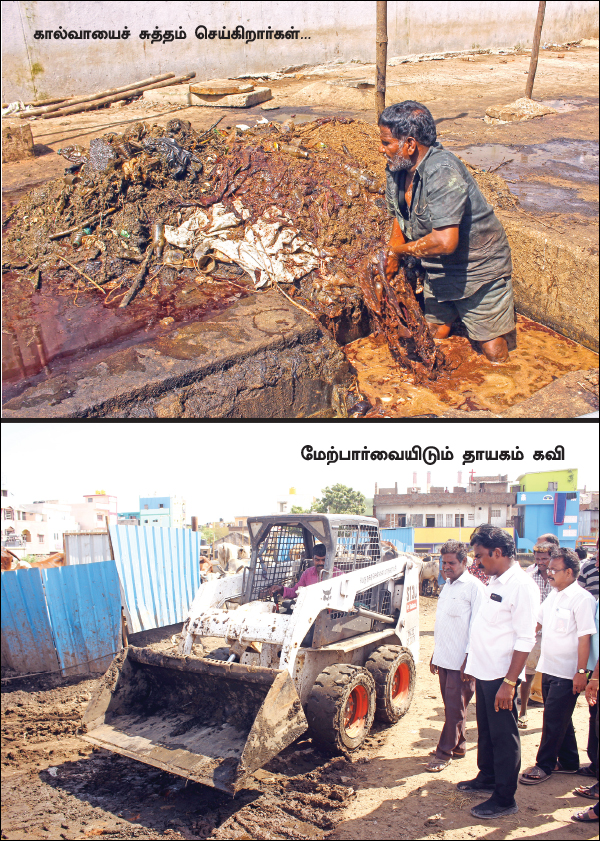
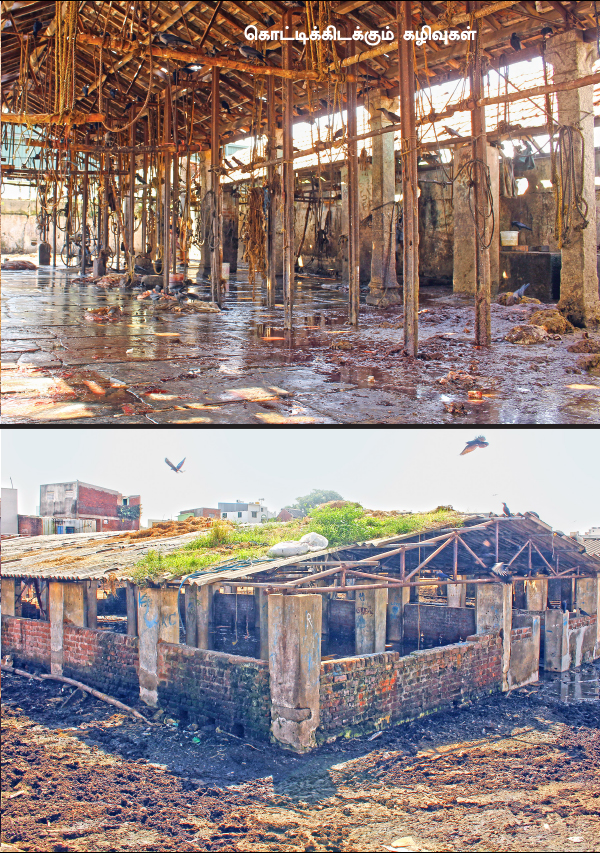
துர்நாற்றம் படிந்துகிடக்கும் இந்த இடத்துக்குள் மூக்கைப் பிடித்துக்கொண்டு நுழைந்தோம். நுழைவாயில் அருகே சாக்கடையில் கால்நடைகளின் ரத்தக்கழிவுகள் வழிந்தோடின. அருகிலிருக்கும் பஸ் ஸ்டாப்பில் காத்திருந்தவர்களும் கைக்குட்டையை மூக்கில் கட்டியபடியே நின்றிருந்தனர். அங்கும் ரத்தம் தேங்கிக்கிடந்தது. உள்ளே வெட்டப்பட்ட மாடுகளின் தலைகள் குவியலாகக் கிடந்தன. மாட்டின் தோலை விரித்து அதில் இறைச்சியைப் பரப்பி விற்பனை செய்துகொண்டிருந்தனர். 
‘ஆட்டுத்தொட்டி’ என அழைக்கப்படும் இந்த இடம், திரு.வி.க. நகர் தொகுதியில் உள்ள புளியந்தோப்பில் செயல்பட்டுவருகிறது. 1903-ம் ஆண்டு பிரிட்டிஷ் ஆட்சிக்காலத்தில் அமைக்கப் பட்ட ஆட்டுத்தொட்டி, இப்போது ஒட்டுமொத்த வடசென்னைக்கும் தொற்றுநோயைப் பரப்பும் கூடமாகிவிட்டது. அந்தப் பகுதியின் குடியிருப்புவாசிகள், ஜூ.வி. அலுவலகத்துக்கு வந்து புகார் செய்தனர். “கெட்டுப்போன இறைச்சிகளைக் குவியல் குவியலாகப் போட்டு ஒரே துர்நாற்றம் வீசுகிறது’’ எனத் தாங்கள் தினம்தினம் அனுபவித்து வரும் அவஸ்தைகளை வேதனையுடன் சொன்னார்கள்.
சென்னை மாநகராட்சியின் கட்டுப்பாட்டில் செயல்படும் இந்த ஆட்டுத்தொட்டியில் தினமும் 3,500 ஆடுகளும் (ஞாயிறுகளில் 8,000 வரை), 150 மாடுகளும் இறைச்சிக்காக வெட்டப்படுகின்றன. இவை, மருத்துவ சீலுடன் இறைச்சி வியாபாரிகளுக்கு விற்கப்படுகின்றன. மூவாயிரம் பேருக்குமேல் தினமும் இங்கு வந்துபோகிறார்கள். தொழிலாளர் களின் எண்ணிக்கை மூவாயிரத்துக்கும் மேல்! மழைக்காலத்தில் முழங்கால் அளவுக்குத் தண்ணீர் தேங்கியதால் ஓரிரு நாள்கள் இறைச்சி வெட்டுவதைத் தள்ளிவைத்தார்கள். மழைக்குப் பிறகு ஏற்பட்ட சகதி அள்ளப்படாமல் கிடந்தது. 
நாம் வந்த தகவலறிந்து, தொழிலாளர்கள் திரண்டுவந்து தங்கள் நிலையைச் சொன்னார்கள். சென்னை ஆடு இறைச்சி மொத்த வியாபாரிகள் சங்கப் பொருளாளர் ஸ்ரீராமுலு மற்றும் கோவிந்தராஜ் உள்ளிட்டோர், ஆடுகள் அடைக்கப்பட்டிருந்த கொட்டிலைக் காட்டினார்கள். ‘‘திறந்தவெளியில் ஆடுகள் அடைக்கப்பட்டிருக்கும் கொட்டிலையில் மழைக்காலத்தில் சகதியில் சிக்கி, தினமும் பத்து ஆடுகள் வரை இறந்துபோகின்றன. ஆடுகள் குடிக்கத் தண்ணீர் வசதிகூட இல்லை. பாதுகாப்பான கொட்டகை அமைத்துத் தரும்படி, பல வருடங்களாகக் கேட்டுக் கொண்டிருக்கிறோம்” என்றனர். 
சென்னை மாட்டிறைச்சி வியாபாரிகள் சங்க நிர்வாகிகள் சம்பத், அபோய் ஆகியோர் மாடு வெட்டும் இடங்களுக்கு அழைத்துச் சென்றனர். ‘‘மாடுகள் சில சமயங்களில் தொழிலாளர்களை முட்டித் தள்ளிவிடுகின்றன. படுகாயம் அடையும் தொழிலாளர்களை, உடனடியாக சிகிச்சைக்கு அழைத்துப்போக முடியவில்லை. ரிக்‌ஷா தொழிலாளர்கள், இறைச்சி விற்கும் பெண்கள், லாரி மற்றும் வேன் டிரைவர்கள், கிளீனர்கள், இறைச்சி வியாபாரிகள் எனப் பலரும் அதிகாலையில் இங்கே குவிகிறார்கள். அவர்களுக்குக் குடிக்கத் தண்ணீரோ, கழிப்பிட வசதியோ இல்லை. ஆட்டுத்தொட்டியைச் சுற்றிலும் முறையான கழிவுநீர் வாய்க்கால் வசதி இல்லாததுதான், இங்கு நிலவும் சுகாதாரச் சீர்கேட்டுக்குக் காரணம்’’ என்றனர்
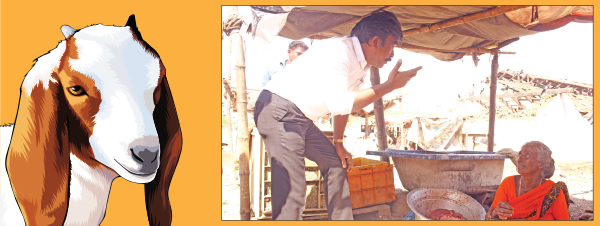
ஆட்டுத்தொட்டியை சுற்றி வந்தபோதே, தொகுதி எம்.எல்.ஏ தாயகம் கவியுடன் தொடர்புகொண்டோம். ‘‘அருகில்தான் இருக்கிறேன். நேரில் வருகிறேன்’’ என்றார். சில நிமிடங்களில் வந்துசேர்ந்தார். அப்போது நேரம் காலை 9.30. மாட்டுக்கறி விற்றுக்கொண்டிருந்த ஜானகி என்கிற பெண்மணி, ‘‘அய்யா... இங்க பாருங்க, எப்படி ஈ மொய்க்குதுன்னு! போன வாரம் எலிக்காய்ச்சல் வந்து, படாதபாடு பட்டேன். நாங்க கடைபோட இங்கேயே இடம் ஒதுக்கித் தாருங்கள்’’ என்றார். 
‘‘ஒரு மாதம் முன்பு நான் அதிகாரிகளுடன் இங்கே வந்தேனே. அதன்பிறகு ஏதாவது சரிசெய்தார்களா?’’ எனத் தொழிலாளர்களிடம் கேட்டார் தாயகம் கவி. ‘‘எதுவுமே நடக்கவில்லை’’ எனத் தொழிலாளர்கள் சொல்ல... எம்.எல்.ஏ முகத்தில் கோபம் கொப்பளித்தது. மாடுகளை வெட்டும் கூடத்துக்கு முதலில் சென்றார். மேற்கூரை ஓடுகள் உடைந்து மிகவும் மோசமாக இருந்தது. நம் பக்கம் திரும்பி, ‘‘மாநகராட்சி அதிகாரிகளை நேரில் வரவழைத்து, ‘இடியும் நிலையில் உள்ள இந்தக் கட்டடத்தை உடனே இடித்துவிடுங்கள். இல்லாவிட்டால் தொழிலாளர்களுக்கு ஆபத்து’ எனச் சொன்னேன். ஒரு மாதம் ஆகியும் இடிக்கவில்லை. தொழிலாளர்கள் ஓய்வெடுக்க, அருகில் உள்ள ஓர் அறையை ஒதுக்கித் தரும்படிக் கேட்டேன். அதையும் இதுவரை செய்து தரவில்லை” என்றார். 
‘‘ஆட்டுத்தொட்டியின் ஒரு பகுதியில், பயோ கேஸ் முறையில் இறைச்சிக் கழிவுகளைச் சுத்திகரித்து, தண்ணீரை அருகில் உள்ள மாநகராட்சி பூங்காக்களுக்கு அனுப்பும் திட்டம் எப்படி நடக்கிறது?” என்று கேட்டபடி, அதைப் பார்வையிடச் சென்றார். அங்கிருந்த ஊழியர் ஒருவர், ‘‘டிசம்பரில் இது செயல்பட ஆரம்பிக்கும். தொட்டிகள், இணைக்கும் குழாய்கூட ரெடி. அருகில் அறை கட்ட வேண்டியதுதான் பாக்கி’’ என்றார். சுற்றியிருந்தவர்கள், ‘‘இவரு சொல்றதெல்லாம் நடக்காது’’ என்றனர். அந்த ஊழியர் ஏதேதோ சொல்லிச் சமாளித்தார்.
கழிவுநீர்த் தொட்டி அருகே எம்.எல்.ஏ-வை அழைத்துச்சென்ற சங்க நிர்வாகிகள், சுகாதாரச் சீர்கேடுகளைக் காட்டினார்கள். மாநகராட்சி ஊழியரிடம், ‘‘எப்போது சுத்தம் செய்தீர்கள்?’’ எனக் கேட்டார் எம்.எல்.ஏ. அவர் பதில் சொல்வதற்கு முன்பே, ‘‘எட்டு மாதங்கள் கடந்து விட்டன’’ என்றார்கள் தொழிலாளர்கள்.
ஒரு நிமிடம் யோசித்த எம்.எல்.ஏ, அங்கிருந்தவர்களுடன் இணைந்து ஆட்டுத் தொட்டியின் ஒரு பகுதியில் உட்கார்ந்துவிட்டார். ‘‘பலமுறை பொறுமையாகச் சொன்னேன். நீங்கள் கேட்கவில்லை. இன்று ஒரு முடிவு தெரியாமல் நகர மாட்டேன். இங்கிருக்கற கழிவுகளை அகற்றணும். கழிவுநீர்த் தொட்டியை கிளீன் செய்யணும். அதுவரை இங்கேயே தொழிலாளர்களுடன் உட்கார்ந்திருப்பேன்’’ என்றார். உயர் அதிகாரிகளுக்குத் தகவல் போனது. 
ஆட்டுத்தொட்டியில் வேலைபார்க்கும் பெண்கள், ‘‘ஒரு குடம் தண்ணீர்10 ரூபாய்க்கு வாங்குகிறோம்” என ஆரம்பித்து அவலங்களை எம்.எல்.ஏ-விடம் அடுக்கினார்கள். சங்க நிர்வாகிகளோ, ‘‘மூன்று டேங்குகளை எங்கள் செலவில் அமைத்து இரண்டு வருடங்களாச்சு. மெட்ரோ வாட்டரிடம் பலமுறை சொல்லியும், அவற்றில் தண்ணீர் நிரப்புவதில்லை’’ என்றார்கள்.
சம்பந்தப்பட்ட 72-வது வார்டு மெட்ரோ வாட்டர் அதிகாரியை எம்.எல்.ஏ போனில் அழைத்தபோது, ‘‘அது 70-வது வார்டில் வரும்’’ என்றார். 70-வது வார்டு அதிகாரியோ, ‘‘இல்லை. அது 72-வது வார்டுதான்’’ என்றார். குழப்பமான எம்.எல்.ஏ., இருவரையும் நேரில் வருமாறு அழைத்தார். வார்டு எல்லைப் பிரச்னையைத் தீர்க்க முடியாத நிலையில், உயர் அதிகாரியிடம் விஷயத்தைச் சொல்லி, ‘‘ஆட்டுத்தொட்டி டேங்குகளில் தண்ணீர் நிரப்ப நடவடிக்கை எடுங்கள்’’ எனக் கேட்டுக்கொண்டார். 
‘‘2009-ல், அப்போது உள்ளாட்சித் துறை அமைச்சராகத் தளபதி மு.க.ஸ்டாலினும் மேயராக மா.சுப்பிரமணியனும் இருந்தார்கள். அப்போது பழைய ஆட்டுத்தொட்டியை நவீனமயமாக்க அடிக்கல் நாட்டப்பட்டது. 2011-ம் ஆண்டுவரை பணிகள் நடந்தன. அ.தி.மு.க ஆட்சி வந்ததும், மொத்தத் திட்டத்தையும் முடக்கிவிட்டனர். இதுபற்றி சட்டசபையில் பேசியும் இதுவரை நோ ஆக்‌ஷன். இந்த ஆட்டுத்தொட்டியைச் சீரமைக்க என் தொகுதி மேம்பாட்டு நிதியிலிருந்து 50 லட்சம் ரூபாய் ஒதுக்கித் தர ரெடி. என் வேண்டுகோளை மாநகராட்சி ஏற்றுக்கொள்ளுமா?’’ எனக் கேட்டார்.
மாநகராட்சி கமிஷனர் கார்த்திகேயனிடம் கருத்து கேட்க முயன்றோம். முடியவில்லை. அடுத்து, உள்ளாட்சித் துறை அமைச்சர் வேலுமணியைத் தொடர்புகொள்ள முயன்றும் பேச முடியவில்லை. சுகாதாரத் துறை அமைச்சர் விஜயபாஸ்கரிடம் பேச முடிந்தது. ‘‘ஆட்டுத் தொட்டி, மாநகராட்சி நிர்வாகத்தின்கீழ்தான் வருகிறது. எங்கள் துறையின் கீழ் வராது. நான் மாநகராட்சி கமிஷனரிடம் பேசி, சுகாதாரச் சீர்கேடுகளுக்கு உடனே நடவடிக்கை எடுக்கச்சொல்கிறேன்’’ என்றார்.
இதற்கிடையில், ஆட்டுத்தொட்டியில் எம்.எல்.ஏ-வின் உள்ளிருப்புப் போராட்டத்தைக் கேள்விப்பட்ட மாநகராட்சி அதிகாரிகள், சிறிய ரக புல்டோசரையும், கழிவுநீர் அகற்றும் பணியாளர் களுடன் லாரியையும் அனுப்பிவைத்தனர். மின்னல் வேகத்தில் சுத்திகரிப்புப் பணிகள் நடந்தன. மூன்று மணி நேரத்துக்குப் பிறகு, ஆட்டுத்தொட்டியின் ஒரு பகுதியில் இருந்த கழிவுகள் அப்புறப்படுத்தப்பட்டன. 
‘‘மொத்தக் கழிவுகளையும் அகற்ற வேண்டும்’’ எனச் சொல்லிவிட்டு, போராட்டத்தை முடித்துக்கொண்டு எம்.எல்.ஏ புறப்பட்டார். சங்க நிர்வாகிகளும் குடியிருப்புவாசிகளும் நம்மைச் சூழ்ந்துகொண்டு ஜூ.வி-க்கு நன்றி சொன்னார்கள்.
நிரந்தரத் தீர்வுக்கு நிதி தருவதாக எம்.எல்.ஏ தாயகம் கவி சொல்லிவிட்டார்... மாநகராட்சி என்ன செய்யப் போகிறது?

உணவுப் புரட்சியின் மாயவலை..! துரித உணவுகள் வேண்டாமே

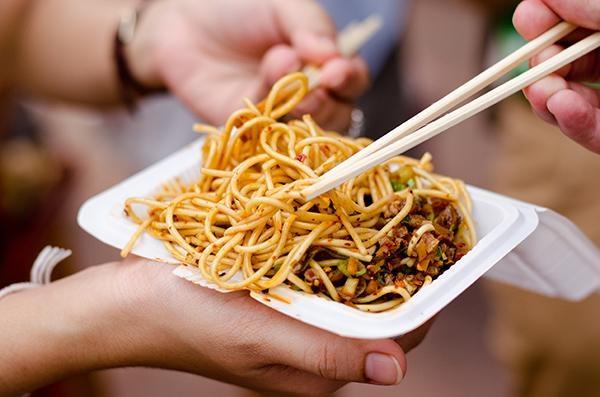
துரித உணவுகள்... இவற்றின் பாதிப்புகளிலிருந்து தப்பிக்க, மேலை நாடுகளே இயற்கையான உணவுகளைத் தேடத் தொடங்கிவிட்டன. நாமோ இன்னமும் ஃப்ரைடு ரைஸ், பர்கர், பீட்ஸா... போன்ற துரித உணவுகளின் மாயவலையில் சிக்கிய மான்களாக அவதிப்படுகிறோம். விரைவில் இந்த மாயவலையைக் கிழித்துக்கொண்டு வெளிவராவிட்டால், நோய்களின் கூடாரமாக மாறிவிடும் நமது உடல்.
வரலாற்றுப் பாதை:
துரித உணவுகளின் வரலாற்றுப் பாதையை உற்று கவனித்தால், அவற்றுக்கும் நமது வரலாற்றுக்கும் எந்தத் தொடர்பும் இருக்காது. வேறு சூழலில் வாழும் மக்களின் உணர்வுடனும் வாழ்வுடனும் தொடர்புகொண்டிருக்குமே தவிர, நமது வாழ்வுக்கும் உணர்வுக்கும் அவற்றோடு எந்தச் சம்பந்தமும் இருக்காது. ஆனால், இப்போது இருக்கும் நிலைமையைப் பார்க்கும்போது, சீராக பயணித்துக்கொண்டிருக்கும் நமது உணவு வரலாற்றுப் பாதை, இனி திசைமாறிவிடுமோ என்ற அச்சம் ஏற்படத்தான் செய்கிறது. நமது பாரம்பர்ய வரலாற்றுப் பாதையில் பயணித்து வரும் உணவுகள், நிச்சயமாக நோய்களை உண்டாக்காது. ஆனால், சமீபத்தில் நுழைந்து உணவுப் புரட்சி ஏற்படுத்திக்கொண்டிருக்கும் துரித உணவுகள் உண்டாக்கும் நோய்களோ எண்ணிலடங்காதவை.
வாலிபருக்கு மாரடைப்பு!
சத்துக்கள் நிறைந்த நமது பாரம்பர்ய உணவுகளை அடித்து விரட்டிவிட்டு, துரித உணவுகளைப் பெருமைப்படுத்துகிறோம். `மினி சைஸ் சீஸ் சாண்ட்விச்’, `மீடியம் சைஸ் பர்கர்’, `லார்ஜ் சைஸ் ஃபேமிலி பீட்ஸா’... என சிறுவர்கள் முதல் பெரியவர்கள் வரை சைஸ் வாரியாகப் பிரித்து உண்கிறோம். நோய்களோ குழந்தைகள், பெரியவர்கள் என்று வயது வித்தியாசமெல்லாம் பார்ப்பதில்லை. எழுபது வயது முதியவர் மாரடைப்பால் மரணம் என்பதற்கும், இருபத்தைந்து வயது வாலிபர் மாரடைப்பால் மரணம் என்பதற்கும் எவ்வளவு வித்தியாசம் இருக்கிறது?! தவறான உணவுப் பழக்கத்தால், இளம் வயதினருக்கும் மாரடைப்பு ஏற்படும் அதிர்ச்சியான செய்திகள் நமது செவிகளில் கேட்கத் தொடங்கிவிட்டன. தவறான உணவுப் பட்டியலில், துரித உணவுகள் முக்கிய பங்கு வகிப்பவை.
உடல்பருமன்:
துரித உணவுகள் நமது சுவை உணர்ச்சிகளுக்கு மகிழ்ச்சியூட்ட மட்டும் தயாரிக்கப்படுபவை. உடல்நலத்தை மேம்படுத்தக்கூடிய எந்தவிதமான ஆரோக்கியக் கூறுகளும் அவற்றில் இருப்பதற்கான வாய்ப்புகள் இல்லை. கலோரிகள் நிறைந்த உணவுகளாக இருப்பதால், உடலை விரைவாக பருக்கச் செய்யும் திறன் வாய்ந்தவை. உடல்பருமன் நோய் அதிகரிப்பதற்கு இவை முக்கியப் பங்காற்றுகின்றன. ஒரு முழு பீட்ஸா உட்கொண்டால், உடலில் சேரும் கலோரிகளைக் கரைக்க பல கிலோமீட்டர் தொலைவு வேகமாக ஓடவேண்டியிருக்கும். நாம் முதலில் சில மீட்டர்களாவது தினமும் நடக்கிறோமா என்பதே கேள்விக்குறி. பின் எப்படித் தேவையில்லாமல் அதிகரித்த கலோரிகளை வெளியேற்றுவது. இந்த கலோரிகள், உடலில் கொழுப்பு சேர்மானத்தை அதிகரிக்கச்செய்து, கடுமையான பாதிப்புகளை உண்டாக்கும்.
சர்க்கரைநோய்... ஊட்டசத்துக் குறைபாடு!
அவசரத்துக்கு ரெடிமேடாகக் கிடைக்கும் துரித உணவுகள், அவசர அவசரமாக நோய்களை உண்டாக்கும். இன்சுலின் சுரப்பதில் பாதிப்பை உண்டாக்கி, சர்க்கரைநோயை துரித உணவுகள் உண்டாக்குவதாக அமெரிக்காவின் `National Institutes of Health (NIH)’ வெளியிட்ட ஆராய்ச்சி முடிவு தெரிவிக்கிறது. பத்து வயது சிறுவனுக்குக்கூட இரண்டாம் வகை சர்க்கரைநோய் (Type – 2 Diabetes) வருவதற்கான வாய்ப்புகள் மிகவும் அதிகம். பிள்ளைகள் தொடர்ந்து துரித உணவுகளைச் சாப்பிடும்போது, உடல் வளர்ச்சிக்குத் தேவையான ஊட்டச்சத்துகள் கிடைக்காமல், ஊளைச்சதை மட்டுமே வளரிளம் பருவத்தில் அதிகரிக்கும். உடல் வளர்ச்சிரீதியில் பல செயல்பாடுகள் பாதிக்கப்படும்.
சமாதானம் செய்ய பீட்ஸா, பர்கர்!
பள்ளிக்குச் செல்ல அடம்பிடிக்கும் குழந்தைகளை சமாதானப்படுத்த, பள்ளிக்குப் போகும் வழியில் பீட்ஸா, பர்கர்களை வாங்கிக் கொடுக்கும் சில பெற்றோர்கள், தங்கள் வழிமுறையை மாற்றிக்கொள்வது நல்லது. நீங்கள் குழந்தைகளைச் சமாதானப்படுத்துகிறீர்கள் என்று நினைத்துக்கொண்டு, அவர்களுக்கு நோய்களை வாங்கிக் கொடுக்கிறீர்கள் என்று அர்த்தம். பெற்றோர்களே தங்கள் பிள்ளைகளுக்கு எதிரி ஆகலாமா? ’இன்னைக்கு ஸ்கூலுக்கு போயிட்டு வா, ஈவினிங் உனக்கு ஒரு பர்கர் வாங்கித் தரேன்’ என்று பர்கர்களை ஊட்டி வளர்த்தால், பர்கர் போன்ற உருண்டையான தோற்றத்தில் உங்கள் குழந்தைகளை விரைவில் பார்க்கலாம். கண்டிப்புடன் இவை போன்ற உணவுகளுக்கு தடை விதிப்பதில் எந்தப் பாரபட்சமும் பெற்றோர்கள் காட்டக் கூடாது.
உப்பு… வெள்ளை சர்க்கரை…
துரித உணவுகளைத் தொடர்ந்து சாப்பிடும்போது, ரத்தக் குழாய்களில் கொழுப்புத் திட்டுக்கள் படிந்து, அவற்றின் சுற்றளவைக் குறுக்கி, குருதி சுற்றோட்டத்தில் பாதிப்புகளை ஏற்படுத்தி, இதய நோய்களை உண்டாக்கும். இதிலிருக்கும் உப்புகள் காரணமாக உயர் ரத்த அழுத்தம் வருவதற்கான சாத்தியங்கள் அதிகம். மருத்துவர் அறிவுறுத்தலின் பேரில் நேரடியாக உப்பின் பயன்பாட்டைக் குறைத்துக்கொள்ளும் நடுவயது உயர் ரத்த அழுத்த நோயாளிகள், மறைமுகமாக உப்புகள் நிறைந்த துரித உணவுகளை அதிகமாகச் சேர்த்துக்கொள்வது அறியாமை. அளவுக்கு அதிகமாக உப்புகளோடு வெள்ளைச் சர்க்கரையும் கலந்த சுவையூட்டும் உணவுகள், மனதுக்கு களிப்பை உண்டாக்கி, ஆரோக்கியத்துக்கு வேட்டுவைத்துவிடும்.
ஹார்மோன்கள் பாதிப்பு!
ஹார்மோன் சமநிலையைத் தகர்த்து, உடலின் செயல்பாடுகளில் பல்வேறு மாறுதல்களை துரித உணவுகள் உண்டாக்கிவிடுகின்றன. இளம் பெண்களுக்கு சினைப்பைக் கட்டிகள் அதிகரிப்பதற்கு மிக முக்கியக் காரணம் ’ஜங் ஃபுட்ஸ்’ எனப்படும் துரித உணவுகள்தாம். எள்ளுருண்டைகளையும், உளுத்தங்களியையும் அதிகமாகச் சாப்பிட்ட முந்தைய தலைமுறைப் பெண்களுக்கு சினைப்பைக் கட்டிகள் என்றால் என்னவென்றே தெரிய வாய்ப்பில்லை.
பள்ளி நிர்வாகம் செய்யும் தவறுகள்...
முறையான உணவியலை கற்றுக்கொடுக்கவேண்டிய பள்ளிகள், தவறான உணவுகளை அறிமுகப்படுத்துகின்றன. சில பள்ளி கேன்டீன்களில் அதிகம் விற்பனையாகும் சிற்றுண்டி பீட்ஸாவாகத்தான் இருக்கிறது. எண்ணெயில் பொரித்த சிப்ஸ் வகையறாக்களும், பாட்டில்களில் அடைக்கப்பட்ட பன்னாட்டு குளிர்பானங்களும், சீஸ் தடவிய பர்கர், பீட்ஸாக்களும் சில பள்ளிகளின் உணவுப் பட்டியலில் தவறாமல் இடம்பெறுகின்றன. அதுவே மறுபுறம், அரசுப் பள்ளிகளில் இருக்கும் சத்துணவு கேன்டீன்களில் கிடைக்கும் கீரைகளும், காய்களும், முட்டைகளுமே எளிமையான சிறந்த தேர்வு.
உணவியல் கற்றுக்கொடுக்கும் பள்ளிகள் தேவை!
லட்சக்கணக்கில் பணம் வாங்கிக்கொண்டு கல்வி கற்றுக் கொடுக்கும் பல தனியார் பள்ளிகள், உணவு விஷயத்தில் தேர்ச்சி பெறுவதில்லை. பள்ளிப் பருவத்தில் கற்றுக்கொண்ட தவறான உணவியல் பழக்கம், வாழ்க்கை முழுவதும் தொடர்கிறது. முறையற்ற உணவியலைக் கற்றுக்கொடுக்கும் பள்ளிகளில் படிக்கும் நிறைய குழந்தைகளுக்கு உடல்பருமன் பிரச்னை இருப்பதற்கான வாய்ப்புகள் அதிகம். கல்வியோடு சேர்த்து, உணவியலையும் கற்றுக் கொடுக்கும் பள்ளிகளை நாடுவது சிறந்தது. ’துரித உணவுகளை அறிமுகப்படுத்தாமல் வளர்த்தாலும், பள்ளிகளில் துரித உணவுகளுக்கு அடிமையாகிவிடுகின்றனர்’ என்பது பெற்றோர்களின் ஆதங்கம். இப்போது துரித உணவுகளுக்கும், பன்னாட்டுக் குளிர்பானங்களுக்கும் பல பள்ளி வளாகங்களில் தடைவிதிக்கத் தொடங்கியிருப்பது ஆறுதல் தரக்கூடிய விஷயம்.பீட்ஸா, பர்கர்களில் இருக்கும் அசைவத் துண்டுகள் எப்போது சமைக்கப்பட்டது என்று நம்மால் உறுதியாகச் சொல்ல முடியுமா? துரித உணவுகளில் சேர்க்கப்படும் ரசாயனங்களால் நமது உடலில் உண்டாகும் மாறுதல்களை அறிந்துவைத்திருக்கிறோமா? ஒரு மனித உடலுக்குள், பல வகையான நோய்கள் வாடகையின்றி குடியிருப்பதற்கான காரணத்தை ஆராய்ந்தோமா? உடல் உழைப்புமில்லாமல், உணவுத் தேர்வும் சரியாக இல்லாமல், அறியாமையால் நமது உடலைக் கபளீகரம் செய்துகொண்டிருக்கிறோம். மாற்றம் தேவை. கொஞ்சம்கூட யோசிக்காமல், துரித உணவுகளை நம் எண்ணங்களில் இருந்து அழித்தாக வேண்டும். ஒவ்வொருவரும் துரித உணவுகளின் பாதிப்புகளைப் பிறருக்கு எடுத்துக்கூறுவது சமுதாயத்துக்கு செய்யும் நல்ல சேவையாக இருக்கும். தவறான உணவியலுக்கு எதிராக பிரசாரம் மேற்கொண்டு சமூக சேவை செய்வோம்!

எலி கடித்த உணவுகளைச் சாப்பிடலாமா?

‘சாலையோரத்தில் செயல்படும் தள்ளுவண்டி உணவகங்களில் உணவுகள் தரமாக இருக்காது, சுத்தம் இருக்காது என்பது நம் எண்ணம். அதுமாதிரி கடைகளைப் பரிகாசத்தோடு கடந்து செல்வோம். அதேநேரம், ‘கண்ணாடிகளால் வேயப்பட்ட பெரிய பிராண்டட் ஹோட்டல்கள் என்றால், எல்லாம் சுத்தமாக இருக்கும், தரமாக இருக்கும், உணவுகளைப் பாதுகாப்பாக வைத்துப் பரிமாறுவார்கள்’ என்று நாம் நம்புகிறோம். 
கண்ணாடித் தரைகள், அலங்கார விரிப்புகள், துடைத்து வைத்தாற்போல பளபளக்கும் சுவர்கள், பல வண்ணங்களில் ஜொலிக்கும் விளக்குகள் நமக்கு அப்படி ஒரு நம்பிக்கையை ஏற்படுத்தி விடுகின்றன. கொடுப்பதை சாப்பிட்டு, கேட்கிற பணத்தைக் கொடுத்து விட்டு கிளம்பி விடுகிறோம். 
ஆனால் யதார்த்தம் வேறு மாதிரி இருக்கிறது. 
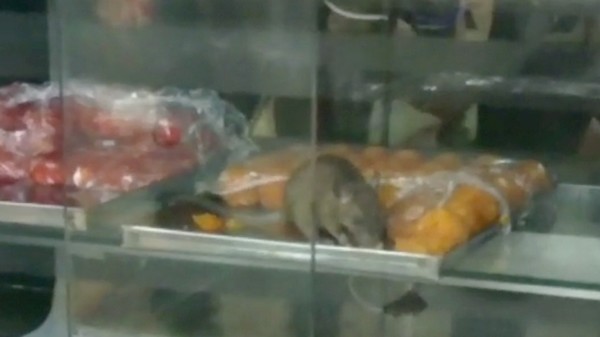
பிரபல செயின் ரெஸ்டாரன்ட் பேக்கரி ஒன்றில், கண்ணாடித் தடுப்புகளுக்குள் வைக்கப்பட்டிருக்கும் இனிப்புகளை எலி ஒன்று சாவகாசமாக சாப்பிட்டுக்கொண்டிருக்கும் வீடியோ, சமூக ஊடகங்களில் பரவி வைரலாகி வருகிறது. மிகவும் பரபரப்பான ஓசூர் பேருந்துநிலையத்தில் உள்ள பிரபலமான அந்த ரெஸ்டாரன்ட்டில்தான் இந்த விபரீதம். அந்த ரெஸ்டாரன்டுக்கு இப்போது நகராட்சி அதிகாரிகள் தற்காலிகமாக சீல் வைத்திருக்கிறார்கள்.
நாளொன்றுக்குப் பலநூறு பேர் வந்து வணிகம் செய்யும் பேக்கரி அது. வீடியோவைப் பார்த்து மக்கள் மிரண்டு போய்விட்டார்கள். பொதுவாக, நாம் உயர்வாகக் கருதும் பல ரெஸ்டாரன்டுகள், பேக்கரிகளில் வெளித்தோற்றத்துக்கும், உள்ளிருக்கும் நிலைக்கும் சற்றும் தொடர்பு இருக்காது. ஒரு பேக்கரியின் நிலை வெளியில் தெரிந்து விட்டது. பல பேக்கரிகளில் தெரியவில்லை என்கிறார்கள் விவரம் அறிந்தவர்கள். 
‘தள்ளுவண்டிக் கடைகள் முதல் பள்ளி, கல்லூரி விடுதிகள், திரையரங்க கேன்டீன்கள், ரெஸ்டாரன்ட்கள் என உணவு சம்பந்தமான தொழில் புரிவோர், கோவில்களில் அன்னதானம் செய்வோர் அனைவரும் உணவுப் பாதுகாப்பு தர நிர்ணய சட்ட உரிமம் மற்றும் பதிவைக் கண்டிப்பாகப் பெற்றிருக்க வேண்டும். தரமற்ற பொருள்களையோ, தடை செய்யப்பட்ட பொருள்களையோ, தேவையற்ற செயற்கை நிறம் பூசப்பட்ட உணவு பொருள்களையோ விற்பனை செய்யக் கூடாது. சுகாதாரமற்ற உணவுப் பொருள்களை விற்பனை செய்வோர்மீது கடும் நடவடிக்கை எடுக்கலாம்’ என்கிறது உணவுப் பாதுகாப்புச் சட்டம். 
இதைக் கண்காணித்து நடைமுறைப்படுத்த மாவட்ட அளவில் உணவுப் பாதுகாப்பு நியமன அலுவலர்கள் இருக்கிறார்கள். ஆனால் முறைப்படி நடவடிக்கை எடுக்கப்படுகிறதா? 
“உணவுப் பாதுகாப்புத் துறை சார்பில் அமைக்கப்பட்ட குழுவினர் தங்கள் பகுதியில் உள்ள பேக்கரி மற்றும் ஸ்டால்களில் திடீர் ஆய்வு செய்வார்கள். இந்த ஆய்வுகளின்போது, உணவுப்பொருள்களில் அனுமதிக்கப்பட்ட அளவைவிட கூடுதலாக வண்ணம் சேர்க்கப்பட்டிருக்கிறதா, தண்ணீர், எண்ணெய், சர்க்கரை உள்பட உணவுத் தயாரிக்கப்பயன்படும் பொருள்கள் தரமானவையாக இருக்கின்றனவா, ஸ்டாக் ரூம் எப்படிப் பராமரிக்கப்படுகிறது, பூச்சிக்கொல்லி மருந்துகள் பயன்படுத்தி பூச்சிகளைக் கட்டுப்பாட்டில் வைத்திருக்கிறார்களா, சைவ, அசைவ உணவுகளைத் தனித்தனியாகப் பயன்படுத்துகிறார்களா என எல்லாவற்றையும் ஆய்வு செய்வார்கள்.
பெரும்பாலும் அசைவ உணவகங்களில் முதல் நாள் மிச்சமான சிக்கன், மட்டனை எடுத்து ஃப்ரிட்ஜ் வைத்து, அடுத்தநாள் பிரியாணியில் சேர்த்துப் பயன்படுத்துகிறார்கள். அதையும் கண்காணிப்போம். 
உணவுப்பொருள்களில் கலப்படம் செய்தாலோ சுகாதார விதிமுறைகளைச் சரிவர கடைபிடிக்காவிட்டாலோ, அந்த உரிமையாளருக்கு நோட்டீஸ் கொடுத்துப் பொருள்கள் பறிமுதல் செய்யப்படும். உணவுப் பாதுகாப்புச் சட்டத்தின் கீழ் நடவடிக்கையும் எடுக்கப்படும். 
காலாவதியான உணவுப் பொருள்களை விற்பனை செய்வது, உணவுப்பொருள்களில் தரம் குறைவு, பராமரிப்புக் குறைபாடு குறித்து 9444042322 என்ற எண்ணில் மக்கள் புகார் தெரிவிக்கலாம்..” என்கிறார் கிருஷ்ணகிரி மாவட்ட உணவுப் பாதுகாப்பு நியமன அலுவலர் பிருந்தா.
வீடுகளிலும் கூட சில நேரங்களில் தேங்காய் போன்ற பொருள்களை எலிகள் கொறித்துப் போட்டுவிடும். சிலர், எலி கொறித்த இடத்தை மட்டும் வெட்டி வீசிவிட்டு மற்ற பகுதியைப் பயன்படுத்துவார்கள். 
“எலி சாப்பிட்ட உணவுப்பொருட்களைச் சாப்பிடலாமா. அதனால் ஏதும் பாதிப்புகள் ஏற்படுமா?” 
பொதுநல மருத்துவர் அருணாச்சலத்திடம் கேட்டோம். 
"எலி சாப்பிட்ட உணவுகளை சாப்பிட்டால் வாந்தி, பேதியில் தொடங்கி, எலிக்காய்ச்சல்(Leptospirosis) வரை பல பிரச்னைகள் ஏற்பட வாய்ப்புண்டு” என்று பீதி கிளப்புகிறார் அவர். 
“எலியின் சிறுநீரில், லெப்டோஸ்பைரா (Leptospira) என்ற பாக்டீரியா இருக்கிறது. இது, எலியின் சிறுநீர் மற்றும் கழிவுகள் மூலமாகவோ அல்லது கடிப்பதன் மூலமாகவோ பரவுகிறது. ஹோட்டல் உணவுகளையோ, பேக்கரி உணவுகளையோ சாப்பிட்டபின் தொடர் காய்ச்சல், தலைவலி, வாந்தி, வயிற்றுவலி, கண் எரிச்சல், உடல் வலி போன்றவை இருந்தால், உடனே மருத்துவரை அணுக வேண்டும். எலிக்காய்ச்சலுக்கு முறையான சிகிச்சை எடுக்காமல் விடும்போது, மஞ்சள் காமாலை, சிறுநீரகப் பாதிப்பு, கணையப் பாதிப்பு, பித்தப்பை பாதிப்பு போன்ற பிரச்னைகள் ஏற்படக்கூடும்” என்கிறார்.

FSSAI to crack down on misuse of terms like 'fresh', 'natural', 'traditional'

The union health ministry has proposed changes in the law to restrict the use of terms such as 'fresh', 'natural', 'original' and 'traditional' in advertisements for food products.
A draft notification has been prepared by the Food Safety and Security Authority of India (FSSAI), which says among other things that the words 'fresh' or 'freshly' may have no other connotation than the immediacy of the action being described.
For instance, the word 'fresh' can be applied to the products that have not been subjected to any process in any manner, except washed, peeled, chilled, trimmed and put through processing necessary for making it safe for consumption, without altering its basic characteristics.
''We are coming out with this draft notification to stop misleading ads and claims. It had been in the pipeline for some time to ensure people are not fooled in the name of natural and fresh food,'' FSSAI chief executive Pawan Agarwal told The Hindustan Times.
''Our aim is to benefit consumers and promote food that is safe for consumption. There should not be any misleading promotions.''
According to the draft, which has been seen by IANS and other media, a food containing additives or subjected to packaging, storing or any other supply chain processes that control freshness shall not be termed 'freshly stored' or freshly packed'.
It also seeks to restrict the use of the word 'natural' to foods derived from a deemed source like a plant, animal, mineral or micro-organism, to which nothing has been added.
"Compound foods shall not themselves be described directly or by implication as natural but such foods may be described as 'made from natural ingredients'. This will also apply to words such as 'real' and 'genuine', when used in place of 'natural' in such a way as to imply similar benefits. Provided however, claims such as 'natural goodness', 'naturally better' and 'nature's way' shall not be used," says the draft proposal, which is now up for suggestions from stakeholders before it is finalised.
The term 'traditional' can only be used to describe a recipe, fundamental formulation or processing method for a product that has existed for a significant period running over generations.
The term 'original' shall only be used to describe a food which is made to a formulation, the origin of which can be traced and that has remained unchanged over time.
The draft that has five schedules mentioning the restrictions also deals with the health claims of the products. According to the draft the claim that a food has certain nutritional or health attributes shall be scientifically substantiated by validated methods of quantifying the ingredient or substance that is the basis for the claim.
"All disclaimers related to a claim shall appear in the same field of vision. No claim or promotion of sale, supply, use and consumption of articles of foods shall be made using FSSAI logo and license number. Advertisements shall also not undermine the importance of healthy lifestyles," the draft says.

Iron fillings limit in tea is hiked

Food commissioners in all states have now been asked to raise the threshold to 250 mg per kg.
According to the Food Safety and Standards Authority of India (FSSAI), the lack of a reliable method of evaluation is one of the major reasons behind this move.
Hyderabad: The threshold for the permissible amount of iron filings in tea has been increased from 150 mg per kg to 250 mg per kg as the testing and analysis of fillings present in small quantities is a difficult, expensive and a time-consuming process. When the threshold was reduced from 250 mg per kg to 150 mg per kg in 2014, it resulted in several legal cases being filed against wholesalers and retailers, but it became difficult for the authorities to ascertain the exact quantity of iron filings present in tea samples, and so the vendors could not be prosecuted. Food commissioners in all states have now been asked to raise the threshold to 250 mg per kg.
According to the Food Safety and Standards Authority of India (FSSAI), the lack of a reliable method of evaluation is one of the major reasons behind this move. A senior food inspector says, “The upper limit needed to be increased because 150 mg per kg was very difficult to evaluate. 250 mg per kg and above of iron filings can be identified in the laboratory. This will help us conduct inspections at tea factories and wholesale merchants, which is important.”
Nutritionist Dr Janaki Srinath says that iron filings become a reason for concern when consumed in large quantities. “We do not strictly recommend iron tablets for everyone. Those who have iron deficiencies are able to absorb iron from their tea. If the tea is made with milk, the absorption of iron is reduced. “Only those who have too much iron in their bodies need to be careful and reduce their intake of tea. They must not consume too much black tea,” she says.

Excess caffeine may damage your health

Drinking more than five espressos worth of caffeine a day may be damaging to health, according to the European Food Safety Authority.
Heart problems, insomnia and panic attacks were all linked to excess caffeine consumption.
The EFSA said many people were consuming more than the safe level as they were unaware of all the different sources of caffeine.
Safe limits for children and pregnant women are much lower.
Caffeine is often a crutch to help us get through the day.
Tea, coffee, energy drinks, soft drinks and chocolate are all common sources of the drug.
The EFSA was tasked with assessing all the evidence to determine safe consumption levels.
Its report says 400mg a day, in healthy adults, has no health consequences.
This is in line with advice in many countries, including the UK, but the EFSA warns many people drink too much.
Around a third of people in Denmark, 17% in the Netherlands and 14% in Germany consume more than 400mg.
An EFSA spokesman told the BBC: "If you have a bar of dark chocolate at 11:00 and espresso with lunch, a tea at 16:00 and vodka-Red Bull in the evening - that's a lot of caffeine over the day."
Cup of filter coffee - 90mg
Standard energy drink - 80mg
Espresso - 80mg
Cup of tea - 50mg
Can of cola - 40mg
Bar of dark chocolate - 25mg
Bar of milk chocolate - 10mg
Source: EFSA
The main health issues raised were: increased heart rate, higher blood pressure, irregular heartbeat, tremors, nervousness, insomnia and panic attacks.
The limit is 200mg a day in pregnant women due to the impact on the growing foetus.
The report acknowledged there was a limited amount of data on safe levels for children.
The EFSA is recommending 3mg per day for every kilogram the child weighs.
It also found no extra risk as a result of combining caffeine and alcohol.

Nov 21, 2017

DINAKARAN NEWS


DINAKARAN NEWS


DINAKARAN NEWS


DINAKARAN NEWS


DINAKARAN NEWS


Govt sets permissible limits for antibiotics use in chicken

FSSAI will direct poultry farms to adhere to good animal husbandry practices and monitor the use of antibiotics and veterinary drugs in meat and chicken, says CEO Pawan Kumar Agarwal
Maximum permissible limits of 37 antibiotics and 67 other veterinary drugs are prescribed for chicken, the health ministry said in a statement. 
New Delhi: The Indian government is trying to make sure that the chicken on your plate is free of excessive antibiotics and veterinary drugs that may be harmful for human consumption.
The ministry of health has notified an amendment to the Food Safety & Standards (Contaminants, Toxins & Residues) Regulations, 2011, under which maximum permissible limits have been specified for the presence of antibiotics and other drugs in meat and meat products, including chicken.
“Maximum permissible limits of 37 antibiotics and 67 other veterinary drugs are prescribed for chicken,” the health ministry said in a statement on Monday.
The ministry, through the Food Safety and Standards Authority of India (FSSAI), has also sought comments from all stakeholders, including individual citizens. The comments will be placed for consideration before the scientific panel of the FSSAI on residues of pesticides and antibiotics.
“We will direct poultry farms to adhere to the good animal husbandry practices and monitor the use of antibiotics and veterinary drugs in meat and chicken,” said Pawan Kumar Agarwal, chief executive officer of FSSAI.
“Further, special food committees and food inspectors will also check the antibiotic levels in chicken used in food processing units. Though small shops will be a challenge, we are working in tandem with the animal husbandry department for effective implementation of new regulations,” Kumar said.
Perturbed by increasing anti-microbial resistance (AMR) in animals, which is indirectly being transmitted to people through meat and poultry products, the National Centre for Disease Control (NCDC) recently wrote to the department of animal husbandry, seeking to regulate the use of antibiotics on animals.
“Irrational use of antibiotics indirectly tells upon human health. While the residues of antibiotics may pass on to humans through food and milk, diseased animals resistant to drugs are even a bigger problem,” said A.C. Dhariwal, director of NCDC.
The absence of stringent regulatory frameworks to limit the use of anti-microbial drugs in livestock and food animals, especially for non-therapeutic purposes such as growth stimulation, has been one of the drivers of overuse.
“Antibiotics are indiscriminately used in poultry. Animal growth promoters (drugs) are becoming a threat to the human health as their residues may pass on to humans through meat and poultry. The move by the health ministry to limit antibiotics in these foods was necessary,” said Avinash Srivastava, a New Delhi-based veterinary expert.
“India is lagging behind in controlling antibiotics in animals. Many countries have made their poultry products antibiotic-free...Several big food chains in US have already taken the initiative to provide drug-free chicken. Neighbouring countries such as Sri Lanka, Nepal and Bangladesh are also going ahead in this direction,” he said.
In a recent study published in peer-reviewed journal Environmental Health Perspective, researchers tested about 1,500 samples from 530 birds at 18 poultry farms across six districts of Punjab.
The study conducted by the Centre for Disease Dynamics, Economics & Policy found that nearly two-thirds of the poultry and egg farms were using antibiotics. And these same farms are more than three times as likely to report multi-drug-resistant bacteria as farms that do not use antibiotics.
According to a World Health Organization (WHO) report, the use of antibiotics in animal agriculture poses a significant risk to human health. Researchers have noted a major transmission pathway of drug-resistant bacteria from food animals to humans.

FSSAI invites comments on draft to limit antibiotics in meat

This is being done to ensure that the residue of antibiotic in food from animal does not pose a threat to human health, said the draft notification issued by the Food Safety and Standards Authority of India (FSSAI)
Food Safety regulatory FSSAI has sought public comments by December 6 on a draft to fix a tolerance limit of antibiotics and veterinary drugs in meat and meat products, the government said today.
This is being done to ensure that the residue of antibiotic in food from animal does not pose a threat to human health, said the draft notification issued by the Food Safety and Standards Authority of India (FSSAI).
"This notification contains maximum permissible limits of various antibiotics in meat and meat products including chicken. Maximum permissible limits of 37 antibiotics and 67 other veterinary drugs are prescribed for chicken," the Union Health Ministry said in a statement.
The objections or suggestions have been invited from all stakeholders including general public by December 6. The comments received will be placed before a scientific panel.
"The recommendations of the scientific panel will be considered by a scientific committee and then the Food Authority for approval after which it will be notified," it added.
Globally, use of antibiotic and pharmacologically active substances are prohibited in food stuff of animal-origin including fish and fisheries products, the notification said.Further, there is ample evidence of development of antibiotic resistance in human pathogen, if these substances continue to come through food, it added.

Food safety dept steps up vigil

Alappuzha: Food safety commissioner Veena N Madhavan has made it mandatory for all temporary food stalls and food business operators (FBOs) involved in the manufacture, sale, distribution and retails of all types of food in and around Sabarimala region to obtain Food Safety and Standards Authority of India licence or registration.
She said that action would be initiated against all the outlets that violate Food Safety and Standards Act, at Sabarimala. "We have set up food testing and other infrastructure facilities in Sabarimala to ensure safe and quality food and water to pilgrims during Sabarimala pilgrimage season. As many as 35 loads of jaggery, 10 loads of rice, two loads of green gram dal, two loads of crystallised sugar and raisins, two loads of cumin seeds and two loads of dry ginger have already been subjected to testing. Action as per the Food Safety and Standards Act has been initiated against FBOs and distributors, who were found indulging in distribution and sale of misbranded -incorrect and incomplete label declaration - green gram dal and kalkandam (crystallised sugar) in the vicinity," she said.
The food safety commissioner said that the food safety team conduct the inspection when raw materials were sent from Pamba to Sannidhanam. The lab testing infrastructure has been strengthened at Pamba and Sannidhanam and six food analysts are working round the clock at both the destinations.
"Two mobile food testing labs will be stationed and made operational at Nilackal and Erumeli to test the drinking water supplied to pilgrims. This lab is equipped to conduct tests on milk, oil, packaged drinking water, food colours, common adulterants and spices. Through these units, 24 tests can be conducted on milk, nine on edible oil, 17 on spices and 11 on other foods to check for adulterants," Veena said.
Also, the department has taken steps to conduct periodic quality analysis of the drinking water supplied by the Kerala water authority, Travancore Devaswom Board and the Ayyappa Seva Sangham. Food safety officers are actively involved in the sampling of raw materials used for 'annadanam' provided by the devaswom board at Nilackal, Pamba and Sannidhanam.
"The samples so collected are sent to the district food testing laboratory at Pathanamthitta for analysis," she added.
Devotees can contact the department on two toll-free numbers (8592999666 & 18004251125).

Nov 20, 2017

DINAMALAR NEWS


DINAMALAR NEWS


Alcohol and energy drinks are a deadly combo


Food officials suspect GM mustard in oil

According to sources in the food department, there is no proper labelling on these products.
India imports 15 million tonne edible oil. Food inspectors, who check random samples, said that whether it is GM crops or non-GM crops is difficult to identify.
Hyderabad: Food inspectors find it difficult to identify the GM mustard oil with the commercialisation of GM mustard. They said that it is illegally imported into the Indian market.
India imports 15 million tonne edible oil. Food inspectors, who check random samples, said that whether it is GM crops or non-GM crops is difficult to identify. 
According to sources in the food department, there is no proper labelling on these products. The GM protein is not in the refined oil and it can’t be traced easily which makes it easy for importers to put it across as non-GM crop.
According to the Food Safety and Standards Act, 2006, GM products cannot be sold in the country without approval. But the draft bill on labelling these products has not been approved by the government. 
From 2005 to 2016, the FSSAI has been actively working to identify the products in the category of GM and non-GM. But it is facing challenges at the ground level. For this reason, the food body wants all importers to bring in the products into the country with proper labels. 
A senior food inspector in TS explained, “We had meetings as these products are making the way into the market in the form of non-labelled products. Hence, the importer has to strictly bring in those products which are labelled. This will act as deterrent till we can work out the testing methods.”
With a boost in the food production and also the increasing demand for processed and ready-to-eat foods, it is becoming important to check the ingredients which are being used at the commercial level to ensure that the health of the people is not at risk. 
GM foods have been in the market since 1994 and the risk factors which have been found during the clinical testing in laboratory on animals are altered metabolism, inflammation, kidney and liver malfunction. But there has not been any conclusive research on the human health.

Telangana to recruit 291 food safety officers

Proposal in this regard has been sent to the officials concerned.
Hyderabad has only three food inspectors to monitor more than 20,000 eateries.
Hyderabad: Waking up to the demand for food safety staff in the State to curb food adulteration, the Health Department is planning to recruit 291 food inspectors and food safety officers.
Proposals were sent to the officials concerned and soon after the approval, the Telangana State Public Service Commission (TSPSC) would take up recruitments.
Food adulteration has been a major cause of concern as there were only 20 sanctioned posts of food inspectors in Telangana region before the State bifurcation. Soon after Telangana State was formed, the State government sanctioned new posts of 10 food inspectors and 13 additional posts at Food Analysis Lab.
However, there are only seven food inspectors and six gazetted food inspectors at present against the sanctioned strength of 30 food inspectors and 10 gazetted food inspectors, respectively, in the State. The TSPSC has already initiated recruitment for vacant posts of food inspectors and additional posts at Food Analysis Lab.
However, a study into requirements by the Health Department revealed that it requires 291 food inspectors and food safety officers. The officials concerned have sent proposals to their higher authorities in this regard and awaiting an approval.
In Hyderabad city alone, there are only three food inspectors to monitor more than 20,000 eateries besides numerous food processing and manufacturing units. Food inspectors working in the districts are also burdened with monitoring two-three districts each, due to staff crunch and putting lives of people at risk even as adulteration industry is thriving.
Adding to the woes, there is only one Food Testing Laboratory located at Nacharam in the city serving the needs of both Telugu States with a capacity to analyse about 12,600 food samples per annum. The officials said unless division of assets between the two States is completed, they might not be able to expand the lab as per requirements.
The issue came up for discussion during the recently adjourned session of the Assembly and the Council, following which the Health Department initiated measures to plug loopholes. In addition to recruitments in Food Safety Department, the State government formed 14 special task force teams comprising the Police and Food Safety Department officials for checking food adulteration in the State.
Observing the urgency to tackle the issue, Health Minister C Laxma Reddy admitted in the Assembly that food adulteration was a serious issue and awareness programmes were being conducted to educate people in this regard. He said the Centre was planning to bring amendments to the Food Safety and Standards Act based on which the State government would strengthen the department further.

29 food samples in district fail quality test

Ludhiana: A total of 116 food samples were collected from the entire district of Ludhiana in October, out of which 29 have failed the quality test, including milk, coffee, cake, edilble salt, curd, chutney, and desi ghee. Some of the failed samples were found 'miserable', while others were of 'sub-standard' quality. Notices for resampling of the failed items will be sent soon. Food samples are also being taken this month, the results of which will be available by mid-December.
District health officer Dr Andesh Kang said: "Twentynine samples have failed. The shops from where the samples have failed will be sent notices for rechecking. They have to apply for resampling within a month as a response to that letter. If they don't reply, we will file a court case. Depending upon the report, the case will be filed either in the court of ADC or CJM. Surprise checking will be done in future at those places from where samples fail on a regular basis. Residents should write to us if they feel any shop is serving old stale food, or the food is of poor quality, and action will be taken immediately."
Food safety officer Yogesh Goel added: "30-35% is the failure rate of food of samples from Ludhiana district. Recently from Jamalpur, samples of junk food failed, which included manchurian, dosa, chutney, and curd. The case has now been taken to court. Food samples totalling 116 were collected from different confectionery and sweet shops from Ludhiana district. Samples of milk, streetfood, water, and curd, were taken specially from areas like Dehlon, Jamalpur, Haibowal, Dugri, Model Town, and Pakhowal Road. The entire district is being covered, and if we get a complaint about a particular shop, that shop will be specially checked."

Hostel Canteen Closed By Food Safety Dept Due To Unhygienic Conditions

The hostel canteen of St. Teresa’s College has got a notice from the Food Safety Department ordering to shut down on the basis of lack of a licence and unhygienic preparation of food. The Hindu reported that an inspection was conducted last month that found several glitches in the functioning of the canteen.
The inspection of the canteen by the Food Safety Department showed that the canteen did not have a licence from the Food Safety and Standards Authority of India (FSSAI) and had been functional so far without it. There also wasn’t any medical fitness certificate of the staff that worked there nor the documents ensuring good quality drinking water.
A complaint was made to the FSSAI that there were three incidents of food poisoning in the last three months in this canteen. This complaint that also mentioned that the food was being cooked under unhygienic conditions brought the whole issue into light after which the inspection was conducted.

Licence mandatory for sale of food items

Kochi: A decision has been taken to make Food Safety and Standards Authority of India (FSSAI) license mandatory for sale of food items. The FSSAI will soon take legal action against individuals and units who engage in the manufacture and sale of food items without the mandatory food licence. The step has been considered for the safety and wellbeing of the common man. Though as per rules, only food items with a valid licence are eligible to be sold, it is not being followed. Hence the authority has decided to take steps against illegal sale of food items.
Most of the restaurants, hotels and bakery units in the state function with FSSAI licence. But those who distribute the ingredients to prepare the food items do not hold a licence. Meat products, fish and vegetables are being bought from local traders. Most of the traders in markets operate without licence. Most of the food items prepared in hotels and restaurants and being distributed do not have a legal licence. According to rules, those who sell food items and those who engage in their distribution need a licence to undertake this.
Kerala is the state which strictly adheres to the authority laws. Hotels have been instructed to purchase the necessary ingredients only from licenced merchants and they need to keep the bills along with them for verification. The authority will be conducting searches to check if the rules are followed by all.
The joint commissioner of Food Safety Authority K Anilkumar stated that more than 90 percent of hotels in the state function legally. The food items purchased from traders must also be done only from a licence holder and this must be made mandatory. The government must enforce this strictly, he said.

Nov 19, 2017

DINAKARAN NEWS


DINAKARAN NEWS


DINAKARAN NEWS


உணவு பாதுகாப்பு பதிவுச்சான்று பெற ஆன்லைனில் விண்ணப்பிக்கலாம்

சேலம்: உணவு பாதுகாப்பு பதிவுச்சான்று பெற ஆன்லைனில் விண்ணப்பிக்க பயிற்சி அளிக்கப்பட்டது.
இணையதளம் வழியாக, உணவு பாதுகாப்பு பதிவுச்சான்று பெறுதல் தொடர்பாக, அங்கீகரிக்கப்பட்ட பொது இ - சேவை மைய ஊழியர்களுக்கு, நேற்று பயிற்சி வகுப்பு நடந்தது. அதை தொடங்கிவைத்து, மாவட்ட உணவு பாதுகாப்பு நியமன அலுவலர் மாரியப்பன் பேசியதாவது: வணிகர்கள், ஆண்டுக்கு, 12 லட்சம் ரூபாய்க்குள், வர்த்தகம் செய்தால், பதிவுச்சான்று பெற்றால் போதும். அதற்கான கட்டணத்தை வங்கியில் செலுத்தி, இணையதள சேவையை பயன்படுத்தி விண்ணப்பிக்கலாம். உணவு வணிகரின் முகவரி, உணவு வகைகள் மற்றும் வியாபாரத்தின் வகையை, தவறின்றி குறிப்பிட வேண்டும். பதிவுச்சான்று காலாவதி ஆவதற்குள், புதுப்பிக்க வேண்டும் என்பதை, சேவை மையங்கள், அறிவுறுத்த வேண்டும். இவ்வாறு அவர் பேசினார்.

Nov 18, 2017

Madras HC orders action against sub-standard distilleries

The petitioner, while referring to a newspaper report, submitted that certain alcohol drinks do not conform to the prescribed standards.PTI | November 18, 2017, 14:40 IST
The Madras High Court today directed the officials concerned to take action against the distilleries which manufacture liquor without adhering to the Food and Safety Standards Act, 2006.
The first bench comprising Chief Justice Indira Banerjee and Justice M Sundar gave the direction on a public interest litigations (PIL) by one Sriraman seeking to take action on 16 distilleries for manufacturing, bottling and selling sub- standard liquor through state-owned Tamil Nadu State Marketing Corporation ( TASMAC) outlets.
"Action shall be taken in case contravention of any prescribed standards," the bench said.
The petitioner, while referring to a newspaper report, submitted that certain alcohol drinks do not conform to the prescribed standards.
There were dangerous levels of tartaric acid, volatile acid and other characteristics in some of the alcohol, he submitted and contended that the authorities failed to take care on the standards of the quality of the liquor sold at TASMAC outlets, he said.The bench ordered that notices be issued to distilleries and the government over the matter, which it posted for further hearing to December 12.

Madras High Court orders alcohol checks at distilleries across State

CHENNAI: Going by the Madras High Court verdict, even alcohol will be checked for purity. The court has directed officials of Food Safety to inspect the 16 distilleries in the state and take necessary action if required. The department can take action even if it does not match up to the standards of the Food Safety and Standards Act.
The first bench of Chief Justice Indira Banerjee and Justice M Sundar gave the direction when a PIL from V Sriraman came up for hearing, on Friday.
The PIL prayed for action against distilleries for manufacturing, bottling and selling spurious liquor through the TASMAC retail outlets.
“Authorities concerned shall inspect the distilleries concerned and ensure that the provisions of Food and Safety Standards Act 2006 are adhered to. Action shall be taken in case any contravention of any prescribed standards is found,” the bench said and issued notice to the distilleries and posted the matter for further hearing on November 22.
The petitioner, who himself was a victim, referred to a news item which stated that analysis of certain alcohol drinks doesn’t conform to standards. Certain items were maliciously certified by the Excise department supervisory officers and have been bottled for human consumption.

‘ALL ROADSIDE MEAT SHOPS IN CITY ILLEGAL’

Thousands of meat shops are operating in violation of the Supreme Court guidelines on roadsides in the State, including the capital city, and hence they should be closed forthwith.
Activists made this demand at a workshop held by the People for Animal-run ‘Concern for Ecology’ in association with the Federation of Indian Animal Protection Organisation (FIAPO) here recently.
Members of food safety, BMC and some local animal welfare activists with veterinarians attended the workshop. The agenda behind the workshop was to make people aware of the procedure and laws to be followed for running food businesses that include selling of animal flesh. In October, a FIAPO team had investigated and submitted the complaints regarding illegal running of meat shops on roadsides to the BMC Commissioner. The workshop was held as a step towards protection of animals against cruelty and regularisation of meat shops. Members demanded that the BMC should ensure implementation of slaughterhouse rules under the Prevention of Cruelty to Animals Act 1960, the Food Safety and Standards Regulations 2010, BIS standards, pollution control norms and municipal rules for registration and running of meat shops.
Violation of norms attract punishable with imprisonment for six months and fine of up to Rs 5 lakh. As per norms, animals should not be slaughtered except in recognised or licensed houses. No animal which is pregnant, or has an offspring less than three months old, or is under the age of three months or has not been certified by a veterinary doctor for slaughter can be slaughtered. The members suggested that slaughterhouses be constructed and licenced meat shops put there soon. Among others, LPT Department CVSC and AH Dr Prasad V Pati, Khurda SDVO Dr Saroj Kanungo, Retd SDVO Srimant Kumar Patro and adivisor Pradipta Tripathy were present.

59 illegal dairies:

Court expresses anguish over allotment of cattle pound to retired bureaucrat
Jammu, Nov 18: A Division Bench of the State High Court comprising Chief Justice Bader Durrez Ahmed and Justice Sanjeev Kumar have expressed deep displeasure over the allotment of a cattle pound situated at Gandhi Nagar, Jammu by the Jammu Municipal Corporation in favour of Ex-Joint Commissioner (Adm) Municipal Corporation Jammu namely R.S. Jamwal.
The Division Bench took serious view of the allotment made in favour of a Retired Officer of the Jammu Municipal Corporation for the land/space earmarked for cattle pound. The Division Bench after going through the records of allotment produced in the open court by Advocate Sheikh Shakeel Ahmed appearing for the PIL directed the Commissioner Jammu Municipal Corporation to file a comprehensive affidavit explaining as to how and on whose orders the cattle pound at Gandhi Nagar, Jammu was closed and later allotted to the Joint Commissioner (Adm) Jammu Municipal Corporation.
These court directions were passed in a Public Interest Litigation filed by an NGO (SAVE) through its Chairperson Devinder Kour Madaan alias Rumpy Madaan seeking closure of 59 illegal/ unregistered milk dairies running within the limits of Jammu Municipal Corporation and also for regulating the functioning of existing 57 number of registered dairies as per the existing norms and guidelines issued by JMC under Section 44(n) of Jammu Municipal Corporation Act, 2000.
Advocate Sheikh Shakeel Ahmed with Advocates Rahul Raina, Suraj Singh and Supriya Chouhan appearing for the PIL drew the attention of the Division Bench towards the amended reply filed by JMC wherein it was submitted that JMC has one cattle pound situated at Dogra Hall, Jammu and capacity of the cattle pound is to accommodate 70/80 animals at a time. It was further submitted that all the Gowshalas running within and outside the limits of JMC have refused to adopt the animals due to non-availability of space and accordingly Deputy Commissioner, Jammu has been requested for identifying/providing land so that animals of the un-registered dairies are shifted till the time such unregistered dairies are regulated and managed as per the norms framed by JMC.
Advocate S.S. Ahmed appearing for the petitioner NGO submitted that in both the replies filed by JMC a misleading statement has been given that JMC has one cattle pound situated at Dogra Hall, Jammu when the fact remains there is one more cattle pound at Gandhi Nagar, Jammu which has been illegally/ arbitrarily closed by JMC and has been allotted vide order No.JMC/ RB/1053-55 dated 10-02-2016 in favour of R.S. Jamwal (KAS) Joint Commissioner (Adm) Municipal Corporation Jammu.
The Division Bench after going through the norms framed by JMC issued directions in the open court to the Commissioner JMC to take action as per the norms against the illegal diary units and further directed that licenses be issued to only those dairy units who conform to the norms framed by JMC. The Division Bench made it clear in its order that today’s order may not be construed by Commissioner JMC to grant licenses but the licenses be issued strictly as per the norms referred as Annexure-D in the PIL.
The Division Bench also directed Commissioner, JMC to file a comprehensive affidavit within four weeks about the action taken against un-registered dairies and also the action taken on the applications received by JMC from Dairy Units for grant of license. The Division Bench further directed the JMC to explore the possibilities of identifying new places for more cattle pounds in Jammu City. Advocate Amita Khajuria appearing for the Chief Executive Officer, Food Safety and Standards Authority of India, New Delhi apprised the Division Bench that a comprehensive reply to the PIL has been filed and Govt. Advocate Sanjeev Padha also informed the Division Bench about the filing of reply on behalf of Commissioner of Food Safety, J&K Government. Senior Advocate M.K. Bhardwaj with Advocates Ajay Vaid and Gagan Kohli appeared on behalf of the owners of 59 un-registered dairy units whereas AAG Rohit Kapoor caused appearance for State Pollution Control Board.
AAG Rohit Kapoor appearing for State Pollution Control Board assured the Division Bench that while issuing NOCs to the owners of the dairy units the norms governing the field and also the norms prescribed by JMC will be strictly adhered to and there will be no laxity in this behalf on the part of PCB. He further requested the Division Bench that a copy of the PIL be furnished to him and upon this Advocate S.S. Ahmed assured to provide the same during the course of the day.
The Division Bench looking into the importance of the PIL directed the Registry to re-notify the same on December, 21, 2017.

Food Safety dept orders closure of hostel canteen

Lack of licence, unhygienic conditions cited
KOCHI: The Food Safety Department has issued a notice to authorities of St. Teresa’s College here, asking them to close down the hostel canteen based on its findings that it had no requisite licence, besides failing to ensure the quality norms.
Officials said that an inspection held last month had found that the canteen was functioning without obtaining the licence of the Food Safety and Standards Authority of India (FSSAI). The hostel authorities also failed to produce the medical fitness certificate of the canteen staff. They could not also submit documents proving the quality of water used in the canteen, they said. The action was taken based on a complaint received by the FSSAI in which it was alleged that there were at least three instances of food poisoning in the hostel mess over the past three months and that the food was being prepared under unhygienic conditions.

Steps to ensure safe food for pilgrims

Health Minister K.K.Shylaja launching the mobile laboratory of the Food Safety Department at Nilackal on Thursday. 
Minister inaugurates mobile food analysis laboratory at Nilackal
The government has taken every possible step to ensure the safety of food articles supplied to pilgrims at Sabarimala and various transit camps during the ongoing pilgrim season, Health Minister K.K. Shylaja has said.
The Minister was inaugurating a mobile food analysis laboratory of the Health Department at Nilackal, near Pampa, on Thursday afternoon.
She said the department had set up laboratories, including two mobile ones, to test the quality of food items at Sabarimala, Pampa, Nilackal and Erumely. Sixty food safety officers, including assistant commissioners, have been deployed to conduct periodic inspections at hotels and other eateries.
The department has taken steps to conduct periodic quality analysis of the drinking water supplied by the Kerala Water Authority, Travancore Devaswom Board and the Ayyappa Seva Sanghom.
All raw materials for the preparation of Aravana, Appam and Annadanam are being subjected to thorough quality tests at the laboratory at Pampa before being taken to the Sannidhanam. No raw material could be taken to the Sannidhanam without obtaining food safety clearance from the Pampa laboratory. Food safety officers would ensure the quality of the Aravana and Appam before taking it to the sales counters at the Sannidhanam.
Presiding over the function, Food Safety Commissioner Veena N.Madhavan said devotees were free to contact the Food Safety Department through two toll-free numbers (8592999666 & 18004251125).
Director of Health Services Saritha, Joint Director of Food Safety Department K.Anilkumar, Assistant Director Preetha, chief government analyst Thankachan, and research officer G.Gopakumar spoke.

Nov 17, 2017

FSSAI to propose rating restaurants and eateries to ensure quality of food

The food safety regulator has now turned its attention to restaurants, eating joints and hotels to enforce safety standards.
Food and Safety Standards Authority of India, the country’s top food regulator, has put forth a proposal that businesses which deal with food should be rated on factors such as hygiene and safety to make sure they are trusted by consumers.
Pawan Agarwal, the regulator’s chief executive, in a statement to the Hindustan Times, said that the apex body is now particularly keen on rating food businesses through several “hygiene variety factors”. The regulator is looking to assign star ratings to restaurants and eating places out of six, taking into account factors like hygiene awareness, safety processes, etc.
A sub-group was formed following a meet last week in New Delhi among the FSSAI, National Restaurant Association of India and the Federation of Hotel and Restaurant Associations of India (FHRAI) to amend rules that govern safety standards at eating establishments.
Display of food licenses will be made a necessary factor in rating food businesses with consumer trust seemingly being the biggest driving factor behind the move. The businesses that will be rated will include manufacturers of food items, sellers of food items and other business operators in the sector.
Last year, reports went viral about a couple in Mangalore who found worms in their meal at a KFC outlet. A similar instance was recorded a few months ago at a Domino’s Pizza outlet in New Delhi when a customer who had ordered a pizza found an oregano seasoning sachet infested with insects, which led to a subsequent drop in shares of Jubilant Food Works Ltd, the company operating the Domino’s brand in India.
The food regulator recently started the concept of ‘food safety supervisors’ in all food businesses to ensure quality items reach consumers. The supervisor should be trained under the Food Safety Training and Certification Programme (FoSTaC) designed by FSSAI and would be responsible for ensuring that the quality of food is maintained.
These happen to include shops, stalls, hotel, restaurants airline services and food canteens, places or vehicles where any article of food is sold or manufactured or stored for sale.The FSSAI license is already compulsory for ensuring food safety and quality of food products.

FSSAI to Shut Down Restaurants Operating Without the FSSAI License

The Food Safety and Standards Act passed in 2006, made it mandatory that any person commencing or carrying on a food business must have the FSSAI license. In spite of the said provision, CEO of Food Safety and Standards Authority of India (FSSAI), Pawan Kumar Agarwal stated that there are multiple hotels and restaurants, which amounts to 30%-40%, who are carrying on with their food businesses without the above-mentioned license. Find out how to get the FSSAI license for your restaurant here. Pondering into the problem at hand Mr Agarwal, showed some serious concerns over the lack of awareness of the people in India and on November 14, 2017, in New Delhi, he passed a new provision.
Restaurants Have 3 Months Time to Get the FSSAI License
The FSSAI clearly stated that all hotels and restaurants operating without the FSSAI license will be sealed and closed if they fail to take permits within the next 3 months. This rule applies to all establishments, be it profit or non-profit, public or private, hence it also includes religious places where food is provided without charges. However, it must be mentioned that there are few exceptions that are provided, for example, petty manufacturers, retailers and hawkers are exempted from this rule.
As the overarching cloud prevails over whether FSSAI licenses are mandatory for all food outlets or not, FSSAI has delegated the responsibility to the State Governments to initiate a special drive through which they will spread the awareness of the FSSAI license. After the time period for this awareness, the drive is over, FSSAI will be asking the State Governments to seal and close all those establishments across the country which are running without the above-said license. Mr Agarwal further went on to say, that not only is getting the licenses in place is mandatory, the restaurants and hotels also need to submit the food safety management plan.
Mandatory Food Supervisor at All Food Businesses
Mr Agarwal also shared his future plan of making a mandatory rule for all food business to have one person, who will be the food supervisor and who will be trained and certified as per its curriculum. The importance of displaying the licenses at prominent points within the premises of the restaurants was also highlighted; the display board at any restaurant should also have contact details of customer care as well as food inspector of that location. FSSAI is also working on developing a rating for “Hygiene and hygiene plus”, this new provision will be put into force soon.
Maintaining food hygiene across all the food establishments is exceptionally important and laws must not be taken lightly. FSSAI has been in operation for over the last six years and by now all the food businesses must have had their licenses in place. FSSAI Enforcement Director, Mr Agarwal is given the enormous task of ensuring a 100 percent licensing of all restaurants and hotels in the next three months, hence he is moving forward with immense vigour and is in no mood of any compromise or leniency!

FSDA seized two quintals of chemical-laced peas

Agra: A day after a video of chemically coloured peas being sold in the Agra vegetable market went viral, food safety and drug administration (FSDA) officials on Thursday seized two quintals of adulterated peas from Bodla market here. The contaminated peas could cause diseases such as cancer if consumed in large portions, said officials.
The team, led by assistant commissioner of FSDA Vineet Kumar, conducted raids at several street vendor units and found traders mixing vegetables with harmful chemicals.
Kumar said, “During a surprise raid at Bodla market, we found some vendors mixing rotten peas in a chemical solution. Two quintals of the adulterated vegetables were seized. The chemicals were sent to a laboratory for examination. We will book the traders once reports about the adulteration are confirmed.”
“The district FSDA has failed to curb this menace. A notice will be served to the district chief food inspector and other concerned officials seeking explanation of their failure in stopping adulteration of food items,” added Kumar.
In several crackdowns in the past six months in Agra, FSDA officials have found instances such as milk mixed with detergent powder and tomato and chilli sauces having harmful chemicals in them.
During a raid at Belanganj, in October, the team also seized several tonnes of adulterated tea packets in which the manufacturer was found mixing cashew nut husk. The team, under Kumar’s leadership, had also caught local men who were found mixing husk of various kinds in regular spices to increase their content inside packets. In Itmad-ud-daula area, last month, officials had caught men mixing vegetable oil in ghee.