Nov 9, 2017

Mark dairy products with ‘non-veg’ brown dot: PETA to FSSAI

No animal cruelty: PETA members promote veganism in New Delhi. 
Animal rights organisation asks for food packaging and labelling regulations to be suitably amended
Mumbai: In a bid to make choosing packaged food easier for vegans, the People for Ethical Treatment of Animals (PETA) has requested the Food Safety and Standards Authority of India (FSSAI) to amend regulations to introduce the brown dot for milk and milk products. At present, vegetarian products are marked with a green dot, while non-vegetarian ones display a brown dot on their packaging.
Dr. Manilal Valliyate, CEO, PETA has written to FSSAI chief P.K. Agarwal, outlining reasons for the request. His letter said the production of dairy foods commonly involves violence, such as eventual slaughter, separating calves from their mothers, and other forms of cruelty. It said India’s beef industry exists because of the dairy industry. “Ethical vegetarians who want to refrain from supporting the beef industry and cruelty to animals are being duped, because they commonly believe that a ‘green dot’ designates products not involving animal suffering or the slaughter of cattle.”
Urging for the Food Safety and Standards (Packaging and Labelling) Regulations 2011 to be amended to introduce the brown dot in packaging, PETA said cattle aren’t raised solely for beef, so the dairy industry is the primary supplier of cattle to the beef industry, especially for export.
Dr. Valliyate also said since all dairy products are derived from animals, the amount of cholesterol in them is high and could lead to heart diseases. “It’s important to differentiate animal and plant-based products,” he said, adding 75% of the global population, including three out of four Indians, can’t digest dairy products properly.
It is mandatory for food manufacturers to indicate if the food item contains non-vegetarian ingredients. Some products, like carbonated water and milk, are exempt from this provision, so these markings are not required on these products.

FSSAI launches logo for organic food products

NEW DELHI, NOVEMBER 8: 
The Food Safety and Standards Authority of India has launched an “Indian Organic Integrity Data Base”, to help consumers verify the authenticity of organic food.‘Jaivik Bharat’
It has also introduced a common logo for “organic foods” with the tagline ‘Jaivik Bharat’.
The portal has been jointly developed by the FSSAI in collaboration with the Agricultural and Processed Food Products Export Development Authority (APEDA) and Participatory Guarantee System for India (PGS-India) of the Ministry of Agriculture and Farmers Welfare.
FSSAI said that through this portal, consumers can access information about the producer, the certification system and the availability of certified organic products
“The unified logo is an identity mark to distinguish organic products from non-organic ones, supported with the tagline “Jaivik Bharat” at the bottom, for easy identification of Organic Food from India. Effectively intertwining elements of the environment, the logo communicates adherence to the National Organic Standards,” an official statement added.
The regulator had introduced the umbrella regulation for Organic foods earlier this year.

1,400 food adulteration cases settled in Gujarat

AHMEDABAD, NOVEMBER 8: 
The Gujarat Food and Drug Control Authority (FDCA) has said it settled 1,400 long-pending cases under the Prevention of Food Adulteration Act (PFA) in a single day through special courts.
“The Food Safety and Standards Authority of India (FSSAI) had issued an advisory to all State Food Safety Commissioners to hasten the disposal of the cases. Nearly a year ago, there was a Supreme Court judgement on the matter. But no state had acted, except Gujarat,” HG Koshia, Commissioner, Gujarat FDCA, at the inauguration of the 8th edition of Pharmac India 2017 here.
“On October 9, we had a special sitting and we settled 1,400 cases. This is a first in the country,” he added.
He added that faster disposal resulted in nearly ₹1.25 crore being added to government coffers by way of penalties. Of the 4,800 old PFA cases in Gujarat, 3,881 were found to be trivial mistakes after analysis.
According to Koshia, the pharma manufacturers in Gujarat have improved on quality parameters. Compared to a national failure ratio of 2.3 per cent currently (which was 12 per cent a few years ago) Gujarat has a failure ratio of 1.8 per cent.
Deepnath Roy Chowdhury, National President, Indian Drug Manufacturers’ Association (IDMA), pointed to some regulatory challenges arising in the current market scenario.
“Apart from pricing regulations and regulatory changes, if a company wants to launch products, it has to be checked if it is within the parameters of a certified formulation of the Central Drugs Standard Control Organisation,” he said..

Amway guilty of misbranding, asked not to sell two products

New Delhi, Nov 8 Global direct selling major Amway has been asked to remove two of its products from sales by the apex counsumer commission which also slapped a fine of Rs one lakh on it for wrongly branding its products.
The National Consumer Disputes Redressal Commission (NCDRC) asked Amway India Enterprises Pvt Ltd to remove Amway Madrid Safed Musli (Apple) and Kohinoor Ginger Garlic Paste from the market within a period of six weeks.
"As these products have been sold to certain consumers and they have suffered on account of the unfair trade practice adopted by the petitioner in respect of these two products, I deem it appropriate to set aside the order of the State Commission setting aside the order of the District Forum for awarding exemplary damages of Rs 1,00,000 to be deposited with the Consumer Welfare Fund mentioned in the order," NCDRC Presiding Member Prem Narain said.
"The petitioner company shall also issue the corrective advertisement as ordered by the District Forum. If the petitioner company wants to reintroduce these products, the same may be introduced after getting the approval from the Food Safety and Standards Authority of India," the NCDRC said.
According to the petition filed by Consumer Guidance Society, an Andhra Pradesh-based NGO, three items were found to be misbranded or adulterated after samples of products of the firm were tested by the Chief Public Analyst of State Food Testing Laboratory.
The district forum in 2007 had asked the company to remove two out of the three adultrated/misbranded products from market and directed it not to indulge in such unfair trade practices in future.
It had also imposed Rs one lakh as exemplary damages and asked the firm to deposit the amount in the Consumer Welfare Fund.
The state commission had, however, partly allowed the appeal of the firm by asking it not to pay the damages on the ground that the NGO did not suffer any loss.
However, the apex consumer commission considered this as a material irregularity and said the State Commission has perhaps mistook this cost to have been awarded to the respondent which is not correct.

'Thums Up' fined Rs 12 lakhs for 'misbranding' in Madhya Pradesh

BHOPAL: Thums Up - a brand of Coca-Cola India, has been slapped with a consolidated fine of Rs 12 lakhs by a court in Madhya Pradesh for 'misbranding'.
Court of Additional district magistrate (ADM) and competent authority state's Guna district issued the orders on the basis of a government's laboratory report which said, "Common name of the artificial flavouring substance not mentioned on the liable" and it violates various sections of Food Safety and Standards Authority of India (FSSAI).
Samples were collected by the food department from a retailers shop in Ruthiya village, Raghogarh area in 2015. According to come media reports, Thums Up ranked among India's top trusted brands in the Brand Trust Report 2012, 2013, and 2014.
Also the advertisement spending on this particular soft drink is considerably most among all other Coca Cola brands in India with brand endorsements by Bollywood's most costly stars like Salman Khan and Akshay Kumar.
Case was registered against Rajkumar Tinkar, nominee of Hindustan Coco Cola Beverage Pvt Ltd, Industrial area Rajgarh, Anit Pal - nominee - Hindustan Coco Cola Beverage Pvt Ltd, Govilej Gujarat, director transport Lucky Bagga Transport Company based at Indore and Anil Agrawal the proprietor of Anil Traders - shop located on AB Road Ruthiyayi.

DINAKARAN NEWS


DINAKARAN NEWS


பிரசாதம் தயாரிக்க உணவு பாதுகாப்பு உரிமம் அவசியம்

சபரிமலை: 'சபரிமலையில் பிரசாதம் தயாரிக்க, உணவு பாதுகாப்பு உரிமம் பெற வேண்டும்' என, சபரிமலை நிர்வாக அதிகாரிக்கு, தேசிய உணவு பாதுகாப்பு மற்றும் தரக்கட்டுப்பாடு மண்டல அலுவலகத்தில் இருந்து, கடிதம் அனுப்பப்பட்டுள்ளது. சபரிமலையில் முக்கிய வழிபாட்டு பிரசாதம் அப்பம் மற்றும் அரவணை. இந்த பிரசாதம் தயாரிப்பின் ஒவ்வொரு கட்டத்திலும், மாநில உணவு தரக்கட்டுப்பாடு அதிகாரிகள், சோதனை நடத்துகின்றனர். கேரள உயர் நீதிமன்ற உத்தரவின் படி, இந்த பரிசோதனை, தயாரிப்புக்கு முன்பும், பிறகும் நடத்தப்படுகிறது. இந்நிலையில், தேசிய உணவு பாதுகாப்பு மற்றும் தரக்கட்டுப்பாட்டு துறையின், சென்னை மண்டல அலுவலகத்தில் இருந்து, சபரிமலை நிர்வாக அதிகாரிக்கு அனுப்பப்பட்டுள்ள கடிதத்தில், 'பிரசாதம் தயாரிக்க உரிமம் பெற வேண்டும்' என்றும், 'இது தொடர்பான முடிவை, நவ.,15-ம் தேதிக்குள் தெரிவிக்க வேண்டும்' என்றும் கூறப்பட்டுள்ளது.
தினமும் இரண்டு டன்னுக்கு அதிகமான உணவு தயாரித்தால், அதற்கான உரிமத்தை, மத்திய அரசிடம் இருந்து பெற வேண்டும் என, அந்த கடிதத்தில் தெரிவிக்கப்பட்டுள்ளது.

Nov 8, 2017

DINAMALAR NEWS


DINAMALAR NEWS


FSSAI releases unified regulation on Organic Foods during Organic World Congress


DINAMALAR NEWS


SC sets aside Rs 20 cr penalty for Khyber Milk


New Delhi, Nov 07: In a major relief to Kashmir-based Khyber Agro Farms Pvt Limited, the Supreme Court of India has set aside J&K High Court’s order imposing Rs 20 crore penalty on it.
A three judge bench led by Chief Justice, Deepak Misra on October 30 set aside the J&K HC order observing that the condition imposed by the Court directing the appellant to deposit the amount was “uncalled for”.
“Having heard learned counsel for the parties, we are of the considered opinion that the condition imposed by the Court directing the appellant to deposit the amount is uncalled for. The same is accordingly set aside. As far as other directions are concerned, the Court shall proceed in accordance with the food safety act 2006” the apex court observed. 
“Having perused the impugned order and keeping in view the facts and circumstances of the present case, we are of the considered opinion that the Court be requested to pass an appropriate order, if required, so that the law relating to Adulteration and the Food Safety and Standards Act, 2006 is followed with all earnestness,” the order added.
The appeal on behalf of Khyber Milk was argued by Senior Advocate, Zaffar A Shah, who challenged the orders dated 23.12.2013, 24.03.2014 and 30.01.2014.
"We believe that justice has been done", a Khyber spokesman said.
Khyber, ever since the controversy began, had maintained that the company has been a “victim of a motivated campaign”. 
The company maintained that the samples were mishandled and not collected as per the food safety requirements, thus taking no responsibility of the milk sample results. It has also filled for additional evidence in the Case.
In 2016 the company had to stop processing milk for one month due to repeated “false allegations and motivations”. 
“Ever since various samples of Khyber milk are being tested and have found to be in accordance with the food safety standards,” the spokesperson for Khyber milk said. 
“Under food safety sampling procedures, the sample is divided into four parts and marked and sealed or fastened up. As its nature permits and the signature or thumb impression of the person from whom the sample has to be taken in such place and in such manner as may be prescribed by the Central Government. After that he has to send one of the parts for analysis to the local food laboratory and two part for safe custody and remaining part for analysis to an accredited laboratory. Provided that if the test reports received from local food laboratory and aggregated laboratory are found to be at variance, then the Designated Officer shall send one part of the sample kept in his custody, to referral laboratory for analysis, whose decision thereon shall be final,” Khyber milk said in a statement.

Heading out to buy meat? Keep these 6 things in mind

The message to eat less meat may be coming through loud and clear, but we can’t ignore the fact that it’s a rich source of proteins, vitamin B-complex (Vitamin B1 to B12), vitamin C, iron, calcium, phosphorous and Omega 3 fatty acids that are required to maintain the nutrition balance in our body.
So it’s important that we pick the best quality meat in order to avail all its nutrition benefits. Here are six tips to help you buy the right stuff:
Check the color: The color of the meat says a lot about its freshness. Poultry meat must be white or light pink. Check that the meat does not have a green tinge, especially under the wings. There should not be any bruises or blood clots on the surface. In the case of red meat, it must be bright red in appearance. If the meat is vacuum packed, it may appear slightly brown. This is also good quality meat and will last longer in the refrigerator.
Check the odor: Poultry meat is generally odor-free but may have a slightly meaty smell on rare occasions. The smell of red meat is very specific to the type of meat and there should not be any variance from the typical smell of a goat or lamb. One should make sure there is no foul or pungent odor to any kind of fresh meat being purchased.
Check the texture: For poultry, the texture should be firm and the muscle fibers must be clearly visible. The meat must not be slimy and if you touch it, the fingers should be dry rather than sticky. The meat should not appear translucent and watery when it is cut. In the case of red meat, it should not fall off easily when it is being cut. The fat should not be yellow in color, as it indicates that the meat is not fresh.
Prefer skinless: The skin of the meat has saturated fatty acids, which are high in calories and can potentially increase the risk of cardiac ailments. Hence, it is always recommended that meat is consumed after removing the skin.
Ensure food safety standards: It is absolutely essential that every packaged meat product has a Food Safety and Standards Authority of India (FSSAI) certified label on it to ensure that all food safety standards are met. This is also the primary reason why you should avoid buying meat from a butcher shop since there is no guarantee of food safety.
The traceability factor: The traceability of meat and understanding how it was sourced and bred is important to determine the quality of meat. The history and ancestry of the animal are also significant indicators of quality. It is always advisable to check farm to fork details on the package while buying meat, whenever the information is available.
Remember, meat is a great source of nutrition, if consumed in the right manner. But also remember that you buying the right kind is important.

Govt's health dept pulls up DIAL for not destroying seized gutkha

The Delhi government's Health Department has pulled up the airport operator for not destroying the banned product
Days after the Delhi airport asked the Muslim pilgrims flying to Mecca and Medina to leave behind their gutkha sachets, weighing 270 kg, so as to avoid any tension in Saudi Arabia, the Delhi government's Health Department has pulled up the airport operator for not destroying the banned product.
According to sources, the Delhi International Airport Private Limited (DIAL) had decided to hand over the banned product to Haj committees so that it could be either sold or used to raise funds. The DIAL returned 120 kg of gutkha to the committee and was planning to return the remaining as well.
A letter was then sent by the Delhi State Tobacco Control Society on Friday, directing the airport operator to take back the tobacco product sent to Haj committee and destroy it completely.
"In view of the above, it is requested that even the gutkha that has been returned to one Haj committee may be taken back immediately and destroyed along with the available gutkha at the airport," the department wrote in its letter.
When contacted, DIAL refused to comment on the issue. Sources, however, said the operator has not received the letter from the department.
According to the Food Safety and Standards (Prohibition and Restrictions on sales) Regulations, 2011, issued by the FSSAI, under the Food Safety & Standards Act, 2006, tobacco and nicotine shall not be used as ingredients in any food products.
"This is really surprising that the airport operator that comes directly under the Ministry of Home Affairs (MHA) was not even aware that gutkha is a banned product. Such kind of seized products cannot be stored at all. The letter sent by us has been received by them," said Dr SK Arora, Additional Director (Health).
The Ministry of Health and Family Welfare, in December, 2016, had issued a complete ban on the production, promotion, and sale of food products containing tobacco and nicotine as ingredients across India.

Food Safety Dept bans ‘confectionary’ unit

Fake food label scam surfaces in Khunmoh Food park
Srinagar: The Food Safety Department on Tuesday banned a confectionery manufacturing unit at the prestigious Food Park Khunmoh for manufacturing ‘hazardous toffees’ with fake labels.
According to officials, during a routine inspection of the Food Park Khunmoh a confectionary manufacturing unit–Quality Foods–was found using fake labels with addresses of other states.
“The unit was also found in total unsanitary condition with dust accumulated on prepared confectionary containers. Food additives and artificial colours were being used indiscriminately without any record,” Assistant Commissioner, Food Safety Srinagar, Hilal Ahmad Mir told Kashmir Reader.
He said the unit was also using fake registration of Food Safety and Standards Authority of India (FSSAI) which is a serious offense as the unit is not registered with FSSAI.
“We have issued the ban orders on spot and the manufacturer was restrained from further processing,” Mir said.
He said the whole stocks of confectionary along with false labels were seized and samples sent to Food Analyst Kashmir for further necessary action.
Meanwhile, the government has ordered a state-wide inspection of food manufacturing units as reports suggest that ‘substandard’ and ‘hazardous’ food items are manufactured in different industrial estates of J&K.
The State Drug and Food Control Organization have raided many food outlets and manufacturing units and vowed to punish distributors and manufacturers producing substandard and adulterated food made of low-quality or artificial raw material.
“We have issued improvement notices for complying with various provisions of Food Safety and Standards Act,” Mir said.

Nov 7, 2017

DINAKARAN NEWS


Adulteration provides food for thought in House

Hyderabad: The Bharatiya Janata Party (BJP) on Monday demanded that the government form a House committee to suggest and recommend solutions to the problem of food adulteration in the State. The issue of adulteration came up for discussion during the Question Hour on Monday when Telangana Rashtra Samithi (TRS) member V Srinivas Rao sought to know about the steps being taken by the government to curb food adulteration.
The Health Minister said the government had sanctioned 30 posts of Food Safety Officers and 10 posts of designated officers in the State for implementation of FSS Act. In addition, task force, along with the Police and Food Department officials, was checking food adulteration in the State by constituting 14 special teams. The Minister said there was one Food Testing Laboratory in the State located at Nacharam in Hyderabad. The State food laboratory had been serving for both Andhra Pradesh and Telangana and its capacity to analyse food sample was about 12,600 samples per annum, he added. Cases had been filed before the first class magistrate court adjudicating officer in a set of samples found not maintaining the quality parameters.
As the Minister replied, MIM leader Akbaruddin Owaisi said this was an important issue and it needed to be discussed at length. He wanted the Speaker to instruct the Minister to call for a meeting.
He said there should be 60 to 80 persons to check food outlets in each circle within the Greater Hyderabad Municipal Corporation (GHMC), but there were only three officials. “How can they go and inspect all the food outlets?” he asked. He said every other commodity was being adulterated right from the milk which small children consumed and the ginger-garlic paste to oil and ghee. He said that adulteration business had become a Rs10,000 crore worth industry, and there was a need to put an end to the practice for the safety of people.
BJP member G Kishan Reddy wanted the government to form a House committee so that the members could suggest guidelines and steps to curb the adulteration. He said there were about 50 illegal slaughterhouses running in the city and all under the nose of the government. The speaker said the issue would be taken in the form of a discussion.

Govt have sanctioned 30 food safety officers: Minister

Hyderabad, Nov 6 (UNI) Telangana Medical and Health Minister Dr K Laxma Reddy on Monday said the government has sanctioned 30 posts of food safety officers and 10 posts of designated officers in the state for implementation of Food Safety and Standards (FSS) Act.
Mr Reddy said in the Assembly that apart from sanctioning of food safety officers and designated officers, the state government also constituted 14 special teams consisting of task force with police and food department for checking food adulteration in the state.
He said one food testing laboratory in the state located at Nacharma here. The lab has been serving for both states of Andhra Pradesh and Telangana. The capacity to analyse food sample is about 12,600 samples per annum.
Elaborating food samples analysed during 2014-2017, Mr Reddy said 222 sample were analysed during 2014-15. Of them, 13 samples found not conforming standards (5.85 per cent). In 2015-16, 1809 samples analysed. Of them 435 found not conforming standards (24 per cent). 1433 samples analysed during the year 2016-17. Of them 304 found not conforming standards (11.69 per cent). In 2017-18 up to September, 3788 samples analysed. Of them 250 found not conforming standards (6.59 per cent), the Minister added.
With the high intensity of food adulteration, the Speaker allowed short discussion on it.

Food safety department closes down 10 canteens

ALAPPUZHA: During the state-wide inspection drive by food safety officials, canteens and messes of ten institutions--including schools, colleges and hospitals--were closed down with immediate effect for failing to comply with the food safety norms. The inspections were carried out from October 30 to November 3, in all the districts, in the wake of repeated incidents of food poisoning in schools and colleges after consuming canteen food.As many as 332 school and hostel messes, 454 college canteens, 275 hospital canteens, 94 government office canteens and 188 private hospital canteens were raided during inspections.
Establishments that do not possess the mandatory Food Safety and Standards Authority of India (FSSAI) licence or registration will be closed down within seven days, said food safety commissioner Veena N Madhavan. "It was observed that many organizations did not possess the mandatory FSSAI licence or registration required for food businesses. These institutions had been directed to take necessary steps to comply with the food safety regulations within seven days.Otherwise stringent statutory action would be initiated during the re-inspection of these premises," Madhavan said.
Another round of inspections would be carried out in all organizations after the expiry of the stipulated time.
A total of 1,343 institutions were inspected across the state. Out of them, rectification notices were is sued to 857 establishments and a total fine of Rs 2,73,500 was levied upon 129 institutions for failing to adhere with the food hygiene and quality standards prescribed in the Food Safety and Standards Act, 2006.
"The recent slew of food poisoning incidents reported in over 7 institutions of the state followed by repeated complaints of unhygienic and unsafe practices adopted in the kitchens of large-scale institutions led the department to initiate a state-wide enforcement drive to identify non-compliance and initiate statutory action against offenders," said Madhavan.

Nov 6, 2017

DINAMANI NEWS


DINAKARAN NEWS


Oak Analytics wins top award at World Food India

NEW DELHI, NOVEMBER 5: 
Oak Analytics, a start-up that has been mentored and supported by the Food Safety and Standards Authority of India (FSSAI), has bagged the top award for its low-cost technology to detect food adulteration, at the World Food India.
The start-up awards which have been instituted by the Ministry of Food Processing in collaboration with CII and Yes Bank, attracted 150 applications. Oak Analytics received the first prize in the Start-Up Award at the valedictory function of the three-day conference.
While the current solutions to tackle food fraud rely on expensive and time-consuming laboratory testing, the start-up aims to offer a low-cost, advanced and non-invasive technology in the form of a hand-held device to check on food adulteration.
“Based on the discovery by Indian Nobel laureate Dr. CV Raman, Oak Analytics has combined spectral analysis with artificial intelligence and machine learning techniques to move expensive laboratory testing into the field for instant molecular authentication,” an official statement added.
Mentored by the FSSAI, the company conducted hundreds of verification tests at FSSAI-approved labs and major industry partners. Oak Analytics’ device named RAMAN, is expected to provide food safety inspectors and brands an instant method for testing of products for adulteration and counterfeiting.
In a statement, FSSAI CEO Pawan Agarwal said that FSSAI will continue to support such innovators and is considering setting up an accelerator to deepen its involvement with the start-up ecosystem in the food safety and nutrition space.
FSSAI will look at collaborating with innovators in various areas of food safety to address key areas such as food testing, nutrition, food labelling among others.
The other winners include Intello Labs for developing computer vision based solutions for agriculture problems, and YCook for developing technology that. extends the shelf life of food without any additives or preservatives.

Nov 5, 2017

Gazette Notification on FSS (Food product Standard and Food Additives) Amendment Regulation related to standards of Tapioca Sago.


DINAMANI NEWS


DINAMALAR NEWS


Pregnant women rescued using boats


DINAMALAR NEWS


DINAMALAR NEWS


DINAMALAR NEWS


DINAMALAR NEWS


DINAMALAR NEWS


DINAKARAN NEWS


Set up infrastructture in four months to test quality of milk


Check milk quality on trucks: HC


PMC prohibits unlicensed trade of tobacco products

PATNA: Patna Municipal Corporation (PMC) has prohibited unlicensed trade, distribution and sale of tobacco-based products, thereby becoming the first municipal corporation in the country to have done so. The order will also apply on retail shops and vendors.
As per a notification issued by PMC commissioner Abhishek Singh on Thursday, no establishment, shop or vendor will henceforth be able to practice trade, distribution and sale of tobacco-based products without getting the due licence from the corporation. The tobacco-based products also include cigar, cigarette and bidi.
Any establishment, shop or vendor doing the marketing or sale of tobacco-based products illegally will not be authorised to sell other items like toffee, candy, chips, biscuits, mineral water and cold drinks.
The PMC has issued the order keeping in mind the need to protect health of people, especially children, in the backdrop of the three central government Acts - Cigarette and Other Tobacco Products (prohibition of advertisement and regulations of trade, commerce, production, supply and distribution) Act, 2003, Juvenile Justice (Care and Protection of Children) Act, 2015, as well as Food Safety and Standards Act, 2006.
However, paragraph five of the PMC notification issued on Thursday clarified that in issuing the order, the corporation has taken into account existing clause 342 and schedule 324 in the Bihar Municipality Act, 2007, which warrants prohibition of trade, commerce, production and distribution of tobacco-based products in the area under its jurisdiction.
Further, the PMC has acted in conformity with the general advisory to chief secretaries of all the states, including chief secretary of Bihar Anjani Kumar Singh, earlier issued by Arun Kumar Jha, economic adviser in the Union ministry of health and family welfare, on September 21, this year.
Jha's advisory said. "I would be grateful if you could kindly consider developing a mechanism to provide permission/authorisation through municipal authority/local authority to the retail shops which are selling tobacco products with a condition/provision in the authorisation that the shops authorised for selling tobacco products, cannot sell any non-tobacco products such as toffees, candies, chips, biscuits and soft drinks which are essentially meant for children."

Nov 4, 2017

மஞ்சள்தூள், மசாலாத் தூள் கடையில் வாங்கிப் பயன்படுத்துகிறீர்களா? கவனம்!

வெளிநாடுகளுக்கும் வெளியூர்களுக்கும் சுற்றுலா சென்று வந்தவர்களைப் பார்த்து நாம் கேட்பது, ‘அந்த ஊரில் என்ன பார்த்தீர்கள்?’, ‘அங்கு வானிலை எப்படி இருந்தது?’ என்பது மட்டுமல்ல... ‘அங்கே உணவில் என்ன ஸ்பெஷல்?’ என்பதும்தான். அப்படி ஒவ்வோர் நாட்டுக்கும், ஊருக்கும் எனத் தனித்துவமான உணவு வகைகள் உள்ளன. அவை அந்தந்த இடத்துக்கே உரிய சுவையையும் மணத்தையும் கொண்டவையாகவும் இருக்கும். தமிழ்நாட்டில் மற்ற நாட்டைச் சேர்ந்த உணவகங்களும், மற்ற நாடுகளில் தமிழகத்தின் உணவகங்களும் பரவலாக இருப்பதற்கு காரணமும் அதுதான். உணவுகளுக்குப் பிரத்யேகமான சுவையைக் கொடுப்பது அதில் சேர்க்கப்படும் சேர்மங்கள், குறிப்பாக மசாலாப் பொருள்கள். நம் தமிழகத்தையே எடுத்துக்கொள்ளலாம். உணவுக்குப் பேர்போன நம் செட்டிநாட்டுக் குழம்பு, திருவரங்கம் புளியோதரை, இஸ்லாமிய பிரியாணி, கொங்கு கதம்ப சாதம், நெல்லை சொதி... என ஊருக்கு ஊர் தனித்தனி சுவைமிக்க உணவுகள் ஏராளம். இவற்றுக்குக் காரணமாக இருப்பது மசாலாக்களும் அவற்றைத் தயாரிக்கும் முறையும்தான்.
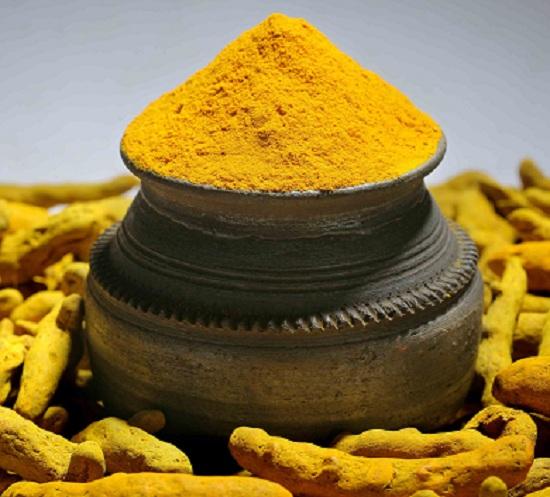
அது குழம்போ, கறியோ அவை மணக்கவும் சுவைக்கவும் சமைப்பவர்கள், மசாலாக்களை மிகுந்த அக்கறையுடன் தயாரிப்பதே அதற்கு முக்கியக் காரணம். வீடுகள் மட்டுமல்ல... இன்றும் சில பிரபல உணவகங்கள், தங்கள் உணவின் தனிப்பட்ட சுவைக்குக் காரணமாகக் கூறுவது மசாலாக்களைத்தான். வழிவழியாக வந்த அந்தப் பாரம்பர்ய மசாலாக்கள்தான் அந்தந்த வட்டாரத்துக்கும், இனத்துக்கும், உணவகங்களுக்கும் தனித்தன்மையை அளித்துவருகின்றன.
மசாலா என்பது வெறும் மிளகாய், மல்லி, மிளகு எனச் சில பொருள்களைச் சேர்த்தது மட்டுமல்ல... அந்தந்த இடத்துக்கு ஏற்ற தட்பவெப்பநிலை, உடலின் தன்மை, உணவின் தன்மை போன்றவற்றைக் கருத்தில் கொண்டு தயாரிக்கப்படுபவைதான் மசாலாக்கள். பாரம்பர்ய மசாலாக்கள் உடலுக்குத் தீங்கு ஏற்படாதபடி தயாரிக்கப்பட்டவை. மல்லி என்றால் நாட்டுமல்லி... அதுவும் இந்த இடத்தில் விளைந்த மல்லி, மஞ்சள் என்றால் இந்த வகை மஞ்சள், மிளகாய் என்றால் அதற்கென்று ஒரு வகையைத் தேடித்தேடிப் பார்த்து வாங்கித் தயாரித்தார்கள். ஒரு வகையில் பொடிகளாகவும், மற்றொரு வகையில் தேவைக்கேற்றவாறு உடனடியாகவும் மசாலாக்களைத் தயாரித்துப் பயன்படுத்தினார்கள். பொடிகள் என்றால், தேவையான பொருள்களைப் புடைத்து, சுத்தம் செய்து, தேவையற்ற பாகங்களை நீக்கி, வெயிலில் உலரவைத்து, தேவைப்பட்டால் வறுத்து பின் அரைத்து வைத்துக்கொள்வார்கள். பிறகு அன்றாடச் சமையலில் பயன்படுத்துவார்கள். அந்தக் கலையே அவர்களின் சமையல்களுக்குத் தனித்தன்மையும் உலகப்புகழும் கிடைக்கக் காரணமாக இருந்தது.
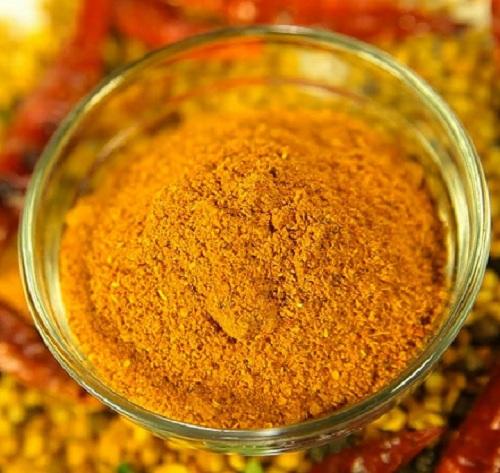

இன்றோ, பலருக்கும் சமைப்பதற்கே நேரமில்லை, பிறகு எப்படி மசாலாக்களை அரைப்பது என்கிற நிலைமை. அருகில் இருக்கும் கடைகளில் இருக்கவே இருக்கின்றன, விதவிதமான சுவைகளில் எல்லா மசாலாக்களும்... வாங்கிக்கொள்ளலாம் என்றே பலரும் எண்ணுகிறார்கள். நினைத்த நேரத்தில் நினைத்த மசாலாவைப் பயன்படுத்தி, சுவையாகச் சமைத்து அசத்தலாம் என்ற எண்ணம் பலருக்கும் உண்டு. நிச்சயம் சமைக்கலாம்... குழந்தைகள் கேட்கும் நேரத்தில் பாவ் பாஜி செய்து கொடுக்கலாம்... நிமிடத்தில் மஞ்சள்தூள் தொடங்கி சாம்பார் பொடி, ரசப்பொடி, கரம் மசாலா மட்டுமல்ல, அனைத்து அசைவ உணவுகளுக்கும் தனித்தனி மசாலாக்கள் தயாரிக்கலாம். சுவை ஒருபக்கம் இருக்கட்டும், இன்று ஹோட்டலுக்குச் சென்றுதான் வியாதியை வாங்கிவர வேண்டும் என்பதில்லை. வீடுகளிலேயே இவற்றால் பல உபாதைகளும், வாழ்வியல் நோய்களும் அதிகரித்துக்கொண்டுதான் இருக்கின்றன. இதைப் பலரும் யோசித்துப் பார்ப்பதில்லை.
கடைகளில் கிடைக்கும் இதுபோன்ற இன்ஸ்டன்ட் மசாலாக்கள் `தரமானவைதானா?’ என்றால் நிச்சயம், இல்லை. இவற்றில் கலந்திருக்கும் சுவை, மணமூட்டிகள், ரசாயனங்கள், பூச்சிக்கொல்லிகள் மற்றும் தேவையற்றப் பொருள்களால் நமக்கு ஏற்படும் உடல்சார்ந்த தொந்தரவுகள் அதிகம். 


பொதுவாகவே தானியங்களிலும் மற்ற உணவுப் பொருள்களிலும் கற்கள், கழிவுகள், களிமண் போன்றவற்றைக் காய்ந்தநிலையில் பார்க்கலாம். இவற்றையும் சேர்த்துத்தான் பல நேரங்களில் இதுபோன்ற மசாலாப் பொடிகள் அரைக்கப்படுகின்றன. இவற்றால் சாதாரண வாந்தி, பேதி போன்றவை தற்காலிகமாக ஏற்படலாம். காலப்போக்கில் நோய் எதிர்ப்புச் சக்தி குறைவதன் காரணமாக வேறு பல நோய்கள் ஏற்படவும் வாய்ப்புகள் அதிகம்.
மஞ்சள், ஒரு சிறந்த கிருமி நாசினி. ஆனால் வீட்டில் முழு மஞ்சளை வாங்கிச் சுத்தம் செய்து அரைக்காமல், கடையில் மஞ்சள்தூளை வாங்குகிறோம். அதில் கலந்திருக்கும் ரசாயனங்களால் பல நோய்கள் ஏற்படுகின்றன. `குர்குமின்’ என்ற மஞ்சள் நிற இயற்கை வேதியியல் பொருள் மஞ்சளில் இருக்கிறது. ஆனால், இன்றோ இதில் ரசாயன மஞ்சள் நிறத்தைச் செயற்கையாகச் சேர்க்கின்றனர். இதனால் புற்றுநோய் வரவும் வாய்ப்புகள் உள்ளன.
`பாரம்பர்ய சுவையில் சாம்பார் பொடி’ என்று வெளியாகும் விளம்பரத்தைப் பார்த்து அதை வாங்குபவர்கள் அவரவர் பாரம்பர்யத்தை மறந்தது மட்டுமல்ல இங்கு பிரச்னை... அந்த மசாலாத் தூள்களில் சேர்க்கப்பட்டிருக்கும் ரசாயனங்ககளும் உடலுக்குக் கேடுவிளைவிக்கும் நச்சுக்களும்தான் நோய்களுக்கு ஒரு வகையில் காரணமாகின்றன. மிளகாய்த்தூளில் செங்கல் தூளும், நிறமூட்டிகளும் மட்டுமல்ல... குழம்பு அடர்த்தியாக இருக்க வேண்டும் என்பதற்காகக் கொழகொழக்கும் பொருள்களும், கிழங்கு மாவுகளும் சேர்க்கப்படுகின்றன. இதனால் உடல் பருமன், தேவையற்ற கொழுப்புகள் உடலில் சேர்வது போன்றவையும், அஜீரணமும் ஏற்படுகின்றன.


லீட் குரோமேட் (Lead chromate), மெடனில் மஞ்சள் (Metanil Yellow) நிறங்கள் கிட்டத்தட்ட அனைத்துத் தென்னிந்திய மசாலாப் பொடிகளிலும் சேர்க்கப்படுகின்றன. இதனால் நரம்பியல் நோய்களும், புற்றுநோயும் வர அதிக வாய்ப்புகள் உள்ளன.
சீரகம், சோம்பு போன்றவற்றில் அதன் பச்சை நிறத்தைப் பெற பல ஆபத்தான நிறமூட்டிகள் சேர்க்கப்படுகின்றன. மிளகில் அதன் பளபளப்புக்குச் சில மினரல் எண்ணெய்களும், பப்பாளி விதைகளும், கடுகில் சில வகை விதைகளும் சேர்க்கப்படுகின்றன.
கடைகளில் கிடைக்கும் பாக்கெட்டுகளில் அடைக்கப்பட்ட மஞ்சள்தூள், கரம் மசாலா, குழம்புப் பொடி, இட்லிப் பொடி, சாம்பார் பொடி, கறிக்குழம்பு மசாலாப் பொடி, மிளகாய்ப்பொடி, கோழிக்குழம்பு பொடி, கோழி வறுவல் மசாலா, மீன் குழம்புப் பொடி, மீன் மசாலாப் பொடி என்று பொடிகளின் வரிசையை அடுக்கிக்கொண்டே போகலாம். அவற்றில் கல், மண், குப்பை, ஸ்டார்ச், கேசர் பருப்புத் தூள், புளியங்கொட்டை தூள், புல்வெளி தூள், மரப்பட்டை, கறித்தூள், பூச்சிக்கொல்லிகள், ரசாயனங்கள், நிறமூட்டிகள், சுவையூட்டிகள்... எனச் சேர்க்கப்படும் பட்டியலுமே வெகு நீளம். இந்த இரண்டு பட்டியல்களுக்குப் போட்டி உள்ளதோ இல்லையோ, வீட்டில் நாமே இவற்றைத் தயாரிக்காமல் கடைகளில் வாங்கிப் பயன்படுத்தினால் நோய்களின் பட்டியலும் நீளத்தான் செய்யும்.
ரோடாமைன் (Rhodamine), சூடான் டை (Sudan Dye), மாலாச்சிட் நிறம் (Malachite green), மெடனில் மஞ்சள், லீட் குரோமேட், டார்ட்ராஸைன் (Tartrazine) போன்ற ரசாயனங்கள் இவற்றில் சேர்க்கப்படுகின்றன. இவற்றால் வளர்ச்சிக் குறைபாடு, கல்லீரல், சிறுநீரகம், இதயம், நுரையீரல், எலும்புகள், கண், தோல், கர்ப்பப்பை, வயிறு போன்றவை அதிகமாகப் பாதிப்படையும். சிவப்பணுக்களின் செயல்பாடுகளில் கோளாறுகள், ஆண்மைக்குறைவு, மலட்டுத்தன்மை, மலச்சிக்கல் போன்றவை ஏற்படலாம்.
ஒரே நாளில் எந்தப் பெரும் பாதிப்பையும் இந்தப் பொடிகள் ஏற்படுத்திவிடுவதில்லை. என்றாலும், இவற்றுக்கு விலையாக, குறிப்பிட்ட வயதைத் தாண்டியவுடன் நோய்கள் ஒவ்வொருவரையும் தாக்கத் தொடங்கிவிடுகின்றன. இருபது வருடங்களுக்கு முன்னர் 90 வயதிலும் ஆரோக்கியமாக இருந்த நமது முன்னோரின் வழியில் வந்த நாம், இன்று நாற்பதைத் தாண்டியதுமே மருத்துவமனைக்கு மறைமுகமாக ஒப்பந்தம் செய்துகொள்ளும் நிலைமை ஏற்படுகிறது. மருந்து, மாத்திரைகள் இல்லாத வாழ்க்கை என்பதையே பலரால் நினைத்துக்கூட பார்க்க முடியாத நிலை உருவாகிவிட்டது.
இதிலிருந்து நம்மையும் நம் குழந்தைகளையும் காத்துக்கொள்ள வீட்டிலேயே குறைந்த அளவில் மசாலாக்களை தயாரித்துப் பயன்படுத்துவது சிறந்தது. அதிலும் அவரவர் வீடுகளில் அவரவர் முன்னோர் தயாரித்ததுபோல் தயாரிப்பது உடல் ஆரோக்கியத்தை மேம்படுத்தும். 
அவரவர் வாழ்ந்த இடம், நீர், தட்பவெப்ப நிலை, பழக்கவழக்கங்கள் போன்றவற்றைக் கொண்டு மரபணு அமையப்பெற்றிருக்கும். அந்தந்த மூதாதையர் வழியில் வந்தவர்கள் அதற்கேற்றவாறு தங்களின் மசாலாக்களையும், உணவையும் அமைத்துக்கொண்டால், சீரான உடல்வாகையும் ஆரோக்கியத்தையும் பெறலாம். அதிலும் அவரவர் வாழும் நிலங்களிலிருந்து பெறப்படும் உணவுப் பொருள்கள் அன்றாட சமையலுக்குப் பொருத்தமானவை. 
ஒவ்வொருவரும் அவரவர் வேலை, தொழில் போன்றவற்றுக்கு ஏற்ப மிளகாய் காரத்தை குறைத்தும், மிளகை அதிகமாகவும், மல்லியைத் தேவைக்கேற்பவும், அவற்றில் பருப்புகளையும் சேர்த்து மிளகாய்த்தூளை அரைப்பதுண்டு. காலம் காலமாக அவற்றை உண்ட நாம் கடந்த சில ஆண்டுகளாக இப்படிக் கடையில் விற்கப்படும் மசாலாப் பொருள்களைப் பயன்படுத்துவதால் அஜீரணம் ஏற்படுகிறது. இதனால் வயிறு உப்புசம், வயிற்று வலி, அல்சர் போன்றவையும் ஏற்படுகின்றன. 
எனவே, மசாலாவுக்கான பொருள்களை வாங்கி, லேசாக வறுத்து அரைத்துவைத்துக்கொண்டு பயன்படுத்துவதே சிறந்தது. மஞ்சளை அரைகிலோ அளவிலும், மிளகாய்த் தூள், குழம்புப் பொடி ஆகியவற்றை கிலோ கணக்கிலும் நாமே அரைத்துப் பயன்படுத்துவது மிக மிக நல்லது.

DINAKARAN NEWS


DINAKARAN NEWS


DINAKARAN NEWS


DINAKARAN NEWS


Food safety is not negotiable for Nestle, says chairman Paul Bulcke

Nestle takes ‘pride in providing safe food products’ in whichever country the company operates in, says Paul Bulcke, chairman of the board of directors at the company
New Delhi: Paul Bulcke, chairman of the board of directors at Nestle SA on Friday said food safety is “not negotiable” for the company and the Swiss packaged food maker takes “pride in providing safe food products” in whichever country the company operates in.
“I know we had some challenging times not so long ago when our heritage of food safety was called to question but I’m proud to say that we have overcome it,” Bulcke said as part of his address to Prime Minister Narendra Modi at the inaugural session of World Food India 2017 in New Delhi.
This is Bulcke’s first visit to India as Nestle chairman. Bulcke’s last visit to India was in June 2015 as the company’s global chief executive officer as part of an emergency measure to tackle an abrupt crisis after the country’s food regulator Food Safety and Standards Authority of India (FSSAI) declared a nationwide ban on Maggi instant noodles, the single largest revenue earner of the Swiss company’s local entity Nestle India Ltd, for alleged safety concerns.
It took the company five months to bring Maggi noodles back to retail shelves after proving that the packaged snack was not unsafe for human consumption.
But Bulcke’s challenge was not just bringing Maggi noodles back to the retail market, but mending fences with FSSAI and the government.
On 6 September 2017, Nestle India Ltd announced that it would set up a food safety institute in partnership with FSSAI that will train officials of FSSAI as well as other companies in food safety.
The Manesar-based Nestle Food Safety Institute was inaugurated by FSSAI chief executive officer Pawan Kumar Agarwal, who termed the partnership a “well-thought strategy”. The institute, a replica of the Swiss company’s units in China and Lausanne, Switzerland, will conduct training programmes on food safety management systems, testing methods and regulatory standards in India.
“The food we eat also needs to be safe and for us food safety is not negotiable,” Bulcke said, adding that the Nestle Food safety Institute in India has been set up aiming at “building and sharing knowledge and practices through collaborative partnerships to support and strengthen food safety environment in India”.
The food system globally, said the Nestle chairman, has “come a long way” but “not delivering as it should”. “Agriculture productivity needs to be improved as we will have to feed millions of people in future… With 70% of the global poverty in the rural areas, the investment in building agriculture capacity is crucial. Food security needs to be given top priority. In partnerships we can find solutions and the private sector can play an important role,” added Bulcke.

FORTIFICATION: WAR ON MALNUTRITION

Today, micronutrient malnutrition is emerging as a silent epidemic and is contributing greatly to the global burden of diseases. Commonly called “hidden hunger”, it refers to diseases caused by a dietary deficiency of essential vitamins or minerals and is prevalent worldwide. More than 2 billion people suffer from micronutrient deficiency in the world today and about one-third of this population are in India. One of the key strategies to address micronutrient malnutrition is food fortification — a process of increasing the content of micronutrients in food so as to improve its nutritional quality. The other strategies include supplementation, dietary diversification and public health and disease control measures. Of these strategies, food fortification is one of the most cost-effective methods to address micronutrient deficiencies. In one of the first countries in the world to start a public health programme to address iodine deficiency disorders, salt was established as the ideal vehicle for iodine fortification due to its widespread consumption and cost effectiveness. Resulting from the successful implementation of the programme, today, 92 per cent households in India consume iodised salt.
While India has been successful in addressing iodine deficiency disorders, vitamins A and D deficiencies are still widespread. According to the National Institute of Nutrition, almost 50-90 per cent of the Indian population, across all socio-economic groups, suffer from vitamins A and D deficiencies. The leading causes for night blindness, rickets, brain damage and bone fragility, diseases caused by vitamins A and D deficiencies call for urgent action. Despite Government recognition of fortification as an effective and measurable tool to address malnutrition, it is yet to be made mandatory in public funded programmes like the public distribution system (PDS).
Opportunely, the present environment for fortification is both positive and encouraging. In 2016, Prime Minister Narendra Modi pushed for universal fortification in meetings with top officials of the Ministries of agriculture, food and public distribution, commerce, health and women and child development and further intensified the fortification discourse when he pledged to end micronutrient malnutrition in India by 2022, earlier this month. Another much needed step in the right direction, the Government has issued guidelines to ensure mandatory fortification of edible oil through the mid-day meal (MDM) scheme with immediate effect. This is further reinforced with a dynamic, supportive and participatory leadership in the Food Safety and Standards Authority of India (FSSAI). It is taking an active role in promoting food fortification and has operationalised the Food Safety and Standards (Fortifications of Foods) Regulation with effect from April 2017 with necessary steps to encourage the production, manufacture, distribution, sale and consumption of fortified food in cooperation with concerned Government departments. Furthermore, owing to State Government initiatives, the entire edible oil industry in Rajasthan and Gujarat is only selling fortified edible oil, and other States like Haryana, Punjab, and Karnataka, etc, have already included fortified edible oil in PDS and MDM.
Certain features make edible oil much easier and cost-effective to fortify than other food items and a suitable vehicle for vitamins A and D. Edible oil is an ideal carrier of vitamins A and D as the vitamins are fat-soluble and the cost of fortification will increase the cost of oil only by 10 paisa per liter. This is reinforced by its high penetration into nearly 99 per cent of households, with average consumption of oil ranging from 12-18 kg per annum per person.
Addressing vitamins A and D deficiencies requires a comprehensive, cohesive and harmonious approach of five catalytic factors. First, assessment of deficiencies and impact evaluation of fortification at the national and State levels is required to establish a landscape for edible oil fortification. Second, among the four public health strategies for addressing vitamins A and D deficiencies, the national and State Governments need to focus on fortification and creating an enabling environment through regulatory mechanisms and advocacy. Third, the private sector needs to voluntarily take up fortification. Fourth, learnings from multilateral organisations and successes in other countries should be used and applied to India. Lastly, knowledge, practices and affordability of consumers with regard to fortification must be kept in mind while developing policies. Building on the success of salt fortification, there is now an urgent need for platforms of open dialogue to create champions to take forward the “idea” of fortification and address micronutrient malnutrition.
Leading the iodisation movement in south Asia, I have witnessed the tremendous success of micronutrient fortification in India and neighbouring countries. With support from highest offices in the country and lessons from previous successful initiatives to build upon, it is time for us to scale up our efforts to eliminate vitamins A and D deficiencies through edible oil fortification.
As I urge us to work together to make India malnutrition free, I quote Swami Vivekananda:
“Take up one idea. Make that one idea your life — think of it, dream of it, live on that idea. Let the brain, muscles, nerves, every part of your body, be full of that idea, and just leave every other idea alone. This is the way to success, and this is the way great spiritual giants are produced. Others are mere talking machines.”
(The writer is the founding member and regional coordinator for South Asia of Iodine Global Network since 1985. Previously, he served as Professor and Head of the Department — Centre for Community Medicine at the All India Institute of Medical Sciences (AIIMS), New Delhi. His long and sustained contribution to public health has been recognised by World Health Organisation and he was recently bestowed the WHO Public Health Champion award. He was also awarded the Mother Teresa Memorial Award for excellent work in USI in Kolkata)

Food safety court imposes fine on company manufacturing pan

Gopeshwar, Nov 3 (PTI) A food safety court here today imposed a fine of Rs four lakh on the company manufacturing pan masala brand Rajnigandha as it found some of its samples unsafe for human consumption.
The samples of Rajnigandha were found to contain a chemical--magnesium carbonate--and carmoisine colour which are injurious to health, the court said in an order released today.
The verdict imposed a fine of Rs four lakh on Dharampal- Satyapal group (DS group), the manufacturers of the product and a fine of Rs 15,000 on a Chamoli-based retailer who sold it in the area.
The food safety courts order came on a complaint filed by the Chamoli district food safety officer who had sent samples of the pan masala brand collected from the shop of local retailer, Meharwal Agency, to the government food and drug laboratory, Rudrapur in September 2014.
After the samples were found unsafe for human consumption both at the Rudrapur laboratory and the referral laboratory of food analysis in Pune, a complaint was lodged in the food safety court here against the manufacturing company and the retailer under the Food Safety Act 2016.

Nov 3, 2017

DINAMALAR NEWS


DINAMALAR NEWS


DINAMALAR NEWS


DINAKARAN NEWS


DINAKARAN NEWS


DINAKARAN NEWS


DINAKARAN NEWS


FSSAI launches comprehensive IT platform for uniform regulation of food standards

A decade after India introduced a single nationwide law - the Food Safety and Standards Act - to maintain uniform standards for food items in the country, the authority that implements the law, the Food Safety and Standards Authority of India (FSSAI) has come out with a comprehensive plan to make it work, in letter and spirit.
It has developed a uniform operational manual for its field official, launched an IT platform to do digital inspections and a nationwide network of all food testing labs on a single technology platform, Indian Food Laboratory Network (InFoLNet), in Delhi.
While the single nationwide manual for Food Safety Officers (FSOs) is expected to help them follow uniform practices and procedures across the country, the leverage of digital and smart technologies is meant to bring an end to arbitrariness and adhocism in inspections and sampling. The new digital platform, Food Safety Compliance through Regular Inspections and Sampling (FoSCoRIS), replaces manual inspections with digital inspections. It uses simple mobile devices with dashboards to monitor, on real-time basis, at the district, state and national level. For consistency, standard matrices have been developed for inspection of various kinds of food businesses. FoSCoRIS is to ensure a consistent experience to food businesses across States and UTs, thereby building their confidence in the regulatory environment, an FSSAI statement said.
For credible and efficient food testing for food businesses, a nationwide network of all food testing labs on a single technology platform, Indian Food Laboratory Network (InFoLNet), has also been launched. This would bring in much desired standardisation in food testing, that is 'one food product, one set of parameters and one parameter one test method', the agency said. Several measures towards trade facilitation, including a single window clearance fully integrated with Custom Authorities and risk-based inspection, have been adopted. To ensure hassle free imports, a 'Manual for Food Imports' has also been developed.
All these tools are part of the Food Regulatory Portal, a full service, business-friendly portal for food businesses that focuses on six key areas viz. food standards; consistent enforcement; hassle free food imports; credible food testing; codified food safety practices; and training and capacity building. "This would prove to be a game changer by addressing food business concerns across the spectrum by ensuring ease of entry; reduced burden of compliance and facilitating trade", FSSAI says.
To ensure consistency and predictability of business environment, a nationwide uniform law, the Food Safety and Standards Act was enacted in 2006. While this law had envisioned a single reference point for laws on food across the nation, its implementation across the States & UTs has not always been uniform due to legacy issues, leading to business uncertainties. Further, even at the national level, a few specific issues continue to be looked after by different ministries / agencies such as legal metrology, customs, plant and animal quarantine, Bureau of Indian Standards (BIS) and AGMARK. The launch of the Food Regulatory Portal is thus a major development, as it creates a robust environment for uniform implementation of the law across States / UTs and coordinated approach across central agencies, leading to a transparent and enabling business environment, FSSAI states.
While FSSAI is the principal regulatory body for food, six other agencies are also involved for specific purposes. To ensure a single point of references for all food related business compliances, the Food Regulatory Portal also has compiled related information and links to other national agencies in the food safety ecosystem such as Legal Metrology, Customs, Plant and Animal Quarantine, Bureau of Indian Standards (BIS) and AGMARK. An institutional mechanism for interagency coordination and cooperation and integrated grievance redressal is also on the anvil, the statement said.

FSSAI launches Food Regulatory Portal

FSSAI believes that this portal will prove to be a game changer by addressing food business concerns across the spectrum by ensuring ease of entry; reduced burden of compliance and facilitating trade.
New Delhi: Food Safety and Standards Authority of India (FSSAI) has today launched the Food Regulatory Portal, a single interface for food business, which will help transparent implementation of the food laws in the country, said the food authority in a statement
According to the statement, the Food Regulatory Portal is a full service portal for food business that focuses on six key areas including food standards, consistent enforcement, hassle free food imports, credible food testing, codified food safety practices and training and capacity building.
FSSAI believes that this portal will prove to be a game changer by addressing food business concerns across the spectrum by ensuring ease of entry; reduced burden of compliance and facilitating trade. 
Amitabh Kant, CEO of NITI Aayog who launched the portal termed the development as a key milestone in India's regulatory reforms.
“FSSAI’s efforts towards consistency and transparency in enforcement and ease of doing business in the food regulatory environment would garner the confidence of all stakeholders involved.”
While FSSAI is the principal regulatory body for food, six other agencies are also involved for specific purposes. To ensure a single point of references for all food related business compliances, the Food Regulatory Portal has also compiled related information and links to other national agencies in the food safety ecosystem such as Legal Metrology, Customs, Plant and Animal Quarantine, Bureau of Indian Standards and AGMARK. An institutional mechanism for interagency coordination and cooperation and integrated grievance redressal is also on the anvil. 
"The Food Safety and Standards Act 2006 unified 9 existing laws into a single Act and laid the legal ground for One Nation, One Food Law. Eleven years later, the Food Regulatory Portal launched today lays a solid foundation for uniform implementation of this law, and will go down in history as another memorable milestone," Pawan Agarwal, CEO of FSSAI said.

Another product of Baba Ramdev’s Patanjali found unsafe by food department

Lucknow: The famous Yoga guru Baba Ramdev and his popular brand Patanjali today landed in trouble after one of its product has been found not up to the mark by the officials of Food department in Uttar Pradesh’s Barabanki district.
According to Pediatrician District Hospital Barabanki, Dr S.K Singh says that this product has proved failure in investigation, after which a penalty has been imposed on company and on shopkeeper who was selling this famous product.
Basically, food department in its report mentioned that one of Patanjali’s product has been found below standard and some harmful content has been found in double quantity from its required amount.
The Chief Food Inspector Barabanki said that incident of harmful content in its double quantity proves that Baba Ramdev’s Patanjali each and every product is not safe for consumption and we should not trust it blindly.
Earlier, Patanjali Ayurved Ltd has been slapped with a Rs. 11 lakh fine by a city court for misbranding and misrepresentation of its products. The fine has to be paid within a month.
The case had been ongoing since November 2012. The judge, Lalit Narain Mishra, found that the company was guilty of “releasing misleading advertisements by selling certain products with its labels although they were being manufactured by some other firm.”
Baba Ramdev’s Patanjali product lands in trouble after facing food department’s ban:
The company was charged under Section 52 (misbranding) and Section 53 (misleading advertisement) of the Food Safety and Standards Act, 2006 as well as Section 23.1 (5) of Food Safety and Standard (Packaging and Labelling Regulations, 2011) Act.
The court also ordered the district food safety department to “take appropriate action if there is no improvement in the products in future.”
The case was filed against the company in November 2012 by District Food Safety Department when some of the products, including eatables like honey, salt, mustard oil, jam and besan (gram flour) failed quality tests. Tests were conducted at Uttarakhand’s only FSSAI-certified drugs and food testing lab located at Rudrapur.
In July, Advertising Standards Council of India or ASCI had pulled up the company for running “misleading” ad campaigns which made light of competitors’ products, which is against the ASCI norms.
Patanjali’s claim that rivals were making “‘Kachi Ghani Mustard Oil’ “adulterated with oil made by solvent extraction process with neurotoxin containing Hexane” was found unsubstantiated by the Consumer Complaints Council.
The company had also failed to prove that other companies sell “expensive juices containing less pulp”. It also failed to prove that “other companies mix 3 to 4 per cent urea and other non-edible things in their cattle feed,” compared to their ‘Patanjali Dugdhamrut’ cattle feed.

DB expresses displeasure on JMC’s response; directs Action Plan by Nov 8

Jammu, Nov 2: In a significant order a Division Bench of the State High Court comprising Justice Alok Aradhe and Justice Tashi Rabastan today in the open court expressed its dissatisfaction over the response filed by the Jammu Municipal Corporation (JMC) in a Public Interest Litigation (PIL) filed by a NGO SAVE (Save Animal Value Environment) through its Chairperson Devinder Kaur Madaan alias Rumpy Madaan seeking closure of 59 un-registered dairies running within the limits of JMC. The Division Bench headed by Justice Alok Ardahe directed Advocate Sachin Gupta appearing for JMC to take appropriate instructions from JMC before the next date of hearing over the issues highlighted in the PIL and also directed him to come out with an Action Plan for addressing the concern expressed in the PIL.
After hearing Advocate Sheikh Shakeel Ahmed with Advocates Rahul Raina and Supriya Chouhan appearing for the PIL whereas Advocate Sachin Gupta appearing for JMC and Advocate Amita Khajuria appearing for Food Safety and Standards Authority of India, Justice Alok Aradhe for the Division Bench in the open court observed that reply filed by the JMC is totally silent over the issues raised in the PIL. The court further observed that there is no indication in the reply about the milk dairies which have not come forward for registration as per the norms of the JMC and further the reply is conspicuous about the action taken against the dairies which are un-registered. The Division Bench further expressed displeasure over the non-adherence to the provisions of Section 44 (n) of the Jammu Municipal Corporation Act, 2000 wherein the JMC is under a statutory obligation to regulate the functioning of the milk dairies.
After considering the submissions of Advocate S.S. Ahmed, the Division Bench headed by Justice Alok Aradhe directed Advocate Sachin Gupta appearing for JMC to obtain instructions in the matter and also file an Action Plan before the next date with regard to the issues highlighted in the PIL. The Division Bench also directed Advocate Amita Khajuria appearing for Food Safety and Standards Authority of India to file response to the PIL before the next date of hearing.