May 12, 2015

68.4% of the samples lifted from 33 states did not confirm to the prescribed standards, the government said

A total of 1,791 samples were drawn from 33 states and were tested in the govt laboratories, J.P. Nadda said in Rajya Sabha
New Delhi: In a nationwide survey on milk adulteration by Food Safety and Standards Authority of India (FSSAI), 68.4% of the samples lifted from 33 states did not confirm to the prescribed standards, the government said on Tuesday.
The survey that was conducted through FSSAI’s five regional offices in 2011, a total of 1,791 samples were drawn from 33 states and were tested in the government laboratories, minister for health and family welfare, J.P. Nadda said in Rajya Sabha.
While replying to a question on milk adulteration, Nadda said,”68.4% of the samples were found to be non-conforming to the prescribed standards. Out of these samples, in 46.8% were found to be sub-standard in respect of Fat and Solid Not Fat (SNF) contents”.
“Another 548 samples (44.69%) of skim milk powder were found to be non-conforming to the prescribed standards where presence of glucose was detected in 477 samples. A total of 103 samples (5.75%) were found to be adulterated with detergents,” he said.
The Food Safety and Standards Act, 2006 provides for graded penalties including life imprisonment. However, its implementation and enforcement primarily rests with state and Union Territories governments, the minister said.
“Random samples of food items are drawn by the State Food Safety officers and are sent to the laboratories recognised by FSSAI for analysis. In cases, where samples are found to be not conforming to the provisions of the Act and the Rules and Regulations, penal action is initiated against the offender,” he said.

Adulteration of Milk and Milk Products

The Food Safety and Standards Authority of India (FSSAI) had conducted a nationwide survey on milk adulteration in 2011 through its five regional offices. A total of 1791 samples were drawn from 33 states and were tested in the Government laboratories. 68.4% of the samples were found to be non-conforming to the prescribed standards. Out of these samples, in 46.8% samples, milk found to be sub-standard in respect of Fat and Solid Not Fat (SNF) contents. Another 44.69% of the samples (548) in respect of skim milk powder were found to be non-conforming to the prescribed standards where presence of glucose was detected in 477 samples. A total of 103 samples (5.75%) were found to be adulterated with detergents. 
The Food Safety and Standards Act, 2006 provides for graded penalties including life imprisonment. However, implementation and enforcement of the Food Safety and Standards Act, 2006 and Rules & Regulations made thereunder primarily rests with State/UT Governments. Random samples of food items are drawn by the State Food Safety Officers and are sent to the laboratories recognized by the Food Safety and Standards Authority of India (FSSAI) for analysis. In cases, where samples are found to be not conforming to the provisions of the Act and the Rules and Regulations made thereunder, penal action is initiated against the offender. The State/UT Governments have been requested by the Department of Health and Family Welfare on 07.01.2015 to finalize State wide Action Plan to draw and test samples of milk products at regular intervals. 
The Minister for Health & Family Welfare, Shri J P Nadda stated this in a written reply in the Rajya Sabha here today.

Amway's Nutrilite in trouble

United States-based direct selling company Amway is in trouble as a lower court in Uttar Pradesh has pronounced that the company has been making false and misleading health claims for its vitamin supplement Nutrilite Daily and violating India's food law.

United States-based direct selling company Amway is in trouble as a lower court in Uttar Pradesh has pronounced that the company has been making false and misleading health claims for its vitamin supplement Nutrilite Daily and violating India's food law.
Besides, the ruling could cast a shadow on the multinational company's flagship brand Nutrilite, under which it sells a range of products including vitamin supplements and protein powder.
After hearing a complaint filed by the food regulator, Food Safety and Standards Authority of India or FSSAI, the court said in a recent order that Amway has been claiming that its product has exclusive natural extracts such as 'phytofactors plant compounds from Nutrilite's exclusive plant concentrates', without citing any scientific evidence to back it.
The court also slapped a penalty of Rs 10 lakh on the company. Amway said that it has already challenged the order in Food Safety Appellate Tribunal at Meerut and got a stay order.
The Greater Noida court also found Amway's claim - that its special coating called 'Nutrilite exclusive nutria lock' makes it easier to swallow tablets - misleading and without proof, and said that it fails to understand how the company's coating is exclusive and different from those used by several other drug making companies for the same purpose.
The judge also took note of the fact that FSSAI's product approval division has rejected applications for several other products under Nutrilite series such as Iron-Folic, Natural 'B' and Bio C, among others. The food regulator argued before the court that it has become a trend for many drug-making companies to project their medicinal products as 'food' to escape the tighter regulations under Drug and Cosmetics Act, and expensive and time consuming clinical trials mandated under it.
Leading brand consultants said the adverse impact of one sub-brand has a negative rub-off on other sub-brands under the umbrella brand. "An adverse event like this absolutely has the potential to make a dent in the brand image of the entire Nutrilite range of products, albeit not to the extent of damage faced by the brand of the product in question, Nutrilite Daily in this case," said Harish Bijoor, CEO of Harish Bijoor Consults Inc.
Amway said it doesn't think that the ruling will hit the brand image of Nutrilite in India.
"We have moved Food Safety Appellate Tribunal at Meerut challenging this order which questioned claims made through product merchandising literature of Nutrilite Daily. The Tribunal vide an order dated May 07, 2015 has stayed the order passed by ADM, Gautam Budh Nagar, Greater Noida. We are hopeful of getting a positive order in our appeal as we have adequate substantiation for all the claims made in the product merchandising literature of Nutrilite Daily," said an Amway spokesperson
Claiming that Nutrilite is the world's No. 1 selling vitamins and dietary supplements brand, he added that all Nutrilite products globally comply with World Health Organisation and International guidelines like CODEX for vitamin and mineral content.
"The Nutrilite range has been manufactured and sold in India, after getting requisite licences under the food law, for more than a decade. Nutrilite Daily was launched in India in 2002 and we have lakhs of satisfied customers here," he said.
According to media reports published in March, of the over Rs 2,000 crore annual revenue that Amway clocks in India, the Nutrilite range of products accounts for 55%, beauty products portfolio contribute another 30% while the balance comes from the company's homecare range.

Amway making false, misleading health claims for Nutrilite Daily: UP court

The ruling could cast a shadow on company’s flagship brand Nutrilite, under which it sells a range of products including vitamin supplements and protein powder.

NEW DELHI: A lower court in Uttar Pradesh has pronounced that the United States-headquartered direct selling company Amway has been making false and misleading health claims for its vitamin supplement Nutrilite Daily and violating India's food law. 

The ruling could cast a shadow on the multinational company's flagship brand Nutrilite, under which it sells a range of products including vitamin supplements and protein powder. 
After hearing a complaint filed by the food regulator, Food Safety and Standards Authority of India or FSSAI, the court said in a recent order that Amway has been claiming that its product has exclusive natural extracts such as 'phytofactors plant compounds from Nutrilite's exclusive plant concentrates', without citing any scientific evidence to back it. 
The court also slapped a penalty of Rs 10 lakh on the company. Amway said that it has already challenged the order in Food Safety Appellate Tribunal at Meerut and got a stay order. 
The Greater Noida court also found Amway's claim - that its special coating called 'Nutrilite exclusive nutria lock' makes it easier to swallow tablets - misleading and without proof, and said that it fails to understand how the company's coating is exclusive and different from those used by several other drug making companies for the same purpose. 
The judge also took note of the fact that FSSAI's product approval division has rejected applications for several other products under Nutrilite series such as Iron-Folic, Natural 'B' and Bio C, among others. The food regulator argued before the court that it has become a trend for many drug-making companies to project their medicinal products as 'food' to escape the tighter regulations under Drug and Cosmetics Act, and expensive and timeconsuming clinical trials mandated under it. 
Leading brand consultants said the adverse impact of one subbrand has a negative rub-off on other sub-brands under the umbrella brand. "An adverse event like this absolutely has the potential to make a dent in the brand image of the entire Nutrilite range of products, albeit not to the extent of damage faced by the brand of the product in question, Nutrilite Daily in this case," said Harish Bijoor, CEO of Harish Bijoor Consults Inc. 

Amway said it doesn't think that the ruling will hit the brand image of Nutrilite in India. 
"We have moved Food Safety Appellate Tribunal at Meerut challenging this order which questioned claims made through product merchandising literature of Nutrilite Daily. The Tribunal vide an order dated May 07, 2015 has stayed the order passed by ADM, Gautam Budh Nagar, Greater Noida. We are hopeful of getting a positive order in our appeal as we have adequate substantiation for all the claims made in the product merchandising literature of Nutrilite Daily," said an Amway spokesperson 
Claiming that Nutrilite is the world's No. 1 selling vitamins and dietary supplements brand, he added that all Nutrilite products globally comply with World Health Organisation and International guidelines like CODEX for vitamin and mineral content. 
"The Nutrilite range has been manufactured and sold in India, after getting requisite licences under the food law, for more than a decade. Nutrilite Daily was launched in India in 2002 and we have lakhs of satisfied customers here," he said. 
According to media reports published in March, of the over Rs 2,000 crore annual revenue that Amway clocks in India, the Nutrilite range of products accounts for 55%, beauty products portfolio contribute another 30% while the balance comes from the company's homecare range.

Easing of bottlenecks for import shipments

The CCCFC will have to meet frequently, once in 15-20 days to discuss the progress made by each agency in granting clearance certificate.

In a bid to cut down compliance burden and transaction cost, the customs department is working on setting up a high-level committee to coordinate between various regulatory agencies including food safety and standards, plant protection and quarantine, textiles, and drug standard control for faster and smoother clearance of goods.
Official sources told The Indian Express that a central customs clearance facilitation centre (CCCFC) would be set up this month, headed by the revenue secretary and comprising secretaries of departments including shipping, civil aviation, FSSAI, animal husbandry among others, for faster clearance of import consignments. “From May 1, local customs clearance facilitation centres at 18 major sea ports and 17 major airports have already started operating. These committees are being headed by chief commissioners’ customs and have representation from the ministries like shipping, and civil aviation. By the end of the month, a central mechanism will be in place to improve ease of doing business in the country,” the sources said.
The local committees have been tasked with identifying the bottlenecks in the clearance procedure like delay in drawing samples for lab testing, infrastructure bottlenecks, server breakdown etc and resolving them.“The local committees will take care of the intra-departmental delays. However, the issues which can not be resolved at the local level will be referred to the central institutional mechanism,” the official added.
The CCCFC will have to meet frequently, once in 15-20 days to discuss the progress made by each agency in granting clearance certificate. Further, government has also initiated online connectivity between important departments including the food safety and standards authority of India (FSSAI) and plant protection, quarantine and storage department in three ports including Jawaharlal Nehru Port Trust, Tughlakabad inland container depot (ICD), and Patparganj ICD.
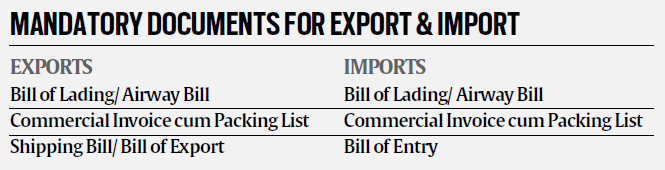
The exercise is a part of the single-window clearance for customs announced in the Budget 2014-15. The single-window will hugely benefit around 1,30,000 importers and 1,08,000 exporters registered with the department. Last year, 37 lakh bills of entry were filed while 57 lakh shipping bills were filed by the traders.
“This will cut down the time taken. A single form will be soon made available where the importer will have to give information to only one agency and that will be electronically transmitted to others, thus curbing duplicity. In 1-2 months the online connectivity will be extended to all the ports. The bill of entry will get automatically transmitted to their systems from the customs’ system for clearance,” the official said.
The finance ministry has also asked all the departments involved in the process to give standard operating procedures and timelines for clearances to ensure accountability. “The customs system is being integrated with the Central Drugs Standard Control Organization, animal husbandry, wildlife and textiles departments. These departments are still not automated. In the next 4-5 months the system integration should be complete,” the sources added.

May 11, 2015

கார்பைடு கல் மாம்பழங்கள் எச்சரிக்கை: சுவை இருக்காது, உடலுக்கு தீங்கானது

தூத்துக்குடி, திருநெல்வேலி மாவட்டங்களுக்கு மாம்பழங்கள் வரத்து அதிகரித்துள்ளது. அதேநேரத்தில் கார்பைடு கல் மூலம் பழுக்க வைக்கப் படுவது குறித்த அச்சம் மக்கள் மத்தியில் எழுந்துள்ளது. ‘தடை செய்யப்பட்ட கார்பைடு கல் மூலம் மாம்பழங்களை பழுக்க வைக்க வேண்டாம்’ என, வியாபாரிகளுக்கு உணவு பாதுகாப்பு துறையினர் விழிப்புணர்வு ஏற்படுத்தி வருகின்றனர்.
சுண்டி இழுக்கும்
மே மாதத்தில் மாம்பழம் சீசன் தொடங்கி விடும். கடைகளில் வகை வகையான மாம்பழங்கள் பார்வையாளர்களை சுண்டி இழுக்கும். முக்கனிகளில் ஒன்றான மாம்பழம் அனைவராலும் விரும்பி சாப்பிடப்படும் பழ வகையாகும். எனவே, மாம்பழ வியாபாரம் விறுவிறுப்பாக நடைபெறும்.
அதேநேரத்தில் செயற்கை கல் மூலம் பழுக்க வைக்கப்படும் மாம்பழங்கள் பறிமுதல் செய்யப்பட்டு அழிக்கப்படுவது வாடிக்கையாகி வருகிறது. பல்லாயிரம் டன் மாம்பழங்கள் பறிமுதல் செய்யப்பட்டு ஆண்டுதோறும் அழிக்கப்படுகின்றன.
வரத்து அதிகரிப்பு
தற்போது சீசன் தொடங்கியுள்ளதால் கடந்த சில தினங்களாக தூத்துக்குடி, திருநெல்வேலி மாவட்டங்களுக்கு மாம்பழங்கள் வரத்து அதிகரித்துள்ளது. அனைத்து பழக்கடைகளிலும் வகை, வகையான மாம்பழங்கள் விற்பனைக்காக குவித்து வைக்கப்பட்டுள்ளன. மக்களும் ஆர்வமுடன் வாங்கிச் செல்கின்றனர். அதேநேரத்தில் கார்பைடு கல் மூலம் மாம்பழங்கள் பழுக்கவைக்கப்படுவது குறித்த அச்சமும் மக்கள் மத்தியில் எழுந்துள்ளது.
நிறத்தை மாற்றும் கல்
வெல்டிங் தொழிற்சாலைகளில் பயன்படுத்தப்படும் கால்சியம் கார்பைடு என்ற கல்லை சிறு துண்டுகளாக உடைத்து காகிதங்களில் சுற்றி மாங்காய்களுக்கு நடுவே வைத்துவிடுவார்கள். அடுத்த 3 முதல் 6 மணி நேரத்தில் மாங்காய்கள் அனைத்தும் பழுத்து மஞ்சள் நிறமாக மாறிவிடும். இதுதான் செயற்கை கல் மூலம் பழுக்க வைக்கும் முறை. இந்திய உணவு பாதுகாப்பு மற்றும் தர நிர்ணய சட்டத்தின் படி இது தடை செய்யப்பட்ட முறை.
இந்த கால்சியம் கார்பைடில் இருந்து அசட்டலின் என்ற வாயு வெளியாகி மாம்பழத்தை பழுக்க வைக்கிறது. அதாவது மாம்பழத்தின் நிறத்தை அது மாற்றும். தன்மையை கெடுத்துவிடும்.
கால்சியம் கார்பைடு கல் வைத்து பழுக்க வைக்கப்படும் மாம்பழங்கள் பார்க்க மட்டுமே பளிச்சிடும். ஆனால், சுவை இருக்காது. பழத்தில் இனிப்பு இருக்காது. அதுமட்டுமின்றி உடல் நலத்திற்கும் பல்வேறு தீங்குகளை ஏற்படுத்தும் என்கிறார், உணவு பாதுகாப்பு மற்றும் தர நிர்ணய சட்ட மாவட்ட நியமன அலுவலர் எம். ஜெகதீஷ் சந்திரபோஸ்.
புற்றுநோய் அபாயம்
அவர் மேலும் கூறும்போது, ‘கால்சியம் கார்பைடு கல்லில் இருந்து வெளியாகும் அசட்டலின் வாயு மாம்பழத்திற்குள் ஊடுருவி சென்றுவிடுகிறது. இந்த மாம்பழத்தை சாப்பிட்டால் பல்வேறு உடல் உபாதைகள் ஏற்படும்.
உடனடியாக வயிற்று வலி உண்டாகும். தொடர்ந்து வாந்தி, மயக்கம், வயிற்றுப்புண் போன்றவை ஏற்படும். மேலும், வேதியியல் மாற்றங்களால் புற்றுநோய் ஏற்படும் அபாயமும் உள்ளது.
மாமரத்தில் சுரக்கும் எத்திலின் என்ற ஹார்மோன் மூலம் தான் மாம்பழங்கள் மரத்தில் இயற்கையாக பழுக்கின்றன. எனவே, அதே எத்திலின் திரவத்தை மாங்காய்களில் தெளித்து அவைகளை செயற்கையாக பழுக்க வைக்கலாம். இந்த முறை உடல் நலத்திற்கு கேடு விளைவிக்காது. இந்திய உணவு பாதுகாப்பு மற்றும் தர நிர்ணய சட்டத்தின் படி இது அனுமதிக்கப்பட்ட முறைதான்.
ரசாயன கடைகளில் எத்தரால் என்ற திரவம் கிடைக்கிறது. இந்த திரவத்தின் விலை அதிகம் கிடையாது. 1 லிட்டர் தண்ணீருக்கு 1 மி.லி. எத்தரால் திரவத்தை கலந்து அதனை மாங்காய்கள் மீது தெளித்து, அறையில் வைத்து பூட்டி வைத்தால் போதும். அதில் இருந்து எத்தலின் வாயு வெளியேறி மாம்பழங்களை இயற்கையான முறையில் பழுக்க வைத்துவிடும். ஆனால், இந்த முறையில் மாம்பழங்கள் பழுக்க 24 மணி நேரம் முதல் 48 மணி நேரம் வரை ஆகும். இந்த முறையில் மாங்காய்களின் நிறம் மாறுவதுடன், சுவையும் அப்படியே இருக்கும். உடல் நலத்திற்கு எந்த தீங்கையும் விளைவிக்காது.
எளிதில் கண்டுபிடிக்கலாம்
ஆனால், கார்பைடு கல் வைத்தால் 6 மணி நேரத்தில் பழுத்துவிடும். விரைவாக பழுக்க வைத்து விற்பனை செய்ய வேண்டும் என்ற நோக்கத்தில் வியாபாரிகள் சிலர் கார்பைடு கல் வைத்து பழுக்க வைக்கின்றனர். வாங்கும் மக்களின் உடல் நலத்தை பற்றி அவர்கள் கவலைப்படுவதில்லை.
கார்பைடு கல் மூலம் பழுக்க வைத்த மாம்பழங்களை மக்கள் எளிதில் கண்டுபிடித்துவிடலாம். மாம்பழங்களின் மீது பெரிய அளவில் கறுப்பு புள்ளிகள் இருக்கும். மாம்பழங்களை தொட்டு பார்த்தால் சூடாக இருக்கும். தோல் மட்டும் பழுத்தது போல மஞ்சளாக இருக்கும். உள்ளே வெட்டி பார்த்தால் பழுத்திருக்காது, சுவையும் இருக்காது. மேலும், கார்பைடு கல் மூலம் பழுக்க வைத்த மாம்பழங்கள் 2 நாட்களில் கெட்டு போய்விடும்.
திடீர் சோதனை
இதுதொடர்பாக வியாபாரிகளிடம் உணவு பாதுகாப்பு அலுவலர்கள் விழிப்புணர்வை ஏற்படுத்தி வருகின்றனர். கார்பைடு கல் மூலம் பழுக்க வைக்கப்படும் மாம்பழங்கள் பறிமுதல் செய்யப்பட்டு அழிக்கப்படும். எத்திலின் மூலம் பழுக்க வைத்தால் எந்த பிரச்சினையும் இல்லை என்பதை அவர்களுக்கு எடுத்துக் கூறி வருகிறோம். அனைத்து பழ குடோன்களிலும் உணவு பாதுகாப்பு அலுவலர்கள் திடீர் சோதனை நடத்தி வருகின்றனர்’ என்றார்.

FDA Maharashtra seeks more teeth to law for reining in food adulterators

Maharashtra's Food and Drug Administration (FDA) has recently sent a proposal to the state government that would enable stringent action against food adulteration in Maharashtra.
In its proposal, FDA said that with the advent and proper implementation of the Prevention of Food Adulteration Act, 1954, in the year 1972, most of the food adulteration had been prevented, hitherto. Similarly, the effectiveness of the work of the food safety officers in the state can be increased only when proper action is taken - from filing of First Information Report (FIR) in the police station against adulterators to court proceedings thereafter. 
In this regard, “At present, if a food safety officer finds any malpractices or any flouting of rules and regulations by the food business operators in the state, an FIR is registered in the police station against those perpetrators of the crime and thereafter drag them to the court. However, sadly, these culprits free themselves from such cases as the punishments granted are 'Non-cognizable & bailable,' which makes our efforts to curb any malpractices difficult,” an official from FDA revealed on the condition of anonymity.
Therefore, the authorities have asked the state government to make amendments to the classification of offences to Section 262 & 263 under Section 30 (2) Subsection (a) of Indian Penal Code (IPC), where the aforesaid cases are being handled to detect malpractices and make punishments as deterrent as possible.
According to the current Indian Penal Code, Section 30(2) Subsection (a): 272 under adulteration of food and drink intended for sale - whosoever adulterates any article of food and drink, so as to make such article noxious as food or drink, intending to sell such article as food or drink or knowing it to be likely that the same will be sold as food or drink, shall be punished with imprisonment of either description for a term which may extend to six months or with fine which may extend to Rs 1,000 or both. Similar, is the punishment stated under the IPC Section 273, under sale of noxious food or drink. These are termed to be 'Non-Cognizable-Bailable.'
The officials have stressed in their proposal to bring in changes under those IPC sections from Non-Cognizable-Bailable to Non-Bailable -Cognizable stating that it would ease out the officials work to detect adulteration and help in their serious effort to punish adulterators who always look for an easy escape.
“The task is never ending and it is continuous, in the long run we are facing the crunch of manpower that is evident to all therefore, to bring in control, it is necessary to enforce stringent action against flouting of rules and regulations,” the official explained FDA’s stand.
It was also noted in the proposal that Uttar Pradesh, Orissa and West Bengal were the only states to be successful with such a move in the past. 
The official then mentioned that the impact of this change would be 10 times higher. He pointed out that the number of complaints related to adulteration for last year in the state was 500 out of which 250-350 complaints were majorly from Mumbai due to the awareness among the consumers. However, 90 per cent of the complaints were vague. “The number of vague complaints related to food, these laws would be a tool to put forth stern action to deal against food adulteration, as otherwise all our efforts would be in vain with such less manpower to tackle the issue,” he concluded.

25 RIMS STUDENTS HOSPITALISED WITH FOOD POISONING

Around 37 students of the Rajendra Institute of Medical Sciences (RIMS) fell sick due to poisoning from food they had for their hostel dinner on Saturday. They were rushed to the hospital after they complained of uneasiness.
Sources maintained 35 girls including under-graduates and post-graduates had a meal comprising rice, puri, chola-bhatura and chicken at the junior girls’ hostel block number 1. The same diet was taken by two boys of hostel number 7.
They were admitted to the emergency ward. On Sunday morning, 12 of them were discharged while 25 were admitted. Director of the premiere medical college Dr Satyendra Kumar Choudhary said he would probe into the matter. A team of the Food Safety department reached the spot on Sunday to collect samples of the raw materials and food served to the students.
“Our team has already collected the food samples. After testing the samples in our laboratory, the report will be sent to the concerned authority of RIMS,” Food Safety director Praveen Chandra told The Pioneer.

May 10, 2015

Crackdown on tobacco sellers from Monday

PATNA: The state health department's food safety wing will from Monday start nabbing traders found selling smokeless tobacco products other than raw tobacco, or 'khaini'. The department on Saturday also issued a notification, giving 15 days to dealers of smokeless tobacco products to shift their produce out of Bihar. The notification follows a Supreme Court order on Friday that upheld the ban on these items ordered by the state government.
After May 24, even transportation of such products to other states will be declared illegal. However, one will not be allowed to sale tobacco products during this 15-day window period. "Raids will start from Monday to check whether this window period is being misused for selling the products," said health secretary cum food safety commissioner Anand Kishor.
All tobacco products other than bidi, cigarette and 'khaini' were banned by the state government on November 7 last. Packaged 'khaini', which is mixed with additives; scented areca nut and scented tobacco (pan masala, zarda) or any chewable tobacco product, whether packaged or unpackaged, are included in the list of banned items.
An FIR will be lodged against anyone found selling the banned products. The accused will be arrested and sent to jail. The seized sample will be sent to food safety lab. If it is found to have contained any banned chemical, the accused can be awarded life imprisonment and Rs five lakh fine. If it is proved that a death occurred due to consumption of that product, the punishment can be stricter, said Mukesh Kashyap, a food safety officer posted at Patna.
However, implementing the ban may prove an uphill task for the food safety wing as it faces acute shortage of manpower. There are only 14 food safety officials for the state's 38 districts. The food safety wing has requested the state government to sanction 500 posts. "In the meantime, the food safety commissioner may designate district administration officials to conduct the raids," a food safety wing official said.
There are also issues concerning the food safety lab. The lab at Agamkuan has been non-functional for long. After seizure of a sample, it is only a food analyst who is mandated to do necessary investigation. That post is also lying vacant. Also, food safety norms say such sample testing can be done only at a National Accreditation Board for Testing and Calibration Laboratory-accredited lab and the Aghamkuan lab lacks such accreditation.
"The food safety wing has already written to its central counterpart to send a project management agency to upgrade the Aghamkuan lab. For the time being, we send samples to a Kolkata-based lab," an official said and added these odds would not hamper the implementation of the ban.

WATER WATER EVERYWHERE…HOW SAFE IS IT TO DRINK?

Sunday, 10 May 2015
Come summers and city roads are filled with pyaaus (drinking water facility) to quench the thrust of the common man, who cannot afford buying a water bottle for Rs 18 – 20. There are temporary pyaaus installed with earthen pots and there are permanent ones set up by voluntary organizations and the municipal body of the city.
However, perhaps no one cares whether the water being served at the Pyaaus is pure enough to be consumed by the marginalized sections of society. And, the irony with the people who consume water from Pyaaus is that despite knowing that the water may not be pure and can put their health at risk, they continue using the facility.
“We get water continuously but it is not safe to drink. No filter is attached to the tank to clean the water. We don’t have any choice to get water from other sources,” said Vinod Kumar Sahoo, a shopkeeper at Mahaveer Chowk, Upper Bazar.
A sweet shop worker near Shaheed Chowk said that water of Pyaau is not safe enough to be consumed. “The water of Pyaaus collected from running pipelines and deep boring is unfit to drink because the water tank is not cleaned regularly, which is leading to various health disorders in the locality,” he said.
“The water supplied in Pyaaus is contaminated and unsafe for drinking. Even the basic facility like drinking water which is provided to common people is unhealthy. Access to safe drinking water is serious issue for all habitations,” said Jeet Tirkey, a rickshaw puller near Albert Ekka Chowk.
Jeevan Majumdar, owner of a Fast Food Stall said, “Pyauu is not safe for drinking purpose. Nine months on, water in the tank not yet cleaned and due to which people are suffering from various health problems.”
Interestingly, both the Ranchi Municipal Corporation (RMC) and Department of health claimed that Pyauus do not come under their jurisdiction. Director of Food Dr Praveen Chandra, when asked about the condition of Pyaaus , said, “We look after purity of packaged water but Pyaau doesn’t come under our department.” Food Safety Officer K P Singh also denied department’s involvement in maintenance and inspection of the drinking water facilities.
Notably, most of the Pyauus in the Capital City are not working properly. At few places only people are getting fresh water to drink. “Pyaaus near Firayalal Chowk is safe to consume as it has attached filters to clean the water and tank is regularly cleaned by adding bleaching powder,” Sanjeet Kumar, a student said.

ADULTERATION ADVT


DINAMALAR NEWS


கோயம்பேடு மார்க்கெட்டில் கார்பைடு கல்லில் பழுக்க வைத்த 300 கிலோ மாம்பழங்கள் பறிமுதல்

சென்னை, மே 10:
கோயம் பேடு மார்க் கெட்டில் கார் பைடு கற் கள் மூலம் பழுக்க வைக் கப் பட்ட 300 கிலோ மாம் ப ழங் களை அதி கா ரி கள் பறி மு தல் செய் த னர்.
கோயம் பேடு மார்க் கெட்டில் உள்ள சில கடை களில் மாங் காய் களை கார் பைடு கற் கள் மற் றும் ரசா யன பவு டர் மூலம் பழுக்க வைத்து, சுகா தா ர மற்ற முறை யில் விற் பனை செய் யப் ப டு கி றது. இந்த கார் பைடு கற் களை பயன் பாடு முடிந் த வு டன் அங் குள்ள குப்பை தொட்டி யில் வீசப் பட்டி ருப் ப தாக 2 நாட் களுக்கு முன், தின க ரன் நாளி ழில் படம் வெளி யா னது.
அதன் பே ரில், உணவு பாது காப்பு துறை அலு வ லர் கள் சதா சி வம், மணி மா றன், கஸ் தூரி, ராஜா ஆகி யோர் அடங் கிய குழு வி னர் நேற்று முன் தி னம் மாலை கோயம் பேடு பழ மார்க் கெட்டில் அதி ரடி சோதனை நடத் தி னர். அப் போது, அங் குள்ள 12 கடை களில் கார் பைடு கற் கள் மூலம் மாங் காய் களை பழுக்க வைத் தி ருந் ததை கண் டு பி டித் த னர்.
அங் கி ருந்து 30 கிலோ கார் பைடு கற் கள், 300 கிலோ எடை யுள்ள சுகா தா ர மற்ற மாம் ப ழங் களை பறி மு தல் செய் த னர். மேலும், ஊசி மூலம் பழுக்க வைத் தி ருந்த 100 கிலோ தர் பூ சணி பழங் களையும் பறி மு தல் செய்து அழித் த னர்.
இது கு றித்து சம் பந் தப் பட்ட கடை உரி மை யா ளர் களுக்கு விளக் கம் கேட்டு நோட்டீஸ் கொடுத் த னர்.

மீண்டும் தலைதூக்கும் ”கார்பைடு” அரக்கன் - கோயம்பேட்டில் 300 கிலோ மாம்பழங்கள் பறிமுதல்

சென்னை: சென்னை கோயம்பேடு மார்க்கெட்டில் ரசாயன கற்கள் மூலமாக பழுக்க வைக்கப்பட்ட 300 கிலோ மாம்பழங்களை உணவு பாதுகாப்பு துறை அதிகாரிகள் பறிமுதல் செய்தனர். சென்னை கோயம்பேடு மார்க்கெட்டில் உடலுக்கு தீங்கு ஏற்படுத்தும் கால்சியம் கார்பைடு கற்கள் மூலமாக பழுக்கவைக்கப்பட்ட மாம்பழங்கள் விற்பனை செய்வதாகவும், ஊசி மூலம் ரசாயனம் செலுத்தி தர்ப்பூசணியின் சதை உள்ள பகுதி நிறத்தை சிவப்பாக மாற்றி விற்பனை செய்வதாகவும் உணவு பாதுகாப்பு துறை அதிகாரிகளுக்கு தகவல் கிடைத்தது. இதையடுத்து உணவு பாதுகாப்பு துறை அதிகாரிகள் சதாசிவம், மணிமாறன், கஸ்தூரி மற்றும் ராஜா ஆகிய 4 பேர் கொண்ட குழுவினர் கோயம்பேடு மார்க்கெட்டில் உள்ள பழக்கடைகளில் நேற்று திடீர் ஆய்வு மேற்கொண்டனர். மாம்பழம் வைக்கப்பட்டிருந்த பெட்டிகள் மற்றும் கூடைகளில் சோதனை நடைபெற்றது. சோதனை நடைபெற்ற 40க்கும் மேற்பட்ட கடைகளில் இருந்து மாம்பழங்களை செயற்கையான முறையில் பழுக்க வைக்க பயன்படுத்தும் கால்சியம் கார்பைடு கற்கள் 22 கிலோ பறிமுதல் செய்யப்பட்டது. மேலும் கால்சியம் கார்பைடு கற்கள் மூலமாக பழுக்க வைக்கப்பட்ட 300 கிலோ மாம்பழங்களும் பறிமுதல் செய்யப்பட்டது. இதேபோன்று தர்ப்பூசணி கடைகளிலும் அதிகாரிகள் சோதனையில் ஈடுபட்டனர். செயற்கையாக பழுக்க வைக்கப்படும் பழங்களால் அஜீரண கோளாறு, தலைவலி, வாந்தி உள்ளிட்ட பல்வேறு உபாதைகள் ஏற்படும். ஆகவே செயற்கையாக பழுக்க வைக்கப்படும் பழங்களை வியாபாரிகள் விற்பனை செய்யவேண்டாம் என்ற அறிவுறுத்தல் அடங்கிய விழிப்புணர்வு நோட்டீசுகளை வழங்கினர். பறிமுதல் செய்யப்பட்ட கால்சியம் கார்பைடு கற்கள் மற்றும் மாம்பழம் ஆகியவை அரும்பாக்கம் குப்பை கிடங்கில் கொட்டி அழிக்கப்பட்டதாக உணவுத்துறை அதிகாரிகள் தெரிவித்தனர்.

DC NEWS


தர மற்ற உணவு பொருள் விற் பனை சுற் றுலா பய ணி கள் அதி ருப்தி


குன் னூர், மே 10:
தர மற்ற உணவு பொருள் விற் பதை கண் கா ணித்து நட வ டிக்கை எடுக்க வேண் டும் என சுற் றுலா பய ணி கள் வலி யு றுத் து கின் ற னர்.
தற் போது கோடை சீசன் என் ப தால் இங் குள்ள சுற் றுலா தலங் கள் அனைத் தும் களை கட்டி யுள் ளது. இத னால் லாட்ஜ், காட்டேஜ் ஆகி ய வற் றில் 3 மடங்கு கட்ட ணம் உயர்த் தப் பட்டுள் ளது. இது மட்டு மல் லா மல் உணவு பொருட் களின் விலை யும் அதி க ரித் துள் ளது.
பல இடங் களில் சுகா தா ர மற்ற மற் றும் தர மற்ற பொருட் களை விற் ப தால் சுற் றுலா பய ணி களின் உடல் நலன் பாதிக் கி றது.
வாசனை திர விய பொருட் கள் தேயிலை தூள் ஆகி ய வை யும் தர மற்ற நிலை யில் சுற் றுலா தலங் களில் கூடு தல் விலைக்கு விற் பனை செய் யப் பட்டு வரு வ தாக புகார் எழுந் துள் ளது. இது போல் சுற் றுலா பய ணி களை ஏமாற் றும் வகை யில் ஒரு சிலர் இந் ந ட வ டிக்கை மேற் கொண்டு வரு வது சுற் றலா ஆர் வ லர் கள் மத் தி யில் அதி ருப் தியை ஏற் ப டுத்தி உள் ளது.
வாகன ஓட்டி களும் தங் க ளது வாக னங் களை நிறுத்த இய லா மல் அவ தி யுற்று வரும் நிலை யில் சாலை யோ ரத் தில் நிறுத் தப் ப டும் வாக னங் களுக்கு கூட பார்க் கிங் கட்ட ணம் வசூ லிக் கும் அவ லம் தொடர் கதை யா கவே உள் ளது. குறிப் பாக குன் னூர் பகு தி யி லுள்ள டால் பின் நோஸ், லேம்ஸ் ராக் காட் சி மு னை கள் மற் றும் சிம்ஸ் பூங்கா, காட்டேரி பூங்கா உள் ளிட்ட பகு தி களில் இந் நிலை தொடர் கதை யா கவே உள் ளது. மேலும் குன் னூர் பகு தி யி லுள்ள சுற் றுலா தலங் களில் ரூ.70 முதல் ரூ.100 வரை பார்க் கிங் கட்ட ண மாக வசூ லிக் கப் பட்டு வரு கி றது. இத னால் சுற் றுலா பய ணி கள் இது போன்ற பகு தி களில் வாகன கட்டண பலகை வைக்க வேண் டு மென வலி யு றுத்தி வரு வது தொடர் கதை யாக உள் ளது.
எனவே இனி மே லா வது சம் மந் தப் பட்ட துறை அதி கா ரி கள் இது கு றித்து ஆய்வு செய்து சுற் றுலா பய ணி கள் நல னில் அக் கறை காட்ட வேண் டும் என பொது மக் கள் வலி யு றுத் து கின் ற னர்.

China detains 11 for smashing halal food shop

Police in western China detained 11 people after a crowd of angry customers in early May smashed a halal shop suspected of mishandling food prepared according to Islamic custom, state media said.
A group of "law-breakers" in Xining, the capital of Qinghai province, broke into a store on May 1 and vandalised it after discovering that non-halal foods had been transported along with halal products, a violation of regulations.
An investigation by authorities revealed that suspicions that sausages had been sold at the store were not true, state-run Xining Television reported on Friday.
The owner made "sincere apologies" to the store's Muslim customers, the report said, adding that it was ordered to stop selling, transporting and producing halal products and received a fine.
It said the owner, surnamed Li, belonged to the Hui Muslim minority and that most of the store's staff were Muslim.
Food safety and quality remains a major concern in China after a series of high-profile scandals.
Wang Zuoan, the head of China's State Administration for Religious Affairs, said in an interview published on Sunday in the ruling Communist Party's Study Times, that China must "protect the legal interests of religious groups"
China has struggled to tame unrest among some Muslims, particularly in its western Xinjiang region, home to ethnic Uighurs, many of whom chafe at the government's strict controls on religion.

May 9, 2015

Maggi's manufacturing license likely to be cancelled

Lucknow: Post it was proved that Maggi contains deadly Monosodium glutamate, a kind of Amino Acid, now the concerned authority, Food Safety and Drug Administration (FSDA), is gearing up to cancel the license of the company, informed the sources on Saturday.
In the wake of children’s health, FSDA has decided to appeal before Central Food Safety and Standards Authority (CFSSA) to cancel the manufacturing license of Nestle Indian which manufactures Maggi.
The internal sources have informed us that the detailed action report has already been prepared into the matter and by Monday, it would be transferred to CFSSA Director Enforcement for further actions.
It is to tell you that recently, Food Safety and Drug Administration (FSDA) bought a Maggi packet from EasyDay store in Barabanki district of Uttar Pradesh. The organization then sent it to Kolkata’s referral lab for further testing.
The test results not only showed that it is highly harmful for the kids but also inspired FSDA to take stringent action against the company. Now, the organization has put a ban on selling of this batch of Maggi.
In its report, FSDA has mentioned that the banned batch of Maggi contains 17.2 parts per million LED while only 2.7 parts per million is consumable amount. This not only makes the product harmful for health but also deadly for the consumers. 
Well FSDA act says that if any product contains Monosodium glutamate, it must mention it on the wrapper and it should also inform that it shouldn’t be consumed by those below the age of 12. 
Even the child specialists also reiterate the same thing about the products containing dangerous Monosodium glutamate. 
FSDA Assistant Commissioner Vijay Bahadur says, “In few days, we will send our appeal for cancellation of manufacturing license of Nestle India to Central Head office. The chemicals traced in Maggi have been found highly dangerous for health in the lab test and on behalf of the report, we will apple CFSSA to ban selling of Maggi product across the whole country.”
Well, this is a stunning revelation as the company has been harming the health of millions of children across the country. We expect that CFSSA will take all necessary stringent actions against the company and will ban the deadly product Maggi in the country. 

FDA: 53% of packaged water contaminated

Of the 95 plants raided, ten were operating from Mumbai. Samples were also drawn from Pune, Solapur, Satara, Sangali and Kolhapur.
Not all packaged drinking water jars in city are safe for consumption. The state Food and Drug Administration (FDA) raided water packaging plants across the state between April 2014 and March 2015 to collect 95 water samples. Of these, 53% were contaminated and unfit for human consumption.
Of the 95 plants raided, ten were operating from Mumbai. Samples were also drawn from Pune, Solapur, Satara, Sangali and Kolhapur.
Of the 95 samples, 28 had high bacterial count and 23 did not meet quality standards. "Four of the ten samples drawn from plants in Mumbai, four were found to be unsafe for consumption," said Uday Vanjari, joint commissioner (food), FDA headquarters.
All the samples were subjected to bacteriological analysis in FDA-run labs. "In certain samples, rod-shaped bacteria called coliform was found in high proportion," said Vanjari. Contamination due to Coliform can cause diarrhoea, stomach cramps, nausea and vomitting.
FDA enforces hygienic consumption of drinking water under Food Safety and Standards Authority of India (FSSAI) mandate under the Food Standards and Safety Act, 2006.
"Time and again we clamp down on clandestine illegal water packaging operators who run makeshift plants out of their home, sheds or small rented spaces. The operators supply packaged water jars to nearby clients for consumption, including commercial complexes and shops," said an officer from FDA.
To run a packaged water plant, licensing and approval from Bureau of Indian Standards (BIS) and FSSAI certificate is necessary. "None of the plants had BIS and FSSAI certification. It takes almost Rs1 lakh to attain the necessary registrations. Moreover, to run a licensed packaging water plant requires investment of up to Rs20 lakh or more to procure adequate filtration and purification machinery," said the officer.
All the operators that FDA cracked down on do not adequately filter the water before selling it. "Purification processes of reverse osmosis or ozonisation are mandatory before packaging water. These were not followed.
Water from bore wells, tube wells or mere tap water is filled and sold at close to Rs10-20 per jar. Most so-called packed water jars are of 5, 10 or 20 liters in quantity," said the officer.
Tips to customers
FDA officials urge the masses to check for a few things before purchasing jars of packaged water. "The public should make sure that the seal cap of the jar is intact. The seal breaks and gives away once the cap is opened. Also, water jar containers should be checked for packaging and manufacturing dates, batch numbers and label of the Bureau of Indian Standards. It should also be checked if the label contains name of an authorised water packaging and manufacturing company," said an FDA officer.
FDA officials say it is difficult to control proliferation of illegal water packaging plants. "Stop work notices to curb production as well as FIRs in certain cases have been filed. However, the illegal operators lay low for a while and start their clandestine business from elsewhere."
The demand of water jar containers shoots up substantially during summer with thousands of jars being consumed every day.
Any complaint regarding packaged drinking water should be registered with comm.fda-mah@nic.in

Collector warns against sale of unprotected packaged drinking water

Collector V. Dakshinamoorthy has warned manufacturers of packaged drinking water not to sell unprotected or unprocessed water to their customers.
Chairing a meeting with food safety officials and manufacturers at the Collectorate here on Thursday, he said that there were 18 companies in the district that manufactured packaged drinking water in cans and in bottles and sell to the customers.
“They should adhere to the rules and regulations as mandated in the Food Safety and Standards Regulations Act,” he added.
The units should be located away from polluting industries, the infrastructure should be proper and sanitation maintained.
Automatic doors should be in place in these units and workers who involve in the processing of water and packaging should be clean and neat.
He said that the water storage tanks should be cleaned once in 15 days and should be maintained regularly.
A laboratory should be located on the unit premises to test the water samples before packing.


SC stays HC order against ban on tobacco products in Bihar

PATNA: The ban on all smokeless tobacco products is set to be back in Bihar with the Supreme Court on Friday staying the Patna high court's interim order against the ban.
Only bidi, cigarette and raw 'khaini' were exempted from the ban ordered by the state government on November 7 last year. Packaged 'khaini', which is mixed with additives; scented areca nut and scented tobacco (pan masala, zarda or any chewable tobacco product), whether packaged or unpackaged, were also banned.
When the ban was challenged in the Patna high court, the state government had contended that similar matters pertaining to other states were pending in the apex court. It, therefore, filed a transfer petition in the apex court on December 22 last year. However, the Patna high court passed an interim order staying the ban on December 23 last year.
The state government moved the apex court against the high court's interim order. Hearing the state's special leave petition, an apex court bench headed by CJI H L Dattu stayed the high court's interim order for three months. While the tobacco industry was represented by Abhishek Manu Singhvi and Rajeev Dhawan, the state government was represented by Nagendra Rai and Rudreshwar Singh. The state government's transfer petition is slated for hearing in July.
Bihar health secretary-cum-executive director of State Health Society of Bihar Anand Kishor said the state machinery would spring into action to effect the ban as soon as the government gets a copy of the Supreme Court order. The government may provide a window period of few days for tobacco traders to transport their products out of Bihar. A task force will be formed at district, subdivision and block levels, he said and added apart from officials of food safety wing, local administration and police officials would also be involved in implementing the ban.
Gutka has been banned in the state since 2012. "Now this blanket ban will help in better implementation of the ban on gutka as well' Though banned, it was being sold under the guise of other smokeless products," Socio-Economic Educational Development Society executive director Deepak Mishra told TOI and pleaded for an aggressive campaign by food safety officials to implement this "across-the-board ban".
Bihar is the biggest consumer of tobacco products in the country with every second person of the state consuming them in one form or another. A Union government study says the Bihar government spends over Rs 1,000 crore annually on treatment of tobacco-related ailments, which include hosts of cancers besides TB and heart disorders.
According to National Cancer Registration Programme, 50,000 people die due to cancer in Bihar every year - most of them due to consumption of tobacco products.

DINAMALAR NEWS


காலாவதியான குளிர்பானங்கள் விற்கப்படுவது தடுக்கப்படுமா? பொதுமக்கள் எதிர்பார்ப்பு

கரூர், மே 9:
கரூர் கடை களில் காலா வ தி யான குளிர் பா னங் கள் விற் ப னையை தடுக்க பொது மக் கள் கோரிக்கை விடுத் துள் ள னர்.
அக்னி நட் சத் தி ரம் எனப் ப டும் கோடை வெயில் தற் போது கொளுத்த தொடங்கி விட்டது. பக லில் அனல் ப றக் கும் வெயில் அடிக் கி றது. வெயி லின் தாக் கத்தை சமா ளிப் ப தற் காக சிறி ய வர் கள் முதல் பெரி ய வர் கள் வரை அனை வ ரும் குளிர் பா னங் களை வாங்கி பரு கு கின் ற னர். கரூர் மாவட்டத் தில் உள்ள அனைத்து கடை களி லும் கோடை கால தே வையை சமா ளிக் கும் வகை யில் குளிர் பா னங் கள் விற் பனை செய் யும் நிறு வ னங் கள் அ திக அள வில் இருப்பு வைத்து விற் பனை செய் கின் ற னர். இவற் றில் காலா வ தி யான குளிர் பா னங் களும் விற் பனை செய் யப் ப டு கி றது. குளிர் பான பாட்டி லில் தயா ரிப்பு தேதி, காலா வதி தேதி குறிப் பி டப் பட்டி ருக்க வேண் டும். பல கடை களில் காலா வதி தேதி முடிந்த பின் ன ரும் குளிர் பா னங் கள் விற் பனை செய் யப் ப டு கின் றன. இது தவிர பிளாஸ் டிக் பாக் கெட்டு களில் மோர், ரஸ்னா உள் ளிட்டவை விற் பனை செய் யப் ப டு கி றது. இதில் பெரும் பா லான பாக் கெட்டு களில் எந்த கம் பெனி என தெரி யாத அள வுக்கு உள் ளது. ஏதோ ஒரு பெய ரில் இந்த பாக் கெட்டு களை விற் பனை செய் கின் ற னர்.
இது கு றித்து வேணு கோ பால் கூறு கை யில், கோடை வெயிலை தணிப் ப தற் காக பாட்டி லி லும், பாக் கெட்டு களி லும் விற் பனை செய் யப் ப டும் குளிர் பா னங் களை மக் கள் அதி க ள வில் வாங்கி குடிக் கின் ற னர். ஆனால் இவற் றில் முறை யான தயா ரிப்பு தேதி இல் லா மல் இருக் கி றது. சில கம் பெனி குளிர் பா னங் களை காலா வதி தேதி முடிந்த பின் ன ரும் விற் பனை செய் கின் ற னர். சுகா தா ரத் துறை அதி கா ரி கள் அடிக் கடி கடை களில் ஆய்வு நடத்தி காலா வதி ஆன குளிர் பா னங் களை பறி மு தல் செய்து அழிக்க வேண் டும். முன் பெல் லாம் அடிக் கடி இது போன்ற ஆய் வு களை நடத் தும் அதி கா ரி கள் தற் போது அது போன்ற சோத னை கள் எதை யும் மேற் கொள் ளா மல் இருக் கின் ற னர் என் றார்.
குளிர் பா னத் திற்கு அடுத் த ப டி யாக, குடி நீர் பாட்டில் கள், குடி நீர் பாக் கெட்டு கள் அதிக அள வில் விற் ப னை யா கி றது. கடை களில் புதிது புதி தாக பல பெயர் களில் குடி நீர் பாட்டில் கள் விற் பனை செய் யப் ப டு கி றது. மக் கள் கூடும் இடங் களில் நிகழ்ச்சி நடத் து ப வர் கள் குடி நீர் பாக் கெட்டு களை விநி யோ கம் செய் கின் ற னர். குடி நீர் பாக் கெட்டு கள் மூட்டை களில் அடைக் கப் பட்டு கொண்டு வந்து கொடுக் கப் ப டு கி றது. இதே போன்று கடை களி லும் குடி நீர் மூட்டை களில் இருந்து பாக் கெட்டு கள் விற் பனை செய் யப் ப டு கி றது. சில கடை களில் இந்த குடி நீர் பாக் கெட்டு களை பிரிட் ஜில் வைத்து விற் பனை செய் கின் ற னர்.பெரும் பா லான குடி நீர் பாட்டில் கள், பாக் கெட்டு களில் தயா ரிப்பு தேதி இருப் ப தில்லை. அதே போன்று காலா வ தி யா கும் தேதி யும் இல்லை. இத னால் குடி நீர் எப் போது தயா ரிக் கப் பட்டது என தெரி யாத நிலை யில் பொது மக் கள் இவற்றை வாங்கி பயன் ப டுத்தி வரு கின் ற னர்.
டாஸ் டாக் பார் களி லும் இதே போன்று குடி நீர் விற் பனை செய் கின் ற னர். இவை களில் காலா வ தி யா னவை அதி கம் புழங் கு வ தாக பொது மக் கள் தெரி விக் கின் ற னர். சுகா தா ரத் துறை அதி கா ரி கள், நக ராட்சி சுகா தார அலு வ லர் கள் இது கு றித்து ஆய்வு நடத்தி காலா வ தி யான குடி நீர் பாட்டில் கள் மற் றும் குடி நீ ரு் பாக் கெட்டு களை விற் பனை செய் வதை தடுக்க நட வ டிக்கை எடுக்க வேண் டும் என பொது மக் கள் எதிர் பார்க் கின் ற னர்.

புகையிலை பொருட்கள் பறிமுதல் உணவு பாதுகாப்பு துறை நோட்டீஸ்

ஆத்தூர்: ஆத்தூர் பகுதியில், தடை செய்யப்பட்ட புகையிலை பொருட்களை, சேலம் மாவட்ட உணவு பாதுகாப்பு துறையினர் பறிமுதல் செய்து, சம்பந்தப்பட்டவருக்கு நோட்டீஸ் வழங்கினர்.
சேலம் மாவட்ட உணவு பாதுகாப்பு மற்றும் நி யமன அலுவலர் அனுராதா தலைமையிலான, உணடு பாதுகாப்பு துறையினர் நேற்று, ஆத்தூர் நகர் பகுதியில், குடிநீர் விற்பனை குடோன், ஹோட்டல் உள்ளிட்ட இடங்களில், ஆய்வு பணி மேற்கொண்டனர்.
அப்போது, ஆத்தூர் பழைய பஸ் ஸ்டாண்டில் உள்ள, லியாகத்அலி என்பவரது, "ஆண்டவர் ஸ்டோர்' கடையில், தடை செய்யப்பட்ட, 60,000 ரூபாய் மதிப்பிலான, நான்கு மூட்டை, "ஹான்ஸ்' பாக்கெட், ராஜேந்திரன் என்பவரது, குடோனில், தலா, 20 லிட்டர் கொண்ட, 56 கேன்கள், தலா ஐந்து லிட்டர் வீதம், 18 கேன்கள், பறிமுதல் செய்தனர்.
மேலும், புது பஸ் ஸ்டாண்ட், "மகாலட்சுமி ஸ்வீட், பேக்கரி' கடையில், அழுகிய நிலையில் தர்பூசணி, ஆரஞ்சு பழங்களை அப்புறப்படுத்தி, கடை உரிமையாளரை எச்சரித்தனர். 9வது வார்டு, என்.எஸ்., தியேட்டர் பின்புறம், அசோக்குமார் என்பவரது, பேக்கரி உற்பத்தி செய்யும் குடோனில், சுகாதாரமற்ற உணவு பொருள் தயாரித்தாக கூறி, "நோட்டீஸ்' வழங்கினர்.
""ஆத்தூர் பகுதியில், 74 குடிநீர் கேன் மற்றும், 60,000 ரூபாய் மதிப்பிலான, புகையிலை பொருட்கள் பறிமுதல் செய்யப்பட்டு, சம்பந்தப்பட்டவருக்கு, நோட்டீஸ் வழங்கப்பட்டுள்ளது'', உணவு பாதுகாப்பு துறை, மாவட்ட நியமன அலுவலர் அனுராதா தெரிவித்தார்.

ஆத்தூர் பஸ் ஸ்டாண்ட் கடைகளில் காலாவதியான குடிநீர் கேன்கள் பறிமுதல் மாவட்ட உணவு பாதுகாப்பு அலுவலர் அதிரடி

ஆத் தூர், மே 8:
ஆத் தூர் பஸ் ஸ்டாண்ட் உள் ளிட்ட பகு தி களில் பீடாக் கடை, மளிகை கடை ஆகி ய வற் றில் விற் ப னைக் காக வைக் கப் பட்டுள்ள குளிர் பா னங் கள், குடி நீர் உள் ளிட்ட பொருட் கள் காலா வதி தேதி முடிந்த பின் ன ரும் விற் பனை செய் யப் ப டு வ தாக புகார் கள் வந் தன. அதன் பேரில், மாவட்ட உணவு பாது காப் புத் துறை அலு வ லர் டாக் டர் அனு ராதா தலை மை யில் உணவு பாது காப் புத் துறை ஆய் வா ளர் கள் கோவிந் த ராஜ், சுந் த ர ராஜ், புஷ் ப ராஜ் ஆகி யோர் புதிய மற் றும் பழைய பஸ் ஸ்டாண் டில் உள்ள கடை களில் நேற்று திடீர் ஆய்வு மேற் கொண் ட னர். அப் போது பஸ் ஸ்டாண் டின் உட் பு றத் தில் உள்ள நக ராட்சி பொருட் கள் பாது காப்பு அறை யில், காலா வதி தேதி முடி வ டைந்து மாதக் க ணக் கில் ஆன குடி நீர் கேன் கள் வைக் கப் பட்டி ருந் தது கண் ட றி யப் பட்டது.
அந்த கேன் களை பறி மு தல் செய்த அதி கா ரி கள், அதி லி ருந்த தண் ணீரை கீழே கொட்டி னர். அப் போது, கணே சன் என் ப வர் எதிர்ப்பு தெரி வித்து அதி கா ரி களு டன் வாக் கு வா தம் செய் த தால் பர ப ரப்பு ஏற் பட்டது. பின் னர், புதிய பஸ் ஸ்டாண் டிற்கு சென்ற அதி கா ரி கள் அங் கி ருந்த கடை களில் குளிர் பா னங் கள், குடி நீர் பாட்டில் கள் ஆகி ய வற்றை ஆய்வு செய் த னர். பீடாக் க டை களில் தடை செய் யப் பட்ட குட்கா மற் றும் பாக் கு கள் விற் பனை செய் யப் ப டு கி றதா என ஆய்வு நடத் தி னார் கள். பின் னர் டாக் டர் அனு ராதா கூறி ய தா வது:
காலா வ தி யான பொரு ட் கள் விற் பனை செய் யப் பட்டால் கடும் நட வ டிக்கை எடுக் கப் ப டும் என வியா பா ரி கள் எச் ச ரிக் கப் பட்டுள் ள னர். ஆத் தூர் பழைய பஸ் ஸ்டாண் டில் உள்ள நக ராட்சி பொருட் கள் பாது காப்பு அறை யில் குடி நீர் கேன் அதி க ள வில் வைக் கப் பட்டுள்ள நிலை யில் அதில் கால வ தி யான குடி தண் ணீர் கேன் களி லி ருந்த தண் ணீர் கீழே கொட்டப் பட்டது. இந்த இடத் திற்கு அருகே நக ராட்சி கட்டண கழிப் பி டம் உள்ள நிலை யில், இங்கு குடி தண் ணீர் கேன் கள் வைக் கக் கூ டாது என ஏற் க னவே எச் ச ரிக்கை செய் யப் பட்டும், இங்கு குடி நீர் கேன் கள் வைக் கப் பட்டு விற் பனை செய் யப் பட்டு வரு வ தால், விற் ப னை யா ளர் மீது நட வ டிக்கை எடுக்க நோட்டீஸ் அனுப்ப நட வ டிக்கை எடுக் கப் ப டும். இவ் வாறு அவர் கூறி னார்.

குன்னூர் மலைப்பாதையில் தரமற்ற உணவுப்பொருட்கள் பறிமுதல்

குன் னூர், மே. 8:குன்னூரில் காலா வ தி யான குளிர் பா னங் கள், திண் பண் டங் கள் மட்டு மல் லா மல் தடை செய் யப் பட்ட புகை யிலை, பான் ம சாலா கலப் பட தேயிலை தூள் விற் பனை செய் யப் பட்டு வரு கி றது. இது கு றித்து கிடைத்த புகா ரின் பேரில், தேயிலை வாரி யம் சார் பில் தொழிற் சாலை ஆலோ சனை அலு வ ல கர் பார தி ராஜா, மாவட்ட உணவு பாது காப்பு தரக் கட்டுப் பாட்டு அலு வ லர் டாக் டர் ரவி ஆகி யோர் அடங் கிய குழு வி னர் நேற்று குன் னூர் மலைப் பா தை யில் பர் லி யார், கேஎன் ஆர், மரப் பா லம், கேஎம் எஸ், மூன்று ரோடு, காட்டேரி ஆகிய பகு தி களி லுள்ள கடை களில் அதி ரடி ஆய்வு மேற் கொண் ட னர். அப் போது காலா வ தி யான குளிர் பா னங் கள், திண் பண் டங் கள், புகை யிலை, பான் ம சாலா உள் ளிட்ட பொருட் கள் பறி மு தல் செய் யப் பட்டது. இதே போல் கலப் ப டம் செய் யப் பட்ட 50 கிலோ தேயிலை தூளும் பறி மு தல் செய் யப் பட்டு அழிக் கப் பட்டது. மேலும், காட்டேரி உள் ளிட்ட பகு தி களில் தேயிலை நிறு வ னங் களில் ஆய்வு மேற் கொண்டு, 410 கிலோ தேயிலை தூளுக்கு சீல் வைக் கப் பட்ட து டன் பரி சோ த னைக் காக மாதிரி தேயிலை தூளும் எடுத்து செல் லப் பட்டது. மேலும் காட்டேரி பகு தி யில் இயங்கி வந்த பிர பல பேக் க ரி யில் விற் பனை செய் யப் பட்ட பெரும் பா லான பொருட் கள் தர மற் றும் காலா வ தி யான நிலை யி லும் இருந் த து டன் கலப் பட தேயிலை தூளும் விற் பனை செய் யப் ப டு வது கண் ட றி யப் பட்டு அந்த கடையை உட ன டி யாக அதி கா ரி கள் மூடி சீல் வைத் த னர்.
இது கு றித்து கூட்டு நட வ டிக்கை குழு அதி கா ரி கள் கூறு கை யில், ‘குன் னூர் நகர பகுதி மட்டு மல் லா மல், டால் பின் நோஸ், லேம்ஸ் ராக் காட் சி மு னை கள் மற் றும் சிம்ஸ் பூங்கா உள் ளிட்ட சுற் றுலா தலங் களி லும் ஆய்வு மேற் கொள் ளப் ப டும். எக் கா ர ணத்தை கொண் டும் காலா வ தி யான மற் றும் கலப் பட பொருட் களை விற் பனை செய்ய கூடாது. இது கு றித்து உறுதி செய் யப் ப டும் பட் சத் தில் சம் மந் தப் பட்ட வியா பா ரி கள் மீது உணவு பாது காப்பு சட்டத் தின் கீழ் நட வ டிக்கை எடுக் கப் ப டும்’ என் றார்

கார்பைடு கல் வைத்து பழுக்க வைத்த மாம்பழங்கள் பறிமுதல்


அருப் புக் கோட்டை, மே 8:
அருப் புக் கோட்டை யில் கார் பைடு கல் வைத்து பழுக்க வைத்த 5 டன் மாம் ப ழங் கள் பறி மு தல் செய் யப் பட்டன.
அருப் புக் கோட்டை யில் நக ராட்சி கமி ஷ னர் மணி தலை மை யில் சுகா தார ஆய் வா ளர் கள் ராஜ பாண்டி, ஐய் யப் பன், சர வ ணன், பிச் சைப் பாண்டி, இளங்கோ, மேற் பார் வை யா ளர் கள் முத் து கா மாட்சி, தமிழ் மா றன், வீர பெ ரு மாள் ஆகி யோர் மாம் பழ குடோன் களில் ஆய்வு செய் த னர். இதில் விரு து ந கர் ரோடு, வேலா யு த பு ரம் பள் ளிக் கூட தெரு வில் மாம் ப ழங் கள் விற் பனை செய் யும் பவுன் பாண் டி யின் (40) குடோ னில் சோதனை செய் த னர். அங்கு கார் பைடு கல் வைத்து கல் லாமை, பாலா மணி, சப் பட்டை, கிளி மூக்கு ரக மாம் ப ழங் கள் பழுக்க வைத் தி ருந் தது கண் டு பி டிக் கப் பட்டது. அந்த குடோ னில் இருந்த 5 டன் மாம் ப ழங் களை பறி மு தல் செய்து அழித் த னர்.
இது குறித்து நக ராட்சி கமி ஷ னர் மணி கூறு கை யில், “கார் பைடு கல் மூலம் பழுக்க வைத்த பழங் களை சாப் பிட்டால் வயிற் றுப் போக்கு மற் றும் வயிறு தொடர் பான உபா தை கள் ஏற் ப டும். கல் வைத்து மாம் ப ழங் களை பழுக்க வைத் தால், அவர் கள் மீது கடும் நட வ டிக்கை எடுக் கப் ப டும். பழம் வைக் கப் பட்டுள்ள குடோன் களில் தொடர்ந்து சோத னை கள் மேற் கொள் ளப் ப டும்” என் றார்.

Banning plastic packaging to have adverse impact on several industries: FICCI

The study, conducted by FICCI and Strategy&, estimates that a ban on plastic packaging will directly impact plastic industry sales of Rs 53,000 crores, and about 13 lakh personnel
Banning plastic packaging would adversely impact the growth of several industries such as FMCG, food processing, etc, and is likely to raise the cost of products (especially low-cost) by manifold, according to a new study - titled ‘Why Banning Plastics Packaging is Not a Viable Option’ – released by The Federation of Indian Chambers of Commerce and Industry (FICCI) and Strategy& (the management consulting arm of PricewaterhouseCoopers) on May 6, 2015.
“While appreciating the concerns related to environment it needs to be noted that restrictions or ban on plastics packaging would impact the growth of several industries like FMCG, food processing, plastics packaging and allied industries. It could further adversely impact consumers in terms of cost, health and safety,” said Dr A Didar Singh, secretary general, FICCI.
The report comes out as the National Green Tribunal meets today for a hearing on plastic packaging ban.
FICCI has conducted this study to analyse the impact of a possible ban and the findings show that this could lead to unwarranted consequences particularly on low priced products (Rs 5) as the cost to manufacture and distribute these products could rise multi fold. Further this study revealed that plastics industry sales & employment, agriculture sector and farmers could also be impacted.
The study highlights that plastics are the material of choice in packaging products across categories globally. In India, an overwhelming majority of the FMCG products are packaged in plastic – in fact, 90 percent of biscuits, dried processed food items, hair care products, dairy products, laundry products and baked goods sold in India in 2014 were packaged in plastic.
Plastic has been the preferred material for packaging (relative to alternatives such as glass, paper, metals etc) globally as well as in India due to three critical benefits - superior food safety, quality and shelf life; lower environmental impact across the product lifecycle; and better versatility to create more innovative and consumer friendly packaging options.
The study estimates that a ban on plastic packaging will directly impact plastic industry sales of Rs 53,000 crores. Additionally, about 13 lakh personnel across 10,000 firms (mostly SMEs) engaged in plastic packaging for FMCG will need to find alternative employment. “The indirect impact based on multiplier effect will be ever larger - 2 to 2.5x the direct impact on sales and 3-5x on employment levels,” said the FICCI press release.
Further, it is deduced the ban might forfeit the purpose of intention behind it. As alternatives, in general, have lower product to package ratio, resulting in the use of higher quantities of raw materials. They also require higher energy and water during manufacturing.
“It is recommended that the prudent way forward is not an outright ban on plastic packaging but rather finding solutions to the problem of plastic waste management,” added the release.
The study estimates that reuse rates in India are about 70% for PET-plastic, and lower for non-PET plastic. The low rate of reuse is despite the existence of technologies that have been tested in India – such as polymer blending in bitumen roads and co-processing in cement kilns - that can help India solve its plastic conundrum in its entirety.
The report explores the root causes for the low rates of re-use, and recommends a four-pronged approach that various stakeholders including the government and industry should undertake to improve the segregation, collection, recycling and re-use of plastic waste.

Food safety body issues alert over recalled products

PUNE: The Food Safety and Standards Authority of India (FSSAI), the national food regulatory body, has issued an alert over the presence of the bacterium listeria monocytogenes' in US-based Blue Bell Creameries' ice cream products.
Blue Bell recently voluntarily recalled the product after its two half-gallon containers of chocolate chip cookie dough ice cream, manufactured on March 17 and 27 this year, tested positive for listeria.
Though, the recalled products are not being sold in India, these products may be available online, the FSSAI said.
Listeriosis is a rare but serious illness caused by eating food contaminated with the bacterium called listeria monocytogenes. Listeriosis can be fatal, especially in certain higher risk groups which include the elderly and people with weakened immune systems.
"The FSSAI issued the advisory in the country because there is a possibility that the product might have entered the country through online portals which sell imported products. The product has already been recalled in the USA," said Shashikant Kekare, joint commissioner (food), Food and Drugs Administration (FDA), Pune division.
Dilip Sangat, assistant commissioner (food), FDA, Pune said: "We are going to keep a watch over online portals selling imported products in India. Consumers also need to be alert and vigilant while buying products online."
The symptoms of listeria infection include gastrointestinal distress, muscle aches and fever.

FDA unaware of listeria in Blue Bell plant before outbreak

FDA wasn't told of listeria in Blue Bell plant before deadly outbreak linked to ice cream

WASHINGTON (AP) -- Federal health officials said Friday that they were never told of repeated findings of listeria at a Blue Bell Creameries facility before an outbreak linked to the ice cream turned deadly.
Results of a Food and Drug Administration investigation released this week showed the company had found 17 positive samples of listeria on surfaces and floors in its Oklahoma plant dating back to 2013. The FDA said Friday that it "was not aware of these findings" before doing its own inspection this year in response to the outbreak.
The outbreak — and the FDA's lack of knowledge of the bacteria found in the plant — is a stark illustration of gaps in the nation's food safety system. Food contamination often isn't discovered until people get sick or die.
In the outbreak linked to Blue Bell, three people died in a Kansas hospital and seven others were sickened in Kansas, Texas, Oklahoma and Arizona.
The FDA said it isn't uncommon for companies not to report findings of listeria or other pathogens. Companies are only required to report to the FDA if they find a "reasonable probability" that a food could make people sick. Blue Bell's listeria samples were found on surfaces and not in the ice cream, and the company hadn't tested to see if the listeria strains found were among those that are the most dangerous.
The FDA said it is common for a company to take corrective action — sanitizing and cleaning — without doing further testing if the pathogen isn't found in the food itself.
"Although Blue Bell's testing did identify listeria, the company did not further identify the strain to determine if it was pathogenic," FDA spokeswoman Lauren Sucher said.
The company eventually recalled all of its products after tests showed listeria in its ice cream last month.
A sweeping food safety law passed by Congress in 2010 sought to prevent such ongoing contamination by requiring companies to do more testing, put detailed food safety plans in place and take more preventive measures to keep pathogens, especially deadly bacteria like listeria, from getting into food.
But that law has been plagued by delays within the Obama administration. The FDA has struggled to get the rules right and appease many of the farmers and companies that will have to abide by it. After lawsuits over the delays, the final version of those rules must come out later this year.
Since President Barack Obama signed the food safety bill into law, there have been dozens of outbreaks, including one of listeria in cantaloupe in 2011 that killed 30.
"It certainly has taken far too long to get this done and these outbreaks are the result," said Christopher Waldrop, director of the Food Policy Institute at the Consumer Federation of America.
The Blue Bell outbreak is an example of how contamination can go unnoticed and untreated. The FDA hadn't inspected the Oklahoma plant since March 2012, and even if it had been in the plant more recently, the company may not have been required to tell the agency about the contamination. Many company records are private, though the food safety law would make some of those tests more visible. The only way some records become available "is if people get sick," said David Plunkett of the Center for Science in the Public Interest.
State health inspections weren't much help: A March 2015 state inspection of the Oklahoma plant read "No Violations Observed!" and "Keep it up!"
FDA inspectors found many violations at that plant, including dirty equipment, inadequate food storage, food being held at improper temperatures and employees not washing hands appropriately. Employees wore dirty shoes in the plant and soiled, porous wood pallets were used for ingredient storage and transportation. The FDA also said the company did not do enough testing for possible food contamination.
Blue Bell said in a statement Thursday that its facilities remain closed indefinitely as it cleans and sanitizes them. Of the FDA report, company spokesman Joe Robertson said when a test was conducted and there was a positive result for listeria, "our standard procedure is to stop, clean and sanitize and then re-swab the area. When we get a negative test (result), we feel like we are good about operating again."
Robertson added, "In hindsight, we can see now that wasn't always adequate."
Once in a plant, listeria can be very difficult to get rid of. It is found in soil and water and can be tracked into a facility by employees or carried by animals.
Listeria illness generally only affects the elderly, people with compromised immune systems, and pregnant women and their newborn infants. All three who died in the Blue Bell outbreak had already been hospitalized for other conditions.
Associated Press writer Juan Lozano in Houston contributed to this report.

May 7, 2015

Unhygienic Hotels a Ticking 'Health Bomb'

KOCHI:The state government’s decision to shut down 418 bars for not maintaining the stipulated standards may have won applause from different quarters, but questions arise as to how many hotels, restaurants and eateries have been closed for not adhering to the food safety norms? Though the Food and Safety Wing of the civic bodies all over the state have been carrying out raids and inspections, none of the eateries and hotels that have been booked for serving stale food and having unhygienic premises were shut down permanently.
It is very disturbing to note that the authorities wake up from their slumber only when a tragedy strikes. Raids are carried out only when an incident of food poisoning happens or complaints are registered.
Citizens are left wondering as to why the law imposed by the government on the bars is not applicable to the eateries and restaurants as well. The situation is very disturbing because these hotels and restaurants which are booked for violating the food safety norms easily escape from the repercussions by paying a meager amount of fine.
“If the government can undertake strict actions against bars, why is it so lax against eateries. After all, bars are not a place where everyone frequents unlike restaurants. If the government can readily close down the bars they should also take responsibility to close down the hotels and restaurants which are not keeping the premises clean and hygienic,” says Radhakrishnan, a retired government employee at Fort Kochi.
According to Ajith Kumar, Deputy Commissioner, Food and Safety, the shortage of staff is affecting the functioning of the department. “Our primary task is to inspect the quality of food being served in eateries. In the district, there is acute shortage of staff and resources. But, we try to conduct regular checks with available resources.
An amount of over Rs 9 lakh was levied as compound fee from eateries that had failed to maintain the stipulations,” said the official.
When contacted, the District Medical Officer Dr Beena said that the inspections are a combined effort of the Food and Safety Department, the Health Department and Local Self Government bodies.
“Our role in raids are limited to inspecting the sanitary facilities at restaurants. We have absolutely no role in taking actions. It is the responsibility of the civic bodies and Food and Safety Department to take action against erring eateries. Unless the Food Safety Act is amended wherein we are given more responsibility, there is little we can do in this regard,” said the DMO.
Even seasoned foodies will think twice before eating anything if they see the place where the food that they so relish is prepared. In most of the hotels the kitchens are located very close to the latrines.
Just a look at the filthy floors, dirty dish-washing area and toilet facilities is enough to flip the guts of any sane person.
Though the hotel owners have been provided with a list of 30 parameters, that too written in Malayalam, to be followed in their establishments they hardly bother to follow them. These parameters just remain on the yellowing paper stuffed in some remote recess of their drawers.
The authorities wait for an incident to happen to take action. When the shawarma issue shook the state, the authorities took a belated action to close down the unhygienic shawarma centres.
However, these centres have reopened and the conditions in which they are being operated are nothing different from what it had been earlier. The official drives have miserably failed.
Earlier the Ernakulam District Administration had put forth a plan to grade the hotels based on the infrastructure facilities available. But that got dropped after the hotel and restaurant association strongly protested against it.
“Grading of hotels is just an eye wash. The street vendors are the once who prepare their fare in unhygienic condition. They are the ones who need to be made aware. Business is their sole purpose as they pay thousands to the officials to get their space. To ensure hygiene we have already formed a committee across the state. The committee will monitor the sale of food and hygiene conditions,” said Jose Mohan, state president Kerala Hotel and Restaurant Association.

'Grading System Nipped in the Bud'

KOCHI:Following the increase in number of complaints against hotels supplying unhygienic food, the Kochi Corporation Health department, in 2012 had come up with a plan to launch a grading system for the hotels and restaurants in the city. However, the plan did not materialise.
As per the plan, a grading system was to be launched to ensure the supply of quality food in a hygienic environment by the restaurants in Kochi. The Corporation got the idea of grading system from foreign cities like Dubai, where hotels are graded based on the food safety standards.
“The plan was to rate restaurants and categories them into Grades A, B, and C. The criteria for grading included quality of food served, hygiene condition of the kitchen and premises, purity of drinking water, purity of water used for cooking and efficiency in customer service,” said Kochi Corporation health Standing committee chairman T K Ashraf.
He said that the initial rounds of discussions in this regard were held with the office bearers of Hotels and Restaurant’s Association.
“As per our proposal, the hotel and restaurant operators can apply for the grade with the Corporation. As per their request, the Heath Department officials will inspect the hotel and its premises. If the hotels meet the criteria stipulated for a particular grade, they will be rewarded accordingly. For instance, if a particular hotel meets the requirements for A grade, it will be given that particular grade. Graded institutions will be given a certificate which they should display at the hotel,” he added. The civic body also announced that the best hotels will be encouraged by other awards annually.
“But the plan did not materialise. The hotel and restaurant owners did not show any interest citing their own reasons. Hence, we were forced to drop the idea,” he added.
However, Ashraf said that after the Food Safety Act, the Food Safety Department has been vested with more power to take actions against unhygienic hotels.
“Hence, the corporation has decided to join hands with the Food Safety Department to take stringent action against the hotels if they supply stale food or serve food in unhygienic conditions,” he added.

Eating out Not Safe

KOCHI:Eating out has always been a fun thing amongst both the young and the old. But have you spared a thought about the quality of food that you are being served at these eateries. The district administration carries out raids at intervals to dock the hotels and eateries that do not confer to the prescribed guidelines.
According to the details procured from the office of the Commissioner of Food Safety, the raids and follow up actions have resulted in improving the cleanliness and hygiene of 74 per cent of the hotels, but only 25 to 30 eateries have been found to comply with the guidelines issued on adulteration. “Our squad has been raiding hotels across the state once in every two months. The recent raid was carried out in April. A review meeting was also held last month. The incessant effort has led to an improvement in the cleanliness and hygiene of hotels. But 25 to 50 per cent of them still don’t bother to adhere to the guidelines,” said a source in the office of Commissioner of Food Safety.
Food Safety Commissioner T V Anupama said that strict action will be take against the eateries which are not paying heed to the repeated warnings and notices.
“We slap fines ranging from Rs 1 lakh to Rs 5 lakh on erring eateries. Criminal cases have also been registered against some hotels,” she said. Health Standing Committee chairman of Kochi Corporation T K Ashraf said that the civic body will take action against the hotels that make a compromise on the quality of food, cleanliness and hygiene. “We have already slapped closure notice on a few hotels. There will be regular follow up action. Frequent examinations will be carried out in all areas,” he said

DINAMALAR NEWS


Report on quality of processed foods released

PUNE: The Food Safety and Standards Authority of India (FSSAI) under the ministry of health and family welfare has issued regulations including the Food Safety and Standards (Food Products Standards and Food Additives) Regulations, 2011 and the Food Safety and Standards (Contaminants, Toxins and Residues) Regulations, 2011 which prescribe the quality and safety standards for food products. 
FSSAI has informed that there are 166 food testing laboratories under its purview for testing food products as per standards prescribed under the Food Safety and Standards Act, 2006 and rules and regulations. Out of these 166 laboratories, 72 laboratories are state/ public food laboratories functioning under the state / union territory government; 12 laboratories are referral laboratories notified by FSSAI for the purpose of referral testing under FSS Act, 2006 / rules and regulations, 2011; 82 laboratories are NABL accredited private laboratories notified by FSSAI. 
Further, FSSAI has also informed that penalty for possessing adulterant has been prescribed in Section 57 of the Food Safety and Standards (FSS) Act, 2006. Regular surveillance, monitoring and sampling of food products is being undertaken by states under FSS Act, 2006. In cases where samples are found to be not conforming to the provisions of the act and rules and regulations made thereunder, penal action is initiated against the offender.

Quality of Processed Foods

The Food Safety and Standards Authority of India (FSSAI) under the Ministry of Health and Family Welfare has issued regulations including the Food Safety and Standards (Food Products Standards and Food Additives) Regulations, 2011 and the Food Safety and Standards (Contaminants, Toxins and Residues) Regulations, 2011 which prescribe the quality and safety standards for food products. FSSAI has informed that there are 166 Food Testing Laboratories under its purview for testing food products as per standards prescribed under the Food Safety and Standards Act, 2006 and Rules / Regulations, 2011. Out of these 166 laboratories, 72 laboratories are State/ Public Food laboratories functioning under the State / Union Territory Government; 12 laboratories are Referral Laboratories notified by FSSAI for the purpose of referral testing under FSS Act, 2006 / Rules & Regulations, 2011; 82 laboratories are NABL accredited private laboratories notified by FSSAI. 
Further, FSSAI has also informed that penalty for possessing adulterant has been prescribed in Section 57 of the Food Safety & Standards (FSS) Act, 2006. Regular surveillance, monitoring & sampling of food products is being undertaken by State / UT Governments under FSS Act, 2006. In cases where samples are found to be not conforming to the provisions of the Act and Rules and Regulations made thereunder, penal action is initiated against the offender. 
FSSAI has informed that Food Safety and Standards (Packaging and Labeling) Regulations, 2011 have been notified under the FSS Act, 2006. These regulations prescribe the requirement/ contents to be mentioned on the label of food products. 
This information was given by the Minister of State for Food Processing Industries, Smt Sadhvi Niranjan Jyoti in Lok Sabha.