Oct 19, 2018
Oct 18, 2018
Oct 16, 2018
Govt launches 'Swastha Bharat Yatra' campaign to create awareness about safe food
New Delhi, Oct 16 () The government Tuesday launched a national campaign 'Swasth Bharat Yatra' on the World Food Day under which a pan-India cycle rally is being organised to sensitise people about eating safe food and be healthy, FSSAI chief executive Pawan Kumar Agarwal said.
The Food Safety and Standards Authority of India (FSSAI) is leading this campaign where about 7,500 cyclists are expected to participate in over 18,000 km relay cycle rally travelling across six tracks through almost every state and UT over 100 days to propagate a powerful message 'Eat Right India'. The cyclathon will culminate in the national capital on January 27.
"We are not mindful of wheat we are eating. What we eat is important. Therefore, we want consumers to demand safe and healthy food which will force food businesses to manufacture only those products," Agarwal told reporters here.
He said the campaign has been launched by the central government, in association with states, from October 16 on occasion of the World Food Day. The FSSAI is leading this campaign to create consumer awareness about eating safe and nutritious food for becoming healthy.
The 'Swasth Bharat Yatra' was launched simultaneously at Leh (in Jammu & Kashmir), Panaji (Goa), Thiruvananthapuram (Kerala), Puducherry, Ranchi ( Jharkhand) and Agarthala (Tripura).
From October 16 to January 27, 2019, on every single day, 150 volunteer cyclists and a convoy including the 'Eat Right Mobile Unit' and 'Mobile Food Testing Unit' would travel across the country to build awareness around food safety, combating food adulteration and healthy diets.
"In all, over 7,500 volunteer cyclists would stop at 2,000+ locations and conduct in-city and en-route activities and 'Prabhat Pheris' to propagate the message of Eat Right India," the food safety regulator said.
Agarwal said there is sufficient availability of food in the country and barring few crops India is self sufficient. The government is also making available foods at a cheaper rates to people through a public distribution system and other welfare schemes with an annual subsidy of about Rs 2 lakh crore.
"We do not have any issue with availability and affordability of food. But there is an issue with quality and safety of food that we eat," he said, adding that the regulator has taken a number of initiatives in the last few years to nudge consumers as well as food businesses towards addressing this matter.
Elaborating on the campaign, Agarwal said this would not only mobilise the masses but also create a large pool of local community to sustain this movement.Asked about India's 103rd rank in 'Global Hunger Index' out of 119 countries, Agarwal said there is a need to analyse the parameters on which the countries have been ranked in this study.
World Food Day: Motorcycle rally spreads ‘less salt, less sugar and less fat’ message in Trichy
TRICHY: The Trichy district food safety department conducted a motorcycle rally here on Tuesday, on the occasion of the World Food Day (October 16), to spread the “less salt, less sugar and less fat” message among the residents.
Around 200 people, including members from Integrated Child Development Services and food safety department, other government officials, food business operators and college students participated in the rally.
District collector K Rajamani flagged off the rally from Chathiram Bus Stand. It ended at Uzhavar Sandhai grounds.
Students from Kalai Kaviri College of Fine Arts performed a drama near Central Bus Stand to create awareness about safe eating.
Speaking about the reason for choosing the ‘less salt, less sugar and less fat’ theme, designated officer for Trichy district food safety department Dr R Chitra said they had selected it since lifestyle diseases like diabetes, obesity, heart diseases and hypertension were rampant among people.
“When it comes to eating safe, reducing consumption of salt, sugar and fat are the three most important practices that people should follow. When this is regulated properly – coupled with exercises – people can reduce the risk of lifestyle diseases,” she said.
The rally was held in solidarity with the Food Safety and Standards Authority of India’s (FSSAI) ‘Swasth Bharath Yatra’ cycle rallies which were flagged off from six different locations in the country to promote the ‘Eat Right India’ movement.
Formaldehyde issue puts FSSAI in a spot
Panaji: Stating that permissible limits of naturally occurring formaldehyde were not available, the assistant director of the Food Safety and Standards Authority of India (FSSAI), told the high court of Bombay at Goa that a scientific panel would examine the issue of “setting permissible limits of naturally occurring formaldehyde in fish and fish products”.
The authority, in its affidavit responding to three petitions over the formalin in fish issue, put the onus on the state government by stating that enforcement of the Food Safety and Standards Act 2006, and Food Safety and Standards Regulations 2011, primarily lay with the state.
The advocate representing the FSSAI told the court that the authority had already given all states a guidance note on formalin. The FSSAI further stated that it has been issuing advisories and directions to all states from time to time for effective and rigorous enforcement. It maintained that it was up to officials of the food safety department of each state to check compliance of standards laid down under the prevalent acts and regulations.
Justice N M Jamdar told the advocate representing the FSSAI that the court had sought the authority’s say in the matter considering that it was an expert body. Stating that the court had expected the FSSAI to apply its mind in the matter, Jamdar said it “cannot simply reproduce the act” (in its affidavit). He added that while the state may be the implementing authority, the central authority is “still the apex body”.
The issue saw yet another citizen, Sanjeev Raiturcar, file a petition in the formalin in fish issue. Raiturcar has prayed for directions to close down the wholesale fish market at Madel, Margao, and reopen it only once the municipality provided all the necessary infrastructure of drainage, toilets etc. and after consent from the relevant authorities including the Goa State Pollution Control Board was obtained.
The petitioner has also prayed for directions to stop sewage and drainage of toxic water into the Sal and adjoining fields.
17 samples of food items lifted, various shops challaned for insanitary conditions
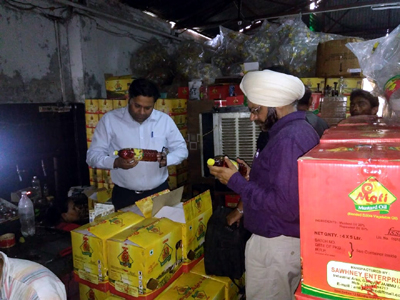
Assistant Commissioner, Food Safety, Jammu, Dr Parvesh Kumar and his team inspecting packaged mustard oil.
JAMMU, Oct 15: To ensure that no adulterated food item is sold out in the market, Food Safety wing of Drugs and Food Control Organization, Jammu conducted a special drive during ongoing Navratras with a special focus on milk and milk products, edible oils, Drau and Singhara atta and Sabu Dana.
A team of food safety officers led by Dr Parvesh Kumar, Assistant Commissioner, Food Safety Jammu under the overall supervision of Commissioner Food Safety, J&K, inspected various sweet shops, grocery shops, Bakery shops and oil mills. As many as 17 samples of various food items were lifted so for which include atta of Singhara and Drau, milk, paneer, curd, edible oil, Sabu Dana.
During the inspection, various shops namely New Baker, Sat Guru sweet shop, Kwality Dhaba at Shastri Nagar, Jandyal sweet shop at Sanjay Nagar Chowk, Chowdhary Milk products at last Morh, Chowdhary Milk shop at Rampura, Chowdhary sweet shop at Shastri Nagar were challaned under insanitary and unhygienic conditions and samples of Milk and Milk products were also lifted from the same shops.
Samples were also lifted from Pahalwan sweet shop at Peer Mitha, Vermani Store at Gandhi Nagar, JK Oil Industry at Gangyal, Ruhi Baker at Gangyal, Future Retail at Jewel, Super Karyana Store, Rajinder Dry Fruit and Karyana Merchant at Jewel.
The team also held an awareness programme for shop keepers outside Dhoodadhari Mandir, Shastri Nagar and Raghunath Mandir, wherein shopkeepers were instructed to maintain norms as per FSS Act 2006 and follow Swacch Bharat Abhiyan.
The team was comprised of Food Safety officers Daleep Singh, Ajay Khajuria, Hans Raj Andorra and Pervaiz Ahmed.
Delivery vehicles smuggling sub-standard sweets caught
Chandigarh, Oct 16 (UNI) In yet another one of its kind illicit movement of sub-standard sweets, the Food Safety Team in two different inspections nabbed two newspaper carrying vehicles smuggling alleged adulterated sweets, Mr Kahan Singh Pannu, Commissioner Food and Drug Administration Punjab, informed.
At about 0430 hrs, the Food Safety Team Pathankot intercepted a TATA Ace vehicle carrying 150 kg boondi dana and about 100 kg burfi.
The driver disclosed that the boondi dana was associated with Inderjit Krishanlal & Sons, Gandhi Camp Jalandhar and produced a challan for the same but no proof regarding the carrying of burfi was produced.
In a similar incident, the same team intercepted a Tata 407 at Dhangu Road carrying 4.05 quintals of sweets linked with Kishore Petha House, Mukerian, hidden under the newspaper stock.
Oct 15, 2018
95 kg stale food, farsan destroyed at garba venues
Vadodara: Health officials of the Vadodara Municipal Corporation (VMC) conducted surprise checking at four different garba venues in the city. The teams checked over 160 food stalls during the drive.
VMC teams have been on a drive to check food vendors since about a week. After checking sweet and savoury shops, the teams focussed on garba venues in the city since Friday night.
On Friday, food safety officers checked 166 stalls in the city and destroyed 95kg food items there. The items that were disposed of included ‘batata vada’, chutney, momos, rice, samosas and cut fruits.
1.5 quintal foul smelling khoya seized
CHANDIGARH: Continuing with its drive against spurious food products, the food and safety teams of the health department on Saturday carried out inspections for adulterated products.
The food safety wing, Pathankot, in a raid at Aman Cold Store found about 1.5 quintal of foul smelling khoya. The store belongs to a sweets shop owner at Shahpur Chowk, Pathankot. The team took the samples and destroyed the khoya as it was not fit for human consumption. On the same premises, about 3.72 quintal of fat spread was found, which was being sold as butter. Sample of fat has been taken and whole stock has been seized.
Two bread manufacturing units in Amritsar were inspected and sealed due to poor hygiene. Both units were being run in residential areas without licence. A soda manufacturing unit was also sealed in Fatehgarh Colony, Anngarh, Amritsar, for being run without a mandatory licence. An illegal water packing unit at Shri Goindwal Sahib, Tarn Taran, was also sealed for not having the required licence.
Commissioner, food safety, K S Pannu said that, “It is a general impression that substandard khoya procured at cheaper rates from other states is stored ahead of the festival season in cold stores by sweets manufacturers, so we are constantly checking these across the state.”
Assam govt bans Wai- Wai noodles
GUWAHATI: After the Maggi fiasco, Assam has now prohibited the manufacture, storage, distribution and sale of Wai Wai 1-2-3 Noodles (mini) and Wai Wai Mimi ready-to-eat noodles after they tested positive for monosodium glutamate (MSG), a banned flavour enhancer.
The curbs were imposed for an initial period of 30 days with immediate effect in the interests of public health, the state government said in a notification issued on Monday, adding that the products were declared unsafe under the Food Safety and Standards Act of 2006.
Samples of both the noodle products- Wai Wai 1-2-3 Noodles (mini) and Wai Wai Mimi tested positive for monosodium glutamate, which is not allowed to be used as an additive in pastas and noodles.
The new ban order comes into effect two weeks after Maggi was banned in the state.
Oct 14, 2018
Juice seller sentenced to rigorous imprisonment after food inspector seizes poor-quality pineapple from shop
Preetam Singh, 43, was sentenced to rigorous imprisonment of one year along with a penalty of Rs 5,000 for selling juice made out of inferior-quality fruits in Bhopal, Madhya Pradesh.

Juice seller sentenced to rigorous imprisonment in MP | Photo Credit: Thinkstock
Bhopal: In Madhya Pradesh's capital city of Bhopal, a juice seller was sentenced to a year-long rigorous imprisonment by a special court for using poor quality pineapple at his establishment. The court, instituted for the trial of cases pertaining to food adulteration also slapped a penalty of Rs 5,000 on the vendor and also confiscated sub-standard fruits from his shop situated near Habibganj Crossing.
The shop was known as Khalsa Juice Centre and was raided about 10 years ago by the then-food inspector Bhojraj Singh Dhakad. A charge-sheet was lodged against the accused 43-year-old juice shop owner Preetam Singh under relevant sections of the Prevention of Food Adulteration Act.
A news report published by the Times of India said that Prakash Kumar Uike, Judicial Magistrate First Class held Singh guilty after observing that poor quality fruit juice was being served to customers, thereby cheating them. The court further observed that the substandard-quality juice may have had an adverse impact on the health of the customers. Maintaining the same, Singh was sentenced to one year of rigorous imprisonment.
This should most definitely come as a reminder to those in the catering business and food industry to comply with guidelines laid down by Food Safety and Standards Authority of India, FSSAI, especially those who disregard the health and safety of their customers and go on to deceive them by providing goods and services processed out of low-grade raw material.
Vijaywada: Ghee-making unit 'using stale butter' raided
VIJAYAWADA: Food safety officials along with a vigilance and enforcement team raided a ghee-making unit on Friday, which is allegedly using stale butter to manufacture ghee. The unit is located at Nunna in the city outskirts.
The officials seized about 40 tonnes of stale butter and 20 tonnes of processed ghee from the premises of Durga Agencies.
The officials also found that the premises of Durga Agencies was in unhygienic condition with cockroaches all over the place. The butter being used to make ghee was stale and stinking. Food safety assistant controller, N Purnachandar Rao, told TOI that the butter used in preparation of ghee was stale and past the expiry date.
Durga Agencies has a license to run the industry. It is marketing ghee under ‘Durga’ and ‘Kamadhenu’ brnad names. The industry is owned by P Krishna, who has two pending cases of similar nature against him, added Purnachandar Rao.
The officials collected two samples each of butter and ghee for laboratory test. Durga Agencies also makes curd sold in sachets of various sizes. They also collected samples of the curd.
Rao said they have served notices on the industry, seized the stocks and sealed the premises. Criminal proceedings will be initiated against the industry based on the lab findings.
95 kg stale food, farsan destroyed at garba venues
Vadodara: Health officials of the Vadodara Municipal Corporation (VMC) conducted surprise checking at four different garba venues in the city. The teams checked over 160 food stalls during the drive.
VMC teams have been on a drive to check food vendors since about a week. After checking sweet and savoury shops, the teams focussed on garba venues in the city since Friday night.
On Friday, food safety officers checked 166 stalls in the city and destroyed 95kg food items there. The items that were disposed of included ‘batata vada’, chutney, momos, rice, samosas and cut fruits.
Oct 13, 2018
Civic body begins food safety drive
VADODARA: Food safety officers of the Vadodara Municipal Corporation (VMC) conducted extensive drives to check sweet and savoury shops in wake of the festive season.
Stress is also being laid on ensuring that ‘fafda-jalebis’ are prepared in a hygienic manner for Dussehra.
VMC officials had begun the drive on Tuesday and this will continue till Dussehra. On Tuesday and Wednesday, the officials checked shops in the ST Depot, Rajmahal Road, Waghodiya-Dabhoi Ring Road, Sussen-Tarsali Road, Fatehpura, Akota, Sayajipark, Ajwa Road, New VIP Road, Harni, Sangam Char Rasta, Market, Kadak Bazar, Manjalpur, Somatalav, Makarpura, Parivar Crossroads and others.
On Thursday, officials checked shops in Sayajigunj, Waghodiya Road, Makarpura, Karelibaug and Warasiya Ring Road areas. In all, the food safety officers have collected 61 samples so far. The samples include those of raw materials as well as prepared food items.
Food safety authority issues draft standards for cereal products
The food regulator, which released the draft standards on Wednesday, has called for comments within 30 days

The Food Safety and Standards Authority of India (FSSAI) has sought stakeholders’ comments on the draft notification related to cereals and cereals products, including instant noodles, fortified atta, maida, and rice; durum wheat maida, quinoa, tapioca, palm sago and pearl millet flour.
The food regulator, which released the draft standards on Wednesday, has called for comments within 30 days.
The draft defines instant noodles as a product prepared from wheat flour and/or rice flour and/or flour of any other cereals, millets and legumes covered under food additives regulations and water as the main ingredient with or without the addition of spices by kneading the dough and extending it.
“Starches, dried fruits and vegetables, nuts, edible protein and egg powder may be added, if required,” it said.
The draft rules added that instant noodles are characterised by the use of pregelatinisation process and dehydration either by frying or other methods.
Pregelatinisation is a process which is used to modify starch properties. These starches are cold-water-soluble and useful for making pasta and noodles.
According to the draft standards, the product should be presented as fried noodles or non-fried noodles.
“The product shall be of good characteristic colour, appearance, texture, aroma and taste and shall be free from added colour, undesirable taste, dirt, insects’ larvae and impurities or any other extraneous matter,” it said.
The draft rules standards state that noodles and the seasoning will separately comply with the safety regulations and the seasoning accompanying the instant noodles should be labeled distinctly on the package.
Nestle’s popular brand of instant noodles, Maggi, was banned last year when lead presence was reported in its samples. The Bombay High Court lifted the ban in August 2015, asking for fresh rounds of tests to ascertain whether it was safe for consumption.
Food safety officials seize food products in Kohima
Food safety officials conducting inspection at a food establishment in Kohima on October 11.
KOHIMA, OCTOBER 12 (MExN): Food safety officials along with Kohima Municipal Council officials carried out a joint inspection of food establishments in Kohima on October 11.
During the inspection, some food products which had exceeded best before date was seized by the team from M/S Best Bakery located at PR Hill, Kohima, informed a press note from the Kohima Chief Medical Officer (CMO).
It further notified on the appeal made by food safety regulators of the district for consumers to participate and report to the CMO’s office about any food complaints. “Colony Panchayats/Youth Organisations can also write to the undersigned if joint inspection needs to be done in regard to food items in your colonies,” it informed.
CMO directs food business operators
The Chief Medical Officer (CMO) Kohima meanwhile informed that no Food Business Operators (FBO) shall manufacture, store, sell or distribute any article of food except under a Licence or Registration under Food Safety & Standards (Licensing & Registration of Food Businesses) Regulations, 2011.
Another press release from the CMO informed all FBOs in Kohima to get registered or licenced under the stated regulations, 2011. Defaulters are liable to be penalized as per the Food Safety & Standards Act, 2006, it cautioned.
To ensure consumer safety, the CMO directed FBOs dealing with fresh fish products to first of all test the fish and to offer them for sale, only when it’s free of Formalin. CMO also requested customers to inquire from the FBO whether the fresh fish were tested and to show the test report as well.
Oct 11, 2018
Maharashtra FDA cracks whip on 113 eateries, issues notice to four food portals
In addition, a showcause notice has been issued to four food aggregator portals — Swiggy, Zomato, Food Panda, and Uber Eats — who delivered food from these outlets.
FDA Joint Commissioner (Food) Shailesh Aadhav said most food outlets inspected in Mumbai and found flouting norms were small scale businesses focussed on food delivery through portals.
THE MAHARASHTRA Food and Drug Administration (FDA) has issued stop business notices to 113 food establishments in Mumbai that deliver food through e-commerce portals and online aggregators, after finding they violated norms under the Food Safety and Standards Act, 2006. In addition, a showcause notice has been issued to four food aggregator portals — Swiggy, Zomato, Food Panda, and Uber Eats — who delivered food from these outlets.
“The FDA survey has revealed that the establishments of food processing working through these online app and websites worked in unhealthy conditions. There were several violations found,” said FDA Commissioner Pallavi Darade. The food delivery business has spiked with people preferring to order food in the comfort of their homes, she added.
Between September 21 and October 1, the FDA inspected 347 outlets that home-delivered food through online aggregators. The food inspectors found that at least 113 establishments were working without the requisite licence or registration under the Food Safety and Standards Act. Several were also found adopting unhygienic working conditions.
Inquiry showed that these 113 outlets were operating business through portals like Swiggy, Zomato, Food Panda and Uber Eats. At least 85 outlets were attached with Swiggy, 50 with Zomato, three with Food Panda and two with Uber Eats.
While the 113 food outlets have been issued stop business notice with immediate effect under Section 14 of Food Safety and Standards Act, the four portals were issued showcause notices. Officials with FDA said once they receive responses from the portals, further action will be taken.
In an email response to The Indian Express, a Swiggy spokesperson said, “Over the last two months, we have delisted hundreds of restaurants that were not compliant to Food Safety and Standards Authority of India (FSSAI) regulations or have poor customer ratings, while simultaneously assisting many restaurants to procure their licenses through our FSSAI Assist Program. Honouring the deadline of September 30, we have completed the delisting of those restaurants which were unable to procure their license or an acknowledgment.” The spokesperson added that as on October 1, all restaurants catering to Swiggy had FSSAI license.
“Separately, Swiggy has been working with Equinox Labs, a reputed food-audit firm accredited by FSSAI/ NABL on food hygiene audits that are conducted at restaurants, to ensure food prepared is in accordance with hygiene standards,” the spokesperson said.
FDA Joint Commissioner (Food) Shailesh Aadhav said most food outlets inspected in Mumbai and found flouting norms were small scale businesses focussed on food delivery through portals. “In most, we found cleanliness of cooking utensils and equipment was not maintained. Those cooking food were also not maintaining personal hygiene.”
A spokesperson from Uber Eats said that “the business is evolving every day and entities are regularly checked and removed from the platform”. “Providing access to reliable food for consumers is at the heart of our business and we are committed to raising awareness about food safety standards. We are working closely with the governing authorities to help them achieve their objective of ensuring good quality and safe food,” the spokesperson added.
An official from Zomato working in the merchant section said that they are not aware of receiving any showcause notice. Emails sent by The Indian Express to Zomato and Food Panda elicited no response.
Kolkata: KMC conducts special drive to check quality of food in restaurants
KOLKATA: A Kolkata Municipal Corporation health department team conducted a two-day special drive to check quality of food at some central Kolkata restaurants, food joints at a mall and a couple of reputable star hotels located off Eastern Metropolitan. The drive that was launched on Tuesday was part of a food safety exercise before pujas.
According to sources in the KMC health department though the civic food inspectors did not find adulteration in food collected from the star hotels, three food joints at the mall located off EM Bypass were asked to upgrade their bakery products and the quality of cooked food being sold there.
The civic team on Tuesday warned owner of a restaurant on Park Street against upkeep of its kitchen. “We found the kitchen of the restaurant on Park Street to be unclean and unhygienic. We have asked the owner to upgrade the kitchen with immediate effect or else we may have to take punitive steps,” said a KMC health department official.
The KMC team of food inspectors are also readying for a drive against food stalls and sellers of soft drinks in front of city’s major puja pandals. “We will undertake a special drive against quality of food to be served from the food stalls and soft drinks in front of city’s major puja pandals. We will arrange for a speedy test of these food to be collected and take steps against adulteration in food and soft drinks,” a KMC health department official said.
Restaurants Body Files Complaints Against 50 Hotels
NRAI urges govt of Haryana to look into matter, says will take up issues in other states too
New Delhi:
In a first of its kind, the national restaurant association has written to the government of Haryana and the state chief minister against at least 50 restaurants in the state flouting laws on matters such as food safety, fire prevention and pollution control.
Some of the restaurants and pubs, many of which are also chains operating more than one store, include names such as Hyde by Plan B, Junction, Karma, Knight Rider and The Social Chamber. Almost all of them continue to be listed on restaurant discovery and online ordering platform Zomato.
Addressed to Haryana chief minister ML Khattar, the letter highlights “non-compliance of laws prescribed to operate restaurants”. The national association, which has over 5,000 members, has urged the state government to set up a joint department committee to look at the functionality of such restaurants.
“Operators are flouting laws which cover commercial activity of operating a restaurant. While they are adhering to the excise policy in providing a ‘safe’ drinking place, these restaurants are preparing, cooking and serving food and other beverages; there has to be compliance of food safety, fire prevention and pollution control. These are being flouted,” the letter by National Restaurant Association of India (NRAI) president Rahul Singh, written on behalf of its members, states.
ET has seen a copy of the letter, which has been registered by the Chief Minister Grievances Redress and Monitoring System.
“This is the first time we are taking up non-compliance of laws by restaurants with the government... We will take up similar cases in other states going forward,” Singh told ET.
The letter states that there are “various” rules which have to be in compliance to commercially operate a restaurant such as the FSSAI food safety licence and registration of Goods & Services Tax (GST).
Oct 10, 2018
Swiggy, Zomato, other apps junk 10,500 ‘unsafe’ eateries
NEW DELHI: Leading e-commerce food delivery platforms like Zomato, Swiggy, UberEats and Food Panda have delisted 10,500 restaurants as they did not have the food safety regulator’s approval.
The move comes after a strict directive was issued in July this year by the Food Safety and Standard Authority of India (FSSAI) asking e-commerce sites to remove all unlicensed and non-registered restaurants from their listings by September 30.
In a latest review of its order, FSSAI found that Zomato has delisted 2,500, Swiggy 4,000, Foodpanda 1,800, UberEats 2,000 partner hotels. Around 200 restaurants on other platforms too have been axed.
“These food aggregators have been directed to share the list of delisted Hotels/Restaurants so that action can be initiated against the defaulters,” FSSAI said. It added, once the list is in place, it can be shared with state enforcement machinery for the action against non-compliant food business operators.
FSSAI’s order was triggered by complaints received by the regulator about substandard food being supplied by restaurants and vendors listed on these delivery platforms.
The move comes after a strict directive was issued in July this year by the Food Safety and Standard Authority of India (FSSAI) asking e-commerce sites to remove all unlicensed and non-registered restaurants from their listings by September 30.
In a latest review of its order, FSSAI found that Zomato has delisted 2,500, Swiggy 4,000, Foodpanda 1,800, UberEats 2,000 partner hotels. Around 200 restaurants on other platforms too have been axed.
“These food aggregators have been directed to share the list of delisted Hotels/Restaurants so that action can be initiated against the defaulters,” FSSAI said. It added, once the list is in place, it can be shared with state enforcement machinery for the action against non-compliant food business operators.
FSSAI’s order was triggered by complaints received by the regulator about substandard food being supplied by restaurants and vendors listed on these delivery platforms.
The food regulator had shared a checklist of compliance for hotels and restaurants with the e-commerce sites which they can refer for their internal food safety audits. Zomato and Swiggy have conducted internal food safety audits of some of their partner hotels and restaurants accordingly, the regulator said.
Based on the checklist, some of the food delivery aggregators have also come together for training and certification of the supervisors of hotels and restaurants.
Ensure prevention of cruelty to animals, food safety Acts not violated: Bombay HC to govt
The court was hearing a bunch of petitions raising concerns over illegal abattoirs operating across the city and on animal slaughter being conducted in a painful manner.
OBSERVING THAT public health and safety are at stake, the Bombay High Court on Tuesday said the state government must ensure that provisions of the Prevention of Cruelty to Animals Act and the Food Safety and Standards Act are not breached or violated. The court was hearing a bunch of petitions raising concerns over illegal abattoirs operating across the city and on animal slaughter being conducted in a painful manner.
A division bench of Justice S C Dharmadhikari and Justice B P Colabawalla said the issue concerns public health. “It is for the state government to ensure that provisions of the Prevention of Cruelty to Animals Act and the Food Safety and Standards Act are not breached or violated,” it added.
Justice Dharmadhikari said that sometimes fishermen do not sell fresh fish and there should be a surprise check conducted by officials. “Fish, meat and everything… the officers should carry out checks time to time.”
Counsel for the Brihanmumbai Municipal Corporation (BMC), Anil Sakhare, told the court that civic officials conduct periodic checks on all shops. He added that in three years, around 700 FIRs have been lodged against shops carrying out slaughter without required permissions.
OBSERVING THAT public health and safety are at stake, the Bombay High Court on Tuesday said the state government must ensure that provisions of the Prevention of Cruelty to Animals Act and the Food Safety and Standards Act are not breached or violated. The court was hearing a bunch of petitions raising concerns over illegal abattoirs operating across the city and on animal slaughter being conducted in a painful manner.
A division bench of Justice S C Dharmadhikari and Justice B P Colabawalla said the issue concerns public health. “It is for the state government to ensure that provisions of the Prevention of Cruelty to Animals Act and the Food Safety and Standards Act are not breached or violated,” it added.
Justice Dharmadhikari said that sometimes fishermen do not sell fresh fish and there should be a surprise check conducted by officials. “Fish, meat and everything… the officers should carry out checks time to time.”
Counsel for the Brihanmumbai Municipal Corporation (BMC), Anil Sakhare, told the court that civic officials conduct periodic checks on all shops. He added that in three years, around 700 FIRs have been lodged against shops carrying out slaughter without required permissions.
Justice Dharmadhikari further said that there are several places in the city where slaughter shops throw the carcasses and garbage on the roads. The BMC should make sure that they are disposed of properly, he added.
The bench has directed the BMC to file an affidavit and also asked the government to take up the issue with every municipal corporation and district council. The court will hear the matter again on November 2.
Food safety awareness program organized for vendors
JAMMU, Oct 9: To create awareness amongst food vendors and shopkeepers outside Bawe Wali Mata temple, a camp was organized today by a Food Safety team of Drug and Food Control Organization.
A large number of food vendors and shopkeepers, particularly sweet sellers of the area participated in the awareness camp, which was organized under the overall supervision of Commissioner, Food Safety, in view of the holy Navratras.
Stating that food safety is closely linked with health, Dr Parvesh Kumar, Assistant Commissioner, Food Safety, instructed the vendors and shopkeepers to keep their premises and surroundings clean as ‘Practicing good hygiene and maintaining cleanliness’ are the mantras for making safe food.
Food Safety team also demonstrated steps to make street food safe. The food vendors showed tremendous enthusiasm in learning good practices of making safe food. They were asked not to use inferior and adulterated raw material for making food and always cook food in clean utensils
The team also asked the vendors not to use old newspapers and polythene for packing and selling the food items like sweets and instead use brown paper. They also asked them to keep dustbins in their premises to avoid littering of garbage and avoid throwing filthy water in front of their establishments and on path to the temple premises.
Food Safety officers Ajay Khajuria and Dileep Singh were also present on the occasion.
A large number of food vendors and shopkeepers, particularly sweet sellers of the area participated in the awareness camp, which was organized under the overall supervision of Commissioner, Food Safety, in view of the holy Navratras.
Stating that food safety is closely linked with health, Dr Parvesh Kumar, Assistant Commissioner, Food Safety, instructed the vendors and shopkeepers to keep their premises and surroundings clean as ‘Practicing good hygiene and maintaining cleanliness’ are the mantras for making safe food.
Food Safety team also demonstrated steps to make street food safe. The food vendors showed tremendous enthusiasm in learning good practices of making safe food. They were asked not to use inferior and adulterated raw material for making food and always cook food in clean utensils
The team also asked the vendors not to use old newspapers and polythene for packing and selling the food items like sweets and instead use brown paper. They also asked them to keep dustbins in their premises to avoid littering of garbage and avoid throwing filthy water in front of their establishments and on path to the temple premises.
Food Safety officers Ajay Khajuria and Dileep Singh were also present on the occasion.
Oct 9, 2018
Street food to be audited for cleanliness and hygiene by FSSAI
Ahmedabad's Kankaria Lake area became India's first Clean Street Food Hub in July this year.

Indian street food experience could soon undergo a massive change if Food Safety and Standards Authority of India's (FSSAI) plans follows to fruition. FSSAI is implementing a "clean street food hub programme" so that you can enjoy your chaats and gol guppas without bothering about hygiene. The autonomous body has identified 144 clusters across the country that would be audited by FSSAI along with state authorities for cleanliness and hygiene.
Such clusters would be encouraged to keep up with certain practices and standards and the ones that meet the criteria will be given a clean street food hub certificate.
Ahmedabad's Kankaria Lake area is one such example. In July, the area that has 66 vendors became India's first Clean Street Food Hub, as mentioned in a report in The Economic Times. There is a FSSAI certification on display in the area that is visited by 1.2 crore people every year.
Arbind Singh, national coordinator of National Association of Street Vendors of India said that such certified street vending zones provide safe, tasty and affordable eating options for citizens and tourists, along with the local ambience and flavour, as mentioned in the daily.
Not only hygienic environs, this will also provide better employment opportunities. This initiative will improve the prospects of around 20 lakh street food vendors in India as well as give tourism a boost. But all in all, this is only part of FSSAI's larger game plan that seeks to ensure that all food business operators adhere to certain standards and hygiene. FSSAI also wants food served in schools, offices and hospitals to come under its initiatives.
FSSAI will, however, have to make sure that vendors have access to clean water and garbage disposal system. They have also started a massive training programme in Delhi across 40 locations, covering 23,000 vendors.
The organisation is also redefining its role as a mere licensing and testing body to an organisation that addresses the core issues of health and nutrition in the body, the daily mentioned. They also want FMCG and food companies to reformulate their products to address the issue of nutrition and health in the country.
As part of this move, the organisation also ordered online delivery platforms such as Zomato and Swiggy to delist restaurants and food business operators that do not comply with its regulations.
Food safety dept to identify ‘clean street food hubs’
Trichy: Wondering where to buy or eat clean and safe street food in the city? The general public may get a better idea in the near future if the district food safety department’s efforts to identify “clean street food hubs” in Trichy become a reality.
Officials from the food safety department said they will start identifying the zones which have 50 or more street food stalls within Trichy that serve popular local or regional cuisine and assess them based on certain benchmarks. If the street food hubs/ clusters meet 80% of the benchmarks specified, they would be declared as “clean street food hubs” and also given awards, plaque and certification. The programme to be launched this month is being taken up as part of a national campaign.
Street food is something very popular among many people, but often there is lot of scepticism or criticism regarding the quality of preparation or hygiene at the stalls and kiosks. As a result, the Food Safety and Standards Authority of India (FSSAI) had earlier launched a massive campaign called “clean street food hub” programme to identify and officially certify popular street food hubs in the country. In September, FSSAI had declared a lake area called Kankaria in Ahmedabad as the country’s first clean street food hub.
Speaking on how the department would zero in on potential hubs in the city, designated officer (DO) of district food safety department, Trichy, Dr R Chitra said that they would initially focus on conducting awareness drives. Two such awareness drives – where the roadside stall owners and vendors from across the city would be invited – are to be organised at Gandhi market and Thiruverumbur this month. “During these events, it will be explained to the owners how a street food stall should be maintained, the dos and don’ts etc. We will give them time to improve their stalls,” the DO said. She added that inspections at the identified zones would be made after that and if a particular hub/ cluster was found to satisfy the prescribed benchmarks, it would be certified officially.
According to sources in the food safety department, there were about 350 to 400 registered street food shops within the city limits and close to 600 which were yet to get registered. However, sources said that absence of street food hubs in Trichy and lack of cooperation in maintaining hygiene among the stall owners could possibly prove to be obstacles for certification. “Street food hubs are found primarily in central bus stand area, Chathiram bus stand, Big Bazaar street, NSB road etc., but only the central bus stand area looks to be a potential cluster,” a source from the department told TOI. The central bus stand cluster which had around 70 street food stalls was more cooperative with the food safety department, the source added.
Goa to hire foreign agency to test fish for chemicals: Vishwajit Rane
PANAJI: The Goa government will hire an international agency to check fish and ensure that hazardous chemicals like formalin are not used as preservatives, state Food and Drugs Administration Minister Vishwajit Rane said Monday.
A high level committee comprising Goa Town and Country Planning Minister Vijai Sardesai, Fisheries Minister Vinod Palyekar, besides Rane, met in Margao on Monday to discuss the issue.
"There are fears being raised about use of formalin in fish. We have decided to address it by hiring an international agency which will test the fish that is imported in Goa from other states," Rane told reporters after the culmination of the meeting.
He informed that the state government would finalise the name of the international agency within 24 hours and it would be invited to work along with the state's FDA in this regard.
He said that the decision to invite the international agency was taken after consulting Food Safety and Standards Authority of India (FSSAI).
The FSSAI, a Central body, is responsible for making regulations and setting standards, import of food, notifying labs and ensuring cooperation with the states.
The issue of formalin or formaldehyde, a potential cancer-inducing chemical, as a preservative in fish has rocked Goa for several months now.
Rane said that unlicensed fish traders will not be allowed to operate in Goa after October 15.
Goa Town and Country Planning minister Vijai Sardesai said Monday's meeting discussed measures to ensure highest standards are adopted so as to make fish safe for consumption.
Sardesai alleged that the opposition Congress was creating doubt in the minds of the people about fish being consumed in Goa and added that chief minister Manohar Parrikar had been apprised of the issue.
Oct 8, 2018
ஆசிஃப் பிரியாணி’ கிளையில் நூல் பிடித்த அதிகாரிகள்.. ரெய்டில் சிக்கிய 2000 கிலோ அழுகிய இறைச்சி!
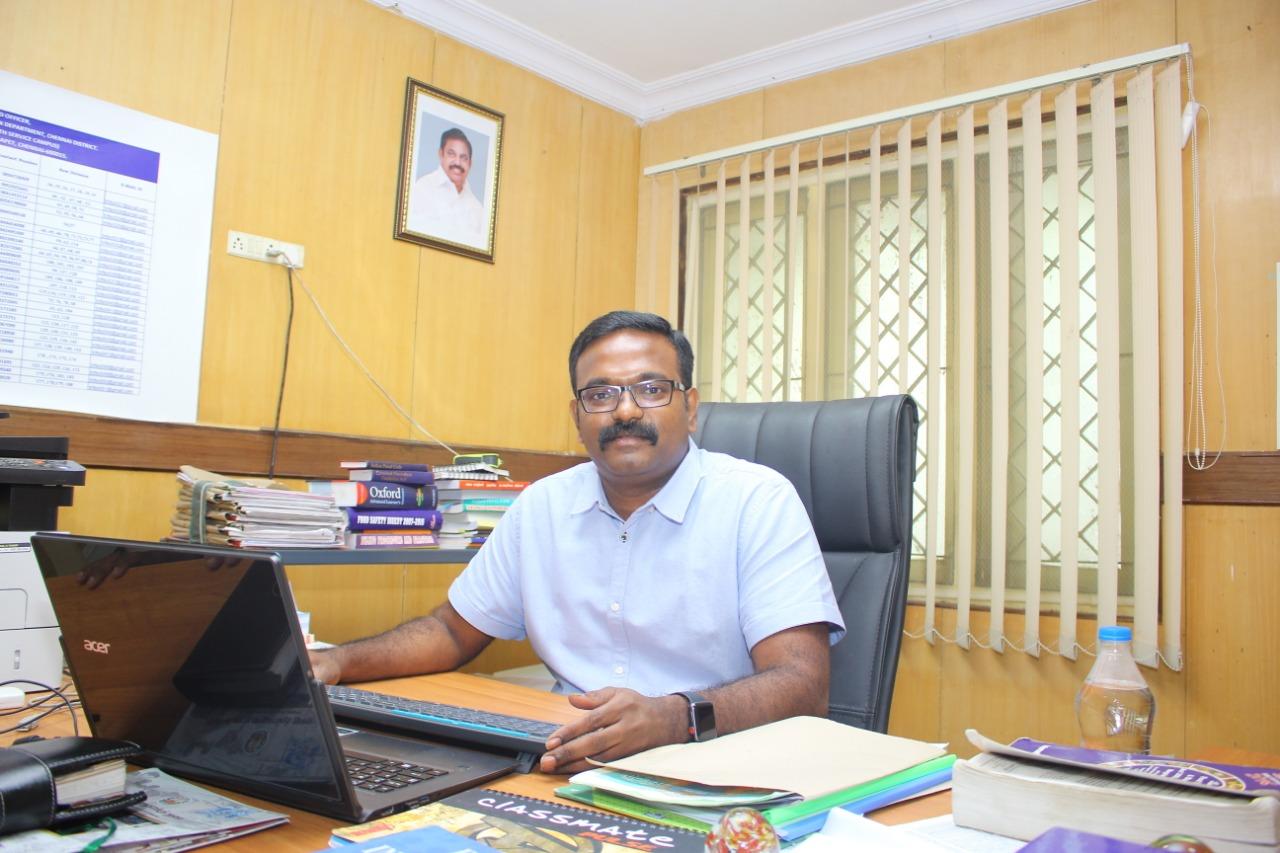
நேற்று முன்தினம், ஆசிஃப் பிரியாணியின் கிண்டி தலைமை கிச்சனுக்குள் புகுந்த உணவு பாதுகாப்புப் பிரிவு அதிகாரியான டாக்டர் கதிரவன் அதிரடி ரெய்டு நடத்தி சீல் வைத்தார். ஜூ.வி வாசகர் ஒருவர் கோயம்பேடு ஏரியாவில் உள்ள ஆசிஃப் பிரியாணி கடையில் தரமற்ற மட்டன் பிரியாணி சப்ளை செய்ததைக் கண்டுபிடித்து தகவல் சொல்ல… கோயம்பேடு கிளைக்கு எங்கிருந்து பிரியாணி சப்ளை ஆகிறது என்பதை விசாரித்து கிண்டியில் உள்ள அந்த ஹோட்டலின் கிச்சனில் ரெய்டு நடத்த உத்தரவிட்டிருந்தார் தமிழக அரசின் உணவு பாதுகாப்புப் பிரிவு கமிஷனர் அமுதா. “இனி அப்படி நடக்காது. தவறுகளைத் திருத்திக்கொள்கிறோம்’’ என்கிற ரீதியில் ஹோட்டல் நிர்வாகத்தினர் டாக்டர் கதிரவனிடம் கடிதம் கொடுத்துவிட்டு சீலை எடுக்கும்படி காத்திருக்கிறார்கள். இது ஒருபுறமிருக்க…

சென்னையின் பிரபல ஹோட்டல்களில் பரிமாறப்படும் மட்டன், சிக்கன் போன்ற இறைச்சிகள் தரமானதுதானா?
…என்கிற விசாரணையில் இறங்கியிருக்கிறார்கள் உணவு பாதுகாப்புப் பிரிவு அதிகாரிகள். மக்கள் புழக்கம் அதிகமுள்ள இடங்களில் செயல்படும் சில நான்வெஜ் ஹோட்டல்களில் கெட்டுப்போன இறைச்சி சப்ளை ஆவது தொடர்பாக ரகசிய விசாரணையில் அதிகாரிகள் ஈடுபட்டு வந்தனர்.
வெளியூர், வெளி மாநிலங்களிலிருந்து கெட்டுப்போன இறைச்சிகளை தெர்மோ கூல் பாக்ஸில் பேக் செய்து அனுப்பி வருகிறது ஒரு பயங்கர கும்பல். இதற்கென சென்னையின் பல பகுதிகளில் ஏஜென்டுகள் உண்டு. இவர்கள் மூலம் சந்தடியில்லாமல் குறைந்த விலைக்குக் கடைகளுக்கு இறைச்சி சப்ளை ஆகிவிடும். ஆசிஃப் ஹோட்டல் ரெய்டுக்குப் பிறகு, உணவு பாதுகாப்புப் பிரிவு அதிகாரிகள் ரகசிய வேட்டையில் இறங்கியிருக்கிறார்கள்.
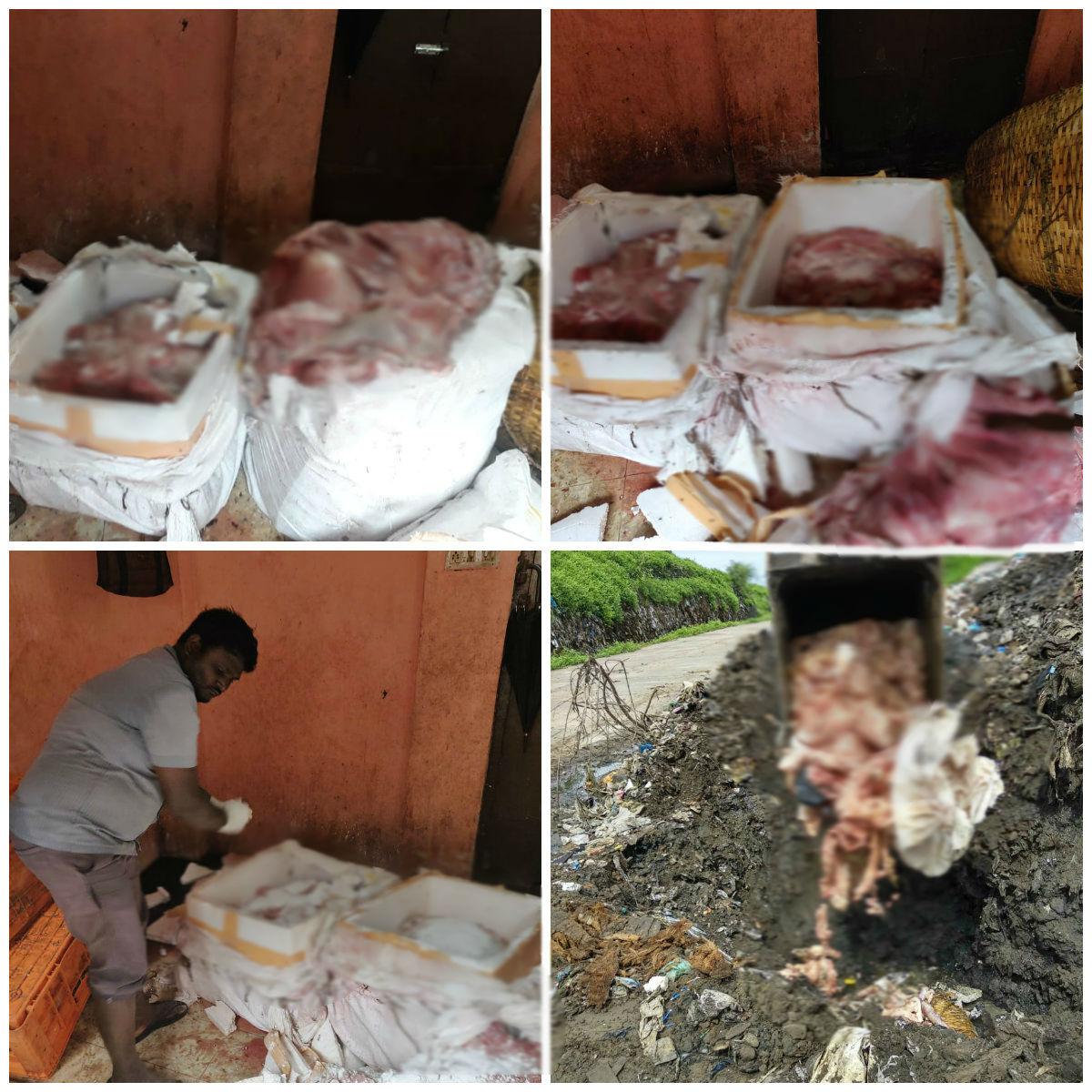
நேற்று (5.10.2018) அவர்களுக்குக் கிடைத்த ரகசியத் தகவலை அடுத்து, சிந்தாதிரிப்பேட்டையில் ஓர் இடத்தில் சர்ப்ரைஸ் ரெய்டு நடத்தியிருக்கிறார்கள். 2,000 கிலோ இறைச்சி கெட்டுப்போன நிலையில் கைப்பற்றியிருக்கிறார்கள்.

சென்னை ஹோட்டல்களுக்குத் தரமற்ற இறைச்சியை சப்ளை செய்யும் நெட்வொர்க்கை ரகசியமாக நடத்திவரும் கோஷ்டிகளில் முக்கியமானது சக்திவேல் கோஷ்டி. இதுபற்றி டாக்டர் கதிரவன் நம்மிடம் கூறும்போது, “மாடு, பன்றி, கன்றுக்குட்டி… ஆகியவற்றைக் கொன்று அதன் இறைச்சியைச் சாதாரண தெர்மோ கூல் பாக்ஸில் அனுப்புகிறார்கள். இந்த மாதிரி, அண்ணாசாலை பாடிகாட் முனீஸ்வரன் கோயில் அருகே ஒரு கும்பல் கெட்டுப்போன இறைச்சியைப் பதுக்கி வைத்திருப்பதாகத் தகவல் கிடைத்து ரெய்டு நடத்தினோம். அங்கே சிக்கிய சக்திவேல் கோஷ்டியைச் சேர்ந்த ஐந்து பேரைப் பிடித்தோம். அவர்களைப் போலீஸில் சொல்லி கைது செய்து சிறையில் அடைத்தோம். அப்போது, அந்தக் கோஷ்டியிடமிருந்து 500 கிலோ இறைச்சியைக் கைப்பற்றி அழித்தோம்.
அதேபோல், இன்றும் எங்களுக்கு ரகசியத் தகவல் கிடைக்கவே சிந்தாதிரிப்பேட்டையில் ரெய்டு நடத்தினோம். அதே, சக்திவேல் கோஷ்டிதான் சிக்கியது. இறைச்சிகள் குவியலாகப் போட்டுவைக்கப்பட்டிருந்த இடத்தைப் பார்த்தால், குமட்டிக்கொண்டு வந்தது. துர்நாற்றம் வீசியது. சுகாதாரமற்ற நிலையில் கிடந்த 2,000 கிலோ இறைச்சியைக் கைப்பற்றி அழித்தோம். மனித உடலுக்குத் தீங்கு விளைவிக்கக்கூடியவை இந்த இறைச்சி. இதன் பின்னணி தெரிந்தே, சிலர் வாங்கிச்செல்கிறார்கள் என்பதைக் கேள்விப்படும்போது அதிர்ச்சியாக இருக்கிறது. ஆட்டு இறைச்சியின் விலை அதிகம். ஆனால், மாடு, பன்றி, கன்றுக்குட்டி ஆகியவற்றின் இறைச்சி விலை குறைவு. இவற்றை வெட்டி, இறைச்சியைக் கடத்தி விற்கிறார்கள். அதை வாங்குகிறவர்கள் ஆட்டு இறைச்சிக்குப் பதிலாக இவற்றைக் கலந்து சமைக்கிறார்கள். இது மிகவும் தவறானது. இந்தக் கொடுஞ்செயலை யார் செய்தாலும் தண்டனைக்கு உரியக் குற்றம்" என்றார்.
இனி பிரபல ஹோட்டல்களில் சாப்பிடப் போகும்போது உணவு தரமில்லாமலோ, சுகாதாரமற்ற சூழ்நிலை நிலவினாலோ… உடனே உணவு பாதுகாப்புத்துறை கன்ட்ரோல் ரூமுக்குத் தகவல் கொடுங்கள். நீங்கள் பார்த்த காட்சியைப் படம் பிடித்துக் குறிப்புடன் சென்னை தேனாம்பேட்டையில் மாநில உணவு பாதுகாப்பு கமிஷனர் அமுதா ஐ.ஏ.எஸ் அலுவலகத்தில் இயங்கும் கன்ட்ரோல் ரூமுக்கு (வாட்ஸ் அப்/ செல் எண் 94440 42322) தகவல் தெரிவியுங்கள்.
How FSSAI is ensuring that food offered by street vendors and online aggregators meet safety norms
The FSSAI is out to ensure that the food offered by street vendors and online aggregators meet safety and hygiene standards
Wolfing down pani-pooris being served by a street vendor is set to become more relishing if the food safety regulator has its way. The Food Safety and Standards Authority of India (FSSAI) is implementing a “clean street food hub programme”. It has identified 144 street food clusters across the country that would be jointly audited with state authorities for cleanliness and hygiene. Clusters would be encouraged to comply with certain standards and those meeting the criteria would get a “clean street food hub certificate”.
A successful example of this initiative can be seen at Ahmedabad’s Kankaria Lake area. In July, the city’s picnic spot, which has 66 vendors, became India’s first Clean Street Food Hub. A plaque with the FSSAI certification is on display here, giving much comfort to the 1.2 crore people who grab a bite from here every year. “Such certified street vending zones provide safe, tasty and affordable eating options for citizens and tourists, along with the local ambience and flavour,” says Arbind Singh, national coordinator of National Association of Street Vendors of India. “This is also a way to provide better employment opportunities for many poor people.”
While it is clear this initiative will help improve the prospects of the estimated 20 lakh street food vendors in India and give a boost to tourism, the programme is only a part of FSSAI’s larger game plan. The regulator wants to ensure that all food business operators across the country adhere to certain standards and hygiene. FSSAI also wants food served in schools, offices, hospitals and even places of worship to adhere to the standards. All this is a part of the regulator redefining its role as a mere licensing and testing body to a more transparent organisation that addresses the core issues of health and nutrition in food.
In August, FSSAI launched the Eat Right Movement, aimed at getting citizens to choose healthier food and dietary options and also ensuring food safety — from procurement to consumption and disposal. The regulator plans to rope fast-moving consumer goods companies and food companies willing to reformulate products for better nutrition, so as to address common health issues in India. FSSAI CEO Pawan Kumar Agarwal says: “We have decided to redefine our role as an organisation that helps align the expectations of key stakeholders, including scientists, testing labs, food businesses, state governments and consumers.”
As part of this realignment, the regulator had in July targeted online food aggregators. It ordered that restaurants and food business operators (FBOs) not complying with its regulations be delisted from such websites. The deadline for this exercise expired in September. FSSAI will now review the progress. “We believe that food safety and public health issues are on the top of the agenda not just for us, but also all industry players and online platforms such as Swiggy and Zomato. They wouldn’t want to risk their reputation because of non-compliant FBOs,” Agarwal says.
FSSAI issued the directive after receiving several complaints on the quality of food being supplied by FBOs listed on such platforms. Food aggregators seem to have taken the cue. Zomato, for instance, has delisted hundreds of restaurants across the 34 cities where it offers its services. “Most of our high-order volume restaurant partners already have an FSSAI licence or have applied for one,” says Mohit Gupta, CEO, food delivery business, Zomato. “We have delisted those who have failed to furnish licences. We are certain this move will not have an impact on our order volumes.”
Recognising the huge logistics challenge in cracking down on FBOs, FSSAI had extended the deadline for food aggregators to delist errant operators to the end of September. “Though all of them took up the issue seriously, we realised there were 40,000 to 50,000 restaurants on these platforms. So we decided to extend the deadline for better compliance,” says Agarwal.
After a preliminary review, FSSAI officials say they have found 90% compliance by the online platforms. They hope this initiative will also be as successful as the Kankaria Lake project.
The challenges, however, are much bigger when it comes to street food vendors. FSSAI has to first ensure that the vendors have access to clean water and a garbage disposal system, among others. All this means coordinating with multiple civic and state agencies — which is easier said than done. “Our project to bring street food vendors under our certification was started last year,” says Agarwal. “We started with a massive training programme in Delhi, covering 23,000 vendors in 40 locations. Our learning was that to bring in sustainable change and improvement in street food hygiene, we have to go beyond just training individuals and providing them with gloves and aprons, etc. We have to also work with different authorities to give better street lighting, drainage, garbage removal and safe water to the vendors.”
The outreach in Delhi has helped Dal Chand, who has been selling alu-tikkis and alu-chaat in east Delhi’s Mayur Vihar Phase 1 market for over two decades. Last year, he was trained at an FSSAI centre and got a certification, which he displays on his food cart. “I have been strictly following the hygiene and safe-food standards. It has helped me sell more,” says Chand, who had a daily turnover of Rs 6,000-8,000 during festival season.
Going beyond the streets, FSSAI has also proactively focussed on restaurants and eateries, and held regular discussions with industry bodies such as the National Restaurant Association of India (NRAI) and the Federation of Hotel and Restaurant Associations of India.
President of NRAI and CEO of Beer Café Rahul Singh says: “A major change is being introduced to ensure awareness, education and self-regulation — not only for food safety, but also towards a healthier lifestyle. For this, FSSAI has in the past 2-3 years taken steps to initiate multiple schemes across the entire food chain.
The very recent voluntary initiatives started for the industry include serving safety and hygiene rating, and menu labelling for restaurants.” These initiatives will improve food safety standards and will drive more players towards the organised sector, he adds.
FSSAI’s engagement with stakeholders has been in an inclusive manner. “Given the size and complexity of the food chain in India, many initiatives were introduced on a voluntary basis. Capacity building within the industry is being encouraged before bringing in rules and regulations,” Singh says.
Earlier this year, for example, FSSAI shared a proposal with NRAI members to declare calorie count of the food they serve. Instead of making it mandatory right away, the proposal is being rolled out on a voluntary basis across the larger restaurant chains for now. While it would be tough for smaller standalone restaurants to introduce the calorie count measure within a tight deadline, NRAI members say the step may attract more health-conscious customers in the long run.
The regulator has also partnered with various FMCG companies to ensure the “eat right” campaign is successful. “Our eat healthy campaign, with the tagline aaj se thoda kam, aims at reduction of high fat, sugar and salt foods in the diet of Indians,” says Agarwal.
Kellogg India is one of the companies that has pledged to reduce sugar by 10-15% and salt by 10-30% in its products by 2021 as part of the programme. “Full marks to FSSAI in taking the higher ground and initiating a collaborative dialogue between industry players and government bodies to achieve a healthier and more nutritious diet for Indians,” says Mohit Anand, MD, Kellogg India and South Asia.
The biggest challenge is getting the various government departments and ministries — including the food processing ministry, department of consumer affairs and the commerce ministry — to coordinate and ensure the plan is a success. As of today, however, most industry players say FSSAI is on their team and are willing to work together for a healthier India.

A street food festival was organised in Delhi in January where vendors served over 300 types of cuisine from across India. Participants were sensitised on safe-food practices, hygiene and sanitation


Ahmedabad’s Kankaria Lake area, which has 66 vendors, has become India’s first Clean Street Food Hub
Subscribe to:
Posts (Atom)