
Dec 11, 2017


Mobile food testing van launched

PANAJI: 'Food Safety on Wheels, a mobile food testing van of the Goa Food and Drugs Administration (FDA), was launched on Sunday evening by chief minister Manohar Parrikar and health minister Vishwajit Rane.
Fully equipped with a lab, the van will be used to conduct tests for common adulterants in milk, water, edible oils and other items. It will also be possible to draw on the spot samples and generate instant reports of the analysis.
The FDA will also tie up with panchayats, municipalities and consumer clubs to spread awareness about food safety, hygiene and healthy eating habits, FDA director Jyoti Sardesai said.
The van that costs Rs 41 lakh was procured under the central government scheme to strengthen the food testing system in the country.
Roadside food vendors to be trained in hygiene, food safety

Chief Minister Manohar Parrikar seen launching Food Safety on Wheel (Mobile Food Testing Van) of Goa FDA at Altinho Panaji on Sunday in the presence of Health Minister Vishwajeet Rane, Director of FDA Jyoti Sardesai and others
PANAJI: Chief Minister Manohar Parrikar launched the food safety on wheels (mobile food testing van) at Altinho on Sunday in the presence of Health Minister Vishwajeet Rane.
Addressing the media, Parrikar said that under the central government scheme, the first van has been given to Goa in order to educate roadside food vendors about food safety.
Parrikar said we eat food from roadside kiosks but many a times we do not know what the food contains and whether it is safe or contaminated. He said the mobile van will create awareness amongst the people who enjoy eating roadside food.
Parrikar said that sometimes the vendors add colour to tandoori items instead of using the masala which can be detrimental to the health of people eating such food. He said that the Food Safety on Wheels (mobile food testing van) will train and teach the vendors on the health aspects of selling food on the roadsides.
The FDA director Jyoti Sardessai, said that as part of the central government scheme for strengthening the food testing system in the country, the Food Safety and Standards Authority of India (FSSAI), a statutory authority under the Food Safety and Standards Act, Government of India, has rolled out the scheme of mobile food testing laboratories known as ‘Food safety on wheels’.
She said the van is fully equipped with analytical instruments such as milk analyzer, hot air oven, hot plate, mixer-grinder, digital weighing scale, digital multi parameter hand-held meter, digital refractometer etc. The van is also equipped with facilities such as power generator, air-conditioner, refrigerator, commercial gas cylinder, audio-visual PA system as well as a computer.
The facilities will be used to conduct tests of adulterated milk, water, edible oils and other items of food for daily consumption. She said that the van will also have a facility to draw on the spot samples and generate instant reports.
She said that the mobile unit will help the state FDA to enhance their outreach programmes and conduct surveillance activities even in the remote areas of state.
The mobile van costs Rs 41 lakh and will be manned by a trained driver, a chemist and an attendant besides a team of food safety officers. She said that the public can call on toll free number 1800122100 or telephone the FDA directorate during emergencies.
Dec 10, 2017
Food safety department sends notice to supplier of Amul milk product
Food safety department of Firozabad has issued a notice to Amul milk product supplier and distributor after the department found less fat content in milk against the declared percentage on the milk packet. The matter came to light after the FSDA collected a sample of Amul milk in the month of June this year from milk outlets in Firozabad and sent their samples to government laboratory of Varanasi for examination.
Speaking to TOI, Virendra Singh Kushwaha, the chief food safety officer said, "After collecting the samples of Amul milk, we first took it to a nearby private laboratory to check if the milk content is according to set parameters. The result revealed that fat content was .8% less against the declared 6%. To recheck, we took the sample to another private lab, and again the same result was found. Finally, we decided to send the sample to Varanasi lab, so as to take legal action against the supplier and distributor of milk." He said, "In summer months, to meet the increased demand for milk, suppliers often mix water in their products to increase the milk quantity, which results in less fat content."
"The Varanasi lab also confirmed that Amul milk sample had only 5.2 % fat. We have now sent notice to Neelam milk agency of Firozabad, the prime distributor of milk product in the district and Garima Milk and Food Product of Dholpur, a packager and supplier of Amul products in Western UP district. If they wish, the two can challenge the lab results and samples will be again sent to Kolkata laboratory. But if they accept the report, then we will levy hefty penalty for low quality milk product," he added.
The lab report was shared to additional city magistrate Sheetla Prasad Yadav, who directed FSDA to send the notice to two concern parties. Speaking on the lab report of less fat content in Amul milk, the prime distributor Neelam Agency owner Pankaj said, "Whatever product the supplier provides us, we distribute it. Appropriate reply will be given to FSDA separately from our agency and Garima Milk and Food Product of Dholpur."
Beware, your biriyani may have dog meat
Vellore residents, who get cheap biriyani and meat dishes from roadside eateries must be cautious about dog meat is being served as mutton, said sources.

Vellore: It may be recalled a photo of two persons with a skinned carcass of a dog in Ambur that was circulated on social media, resulted in a scare and led to slumping of biriyani sales in the area a fortnight ago.
Sources revealed that four persons each in Christianpet and Kudibala village across Andhra Pradesh border on the Chittoor highway routinely provided dog meat to shops on both sides of the border.
With mutton sold at Rs 500 a kg, small shops were using this as a way of earning quick money as four kg of dog meat was sold for Rs 100. Getting the animals is not a hard task, given the increasing number of stray dogs on Vellore roads, added sources.
When queried about this, a Food Safety and Standards Authority of India official Dr Venkatesh said that they had not received any such complains.
He also denied the reports as both police and FSSAI had thoroughly checked all slaughter houses in the district following the Whatsapp message.
Dec 9, 2017


FSSAI order seeks to scrap cases filed under old food safety norms
Order comes less than two weeks after Nestle India was slapped with a fine of Rs45 lakh in Shahjahanpur,
In a big relief to food companies, the country’s food regulator Food Safety and Standards Authority of India (FSSAI) on Friday issued an order that effectively scraps almost all cases filed against food business operators for alleged violations of food safety standards and regulations in the past.
This would, according to the FSSAI order, prevent “avoidable harassment” of food companies.
“Commissioners of food safety are advised to withdraw, or at least not pursue, cases for violation of old norms and standards unless these are still not in conformity with the new/revised standards so that avoidable harassment of food business operators could be prevented,” the FSSAI order reads.
The order comes less than two weeks after the additional district magistrate of Shahjahanpur, Uttar Pradesh, slapped a fine of Rs45 lakh on Nestle India Ltd, Rs15 lakh on three of its distributors and Rs11 lakh on two retailers. The penalty was imposed in cases filed by the Uttar Pradesh Food Safety and Drug Administration based on reports by a Lucknow-based laboratory in 2016. The laboratory found higher than permissible ash content in samples of Maggi noodles that were collected back in 2015.
Besides denying the allegations, Nestle India had said in a statement that the tests were conducted applying “incorrect standards”.
The rationale behind the FSSAI order, as pointed out by the food regulator, is the formation of new standards and amendments to old regulations. During the last few years, FSSAI has notified a number of new standards, besides amending some of the old ones.
In the absence of a clear directive from FSSAI, state-level food safety inspectors had been following either old or new standards, or both, to identify violators. State food authorities have filed cases with different courts, sometimes at the district level, and these are being pursued until settlement.
Between April 2008 and 31 March 2016, food inspectors picked up 681,021 samples for testing across the country, of which 95,828 were found to be adulterated or mis-branded, and a total number of 69,759 cases, both criminal and civil, were lodged against food business operators, according to FSSAI reports. Many of these cases are yet to be settled. FSSAI’s annual report for the year ended 31 March 2017 has not yet been published.
Currently, food companies across the supply chain in India are required to comply with the provisions of the Food Safety and Standards Act, 2006. Before this Act, food products were governed by the Prevention of Food Adulteration Act, 1954.
The field machinery tasked with the responsibility of ensuring food safety, noted FSSAI in its order, may have lodged cases against some food business operators for violation of the “old standards even though the impugned products may now be in conformity with the new or revised standards”.
“It may be appreciated that such revision of standards has taken place after taking into account all scientific evidence required to ensure appropriate level of protection of human life and health. Engaging of state machinery in pursuing such cases not only diverts the scarce human resources of the government but also burdens the judicial system,” the FSSAI order added.
Food companies are happy with the latest order. “We are pleased... and welcome this as a progressive step which will help reduce confusion among food business operators, enforcement authorities and other stakeholders,” said a Nestle India spokesperson.
Hemant Malik, ITC Ltd’s divisional chief executive (foods division), also welcomed the order.
'Need more experts to ensure food safety'

Agarwal was in the city to attend the 26th Indian Convention of Food Scientists and Technologists (AFSTi).
"FSSAI and AFSTi will work together in the future to start government certified online courses to create experts who can tackle food safety issues," said Agarwal sharing that FSSAI has also proposed internships and research-based projects that can directly allow students to work on the most pressing issues in food safety in India.
Stressing the importance of reaching out to the population to realise the value of nutrition and food safety, Agarwal said: "With 134 crore Indians to feed, and a majority of the sector being unorganised, it is essential that we create professionals who can bring awareness."
On Xmas eve, 21 cake and wine-makers get stop memo

As part of first phase of inspections conducted from Wednesday to Friday, functioning of 21 units were temporarily stopped due to unhygienic conditions and for operating without mandatory license. As many as 582 out of the total 1,287 food production units were slapped with improvement notices. A total fine of Rs 11,58,500 was imposed on erring units. The squad collected 31 food samples for further testing.
A fine of Rs 1,56,500 was imposed in Thiruvananthapuram district alone. Of the 81 institutions inspected in the district, 26 were slapped with improvement notices while two were served temporary closure notice.
In Kollam, 41 institutions were served improvement notices. A fine of Rs 97,000 was slapped on various units.
Temporary closure notices were served to one institution in Pathanamthitta, five in Alappuzha, two in Thrissur and nine in Malappuram.
Notices were served to 29 units in Pathanamtitta, 39 in Alappuzha, 53 in Kottayam, 32 in Idukki, 51 in Ernakulam, 65 in Thrissur, 29 in Palakkad, 68 in Malappuram, 62 in Kozhikode, 34 in Wayanad and 30 in Kannur. Food safety department said that inspections will continue.
Primacy for safety of pilgrims: Minister
The Forest Department and the Food Safety Department should stop actions that caused difficulties to pilgrims, Minister for Devaswom Kadakampally Surendran has said.
He was reviewing the functioning of various departments and the Travancore Devaswom Board during the Mandalam-Makaravilakku pilgrim season at Pampa on Friday.
The Kerala State Electricity Board had erected temporary posts with lamps at Pampa Hilltop to avert accidents during the pilgrim season. Unfortunately, a forest official removed these posts, claiming that the area came under the Forest Department. In case of accidents in the area due to lack of proper lighting, the official concerned would be held responsible, Mr. Surendran said.
The Minister directed the District Collector to take necessary steps to ensure adequate facilities for the pilgrims, invoking the Kerala State Disaster Management Rules.
Similarly, the Forest Department had taken over the land used as parking ground for Kerala State Road Transport Corporation buses at Pampa, forcing the corporation to park its buses along the Pampa- Chalakkayam road. The parking of vehicles on the main trunk road might lead to traffic bottlenecks, Mr. Surendran said.
The Minister said the Food Safety Department had even taken samples of the prasadom at the Sabarimala temple for quality analysis. Such a situation was not there in the past and the department should restrain themselves from causing inconveniences to the pilgrims season, he said. The focus was on ensuring the safety of the pilgrims, the Minister said stressing the need for foolproof security arrangements.
Mr. Surendran said as many as nine pilgrims died of cardiac ailments at Sabarimala during the pilgrim season. The Forest Department and the TDB had arranged an off-road ambulance each at the Sannidhanam and Pampa for carrying pilgrims in case of an emergency.
Gutka use rampant despite ban, 8.2% women use tobacco orally

MUMBAI: The Maharashtra leg of the Global Adult Tobacco Survey (GATS) 2016-17 shows that there is a statistically significant prevalence of women taking betel quid with tobacco (3.8% of adult women) as well as tobacco for oral application(8.2%). "Around 6.6% of women take khaini," said Shulbha Parsuraman of TISS. Around 8.6% of the total population uses gutka, which is a banned product in Maharashtra.
Health minister Dr Deepak Sawant said, "Gutka and pan masala were banned in Maharashtra in 2012. Yet there is a sizeable number taking it. Action needs to be taken in this regard." Incidentally, the ban on gutkha and pan masala is not being implemented by the health ministry. Enforcement of the law is the responsibility of the FDA.
The biggest health concern highlighted by the survey is the significant number of women smokers in Maharashtra. "When we conducted the first GATS survey in 2009, the number of women smoking cigarettes was nearly zero or statistically not significant, but the new survey has found that almost 1% smoke cigarettes or bidis," said Sulabha Parsuraman of TISS that carried out the survey. Dr P C Gupta of Healis, who was associated with the exercise, said the number of women smokers is almost as high as 8 lakh. "The fact that this rise has taken place in just eight years is worrisome," he said.
Most experts attributed lifestyle reasons for women taking up smoking. "In a popular film, the ending had the women protagonists celebrating their victory by smoking and drinking. So, the message is clear here," said Dr Gupta. Cancer surgeon Dra Pankaj Chaturvedi said there is a misconception that smoking kills hunger pangs. "Some women believe they can control their weight by smoking," he said.
Dec 8, 2017


On-the-spot food safety tests by Sun
Panaji: A four-wheeler called 'food safety on wheels', with instruments that allow for on-the-spot food safety tests, will be launched on Sunday by chief minister Manohar Parrikar, health minister Vishwajit Rane said on Thursday. Rane said the vehicle, to be operated by the food and drugs administration (FDA), has been acquired at a cost of Rs 41 lakh, with funds provided by the central government.
"Goa was the first state to acquire the 'food safety on wheels'. It is fully equipped, and can test water, collect food samples at eateries for tests. The result can be obtained within 15 minutes," said Rane.
Food Safety Department satisfied with the quality of 'aravana and appam prasadam' of Sabarimala
ALAPPUZHA: Food Safety Department is satisfied with the test result of food samplesespecially the famous "aravana and appam prasadam" being supplied to the devotees at Sabarimala.
Speaking to TOI, Food Safety Commissioner Veena N Madhavan said that they have tested 31 samples of aravana and -48 samples of appam and the analysis reports of above samples show that all are satisfactory. We are completely satisfied with the test result of those samples. The sample results of aravana and appam are completely satisfactory , she said.
"We have also collected the 114 food items various samples from various parts of Sabarimala and they were subjected for detailed analyze . We have collected 82 cane jaggery powder samples and 81 samples are satisfactory. We have collected 16 samples of red rose rice and 16 are satisfactory,'' she said.
Two mobile food testing labs stationed and made operational at Nilackal and Erumeli to test the drinking water supplied to pilgrims. This lab is equipped to conduct tests on milk, oil, packaged drinking water, food colours, common adulterants and spices. Through these units, 24 tests can be conducted on milk, nine on edible oil, 17 on spices and 11 on other foods to check for adulterants.
The department has taken steps to conduct periodic quality analysis of the drinking water supplied by the Kerala Water Authority, Travancore Devaswom Board and the Ayyappa Seva Sangham. Food Safety Officers are actively involved in the sampling of raw materials used for "Annadhanam" provided by the Devaswom Board at Nilackal, Pamba and Sabarimala temple Sannidhanam. The samples so collected are sent to the District Food Testing Laboratory at Pathanamthitta for analysis,'' she said.
The food safety commissioner said that devotees were free to contact her department through two toll-free numbers (8592999666 & 18004251125).
Dec 7, 2017

Global food companies form lobby in India to avoid Maggi-like fiasco
Global Food Safety Initiative (GFSI) has decided to establish an Indian arm to work with the government, FSSAI and academia for ensuring food safety
New Delhi: To avoid another Maggi-like fiasco, global food companies such as Cargill, Nestle, Coca-Cola, Danone, Tesco, Metro Group and Amazon have come together to form a lobby in India to work with the government, the regulator and academia to ensure food safety.
The Global Food Safety Initiative (GFSI), which is managed by France-headquartered international trade organization Consumer Goods Forum, has decided to establish an Indian arm.
“India will be the seventh Local Group of GFSI that we are aiming to formalize early next year,” said Mike Robach, chairman of the board of directors, GFSI.
The core team of the GFSI India wing, which will have 20-25 members to start with, will have representatives from most of the firms that constitute the Board of GFSI.
It will bring GFSI’s global practices to India and mobilize the local food industry, besides engaging with the regulator and other government authorities regarding food safety issues and practices followed by companies, said Robach.
Global food manufacturers want to avoid a fiasco like the one Nestle India Ltd, the local unit of the Swiss packaged food maker Nestle SA, had to face in 2015 after the regulator Food Safety and Standards Authority of India (FSSAI) declared a nationwide ban on Maggi Noodles over safety concerns.
The debacle shaved off more than half a billion dollars from Nestle’s coffers.
Having a local wing in India is not common practice among global industry-specific lobby groups. Other industry-specific lobbies, such as GSMA that lobbies for cellular operators worldwide, have representatives in India but not a formal India wing.
India is among the fastest growing markets for packaged goods. In 2015, cumulative revenue of fast moving consumer goods firms in India was about $47.3 billion, which is predicted to cross $103 billion in 2020, according to data by market research firm Statista.
GFSI, which was set up under Belgian Law in May in 2000, works on improving food safety management systems across the world.
The concept of local groups is part of GFSI’s plan to implement its global strategy at a local level and exchange local knowledge with the global team. At present, GFSI has six local groups—South Latin America, Mexico, Japan, China, Europe and US-Canada.
GFSI comprises leading food safety experts in retail, manufacturing and food service companies, as well as international organizations, governments, academia and service providers to the global food industry, said Robach, who is also vice-president (corporate food safety, quality and regulatory) at Cargill Inc.
GFSI’s global board includes representatives from food and food retail firms.
Besides the board, GFSI has technical working groups and benchmarking leaders who work for improving food safety management systems globally.
“In India, we’ll have a team of 20-25 members who will be representatives from our member companies globally. Besides, we’ll leverage networks and knowledge of local industry associations,” said the GFSI chairman. GFSI has held talks with FSSAI and industry body Confederation of Indian Industry (CII) regarding formation of GFSI’s India wing.
Besides benchmarking of food safety schemes, enhancing food safety management systems, GFSI is currently working on bringing the farm-to-fork food supply chain under a food safety management system.
In June 2007, eight major retailers—Carrefour of France, Tesco of UK, ICA Gruppen AB of Sweden, Metro AG of Germany, Migros of Switzerland, Ahold of Netherlands, Wal-Mart of the US, and Delhaize of Belgium—agreed to follow a common food safety scheme benchmarked by GFSI.
FSSAI set to issue rule on mandatory warning against drunken driving on liquor bottles

NEW DELHI: India’s top food regulator is set to make it mandatory for all liquor bottles to have a message against drunken driving, while turning down a proposal to also add a pictorial warning against the same, on the lines of cigarette packets.
The development comes following a direction from the Delhi High Court, which had asked to Food and Safety Standards Authority of India to look into the matter, on a petition filed by an NGO Community Against Drunken Driving.
“We carried out consultations on the issue and also studied global practices. However, we came to the conclusion that liquor manufacturers in other countries, too, are not mandated by food regulators to have such messages or warnings and decide on their own,” said Pawan Agarwal, chief executive officer, FSSAI.
“We have however decided to ask for mandatory text warnings on liquor bottles against drunken driving after it is approved by the government,” he added.
Sources said that the decision comes following a meeting between FSSAI officials, representatives of several liquor brands and civil society members in which designs of six designs of pictorial warnings were discussed.
“While four designs were proposed by the NGO CADD, interestingly two of the liquor brands, also had come up with two designs but most other brands put their feet down and said they don’t want such a rule,” a source told the newspaper.
Prince Singhal, founder-president of CADD, on the other hand said that, while it was good that FSSAI had taken a positive step and decided to go ahead with a guideline the text warning on the bottles, he will approach the Union Ministry of Health and Family Welfare to consider the pictorial warning.
“We are pushing for it because it is in public interest and impacts crores of people,” he said. “I hope that as health ministry imposed the rule (of pictorial warning on harms of smoking) on cigarette companies, they also do the same for liquor manufacturers,” he said.
According to the data by the Union Ministry of Road Transport and Highways while drunken driving causes only about 4.8 per cent of total five lakh road crashes in the country every year, fatality in such cases is very high. Over 70 per cent of the victims in such crashes end up dead, statistics show.
According to the data by the Union Ministry of Road Transport and Highways while drunken driving causes only about 4.8 per cent of total five lakh road crashes in the country every year, fatality in such cases is very high. Over 70 per cent of the victims in such crashes end up dead, statistics show.
HC flags concern on contaminated fruits
HYDERABAD: Agreeing with the concerns raised by the amicus curiae that consuming fruits today is akin to consumption of poison, the Hyderabad High Court on Tuesday sought to know from AP and Telangana the number of food safety officers, food inspectors etc they have appointed to ensure that the food sold in the market is free from chemicals and adulteration.
The number of raids conducted and the results yielded too should be furnished, said the bench of acting Chief Justice Ramesh Ranganathan and Justice G Shyam Prasad, which had in August 2015 suo motu converted media reports about ripening of mangoes through calcium carbide into a public interest litigation. The court also appointed senior counsel S Niranjan Reddy as amicus curiae to assist the bench in the case. After the HC took up the case, the two Telugu states conducted flash raids on fruit markets and filled up a few food inspector posts.
When the matter came up for hearing after a long gap, the bench told the states that "as all of us consume fruits, we are all bound to suffer the ill-effects of ripening through chemicals. You need to come out with a clear plan, policy and solution to the menace". Niranjan Reddy furnished various reports to the court explaining the methods of artificial ripening. He also suggested recommending relatively harmless chemical ripeners as alternatives that will also address traders' concerns. The court expressed serious concern over the long-term impact of such fruits on the health of humans.
Niranjan also told the court that even daily essentials like milk, sugar, rice and salt, too, are being adulterated with harmful substances. Stating that pressing into service adequate number of food safety officers (FSO) will yield better results, the senior counsel said Telangana and AP were lagging behind in recruiting adequate number of such officers. While Tamil Nadu has 554 food safety officers, AP has just 28 and Telangana, too, is faring poorly with 20, Niranjan Reddy said. the bench sought details of FSO machinery from the two states within a week.
Food safety department sends notice to supplier of Amul milk product
AGRA: Food safety department of Firozabad has issued a notice to Amul milk productsupplier and distributor after the department found less fat content in milk against the declared percentage on the milk packet.
The matter came to light after the FSDA collected a sample of Amul milk in the month of June this year from milk outlets in Firozabad and sent their samples to government laboratory of Varanasi for examination.
Speaking to TOI, Virendra Singh Kushwaha, the chief food safety officer said, "After collecting the samples of Amul milk, we first took it to a nearby private laboratory to check if the milk content is according to set parameters. The result revealed that fat content was .8% less against the declared 6%. To recheck, we took the sample to another private lab, and again the same result was found. Finally, we decided to send the sample to Varanasi lab, so as to take legal action against the supplier and distributor of milk."
He said, "In summer months, to meet the increased demand for milk, suppliers often mix water in their products to increase the milk quantity, which results in less fat content."
"The Varanasi lab also confirmed that Amul milk sample had only 5.2 % fat. We have now sent notice to Neelam milk agency of Firozabad, the prime distributor of milk product in the district and Garima Milk and Food Product of Dholpur, a packager and supplier of Amul products in Western UP district. If they wish, the two can challenge the lab results and samples will be again sent to Kolkata laboratory. But if they accept the report, then we will levy hefty penalty for low quality milk product," he added.
The lab report was shared to additional city magistrate Sheetla Prasad Yadav, who directed FSDA to send the notice to two concern parties.
Speaking on the lab report of less fat content in Amul milk, the prime distributor Neelam Agency owner Pankaj said, "Whatever product the supplier provides us, we distribute it. Appropriate reply will be given to FSDA separately from our agency and Garima Milk and Food Product of Dholpur."
Dec 6, 2017


Tobacco products worth Rs 8L seized
Coimbatore: The food safety department on Tuesday seized tobacco productsworth Rs 8 lakh from a private bus that arrived in the city from Bengaluru and detained a person in connection with it.
The officials also seized the bus, as this was the second such offence by the private bus service provider in the past four months.
The seizure was made based on a tip that the tobacco products were being brought to the city in No 1 Travels. "I received the information from a source around 3.30am. We tracked the bus and followed it. Since there were about 10 passengers in the bus, we did not stop it on the way," said the food safety officer, Vijaya Lalithambiga B.
The bus was stopped near its shed closer to the Ramakrishna electric crematorium. "The bus had tobacco products worth Rs 8 lakh. When we questioned the driver, he said the box contained vegetables," she said.
The private bus service provider, however, said they did not have details about the person who booked the parcel or delivery details.
The food safety department has detained a person in connection with the case. "We are trying to trace the person who was to collect the consignment. We have collected samples and sent them to the lab for tests. The report will be submitted before the court, which will then take a call on disposing it of," Vijaya said.
Following the incident, the food safety department has instructed parcel service providers and omni bus operators to collect identity proof from customers, who drop parcels at their offices. "This will create a fear among the people trying to send prohibited products to the state. Also, this will prevent parcel service providers to indulge in such crimes," Vijaya said
The official said action would be taken on the private bus operator, who was caught second time carrying tobacco products.
FSSAI hints mandating food safety supervisor, MSMEs say it might add to input costs
FSSAI hints mandating food safety supervisor, MSMEs say it might add to input costs
New Delhi, Dec 5 (KNN) In response to the Food Safety and Standards Authority of India (FSSAI) CEO Pawan Agarwal hinting towards the authority mandating food safety supervisor for the enterprises involved in the food sector, the Micro Small and Medium Enterprises (MSMEs) fear that if made mandatory, it might add to the overall inputs costs of production.
Talking to KNN, Sagar Kurade, Past President of All India Food Processors' Association (AIFPA) voiced concern over the latest development.
Kurade said that while the step on an overall note is a welcoming one, but it might not be very well for the unorganized sector.
“While the organized and established sector would not find difficulty in employing a food safety supervisor to their team, the MSME units involved in the business might experience added burden on the overall input costs”, he said.
Kurade informed that at present in most of the MSMEs, the person in charge of the management or the person in charge of the quality control is assigned the task to inspect the food safety.
Kurade said that instead of making it mandatory, FSSAI may recommend the same, leaving it unto the capacity and capability of the units whether or not they can hire a food safety supervisor for their production process.
Earlier, FSSAI CEO Pawan Aggarwal in a press interview said the authority is considering making it mandatory for all food businesses to employ food safety supervisor. The move would be a game changer and reduce compliance burden, he further said.
Dec 5, 2017
வெள்ளை விஷம் வேண்டாம்... இந்துப்பு பயன்படுத்துங்கள்!
உப்பு, கூடவும் கூடாது; குறையவும் கூடாது. கூடினால் ஆரோக்கியக் கேடு. குறைந்தால் உணவு ருசிக்காது. கடலை ஒட்டி சிறு பாத்திகளைக் கட்டி தயாரிக்கப்படும் உப்பைத்தான் நாம் பயன்படுத்தி வந்தோம். மாட்டு வண்டியிலும் கழுதையின் மேலும் பொதியாக சுமந்து வந்து ஊர் ஊராகச் சுற்றி அந்த உப்பை விற்பார்கள். நெல்லுக்கு, அரிசிக்கு, உளுந்துக்கு மாற்றாக உப்பை விற்பார்கள். அந்த உப்புக்குப் பெயர் 'சோடியம் குளோரைடு' என்பதைக்கூட நாம் அறிந்திருக்கவில்லை. நமக்கு அது அவசியமாகவும் இல்லை.
இன்று, வண்டி மாட்டு உப்பு வியாபாரிகள் காணாமல் போய்விட்டார்கள். பாக்கெட் பாக்கெட்டாக சோடியம் உப்பு கடைகளில் அடுக்கப்பட்டிருக்கிறது. நாம் சாப்பிட்ட உப்பில் அயோடின் இல்லையென்று கூறி, பாக்கெட் உப்பை அறிமுகம் செய்தார்கள்.
அமெரிக்க நிலப்பகுதியில் அயோடின் இல்லாததால் அவற்றில் விளையும் காய்கறி உள்ளிட்ட உணவுப்பொருள்களில் அயோடின் சத்து குறைவாக இருந்தது. அதனால் அதைச் சாப்பிட்ட அமெரிக்கர்களுக்கு ஹைபர் தைராய்டு ஏற்பட்டது. அதனால் அங்கே உப்பில் அயோடின் சேர்க்கச் சொன்னார்கள். படிப்படியாக நமக்கும் அதைப் பழக்கி விட்டார்கள்.

கல் உப்பின் பயன்பாட்டைக் குறைத்து, தூள் உப்புக்கு மாறிவிட்டோம். கோவணம் கட்டிக்கொண்டு கடலோர மக்கள் செய்த உப்பு உற்பத்தி பெருநிறுவனங்களின் கைக்குள் போய்விட்டது.
நம் உடலுக்குத் தேவையான சோடியம் நாம் உண்ணும் காய்கறி போன்றவற்றில் இருந்து கிடைத்துவிடும். பாக்கெட் உப்பில் உள்ள சோடியம் கூடுதலாக நம் உடம்பில் சேர்வதால் தேவையற்ற பிரச்னைகளை அது ஏற்படுத்துகிறது. மனித உடலுக்குப் பொட்டாசியம், மக்னீசியம், கால்சியம், சோடியம் ஆகிய நான்குவிதமான உப்புகள் தேவை. ஆனால், நாம் சோடியம் கலந்த உப்பை மட்டுமே உணவில் அதிகம் சேர்த்துக் கொள்கிறோம். அது நம் உடலில் இருந்து வியர்வையாக, சிறுநீராக வெளியேறாமல் உடலிலேயே தங்கி விடுகிறது. அதனால் உடல் பருமனாகிறது. அதேநேரம், உடம்புக்குத் தேவையான கால்சியம், மக்னீசியம் போன்ற தாதுக்கள் வெளியேறுகின்றன. கால்சியம் வெளியேறுவதால் மூட்டு வலி, முதுகு வலி போன்ற பிரச்னைகள் வரும். மக்னீசியம் வெளியேறுவதால் உடல் அசதியும் உயர் ரத்த அழுத்தமும் உண்டாகும். இதனால் மாரடைப்பு, சிறுநீரகப் பழுது ஏற்படவும் வாய்ப்புள்ளது.
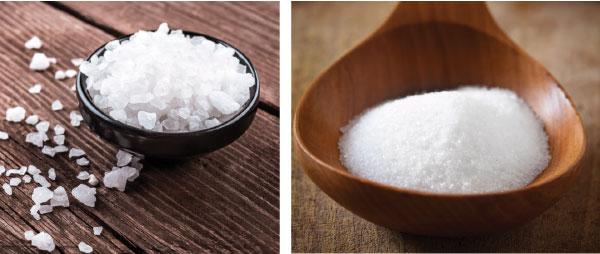
அண்மைக்காலமாக சோடியம் உப்புக்குப் பதிலாக இந்துப்பு பயன்படுத்தலாம் என்கிற குரல் சித்த மருத்துவர்களிடம் இருந்து எழுந்திருக்கிறது. ஒருவகை பாறையில் இருந்து எடுக்கப்படும் இந்த உப்பை ஆங்கிலத்தில் `ஹிமாலயன் ராக் சால்ட்' என்பார்கள். இந்தியா, பாகிஸ்தானில் மலைத்தொடர்களில் சுரங்கங்களிலிருந்து வெட்டி எடுக்கப்படும் இந்துப்பு வெள்ளை, சிவப்பு மற்றும் ஊதா நிறங்களில் காணப்படுகிறது. சித்தா மற்றும் ஆயுர்வேத மருத்துவத்தில் இந்த உப்பு பயன்படுத்தப்படுகிறது.
குளிர்ச்சியூட்டும் தன்மை உள்ள இந்த உப்பு, பசியைத்தூண்டும்; மலத்தை இளக்கும். சாதாரண உப்பில் இருப்பதைப்போலவே இந்துப்பிலும் சோடியமும் குளோரைடும் இருப்பதுடன் இயற்கையாகவே அயோடின் சத்து, லித்தியம், மக்னீசியம், பாஸ்பரஸ், பொட்டாசியம், குரோமியம், மாங்கனீஸ், இரும்பு, துத்தநாகம் உள்ளிட்ட நுண் சத்துகளும் உள்ளன. பாறைகளில் இருந்து வெட்டி எடுக்கப்பட்டு தண்ணீரிலும் இளநீரிலும் ஊற வைத்து பதப்படுத்தப்பட்டு விற்பனைக்கு வருகிறது.
நாம் பயன்படுத்தும் சோடியம் உப்பு, பித்தத்தை அதிகரித்து தலை கிறுகிறுப்பு, பித்த வாந்தி, மயக்கம், உயர் ரத்த அழுத்தம் போன்றவற்றை ஏற்படுத்தும். ஆனால், இந்துப்பு பித்தத்தை ஏற்படுத்தாது. பித்தத்தையும் கபத்தையும் சமன் செய்து சளி, இருமல் வராமல் தற்காத்துக் கொள்ளும்.
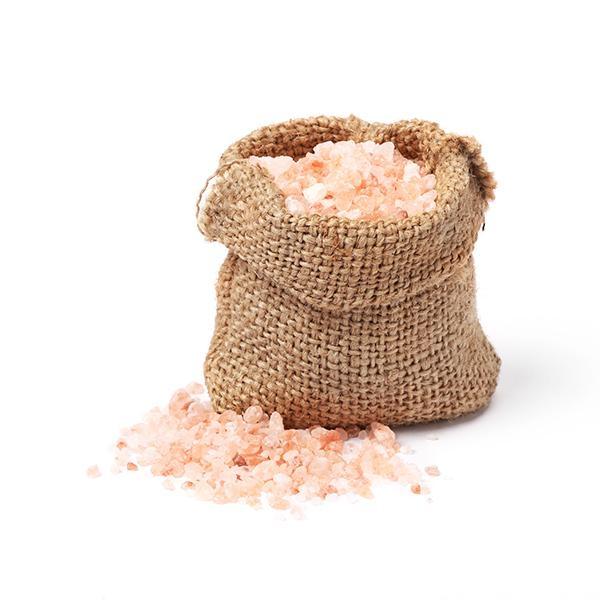
இந்துப்பு செரிமான சக்தியை அதிகரித்து கண் பார்வை மற்றும் இதயத்தைப் பாதுகாக்கும். ரத்த அழுத்தத்தைச் சீராக்கும். உடலுக்கு உறுதியைத் தருவதுடன் மனச்சோர்வு போக்கி உடலில் நீர்ச்சத்தினை தக்க வைக்க உதவும். ரத்த சர்க்கரையின் அளவைக் கட்டுக்குள் வைக்க உதவும். குடல்கள் உணவை நன்றாக உறிஞ்சி உட்கிரகிக்கவும் உதவும். நிம்மதியான உறக்கத்தைத் தருவதுடன் தைராய்டு பிரச்னைக்கும் தீர்வாக இருக்கிறது.
இந்துப்பை உடலில் தேய்த்து சிறிது நேரம் கழித்து குளித்தால் உடல் அசதி நீங்கி மனமும் உடலும் புத்துணர்ச்சி பெறும். இந்துப்பு கலந்த இளஞ்சூடான நீரால் வாய் கொப்பளித்து வந்தால் வாய் துர்நாற்றம் நீங்கி பல்வலி, ஈறுவீக்கம் போன்றவை சரியாகும். மூலம் மற்றும் வயிற்றுப்புண்கள் நீங்கவும் மருந்தாகப் பயன்படுகிறது.


FSSAI using technology to enforce food safety norms: CEO
The Food Safety and Standards Authority of India (FSSAI) will soon make it mandatory for all food businesses to employ food safety supervisor, he said, adding that the move would be a game changer and reduce compliance burden.
Food regulator FSSAI is using technology in a big way to enforce its norms and has set up an IT platform for safety compliances to bring consistency and transparency in inspection, its CEO Pawan Agarwal said on Monday.
The Food Safety and Standards Authority of India (FSSAI) will soon make it mandatory for all food businesses to employ food safety supervisor, he said, adding that the move would be a game changer and reduce compliance burden.
"We have started using technology in registration and licensing of the food business operators (FBOs). All our systems are IT-based," he said, addressing a CII's food safety, quality and regulatory summit.
Agarwal said the authority has strengthened its internal IT team to ensure effective compliance with food safety law.
He said the regulator has developed standardized testing methods and protocols for food products and launched IT-enabled Indian Food Laboratory Network (INFoLNet).
All food labs, which are FSSAI notified, are submitting food testing reports online on this network, he added.
"To reach scale, we need technology," he said.
That apart, Agarwal said the FSSAI has created a smart and digital compliance system.
A large-scale IT platform for Food Safety Compliance through Regular Inspections and Sampling (FoSCoRIS) is being put in place for adoption across all States.
Agarwal said this smart-phone based system is being tested in Madhya Pradesh and Goa by the food safety officers and will soon be rolled out across the country.
"This will bring consistency and transparency in food safety inspection and sampling," he said.
To achieve its mandate to provide safe and wholesome food to all, Agarwal said the regulator is partnering with other stakeholders including corporates and consumer organisations.
He, however, said ensuring compliances of food safety regulations in unorganised sector is a challenge.
"We organised a training programme for street vendors but we need to continuously engage with them," he added.
Agarwal said the authority has taken many initiatives in last few years and has also sensitised state government as they are responsible for the enforcement of food safety law.
However, he said: "We have to go a long way to bring States on the same page. But now there is greater engagement with the food safety commissioners".
Speaking at the summit, Nestle India CMD Suresh Narayanan said the Indian food industry is valued at close to USD 40 billion and is expected to grow at a CAGR of close to 11 percent.
Stating that the food processing has multiplier effects on our economy is one of the country's largest employment creators, he said the industry attracts domestic and foreign investments, and contributes to exports, amongst others.
He said the rising FDI into the Indian food sector from food giants across the world is a testimony to the growing interests in the Indian market.
According to the data provided by the DIPP, the food processing industry in India has received around USD 7.5 billion foreign direct investment during the period April 2000 to December 2016, he added.
Narayanan, who is also the Chairman of the CII National Committee on Food Processing, said the evolving regulatory regime that is focused on developing a strong and credible food safety and regulatory system has enabled the Indian food processing industry in taking a high level national and international consumer projects.India is being established as a preferred investment destination on the back of initiatives taken by the FSSAI in strengthening the food standards and by institutionalising the mechanism for consistent scientific review of standards, he added.
Maggi Compliant With Latest FSSAI Norms, No Ash Added, Nestle Reassures
District administration of Shahjahanpur, Uttar Pradesh, had slapped a fine on Nestle India and its distributors last week after Maggi had allegedly failed to pass the lab test and found ash content above the permissible limits for human consumption.
Nestle withdrew Maggi from market in June 2015 and relaunched it in November the same year.
NEW DELHI: FMCG major Nestle India said today that Maggi complied with the latest guidelines of food safety regulator Food Safety and Standards Authority of India (FSSAI) and it does not add any ash to its popular noodles.
District administration of Shahjahanpur, Uttar Pradesh, had slapped a fine on Nestle India and its distributors last week after Maggi had allegedly failed to pass the lab test and ash content above the permissible limits for human consumption was found during the lab test.
"Nestle wishes to categorically state that we do not add ash in any form whatsoever during the manufacturing process of its Maggi noodles," Nestle India Chairman and Managing Director Suresh Narayanan told reporters in Delhi.
Speaking on the sidelines of an event hosted by the Confederation of Indian Industry, he said the company has received the order of the district administration and will decide on the future course of action after studying it.
"We are fully compliant with the latest FSSAI guidelines which were issued in August-September this year..." he added.
He declined however to comment further saying that "the matter is sub-judice".
In June 2015, Nestle India withdrew Maggi noodles from the market. It had relaunched them in November after it went off the market for five months following a ban by the FSSAI over alleged presence of lead beyond permissible limits.
Is an Ayurvedic Product Authentic? Where’s the Mark? Customers, Inform Yourself!
For a product to be certified as ayurvedic, it has to be screened through quality verifications set by Quality Council of India (QCI), an autonomous body set up by the government and the Indian industry.
We live in a time when the obsession with Ayurveda and everything natural and unadulterated is on an upward spiral.
Be it grocery, fast consumable products or even cosmetics; we especially keep an eye out for brands and products with the ‘ayurvedic’ tag — thanks to the persistent dissemination of idea handed down through advertisements on mass and social media platforms.
Every consumable product that you find in a supermarket or grocery store undergoes various stages of inspection before actually being certified for consumption.
This is overseen by Food Safety and Standards Authority of India (FSSAI), the autonomous body under the Ministry of Health & Family Welfare that sets up the formulation and enforcement of food safety standards in the country.
So, do ayurvedic products also undergo quality assurance through accreditation just like every other product?

While many brands have been projecting themselves as suppliers of authentic ayurvedic products, whether or not they stick to the norms and regulations set up by accrediting bodies, is debatable.
Also, ayurvedic products are often confused with herbal and organic products. What differentiates the former from latter categories is the inclusion of metal extracts along with medicinal plant extracts in its concoctions.
For a product to be certified as ayurvedic, it has to be screened through quality verifications set by Quality Council of India (QCI), an autonomous body set up by the government and the Indian industry.
Through a voluntary certification scheme for AYUSH (Ayurveda, Yoga, Unani, Siddha and Homeopathy) products instated in 2009, QCI renders ayurvedic products with ‘premium’ and ‘standard’ quality labels that comply with international or national guidelines respectively. These are also known as AYUSH Premium Mark and AYUSH Standards Mark.
Ranging from capsules, shampoos, oils and syrups, only seven manufacturing companies carry this distinction in India, contrary to the information that various misinforming advertisements circulate across televisions and radios.

Ayurvedic drugs, on the other hand are regulated under the Drugs and Cosmetics Act, 1940 by the Drugs Controller General of India (DCGI). To formulate a standardised and centralised system across India, DCGI is assisted by statutory bodies like Ayurveda, Siddha, Unani Drugs Technical Advisory Board (ASUDTAB) and Ayurveda, Siddha, Unani Drugs Consultative Committee (ASUDCC).
For medicinal drugs to have ayurvedic certification, they need to be issued the Certificate of Pharmaceutical Products (CoPP) for Ayurveda product by DCGI.
So next time you see a commodity being hyped as ayurvedic product, you can check for actual accreditation rather than falling prey to the enamouring and bamboozling advertisements by various brands.
FSSAI certification for organic food on the anvil

Food safety regulator FSSAI may make its certification mandatory for organic food. The move is aimed at keeping an eye on the quality of organic food with so many products thronging the market offering attractive packages and luring consumers.
The certification will be compulsory from July 1, sources said. Last month, the Food Safety and Standards Authority of India (FSSAI) had released a unified regulation on ‘Organic Foods’ during the Organic World Congress in India.
As a symbol of authenticity and trust, a common logo for ‘Organic Foods’ was also unveiled before representatives from 110 countries.
Sikkim was last year declared as the India’s first fully organic state. India’s total area under organic certification has reached 5.71 million hectares and the country tops globally in terms of number of organic producers.
Exports from India are pegged around 1.35 million tonnes of certified organic food per year.
There are several brands such as Organic Tattva, Devbhumi, Navdanya, Organic India, Sattvic and Nature N Me selling their products in India.
The Food Safety and Standards (Organic Foods) Regulations 2017 covers under its ambit two existing systems of organic certification -- National Programme for Organic Production (NPOP) and Participatory Guarantee System for India (PGS-India).
The regulation also provides for recognition of other certification systems in the future. But with the focus of the government shifting to organic cultivation in a big way, there is deliberation as how best to unify these two systems.
Sources said the FSSAI certification might be enough to brand a product as organic while the food safety standards regulator may internally make arrangements with NPOP and PGS-India, sources said.
FSSAI is mandated to regulate organic food in the country under provisions of Section 22 of the Food Safety & Standards Act, 2006.
The current regulation was notified after extensive consultations with various stakeholders including related ministries, agencies, NGOs and farmer organisations.
Under the regulations, any food offered or promoted for sale, as `organic food’ is required to comply with all the requirements of NPOP or PGS-India or any other certification system that may be approved by FSSAI in the future.
However, direct sale of organic food by small farmers, producer or a producer organisation to the end-consumer are exempt from this requirement.
From July 1 next year, a single unified logo for organic food will have to be used by all companies selling these products, sources said. Currently both systems in operation have separate logos.
The decision to enforce this unified standard and logo has come amid reports in the US about frauds taking place in the name of organic products.
FDA tells all food traders to register themselves
Nagpur: The Food and Drugs Administration has said that seeking licence/registration certificate is mandatory for food traders from all districts under Nagpur division as per the provisions of Food Safety and Standard Act 2006 and doing business without licence is a punishable offence. Violators will be jailed for six months and will be required to pay fine of Rs5 lakh.
Traders include grocers, food product transporters, hotel/bar/restaurants owners, bakery, edible oil producers, confectionaries producers, caterers, government/semi-government/private clubs, tribal ashramshalas, backward class hostels for boys and girls, godown owners, temples etc.
All food traders are urged to submit applications for seeking licence/registration certificate online by visiting website www.fssai.gov.in otherwise action will be initiated against the defaulters and they will be sued too. Those desirous of renewal of their licence/registration certificate, should submit necessary form on the website within stipulated time of one month. Traders should note that special drive will be launched in days to come against those working without licence. Interested may call toll free No. 1800222365/ 0712-2562204 for details.
Dec 4, 2017


Dec 3, 2017


Is that an organic carrot? A look at why it’s still so hard to tell
There are more organic farmers, more buyers. More government funding too. Why then is the movement still flailing? The short answer: It’s all about the supply chain.

India has plenty of government schemes for the organic grower, few for the supplier. Bio-fertiliser is subsidised, there are easy loans for setting up a farm. But there are no incentives for building a fleet of refrigerated vans or brokering deals with supermarkets. Much of the supply chain infrastructure that exists is linked to large companies, which export for higher margins.
On paper, India’s organic movement looks fantastic. We’re home to almost 6 lakh organic farmers, the highest tally in the world. We rank ninth in terms of area under organic agriculture. This financial year, we’ll spend a record Rs 350 crore on organic farming.
Our educated middle class is already convinced that food grown with pesticides, hormones, chemical fertilisers and bio-engineered genes harms both the body and the earth. All the farms in one state, Sikkim, are now organic. And urban organic farmers are all over the place, smiling out of news reports about how they quit their corporate jobs to grow tomatoes.
Yet, in bazaars, supermarkets and restaurants, it’s hard to find certified organic fruit and vegetables. A shop’s ‘organic’ section stocks tea, spices, honey, even organic peanut butter and chocolate – the smallest components of our meals. Most product labels carry leafy logos. But no can quite recall one from memory, let alone explain what it represents.
Why hasn’t the party reached our plates? Because India’s organic revolution, well-meaning and steadily growing, is a bit of a mess.
Sure we have the most farmers. But the vast majority are on tiny holdings, whose output isn’t big enough to push up production numbers. The acreage that puts us in the top 10 constitutes only 1.1% of our fields. In contrast, 11 nations have 10% or more organic farmland. Our Rs 350 crore record pales against this year’s Rs 70,000 crore spend on chemical fertiliser subsidies. Sikkim’s journey took 15 years.
And those urban farmers from the headlines? There simply aren’t enough of them to make a difference. Meanwhile, India’s largest organic producers, companies with thousands of farmers and hectares, sell the bulk of their processed food abroad, where profits are higher.
But domestic interest is growing. In Goa, Karan Manral and his wife, Yogita Mehra, have been helping local farmers go organic and find buyers. “I get 25 calls a month in Goa from yoga studios, wellness farms, restaurants, and families who want produce. I can barely meet the demand,” he says.
Manral’s challenge echoes one that India’s farmers, sellers and even policymakers increasingly face: how to get fresh organic food from growers to buyers quickly, safely, cheaply and consistently.
“I feel I’m standing atop a hill, with the farmer and the consumer on either side. Neither can see the other,” Manral says.

Seed capital
Organic fruit and vegetables need a separate supply chain – down to their own delivery trucks and crispers in the local supermarket – because you can’t label every cabbage.
In cities, weekly farmers’ markets have met with some success. But they’re less convenient than the anytime trip to the bazaar or supermarket. There are also subscription services that home-deliver farm-fresh greens. But you can’t choose, or even know in advance, which veggies you’ll get.
The lack of assured sales is probably why farmers prefer to grow produce for companies that will process them into non-perishable, high-profit foods: mango jam, kale chips, ready-to-drink soup and white turmeric powder.
Surya Shastry, who heads the Bengaluru-based company, Phalada Agro, sells everything from organic tur dal to pasta sauce online. His company was started in 1999 and catered to exports until he found enough local demand to launch his processed-food brand, Pure & Sure, in 2011.
The trick to getting farmers to go organic and stay organic, he believes, is to make it financially worth their while. “Our focus has been to first create a market and a robust distribution channel,” he says. “If a farmer’s yield does not reach you and me, even for a year, he will go back to his old ways. We have 1,500 farmers and 8,000 acres – small for a company as old as ours. But keeping them engaged is what builds sustainability.”
Processed-food companies even help their farmers get organic certification from the government – expensive, but globally recognised proof that the yield was obtained without chemical shortcuts (see box).
But those who grow for direct consumption, typically the small farms at the edges of your city, have a tougher task of proving their produce is clean. They end up clustering to qualify for accreditation, get little expert advice and even after certification, struggle to find buyers themselves since there are no agricultural produce market committees set up to channel organic food into bazaars.

“From the beginning, the government’s focus has been on exports rather than its own people,” says environmentalist Claude Alvares, director of the Organic Farming Association of India who helped organise the Organic World Congress (OWC) in November in Greater Noida. “It took us nearly 15 years to develop domestic certification, and this has cost us credibility.”
At the inspection and organic certification firm Ecocert-India, Amol Nirban, a regional sales manager, says they’re now in the process of certifying an organic pineapple farm in Meghalaya – “the best quality you can find”.
But the logistics of delivering them inexpensively to even Delhi are still proving close to impossible. “There are plenty of government schemes for the organic grower, few for the supplier,” he says. Bio-fertiliser is subsidised, there’s help to build a compost pit. Loans to set up a farm come easier too. But there are no incentives for anyone building a separate fleet of refrigerated vans or brokering deals with supermarkets.
Green turn
The world is intensifying its efforts to convert more land to organic farming. This isn’t fuelled by the desire to eat better. It’s fuelled by fear that soon, there won’t be enough to eat at all.
Decades of fertiliser and pesticide use (to grow the high-yield hybrid seeds that fed the exploding population) have created farms where the soil simply can’t regenerate itself. A UN report predicts that by 2050, 33 years from now, we may have 2.1 billion more mouths to feed.
For many, the salvation rhetoric is to go organic – rotating multiple crops on the same field, using natural pest-control and fertiliser, and adapting to climate to keep the soil useful. The catch: Large scale conversion costs money. “And it takes a while before soil regenerates, before farms create their own compost and pollination and recover their costs of production,” says Jacob Zachariah, who grows fruit and vegetables along with his wife Mini Pant at their 12-acre farm in Gholwad, outside Mumbai..
It’s a long wait. Even organic farmers find it hard to eat organic food at every meal. For Zacharia and Pant, having an on-site orchard means there’s always enough fruit for two, but they have organic veggies only four days a week, organic rice twice a week. “Eating all organic is only if it’s available and can be sourced easily,” Pant says.
Confectionary unit sealed at Safa Kadal
Unygienic packets of groundnut chikkis seized

Authorities have sealed a confectionary unit at Safa Kadal area of Downtown for manufacturing items in unhygienic conditions.
Assistant Commissioner Food Safety, Srinagar in a statement said a checking squad inspected a confectionary unit which was manufacturing items using fake labels over them and was operating in total unhygenic conditions.
“On specific information that a food unit operating from Safakadal Srinagar is manufacturing groundnut chikkies and other confectionary items in the name of Manies sweets and Namkeen Okhla Bihar New Delhi, a team of food safety officers raided the unit,” the statement said. ”During the inspection it was found that manufacturing was being carried out on a large scale in total unsanitary conditions and without obtaining license under Food Safety and Standards Act, 2006. After lifting samples the whole stock which included 8500 packets of groundnut chikki and fake labels in huge quantity was seized and operation of the unit was closed,” he added.
Food menu of children in anganwadis set to improve
State Government to utilise the services of NIN
Children enrolled in anganwadis in Telangana will get better food starting next year. With additional funds coming in from the Centre, the State will rope in National Institute of Nutrition (NIN) to prepare an improved menu for both regular and severely malnurished children in 2018.
Speaking to The Hindu, Viziendira Boyi, Director of Women and Child Welfare Department, said NIN’s help will be sought especially when it comes to feeding children below 6-year-of-age who suffer severe malnutrition. Currently, such children below six years are given Balamrutham (a protein-food supplement) produced by Telangana foods. The children are also given one egg each day.
“Because the government increased funds substantially by ₹3, we will be able to provide each child better nutrition than what was given earlier. Once NIN draws up a chart, we will implement the changes with immediate effect,” Ms. Boyi said. Healthy children below the age of six might also get a new menu because contribution per day to each of them has gone up by ₹2. Currently they are given egg, mid-day meal and snack. Interestingly, the State government has already been spending an additional ₹1 and above on each child under Arogyalakshmi scheme. “Additional funds might make children’s snack menu better. Instead of Kurkure (salty snacks) we might be able to provide them half a fruit,” Ms. Boyi said.
Pregnant women and lactating mothers might have to do with the single meal and 200 ml of milk they get each day because the State Government already covers 83% of the costs incurred. “Centre’s funds might increase the budget for mid-day meals from ₹21 to ₹23 in the State. This is reduce burden on State especially at a time when egg prices and dal prices keep fluctuating,” Ms. Boyi explained.
In mid-day meal for mothers, anganwadis give rice, dal, vegetable curry, egg and 200 ml of milk that is covered under the Arogylakshmi scheme.
Subscribe to:
Posts (Atom)