May 19, 2017

FSSAI launches new initiatives for food business operators, consumers, citizens

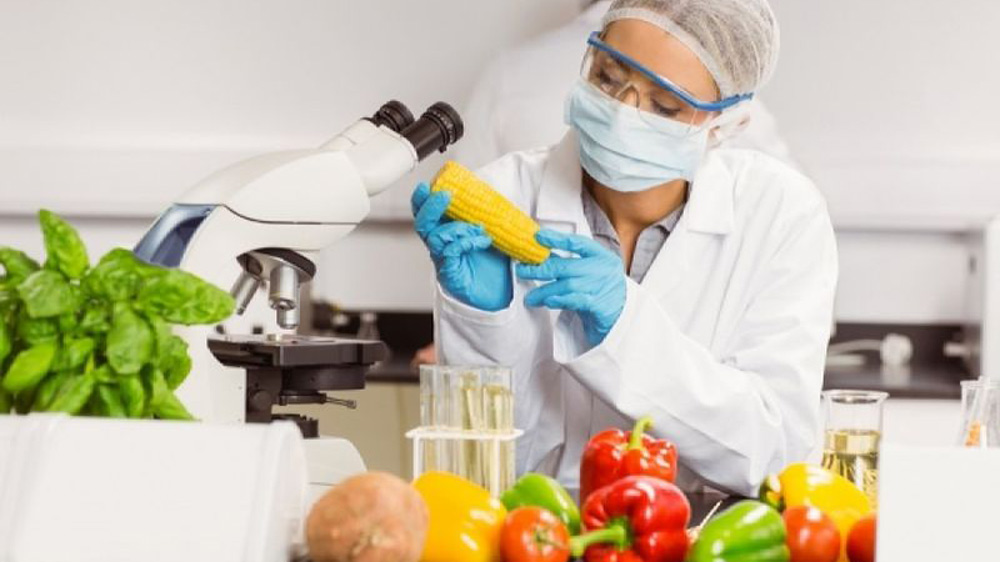
India’s food regulator, has launched a new website <foodsmart.fssai.gov.in> to make you a food smart consumer by providing a complete food safety guide.
New Delhi : The Food Safety and Standards Authority of India (FSSAI), India’s food regulator, has launched a new website <foodsmart.fssai.gov.in> to make you a food smart consumer by providing a complete guide to food safety.
If you are worried about the safety of food that you buy and eat, if you want to know “which oil is good for my family” or know about safety of re-using oil, or about the health benefits of dietary fibre or all about the packaged food or whether your packaged water safe, just log into this website to get all authoritative answers.
Better to check here instead of trying to find answers from the Internet as all those having vested interests in their products may put there all sorts of false claims to mislead you.
An FSSAI official said the regulator is working with the street vendors, places of worship serving food and railway and institutional caterers to establish a “safe and nutritious food culture” as it wants to remove the impression of being “danda-wielding” bureaucratic authority.
FSSAI wants to make this website interactive and so it wants the consumer’s feedback, asking all to send queries, concerns, comments and complaints. Better download FSSAI’s Food Safety Connect App that will instantly empower you to raise a food grievance with the authority. You can check the website to get answers to any query you have or just read answers to many other queries regularly uploaded. The website was being developed for quite some time but it officially went online only on Tuesday.
On May 8, someone wanted to know safety of re-using oil and FSSAI warned that repeated frying causes change in the physicochemical, nutritional and sensory properties of the oil. On May 9, there was a query on health benefits of dietary fibre and FSSAI advice to eat more fibre found mainly in fruits, vegetables, whole grains and legumes.

HC says it can't give direction on liquor bottle warning

The Delhi High Court today refused to give a direction to increase the size of statutory warning on liquor bottles and packaging, saying it is in the realm of policy making. 
A bench of Acting Chief Justice Gita Mittal and Justice Navin Chawla, however, directed the Food Safety and Standards Authority of India to consider the plea as a suggestion and take a firm view in this regard.
"The subject matter of the writ petition and the prayers made are in the realm of policy making and it is the respondents who are best placed to examine the same and take a view. 
"Even otherwise, the matter complained of and the prayers made are in the nature of policy decision making which are beyond the writ jurisdiction of this court," the bench said. 
It disposed of the matter, saying if any action is required to be taken to mitigate the grievances pointed out in the petition, the same may be taken at earliest. 
The court was hearing pleas by Delhi resident Ved Pal and by an NGO Community Against Drunken Driving (CADD). They had file the plea suggesting written and pictorial warnings on liquor bottles against dangers of consuming alcohol and drunken driving. 
They have also sought directions to alcohol manufacturers to increase the size of the existing statutory warnings on the alcohol bottles. 
The petitions sought directions to the governments "to mandate all alcohol producers, manufacturers, suppliers, distributors, sellers, etc., nationwide to print in large font the dangers of consuming alcohol and driving".

D&FCO officials inspect food outlets in city: destroy unhygienic food

Jammu, May 18: A special drive against the menace of food adulteration especially against the fast food roadside outlets was conducted today in Gandhi Nagar, Nanak Nagar, Trikuta Nagar and adjoining areas of Jammu city. Official spokesperson said, "Acting on the complaints of the consumers regarding poor quality of Chinese food specially momos being prepared, sold and served under unhygienic conditions, a team of officers from Drug & Food Control Organization (D&FCO) today conducted a surprise inspection of food vendors at various parts of the Jammu city." 
"The team visited Gandhi Nagar, Nanak Nagar, Trikuta Nagar and adjoining areas during which six samples of momos were collected and sent to Food Analyst -Jammu Division. Approximately thousand pieces of momos lying in unhygienic conditions were destroyed on spot as a precaution," he added. Official also said that one sample of Mono-Sodium-Glutamate (MSG) was also sent to check its quality. Pertinently, use of MSG has been prohibited in processed food for children below the age of 12 years. 
On the occasion, food business operators were directed to strictly adhere to the provisions laid under Food Safety and Standards Authority of India and maintain high standards of sanitary and hygienic conditions. Any body found not complying to the directions will be dealt with strictly under Food Safety Act.


How FSSAI has transformed itself in promoting safe food culture

The most important step is the rollout of a nationwide plan to train street food vendors.
I have been a long-time critic of the Food Safety and Standards Authority of India (FSSAI), the country’s premier food regulator, because of its obsession with food imports and the randomness of its actions, which not only provided ammunition to the government’s critics, but also made India seem like some floundering medieval state in the eyes of the world.
I also used to belabour the point that the FSSAI should take the industry along and establish a national food safety partnership in the interests of the consumers, rather than behave like yet another danda-wielding instrument of bureaucratic interference and corruption.
It’s been a year-and-half since the FSSAI got a new CEO, Pawan Kumar Agarwal, a West Bengal-cadre IAS officer who was promoted and moved from the ministry of skill development and entrepreneurship at a time when the organisation had been stung by the Maggi ban fiasco.
The low-profile officer has demonstrated that 18 months can be a long time to transform an organisation — and that change can come about faster if a statutory authority works along with the principal industry stakeholders.
The FSSAI initiative that first caught my attention was the "food smart consumer portal" (foodsmart.fssai.gov.in) that the FSSAI has got up and running (it is a work in progress, having gone live only on May 16, but it promises to get better). What I like about it is that it does not hedge when it shares information on matters that could rile industry interests.
Street food vendors are among the key upholders of the ageless character of our classical cities.
For instance, it categorically states that what is palmed off as "brown bread" may be "brown" only because of the addition of caramel colouring.
To qualify as "brown" or "whole wheat bread", it must have 50 per cent whole-wheat flour. It leaves us with no doubt about why "sugar-free food" is more harmful than sugar.
“(They) may be loaded,” says the website, “with fats, refined cereals (white flour, starch) and even hidden sugars (maltitol, fructose, corn syrup, molasses), and have a high amount of calories.”
About oils, it busts a load of myths: no oil is free from saturated fats; there’s nothing called a light oil, because irrespective of its source, a gram of any oil translates into nine calories; and no oil can be said "heart friendly" or "safe" for people with diabetes, because each oil is “100 per cent fat” and is safe only if consumed in physician-recommended quantities.
And then there’s the caveat that we tend to forget in our obsession with "fat-free" or "low-fat" foods.
“Many low fat or non-fat foods may still have a lot of calories,” says our "food smart" adviser. “Often these foods have extra sugar, refined flour or starch thickeners to make them taste better. These ingredients add calories from carbohydrates that may lead to weight gain. Many of them may also have ingredients such as fat replacers.”
If this site is pumped up with better design and audiovisual content, and is eventually made available in Indian languages, I believe it can put out of business an entire industry that survives on false assurances.
Three related initiatives, all aimed at creating a safe food culture (which Prime Minister Narendra Modi has said is critical to his vision of a "Swasth Bharat"), are also commendable.
The first is a national campaign to fortify edible oil, milk, salt, wheat flour and rice with essential vitamins to address endemic micronutrient deficiency in the country.
The second is a programme for the online certification of three million designated people employed in the food business — from hotels and restaurants to the railways, places of worship, offices and schools — to become "food safety supervisors" in their outlets. They will get their training and certificates delivered online via the portal fostac-@oldfssai.-gov.in.
It is definitely a work in progress, for the links given are all dead — a defect I hope will be rectified sooner than later.
In a related move, all food business operators, from restaurants to fruit and vegetable vendors, will soon have to put up food safety display boards to guarantee that they follow certain guidelines meant to safeguard our health.
The third, and perhaps most important, step is the rollout of a nationwide plan to train street food vendors, who, I believe, are among the key upholders of the ageless character of our classical cities.
By attempting to free street food vendors (in alliance with their national association, NASVI) from the taint of being antagonistic to good health, a charge that is being upheld by municipal bodies and courts, the FSSAI is taking an important step forward to safeguard the livelihood of an important yet unseen mass of food business operators.
Well begun, they say, is half done, but it will remain so, unless the FSSAI keeps its momentum up.

3,390 litres of adulterated cooking oil seized from store

Meerut: The Food Safety and Drugs Administration (FSDA) personnel seized 3,390 litre of adulterated oil valued at Rs 3.71 lakh from a store in Meerut’s Madhavpuram while checking in cooking oil. As many as 11 samples of adulterated oil, including mustard oil, refined palm oil, vegetable oil and ghee, were taken from the spot and sent to a Lucknow laboratory.Giving details, Randheer Singh, designated officer, FSDA, said, “We have seized 3,390 litres of oil from the spot. This includes 510 litres of mustard oil, 720 litres each of palm oil and vegetable oil, and 1,440 litres of ghee from one STS Group situated in sector 3 of Madhavpuram on Thursday.”According to Food Safety and Standards Authority of India (FSSAI) guideline, blending of rice bran and palmolein with mustard up to 25% to make refined vegetable oil is allowed, but authorities said they found tins and containers of palm oil at the spot which were labeled as mustard oil, which is illegal.“The store in Madhavpuram from where oil worth Rs 3.71 lakh was seized belongs to one Trilok Chand Gupta and he used to sell these items from this store only. 
He also did not have the licence of the store, where he had kept mustard oil, palm oil and vegetable oil,” said Anand Dev, chief food safety officer.The raid was conducted on the basis of a tipoff received by the FSDA department on Thursday afternoon. “A many as 11 samples have been taken from the spot and sent for testing to the Lucknow laboratory. Once the report arrives – which takes at least a month’s time – action will be taken against the owner,” said Dev

Bid to burn 2 tonnes of chocolates not fit for consumption foiled

Food safety officials at the site where chocolates that had passed expiry date had been heaped for being burnt near Palayamkottai on Thursday. 
Officials ask distributor to send them back to manufacturer
Food Safety officials thwarted the attempt to burn two tonnes of chocolates not fit for consumption in a land closer to the residential area near Palayamkottai on Thursday.
On getting information that a leading distributor of consumer goods and office-bearer of consumer goods stockists association had heaped 2 tonnes of chocolates that had passed expiry date in his land near Tirunelveli Taluk Police Station for destroying it, Designated Officer, Food Safety, Senthil Kumar and Food Safety Officers A.R. Sankaralingam, Ramesh and Kalimuthu rushed to the spot.
The distributor’s assistants, who had been entrusted with the job of destroying the chocolates, told the officials that they would usually burn the confection not fit for consumption in the distributor’s land as burying it in the land would spoil the soil texture. However, the officials told the assistants, who had brought the chocolates in three trucks for burning, to send it back to the manufacturer who would destroy it scientifically.
Accepting it, the assistants assured the officials that they would send the consignment back to the manufacturer.
Earlier, the Food Safety Officials took samples of ‘neera’ (‘pathaneer’) from the vendors on Thursday morning following complaints from the public that ‘artificial pathaneer’ was being sold by them by mixing saccharin in water. The officials, who warned the vendors that selling adulterated ‘pathaneer’ would land them in legal tangles and attract a few thousand rupees as fine, also told them to get the mandatory certificate under the Food Safety Regulation Act by paying the prescribed fee of ₹. 100.

DINAKARAN NEWS


DINAKARAN NEWS


DINAKARAN NEWS


DINAKARAN NEWS


DINAKARAN NEWS


May 18, 2017

THE ANATOMY OF FOOD FRAUD


DINAMALAR NEWS


DINAMALAR NEWS


DINAMALAR NEWS


DINAMALAR NEWS


ஆயில் முதல் ஆரோக்கியம் வரை...மாடர்ன் டெக்னாலஜியை விஞ்சும் மரச்செக்கு இயந்திரம்!

"நம்ம தாத்தனும், பாட்டனும் என்னத்த சாதிச்சாங்கனு"... எனப் பல முறை சிலர் கோபம் கொப்பளிக்கப் பேசுவது உண்டு. அப்படிப் பேசுபவர்கள் கூட, நமது முன்னோர்கள் செய்து வைத்த எல்லா விஷயங்களிலும் ஒரு நன்மை உண்டு என்று சில நேரங்களில் நினைக்கத்தான் செய்வர். அதற்கு இன்றும் பல சான்றுகள் உள்ளன. நாம் மறந்த சிறு தானியங்கள், பயிர் வகைகள் உட்படப் பல வகைகளை மீண்டும் தேடி எடுத்து கொண்டாடிக் கொண்டு இருக்கிறோம். அப்படி கொண்டாட வேண்டிய விஷயங்களில், மறையப்போகும் தருவாயில் உள்ள மரச்செக்கு இயந்திரமும் ஒன்று. இந்த இயந்திரத்தின் சிறப்பைப் பற்றி தெரிய வேண்டும் என்றால் மரச்செக்கு எண்ணெய் பற்றி முதலில் நாம் அறிந்துகொள்ள வேண்டும்.
இதனை மேலோட்டமாகப் பார்த்தால் சாதாரணமான எண்ணெயாகத்தான் தெரியும். இக்காலத்தில் கடைகளில் பிளாஸ்டிக் பைகளில் அடைத்து இருக்கும் பெரிய பெரிய பிராண்டுகளின் எண்ணையில் இருக்கும் மணமும், சுவையும் மரச்செக்கு எண்ணெயின் முன் தவிடு பொடியாகி விடும் என்பதில் எள்ளளவும் சந்தேகமில்லை. இப்போது புதிது புதிதாகச் சந்தைக்கு வரும் எண்ணெய்கள் 'ஆரோக்கியத்துக்கு உத்திரவாதம்' எனப் பளீரிடும் விளம்பரங்கள் அனைத்தும் இயந்திரங்களின் மூலம் அரைக்கப்பட்ட எண்ணெய்கள்தான்.

கலப்படமற்ற, சுத்தமான இயற்கை குணங்கள் மாறாமல் எண்ணெய் கிடைக்கவே, பாரம்பர்ய முறையைப் பயன்படுத்தி மரச்செக்கு எண்ணெய் தயாரிக்கப்படுகிறது. ஆனால், காலப்போக்கில் கால்நடைகள் குறைந்து விட்டதாலும், முறையான கால்நடைகளின் பராமரிப்பு இல்லாமல் போனதாலும் மரச்செக்கு தொழில் நலிந்து விட்டது. இந்தச் செக்கு எண்ணெய்களின் இடத்தைப் பெரிய பெரிய பிராண்டு எண்ணெய்கள் ஆக்கிரமித்து இருக்கின்றன. அதற்கேற்ப மரச்செக்குகளின் இடத்தையும் இயந்திரங்கள் ஆக்கிரமித்து விட்டன. ஆனால் இப்போது பாரம்பர்யம் பற்றிய விழிப்புஉணர்வு பெருகி வருவதால் மக்கள் மரச்செக்கு எண்ணெய்களை வாங்க ஆரம்பித்துள்ளனர். தற்போது மரச்செக்கில் மாட்டுக்குப் பதிலாக மோட்டார் பொருத்தப்பட்டுள்ளது.
மரச்செக்கில் இருக்கும் உரல் உலக்கையானது வாகை மரத்தால் செய்யப்பட்டு இருக்கும். இந்த மரச்செக்கில் பொருட்களை அரைக்கும்போது பிழியப்படும் எண்ணெயும் சூடேறாது, தானியங்களின் வாசனையும் மாறாமல் இருக்கும். இதற்கு காரணம் தரமான ஹியர் பகுதிதான். இந்த ஹியர் பகுதியால் மரச்செக்கு சுழலும்போது சீரான சுழற்சியால் உரல் உலக்கையின் தேய்மானம் குறைகிறது. இதனால், எண்ணெய் அதிகமாக சூடாவது தடுக்கப்படும். ஆனால், முன்னர் இயந்திரத்தில் எண்ணெய் எடுக்கும்போது எண்ணெயில் கை வைக்க முடியாத அளவுக்கு வெப்பமாக இருக்கும். இந்த அளவுக்கு எண்ணெய் வெப்பமானால் அதில் உள்ள உயிர் சத்துக்கள் குறைந்துவிடும் என்பதே உண்மை. இதுபோன்ற இயந்திரத்தில் வழியும் எண்ணெய்களில் பலகாரம் சுடும்போது ஒருமுறைக்கு மேல் உபயோகிக்கக் கூடாது. இதுதவிர, இயந்திர எண்ணெயை எடுத்துக் கொள்வதால் உடலுக்குப் பல பிரச்னைகள் வரிசையாக வந்த வண்ணம் இருக்கும். இயந்திர எண்ணெயானது பார்ப்பதற்குப் பளீர் எனத் தோற்றமளிக்கும். அது அதிகபட்சம் மூன்று மாதங்கள் வரை மட்டுமே தாக்குப் பிடிக்கும்.
மரச்செக்கு எண்ணெயானது பார்ப்பதற்குச் சிறிது நிறம் குறைவாகக் காணப்படும். நல்ல ருசியுடனும், ஒரு வருட காலமும் தாங்கக் கூடியது. மரச்செக்கு எண்ணெயில் இயற்கையான தானிய மணம் காணப்படும். ஒருமுறை மரச்செக்கு உபயோகப்படுத்தி எடுத்த எண்ணெயை ருசித்தால் அதன் ருசி காலாகாலத்துக்கும் மறக்க மாட்டீர்கள். இதனைத் தற்போதைய தலைமுறையினர் உணர ஆரம்பித்துள்ளனர். மற்ற எண்ணெய்களைக் காட்டிலும், மரச்செக்கு எண்ணெய் சற்று விலை அதிகம்தான். ஆனாலும், மக்கள் ஆரோக்கியத்தைத் தேடி பயணிப்பதால் அதைப்பற்றிக் கவலைப்படுவதில்லை. தற்போது பெருநகரங்களில் உள்ள பசுமை அங்காடிகளில் மரச்செக்கு எண்ணெய்கள் கண்டிப்பாக இடம் பிடித்திருக்கும். மரச்செக்கு எண்ணெயின் மகத்துவத்தை உணர்ந்தவர்கள் கிடைக்கும் இடங்களைத் தேடி அலைகிறார்கள். தற்போதுகூட மரச்செக்கு என்ற பெயரில் போலி எண்ணெய்களும் சந்தையில் இருக்கிறது, உஷார். மரச்செக்கு நல்ல மணத்துடன் கெட்டித்தன்மை, பிசுபிசுப்புத்தன்மை அதிகமாக இல்லாமை என பல குணங்களைக் கொண்டிருக்கும். மரச்செக்கு எண்ணெய் இந்தச் செக்கில் இருக்கும் உரலும், உலக்கையும் மரத்தால் செய்யப்பட்டு இருக்கும். இதற்காகத்தான் 'வைத்தியருக்குக் கொடுக்க வேண்டியதை வணிகருக்குக் கொடு' என நம் முன்னோர்கள் எண்ணெயின் மகத்துவத்தை உணர்த்துவதற்காகப் பழமொழியைச் சொல்லியிருக்கிறார்கள். முற்காலத்தில் மரச்செக்கில் இருந்து வெளிவரும் புண்ணாக்குகளைத்தான் இயற்கை உரங்களுடன் கலந்து விவசாயத்துக்குப் பயன்படுத்தி வந்தனர். நாகரிகம் எனச் சொல்லி நாம் இழந்து கொண்டிருக்கும் பொக்கிஷங்கள் இங்கு ஏராளம். எனவே நாகரிகம் என்ற வார்த்தைக்கு மயங்காமல், முன்னோர்களின் நல்வழியைத் தொடர்வோம்.

DINAKARAN NEWS


DINAKARAN NEWS


To reduce fat consumption new guidelines for packaged food soon: FSSAI

Food regulator FSSAI today said it will soon come out with new regulations relating to labelling of packaged food products and incorporate the expert panel’s suggestions for reducing consumption of fat, sugar and salt.
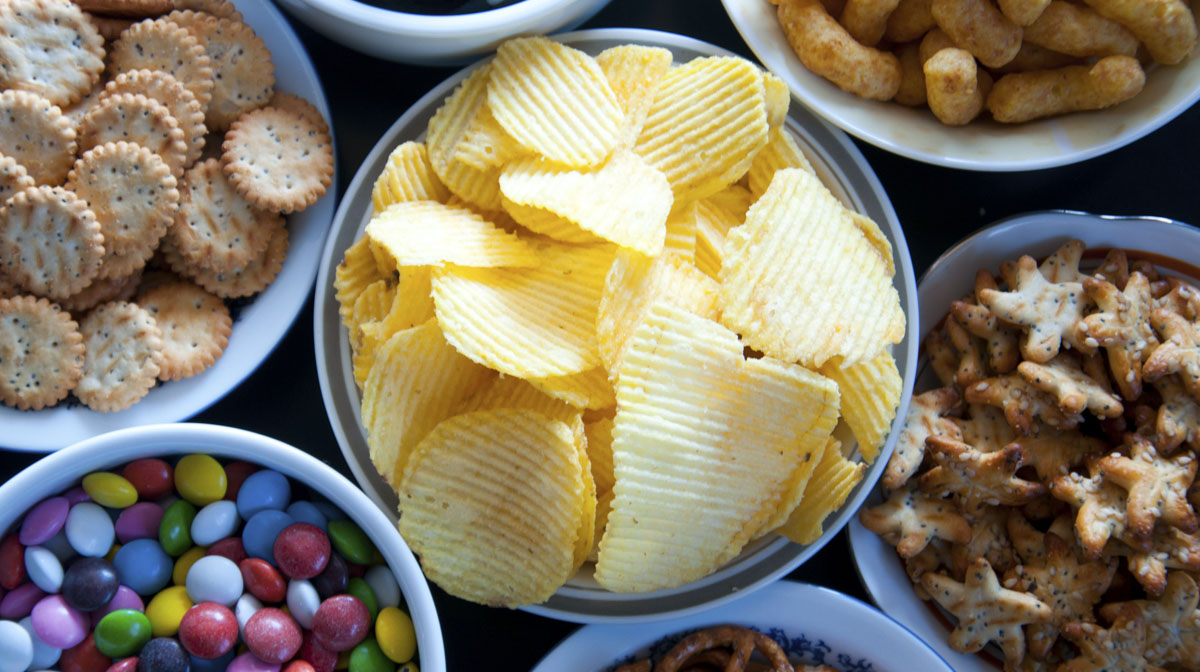
FSSAI has said that to reduce consumptions of junk food with high contents of fat, sugar and salt, guidelines for appropriate packaging will be released soon.
Food regulator FSSAI today said it will soon come out with new regulations relating to labelling of packaged food products and incorporate the expert panel’s suggestions for reducing consumption of fat, sugar and salt.
The Food Safety and Standards Authority of India (FSSAI) will also frame a definition of junk food, its CEO Pawan Kumar Agarwal said.
Asked whether the FSSAI would implement the suggestions made by an expert panel set up by it, he said that many recommendations are beyond the regulator’s jurisdiction.
“We are bringing change in labelling regulations. We are making a big change,” Agarwal told reporters here.
He said the FSSAI would, for the time being, incorporate the panel’s suggestions related to labelling of food products.
An expert panel set up by FSSAI has recommended additional tax on highly processed food items and sugar-laced beverages as well as a ban on advertising of junk foods on children channels or during kids shows on TV.
It has suggested that informations like total calories, amount of carbohydrates, sugar, fat, protein, sodium, dietary fibre, amount of trans-fat added in food should be mandatory for labelling in food products.
Agarwal said there is no definition of junk food and even this panels’s report has not defined it.
Asked about suggestions of advertising ban, he said: “First, we will have to define, what food will be restricted. By itself, report can not lead to action”.
Agarwal said the government plans to make it mandatory for food business operators to have at least one trained food supervisors.
The FSSAI, he said, is launching food safety training and certificate programmes through both offline and online system. It is looking for partners so that trainings could be provided across the country.
“With the scale we are contemplating, this is a massive exercise in raising the food safety standards in the country,” Agarwal said.
The FSSAI is focusing on increasing awareness about the consumer grievance redressal mechanism adopted by food businesses. “Consumers should not be left high and dry when it comes to grievance redressal”.
It is also taking initiative to provide safe, nutritious and wholesome foods to citizens at home, schools, offices, public places and place of worship.
Addressing the conference, Niti Aayog CEO Amitabh Kant said the FSSAI is a very critical organisation in making India free from unsafe and unadulterated food.
He complemented the regulator for taking many progressive moves including fortification of food products to deal with micro-nutrients deficiency.
Stating that the FSSAI is using technology in a big way and is doing away with papers, he said there should not be any paper work and no public interface for getting license and registration.
“We allow the industry to do self certification. But if anyone is found violating the norms, there should be stringent and toughest action,” Kant said.
He stressed on harmonisation of Indian standards with global norms.

FSSAI to collaborate with corporate entities and academic institutions for FoSTaC program

The regulator will also define 'junk food' before imposing further taxes on packaged food products with high fat, salt and sugar content, the executive said.
The Food Safety and Standards Authority of India (FSSAI) is in the process to come up with new food labelling regulations related to packaged food products, based on the recommendations made by the expert group, said Pawan Agarwal, the chief executive officer of FSSAI. 
The regulator will also define 'junk food' before imposing further taxes on packaged food products with high fat, salt and sugar content, the executive said.
"We are making big changes in labelling," said Agarwal.
An expert panel set up by FSSAI has recommended additional tax on highly processed food items and sugar-laced beverages as well as a ban on advertising of junk foods on children channels or during kids shows on TV.
Agarwal said that FSSAI is also looking to bring in regulation which will require every food business operator to have at least one trained and qualified food safety supervisor at its premise.
Agarwal added, "Going forward we will amend the regulations where over a period of time every food business operator will require to have one trained and qualified food handler at their disposal."
Agarwal also added, "Obviously there will be a time lag. We will give a couple of years time before the requirement that all food businesses should have one person who is trained and certified in food safety. And before we start amending our regulations we had already created a ecosystem where such large scale training can begin to happen."
FSSAI will collaborate with corporate entities and academic institutions for Food Safety Training and Certification (FoSTaC) program, where the regulator will be launching 19 short-term courses to train food handlers. The body hopes that the trained staff will in turn educate people working alongside him thus taking the food hygiene and safety standards in the country several notches up.
The regulator also launched a interactive portal to educate consumers and help them with grievance redressal.

How FSSAI is transforming the food safety landscape

The FSSAI has taken a highly collaborative approach to promoting food safety and nutrition since it is an integral part of everyone’s life.
Food safety scenario in India is continuously changing from last one and half years. The food safety body has come up with several initiatives to train street food vendors, partner with restaurants and make sure that wholesome and nutritious food is being served to the public. Since ages, people have always thought FSSAI as another government body which is over burdened by bureaucracy but to much surprise it has given a new face to the food safety ecosystem in the past one year.
Since the past few months, the FSSAI has been energetically driving large-scale fortification of staple foods such as wheat flour, rice, milk, oil and salt to combat widespread malnutrition in the country. The industry and government have responded with equal dynamism. About 50% of oil and milk companies in the organized sector will have fortified their products in the coming months. Five major wheat flour manufacturers are fortifying their wheat flour.
Ensuring public awareness
The whole narrative on food safety regulation has changed. The law provides that people who work in food businesses should be qualified and trained in food safety. Even before this becomes mandatory, FSSAI is building an ecosystem for large-scale training through its FoSTaC –Food Safety Training and Certification programme, which was launched yesterday during a press briefing in New Delhi. FoSTaC is a unique participatory programme designed to enhance public awareness and simultaneously train food safety supervisors, who will then train food handlers along the food chain on food safety issues. It has19 short courses from basic, advanced to specialized courses for street food vendors, restaurants chefs, caterers, food business operators as well as the general public. Around 6-7 of these courses are ready to roll. These courses will be delivered through training partners such as academia, industry, FBOs and government departments. FoSTaC allows for a systematic online registration system that is easily accessible and provides certification for those who have completed the training. FOSTAC will eventually host e-learning courses that will be available to all and raise the food standards of food businesses by several notches.
“Being a smart consumer is a cornerstone of ensuring food safety. Consumers have the right to be informed and educated and exercise their rights. In order to empower consumers on all issues pertaining to food safety, the FSSAI launched an online, Food Smart Consumer Portal,” shares Mr. Pawan Agarwal, CEO at Food Safety and Standards Authority of India adding that this interactive portal will be dedicated to educating consumers to make smart, informed choices, whether they are buying raw food, processed food or eating out.It has a 10 question quiz that allows the public to test is they are “smart consumers”.
This portal also provides consumers a forum to express their views, ask questions and register their complaints. FSSAI is working towards strengthening its consumer grievance redressal system. A Guidance Document for food handlers and regulatory staff was also released. Consumer guidance notes on issues they confront on a daily basis were also made available.
Food Safety is the Key
Also, at a time when India has several cases where food borne disease is an integral part of the country affecting consumers especially children this kind of initiative is the need of the hour. “If we eat right and safe food, diseases will come down because food safety is very important for India where people are suffering from food borne disease,” adds RK Vats, Add. Secretary, MoHFW.
A new era for food safety and nutrition in the country dawned yesterday where the food safety body launched several flagship initiatives to transform the food safety and nutrition landscape in India, a hitherto neglected field. “There is a requirement that the food available in the market should be safe and wholesome,” points Shri Amitabh Kant, CEO of NITI AYOG adding that FSSAI should also allow food business operators to do a self certification and there is lots of need for branding, positioning of the industry.
FSSAI also launched its Safe and Nutritious Food (SNF) initiative that takes a citizen centric approach to transformative social and behavioural change. The Safe and Nutritious Food initiative reaches out to people everywhere: in their homes, workplaces, schools and when they eat out. The SNF portal would function as an online resource centre containing information on all these initiatives with access to resource materials developed by FSSAI, interactive guides on understanding food safety and nutrition and a gateway for everyone to participate in these initiatives through partnerships.
Social and behavioural change must begin early. Children are powerful change agencies. Therefore, to engage children, FSSAI has created Safe and Nutritious Food Mascots-Master Sehat and Miss Sehat, two superheroes. In the coming months, workshops, theatre and activations of these mascots will be done throughout India.
The FSSAI has taken a highly collaborative approach to promoting food safety and nutrition since it is an integral part of everyone’s life, every single day. There is convergence with various existing initiatives, particularly the PM’s Swachch Bharat Abhiyan, which shares many common goals and approaches with the SNF initiative.
In the coming months will see these initiatives being rolled out across the country, generating a tsunami of collective effort towards creating a culture of food safety and nutrition across the country.

180 kg of mangoes destroyed

Chandigarh: A team of the Food Safety Department seized 180 kg of mangoes ripened by using calcium carbide in another raid carried out at the fruit and vegetable market in Sector 26 on Tuesday. The mangoes were seized and destroyed in the dumping ground of the city using MC vehicles. Food safety officers Bharat Kanojia, Surinder Pal Singh, Bhaljinder Singh, Mandeep Kaur, Nisha Juneja, Navneet Bagga and Amardeep Kaur conducted the raid in the early hours. Artificial ripening of fruits such as mango and papaya using calcium carbide is a common practice despite being prohibited under the Food Safety and Standards (Prohibition and Restrictions on Sales) Regulations, 2011. The use of calcium carbide to ripen fruits causes serious health problems.

FDA seizes substandard betel nut in raid

NAGPUR: The Food and Drugs Administration seized 3871 kg of substandard and adulterated betel nut costing about Rs 8.3 lakh.
The betel nut was seized in a planned raid conducted by the FDA food inspectors from M/S S M Enterprises, Eknathsao Wadi in Tandapath. The samples of the betel nut have been sent for laboratory analysis.
The betel unit owned by Mahendra Baliram Hedau was under watch for some time by the FDA officials. Action will be taken against the trader as per the 2006 law of food safety depending on the analysis report, said the FDA joint commissioner (food) M S Deshpande.
Deshpande said that such planned raids will continue in future at all the suspected places in the city. He has appealed to the people to inform the FDA about any such illegal activity on 0712-2562204.

Most water plants operate in unhygienic conditions

Surat: Most of the water bottling plants in Bhathena, Limbayat, Udhna and Varachha that supply mineral water in the city are operating in unhygienic conditions. The health department of Surat Municipal Corporation raided one such bottling plant in Khodiyar Nagar on Wednesday and found there several aedes mosquito breeding spots that transmit dengue fever. The owner Jitu Patel was fined Rs10,000 by SMC officials who ordered immediate closure of the water bottling plant.
SMC had registered 52 such plants under Food Safety and Standards Act, 2006 of which 15 have now closed. These plants package 9, 72,000 litre of water daily and supply it to different parts of the city. "We take samples regularly and punish those who sell contaminated water," said an SMC officer.
"SMC should ensure that the Jitu Patel never gets the licence to sell packaged mineral water again. Many water bottling plants package bore water and sell it as mineral water to people," said Shiv Patel, a resident of Limbayat .
SMC chief health officer Dr Ashish Naik said, "The issue of impure water crops up in areas like Limbayat, Udhna and Varachha zone more often. People living in Rander and Athawa have installed reverse osmosis (RO) plants in their homes."

May 17, 2017

DINAKARAN NEWS


DINAKARAN NEWS


DINAKARAN NEWS


Are your kids high on blood pressure?


FSSAI to take strict action against food adulteration

NEW DELHI: The Food Safety and Standards Authority of India (FSSAI) is taking a stern view of any adulteration or lapse in hygiene in the food business. At a summit on Monday, its chief executive, Pawan Kumar Agarwal, said, “We will amend regulations to make it mandatory for food business operators to have at least one person trained in food safety.” 
FSSAI also launched a food safety training and certification programme (FoSTaC), which has 19 short courses — from basic to advanced and specialised courses for street food vendors, restaurants chefs, caterers, food business operators as well as the general public. 
The regulator unveiled a food smart consumer portal for registering grievances in order to strengthen its redressal system, along with releasing a guidance document for food handlers and regulatory staff. FSSAI has created safe and nutritious food mascots — Master and Miss Sehat —superheroes who spread awareness among children. 
FSSAI will soon come out with new regulations relating to labelling of packaged food products and incorporate the expert panel's suggestions for reducing consumption of fat, sugar and salt. 

New guidelines for labelling of packaged food soon: FSSAI

New Dehi, May 16 (PTI) Food regulator FSSAI today said it will soon come out with new regulations relating to labelling of packaged food products and incorporate the expert panels suggestions for reducing consumption of fat, sugar and salt.
The Food Safety and Standards Authority of India (FSSAI) will also frame a definition of junk food, its CEO Pawan Kumar Agarwal said.
Asked whether the FSSAI would implement the suggestions made by an expert panel set up by it, he said that many recommendations are beyond the regulators jurisdiction.
"We are bringing change in labelling regulations. We are making a big change," Agarwal told reporters here.
He said the FSSAI would, for the time being, incorporate the panels suggestions related to labelling of food products.
An expert panel set up by FSSAI has recommended additional tax on highly processed food items and sugar-laced beverages as well as a ban on advertising of junk foods on children channels or during kids shows on TV.
It has suggested that informations like total calories, amount of carbohydrates, sugar, fat, protein, sodium, dietary fibre, amount of trans-fat added in food should be mandatory for labelling in food products.
Agarwal said there is no definition of junk food and even this panelss report has not defined it.
Asked about suggestions of advertising ban, he said: "First, we will have to define, what food will be restricted. By itself, report can not lead to action".
Agarwal said the government plans to make it mandatory for food business operators to have at least one trained food supervisors.
The FSSAI, he said, is launching food safety training and certificate programmes through both offline and online system. It is looking for partners so that trainings could be provided across the country.
"With the scale we are contemplating, this is a massive exercise in raising the food safety standards in the country," Agarwal said.
The FSSAI is focusing on increasing awareness about the consumer grievance redressal mechanism adopted by food businesses. "Consumers should not be left high and dry when it comes to grievance redressal".
It is also taking initiative to provide safe, nutritious and wholesome foods to citizens at home, schools, offices, public places and place of worship.
Addressing the conference, Niti Aayog CEO Amitabh Kant said the FSSAI is a very critical organisation in making India free from unsafe and unadulterated food.
He complemented the regulator for taking many progressive moves including fortification of food products to deal with micro-nutrients deficiency.
Stating that the FSSAI is using technology in a big way and is doing away with papers, he said there should not be any paper work and no public interface for getting license and registration.
"We allow the industry to do self certification. But if anyone is found violating the norms, there should be stringent and toughest action," Kant said.
He stressed on harmonisation of Indian standards with global norms.

Send complaints about adulteration to dedicated WhatsApp number

Trichy: The process of registering complaints about adulteration of food commodities and inferior food quality is all set to become easy with the Tamil Nadu food safety department introducing a WhatsApp number for grievance redressal.
On Monday, the Trichy district administration informed people that they can lodge complaints to the food safety department in Chennai on the WhatsApp number - 94440 42322. The number will be accessed by a state-level officer. The complaints will be forwarded to the designated officer (DO) of the food safety department in respective districts. Thereafter, the food safety officer (FSO) of the taluk will receive the complaints on his smart phone and will start an inquiry.
Though the number was officially released by the district administration on Monday, it had already received a few complaints from Trichy. A complaint about inferior quality biscuits was one of the complaints received recently on the number.
The purpose of introducing a dedicated WhatsApp number for receiving complaints is to reduce the time gap between the date of filing the complaint and the action taken on it, said officials.
They said the volume of complaints received is likely to increase as people become familiar with the number. People can lodge complaints about inferior quality of the food and food products, use of carbide stones for ripening mangoes, sale of commodities beyond the expiry date, and manufacturing date or expiry date missing on the label, among others.
Officials said that adulteration of edible oil is a worrying trend in the district. This involves mixing of rice bran oil or palm oil with gingelly oil.
Meanwhile, designated officers in all districts in the state have been ordered to submit a compiled report on action taken on complaints received on the number.

FSSAI to define junk food before imposing additional tax

FSSAI CEO Pawan Kumar Agarwal says will define junk food before looking at imposing additional tax on packaged foods with high fat, sugar and salt content
New Delhi: Food safety and Standards Authority of India (FSSAI) chief executive officer Pawan Kumar Agarwal on Tuesday said the food regulator will first “define junk food” before looking at imposing any additional tax on packaged foods with high fat, sugar and salt content.
Last week, FSSAI had put up a report by an 11-member expert group on the subject. FSSAI had set up the expert group after a Delhi high court order in June 2015. The expert group, which listed almost every packaged food item in the category, had proposed an additional tax on all packaged food items with high fat, sugar and salt.
“Imposing additional tax on the purchase of commodities such as pre-packaged foods with high salt and fat content, sugar sweetened beverages, etc. can be a pragmatic approach to reduce the rising burden of chronic diseases among Indian population. Imposing excise tax on unhealthy eating products can be an endeavour to bring about positive health effects among population. This exercise can be of great importance in supporting nutrition-related programmes by the means of profit generated from taxing unhealthy food products,” noted the expert group report.
“The report will be used as a reference. We may or may not take the suggestions listed there,” Agarwal said, adding that the regulator is likely to bring new labelling norms based on the suggestions in the report. The regulator is in the process of finalizing the new labelling norms.
The expert group also asked for restrictions of advertisement of these products on kids television channels and during programmes targeted to children. “This has to be looked into in detail,” Agarwal said.
Meanwhile, Agarwal said FSSAI is collaborating with corporate entities, academic institutions and Government skilling councils for Food Safety Training and Certification programme to train food safety supervisers. “Over a period, every food company will mandatorily have to have at least one trained food safety supervisor at its premises,” said Agarwal.
The authority has developed 19 short-term courses that would be offered at different institutes. “We’ll eventually host e-learning courses that will be available to all and raise the food standards of food businesses by several notches,” added Agarwal.
On Tuesday, the food regulator also launched a new interactive portal meant for the consumers for information, references and grievance redressal.
As part of its aim to enhance food safety and nutrition, FSSAI is planning to come up with joint campaigns with the Swachch Bharat Abhiyan, the regulator said in a statement.

High-fat foods: FSSAI to examine expert panel’s views

Portal for consumer grievances launched
NEW DELHI, MAY 16: 
The Food Safety and Standards Authority of India ( FSSAI) has asked its scientific panel on nutrition and food fortification to examine some of the recommendations made earlier by an expert group to rationalise consumption of food items high on fat, sugar and salt.
The expert group was set up by FSSAI in 2015 and has made a wide range of recommendations which include banning ads of food items with high fat, salt and sugar on kid’s channel and clearer nutritional labelling on packaged food among others.
On whether the recommendations on ad restrictions will be implemented, Pawan Agarwal, CEO, FSSAI said, “The report does not define the food products that should not be advertised to children. It falls short on that and hence there are challenges. Unless there is a definition, one cannot move forward. We have set up a separate scientific panel for food fortification and nutrition and it will examine some of these recommendations.”
While the report does not define “junk food”, it has stated that the expression popularly refers to food which has no positive nutritional value and often may lead to health problems.
He added, “The expert group has made eight recommendations and some of these go beyond the jurisdiction of FSSAI. Some of the recommendations such as changes in labelling norms, which come under our jurisdiction, will be incorporated in the new labelling regulations, which we are in the process of finalising.”
Meanwhile, the regulator on Tuesday launched the FoSTaC (Food Safety Training and Certification) programme. Under this initiative, the regulator will be launching 19 short-term courses designed to train food safety supervisors in food companies in collaboration with universities, NGOs, industry associations and other government departments.
It also launched its Food Smart Consumer Portal, which is an interactive portal for consumers to lodge their grievances and ask information besides focusing on consumer education. FSSAI also launched its Safe and Nutritious Food (SNF) portal which would function as an online resource centre on food safety and nutrition.

Rights panel seeks report from FSSAI

‘Chemicals used to preserve fruits’
The Kerala State Human Rights Commission has asked the Food Safety and Standards Authority of India (FSSAI) to submit a report to the State Food Safety Commissioner on the allegation that chemicals have been used to preserve fruits that is being exported from the Calicut International Airport.
Based on media reports
Commission acting chairperson P. Mohanachandradas said in a press release that a suo motu case had been registered based on media reports and an explanation sought from the State Food Safety Commissioner on the issue.
The commission was told that the Assistant Food Safety Commissioner, Malappuram, had collected samples and sent them to the food analytical laboratory in Kozhikode.
When it was pointed out that the FSSAI was issuing licence to firms involved in selling food at the airport and the State officials did not have the authority to conduct raids there, Mr. Mohanachandradas served a notice on the Central agency. The commission pointed out that “cheating expatriates by sending them unhealthy food” could not be tolerated.

FSDA team seals 2 medical stores after raid in Bijnor

Bijnor: A Food Safety and Drugs Administration (FSDA) team conducted raids on medical stores in Chandpur block of Bijnor on Tuesday and collected close to 248 samples of medicines for test.
FSDA officials also recovered prohibited injections, generally used by drug addicts.
Licenses of two medical stores were also cancelled by the inspecting team.
"The joint team of police and FSDA raided two medical stores in Chandpur city and seized 38 Oxytocin injections, 350 Fortwin injection and 3,940 tablets of Alprazolam,” an officer said.
According to drug inspector Ashutosh Mishra, “On Tuesday, we raided two medical stores in Chandpur and collected 248 samples of different medicines. Both the medical stores have been sealed and their licenses scraped. We have also found some medicines which had no level.”
“A case has been registered under respective sections. The samples will be sent to laboratory for testing,” Mishra added.
He further said, “We have recovered some medicines from the medical stores which are used by addicts. The campaign will go on. We will raid more stores.”

Food Safety Officers Conducted Raid at Grain Market Sector-26

Chandigarh: In view of the ongoing summer season artificial ripening of fruits like mango, papaya with calcium carbide is common practice adopted by various Food Business Operators. The use of which is prohibited for ripening of fruits under the Food Safety and Standards (Prohibition and Restrictions on Sales) Regulations, 2011. The ripened fruits with the above said chemical cause serious health problems.
Looking into the seriousness of the matter the Food Safety Officers i. Sh. Bharat Kanojia, Sh. Surinder Pal Singh, Sh. Bhaljinder Singh, Mandeep Kaur, Mrs. Nisha Juneja, Navneet Bagga and Ms. Amardeep Kaur in early hours conducted a massive raid in the area of Grain Market, Sector-26, Chandigarh as directed by the designated Officer, Food Safety Administration, Chandigarh. The officers from the Food & Supply Department also accompanied the team. Many warehouses and shops where the fruits like mango and papaya were stored were inspected and it was found during inspection that the Food Business Operators were using Calcium Carbide for its ripening. About 180 kgs of Mangoes was seized and destroyed in th dumping ground of Chandigarh through the vehicles of Municipal Corporation, Chandigarh.
The traders dealing in sale, storage and distribution of fruits are advised not to use any type of hazardous chemical for the ripening of fruits. If anybody is found violating the provisions of Food Safety and Standard Act,2006 and the Rules & Regulations, 2011 framed there under, action will be initiated against the such violators.

Raid conducted, food samples collected

Following the directions of health Minister Brahm Mahindra and commissioner food Siri Varun Roozam, a Special raid was conducted today in the evening to check those food business operators who were selling fast food on the carts and in shops.
Samples of fast food items were taken from nakodar road, old GT Road and other areas of the city.
Two samples of milk were also taken from a dairy in Ajit Nagar Bhattha Road. Samples of roasted China and biscuits were taken from Nakodar Road near Lal Rattan Cinema Jalandhar.
As many as 11 samples of milk, two, sauces and chutney, bhaji, roasted chana, biscuits and other champ were collected by the food safety team.
All the food business operators particularly those dealing with prepared food items were directed to prepare food and serve food while wearing gloves, headgear and after taking other Hygenic protections.
Dr Harjot Pal Singh Assistant Food Commissioner directed all the food business operators to obtain online food licence at the earliest failing which necessary legal action shall be initiated against those working without license.
It Is worth mentioning here that the last date for obtaining online food licence has already expired. The sampling team consisted of team in charge Dr Harjot Pal Singh assistant commissioner food Jalandhar, food safety officers Rashu Mahajan and Divya Bhagat along withalong with other employees.

May 16, 2017

DINAKARAN NEWS


DINAKARAN NEWS


DINAKARAN NEWS


GHMC frames sanitary norms for restaurants


Mothers welcome ban on junk food ads

To reduce consumption of unhealthy food by children, authorities have recommended a ban on junk food advertisements.
Artist Lakshmi Nambiar with her daughter Tamaara and Dancer Hima Bindu Kanoj with her daughter Laasya.
The attractive advertisement showing the cheesy gooeyness of a burger may soon be a thing of the past. The Food Safety and Standards Authority of India (FSSAI), who had earlier recommended additional tax on processed foods and sugar-sweetened beverages, has now recommended a blanket ban on the advertising of junk foods and beverages on children’s channels and content for children across television, websites and social media.
The ban was recommended following the report ‘Consumption of fat, sugar and salt (FSS) and its health effects on Indian population’, which suggested many ways to reduce consumption of unhealthy food by children.
While we are all aware about the ill-effects of junk food, it doesn’t stop people from getting those products home. Welcoming the ban, Hima Bindu Kanoj, dancer and parent to six-year-old Laasya, says, “Children are very familiar with what goes on in television channels. They know about the schedule and what advertisements come in between. So if the ban is being imposed, nothing like it. It will help divert the child’s mind to something more concrete.” She adds, “Then again, all the blame can’t be put on advertisements; parents also need to be more cautious. One can let children indulge twice a month and the rest you can monitor.”
“I am really shocked with this step. Now, how will I get to know which chips have been added on with vitamins and minerals?” asks Avish Juluri, the nine-year-old son of artist Sravanthi Juluri. “Avish is not much of a junk food eater, but he likes to buy things either because they look attractive or his friends have eaten them. The ban will be a boon for the parents. Less visibility means less peer pressure to try and eat it at least once,” says Sravanthi.
According to fellow artist and parent, Lakshmi Nambiar, her daughter Tamaara gets enticed with the advertisements which get aired every few minutes in between a show. “Kids remember every minute detail which is showcased in the ads. If that is restricted, I think we have a win over junk foods,” says Lakshmi.

FSSAI conducts workshop on safe and nutritious food in Lancers International School

Food Safety and Standards Authority of India (FSSAI) conducted a 20- minute workshop on ‘safe and nutritious food at Lancers International School today. The workshop was conducted under FSSAI’s ‘safe and nutritious food at school’ initiative. Officials of FSSAI were also present at the occasion.
As part of this initiative, mascots developed by FSSAI, Master Sehat and Miss Sehat gave valuable tips regarding the importance of safe and nutritious food through interactive skit. They advised to purchase milk in tetra packs where adulteration chances are minimum. They also briefed about the significance of consuming fortified food, various deficiency diseases and how to take precautions to avoid them. More than 200 students attended the workshop.
FSSAI has launched pan- India ‘Safe and nutritious food at school’ initiative during which they plan to reach out to 16 lakh government, public, private as well as international schools across the country. FSSAI has developed multi-pronged strategy to deliver the message.
“There is an urgent need to spread awareness about safe and healthy food to ward off diseases. Since children are powerful change agents, such an initiative at schools will long a long way in instilling consciousness about the importance of safe and healthy food .We heartily thank FSSAI for conducting this workshop at Lancers International School,” said Rohit Mann, Director, Lancers International School.
The objective of the initiative is to impart principles of food safety in a full-filled way through interactive theatre workshops and mascots. The initiative intends to train teachers and senior students as Health and Wellness coordinators to disseminate the message of safe and nutritious food to their school and drive various safe food initiatives. It also plans to drive the initiative by reviewing the curriculum from Class 1 to 12 standards for identifying crucial gaps, spreading awareness through extra-curricular activities like interactive quizzes, mascots, and legislative and regulatory framework.
“The session by FSSAI was really informative and made us aware about consuming safe and healthy food.” said, Kovida Chhikara a student of Lancers International School.
Lancers International School has been actively promoting the significance of safe and healthy food. A week ago, a session on ‘Healthy Food practices’ was organized by Dr. Sushila Kataria,Director Department of Medicine & Geriatrics ,Medanta. The children had the opportunity to speak to Dr. Kataria one on one and discuss the food and safety measures to be taken at their end.
The school also sends its food and water to testing lab once in every quarter to maintain safe and high standards of food in the campus.

May 15, 2017

DINAKARAN NEWS


DINAKARAN NEWS


DINAMANI NEWS


DINAKARAN NEWS


About 80 unhygienic eateries closed in Ernakulam

KOCHI: In a major crackdown on unhygienic eateries, the district administration has closed down 79 food joints in the Kalamassery, Aluva and Thrikkakara municipal areas.
The special squads constituted by District Collector K Mohammed Y Safirulla had conducted inspections at hotels, bakeries and wayside eateries as part of the one-week drive, which was launched in the wake of reports of epidemic outbreak in the district.
As per the data from the district administration, the maximum number of eateries were closed down in the Kalamassery municipal area, where over 40 cases of Hepatitis A were reported recently.
Of the 91 eateries inspected in Kalamassery municipality, 37 were closed down and five were removed. As many as 25 eateries were closed down in Aluva, which is fast turning into a migrant hub. In Thrikkakara municipality, the team inspected 109 shops and closed around 17 food joints and removed 26 wayside eateries.
“We have issued stop memos to the eateries that had been functioning in unhygienic conditions, operating without obtaining licence from the local bodies and employed workers without health cards. Many illegal wayside eateries were removed during the drive,” said District Health Officer P N Sreenivasan, who coordinated the drive. 
The District Collector, who is also the chairman of the District Disaster management Authority, had last week formed the special squad comprising Revenue, municipality, health, police and food safety officers after cases of jaundice, diphtheria, hepatitis, dengue and H1N1 were reported from various parts of the district.
The squads were empowered under Sections 30(5), 30(20) and 33 of the Disaster Management Act, 2005, to inspect eateries, including bakeries and hotels.
“We will intensify the inspections in the coming days and action will be taken against offenders based on the Municipal Food Safety rules. The drive is part of the preventive measures to check the spread of epidemics before the onset of monsoon,” the District Collector said.
Raids at food joints
Kalamassery
Inspected 91
Closed 37
Removed 5
Aluva
Inspected 74
Closed 25
Removed nil
Thrikkakara
Inspected 109
Closed 17
Removed 26

Open sale of meat to be banned in Dehradun city

According to norms, even shops with a licence cannot keep meat in the open and have to do their business behind closed doors.
The state urban development minister Madan Kaushik on Sunday announced that open sale of meat will be banned in Dehradun city even if shops have a licence. He announced the decision after a meeting with local traders union in Dehradun.
Speaking to officials from local bodies and state urban development department present in the meeting, Kaushik said that shops with a licence cannot keep meat in the open and have to do their business behind closed doors as per norms.
He directed officials of Dehradun Municipal Corporation and other departments to hold public awareness campaigns and inform shopkeepers not to sell meat in the open.
Kaushik ordered that meat traders with open shops who want to continue with the same arrangement will be provided land at a separate location that will be surveyed and identified by the officials of Dehradun Municipal Corporation and district food safety department.
The minister has given strict instructions to the official to deal sternly with illegal meat shops owners and initiate legal action against them.
He has also asked the officials to expedite pending licence applications of meat traders.
Apart from officials, Dehradun mayor and BJP MLA Vinod Chamoli, senior Congress leader and former corporator Ashok Verma, BJP leader and Dehradun Traders Association chief Umesh Aggarwal and Anil Goyel were present in the meeting.
Earlier, the BJP-led state government had ordered that meat shops along River Ganga be shut down. It had also raided illegal slaughterhouses operating across the state.

Rotten, uncovered food seized from City eateries

Srinagar: The food safety officers of Srinagar Municipal Corporation (SMC) visited various areas of Srinagar to inspect food establishments including hotels, bakery shops, dhaba’s and other food outlets. The visit was initiated by commissioner SMC Dr Shafqat Khan.
The eateries that got inspected in different areas included Lal Chowk, M.A road, Batamaloo, Residency road, Wazirbagh , Rajbagh , Hyderpora and adjacent areas.
During the inspection large quantity of rusted utensils and uncovered food items kept in polythene bags were were destroyed on spot.
The mutton sellers were strictly directed to maintain proper hygiene. Rotten vegetables and fruits were destroyed in bulk from various City markets, an SMC spokesperson said.
The Commissioner SMC Dr Shafqat Khan in this regard has appealed food business operators to maintain up to mark hygiene and sell qualitative food to the public.

Sago manufacturers warned

Officials of Salem Starch and Manufacturers’ Service Industrial Co-operative Society Limited (SAGOSERVE) and the Tamil Nadu Food Safety Drug Administration Department has warned sago manufacturers not to produce adulterated products.
During a meeting organised by Sagoserve here recently with sago manufacturers from seven districts, D. Raajendiran, Managing Director, Sagoserve, said that harmful chemicals are used to bleach sago to achieve pure white colour, which is banned as per Food Safety and Standards Act.
T. Anuradha, Salem District Designated Officer, said that maize starch and sago starch are mixed in equal quantities to produce adulterated product which is a violation. She said that while tapioca starch is sold at ₹ 55 per kg while maize starch is sold at ₹ 25 kg in the market. Hence, to earn more profit, adulteration and hazardous chemicals are used endangering the lives of the consumers.
She warned that strict action will be taken against adulterators, including cancelling the license of the unit, if the violations are found.

May 14, 2017

DINAKARAN NEWS


DINAKARAN NEWS


DINAKARAN NEWS


SC must act against gutka manufacturers

The Goa FDA will launch a State-wide drive to ensure strict implementation of the ban on manufacture and sale of gutka, paan masala and other tobacco products. 
Goa to file plea in apex court seeking strict implementation of the ban in other States
Goa is set to file a plea in Supreme Court seeking directions to other States to implement ban on manufacture of tobacco products.
Goa is the only State where two instruments of ban notification are available to authorities to tackle the menace of tobacco consumption.
Salim Veljee, director of Foods and Drugs Administration (FDA), Goa, told The Hindu on Saturday that these products are predominantly manufactured in Karnataka, Rajasthan, Madhya Pradesh and Odisha.
“We will file a plea before Supreme Court to direct these states to implement the ban on manufacturing itself to tackle smuggling of the products from across the State borders,” he said.
He pointed out that as per the provisions of the Food Safety and Standards Act, 2006, read with Regulation 2.3.4 of the Food Safety and Standards (Prohibition and Restrictions on Sales) Regulations, 2011, the apex court has asked all States and Union Territories to implement, what is actually banned as “manufacture, storage, distribution and sale of gutka or paan masala by whatever name called containing tobacco and nicotine as an ingredient and also includes chewing tobacco products like chaap tobacco, pure tobacco, Khaini, chaini, scented tobacco, flavoured tobacco, zarda, etc., packed in packets\ pouches\sachets \containers,etc., by whatever name called and other products marketed separately by whatever name called.”
Twin notifications
Mr. Veljee said following a recent notification in Goa, while only FDA officials can act under the Food Safety, as per the Goa Public Heath (Amendment) Act, 2005, other agencies including police, mamlatdars, and deputy collectors can also act to implement the ban. However, this ban is confined to tobacco products like gutka only.
He said with these multiple agencies in place, the FDA has decided to launch a State-wide drive to ensure strict implementation of the ban.
Mr. Veljee further pointed out that framers of the legislation have taken due care in the ban notification under the Food Safety and Standards Act(FSSA) of the practice adopted by manufacturers of gutka to distribute and sell the pan masala component (without tobacco) separately, along with the sachet of chewing tobacco.
Mr. Veljee said the tobacco products enter Goa through vegetable-sellers and other vendors coming from Maharashtra and Karnataka and have become a problem for enforcement agencies at all four border check posts in the State.
“With this double ban in place, now our message to all such vendors is very clear. Their mischief will not be entertained or allowed and all such plain tobacco/scented tobacco/chewing tobacco by whatever name called will also be covered under the food safety ban, which has been issued as a part of the Supreme Court directives of September 23, 2016 in the case of Civil Appeal No. 16308 of 2007,” he said. Next week will see a state-wide drive by the FDA to ensure strict implementation of ban.

FDA directs total ban on gutkha, pan masala

PANJIM: Directorate of Food and Drugs Administration (FDA) on Saturday issued more directions placing a complete ban on the manufacture, storage, sale or distribution of food products containing tobacco or nicotine like gutkha and pan masala in Goa.
The State now has two bans or prohibition tools to tackle violations under Goa Public Health (Amendment) Act, 2005 and Food Safety and Standards Act, 2006. Earlier, the Commissioner of Food Safety under Goa Public Health (Amendment) Act, 2005 had prohibited the manufacture and sale of processed, flavoured, scented, chewing tobacco, packaged or unpackaged or sold as one or separate products.