
Mar 7, 2017


Model food safety panchayat tag for three civic bodies soon


KOCHI: The food safety department of Ernakulamhas plans to develop three grama panchayats in the district into model food safety panchayats by the end of the month. The three panchayats - Nayarambalam, Chengamanad and Avoly - were selected by the food safety department, Ernakulam.
Seminars and awareness classes will be held extensively this month for the public, food vendors and hoteliers towards achieving the goal.
"The project is being carried out as a three-fold programme. In the first stage, we will give awareness to the community at different levels - initially to food business operators. Then we move on to the educational institutions, which will include colleges, schools and anganwadis, wherein both the working staff and the students will be given guidelines on healthy eating," said assistant food safety commissioner, Ernakulam, Shibu K V said.
Other local bodies functioning in the area including Kudumbashree, resident associations and other clubs will also be included in the purview of the awareness campaign. Around 14 food safety officers along with local primary health care doctors have been deployed in the area for the same.
"Important sources of drinking water in the area are also surveyed as part of the project. Food samples are also being collected from shops that are suspected of storing stale items," Shibu added.
The initiative, which is being done as a pilot project, will be extended to every other panchayat in the district after the evaluation of the results of the drive. "If the initiative is found to be effective after assessing the evaluation report, the project will be extended to other panchayats so as to cover all rural areas in the city," Shibu said.
Dealing with food and faith

New Delhi: Faith and reason seldom go together. While the latter remains open to debate, the former is too sacred to be touched. And the Food Safety and Standards Authority of India (FSSAI) is soon going to get a taste of it. The country's apex food regulatory body plans to implement the Food Safety Management System (FSMS) to ensure quality of food in places of worship. But the idea that something sacred needs to ascribe to external standards of purity is likely to make the implementation of FSMS a bumpy ride.
FSSAI stumbled upon one such bump in the last week of January, when the Tirumala Tirupati Devasthanams (TTD), managing trust of Tirupati temple in Andhra Pradesh, refused to allow the state's food safety officers to inspect the temple kitchen. In August 2016, FSSAI asked the state's food safety commissioner to take appropriate action on a complaint about unhygienic and unsafe practices during the preparation of prasad (edible religious offering) in the temple. Bengaluru-based RTI activist T Narasimha Murthy, who had filed the complaint, told Down To Earth (DTE): "Cooks who prepare laddoos in the Tirupati temple kitchen do not wear gloves, aprons or caps." Media reports have in the past highlighted nuts, bolts and key chains being found in Tirupati temple laddoo, which has a Geographical Index tag indicating its uniqueness.
But TTD is adamant. In its response to the complaint, TTD says the laddoo is a sacred item and not food. It further says the prasad of Hindu temples is prepared as per customs and any intervention will potentially demean the feelings of Hindu pilgrims all over India. Since prasad is distributed at subsidised prices to pilgrims, it cannot be termed as goods for sale.
TTD's arguments run contrary to the Food Safety and Standards (FSS) Act, 2006, which says laddoo is a food item and TTD is a food business operator (FBO). In its letter to the state's food safety commissioner, FSSAI had written that the Act is applicable on all food items, whether purchased or distributed for free. TTD, therefore, must obtain a licence and fulfil the responsibilities of an FBO as stipulated in the Act, and comply with its rules and regulations. "But executive officer of TTD refused to apply for the licence, saying TTD does not come under FSSAI's purview," says Vishwanath Reddy, assistant food controller in Andhra Pradesh. TTD did not respond to DTE's emails till the story went to press.
A humongous task
The unsuccessful attempt by Andhra Pradesh food safety officers to inspect Tirupati kitchen indicates the huge hurdles FSSAI is likely to face while implementing FSMS. According to the 2011 Census, India has more than 3 million places of worship, which are visited by millions every day. The Tirupati temple alone is visited by over 50,000 devotees a day. In the absence of any guidelines, food is often prepared and handled with bare hands. Food handlers, at most places, are seldom tested for infectious diseases. Many devotees have fallen ill in the past due to unsafe and unhygienic food practices at places of worship.
In April 2014, around 350 people fell sick after drinking panakam (jaggery-based drink) offered as prasad at Sri Kodandarama Swamy temple at Damarcherla in Telangana's Nalgonda district. In 2013, two people died and 50 showed symptoms of food poisoning after consuming panakam and buttermilk at Bengaluru's Sri Muthu Mariamma temple.
Slow but steady acceptance
FSMS ensures that food safety hazards and unsafe conditions at places of worship are minimised, says Prabodh Halde, president of the Association of Food Scientists and Technologists (India), Mumbai chapter, which has designed the system for FSSAI. "Under the system, raw material for prasad are standardised and tested for contamination. We have put safety norms in place and trained food handlers and those who prepare the prasad in good manufacturing practices," says Halde.
The association first implemented FSMS in January 2016 at Mumbai's Siddhivinayak temple, which is also visited by 50,000 people a day. "Prasad hygiene and awareness about food safety among the workers improved within four months," states FSSAI, which has vetted the pilot project before adopting it for pan-India implementation.
Though implementation of FSMS is not mandatory, several places of worship have volunteered to follow the system. One such is Shirdi Sai Baba temple in Maharashtra's Ahmednagar district. Over 25,000 devotees throng the temple for prasad every day.
In September, FSSAI conducted a workshop on the implementation of FSMS. It was attended by 14 institutions, including the Hindu Religious and Charitable Endowments Department of the Tamil Nadu government that manages temples in the state. It has shown interest in implementing FSMS in 20 of its temples. The Shiromani Gurdwara Parbandhak Committee (SGPC), responsible for the management of gurdwaras, has also welcomed the move, notwithstanding caveats. "If they have valid suggestions, we are amenable to them. Otherwise, it is a matter of faith. Nobody can tell us how to prepare prasad," says Harcharan Singh, chief secretary of SGPC.
Pawan Agarwal, FSSAI's chief executive officer, says their intention is not to question any faith but to reassure visitors about food safety. "This is a win-win situation. I am sure neither Tirupati nor gurdwaras want anyone to fall sick," he says. FSSAI has asked state food safety commissioners to identify five places of worship where FSMS can be implemented. The move can also come to the rescue of thousands of urban poor who do not have access to nutrition and depend on prasad for food.
KAKE DA HOTEL UNDER FOOD SAFETY DEPT SCANNER
The Department of Food Safety has taken action against a restaurant at the central hub of the national Capital, Connaught Place. The department after taking sample of the food from the restaurant last month has not given “clean chit” to it.
“After a video went viral on social media showing a man allegedly kneading the dough with his feet on the terrace of Kake Da Hotel at Connaught Place, the Department of Food Safety, Delhi lifted the food samples of Kake Da Hotel on February 22 and as per the report of the Food Analyst, the sample of ‘Chutney’ was found substandard,” Deputy Commissioner of Food Safety Pawan Kamra said in a statement. He also mentioned that “necessary action” has been taken against the hotel.
“Necessary action as per the provisions of Food Safety and Standard Act, 2006 is being taken against Kake Da Hotel by the department,” he added.
Tripura stops fish import from Bangladesh after formaldehyde scare
Agartala: After traces of formalin were found in fish imported from Bangladesh, the Tripura government has banned imports from that country through its seven Land Customs Stations (LCSs), a minister said here on Friday.

Health and Revenue Minister Badal Choudhury said the preservative -- formalin or formaldehyde, mixed with water and used for preservation of biological specimens -- was found in fish imported from Bangladesh. It is dangerous for human consumption.
"Health officials have been asked to take stringent legal action against those using formalin and other illegal preservatives.
"The government has asked customs and other authorities to prevent the import of fish from Bangladesh through the seven LCSs, except the Agartala-Akhaura Integrated Check Post (ICP)," Choudhury told IANS.
The seven LCSs are in Agartala, Srimantapur, Khowaighat (western Tripura), Kamalpur, Old Raghnabazar (northern Tripura), Belonia and Sabroom (in southern Tripura).
Agartala-Akhaura ICP is the second-largest trading point along the India-Bangladesh border after Petrapole-Benapole land border in West Bengal.
"Since no adequate infrastructure and manpower is present at the seven LCSs, import of fish through these border points would be risky," he said.
Choudhary said that following media reports, Health Department officials had collected 40 fish samples from Agartala, out of which formalin was found in 11.
Of these 11 samples, five were collected from two main fish markets of Agartala and six from fish imported from Bangladesh," Choudhury said.
Formalin, a poisonous and anti-decomposition chemical agent, is used as an antiseptic, disinfectant and preservative in various items.
The minister said food safety officers are collecting samples randomly from markets and getting them tested at laboratories.
Under the Food Safety Security Act and Rules, 2011, anyone found guilty faces a penalty of Rs 1 lakh to Rs 10 lakh, or imprisonment, or both.
An official of the Industries and Commerce Department said that, on average, 25,644 kg of fish are imported daily from Bangladesh and 26,180 kg bought from outside the state, including from Andhra Pradesh.
"These fish imported from Bangladesh and brought from other states are being sold in Tripura markets without any lab tests," the official told IANS on condition of anonymity.
Tripura is surrounded by Bangladesh on three sides, making up for 85 percent of the state's 856-km international border.
However, there are no LCSs or border fencing in many areas on the India-Bangladesh border along the northeastern states of Tripura, Meghalaya (443 km), Mizoram (318 km) and Assam (263 km) due to which informal trade and smuggling flourishes.
"Informal trade leads to supply of imported fish which are a health hazard," said Dr Chandan Sarkar, working at the government-run GB Panth Hospital.
Mar 5, 2017
Good Carbohydrate Foods Vs. Bad Carbohydrate Foods – Everything That You Need To Know

Good vs. Bad Carbohydrates – Learn The Difference
When it comes to fitness and weight loss, carbs are often villainized or loved. It seems as if people can never find a middle ground and accept that every nutritional group is important. What matters is how you consume it and how much. Carbohydrates are undeniably important. We eat them every day, so in order to stay fit and stay healthy we have to be careful and know the difference between good and bad carbohydrates. A rational and balanced approach is important when planning meals.
If you look at the big picture, there are two types of carbs, the complex carbs on the one side, and simple carbs on the other. The truth is that carbohydrates are everywhere around us, so it’s best to learn how to recognize the good from the bad ones, and try to stay healthy by making better choices.
What Are Carbs?
Carbohydrates are essentially sugars that our body converts to glucose or blood sugar, which is stored for energy. If they have high glycemic levels, then they tend to raise your blood sugar levels, and make you feel tired and hungry faster.
Bad Carb Food
When we say bad carbs, we refer to the simple carbs. But why are they that bad for our health? Well, here’s the thing. Simple carbohydrates are small molecules of sugar that are digested and absorbed really rapidly. The energy is stored as glycogen, and if not used immediately (by working out), they convert to fat.
Why Are The Bad Carb Foods That Bad?
First of all, if they are not used immediately they turn into fat. They are low in nutrients and fibers, because they are stripped of their nutrients in order to get more “consumer friendly”. They are mostly processed carbohydrates that contain empty calories that are converted to fat, having high glycemic levels and elevating blood glucose levels.
Examples of Bad Carbohydrates
- Soda
- Candy
- Artificial syrups like corn syrup or maple syrup
- Sugar
- White rice, white bread, and white pasta
- Instant oatmeal
- Pastries and desserts
- Fruit Juices (processed)
- Bagels
- Processed corn products
- Processed potato products
- Processed rice products
That may sound like a lot of the foods you love, but as you’ll learn there are plenty of healthy alternatives that taste just as good, or at least nearly as good.
Good Carbs
Good carbs are also known as complex carbohydrates. Their chemical structure, fibers and nutrient levels, require our bodies to work harder in order to digest them, and the energy is released over a longer period of time.
Why Are They Good Carb Foods?
Good carbs are mostly in their natural state, or very close to it. This also means that they are high in fibers and nutrients and they help you feel full with fewer calories. Also, they have low glycemic index levels, and they naturally stimulate metabolism.
Examples of Good Carbohydrates
- Vegetables (all kinds)
- Fresh fruit
- Oats and oatmeal
- Brown Rice
- Seeds
- Nuts
- Quinoa
- Lentils
- Whole Grain Breads
- Whole Grain Cereals
- Potatoes
- Whole grain pastas
- Beans
As a simple rule, look for carbohydrate rich foods that have gone through minimal processing. The fresher and more natural a carb-rich food the healthier it is likely to be. Likewise, highly processed foods that are high in carbs are likely to be extremely bad for your health. If you are on a weight loss diet or are simply looking to eat healthy, make it a point to follow a balanced diet that includes every food group. Just make sure that each group is represented by the healthiest possible choices.
Guidelines and hygiene go for toss amidst mid-day meal mess
Spate of food poisoning cases due to mid-day meals (MDMs) witnessed across the country in recent years had been shocking. Latest of such incidents include the hospitalisation of 26 students after eating MDMs at a school in a Telangana village, and nine students of a government school in Delhi taking ill after consuming MDMs that allegedly had a dead rat.
Most appalling of such MDM disaster incidents are of around 50 students falling sick due to low-quality MDMs at a government school in Madhya Pradesh in September 2015; over 100 girls hospitalised after eating school lunch in Neyveli, Tamil Nadu, in July 2013; and traces of organic phosphorus content in MDMs leaving over 20 school kids dead in Bihar’s Chapra district in July 2013.
A research reveals that only one/fifth samples were taken from centralised kitchens run by NGOs, for providing MDMs in government schools in the capital, met prescribed standards. How more horrifying can things get?

MDM scheme was launched in India in 1995 and is governed by the National Food Security Act, 2013. Adulteration/food poisoning is punishable under the Prevention of Food Adulteration Act, 1954. However, the mere framing of regulations and even prosecution proceedings under the statutory provisions have not made any difference as in reality in most cases after the media circus is over, one pleads guilty, pays a minor fine and goes scot-free.
The framing of strict, time-bound disciplinary procedures and actions and, above all, implementation of the said regulations are need of the hour. In case of violation/s, an immediate explanation must be demanded from the negligent official/s concerned not just the high-ranking officials, but also those directly responsible for the allocated job. Actions taken could vary.
While in case of a major violation, harsh penalties such as dismissal, demotion, or removal should be imposed on officials directly responsible; in the event of a minor violation, penalties such as lowering increment, stagnation in pay, written warnings etc should be imposed. Similar minor penalties should be imposed on ones indirectly or partially responsible for such incidents. Disciplinary action and procedures—such as issuing charge sheet/show cause notice, demanding explanation or enquiry—may take time, of course within a reasonable limit, but actions such as suspension must be taken immediately. These are the only effective ways to deter and reprimand errant officials of their duties.
Remedial and penal policies are very much in place in educational institutions. However, awareness and implementation is mostly lacking. There is need to make actions time-bound along with reasonable provisions of condonation of delay, strict and regular supervision by higher officials of the actions taken, and transparency and accountability to public with regard to the measures taken.
Furthermore, backdoor entry of merit-less non-performers, especially in government departments, is a key loophole in our economic system. Just as multinationals owe their growth to educated, meritorious, vigilant and skilled employees, government positions, too, deserve to be occupied by worthy ones. It is high time for the legislature to slam the doors on such shady termites.
Other steps that should be taken are directions to schools to upload information about compliance of food safety norms on its website/s, installation of CCTV cameras in areas where food is cooked and served, a notice on school’s board about legal provisions and actions in case of violations.
Pulses sample lifted from markets for testing
Assistant Commissioner Food Safety Srinagar today said following complaints that some pulses are colored, polished and then sold in market, samples of different varieties of pulses were lifted from city markets for laboratory analysis
“Accordingly, a team of food safety officers headed by the Assistant Commissioner seized 4970 kilograms of Split Channa, Arhar and Moongi from markets at Nowhatta, Batamaloo and Gogjibagh in Srinagar. Samples of seized pulses were dispatched for food analysis for further investigation. Consumers have been advised to conduct a simple test of washing pulses in a bowl of water to see if lather or colour appears. It was said that consumers can file a complaint regarding the same on 0194-2495191 or 9858820569,” the Assistant Commissioner Food Safety said in a statement.
After K’ghar food poisoning case, FDA inspects street stalls
Navi Mumbai: In the aftermath of the Kharghar food poisoning case, the Raigadunit of FDA had started inspecting and checking samples of street food in the city.
Commissioner of Panvel City Municipal Corporation (PCMC), Dr. Sudhakar Shinde has ordered strict action against street food stall owners found flouting hygiene rules. Besides, Shinde has also appealed to residents to stay away from such outlets.
The Raigad unit of the FDA will check the stalls and also organise an awareness program for vendors.
Assistant commissioner of the Raigad food division, Dilip Sangat, said, ''Our inspectors have started collecting samples. Due to the rise in temperature, food tends to get spoilt faster, resulting in food poisoning. Neither did the police, nor the PCMC inform us about the Kharghar incident. Our team visited the area after we got to know about the incident through media reports. Our staff has been asked to check food joints. An awareness programme on food safety measures will also be organised for vendors.''
Meanwhile, Shinde has appealed to media to create awareness among residents.
''Open stalls and street food are illegal as per the law. The illegal food joints will face action. All our department officials have been asked to evict these food stalls. The team will also seize the items used for preparing such food,'' he said.
He added that around 26 persons were suffered from food poisoning after eating from a open stall in Kharghar, but the police did not lodge FIR, till he intervened.
Panvel rural hospital superintendent Dr. B S Lohare said, ''The food available at roadside joints get contaminated easily. Cases of dysentery have also been reported.''
Making street food safe

For hygiene: The ‘SmartCart’ that was unveiled at CFTRI in Mysuru.
CFTRI and startup develop solar-powered modular cart
How to make sure that the irresistible street food is also safe and hygienic? The Mysuru-based Central Food Technological Research Institute (CFTRI) has found an answer.
In an effort to empower street food vendors to deliver hygienic food, the premier institute has developed ‘SmartCart’, an energy-efficient solar-powered modular street vending cart.
Launched with the idea of giving strength to the Swachh Bharat mission, the ‘SmartCart’ has been developed to ensure enhanced hygiene in the street food arena with quality mobile infrastructure, which can be adopted pan-India for street food vending and preparation, according to the CFTRI. With wheels, the cart has ease of mobility and option of towing.
What drove the CFTRI to develop the eco-friendly cart? Doctoral students from the Academy of Scientific and Innovative Research (AcSIR), during a recent survey of street foods in Mysuru, found that the carts used by street vendors were inadequate in infrastructure and ergonomics. Inputs from around 200 street food vendors had been collected.
This prompted scientists at the institute to design and develop the model cart which, according to CFTRI, comes with features for “better hygiene, improved food safety, ease of operations and unique aesthetics.”
CFTRI Director Ram Rajashekaran told The Hindu that a few street food vendors had approached him evincing interest to adopt the cart for their operations. “The project is a joint venture by the CFTRI and an engineering startup company. Technology can be adopted or the cart can be ordered directly from the company. It costs between ₹50,000 (basic version) and ₹2 lakh,” he said.
The developers claim that the four-ft wide and six-ft long cart makes it easier to cook, hold and serve the food.
Lizard In McDonald’s French Fries: What India Can Learn From Quality Checks Overseas
In an appallingly unpleasant incident in Kolkata, a mother-daughter duo was in for a serious shock when a trip to their favorite fast food outlet turned out to be far from what they’d planned. With a deep-fried lizard in their serving of fries, the incident was practically a nightmare for them.

The Events That Transpired
As per a report published by TOI, a mother took her daughter out for a birthday outing that soon turned disastrous. While munching on a portion of french fries, they were taken aback when the little girl found a dead lizard inside. The mother, who is expecting, instantly felt sick. The worst part is that when the incident was brought to the manager, reportedly, he displayed a very nonchalant attitude and seemed completely unapologetic.

Need For Quality Provisions & Stringent Penalties
This isn’t the first time that an incident like this has come to light in our country. There have been constant reports of people finding all sorts of bugs and insects in restaurants and chains across India, including reports of a live worm found in a Subway sandwich. Had this incident transpired overseas however, things would have been dealt with in a completely different manner.
Model Provisions & Routine Inspections In The US
“In countries like USA, such incidents are taken very seriously and held to a strict account”
Restaurants and franchises that don’t meet required health standards run the risk of being shut down. In fact, the FDA or Food and Drug Administration, a federal agency in the US, publishes the FDA Food Code which sets forth model provisions for ensuring complete safety and the best quality in restaurants and franchises. Local and county health departments have routine inspections and licensing checks to make sure the provisions are being adhered to.
The Current Situation In India
In India, though the FSSAI (Food Standards & Safety Authority of India) attempts to check the food, poor implementation and age-old guidelines that are completely irrelevant in today’s context add absolutely no value to those ‘checks’. The need of the hour is to ensure that proper guidelines and provisions are implemented in the country, where at least basic health standards and quality checks are being adhered to and stringent penalties are put in place to address any sort of deviance from these standards.
So Are International Food Chains Your Best Bet?
“While most of us look at international food chains as the safest option when we’re in the mood for some junk, reality paints a different picture”
This incident also raises a serious question on how effective quality control in big franchises and international food chains in India really is. Health experts, for long, have criticized the aggressive advertising and marketing tactics that these brands use to garner a larger customer base, by influencing consumer preferences. The truth is that most of these food chains compromise on their quality and don’t make the same efforts to maintain consistency in the quality (and taste) across their franchises.
Growing Competition & Compromised Quality
Most of these franchises are under an increasing amount of competition and pressure with each other. In order to maximize their revenues and generate maximum profits, these chains are more than willing to dilute their quality and even sacrifice ingredients altogether. Chicken patties being mixed with ridiculous amounts of soya chunks and pizza sauce with red pumpkin as a filler are not rare occurrences. Food consultants specifically recommend giving those limited-time offers a miss, because most brands see this as an opportunity to use the worst-quality food by packaging and marketing it smartly.
For the time being, while India continues to be bombarded with these international food chains, looks like you’ll just have to reconsider the ‘healthy’ unhealthy options you have the next time you’re in the mood to satiate your junk food craving!
Delhi's food department has its plates full: 3 inspectors for over 50,000 eateries


HIGHLIGHTS
- There are nearly 50,000 eateries in Delhi and the department has just three food inspectors to spare.
- Food department will conduct an examination on Sunday to fill 20 vacant posts
- Last month, a Delhi government school reported a dead rat in its mid-day meal.
The city's food department has few inspectors and a lot on its plate. With Holi a week away, the administration is scrambling to check quality and hygiene standards at thousands of restaurants, shops and dairy units.
It's a mammoth task. There are nearly 50,000 eateries in Delhi and the department has just three food inspectors to spare. It will conduct an examination on Sunday to fill 20 vacant posts but recruitment will not start before next month.
KAKE DA HOTEL CONTROVERSY
The development comes close on the heels of the Delhi high court telling the department this week that it cannot pick and choose restaurants and eating joints to implement hygiene and safety standards.
Justice Sanjeev Sachdeva made the observation while ordering withdrawal of notices issued against Connaught Place's popular Kake-Da-Hotel, which generated controversy when a video allegedly showed dough being kneaded by foot atop the establishment. The department assured the court that it would inspect all eateries and restaurants and action would be taken against those not complying with the mandatory safety and hygiene requirements.
Last month, a Delhi government school reported a dead rat in its mid-day meal following which nine students reportedly fell ill.
Following the incident, the food safety department decided to conduct emergency inspections of all 33 mid-day meal kitchens and transportation facilities in the city.
"Presently, the department has 6 food inspectors of whom one is always on VIP duty, two are deputed on court cases and just three are on the field to collect food samples," said sources.
SHORTAGE OF FOOD INSPECTORS
The shortage of food inspection staff came to the fore last year too when just 945 samples could be lifted from eateries of which 112 were found not conforming to standards. In 2015, the department picked up 1,680 samples.
Delhi food commissioner Dr Mrinalini Darswal told Mail Today, "These food inspectors have the power to check any fivestar hotel or eatery and they can be shut down for 15 days on a single order of the food commissioner. Once these food inspectors are recruited, we will pick as many food samples as we can. The department aims to lift at least 10,000 food samples this year."
Sources told Mail Today that the department gets hundreds of food-related complaints a month and about 10 to 12 in a week, which gets doubled in the festive season.
"Milk and dairy products become top food items to be scanned," said Dr Darswal. "Not just one or two, Delhi has 50,000 food outlets including five-star hotels, restaurants and dhabas. Apart from these, the department also keeps a close watch on vegetable mandis, grocery stores and street food vendors too."
The food commissioner said surprise raids at joints would be a continuous process from now and stricter action would be taken against offenders. The department also assists the Food Safety and Standards Authority of India in various projects.
Mar 4, 2017
Kolkata woman claims she found ‘fried lizard’ in McDonald’s food


Kolkata: A six-month pregnant homemaker filed a complaint with the police against fast food chain McDonald’s, alleging that the restaurant served a “fried lizard” at its outlet in the city this week.
Priyanka Mitra visited the outlet at Mani Square, off EM Bypass, on February 28 morning for breakfast. She was accompanied by her four-year-old daughter and mother.
Ms Mitra said Friday she had ordered French fries and a burger. She told the police that she found the fried lizard in the French fries when she started eating with her family members.
“I started vomiting suddenly. Later, when I showed them if this was the standard of hygiene, they told me it was a mistake and tried to hush it up,” the homemaker said.
She also took photos of the fried reptile. “The area sales manager was so audacious that he called up me saying that I would not be able to do much against them although they were at fault,” Ms Mitra said.
“He also tried to settle the matter by offering me a free meal first and then a free birthday party there. But I made it clear to them that I will move the consumer court to sue them, besides lodging complaints with the police and the company in the US,” she said.
The resident of Bangur Avenue later visited a gynaecologist for treatment. “I have recovered from my illness a bit. My daughter developed phobia of lizards. I have lodged an FIR with Phoolbagan police station against McDonald’s,” she said. “The police has asked if I have any photograph of the fried lizard. I will submit it to them.”
A McDonald’s India spokesperson (north and east), said, “We are taking the matter seriously. Immediately upon being made aware of the complaint, we launched a thorough investigation in an effort to gather the facts of the matter… it is ongoing.”
The company said the officials from the food safety authority fully inspected its restaurant, including the kitchen, and gave permission to reopen the restaurant.
Spice vendors in Mapusa get notices from Food and Drugs Administration
MAPUSA: Food and Drugs Administration (FDA) on Friday inspected Mapusa market and served notices to 33 vendors and seven shop owners for selling spices without valid permission.
Acting on a complaint, a team of FDA inspectors, under the supervision of Rajiv Korde, conducted the inspection of the spices vendors. Sources said that six inspectors went around the market area in a crackdown on the illegal selling of spices. The officers issued notices to 33 daily vendors who were selling species without proper permission and seven shop owners for violating the Food Safety Act.
The vendors were asked to close down their businesses immediately and were also warned against beginning operations until they had obtain proper permissions from the department.
Sources said that most of the vendors shut shop, except for one.
Later in the day a team of Mapusa municipal council staffers, led by municipal inspector Tayo Gadekar, inspected the market to ensure that the FDA's directives were being implemented.
The goods of the vendor who continued to do the business despite FDA notice were confiscated.
Blanket ban on chewable tobacco products in compliance to Apex Court diktat
Port Blair
The ban imposed on chewable tobacco products in these Islands is in the larger interest of public health and in compliance to Supreme Court order. The repeated directions given to the A&N Administration by the Govt. of India to ban chewable tobacco products in A &N Islands have been implemented in letter and spirit and the ban came into effect in A&N Islands from October 2, 2016. It is worth mentioning that so far 26 States and 5 UTs have already imposed ban on tobacco products across the country.
The former Minister of Health and Family Welfare, Govt. of India, Dr. Harsh Vardhan, vide his letter dated 06th August, 2014 has conveyed about the Food Safety & Standards (Prohibition & Restrictions on Sales) Regulations 2011 under which tobacco and nicotine shall not be used as an ingredient in any food product.
A request was also made by Mr Jonah Paul, Chairman of Tribal Council, Teressa Island, Nicobar District vide his letter dated 22/11/2014 to make Teressa island- a tobacco free Island.
In the light of increase in percentage of oral cancer in A&N Islands i.e 50 cases in 2015 and 84 cases in 2016, the A&N Administration has decided to impose total ban on the manufacture, storage distribution and sale of all forms of processed/ flavoured/ scented chewing tobacco products like gutka, packed/unpacked zarda etc. in A&N Islands from October 2, 2016. It is also to be mentioned that non compliance to Apex Court Order to ban tobacco products would have resulted in contempt of Apex Court Order and the States/UTs which have not banned chewable tobacco products so far will have to comply before the next date of hearing in the Supreme Court.
The Court ordered: “Learned Amicus Curiae has also pointed out that this Court has not granted any stay of regulation 2.3.4 of the Food Safety and Standards (Prohibition & Restrictions on sales) Regulations, 2011 and the concerned authorities are duty bound to enforce the said Regulations framed under section 92 read with section 26 of the Food Safety & Standards Act, 2006.
In view of the above, the concerned statutory authorities are directed to comply with the above mandate of Law. We also direct the Secretaries, Health Department of all States and Union territories to file their affidavits before next date of hearing on the issue of total compliance of the ban imposed on manufacturing and sale of Gutkha and Pan Masala with tobacco and/or nicotine.”
So far 26 States and 5 UTs have already prohibited tobacco products across the country. From the above facts, it is amply clear that it is not a choice for the States not to ban the chewing tobacco products. The ban imposed on the manufacture, storage, distribution and sale of chewing tobacco products was in compliance of orders of Hon’ble Supreme Court of India, repeated directions of Govt. of India and in cognizance of evidence of spread of Oral Cancer in A&N Islands.
Water unit sealed
The district administration has sealed Aqua Pure Plus packed water unit of Siddheshwari Foods and Beverages on the charge that it “manufactured” and marketed packed drinking water without obtaining licence from the Food Safety and Standard Authority of India and the Bureau of Indian Standards. A release said that this water was not suitable for consumption.
Dough kneading with feet video triggers hygiene test on Delhi eateries
The video of an employee of New Delhi's famous eatery, 'Kake Da Dhaba', kneading dough with his feet has triggered a crackdown by the Food and Safety Department of Delhi on restaurants.
The department has collected samples from from four restaurants in Connaught Place -- KFC, Ardor, Hotel Marina and Flying Saucer QBA (formerly known as Qba) – and sent them for tests on March 1. Samples of chicken strips, aloo sabji, paneer tikka and methi malai tikka have been taken.
"We are taking food samples from all districts. On Friday, food safety officers visited central, south-east and north districts. We want to ensure that the food is safe and all standards are maintained," said Dr Mrinalini Darswal, Commissioner, Department of Food Safety, Delhi government.
According to officials, a complaint was filed by a consumer on February 1 against KFC, alleging that a worm was found inside a chicken piece. "We have collected samples of chicken wings from the outlet. The report will come in 15 days," said Pawan Kamra, Deputy Commissioner, Department of Food Safety.
Suveet Kalra, Head of Operations, Ardor, said: "The officials visited our restaurant on Wednesday. They have collected samples and food items. They were quite satisfied with our food and we are sure we will pass the test." The Delhi High Court on Thursday had directed the authorities not to pick and choose restaurants on the pretext of hygiene and safety standards. The court was hearing a case related to 'Kake Da Hotel'. Justice Sanjeev Sachdeva's remarks came while ordering the withdrawal of a notice against the hotel, a popular joint in Connaught Place.
"It is a routine check done every year. But this time they took samples of cooked food while previously, on all occasions, they have taken raw materials like spices, oil, paneer etc. We are confident that we will pass the test," said Karuna Kanta Debnath, Operations Manager, QBA.
KFC and Hotel Marina were not available for comments.
On February 22, the Food Safety Department raided 'Kake Da Dhaba', the 86-year-old eatery, and collected food samples after an unverified video showed a cook kneading dough with his feet.
While the restaurant denied the charge, out of the food samples collected from Kake Da Hotel, a sample of chutney failed the quality test. The capital has 5,00,000 food vendors. The department has only six food inspectors against a vacancy of 32. The situation has been the same for the last three years.
"We are going to have a written examination in the coming week for safety officers. Hopefully, 20 more will be hired soon," said Dr Darswal. Food inspectors either randomly visit restaurants and collect samples or take action on complaints. The inspector first collects food samples, investigate the case, launch prosecution (if required) and then take the cases to special courts.


16 டன் கலப்பட ஜவ்வரிசி லாரியுடன் பறிமுதல்
சேலம்: சேலத்தில், 16 டன் கலப்பட ஜவ்வரிசி, லாரியுடன் பறிமுதல் செய்யப்பட்டது.
நாமக்கல் மாவட்டம், ராசிபுரத்தில் இருந்து, கலப்பட ஜவ்வரிசி ஏற்றிக்கொண்டு லாரி ஒன்று, சேலம் வருவதாக தகவல் கிடைத்தது. அதையடுத்து, சேலம் மாவட்ட உணவு பாதுகாப்பு நியமன அலுவலர் அனுராதா தலைமையிலான அலுவலர்கள், நேற்று மதியம், 3:00 மணியளவில், கொண்டலாம்பட்டி ரவுண்டானாவில் வாகன தணிக்கை மேற்கொண்டனர். அப்போது, புகாரில் தெரிவித்த எஸ்.ஆர்.எஸ்., என்ற லாரியை மடக்கினர். அதன் டிரைவர் லாரியை நிறுத்திவிட்டு சென்றுவிட்டார். உணவு பாதுகாப்பு அலுவலர்கள், லாரியில் இருந்த முகவரி, மொபைல் எண்ணுக்கு தொடர்புகொண்டனர். ராசிபுரம் அருகே, காகாவாரி யில் உள்ள வெங்கட்ராயர் சேகோ தொழிற்சாலையில் இருந்து, 16 டன் ஜவ்வரிசி லோடு ஏற்றிவந்தது தெரிந்தது. ஜவ்வரிசி லோடுடன், லாரி பறிமுதல் செய்யப்பட்டது. ஜவ்வரிசி மதிப்பு, 10 லட்ச ரூபாய்.
உணவு பாதுகாப்பு அலுவலர் அனுராதா கூறியதாவது: வெங்கட்ராயர், டிரைவர் உதவியுடன், லாரி, என் அலுவலகம் கொண்டு வரப்பட்டது. பின், ஜவ்வரிசியை பரிசோதிக்க மாதிரி எடுத்தோம். மரவள்ளி கிழங்கில், மக்காச்சோள மாவு கலந்து, கலப்பட ஜவ்வரிசி தயாரிக்கப்பட்டது தெரிந்தது. அதை உறுதிப்படுத்த ஆய்வுக்கூடத்துக்கு அனுப்பி உள்ளோம். வக்கீலுடன் வந்து, நடவடிக்கை கூடாது என நெருக்கடி கொடுத்தும், அதற்கு இணங்கவில்லை. முறைப்படி, நோட்டீஸ் கொடுத்து, பத்திரத்தில் எழுதிக் பெற்று கொண்டு, பாதுகாப்புக்காக, ஜவ்வரிசி லோடுடன், லாரியை ஒப்படைத்து விட்டோம். இவ்வாறு அவர் கூறினார்.
Mar 3, 2017


Number of obese nearly doubled in 10 years: Health survey
The proportion of obese or over-weight people in India has almost doubled in the last 10 years, whereas incidence of diabetes and hypertension are fast increasing in the country, data from the fourth National Family Health Survey (NFHS) shows.
The data shows 39.3% Indians were overweight and obese in 2014-15, whereas around 21% were obese in 2004-05. The survey conducted across 26 states and Union Territories found that obesity was more common among women than in men. While 20.7% of women were obese in 2014-15, 18.6% men were suffering from the disorder.
The overall incidence of diabetes was 20.3% and that of hypertension 22.2%. However, there was some overlapping in the data with some people suffering from both or falling under two different sub-categories.
This is the first time the government has conducted a survey to find out the incidence of diabetes and hypertension.
Experts said the rising number of overweight people, particularly those prone to diabetes, was a cause of concern.
In an effort to curb the growing incidence of obesity, diabetes and hypertension in India, the government is planning stringent measures including higher taxes and stricter advertisement norms to regulate sale of sugar-sweetened beverages and junk food in the country. The health ministry and the central food safety regulator are working on a detailed proposal to curtail increasing consumption of unhealthy food and beverages, mainly among children, leading to a burden of non-communicable diseases such as diabetes and obesity.
The World Health Organisation (WHO) has also recommended stringent packaging norms for packaged junk food and beverages including soft drinks, energy drinks and other sugar sweetened beverages.
While the Food Safety and Standards Authority of India has been asked to look at the packaging related issues of such products, the ministry is also evaluating imposing restrictions on endorsement and advertisement of such products, mainly during prime time.
Food Safety Appellate Tribunal Kashmir shifted to Old Secretariat
According to a notification issued by the Presiding Officer FSAT Kashmir Muhammad Yousuf Akhoon (District & Sessions Judge), the office of Food Safety Appellate Tribunal Kashmir shall henceforth discharge its functions from the Old Secretariat here. Tribunal will work from the erstwhile Office of the Controller Drugs and Food Control Organization J&K.
Can’t pick and choose eateries to maintain hygiene: HC to govt
Hygiene and safety standards have to be maintained across all eating joints in the city and the Food Safety department cannot just pick and choose restaurants or other eating joints
New Delhi, Mar 2 (PTI) Hygiene and safety standards have to be maintained across all eating joints in the city and the Food Safety department cannot just pick and choose restaurants or other eating joints to implement this, the Delhi High Court said today.
Justice Sanjeev Sachdeva made the observation while ordering withdrawal of notices issued against Kake da Hotel, a popular eating joint in the heart of the capital, over alleged lack of hygiene and safety standards.
A controversy had recently erupted due to a video allegedly showing dough being kneaded by foot atop the hotel in Connaught Place.
“You cannot pick and choose between restaurants. You have to ensure that same standards are maintained everywhere,” the court told the Food Safety department of Delhi government.
The eatery said it has complied with all requirements, barring two deficiencies of lack of non-hand operated taps and a chimney, which it said would be rectified within a week.
The submission was endorsed by the Food Safety department which said that the eating joint was now “one of the most hygienic places” in the city.
The department also assured the court that it would inspect all eateries and restaurants and action would be taken against those not complying with the mandatory safety and hygenic standard requirements.
In response, the court said if the department actually inspected and took action, like it did in the instant case, then it expected to see hundreds of petitions before it soon.
The department had issued a notice on February 22 for emergency prohibition to Mehak Cuisines Pvt Ltd, which runs the eatery, in the wake of a video which allegedly showed dough being kneaded by foot by a worker of the hotel.
During the brief hearing today, the Food Safety Officer (FSO) told the court that when he inspected the premises on February 28, there was a dough kneading machine installed, though it was not there during earlier inspections.
Advocate Chander M Lall, appearing for Mehak Cuisines, said there was no evidence of dough being kneaded by foot. He also said the standards which Kake-da-Hotel was being asked to maintain, was not being followed in other eating joints, including the lawyers’ canteen of the Delhi High Court.
He said in no other hotel in the city do the food handlers wear masks and added that it was impossible to wear them for long hours at a stretch.
Can’t pick and choose eateries to maintain hygiene: HC to govt

Enforce food safety standards in all restaurants, says court
Hygiene and food safety standards have to be maintained across all eating joints in the city and the Food Safety Department cannot just pick and choose restaurants to implement the guidelines, the High Court told the Delhi government on Thursday.
Justice Sanjeev Sachdeva made the observation while ordering withdrawal of notices issued against Kake Da Hotel, a popular eating joint in the heart of the Capital, over alleged lack of hygiene and food safety standards.
A controversy had recently erupted due to a video allegedly showing dough being kneaded by foot atop the hotel in Connaught Place.
“You cannot pick and choose restaurants. You have to ensure that the same standards are maintained everywhere,” the court told the department.
Kake Da Hotel submitted before the court that it has complied with all requirements barring two deficiencies: non-hand operated taps and a chimney, which it said would be installed within a week.
The submission was endorsed by the department, which said that the hotel was now “one of the most hygienic places” in the city.
Taking action
The department also told the court it would inspect all eateries and would take action against those not complying with hygiene standards. In response, the court said that if the department did this, then it expected to see hundreds of petitions before it.
Food inspector gives clean chit to Delhi's Kake-Da-Hotel, declares it most hygienic places
The court withdrew the order after a food safety inspector submitted report revealing that the eating joint was now one of the most hygienic places in the city.


HIGHLIGHTS
- The eating joint was now one of the most hygienic places in the city: Court
- The department had issued a notice on February 22 for emergency prohibition to Mehak Cuisines Pvt Ltd
- There was no evidence of dough being kneaded by foot.
Putting an end to the controversy related to the hygiene standards of the famous eatery-Kake-Da-Hotel on Connaught Circus, the Delhi High Court ordered withdrawal of notice issued to it by food safety department.
The court withdrew the order after a food safety inspector submitted report revealing that the eating joint was now one of the most hygienic places in the city.
To this, Justice Sanjeev Sachdeva said, "Hygiene and safety standards have to be maintained across all eating joints in the city and the food safety department cannot just pick and choose restaurants or other eating joints to implement this.
The food safety officer also assured the court that it would inspect all eateries and restaurants and action would be taken against those not complying with the mandatory safety and hygenic standard requirements.
WHAT HAPPENED
The famous food eatery had entered a controversy after a video went viral on social media showing a man allegedly kneading dough with his feet atop the hotel's terrace. The video attracted notice from the food safety department of the Delhi government. In its defence, the eatery said it has complied with all requirements, barring two deficiencies being lack of hands-free taps and a chimney, which it said would be rectified within a week.
The department had issued a notice on February 22 for emergency prohibition to Mehak Cuisines Pvt Ltd, which runs the eatery.
During the brief hearing on Thursday, the food safety officer (FSO) told the court that when he inspected the premises on February 28, there was a dough kneading machine installed, though it was not there during earlier inspections.
Advocate Chander M Lall, appearing for Mehak Cuisines, said there was no evidence of dough being kneaded by foot. He also said the standards which Kake da Hotel was being asked to maintain, was not being followed in other eating joints, including the lawyers' canteen of the Delhi High Court.
Mar 2, 2017
கொத்து, வீச்சு, சில்லி... பரோட்டா பிரியர்களே... சிறுநீரகம், கல்லீரல் கவனம்!
`பரோட்டா’, `புரோட்டா’, வட இந்தியாவில் `பராத்தா’, மொரீஷியஸில் `ஃபராட்டா’, மியான்மரில் `பலாட்டா’... எப்படி அழைக்கப்பட்டாலும், இது இந்தியர்களை வசீகரிக்கும் ஓர் உணவு. முக்கியமாக தெற்காசியா முழுக்கப் பிரபலமான ஒன்று. இதன் அலாதியான சுவை காரணமாகவே அமெரிக்கா, இங்கிலாந்து, கனடா, சிங்கப்பூர், மலேஷியா, மொரீஷியஸ், மாலத்தீவுகள், பங்களாதேஷ்... எனப் பல நாடுகளில் பிரபலமாகியிருக்கிறது. இந்தியாவிலும் பாகிஸ்தானிலும் மிக எளிமையாகத் தயாரிக்கப்படுகிற, அதே நேரத்தில் பிரபலமான உணவு. பரோட்டா குறித்த சர்ச்சை அவ்வப்போது எழுவதும், ஆறிப்போவதும் இங்கே வழக்கம். பரோட்டா அப்படி என்னதான் நம் உடலுக்குத் தீங்கு விளைத்துவிடும்... தெரிந்துகொள்வோமா?

`இலங்கையில் இருந்து வந்தது’ என்று சிலர் அடித்துச் சொன்னாலுமேகூட, பரோட்டா பிறந்த வீடு இந்தியா என்பதற்கு ஆதாரம் இருக்கிறது. `பராத்தா’ என்கிற வார்த்தை சமஸ்கிருதத்தில் இருந்து வந்தது. வேத காலத்தில், `புரோதாஷா’ என்கிற உணவை, யாகம் செய்யும்போது அக்னி பகவானுக்குப் படைப்பார்களாம். அதில் பருப்பையும் நறுக்கிய காய்களையும் ஸ்டஃப் செய்திருப்பார்களாம். அந்த `பு-ரோ-தா-ஷம்’தான் `பராத்தா’ ஆனது என்கிறார்கள். ஆரம்பத்தில் பரோட்டா செய்யப் பயன்பட்டது நெய்தான். வெகு நாட்களுக்குப் பிறகுதான் எண்ணெயைப் பயன்படுத்த ஆரம்பித்திருக்கிறார்கள்.
வட இந்திய பராத்தா முதன்முதலில் பாகிஸ்தானின் பெஷாவரில்தான் உருவானது என்கிறார்கள். அங்கிருந்து மெள்ள மெள்ள வட இந்தியா முழுமைக்கும் பரவியதாம். ஆரம்பத்தில் குட்டி டிபனாக காலை உணவுக்கு மட்டும் இதைச் சாப்பிட்டிருக்கிறார்கள் பஞ்சாபிகள்.
தென் தமிழகத்தில் பரோட்டாவுக்கு புகழ்பெற்ற சைடுடிஷ் சால்னாவும் குருமாவும். கூடவே, சிக்கன் குருமா, மட்டன் குருமா என்று இருந்தால் கேட்கவே வேண்டாம். இவற்றைத் துணைக்கு வைத்துக்கொண்டு நடிகர் சூரி மாதிரி, `நான் முதல்ல இருந்து சாப்பிடுறேன்... நீ போர்டை அழி’ என்று சவால்விடச் செய்யும் சக்தி பரோட்டாவுக்கு உண்டு. வட இந்தியாவில் உருளைக்கிழங்கையும் மசாலாவையும் உள்ளே வைத்து பராத்தாவாகச் செய்கிறார்கள். ஆலு பராத்தா, சென்னா பராத்தா... என விதவிதமான வகைகள் உள்ளன. இன்னும் பனீர், காய்கறிகள், காலிஃப்ளவர், முள்ளங்கி இவற்றால் ஆன பரோட்டாக்களும் உண்டு. தொட்டுக்கொள்ள ரெய்த்தா, தால் என அமர்க்களப்படுகிறது. சில வட இந்தியர்களுக்கு பராத்தாவுக்கு வெறும் ஊறுகாயும் யோகர்ட்டுமே போதுமானது.

வீச்சு பரோட்டா, கைமா பரோட்டா, கொத்து பரோட்டா, சில்லி பரோட்டா, சிக்கன் பரோட்டா, மட்டன் பரோட்டா, சிலோன் பரோட்டா, கேரளா பரோட்டா... எனப் பல வகைகளில் பட்டையைக் கிளப்பும் இதன் சுவைக்கு ஈடில்லை. அதனால்தான் பரோட்டா ரசிகர்கள் உலகமெங்கும் வியாபித்திருக்கிறார்கள். இன்றைக்கு, பெரும்பாலான தமிழர்களின் இரவு உணவாகிவிட்டது பரோட்டா. ஆரம்பத்தில் இது கோதுமையில் தயாரிக்கப்பட்ட வரை நம் ஆரோக்கியத்துக்குப் பிரச்னை எதுவும் இல்லை. மைதாவுக்கு மாறிய பிறகுதான் சிக்கல். இது குறித்து விரிவாகப் பேசுகிறார் அக்கு ஹீலர் அ.உமர் பாரூக்...

``இன்றைக்கு பரோட்டாக்கள் தயாரிக்கப்படுவது பெரும்பாலும் மைதாவில்தான். கோதுமைக் கழிவுகள்தான் மைதா உற்பத்தியின் மூலப்பொருட்கள். தெற்கு ஆசியாவில் உள்ள சில நாடுகளில் மரவள்ளிக்கிழங்கில் இருந்தும் உற்பத்தி செய்கிறார்கள். மைதா வந்த புதிதில் பசை காய்ச்சுவதற்குத்தான் பயன்பட்டது. அமெரிக்காவில் இதற்குப் பெயரே `பேஸ்ட்ரி பவுடர்’ (Pastry Powder) என்பதுதான். இரண்டாம் உலகப் போர்... அதன் விளைவாக எழுந்த பஞ்சம் காரணமாக மைதாவை சமையலுக்குள் கொண்டு வந்தார்கள். சமையலுக்குப் பயன்படும் விதத்தில் மைதாவை அறிமுகப்படுத்திய பெருமை அமெரிக்காவையே சாரும்.
கோதுமைக் கழிவுகளில் இருந்து தயாரிக்கப்படும் மைதாவின் நிறம் மஞ்சளாகத்தான் இருக்கும். ஆனால், பல ரசாயனக் கலவைகளால் சுத்தம் செய்யப்பட்ட பிறகு வெள்ளை வெளேர் நிறத்துக்கு வந்துவிடுகிறது. இதற்குப் பயன்படுவது பிளீச்சிங் கெமிக்கல். தெளிவாக, புரிகிற மாதிரி சொல்ல வேண்டும் என்றால், பினாயிலைப் பயன்படுத்தித்தான் மைதாவை அந்த வெள்ளை நிறத்துக்குக்கொண்டு வருகிறார்கள். அதாவது, பென்சாயில் பெராக்ஸைடு (Benzoyl Peroxide) என்ற தொழிற்சாலைகளில் பயன்படுத்தப்படும் ரசாயனம்தான் பயன்படுகிறது. இந்த ரசாயனத்தால் சுத்திகரிக்கப்படும் மைதாவை சில ஐரோப்பிய நாடுகளும், சீனாவும், இங்கிலாந்தும் தடை செய்திருக்கின்றன என்றால் பார்த்துக்கொள்ளுங்கள்.

மைதாவையும், அதிலிருந்து தயாரிக்கப்படும் நாண், ஃபுல்கா போன்றவற்றையும் பலரும் விரும்புவதற்குக் காரணம், அதன் மென்மைத்தன்மை. கோதுமை மாவு கொஞ்சம் கடினத்தன்மையோடு இருக்கும். கோதுமைக் கழிவில் இருந்து தயாரிக்கப்படும் மைதா எப்படி மென்மையாக இருக்கிறது? இதற்கும் காரணம் ரசாயனம்தான். அதன் பெயர் `அல்லோக்ஸான்’ (Alloxan). இதுதான் மைதாவின் மென்மைத் தன்மைக்கு உறுதுணையாக இருக்கிறது. இது ஒரு நச்சுப்பொருள். நம் கல்லீரலையும், சிறுநீரகங்களையும் மிக மோசமாகப் பாதிக்கக்கூடியது. அல்லோக்ஸான் ரசாயனம் அதிகமாகப் பயன்படுத்தப்படும் இடம் பரிசோதனைக் கூடங்கள். ஒரு நோய்க்கு பொருத்தமான மருந்து கண்டுபிடிக்க பரிசோதனை நடக்கும் அல்லவா... அந்த இடம். சர்க்கரைநோய்க்கு மருந்து கண்டுபிடிக்க, முதலில் எலிகளுக்கு சர்க்கரைநோயை வரவழைப்பார்கள். அதற்கு அல்லோக்ஸான் ரசாயனம் கலந்த கலவையை அதன் உடலில் செலுத்துவார்கள். பிறகு, எலிகளுக்கு இன்சுலின் சுரப்பு நின்றுவிடும்.
ஆக, அல்லோக்ஸான், சர்க்கரைநோயை வரவழைக்கும் ரசாயனம். மைதாவில் இருக்கும் அல்லோக்ஸான், பென்சாயில் பெராக்ஸைடோடு இணைந்து நம் உடலுக்குக் கேடு விளைவிக்கிறது. இன்றைக்கு இந்தியாவில் உயர்ந்துகொண்டே போகும் சர்க்கரை நோயாளிகளின் எண்ணிக்கைக்கு துணையாக நின்றதில் மைதாவுக்கும் பெரும் பங்கு உண்டு; பரோட்டாவுக்கும்!’’ என்கிறார் உமர் பாரூக்.

ஏற்கெனவே ரசாயனம் தெளிக்கப்பட்ட, பூச்சிக்கொல்லி மருந்துகளின் தாக்கத்தோடு உற்பத்தி செய்யப்பட்ட தானியங்கள்தான் நம் அன்றாட உணவுக்கானவை என்கிற சூழல். இதில், மைதாவிலும் உடலுக்கு ஒவ்வாத ஏதோ ஓர் எண்ணெயிலும் தயாரிக்கப்பட்ட பரோட்டா நமக்குத் தேவைதானா என யோசிக்கவேண்டிய தருணம் இது.
பரோட்டா பிரியர்கள் ஒன்று செய்யலாம்... வீட்டிலேயே கோதுமையில் தயாரிக்கப்பட்ட பரோட்டாவை சாப்பிடலாம். அது ஆரோக்கியத்துக்கும் நம் எதிர்காலத்துக்கும் நல்லது.
Food Wrapped in Newspaper – Is it Harmful to Health?
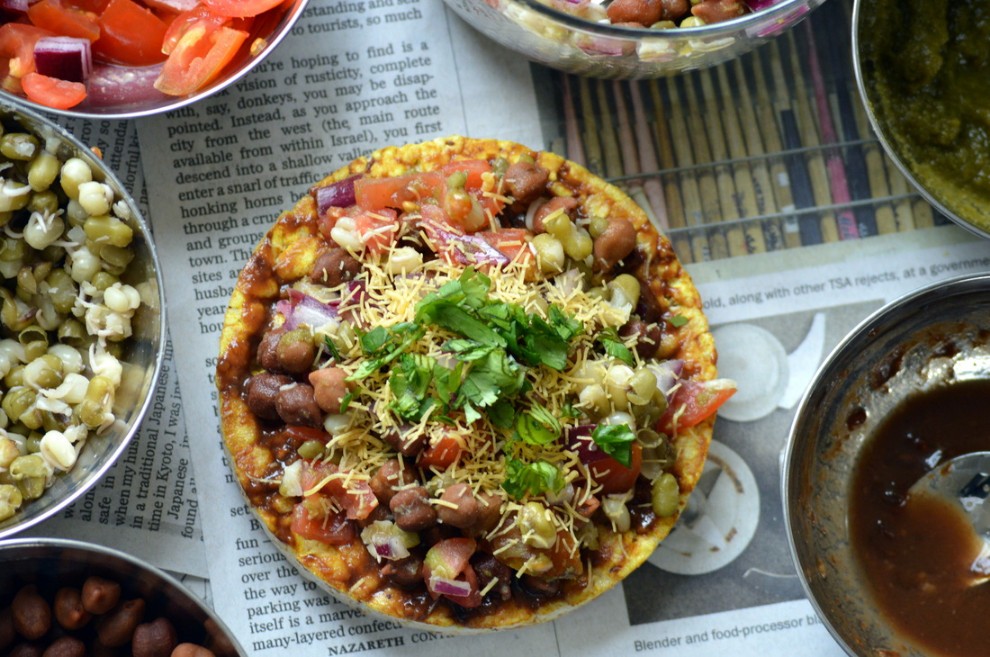
Who doesn’t like street food? It is inexpensive and of course high on the taste factor. Most of the time, when we buy food from roadside vendors, they wrap the product in newspapers. Is it really safe?
Where does the problem lie?
When the roadside vendor wraps the food in newspaper, he in a way is inflecting us with diseases. According to studies published by Food Safety and Standards Authority of India (FSSAI), newspapers cause food contamination. The printing ink used in newspapers is carcinogenic in nature. In other words they can cause cancer.

Newspapers are printed in carbon ink. This carbon ink can lead to health hazards. Food grade ink is a better option. Food grade inks are substances which do not cause health hazards. Unfortunately, not many people are aware of them.
Research shows that newspaper ink contain aromatic hydrocarbons and naphthylamine. They cause lung and bladder cancer.
It is well known that most of the time greasy food is wrapped in newspapers. The oil as a result, absorbs or soaks in the carbon ink. What can follow requires no description.
What precautions can we take?
The precaution is simple. Don’t wrap food in newspapers. That is mandatory. Use of newspapers for food wrapping should be discouraged.
The Aftermath…
Food is the basis of life and all existence. There were times when man devoured on fruits and green leafy vegetables. However, the fast food culture has changed it all. People are indulgingon fast and oily food products on an alarming rate. As though that was not enough, various repercussions and side effects are adding on.
We should immediately ban newspaper wrapping. FSSAI is taking a step in right direction. They are educating people about the aftermaths of this harmful act. We too, as individuals should not use newspaper wrapped food. And if the food is wrapped, we should take care that only edible ink is use. Edible ink is also known as food ink.
Prevention is better than cure. So, next time take care while you eat street food. Better safe than sorry.
FDA to crack down against mangoes ripened with carbide
Kolhapur: The Kolhapur unit of the Food and Drug Administration (FDA) will conduct an inspection drive to identify mangoes ripened by using carbide and take strict action against the traders involved in the practice.
Assistant commissioner M S Kembalkar of the FDA told TOI on Wednesday that the mango ripened by using carbide is harmful to health and the chemical is banned under the Food Safety and Standards Act (FSSA), 2006 and Regulations (FSSR), 2011.
He said the mango season is about to start and the department will take strict action against the traders found using carbide. "Some traders use this short-cut to artificially ripen the fruit. Carbide is a carcinogenic substance and one should refrain from using it," he said.
Kembalkar appealed to the mango traders to disengage from any such activity and inform the FDA if they find anyone using carbide.
Another FDA official said that every year, such inspection drives are carried out across the city, during which mango boxes with carbide packets are destroyed immediately.
"In the last few years, artificially ripened mangoes worth lakhs of rupees have been destroyed," he said, adding that the banned chemical must not be used.
Jayan Watave, a medical practitioner, said, "The use of calcium carbide turns the outer skin of the fruit yellow and even makes it saffron, but , the inner portion remains unripe. The fruit looks ideal for consumption but the sweetness is missing. Carbide kills the sugary content and every other nutrient before the fruit goes into the human body."
A city-based general physician said that not only mango but any fruit ripened using artificial methods causes health problems. "People should refrain from eating such fruits. Carbide is a carcinogenic substance that has toxic effect on the body. Its long-term effects are not proven, but it is potentially very harmful."
Prakash Vichare, a veteran paediatrician, said that not only mangoes, but any fruit ripened with the help of carbide is harmful for human beings.
FDA seizes banned kharra, tobacco and betel nut in Nagpur
NAGPUR: The Food and Drug Administration (FDA) has seized banned kharra, scented tobacco and betel nut valued at Rs61,000 from 28 pan stalls across the city.
FDA Joint Commissioner (food) S R Kekare told TOI that the FDA was keeping a watch in the certain suspected areas. These pan kiosks in Reshim Bagh, Manewada square, Medical square, Tukdoji Putla square, Chhota Tajbagh, Gaddigodam and Jaripatka area were under watch.
"We caught sellers red-handed at eight pan kiosks and seize banned material comprising scented tobacco, kharra and scented betel nuts valued at Rs 61,315," said Kekare.
The team which seized the material during the raid included assistant commissioner of FDA (food) M Pawar, food safety officers Sheetal pande, Seema Surkar, Abhay Deshpande, Manoj Tiwari, Anand Mahajan, Pravin Umap, Vinod Dhawad, Lalit Soyam, Raviraj Dhbarde, Kiran Gedam, G Wasabe, Anant Chaudhary and Amit Uplab.
Any citizen can inform the FDA about illegal sale of these items on phone number 0712-2562204.
Food Safety Officials recovers huge amount of contraband tobacco products
Port Blair, Mar 01: The Food Safety Officials under the overall supervision of Commissioner Food Safety conducted surprise raids at various places in South Andaman District and recovered huge amount of contraband tobacco products from shopkeepers as well as general public.
The Commissioner Food Safety has deputed two Food Safety Officers at Air Cargo Complex and at Haddo Wharf for regular checking of cargoes arriving from mainland through air or ship. On 24/02/2017, the Food Safety Officer on duty at Air Cargo Complex detected two suspected unclaimed parcels which was opened and found that loose tobacco products about 300 gms in a jar of Boost and from another package recovered 20 tins of Baghban brand zarda.
On 27/02/2017 at Marine Hill area, a surprise raid was conducted at the food premises of Smti.Hemawathi, R/o Marine Hill and recovered 11 packets of readymade zarda pan.
As per an information received from the Dog Squad, SB, CID, Port Blair a parcel addressed to Shri. A.Majid R/o Sisty Nagar was recovered from the Head Post Office, which was opened in the presence of Post Master, accused and police personnel and recovered 150 Nos. of Baghban(69) brand zarda.
The accused person admitted that the contraband product was his own. Again on 28/02/2017 the Station House Officer, CCS, Port Blair informed arrival of some suspected items at Bambooflat area and a team consisting of Food Safety Officer, Station House Officer, CCS, Port Blair and other Police personnel reached Bambooflat from there the SHO led the team to Bambooflat Post Office, where two unclaimed parcels were found which was opened and found 142 pouches Baghban zarda.
All the contraband items were seized under the appropriate section of the Act and legal proceedings are being initiated against the offenders under Food Safety and Standards Act’2006.
Further, the general public as well as business communities are requested not to involve in the trade of contraband tobacco products and if any information is available with them may be communicated to Mobile No. 9434280018 of Commissioner Food Safety or telephone No. 03192-238881/231024(Food Safety Section) or 1070 (Toll Free).
FDA asks Goa Dairy to put systems in place to address customer issues
The directions were issued after FDA received complaints of foul odour from the Goa Dairy milk. On Tuesday, FDA Director Salim Veljee during a meeting with Goa State Cooperative Milk Producers’ Union, instructed the milk cooperative to take up measures to avoid further public outcry
PANJIM: Stepping up mechanisms to provide customer satisfaction, Director of Food and Drug Administration (FDA) has directed Goa Dairy to set up a consumer grievances redressal cell to address complaints.
The directions were issued after FDA received complaints of foul odour from the Goa Dairy milk. On Tuesday, FDA Director Salim Veljee during a meeting with Goa State Cooperative Milk Producers’ Union, instructed the milk cooperative to take up measures to avoid further public outcry.
Herald is in possession of a Goa Dairy milk sample test report, carried out by a private agency between February 16 and 18, which observed ‘odour which is not associated with a normal milk packet’.
Speaking to Herald, Goa Dairy Chairman Madhav Sahakari said, “We are coming up with complaint book at every milk booth so that consumer can file the complaint at the place of purchase and also come up with a customer care number which will be free of charge, so that the customer can inform us over the phone.”
Regarding the complaints of foul odour he said the dairy will undertake studies to find the reasons for the unpleasant smell, if any, in their milk.
Meanwhile, Veljee said that the milk supplied in Goa has passed all tests for adulterants and the reports have been negative. He said “We have received complaints of unpleasant smell from Goa Dairy milk and initial studies have pointed out that the fault could be with the fodder that is being fed to the cattle. The management will carry out further investigations and take corrective measures.”
He said that Goa Dairy has been given a month’s time (March) to execute and comply with the directions.
Stating that milk supplied in the state qualifies the standards of quality desired, he said “In the last three years the department has carried out 115 tests from 10 different milk supplying companies in the State and none of the samples tested positive for adulterants.”
However, one sample tested positive for sugar content, but as per law sugar is not an adulterant but the milk is considered to be non-compliant to the standards.
Veljee further informed that the as per the law and Food Safety and Standards Authority of India (FSSAI) rules, 13 substances have been defined as adulterants which include urea, synthetic milk, sodium hydroxide and melamine amongst others.
FDA still unsure if drinking water cans need to be sealed
Nagpur: To curb the sale of non-potable water, the ministry of health and family welfare has made it mandatory to sell packaged drinking water in sealed containers. However, the Food and Drugs Administration (FDA) seems to be washing its hands of enforcing the new law.
A notification issued by the ministry on November 15, 2016, describes amendments made in the Food Safety and Standards (Food Products Standards and Food Additives) Regulations, 2011. Defining 'packaged drinking water' as "water, other than natural mineral water, that is likely used for human consumption and is offered or sold in a packaged form", the new regulations state that it has to be filled in sealed containers.
In September last year, TOI was the first to report how city's water filtration units were selling drinking water in chilled cans and jars. The units were running without licenses from Bureau of Indian Standards (BIS) or Food Safety and Standards Authority of India (FSSAI), which are mandatory for selling packaged drinking water. The unhygienic and unmonitored conditions at the units raised serious concerns over the quality of 'drinking' water that was being sold to people.
While many feel that the "new definition ends all ambiguity", allowing authorities to take action against such units, FDA still seems unclear. "The rules are for packaged drinking water and will not necessarily include water sold in cans or jars. We will have to look into it," said Motiram Chapla Pawar, assistant commissioner of FDA, Nagpur.
On the other hand, associations of packaged drinking water have countered that the regulations are applicable for water that is packed in any form and sold for human consumption. The Food Safety and Standards Act, 2006, defines package as "pre-packed box, bottle, casket, tin, barrel, case, etc".
"The definition widely covers everything and water sold in chilled cans or jars also come under packaged drinking water. All these years, FDA did not take action due to lacunae in the rules. But now it is clear that water has to be sold in sealed containers only," said Apurva Doshi, chief coordinator of Federation of All India Packaged Drinking Water Manufacturers Association.
Replying to a RTI query regarding action on illegal water manufacturing units, the FDA stated that it will act after March 1, when the new rules come into force. "If they are still not sure if it comes under their purview, why did they assure to take action," said hydrogeologist Vishal Doifode.
Santosh Sinha, president of Packaged Drinking Water Manufacturer's Welfare Association, Nagpur, said that around 750 units are operating in the city without BIS or FSSAI license. Doshi said while 5,500 plants in the country are approved by BIS, another 10,000 or so are running without licenses.
J for junk: Experts want label on unhealthy food

HYDERABAD: With the junk food culture effectively taking over the food habits of most youngsters in the country and playing havoc with their health, experts are calling for mandatory labelling of such foods with the letter J.
Unlike the Food Safety and Standards Authority of India(FSSAI) rule that makes it mandatory for manufacturers to mark vegetarian and non-vegetarian food with green and red dots respectively, there is no identification mark that differentiates healthy diet from junk food. What's more, India does not even have a statutory definition of junk food, making it difficult for people to make healthy diet choices, say nutrition experts.
"Food products like soft drinks, chips, pizzas, fried food and high calorie biscuits should have "J" marking for easy identification. Most Indians do not understand nutrition table," said nutritionist Radha Puri. She suggested that the FSSAI develop a standard measure based on which food falling in the junk category can be identified.
Such a move can't come sooner, say experts who point to the long-term health hazards of junk food. Even the World Health Organisation (WHO) has warned that junk food robs a substantial portion of lifespan while also exposing people to lifestyle diseases. According to WHO, 2.8% of all deaths in the world is due to unhealthy food devoid of fruits and vegetables.
Nutrition expert D Sarkar said that junk food cause health disorders such as obesity, aversion towards home-made nutritious foods and even to poor academic performance. A WHO report on unhealthy food calls for "adequate consumption" of fruits and vegetables as they "reduce the risk of cardiovascular diseases, stomach cancer and colorectal cancer". Since junk food contains high amount of dietary salt and fat, they have a negative impact on one's blood pressure and cardiac health as well.
Dental surgeon Dr Nashwa Sultana Omer suggests that one should eat diet that has a high fibre and calcium content instead of junk food that accelerates decay of teeth and gums.
Subscribe to:
Posts (Atom)