Dec 3, 2014

Food recall notification on probiotic supplement; product still selling

The country’s lack of an efficient food recall mechanism has once again come to the fore.
In this regard, while FSSAI (Food Safety and Standards Authority of India) has uploaded a notification about the recall of Solgar ABC Dophilus Powder (a probiotic health supplement manufactured by a company in USA) on its website last week, many Food and Drug Administration (FDAs) and Food and Drugs Control Administration (FDCAs) and other regulatory compliance bodies in India are found to be unaware of the development.
While it is understood that issuing of and acting on notification does take time, what is alarming is that the said notification cites a preterm infant death in the United States as it was infected by Mucormycosis following the ingestion of the product. It further talks about how it can be hazardous to infant, children and those having low immunity if it is used by them.
Hence, it is a matter of concern that most compliance bodies have either not received the notification or seem to have treated it like other routine communication extended by FSSAI. For example, both Gujarat FDCA and Maharashtra FDA had not received it yet while an official from Tamil Nadu on the condition of anonymity admitted that they were yet to go through it.
Compliance bodies
Dr H G Koshia, commissioner, Food and Drugs Control Administration (FDCA), Gujarat, explained, “We are yet to receive a letter from FSSAI regarding Solgar’s recall. But since the notification has been uploaded onto the website, we would take action against pharmacists, retailers, wholesalers and e-tailers who are selling the recalled product.”
He added, “In India, food recall is still at a primitive stage, and there is no proper recall mechanism in place. There have been various deliberations by the food regulator about laying down the guidelines for the same, but they are in the initial stages, and it would take some time. In order to implement food recall in an effective manner, each department must be brought under a single umbrella.”
Meanwhile, Purushottam Bhapkar, food commissioner, Food and Drug Administration (FDA), Maharashtra, stated, “We have not received any letter from FSSAI, and that is the reason why we are unaware about the recall of any such product.”
This being the scenario, the product is still being sold at many retailers, pharma chains, and other outlets in the country, apart from being available on the Internet. Speaking on the condition of anonymity, an official from e-tailer Snapdeal.com said, “Solgar ABC Dophilus powder is in stock.” When quizzed about the recall of the product, she stated, “We are neither aware of any notification by FSSAI, nor have we received any letter regarding the suspension of the recalled product in India. Hence we are selling it.”
FSSAI take
Meanwhile, Vinod Kotwal, director, Codex and enforcement, FSSAI, answered a few queries on the issue. Excerpts:
In India there is no recall mechanism. So how would you ensure that all concerned including those who are selling on Internet comply with this recall?
Section 28 of the Food Safety and Standards Act-2006 deals with the provision of food recall procedure, which is as under:
(1) If a food business operator considers or has reasons to believe that a food which he has processed, manufactured or distributed is not in compliance with this Act, or the rules or regulations, made thereunder, he shall immediately initiate procedures to withdraw the food in question from the market and consumers indicating reasons for its withdrawal and inform the competent authorities thereof.
(2) A food business operator shall immediately inform the competent authorities and co-operate with them, if he considers or has reasons to believe that a food which he has placed on the market may be unsafe for the consumers.
(3) The food business operator shall inform the competent authorities of the action taken to prevent risks to the consumer and shall not prevent or discourage any person from cooperating, in accordance with this Act, with the competent authorities, where this may prevent, reduce or eliminate a risk arising from a food.
(4) Every food business operator shall follow such conditions and guidelines relating to food recall procedures as the Food Authority may specify by regulations.
What about the people who are already using the product? How would awareness be created among them?
In this particular case, the problem is restricted to a few lots and information has been e-mailed to all the concerned authorities, including those in the states / UTs, in this regard apart from being put on FSSAI’s website for public awareness.
Since the risk factor is huge - uncontrolled diabetes, cancer etc. - among infant and children the recall has to be quick. So how would the country ensure this without proper recall mechanism and infrastructure? 
As per Sub-sections (1), (2) & (3) of Section 28, the primary responsibility regarding the recall of food products rests with the food business operators. Recall of food, which is found to be unsafe at any stage, is a challenging process in the Indian context, especially when the retail distribution / sale business does not maintain the particulars and database of the purchasers thereof. However, for the present, it is feasible to block its further sale from out of the unsold stocks with the FBOs. Keeping this peculiarity in view, a draft notification i.e. Food Safety and Standards (Recall Procedures) Regulation has been prepared and the same will be put in the public domain for comments / feedback from stakeholders on the same regarding the procedures of recalling the food products.
Many of the FDAs in the country and some Internet portals are not aware of the recall even now. Would not this scenario be dangerous for infants and children?
It is expected that the authorities recommending the product usage and those using the said product are also responsive to the recall notice. Since the advisory stands addressed to all possible stakeholders, it is expected to achieve the desired outcome.

DINAMALAR NEWS


DINAMALAR NEWS


Health department fails to implement food safety rules

The district health office has failed to strictly implement the Food Standards and Safety Rules (FSSR) 2011, in the district. Since the implementation of the norms in the district, only around 10% vendors, dealing in food items, have registered themselves with the health department.
Officials at the health department said that the state government was not strict on implementing the licensing process and keeps on extending the deadline for registration of the shops with the department. The last deadline expired on August 31, 2014.
A few days before the expiration of the deadline, the municipal commissioner's office had announced that the deadline for getting registered with the department under the Act, mandatory for all food suppliers of the district, would not be extended, however a few days before its expiry, it was again extended for six months.
Sukhrao Singh, an official of the department, said, "Due to the constant extension of the deadline, vendors are not taking the registration process seriously. Some of the vendors, who got registered under the FSSA in 2011 for five years, are now red-faced for getting themselves registered, whereas other shops in their vicinity are functioning without registration."
This is not the only problem, the district received nearly Rs. 5 crore for strengthening the food and drug administration (FDA), which was in accordance with an order passed by the Supreme Court. However, sources within the health department said that not a single penny has been spent till date.
A separate office and department was to be built for the officials of the health department dealing with food adulteration in the district. A right to information (RTI) application filed by this reporter clearly stated that the department has been created, but the information failed to mention the cost incurred in the process, despite the query being in the application.
It is a classic case of creating a department on pen and paper, but without any proper implementation at the grassroots-level. A visit to the food safety office, located in the civil surgeon's office complex, clearly shows that the department created is a single room office, with negligible facilities.
The officials working here have to run from pillar to post for getting facilities to carry onheir work. The height of irony is that the district health department started online registration of food vendors, but not a single computer has been installed in this one-room office for the purpose.
The department is completely dependent on the civil surgeon's office for basic amenities needed for keeping a tab on food adulteration in the district.
Balwinder Singh, district health officer, said, "Braving all these problems, our department is very prompt in handling adulteration-related issues."

Dec 2, 2014

NCDEX takes step to release 6,400 tonnes of pepper


Asks depositors to bear cost for cleaning
KOCHI, DECEMBER 1: 
The National Commodities and Derivatives Exchange (NCDEX), following a direction from the Kerala High Court in August, has initiated action to clean 6,400 tonnes of pepper which were found to have been contaminated with mineral oil. The stocks have been lying in warehouses for over 18 months now.
In a bid to get the stocks released after removing the mineral oil, NCDEX has notified all the depositors of pepper in its accredited warehouses that they should bear all the costs for cleaning.
The Kerala High Court on August 28 directed the Food Safety authorities to allow the exchange to clean the pepper stocks without prejudice to the exchanges’ rights/claims, etc., against any party for the costs incurred.
Based on the Court order, the notification said, the exchange has taken up the matter with the food safety authorities for initiating cleaning process and will complete it according to the orders passed by the High Court and authorities’ directions incurring necessary costs and charges. Consequently, the exchange has decided to pass on the costs/charges to the depositors.

EU may lift ban on import of Indian mangoes this month

NEW DELHI: The European Union is likely to lift the ban on import of mangoes and other vegetables from India this month, according to a senior government official.
In April this year, the 28-member European Union had temporarily banned the import of Alphonso mangoes and four vegetables from India from May 1.
"Recently, the EU's Food and Veterinary Office (FVO) team visited here to inspect our pack houses and other facilities, hope they will soon lift the ban from import of mangoes and other vegetables," Export Inspection Council of India director S K Saxena told PTI.
He was speaking on the sidelines of CII National Food Safety and Quality Summit here.
When contacted, sources in APEDA confirmed that EU's team has visited India and added that EU's team also deliberated in detail with officials of National Plant Protection Authority (NPPA) and Agriculture APEDA (on this issue), so far the talks have been positive.
Sources in APEDA added: "The team was satisfied with our facilities and has already filed a report which will be deliberated with member countries."
Earlier, commerce and industry minister Nirmala Sitharaman had also said that Food and Veterinary Office of European Commission had agreed to send an audit team to verify improvement in plant health controls and certification system with regard to fruits and vegetables.
India has taken several measures, including enhancement of capacity and numbers of inspecting staff and improvement in infrastructure, implementation of a standard operating procedure to guarantee safe exports.
In addition to that, the country has also routed all export consignments of perishables to EU through approved pack houses from April 1 to enable better inspection and certification.
India has not only informed the EU regarding implementation of these control systems but also formally conveyed our disagreement on the temporary restriction imposed by the EU, Sitharaman had said.
In 2013-14, India exported mangoes worth Rs 5,022 lakh (3,933 tonnes) as against Rs 3,559 lakh in 2012-13 (3,890 tonnes).

குடிநீர் சுகாதாரமாக உள்ளதா?

பரமக்குடி, டிச. 2:
பரமக்குடி நகரில் கடைகளில் விற்கப்படும் குடிநீர் சுகாதாரமாக உள்ளதா என்ற கேள்வி எழுந்துள்ளது. இதுகுறித்து சுகாதாரத்துறை அதிகாரிகள் உடனடியாக நடவடிக்கை எடுக்க வேண்டும் என பொதுமக்கள் வலியுறுத்தியுள்ளனர்.
ராமநாதபுரம் மாவட்டத்தில் குடிநீர் பிரச்னையை தடுக்க அரசு காவிரி கூட்டுக்குடிநீர் திட்டத்தை செயல்படுத்தி வருகிறது. இருப்பினும் பொதுமக்கள் தங்களது தேவைக்காக மினரல் வாட்டர், பாக்கெட் குடிநீரை அதிகம் பயன்படுத்துகின்றனர். பாட்டில்கள், கேன்கள், பாக்கெட்டுகளில் அடைத்து விற்கப்படும் குடிநீர் ஐஎஸ்ஐ முத்திரையுடன் இருக்க வேண்டும் என்ற விதிமுறை உள்ளது. பரமக்குடி நகர் பகுதியில் இந்த விதிமுறை பின்பற்றப்படுகிறதா என்ற கேள்வி எழுந்துள்ளது.
குறிப்பிட்ட சில கடைகளில் விற்கப்படும் பாக்கெட் குடிநீரில், பிளாஸ்டிக் வாசம் அடிக்கிறது. கேன்களில் விற்கப்படும் குடிநீரில், ரசாயன வாசம் அடிக்கிறது. ஏற்கனவே இதுதொடர்பாக அதிகாரிகள் ஆய்வு செய்தபோது பல கடைகளில் சுகாதாரமில்லாமல், ஐஎஸ்ஓ முத்திரை இல்லாத தண்ணீர் கேன்கள், பாக்கெட்டுகள் விற்றது தெரியவந்தது. அவை பறிமுதல் செய்யப்பட்டு அழிக்கப்பட்டன. தற்போது மீண்டும் சுகாதாரமற்ற குடிநீர் விற்பனை செய்யப்படுவதாக புகார் எழுந்துள்ளது.
இதுகுறித்து பரமக்குடியை சேர்ந்த ரமேஷ் கூறுகையில், `பரமக்குடியில் குறிப்பிட்ட சில கடைகளில் விற்கப்படும் குடிநீரின் சுகாதாரம் கேள்விக்குறியாகியுள்ளது. புதிய பெயரில் தரம் இல்லாத கம்பெனிகள் குடிநீரை விநியோகம் செய்கின்றன. சில தண்ணீர் பாக்கெட்டுகளில் ஐஎஸ்ஐ முத்திரை இருந்தும் தண்ணீரில் தரமில்லை. குடிநீரில் துர்நாற்றம், பிளாஸ்டிக் வாசம் அடிக்கிறது. இத்தொழிலில் பல்வேறு நிறுவனங்கள் ஈடுபட்டுள்ள நிலையில் அவை அனைத்தும் அரசின் அங்கீகாரம் பெற்றுள்ளதா என தெரியவில்லை’ என்று கூறினார்.
விரைவில் அதிரடி ஆய்வு
இதுகுறித்து சுகாதாரத்துறை அதிகாரிகளிடம் கேட்டபோது, `கடைகளில் டீத்தூள், பருப்பு, மசாலா என அனைத்திலும் கலப்பட பொருட்கள் சேர்ந்து விற்பனை செய்யப்படுகிறது. இதுகுறித்து ஆய்வு நடத்தப்படுகிறது. கடைகளில் விற்கப்படும் குடிநீரின் தரம் தொடர்பாக அவ்வப்போது ஆய்வு செய்து வருகிறோம். இதில் பிடிபடும் கடைக்காரர்களிடம் தயவு காட்டுவது கிடையாது. விரைவில் மீண்டும் அதிரடி ஆய்வு நடத்த உள்ளோம்’ என்றனர்.

DINAMALAR NEWS


திருப்போரூர் சோதனை நடத்த கோரிக்கை மார்க்கெட்டில் விற்கப்படும் மீன்கள் தரமானதா? சோதனை நடத்த கோரிக்கை


திருப்போரூர், டிச.2:
திருப்போரூர் மீன் மார்க்கெட்டில் விற்கப்படும் மீன்கள் தரமானதா, ஐஸ் மீனா என அதிகாரிகள் சோதனை நடத்தவேண்டும் என கோரிக்கை விடுக்கப்பட்டுள்ளது.
திருப்போரூரில் 100 ஆண்டுக்கு மேலாக மீன் மார்க்கெட் செயல்பட்டு வருகிறது. கிழக்கு கடற்கரை சாலையில் உள்ள புதிய கல்பாக்கம், சூளேரிகாடு, பட்டிபுலம், சாலவான்குப்பம் உள்ளிட்ட கிராமங்களை சேர்ந்த மீனவர்கள் கடலுக்கு சென்று பிடித்து வரும் மீன்களை இங்கு வைத்து விற்பனை செய்து வருகின்றனர். நீண்டகாலமாக கட்டுப்பாடுடன் தரமான மீன்களை விற்கவேண்டும் என்ற எண்ணத்தில் மீனவ பெண்கள் மீன்களை விற்று வந்தனர்.
ஒரு காலத்தில் ஐஸ்ஸில் வைத்த மீன்களை கொண்டு வந்து இந்த மார்க்கெட்டில் விற்பனை செய்தால் அவர்களை மீனவ பஞ்சாயத்து சபையினர் கண்டித்து அபரா தம் விதிப்பார்கள். காலப்போக்கில் இந்த கட்டுப் பாடு தளர்த்தப்பட்டு ஐஸ்சில் வைத்த மீன்கள் விற்கப்படுகிறது. கடந்த சில ஆண்டாக சென்னையில் இருந்து லோடு ஆட்டோக்களில் மீன்கள் கொண்டு வரப்பட்டு மார்க்கெட் வளாகத்தில் ஐஸ் பெட்டிகளில் அடுக்கி வைத்து விற்பனை செய்யப்படுகிறது. சில நேரத்தில் 10 நாட்கள் ஐஸ் பெட்டியில் வைக்கப்பட்ட மீன்கள் விற்பனை செய்யப்படுகிறது. இந்த மீன்களை வாங்கி செல்லும் பொதுமக்கள் பல்வேறு நோய்களுக்கு ஆளாகின்றனர். கட்டுமரம் மற்றும் சிறு பைபர் படகுகளில் பிடித்து வரப்படும் மீன்கள் அன்றைய தினமே விற்கப்படுகிறது. ஆனால் சென்னை போன்ற பகுதிகளில் விசை படகுகள் மூலம் பிடிக்கப்படும் மீன்கள் 15 நாட்கள் வரை ஐஸ் பெட்டியில் வைத்து விற்கப்படுவதால் மீன்களின் சுவை மாறிவிடுகிறது.
திருப்போரூர் மீன் மார்க்கெட்டில் விற்கப் படும் மீன்கள் புதியதா? தரமானதா என உணவு பாதுகாப்பு அதிகாரிகள் அவ்வப்போது சோதனை நடத்தி உரிய நடவடிக்கை எடுக்கவேண்டும் என அப்பகுதி மக்கள் கோரிக்கை விடுத்துள்ளனர்.

Dec 1, 2014

கொஞ்சம் குழம்பு கொஞ்சம் பிளாஸ்டிக் விஷமாகிறதா உணவு?


தொலைதூரப் பயணங்களின்போது அரிதாக ஹோட்டல் உணவுகளைப் பயன்படுத்தியவர்களுக்குக்கூட, இன்று ஹோட்டல் உணவு அத்தியாவசியமாகிவிட்டது. சட்னி, சாம்பார் தொடங்கி சாதத்தைக்கூட பிளாஸ்டிக் டப்பா, பாலித்தீன் கவர்களில் பார்சல் செய்துதான் தருகிறார்கள். கையேந்தி பவன், ஸ்டார் ஹோட்டல் என எல்லா இடங்களிலும் பிளாஸ்டிக்கையே, நாகரிக வாழை இலையாகப் பயன்படுத்துகின்றனர். சில இடங்களில் சாப்பிடுவதற்கும் தட்டின் மேல் பிளாஸ்டிக் இலை அல்லது பிளாஸ்டிக் காகிதம்தான் விரிக்கிறார்கள். ஒவ்வொரு வேளை உண்ணும்போதும் கொஞ்சம் பிளாஸ்டிக்கும் உள்ளே போவதுதான் அதிர்ச்சி.
ஹோட்டல்களில் நாம் சாப்பிடுவது இட்லி, தோசை, சாதம் மட்டுமல்ல; கூடவே பிளாஸ்டிக்கில் இருக்கும் ரசாயனங்களும்தான். உணவுப் பொருட்களை பிளாஸ்டிக் கவர்களில் பேக் செய்வதால் ஏற்படும் ஆபத்துகள் பற்றிச் சொல்கிறார் சுற்றுச்சூழல் ஆர்வலரும், ஆய்வாளருமான நித்யானந்த் ஜெயராமன்
நல்ல பிளாஸ்டிக்?
‘நல்ல பிளாஸ்டிக்’ என்கிற ஒன்று இல்லவே இல்லை. பிளாஸ்டிக்கை மோசமானது, மிக மோசமானது என்றே வகைப்படுத்த முடியும். ஒரு லட்சம் சிந்தடிக் கெமிக்கல்கள் பிளாஸ்டிக்கில் உள்ளன. அதில் ஆறாயிரத்தை மட்டுமே இதுவரை ஆய்வு செய்துள்ளனர். மீதம் உள்ளவை என்ன தீமைகளை ஏற்படுத்தும் என யாருக்குமே தெரியாது.
பொருளாதாரத்தில் வளமாக உள்ள, சத்தான உணவு உண்பவர்களின் ரத்தத்தை ஆய்வு செய்து பார்த்தபோது, அதில் 275 ரசாயனங்கள் இருந்திருக்கின்றன. அவர்களுக்கே இந்த நிலை என்றால் பிற மக்களின் நிலை இன்னும் மோசம்.
பிரஷ் முதல் பால் வரை!
நம் அன்றாட வாழ்வில் காலையில் பல் துலக்குவதில் தொடங்கி இரவில் பால் குடிப்பது வரை எங்கும் எதிலும் பிளாஸ்டிக்தான். பிளாஸ்டிக் பிரஷ், பிளாஸ்டிக் ப்ளேட், பாக்கெட் பால், லன்ச் பாக்ஸ், வாட்டர் பாட்டில் என எங்கும் பிளாஸ்டிக் மயம். பிளாஸ்டிக் பொருட்களில் சூடான உணவை வைக்கும் போது பிளாஸ்டிக்கில் உள்ள ரசாயனம் உணவோடு கலந்து விடும். இப்படி ஒவ்வொரு நாளும் தெரிந்தும், தெரியாமலும் ரசாயனங்கள் உணவு மூலமாக தினமும் நம் உடலில் சேர்கின்றன. இதனால் பலவிதமான நோய்களும், குறைபாடுகளும் ஏற்படுகின்றன” என்றார். பிளாஸ்டிக்கில் உள்ள ரசாயனங்கள் உணவோடு கலந்து பின்விளைவுகளை எப்படி ஏற்படுத்துகின்றன என்பதைப் பற்றி விளக்குகிறார் சுற்றுச்சூழல் ஆர்வலரான விமல்ராஜ்.
“பிளாஸ்டிக் பொருட்கள் தாலேட்ஸ் (Phthalates) இல்லாமல் உருவாக்கப்படுவது இல்லை. தாலேட்ஸ்தான் பிளாஸ்டிக்கை மென்மையாக்கவும் வளைக்கவும் உதவுகிறது. இதில் ஏழு வகையான தாலேட்ஸ்கள் மிக ஆபத்தானவை. நாம் வாங்கும் வாட்டர் பாட்டிலின் அடிப்பகுதியைப் பார்த்தால், முக்கோண வடிவில் எண் 1 என்று குறிப்பிடப்பட்டிருக்கும். அதே போல பாட்டிலின் லேபிளிலும் ‘ஒருமுறை பயன்படுத்திய பின் தூக்கி எறியுங்கள்’ என்று குறிப்பிடப்பட்டிருக்கும். இதை நாம் கவனிக்காமல் பல நாட்களுக்கு அதே பாட்டிலைப் பயன்படுத்தி வருகிறோம். மலிவான விலையில் உற்பத்தியாகும் பாட்டிலில் இருந்து டி.இ.எச்.பி (Di(2-Ethylhexyl) Phthalate (DEHP)) என்ற ரசாயனம் வெளியாகி நீருடன் கலக்கும். இது புற்றுநோய் உண்டாக்கும் காரணியாக மாறுகிறது.
தாலேட்ஸ் உள்ள பி்ளாஸ்டிக்கைப் பயன்படுத்துவதால் ஆண்களுக்கு இயல்புக்கு மீறிய பாலின உறுப்புகள் வளர்ச்சி, ஆண்மைக்்குறைவு, குழந்தை களுக்கு மார்பக வளர்ச்சி, பெண்களுக்கு அதிக மார்பக வளர்ச்சி, கருச்சிதைவு, குறைப்பிரசவம், ஆஸ்துமா போன்ற பிரச்னைகள் ஏற்படுகின்றன. எனவே, முடிந்தவரை பிளாஸ்டிக் பொருட்களைத் தவிர்ப்பது நல்லது” என்றார்.
பிளாஸ்டிக்கால் ஏற்படும் பாதிப்புகளைப் பற்றி விளக்குகிறார் பொதுநல மருத்துவர் நாராயணன்.
‘‘ஹோட்டலில் 40 மைக்ரான்கள் கொண்ட கவர்களில்தான் உணவை பேக் செய்கிறார்கள் என்று உறுதியாகச் சொல்ல முடியாது. ஆவி பறக்க, சூடான சாம்பார், ரசம், பொரியல் என பேக் செய்யும் கவர்கள் நிச்சயம் அதிக மைக்ரான்களால் தயாரிக்கப்படுவது இல்லை. கவரில் உள்ள டயாக்சின் (Dioxin) என்ற ரசாயனம் உணவோடு சூடாகக் கலக்கும்போது வயிற்றுக் கோளாறு, பசியின்மை, வயிற்றுப் போக்கு போன்றவை ஏற்படும். தொடர்ந்து ஹோட்டல் உணவையே பார்சல் செய்து சாப்பிட்டுக்கொண்டிருந்தால் மலட்டுத்தன்மை வருவதற்கு வாய்ப்புகள் அதிகம். .


பார்சல் உணவைப் பாதுகாப்பாய் மாற்ற...
அலுமினியம் ஃபாயில், பிளாஸ்டிக் கவர், பேப்பர் கப் என எந்த உணவு கவராக இருந்தாலும் அதில் ஐ.எஸ்.ஐ தர முத்திரை உள்ளதா என பார்த்து வாங்க வேண்டும். 40 மைக்ரான்கள் அடர்த்தி கொண்ட கவரில் பார்சல் செய்து தரும்படி கேட்கலாம். பிளாஸ்டிக் கவர்களிலேயே ஃப்ரிட்ஜில் வைக்கக்கூடிய கவர்கள் என பிரத்யேகமாகத் தயாரிக்கப்படுகின்றன. 40 டிகிரி ஃபாரன்ஹீட்டுக்குக் கீழ் என்று உள்ள கவரை மட்டுமே ஃப்ரிட்ஜ் மற்றும் ஃப்ரீசரில் வைக்கலாம்.
ஹோட்டலில் பார்சல் வாங்கும் முன் சாப்பாட்டை, வாழை இலையில் கட்டித் தரச் சொல்லுங்கள். சாம்பார், ரசம், பொரியல் எனில் வாழை மட்டை, தென்னை மட்டை, பனை மட்டை, பாக்கு மட்டை என இயற்கைப் பொருட்களால் தயாரிக்கப்பட்ட பாத்திரங்களில் பேக் செய்து தர வேண்டும் என ஹோட்டல் உரிமையாளரிடம் கேளுங்கள்.அந்தக் காலத்தில் ஹோட்டலில் உணவு வாங்கும் போது சாம்பார், ரசத்துக்கு என டிபன் கேரியர் எடுத்துச்செல்வர். அதை இப்போதும் பின்பற்றினால் நல்லது.

பிளாஸ்டிக்கில் கவனம்
குழந்தைகளுக்கான பொருட்களை வாங்கும்போது பி.பி.ஏ ஃப்ரீ (BPA Free), தாலேட்ஸ் ஃப்ரீ (Phthalates free) மற்றும் பி.வி.சி ஃப்ரீ (P.V.C free) என்று குறிப்பிடப்பட்டுள்ளதா என கவனிக்க வேண்டும். அவெனில் (Oven) சமைக்க, எவ்வளவு பெரிய பிராண்ட் தயாரிப்பாக இருந்தாலும் பிளாஸ்டிக்கைப் பயன்படுத்தக் கூடாது. கண்ணாடிப் பாத்திரங்களை மட்டுமே பயன்படுத்த வேண்டும். வீட்டுக்கு வாங்கும் தண்ணீர் கேனின் எண் 2, 4, 5 என அச்சிடப் பட்டிருக்க வேண்டும். பிளாஸ்டிக் பொருட்களை நெருப்பிலிருந்தும், சூரிய ஒளியில் இருந்தும் தள்ளியே வைக்க வேண்டும். பிளாஸ்டிக்குக்குப் பதில் கண்ணாடி, ஸ்டெயின்லெஸ் ஸ்டீல், பீங்கான், மண் பாத்திரம், இரும்புப் பாத்திரம், செம்புப் பாத்திரங்களைப் பயன்படுத்தலாம்.
பிளாஸ்டிக் பயன்படுத்தினால் புற்றுநோய்?
சதீஷ், புற்றுநோய் சிறப்பு மருத்துவர்
'ஹோட்டலில் பேக் செய்து தரப்படும் பிளாஸ்டிக் கவர்கள் மிகவும் மட்டமான பிளாஸ்டிக்கை சேர்ந்தவை. சூடாகவோ, மிதமான சூடாகவோ உணவை பிளாஸ்டிக் கவரால் பேக் செய்தால் பிபிஏ என்ற கெமிக்கல் அதிக அளவில் வெளிவந்து உணவுடன் கலந்துவிடும். தொடர்ச்சியாக 1015 ஆண்டுகள் வரை பிளாஸ்டிக் கவரிலோ, பாத்திரங்களிலோ சாப்பிட்டு வந்தால், புற்றுநோய் வர வாய்ப்புகள் அதிகம். அதுபோல பிளாஸ்டிக் பாட்டிலை பல ஆண்டுகள் பயன்படுத்தினாலும் புற்றுநோய் வர வாய்ப்புகள் உள்ளன. பிளாஸ்டிக் கெமிக்கல்ஸ் உடலில் சேரும்போது ஹார்மோன்களின் இயக்கத்தில் மாற்றம் உண்டாகும். பெண்களுக்கு ஈஸ்ட்ரோஜன் அதிக அளவில் சுரந்து மார்பகப் புற்றுநோய், கர்ப்பப்பை புற்றுநோய் வர வாய்ப்புகள் உண்டு. ஆண்களுக்கு எனில் ப்ராஸ்டேட் புற்றுநோய் வரலாம். அவெனில் சூடு செய்யும்போது பிளாஸ்டிக் கெமிக்கல்ஸ் அதிக அளவில் உணவுவோடு கலக்கிறது, இதனால் ரத்தப் புற்றுநோய் வர வாய்ப்புகளும் அதிகம். சூடு செய்யாமல் லன்ச் பாக்ஸ் போல உணவை எடுத்து சென்றாலும், தொடர்ந்து பிளாஸ்டிக்கைப் பயன்படுத்துகிறோம் என்பதால் மெல்ல மெல்ல பிளாஸ்டிக் கெமிக்கல்ஸ் உணவுடன் கலக்கும். ஆகவே, எந்த வகைகளிலும் பிளாஸ்டிக்கைத் தவிர்ப்பது நல்லது. ''

கண்ணாடியிலும் கவனம்
உணவுப்பொருட்கள் கெட்டுப்போகாமல் பாது காக்கும் பிளாஸ்டிக் பைகளில் பிஸ்பீனால்-ஏ (Bisphenol-A) என்ற வேதிப்பொருள் கலந்திருக்கும். இது மூளை மற்றும் இனப்பெருக்க மண்டலங்களில் பாதிப்பை ஏற்படுத்தக்கூடியது. பிஸ்பீனால்-A பற்றிய விரிவான ஆராய்ச்சியை கனடா மேற்கொண்டு, பீஸ்பீனால் ஏ-யை பிளாஸ்டிக்கில் சேர்க்கத் தடை விதித்திருக்கிறது. ஆனால், இந்தியாவில் சாம்பார் பொடி முதல் பேரீச்சம் பழம் வரை பீஸ்பினால் கலந்த பிளாஸ்டிக் பைகளில் அடைத்துத்தான் விற்கிறார்கள்.
ஜூஸ், பால் மற்றும் பன்னீர் போன்ற பொருட்களை அடைத்து வைத்திருக்கும் பிளாஸ்டிக் பைகளுக்கு பாலியோலெஃபின்ஸ் (Polyolefins) என்று பெயர். இதில் பென்சோபீனோன் (Benzophenone) என்கிற ரசாயனம் இருக்கிறது. இது பெண்களின் இனப்பெருக்க மண்டலத்தைப் பாதித்து, மாதவிடாய்ப் பிரச்னைகளை ஏற்படுத்துகிறது.
கண்ணாடிப் பாத்திரங்கள்தான் உணவைப் பதப்படுத்திவைக்க சிறந்தவையாக கருதப்பட்டு வந்தன. எனினும் சில நிறுவனங்கள் அதிகளவில் செறிவூட்டப்பட்ட உணவுப்பொருட்களைச் சேமித்து வைக்கும்பொருட்டு கண்ணாடிப் பாத்திரங்களில் காரீயம் (led) கலக்கிறார்கள். இந்த காரீயம் உணவுப்பொருளில் கலந்து உடலில் சேரும்போது வாந்தி, கல்லீரல் பிரச்னை, சிறுநீரகக் கோளாறுகள் ஆகியவை ஏற்பட அதிக வாய்ப்புகள் இருக்கின்றன. எனவே, கண்ணாடியிலும் கவனம் தேவை.
பு.விவேக் ஆனந்த்
பிளாஸ்டிக் ரகசியம்
ஒவ்வொரு பிளாஸ்டிக் பொருளிலும் உள்ள குறியீடுகள் அதன் பிளாஸ்டிக் தன்மையை விளக்குகிறத
1 Polyethylene terephtalate (PETE or PET) - தண்ணீர், சோடா, குளிர்பானங்கள் வரும் பாட்டில்கள்.
2 High density polyethylene (HDPE) - பால் கேன், டிடர்ஜன்ட், பழச்சாறு பாட்டில்கள்.
3 Polyvinyl chloride (PVC) உணவை மூட உதவுபவை, சமையல் எண்ணெய் பாக்கெட் மற்றும் பாட்டில்கள்.
4 Low density polyethylene (LDPE) - மளிகைப் பொருட்கள், அழுத்திப் பிழியக்கூடிய பாட்டில், உணவை மூடும் கவர், பிரெட் கவர்
5 Polypropylene - தயிர் கப், யோகர்ட் கப், தண்ணீர் பாட்டில் (cloudy design), மருந்து, கெட்ச் அப், சிரப் பாட்டில்கள், ஸ்ட்ரா.
6 Polystyrene/Styrofoam - மருந்து பாட்டில்கள், மின்விளக்கு ஸ்விட்ச்
7 எண் 1 முதல் 6 வரை அனைத்து பிளாஸ்டிக்குகளும் பயன்படுத்தி இருப்பார்கள். சிடி, கணினி பகுதிகள், பேபி பாட்டில் போன்றவை இந்த பிளாஸ்டிக்கால் தயாராகின்றன. இதில் உணவுப் பொருட்களையும் சேமித்துவைக்கக் கூடாது.
குறைந்த மோசமான பிளாஸ்டிக் எண்கள் - 2, 4, 5
குறைந்த மோசமான பிளாஸ்டிக் ஒருமுறை மட்டுமே பயன்படுத்தக்கூடியது - 1
மிகவும் மோசமான பிளாஸ்டிக் எண்கள் - 3, 6, 7

Govt on a mission to tackle food adulteration

MYSURU: The district health and family welfare department is coming up with various initiatives to deal with food adulteration. It is upgrading the adulteration testing lab with latest equipment and authorities are reaching out to public, seeking support to tackle the menace.
The department is primarily aiming at spotting milk adulteration. The authorities conducted several drives to check the menace, but did not find illegal activities in dairies. "We had collected 10 samples from private dairies. But luckily, no adulterated milk was found," says designated officer of Food Safety and Standard Act, department of health and family welfare department, Dr S Chidambara. However, many smalltime vendors are involved in illegal activities, threatening to consumers' life, he added.
The authorities have been receiving several complaints and taking samples of alleged adulterated items. As natural raw milk contains urea, authorities could not prove them as adulterated due to lack of technologies. "At present, we are functioning on old technologies and could not detect minute adulteration," said authorities.
A new lab is under construction and latest equipment will be in place in the next six months. The problem is more in the border of the district. "We are concerned about this and we will end this soon. Legislations have stringent provisions to provide maximum punishment to those involved in adulterating milk. The state government had been keeping a close watch on the milk coming into the state," said an officer.
Consumers and public who come across any kind of food adulteration can approach the department's office at NPC Hospital compound in Nazarbad. Call 08212438144 or email domcca2013@gmail.com

தனியார் பள்ளி, கல்லுரி விடுதிகளில் இறைச்சியை குளிர்சாதன பெட்டியில் சேமித்து வைக்க கூடாது உணவு பாதுகாப்பு அலுவலர் வலியுறுத்தல்

நாமக்கல், நவ. 30:
நாமக்கல் மாவட்டத்தில் தனியார் பள்ளி மற்றும் கல்லூரி விடுதிகளில் இறைச்சியை குளிர்சாதன பெட்டிகளில் சேமித்து வைக்க கூடாது என உணவு பாதுகாப்பு துறையின் அலுவலர் வலியுறுத்தினார்.
நாமக்கல் மாவட்டம் திருச்செங்கோடு, பள்ளிபாளையம் பகுதியில் செயல்பட்டு வரும், பள்ளி மற்றும் கல்லூரி உணவு விடுதிகளில் கலெக்டர் உத்தரவுபடி உணவு பாதுகாப்பு துறை மாவட்ட நியமன அலுவலர் தமிழ்ச்செல்வன் தலைமையில் உணவு பாதுகாப்பு அலுவலர்கள் பாலு, முத்துசாமி, மாதேஸ்வரன் ஆகியோர் அடங்கிய குழுவினர் ஆய்வு மேற்கொண்டனர்.
விடுதி சமையலறை மற்றும் உணவுப்பொருள் சேமிப்பு அறைகளில் உள்ள பொருட்கள் ஆய்வு செய்யப்பட்டன. சமையலர்கள் கையுறைகளை அணிந்து உணவு தயாரிக்க வேண்டும், சமையலறையின் உள்ளே வேலை செய்யும் ஆட்கள் மற்றும் உணவு பரிமாறுபவர்கள் தலைகவசம், கையுறைகளை அணிய வேண்டும் என ஆய்வின்போது, அதிகாரிகள் அறிவுறுத்தினர்.
3 நேரமும் உணவுமாதிரி 500 கிராம் வீதம் எடுத்து வைக்க வேண்டும். உணவு தயாரித்த பின்னர், காப்பாளர் அல்லது மேலாளர் சாப்பிட்டு பார்த்து அதை பதிவேட்டில் பதிவு செய்து, அரை மணி நேரம் கழித்து மாணவர்களுக்கு உணவு பரிமாற வேண்டும் என அதிகாரிகள் கேட்டுக்கொண்டனர்.
சமையலறை மற்றும் உணவு சேமிப்பு அறையில் ஈ, எலிகள் மற்றும் பூச்சிகள் புகாத வண்ணம் ஜன்னல்களுக்கு மேலே வலை அமைக்கும்படி அறிவுறுத்தப்பட்டது.தினமும் மீதமாகும் உணவு கழிவுகளை அப்போதே அப்புறப்படுத்த வேண்டும். இறைச்சி தேவையான அளவே வாங்க வேண்டும். அளவுக்கு அதிகமாக வாங்கி குளிர்சாதன பெட்டியில் சேமித்து வைக்க வேண்டாம் எனவும் அறிவுறுத்தப்பட்டது. குடிநீர் சேமிக்கும் தொட்டிகளை 15 நாளுக்கு ஒரு முறை சுத்தம் செய்யவேண்டும். கொள்முதல் செய்யப்படும் மூலப்பொருட்களில் லேபிள் மற்றும் பேக்கிங் தேதி, பேட்ச் நெம்பர், தயாரிப்பாளர் முகவரி, காலக்கெடு, ஆகியவை சரியாக உள்ளதா என பார்த்து வாங்கி சேமிப்பு அறையில் வைக்க வேண்டும் என அதிகாரிகள் கேட்டுக்கொண்டனர். மேலும், மாவட்டம் முழுவதும் தனியார் பள்ளிகள் மற்றும் கல்லூரி உணவு விடுதிகளில் ஆய்வு தொடர்ந்து நடைபெறும் என உணவுப்பாதுகாப்பு துறை நியமன அலுவலர் தமிழ்செல்வன் தெரிவித்தார்.

DINAMALAR NEWS


DINAKARAN NEWS


Government to Ban Tobacco Chewing in Hospitals

BHUBANESWAR: Chewing of paan, gutkha or other tobacco products in hospitals will henceforth invite action as the Government has moved to enforce tobacco control laws stringently across its health institutions.
No visitor, patient’s attendant or staff of any hospital or health centre from tertiary to primary level can consume tobacco products on the premises of the institution and violators will be dealt with an iron hand.
The State Health Department has declared all healthcare facilities as tobacco-free zones with prohibition on consumption of all kinds of tobacco inside the premises. It has issued orders to Collectors and chief district medical officers (CDMOs) in all districts to strictly enforce the ban with particular focus on stopping chewing of tobacco, which is a major menace in Odisha.
After implementation of the Cigarette and Other Tobacco Product Act (COPTA), 2003, smoking has been banned in public places including hospitals but chewing of paan, gutkha or other products is still rampant.
The move to crack down on smokeless tobacco comes in the wake of the decision taken by the governing body of Rogi Kalyan Samiti (RKS) of Koraput district to ban sale and use of tobacco products in and around the hospital by all including visitors, attendants and staff.
“Similar steps should be taken to ensure all health institutions are made tobacco-free by prohibiting tobacco use on the campus. There should be a strict ban on sale of tobacco products in the hospital vicinity,” Health Secretary Arti Ahuja has directed the CDMOs though an official order.
Health Minister Atanu Sabyasachi Nayak has stressed on strict enforcement of both COPTA and Food Safety Standards Act, 2006, which have banned manufacture, sale and supply of gutkha and chewing of tobacco, along with focused monitoring at all levels. A State-level Co-ordination Committee has been constituted under Chief Secretary for the purpose.
The ban assumes significance as smokeless tobacco is the number one killer of people in Odisha.

Nov 30, 2014

DINAMALAR NEWS


Bake to offer colour-free items as part of Good Bye To Colour campaign

As a part of its Good Bye to Colour campaign, Bakers Association Kerala (Bake) plans to remove colours from all the bakery items produced in the state. As an experimental initiative, 210 bakery producers in the Nattika assembly constituency of Thrissur district have been producing non-coloured bakery items of late. 
Colourful bakery products, a specialty of Kerala, have huge markets in both its rural and urban areas. Bakers in the state feared that a complete removal of colours from bakery products could reduce their demand and adversely affect profits. 
With the campaign (which was launched in 2007), Bake aims to create public awareness about the consumption of colourless bakery products. It initiated various awareness programmes and cleanliness drives to encourage healthy bakery products. If it succeeds in Nattika, it would spread to all parts of Kerala. 
P M Sankaran, state president, Bake, said, “We lost many of our homemade traditional products due to the nuclear family system and the introduction of artificial products. Bake is deeply involved in bringing those traditional products back.” 
“Every colour used by the bakers in the state is permitted by the government and causes no harm. Barring banana chips and meat, colours are allowed in all food products," he added. 
"But using colour above a certain level is harmful for consumption. Doctors say that colours contain adulterants,which may cause diseases,” Sankaran stated.

Bakers to say ‘Goodbye to colours’

The Bakers’ Association Kerala (Bake) has taken a healthy step. ‘Goodbye to colours,’ a programme launched by Bake in 2007, is being pursued with renewed vigour now thanks to an improved awareness among the public on the harmful effects of artificial colours. Perhaps, the fresh initiative is born out of a necessity
Colours are being used by almost all food manufacturing companies. Limits on the use of colours are being monitored by the Food Safety and Standards Authority of India. The violation is liable for punishment, which could include jail term.
“Bakeries in Nattika in Thrissur have begun displaying ‘jalebis’ and ‘laddus’ sans colour, as part of the initiative. The move is being followed by bakers in Kottayam. The project is to be spread across Kerala”, says P.M. Sankaran, president of Bake.
Jalebis made of black gram flour and sugar will have a whitish tinge unless coloring matter is added. Laddus made of Bengal gram flour and sugar too will have a faint white colour. It may take time for the consumer psyche to accept the product as such, but bakers are opting for a trouble-free course that would ultimately benefit buyers. The mission should be seen as a move to promote a healthy habit, he says
Standards for hygien
Earlier, Bake had launched an initiative to ensure hygienic practices in bormas (kitchens) of bakeries. Accordingly, standards for hygiene to be adopted in kitchens were stipulated by the organisation. Tips for improving cleanliness were given to the employees as well as the owners, based on individual requirement, as noted by a committee of experts. The organisation proposes to give a Bake-fit certificate to the bakeries which ensure standards on subsequent examinations by a team of food services authorities and Bake representatives.
Traditional savourie
A movement to produce transfat-free products has been launched by the organisation. It is also focussing on reviving the production of traditional items such as ‘kozhukatta’, ‘sukhian’ and ‘ada’, in a bid to present age-old savouries and snacks to the new generation

Nov 29, 2014

போலியாக தயாரித்து விற்பனை நெய் குடோனுக்கு அதிகாரிகள் சீல்


விழுப்புரம், நவ. 29:
விழுப்புரத்தில் உள்ள மளிகைக்கடைகளில் மக்கள் வாங்கி பயன்படுத்தும் பொருட்களில் அதிகளவு கலப்படம் இருப்பதாக புகார்கள் எழுந்த வண்ணம் உள்ளது. கலப்படத்தில் வரும் பொருட்கள் குறைந்த விலைக்கு விற்பனை செய்வதால் மக்களும், அதனையே வாங்கிச்செல்கின்றனர். ஆனால் அது கலப்படம் என்பது அவர்களுக்கு தெரிவதில்லை.
இதுதொடர்பாக வந்த புகாரின் பேரில் மாவட்ட உணவு பாதுகாப்பு நியமன அலுவலர் ஆறுமுகம் தலைமையிலான குழுவினர் நேற்று விழுப்புரம் பகுதியில் உள்ள கடைகளில் திடீர் சோதனை நடத்தினர். அப்போது 5க்கும் மேற்பட்ட கடைகளில் விற்பனைக்கு வைக்கப்பட்டிருந்த நெய் களில் கலப்படம் இருந்து கண்டுபிடிக்கப்பட்டது. அதில் ஈரோடு முகவரியிட்டு, கிருஷ்ணா நெய் என்று லேபிள்கள் ஒட்டப் பட்டிருந்தது தெரியவந்தது. அதிகாரிகள் விசாரணை நடத்தியதில் ஈரோட்டில் அப்படியொரு நிறுவனம் செயல்படவில்லை என்பது தெரியவந்தது. கடை உரிமையாளர்களிடம் மேற் கொண்ட விசாரணையில் விழுப்புரம் கேகே ரோட்டை சேர்ந்த ஒருவர் தான் இந்த நெய்யை தயாரித்து கடைகளுக்கு சப்ளை செய்து வந்ததாக தெரிவித்தனர்.
பின்னர் அந்த நெய்குடோனுக்கு சென்று பார்த்த போது பாமாயில், வனஸ்பதி ஆயில் மூலம் நெய் தயாரிக்கப்பட்டது கண்டுபிடிக்கப்பட்டது. ஆயில்கள் மூலம் நெய் தயாரித்து மக்களை இதுநாள் வரையில் ஏமாற்றிவந்துள்ளனர்.
இதனை உட்கொள்வ தன் மூலம் உடலுக்கு தீங்கு ஏற்படாவிட்டாலும் நெய் என்று கூறி மக்களை ஏமாறவைத்துள்ளனர். தொடர்ந்து நெய் குடோ னுக்கு அதிகாரிகள் சீல் வைத்தனர். பின்னர் கடைகளிலிருந்து 50 லிட்டர் கலப்பட்ட நெய் பறிமுதல் செய்யப்பட்டது. இதேபோல் போலியாக தயாரிக்கப்பட்ட 2 மூட்டை பாக்குகளும் பறிமுதல் செய்யப்பட்டது.
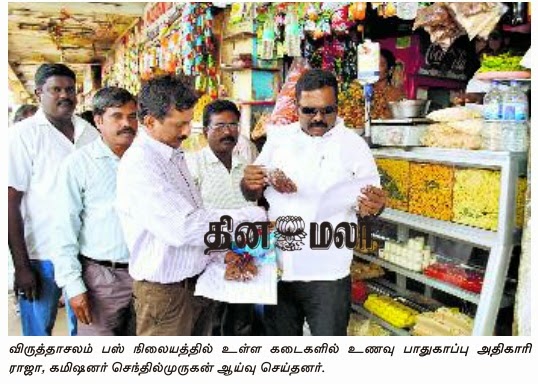
விழுப்புரத்தில் உள்ள கடைகளில் உணவு பாதுகாப்பு நியமன அலுவலர் ஆறுமுகம் தலைமையிலான குழுவினர் உணவு பொருட்களை ஆய்வு செய்தனர்.

DINAMANI NEWS


DINAMALAR NEWS


DINAMALAR NEWS


DINAMALAR NEWS


Steps taken to Curb Adulteration in Food Items

Consumption of adulterated and spurious food items is a serious health hazard. As per information received from States/UT Governments, in the year 2013-14, 72,200 food samples, including milk/milk products, edible vegetable oils, spices, pulses, vegetables, etc. were analyzed, and out of these, 13,571 samples were found to be adulterated and misbranded.
The Food Safety and Standards Act, 2006 provides for graded penalties for infringement of the provisions of the Act. To curb the menace of food adulteration, regular surveillance, monitoring & sampling of food products is undertaken by the State /UT Governments under the Food Safety and Standards Act, 2006, Rules and Regulations made thereunder. Instructions in this regard are issued by the Food Safety and Standards Authority of India (FSSAI) from time to time. Random Samples of food items are also drawn by the State Food Safety Officers and sent to the laboratories recognized by the FSSAI for analysis. In cases, where samples are found to be not conforming to the provisions of the Act and the Rules & Regulations made thereunder, penal action is initiated against the offenders. As per available information, the details of prosecutions launched and convictions/penalties imposed during 2013-14 in the country, are as under:-

No. of Cases Launched
No. of Convictions/ Penalties
Criminal
Civil
Convictions
Penalties/Amount raised in Rupees
3105
7130
913
2932/ Rs. 7,29,89,474

The Supreme Court, has while hearing a Petition (c) No. 159/2012, wherein the petitioner had raised issues regarding rampant adulteration/contamination in milk and milk products in the country, observed/directed that considering the gravity of the situation as well as in larger public interest, it is necessary that the Union of India should think of making appropriate amendments in the Food Safety and Standards Act, 2006, so that such crimes could be curbed to a large extent. The menace of food adulteration can be curbed only by strengthening of food safety structures in the country and more effective implementation of the Food Safety and Standards Act. 
The Health Minister, Shri J P Nadda stated this in a written reply in the Lok Sabha here today.

The udder option


Tired of adulterated milk, two young entrepreneurs come up with a healthier alternative for consumers
On a 60-acre dairy farm near Satara, some 500 hybrid cows roam around freely. The farm, located about 325 km from Mumbai, is their home where they are pampered with good quality fodder, oilseeds, pesticide-free grass, greens, alfalfa and plenty of water. The milch cows reared in this pollution-free environment respond by giving milk that is both tastier and healthier.
This is the farm from where Rahul Jain and Anmol Trikannadsource the milk for their organic milk brand, Doctor Moo. While pursuing a master's course in business administration from the Hyderabad-based Indian School of Business (ISB), the two felt that the milk they were consuming wasn't pure enough. So they decided to do something about it. And Doctor Moo, a milk distribution startup that offers organic milk, was born.
In December 2013, 28-year-old Jain and Trikannad, a 31-year-old graduate from the University of Auckland, New Zealand, launched Doctor Moo. Today, Doctor Moo supplies nutritious milk certified by Ecocert as being environmentally friendly. The milk is sold in pilfer-proof pouches to a range of people, including film stars, corporate honchos and household's with growing children in Mumbai, its suburbs and the neighbouring Navi Mumbai.
"Milk is an integral part of every Indian household, be it the morning cuppa or a night cap," says Trikannad. "But unfortunately, there is no guarantee of the purity of such a popular food item. The increased incidences of adulteration of milk, both at pre- and post-production stages, really bothered us. To enhance milk production, cows are routinely subjected to antibiotics and growth hormones. We wanted to step back in time and adopt the methods used till, say, about four decades ago. We wanted to go back to basics, you might say. That was the genesis of our brand, Doctor Moo."
A nation-wide study of milk by the Food Safety and Standards Authority of India, in fact, found that 70 per cent of milk samples did not conform to standards. The adulterants used are urea, detergent, harmful chemicals, filthy water and several other contaminants. Adulterated milk seized by Food and Drug Authority, Mumbai, has often tested positive for starch, sodium and glucose.
Experts warn that regular consumption of adulterated milk over a prolonged period can permanently damage the vital organs through slow poisoning. According to food safety standards, adulteration includes not only externally and intentionally added adulterants, but also unintentionally or incidental contamination during the period of growth, harvesting, processing, transportation and distribution.
This is where Doctor Moo decided to bring in the change. Doctor Moo's milk is tested for 100 contaminants at Pune's TUV Nord lab. The next step is to ensure hygienic and nutritious milk with minimal human intervention. The young entrepreneurs have achieved this by developing a unique packaging system - it is pouches that change colour. The inside of the milk pouch changes colour once opened. "The pouches are specially customised and are totally tamper proof," says Jain. "They are recyclable too," adds the former investment banker who has worked with Deutsche Bank in cities like Mumbai, Singapore and Hong Kong and is also an alumnus of Indian Institute of Technology-Bangalore.
Jain and Trikannad started out with supplying 20 litres of milk a day. Today, they supply 1,200 litres daily. The demand is increasing despite the price. Doctor Moo milk is premiumly priced at Rs 60 a litre as opposed to about Rs 37 a litre for Mahananda toned milk and Rs 36 a litre for Amul toned milk.
"People who love quality life will opt for pure milk delivered by groups like Sarda Farms, Doctor Moo and others," says Jaidev Mishra, the marketing head of Nashik-based Sarda Farms, which also promises pure natural cow's milk. "People don't mind paying slightly extra for a good product. We provide guaranteed good milk. And both of us don't advertise. Such products are marketed solely through word-of-mouth. But we need more players in this field to change the pure milk scenario."
In the beginning, Doctor Moo was publicised through presentations in playschools during parent-teacher meets and at stalls with milk pouches filled in ice boxes during Diwali festivities in schools. "We credit our growth to references from family, friends and Facebook presence," says Jain, adding that a sizeable chunk of the clientele includes senior citizens and mothers with growing children.
Besides promising zero adulteration and being rich in antioxidants, Omega 3 and calcium, Jain and Trikannad claim the milk can be consumed without boiling. Untouched by human hands, the entire process is highly automated in order to check adulteration.
While working on the project, the two visited dairy farms and milk chilling plants in Hyderabad, Bengaluru, Kolhapur, Nashik and Ratnagiri to study how the farms managed their business processes and maintained hygienic surroundings.
"We found that there were incidences of adulteration at every stage - before, during and after milking," says Trikannad. "Most of the milk in and around Mumbai comes from cooperatives made up of small dairy farmers. Even in the 21st century many of them still milk manually and in unhygienic surroundings where bacteria and other contaminants can be introduced."
The year-old, self-funded start-up follows what it calls 'the udder to kitchen' strategy. Jain and Trikannad have so far invested Rs 30 lakh in the venture. "Our business model has evolved from direct-to-home to one with multiple distribution channels previously unheard of in this space. It will further evolve as we look to introduce new products," says Trikannad.
Doctor Moo's cows are milked at 6 pm daily. The milk is then packed in pouches and arrives in Mumbai in cold vans. It is delivered to customers by 7.30 am the next day by delivery boys on bicycles and dabbawallas. The milk is stocked in organic product outlets in suburbs like Mulund, Wadala and Sea Woods (New Mumbai). "We insist on bicycle delivery as we believe in lessening our carbon footprints, at least in the last mile," says Jain.
Ask Jain whether the investment has paid off and he promptly says. "Yes. We exceeded our expectations in the first year itself. The past year was dedicated to testing the concept, introducing the brand and streamlining the operation. The goal for next year is to increase our coverage within and beyond Mumbai and introducing new product lines."
Trikannad, who grew up in New Zealand, is now revisiting the country which is at the forefront of the dairy industry. "Given the scope for dairy products in India, I am focusing my efforts on validating the market and products. I am looking at things we need to reinvent for the Indian market," he says.
Ask them what next and the duo chorus: "Our immediate goal is to notch 20,000 litres in Mumbai."

Nov 28, 2014

Is your college canteen safe?


College canteens across city operate without the Food Safety and Food Adulteration licences exposing students to health hazards
The colleges of Mumbai have developed excellent canteen facilities on their campuses to feed the perpetually hungry students, but many of them have been found lacking two very important licences to maintain cleanliness in the kitchen. Many college canteens have been running without the Food Safety and Food Adulteration licences issued by the health department of the BMC.
According to the Brihanmumbai Municipal Corporation (BMC) Act, it is necessary for a canteen to have two licences - registration under the Shops and Establishment Act, 1959, and BMC trade licence under the Prevention of Food Adulteration Act, 1954, which is now the Food Safety and Standard Act, 2006.
The Shops and Establishment registration is a licence given to the owner when the canteen is registered, whereas Food Safety and Food Adulteration licence is given by the health department of the BMC after checking the hygiene and maintenance of the kitchen along with the standard of food products and the eatables.
Pradeep Sawant, a senate member at the Mumbai University (MU), said “Most colleges hold the Shops and Establishments registration licence but do not hold the Food Safety and Food Adulteration license. This increases the risk of students falling prey to adulterated food. The University should soon sent an investigation team to track down these colleges.”In February 2012, the ADC had reported about three MU canteens in the Kalina Campus which were running without the food license. Only one canteen - Students' Canteen – had both the Shops and Establishments license and also the food license. After the report was published, the BMC raided the canteens and fined them for not holding the appropriate licences.
The ADC spoke to Dr Mrudul Nile, Department of Students' Welfare, MU, who said, “It is essential for college canteens to have both the Shops and Establishment as well as the Food Safety and Food Adulteration licences. The college management should also keep a check on the quality of food ingredients. Colleges should not allow canteen contractors to run the canteen without proper licence.”
Dr Padmaja Kesarkar, senior inspector of health at the BMC, said, “Colleges should have both the licences of food trade and health and should not risk the life of students. If colleges don't have these two licences, they should apply for them as soon as possible.”

DINAMALAR NEWS


DINAKARAN NEWS


தமிழக கறிக்கோழி, முட்டைகளுக்கு மருத்துவ சான்றிதழ் அவசியம் கேரளா அதிரடி

அன்னூர், நவ.27:
கேரள மாநிலத்தில் தற்போது பறவை காய்ச்சல் வெகு வேகமாக பரவி வருவதால் தமிழகத்தில் இருந்து கேரளா கொண்டு செல்லும் கறிக்கோழி மற்றும் முட்டைகளுக்கு மருத்துவ சான்றிதழ் வாங்கி வர வேண்டும் என கேரள முதல்வர் உத்தரவிட்டுள்ளார்.
கேரள மாநிலம் ஆழப்புழா பகுதிகளில் தற்போது, வாத்துகள் மூலம் பறவை காய்ச்சல் பரவி வருகிறது. இதையடுத்து கோழி, வீடுகளில் வளர்க்கப்படும் புறா, லவ் பேர்ட்ஸ் உள்ளிட்டவற்றிற்கும் பறவை காய்ச்சல் பரவவே கேரள முதல்வர் பறவை காய்ச்சலுக்கு காரணமான வாத்துகளை அழிக்க உத்தரவிட்டுள்ளார்.
கேரளாவில் இருந்து தமிழகத்திற்கு பறவை காய்ச்சல் பரவாமல் தடுக்க கேரளாவில் இருந்து தமிழக கோழிப்பண்ணைக்கு வரும் வாகனங்கள் மற்றும் வேலையாட்களை பண்ணைக்குள் அனுமதிப்பதில்லை.
வாகனங்களில் மருந்துகள் தெளித்த பின்னரே அதுவும் பண்ணையின் ஒரு குறிப்பிட்ட தொலைவிற்கே அனுமதிக்கப்படுகின்றன.
இந்நிலையில் கோவை யை சுற்றி உள்ள பல்லடம், அன்னூர், பொள்ளாச்சி, உடுமலை பகுதிகளில் உள்ள கோழிப்பண்ணைகளில் பறவை காய்ச்சல் பரவாமல் இருக் மருந்து தெளிக்கப்பட்டு வருகிறது. முட்டை வைக்க கூடிய அட்டைகளுக்கும் மருந்து தெளிக்கப்பட்டு தடுப்பு நடவடிக்கைகள் மேற்கொள்ளப்பட்டு வருகிறது.
இதற்கிடையே, தமிழகத்தில் இருந்து கேரளாவிற்கு கறிக்கோழி மற்றும் முட்டைகள் ஏற்றி செல்லும் வாகனங்களில் பறவைக்காய்ச்சல் இல்லை என்ற மருத்துவ சான்றிதழ் இருந்தால் மட்டுமே கேரள மாநிலத்திற்குள் அனுமதிக்கப்படுகிறது. இல்லை என்றால் அவை திருப்பி அனுப்பி வைக்கப்படுகின்றன.

DINAMALAR NEWS


Nov 27, 2014

Food Safety Helpline introduces Food Safety App for Android users

Food Safety Helpline has introduced a food safety mobile app, an application which is being introduced for the first time in India for the convenience of the food business operators in India to understand, learn and implement the requirements in compliance with Food Safety & Standards Act, 2006.
With a growing need of a source which has everything related to the FSSAI compliance needs, food business operators can now access all the latest updates and notifications regarding FSSAI regulations plus a self-inspection tool through the Food Safety Mobile App.
The mobile application will not only provide the information on FSSAI compliance needs, but will also feature food safety inspections for food businesses. The mobile app will assist the food business community, who are intending to operate with FSSAI regulations, with a traceability system at their premises.
Currently the mobile app is available only on the Android platform.
With Food Safety Inspection tool, one can:
do the audit through a mobile device
generate automated reports
save cost of hiring a professional firm for inspection
cover multiple locations of one's food business
identify the gaps in the system and can take corrective action

Nov 26, 2014

Can’t stomach their indifference

After an RTI was filed by DC only nine zones out of 15 responded to petition . one zone Tondiarpet had a report of an inspection, while the rest are yet to respond
Chennai: There are no records of the raids and inspections conducted by the city corporation at various malls, beaches and other food outlets in the city. In a response to an RTI petition filed by DC, as many as nine zones out of the 15 under the Chennai corporation responded to the petition out of which only one zone Tondiarpet had a report of an inspection, while the rest are yet to respond.
The report states that inspection was done in four wards (35, 36, 37, 45) and shops, which prepared food on the roadsides, were penalised Rs 2,000. Meanwhile, every other zone, which responded to the petition, pointed out that the food safety department regularly inspected the shops while corporation health officials inspected the eateries once a month. However, there were no reports on the inspections generated.
Meanwhile, there is a cold war on between the corporation and food safety department over the right to inspect eateries in the city. Officials in the food safety and drug administration department find the city corporation to have poorly equipped labs to analyze samples of foods and complain that they are conducting independent raids without coordinating with the food department.
The corporation meanwhile finds the food department to be understaffed to carryout mass raids and often raids the city’s eateries for hygiene to avert any outbreak and relieve its health officials from stress.As per the Food Safety and Standards Act 2006 of the Government of India, the TN government had established the Food Safety and Drug Administration department (FSDA) from August 5, 2011, to ensure standards of food items sold.
“But the corporation, though having no authority to seal shops, often conduct inspections without any intimation to us. As a result, raids done by the corporation and food safety department in consecutive days are considered as harassment by food vendors,” said Mr S. Lakshmi Narayanan, designated officer, FSDA, Chennai.
So far the FSDA has identified 12,400 eateries out of which 5,229 have been inspected and four shops have been sealed. “The corporation does not have dedicated labs to test the samples. But coordination among the two departments must improve,” Mr Narayanan added.

DINAMANI NEWS


Shopkeeper caught selling flood-contaminated goods with tampered labelling

Poultry birds found slaughtered in toilet; FCO starts 9596089227, 9419601090 helpline
Srinagar, Nov 25: The next time you visit a grocery store do check the labeling of the goods you buy because the lot could be flood-contaminated and labeling tampered.
In the latest the authorities on Tuesday caught a provision store selling flood-hit goods with tampered labeling.
“One provision store namely Jan Provisions(at Regal Chowk) had displayed flood affected food articles with tampered labels of date of packing as November 2014 in his shop. Whole stock was seized and prohibition orders were issued on spot,” said an official handout from the office of Drugs & Food Control Organization(FCO).
The FCO under the supervision of Assistant Commissioner Food Safety Srinagar, Hilal Ahmed Mir inspected various areas of Srinagar. “During the course of inspection two poultry shops M/s Pattoo poultry and M/S Bhat Poulty at Koker Bazar were found selling /slaughter the poultry birds in total unhygienic conditions. Toilet of the building was converted into slaughtering point wherein the condition was pathetic,” the official handout said.
“Moreover some of the slaughtered birds were found in suspicious conditions. The operation of these shops had become nuisance for public in general and for the shopkeepers of that area in particular. In the interest of public health, the sale/slaughtering of poultry birds by M/s Pattoo poultry and M/S Bhat poulty has been prohibited immediately and Station House Officer of the Maisuma Police Station has been intimated to ensure the implementation of prohibition order,” the official handout added.
“In addition a huge quantity of flood-affected food articles including spices, skimmed milk, ghee, confectionery, tea, coffee, edible oil, salt and other ready to eat foods amounting more than Rs seven lakhs were seized from the various shops operating in the area of Lal Chowk and Koker Bazar, for further disposal as warranted under law.”
“Also some of the tea stalls and restaurants were found in insanitary conditions. They were put on five days’ notice to meet out the requirements as laid down in Food Safety & Standards Act 2006.”
Meanwhile the department of Drugs & Food Control Organization has started a helpline. “The public at large is informed to be careful enough while purchasing food articles. In case of any complaint please inform on the following Nos 9596089227, 9419601090,” the official handout said.
Meanwhile people have hailed the organization for the inspections and appealed them to continue with the efforts. Shabir Ahmed Lone Food Safety Officer said the drive could continue

DINAMALAR NEWS


DINAMANI NEWS


DINAMALAR NEWS


Drives conducted at Food Stalls of Sangai Fest

Imphal, November 25 2014: Designated Officer Food Safety cum Chief Medical Officer Imphal West Dr S Bimola Kumari in collaboration with team of Food Safety and Standards Enforcement Wing under the aegis of Department of Health conducted a survey of the food stalls within the Sangai Festival 2014 venue today.
The survey was conducted to not only to check food items but the health condition of the concerned Chefs.
Dr Bimola Kumari said that Rules and Regulations of Food Safety Standard Act, 2006 was implemented on August 5 in 2011 in India.
She continued that it is the duty for the department to survey food stalls of the Sangai Festival to serve the festival crowd safe and hygienic eatables.


Drives conducted at Food Stalls of Sangai Fest

She noted that it is necessary to check every step how the foods are prepared to maintain food safety and hygiene.
She said the survey also renders awareness as part of implementing the Rules and Regulations of the Act.
Disposable plastic gloves, mask and caps were distributed freely by the surveying RMO to every food stall.
However some of the food stalls were already equipped with essential safety and hygiene standards.
During the survey, food stalls were checked whether they have Food Safety and Standards Authority of India, FSSAI certificate.

Nov 25, 2014

HC notices to state over food adulteration

Shimla, November 24
The Himachal Pradesh High Court today issued notice to the Chief Secretary on the issue of large-scale use of the harmful oxytocin vaccine in milk, fruits and vegetables.
Besides Chief Secretary, the court issued notices to the Principal Secretary (Health), Director of Health Services, Director (Food & Civil Supplies), state Drug Controller and the Drug Controller General of India, directing them to file their replies by January 8.
The order was passed by a Division Bench, comprising Chief Justice Mansoor Ahmad Mir and Justice Tarlok Singh Chauhan, on a petition taken up suo motu by the court as public interest litigation on a news report published in a vernacular daily.
It was stated in the news paper that the use of oxytocin vaccine in milk, vegetables, fruits and non-vegetarian products was on the rise and it had harmful side effects.
The vaccine is used to increase the milk production of milch cattle, enlarging the size of vegetables and fruits and to improve their colour and shine. The news item had also reported that there is a large-scale production of oxytocin in the pharmaceutical hub of the state in Baddi, Barotiwala and Nalagarh.
Court seeks reports
* The High Court has directed health officials to file their replies on the use of the harmful oxytocin vaccine in milk, fruits and vegetables by January 8