Jan 10, 2020

Waste not, just eat it

UN estimates global leftover food products enough to feed 3.3 billion people
A lot of food is wasted in our houses, restaurants, supermarkets and at social events.
More than a decade ago, a Taiwanese friend took me to an all-you-can-eat seafood restaurant during one of my visits to Taipei. We had to take raw food materials from the refrigerators and boil them in the individual ovens placed in the dining tables before eating. However, there was something else that amazed me more. According to the restaurant rule, one needed to pay a penalty for leftover or wasted food, which was charged according to its weight.
A seafood restaurant called Hachikyo in Sapporo, Japan also imposes a fine if you do not finish your meal. The explanation is that the fishermen work in harsh and dangerous conditions. It is forbidden to waste even one grain of rice in your bowl as a mark of gratitude. The fine really works; hardly anyone leaves food unfinished.
The consciousness for not wasting food is slowly becoming more pronounced in this part of the world. In early 2019, a Telangana restaurant named Kedari Food Court was in the news for following a ‘carrot and stick’ policy to restrict food wastage. It would charge a fine of Rs 50 for wasting food, but give a reward of Rs 10 for a finished meal. Interestingly, the owner observed that people going there had become very careful not to waste food, and as a result, the number of times that the penalty was imposed had come down.
According to a Condé Nast Traveler report, several restaurants in Germany have started imposing a fine on customers failing to finish their meals. In 2016, Christian Schmidt, who was then Germany’s agriculture minister, said that the country would have an ambitious strategy to halve food waste by 2030.
A lot of food is wasted in our houses, restaurants, supermarkets and at social events. Upon learning that 40 per cent of the food produced in the United States of America ultimately gets discarded, the Canadian filmmaking couple, Grant Baldwin and Jenny Rustemeyer, made the entertaining documentary, Just Eat It: A Food Waste Story (2014), where they conducted a six-month experiment of eating only food that is discarded or will be discarded. Several food activists interviewed in the documentary spoke about the flimsy reasons for food wastage — largely aesthetic and economic.
Let us consider the case of the United Kingdom in 2017. About 6,00,000 tonnes of food in the restaurant business — a third of total production — is wasted every year in the UK. For every meal eaten in a restaurant, nearly 500 grams of food is wasted — through preparation, spoilage and leftovers on diners’ plates. According to the Waste and Resources Action Programme, food waste costs UK restaurants around £682 million per year, which has a huge financial and environmental impact. The US wastes $165 billion worth of food a year; 15 per cent of the wastage comes from restaurants.
The United Nations found that “global leftover food products are enough to feed 3.3 billion people”. Several food waste reduction programmes worked effectively in different parts of the world. These include waste-fed pigs in Japan, and a garden education curriculum in New Orleans. A disposal programme has reduced household food waste by 30 per cent in South Korea: food waste recycling devices installed in many areas automatically weigh the discarded food and disposal fees are billed based on the weight of the food waste that a family generates.
Food wastage in India is also immense. The Food Safety and Standards Authority of India was reportedly drafting rules to check wastage at restaurants and social events such as weddings, and was dealing with issues such as hygiene and transportation of the leftover food. The Delhi government was also preparing a draft policy to keep a check on food wastage at social events in the capital. Public consciousness is important; so is the strict imposition of fines. For example, charging small amounts for plastic bags has drastically reduced their use in US supermarkets. Food, after all, must go into our stomachs, not garbage bins.

FSSAI asks food operators to be aware of fake websites

Delhi, Jan 9 (PTI) Food safety regulator FSSAI on Thursday appealed food business operators (FBOs) to be aware of fake websites being operated for providing registration and licensing services.
The Food Safety and Standards Authority of India (FSSAI) also said it will not be responsible for loss or damage suffered by the FBO on account of deficiency of services by such websites.
FBOs can apply for licence or registration only through the FSSAI portal.
"FSSAI appeals to public to exercise care and caution while applying for FSSAI licence and registration as food business operator. Only FSSAI''s licensing portal should be used for registration/ license application," FSSAI Chief Executive Officer Pawan Agarwal said in a statement.
In case of need for any help, applicants may approach the regional offices of FSSAI or jurisdictional designated officer or food safety officer for guidance, details of which are available at www.fssai.gov.in, he added.
FSSAI said it has come to its notice that a number of websites are operating with the domain name comprising the word ''FSSAI'' along with suffix or affix ''registration'', ''license'', etc. Some of such websites also use the logo of FSSAI.
The regulator has not authorised any entity to register its website with the domain name comprising the word ''FSSAI'' or to use its name and logo, or represent FSSAI as such, it said.
In the event that any one intends to avail the services of any such online websites for registration or licence as food business operator, it is advisable that background check of such third party should be carried out with regard to authenticity or reliability of its services, it added.
FSSAI has also launched a Food Safety Mitra Scheme wherein Digital Mitras are being trained to assist FBOs for online filings related to licensing and registration, at nominal charges.

FSSAI urges food business operators to ensure use of official portal to obtain licenses, registrations

Food Standards and Safety Authority of India (FSSAI) has urged food business operators to ensure they use the regulator’s official portal to apply for licenses and registration. This came after the regulator observed that a number of websites are operating with a domain name consisting of the regulator's name and words such as ‘registration’ or ‘license’ as suffix or prefix. It also noted that some of these websites also wrongly display the FSSAI logo.
“FSSAI is a statutory body constituted under the Food Safety and Standards Authority of India Act, 2006. It has not authorised any entity to register its website with the domain name comprising the word ‘FSSAI’ or to use its name and logo, or represent FSSAI as such,” the food safety authority said in a statement on Thursday.
Sources said that the regulator has received complaints that some websites sporting FSSAI's name in their domain name, claim to offer consulting services to food businesses to obtain FSSAI licenses and registrations.
FSSAI in its statement emphasized that applications to obtain FSSAI registration or licenses "can only be made at the official food licensing and registration portal of the food safety authority."
Pawan Agarwal, CEO, FSSAI said that food business operators must exercise care and caution while applying for FSSAI license or registration. He also added that they must use only the food safety authority's official licensing portal for such applications.
Recently, FSSAI has also launched a Food Safety Mitra Scheme through which Digital Mitras or individuals with IT skills are being trained to assist food business operators for online filings related to licensing and registration for a nominal charge. “Public is encouraged to use the services of Food Safety Mitras,” the official statement added.

41 booked under NSA in 6 months for food adulteration in Madhya Pradesh

While no adulteration was found in 2,885 samples, 1,606 others were found violating the food safety standards.
BHOPAL: The Madhya Pradesh government has invoked stringent National Security Act (NSA) against 41 persons in the last six months for alleged adulteration of food, milk and dairy products, an official said on Thursday.
Besides them, cases have also been registered against 108 people under different sections of the Indian Penal Code (IPC) during this period for allegedly adulterating food or selling it, the official said.
The action was taken under a special drive, which the state government has been running since July 19 last year.
"As part of the drive, we collected 11,536 food samples and sent them for testing. Of them, the test reports of 4,491 samples are out," Madhya Pradesh Food and Drug Department Joint Controller D K Nagendra said.
He said that while no adulteration was found in 2,885 samples, 1,606 others were found violating the food safety standards.
Besides this special drive against food adulteration, the state government has also cracked a whip on the traders, who are found ripening fruits using toxic chemicals.

FDA shuts over a dozen meat shops in Kolhapur dist

Kolhapur: The Food and Drugs Administration (FDA) has shut down over a dozen mutton shops across the district over the last 30 days for failing to comply with guidelines, said M S Kembalkar, assistant commissioner of the FDA’s Kolhapur unit. He added that the licence of one mutton shop from the city was suspended while in Jaysingpur, the licences of nine shops have been cancelled. Four shops were shut down in Kagal last week due to non-compliance.
According to the FDA official, the action was taken under the Food Safety and Standards Act, 2006. There are around 550 mutton shops across the district, while Kolhapur has over 150 shops. Kembalkar said the guidelines for meat shop owners include an elaborate list of dos and don’ts which are frequently overlooked. 
“Meat shops near religious places and vegetable markets are strictly forbidden. According to the rules, meat sellers have to remain beyond a 50-metre radius of religious places. They must also ensure their shops are located at least 100 metres from the main gate of such places. Meat sellers cannot slaughter any animal inside a shop, and have to put up curtains or tinted glass so that the meat is not visible to the public.” 
He further said that all people working at meat shops must obtain health certificates from government doctors. The meat will also have to be certified by authorised veterinarians. The FDA is the issuing authority for certificates in urban as well as rural areas. “Meat vendors have also been directed not to slaughter any ill, milch or pregnant animal. All the knives and other implements must be made of steel and there should be no trace of rust on them. Meat shops must have proper waste disposal arrangements and should keep a record of all meat purchased from slaughterhouses. Moreover, the fresh orders specify that meat can only be transported in insulated freezer vehicles from slaughterhouses and should be stored in refrigerators with transparent doors,” said Kembalkar.
“We are aware that this is an exhaustive list of guidelines, but meat shop owners need to comply with it. If, during an inspection, rules are found to be violated, the meat in the shop can be destroyed and the shop can lose its licence. A fine is also imposed,” he said.
FDA guidelines for meat shops
Ill, milch or pregnant animals are not to be slaughtered
Knives, other implements must be made of steel and must be rust-free
Proper waste disposal arrangements are necessary
Record of all meat purchased from slaughterhouses must be maintained
Meat can only be transported in insulated freezer vehicles from slaughterhouses and should be stored in refrigerators with transparent doors.
Meat shops need to be equipped with geysers
Shops must be beyond a 50-metre radius of religious places
  • Animals must not be slaughtered inside a shop; curtains or tinted glass must be installed so the meat is not visible

Jan 9, 2020

Press Release


DINAKARAN NEWS


DINAMANI NEWS


DINAKARAN NEWS


Eating from vendors on beaches, streets may become safer soon

Chennai: Hot bajjis served on beaches or crispy hot dosas had at roadside stalls are set to become safer to eat if regulators in the city have their way.
In the last few weeks, at least 80 street food vendors on Elliot’s beach were taught about the need for food safety, what the Food Safety and Standard Act expects out of every food business unit, violations and punishments. At the end of the day, vendors who attended the camp were given Food Safety Training & Certification (FoSTaC). “If we have at least one certified personnel in every unit we will improve food quality and also emphasise that they follow all rules,” said A Ramakrishnan, designated food safety officer, Chennai.
For instance, street vendors on the beach were taught about the reuse of oil and safe way to dispose cooking oil. They were taught the importance of hand wash, food preservation and how things they use and their surrounding should be clean, he said.
Street food vendors will be given basic guidance including catering services. Under the FoSTaC programme, the regulator plans to train staff in the organised as well as unorganised sector. For street food vendors, anganwadi workers and Amma canteen staff, the authority is raising funds from people for the course. “We will be rolling out daylong training programmes for vendors on Marina and staff of Amma canteens soon,” another senior official said.
The course offers 17 types of competence-based certification programmes — each of 8 to 12-hour hour duration spread over a couple of days. Street vendors and aganwadi workers were given the basic course and training manuals. Most of the staff were also taught about where and how they should source ingredients and how they can check quality of the ingredients — difference between edible oil/ ghee and the cheap ones that are made for lighting lamps at temples.
Several studies by doctors’ bodies and nutritionists have shown high volumes of Ecoli coliform, salmonella, shigella, staphylococcus aureus and pseudomonas, which are major causes of infections such as diarrhoea, typhoid, food poisoning, urinary tract infections and pneumonia. Food safety training teaches the importance of handwash, which keep a majority of these infections at bay, officials said.

Coimbatore: 32 shops fined Rs 5 thousand each for selling banned gutka items

COIMBATORE: Teams of food safety department officers have been conducting surprise raids at the petty shops in different parts of the city for the past four days as part of a special drive. They found 32 shops selling banned tobacco items and one shop using non-food grade plastic. 
Designated food safety officer K Tamilselvan said of the 32 shops, 26 had already paid the fine. “The remaining shops are expected to pay it by Friday. Shops that fail to pay the fine will lose their licence and registration,” he said.
He said the shops were selling banned chewable tobacco products such as haans, cool lips and paan parag. “The shops were located in Gandhipuram, Arockiasamy Road and Devanga School in RS Puram, Singanallur and Sulur,” the officer said. Pointing out that they had inspected 112 shops in total, he said the shops that were selling banned items were using small sachets. “So, we could not lift the samples. Hence, we imposed fines,” he said. 
A total of 31.8kg banned items worth around Rs 45,000 were seized during the special drive. 
The drive was part of efforts to reduce movement of banned tobacco products in the district. “Though we are focusing on catching wholesalers and distributors, we believe that cracking the whip on petty shops that sell the banned items is also important to flush out the tobacco rackets,” Tamilselvan told TOI.
In December, food safety officers had received a directive, allowing them to impose spot fines on business operators who violate the norms. 
While the first and second violations attract fine, repetition of the same violation for the third time will attract a higher amount of fine and cancellation of the registration certificate issued by the food regulator.
The officer said the spot fine system was expected to have a deterrent effect on petty shops that repeatedly flout food safety norms.

‘50k FBOs run without licence in Madurai’

Madurai: More than 50,000 food business operators (FBO) in Madurai district are operating without license, which is mandatory under Food Safety and Standards Authority of India (FSSAI), said designated officer for food safety, Madurai district, Dr S Somasundaram.
Addressing a large number of food business operators representing various sectors at a one-day orientation program on Wednesday, he explained about the legal aspects of FSSAI rules and regulations. The participants were sensitized on the importance of taking license, fair business practice and health issues consumers might undergo if the food is not prepared hygienically.
Officials say that of the estimated 75,000 FBOs in Madurai district, 12,000 FBOs have taken only registration certificate, which can be obtained by paying Rs 100, instead of a license. Only hawkers, whose sales is less than Rs 3,000 per day are allowed to use registration certificate. Those involved in production, processing, selling of food materials, including roadside eateries, hotels and grocery stores have to obtain license, said the food safety officials.
“When unintentional mistakes are found with the FBOs, they will attract lesser punishment if they have license. They will face stringent action like closure of shops and hefty fine and if they do not have a license,” Somasundaram said. Excessive use of colours can cause kidney problems to consumers. City hospitals have been witnessing increase in dialysis cases and other problems. Government Rajaji Hospital saw at least 4,611 dialysis cases in the month of October, 2019 alone, Somasundaram added.

FDA raids house at Ghansoli, seizes tobacco products worth ₹3L

Navi Mumbai The Thane Food and Drugs Administration (FDA) officials on Tuesday raided a house in Ghansoli in a joint operation with the Navi Mumbai police’s anti-narcotics cell and seized ₹3.32 lakh worth tobacco products.
The accused Bhupalsingh Vijayprat Singh, 35, had taken a house in Sector 4 in Ghansoli on rent and had stored several boxes of tobacco products. Assistant commissioner Ashok Pardhi of the FDA, Thane, had received a tip-off about the smuggled tobacco products. His team conducted the raid.
During inquiry, Singh was unable to produce any bills to show from where he purchased the products.
The state government, which implemented a ban on tobacco products in July 2012, has renewed it this year too. The ban continues to be in place across the state. The police have seized pan masala packets and chewing tobacco packets collectively worth ₹3.32 lakh. The accused was booked under relevant sections of Food Safety and Standards Act, 2006, and case filed at Kopar Khairane police station.

Jan 8, 2020

DINAKARAN NEWS


DINAMANI NEWS


DINAKARAN NEWS


FDA inspects Sanchi tankers, samples taken for purity test

Bhopal: Officials of the food safety department on Tuesday continued their anti-adulteration drive and checked milk tankers arriving at Sanchi Dugdh Sangh headquarters in the state capital.
Milk from six tankers coming from Sehore, Rajgarh and Betul was checked at the main gate of the Sanchi Dugdh Sangh at around 8am. Six samples from these tankers were taken and sent for purity test. The samples were taken after breaking the seal of the tankers that were inspected, said senior food safety officer D K Verma.
The food safety officials also took two samples of milk from the collection and chilling centre of the Sanchi plant at Tara Sevaniya and Mugaliya Haat. Milk is put into tankers at these places for supply in areas around Bhopal city.
On December 14, sleuths from the crime branch had seized a milk tanker from Misrod, which also carried a motor that had the capacity to siphon off as much as 2,000 litres milk from the tank. 
Traces of urea was found in the milk and tanker driver Farhan was arrested from the spot while his other companions were able to escape.
Later, tanker owner Yogendra Pandey and Gopal Gurjar through whom the stolen milk from the tanker was supplied in the market were also arrested. The GPS in-charge and quality control in-charge of Sanchi Dugdh Sangh at Bhopal were also placed under suspension.

Maha FDA cracks down on 'zero fat, cholesterol' products

Food and Drug Administration of Maharashtra recently carried out a special drive against products of popular food manufacturing companies that violated Food Safety Standards Act of 2006, an official release stated on Tuesday.
Intelligence branch of the FDA along with local area officers carried out raids at cold storage units in Mumbai city, Aurangabad, Raigad, Nashik, Bhiwandi and Thane districts of Maharashtra between January 2 and 4, he said.
The state FDA launched a drive against products that endorse claims such as 'zero cholesterol' and 'low fat low cholesterol', which did not meet standards given in Schedule I (Nutritional Claims) in the Advertising and Claim Regulation 2018 of FSS Act 2006.
Further legal action will be taken against manufacturers based on the analysis report of samples seized from the storage units, the release stated.

Jan 7, 2020

DINAKARAN NEWS


DINAMANI NEWS


DINAKARAN NEWS


DINAKARAN NEWS


Men like sweet, Women love sweeter


Women have more added sugar than men


Conduct at least 40 checks a month,Noida food safety officers told

The food safety and drug administration department of Uttar Pradesh has instructed the food safety department of the Gautam Budh Nagar district administration to conduct at least 40 checks every month at manufacturing units.
According to the order, every food safety officer (FSO) will have to conduct at least 40 checks every month which should include checking at least five manufacturing units, 15 licensed firms which have the turnover of 12 lakh or more and 20 firms whose turnover is below 12 lakhs.
The order also specifies that the inspection documents should have all the details of the case and the improvement suggestions should also be mentioned. The detailed report should be submitted to the concerned senior officials within three working days, the order said.
“The order came on January 1. Now, all FSOs will have to conduct at least 40 checks every month. We will also be focusing on canteens in the district to ensure that employees are served better quality food,” said Sanjay Sharma, a food safety official.
There are nine FSOs in the district and at 40 checks a month per officer, the FSOs are to conduct a total of 360 inspections every month, as per the new orders.
The food safety department of Gautam Budh Nagar had conducted surprise checks at various high-end restaurants and bars in the district on New Year’s eve as well. Officials said that they had taken at least 12 samples from various restaurants during the check as well as on customer complaints.
According to officials, samples from branded food outlets, restaurant and bars were collected from Mall of India, Noida Sector 18, Logix mall in sector 32 and from a restaurant of a leading hotel chain in Greater Noida.
Officials collected samples of sauces, milk, paneer, flavors and pasta.
“We had also conducted surprise checks at various up-market restaurants and bars in Noida and Greater Noida to ensure that people were served good quality food items. We have taken 12 samples. The samples have been sent for furthers tests to a laboratory in Lucknow,” said Sharma.
On December 25 last year as well, officials took samples of food flavors from a leading bakery chain in Delhi-NCR, which turned out to be expired. The samples have been sent for further investigation, they said.

Why mayonnaise is among the unhealthiest foods you must be having

01/5All for the love of mayonnaise!
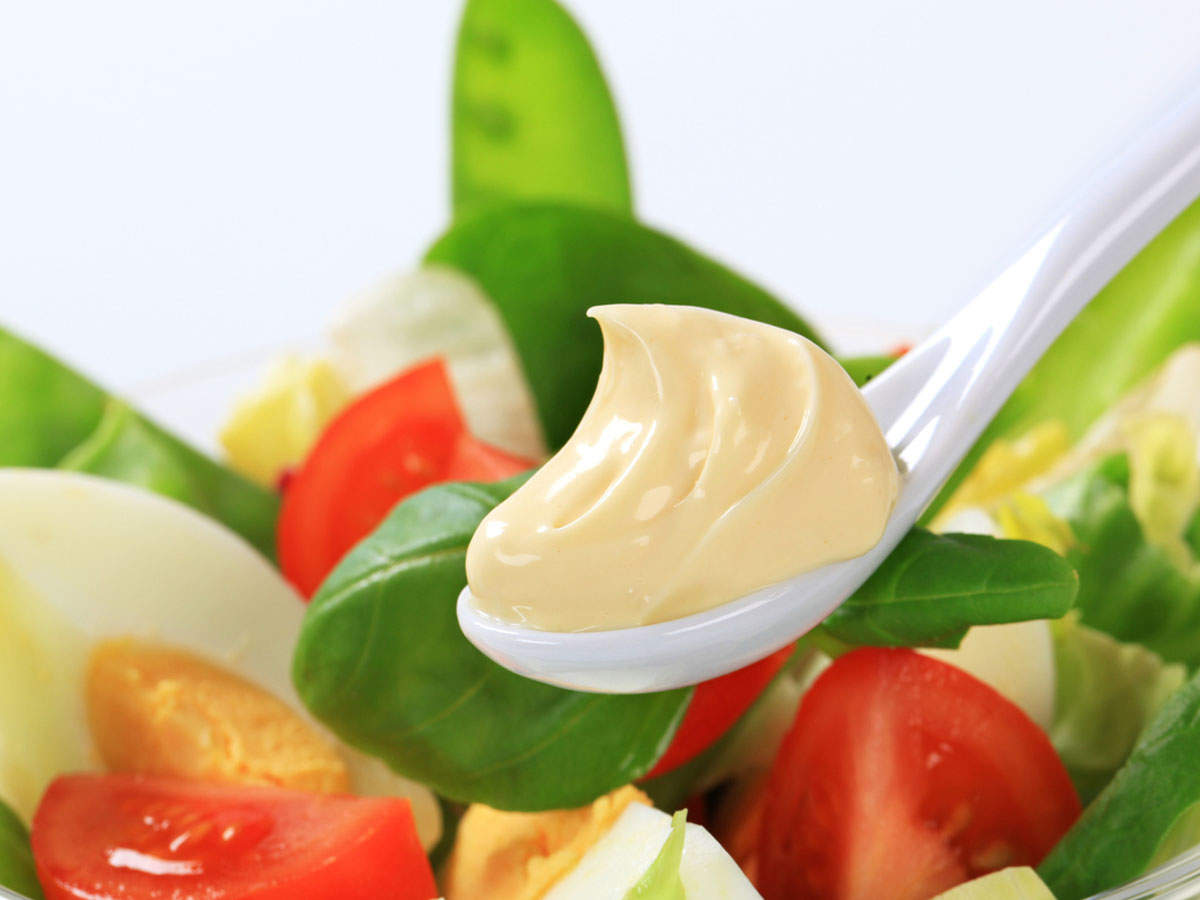
Can you imagine a delicious club sandwich without mayonnaise? Well, it is next to impossible to imagine a delicious sandwich or a burger without this delightful condiment. Mayonnaise has turned out to be one of the most inseparable parts of our delicacies. But did you know that your favourite mayonnaise is one of the most unhealthy foods you have been eating on a daily basis all this while!
One of the most widely used condiments around the world- Mayonnaise has been a major ingredient used in several cuisines like Italian, American and Mexican to name a few. Loaded with high-fat, this delicious condiment has a calorie dense composition, which makes it one of the most fattening foods when paired with other delights. Read on to know more about this delight and what makes it one of the most unhealthy foods.READMORE
02/5What is mayonnaise ?
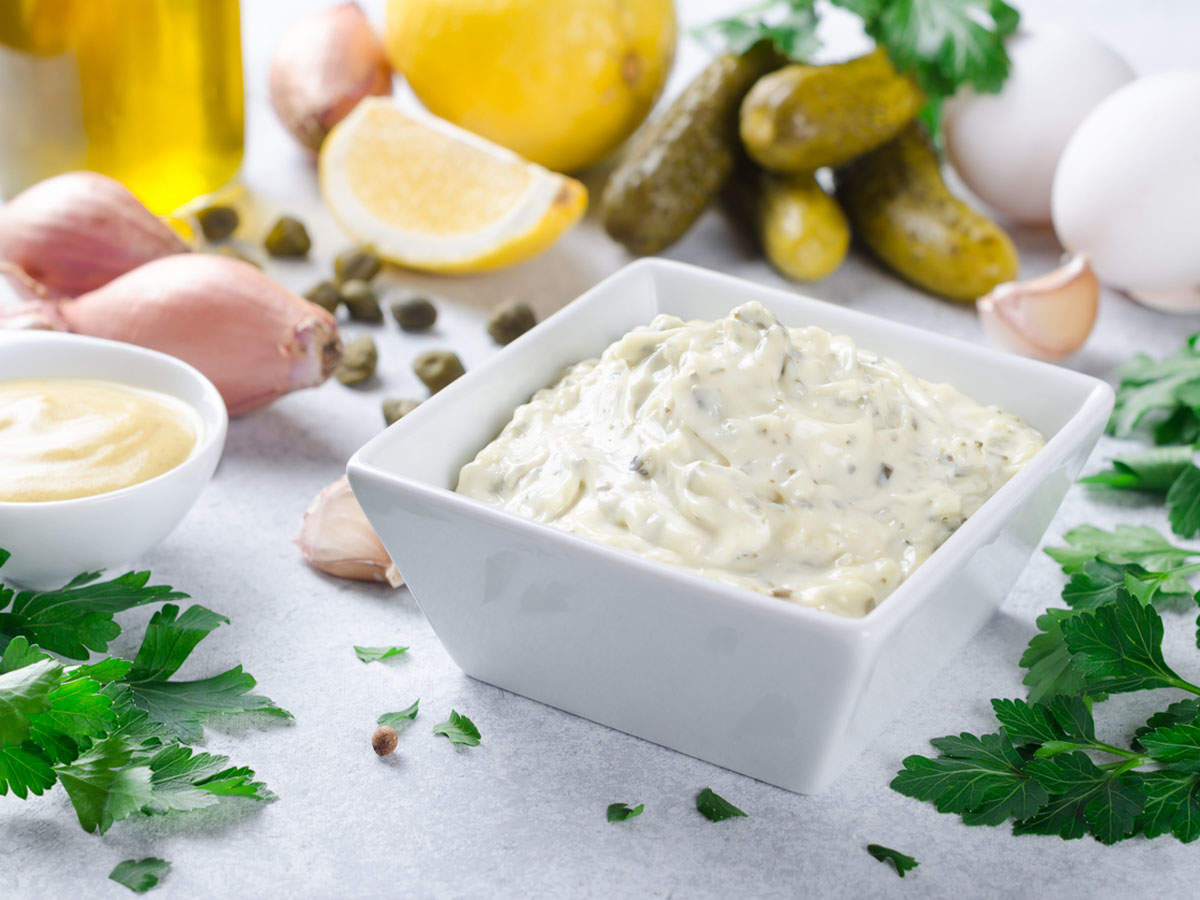
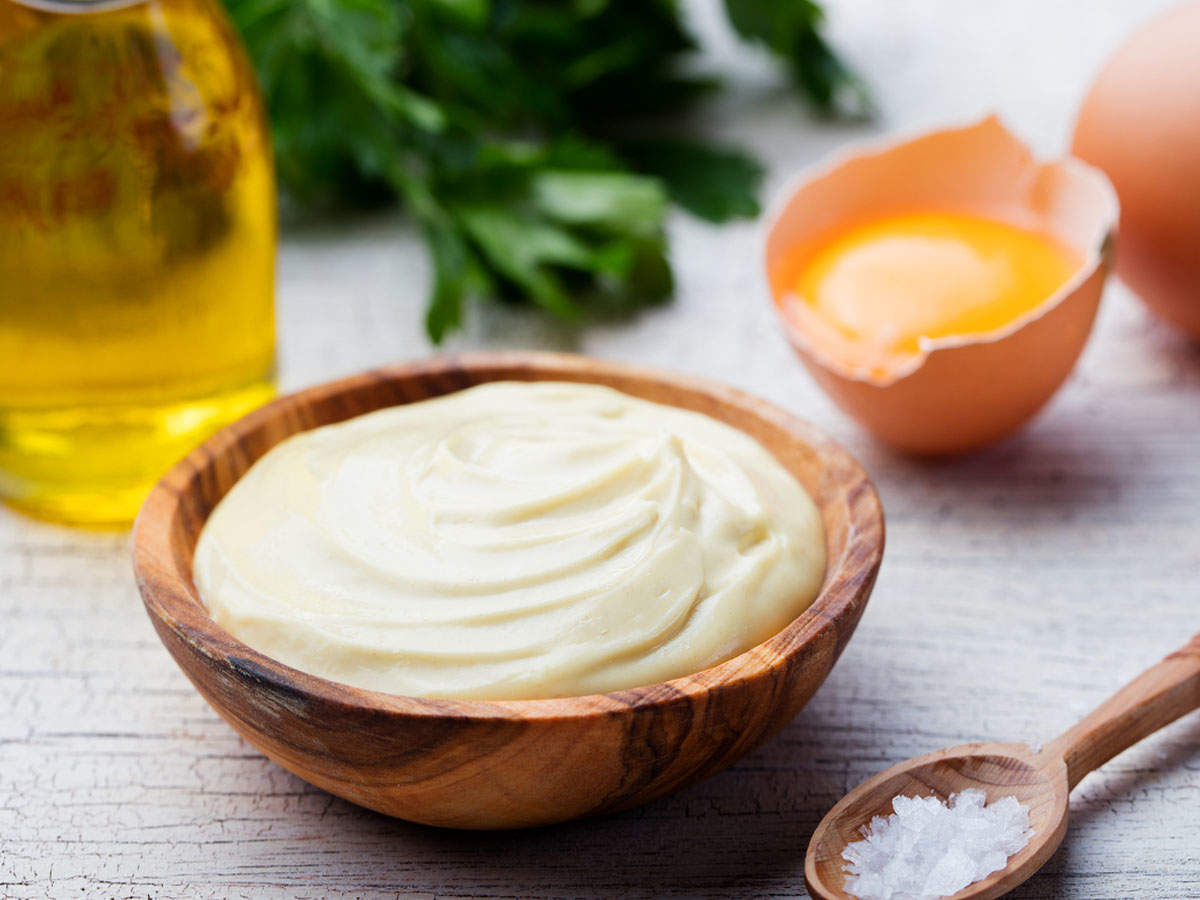
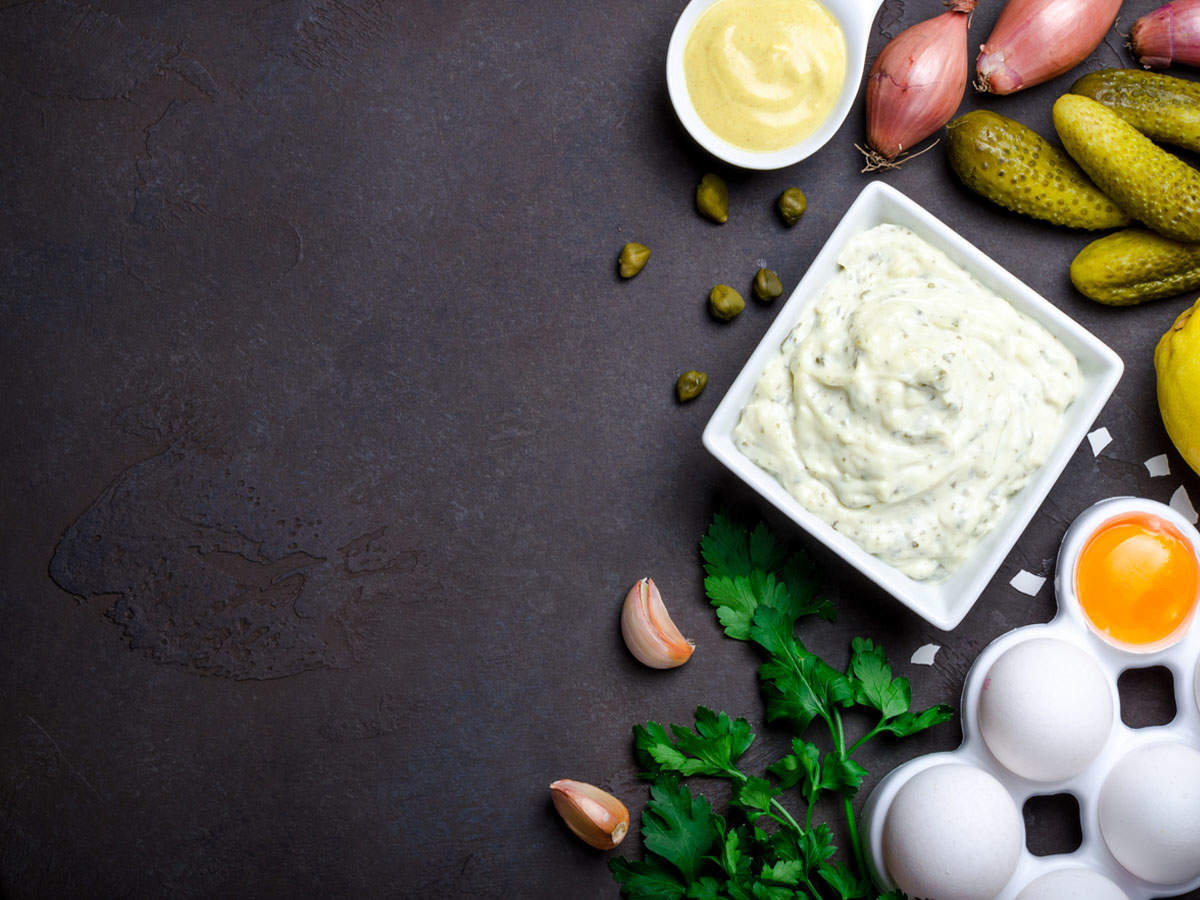
The drool-worthy taste of this delight is prepared with a combination of oil, egg yolk any acidic liquid (like lemon juice or vinegar). To accentuate the taste, a small quantity of white mustard is also added(optional) along with salt and pepper and other spices. This mixture is blended well until it attains a thick consistency.
03/5What makes mayonnaise unhealthy?
Mayonnaise is prepared using the process of emulsification, wherein it is made with egg yolk, oil, vinegar or lime juice. In some cases when the preparation and storage of mayonnaise is not done in the right way it leads way for bacteria to breed. What's more, the presence of oil makes it more fattening. In fact, a spoonful of mayonnaise has around 94 calories, which can simply increase your calorie intake unknowingly.
It has been observed in a few studies that homemade mayonnaise turns out to be a breeding ground for bacteria, if it is not prepared and stored properly. As compared to the commercially prepared mayonnaise, which is prepared with additives and preservatives. However, in both the cases, mayonnaise is high on calories. Hence, it is always advised to keep a check on the quantity of mayonnaise consumed. Especially, if you trying to lose weight then mayonnaise based delicacies can ruin your efforts to lose weight.
04/5Is low-fat mayonnaise good for health?
The taste of mayonnaise is such that replacing it with any other condiment can be heart-wrenching! So, what’s the solution? These days there are many aletertantivers to mayonnaise such low-fat mayonnaise, which is believed to have less-fattening composition, but is it a great option to go for? Well, low-fat mayonnaise is a great option for someone who is trying to lose weight as it has a fat content replaced with starches. However, it also depends from type to type of mayonnaise.
05/5Verdict
If staying in shape is on your mind then going for a low-fat mayonnaise is a great idea. Not only does it help in managing the calorie count but at the same time doesn't compromise on the taste. However, proper storage of mayonnaise is one of the most important things, which can make it healthy or unhealthy. Keeping the mayonnaise bottle open for hours can spoil it by allowing the bacteria in the air to mix up and ruin the goodness. Hence, mindful consumption of mayonnaise is advised to maintain a healthy weight along with keeping an eye on food safety standards to avoid spoilage of mayonnaise is the right way to relish this delight.

Fact Check: Can Consuming Wax-Coated Apples Kill You? Misleading Video Getting Viral

A viral video on social media claims that consuming a wax-coated apple can kill you. It further claims that wax coating on apples is harmful for health. Vishvas News investigated and found that the viral post is misleading.
Claim
A viral video on social media shared by a social media user Dikshita Mahanta reads: “They say an apple a day keeps the doctor away. But I think a single apple like this is enough to kill u soon because of its harmful wax coating in it. Have experienced it today while my sister was about to cut this apple. Take care people.. Safety is now at ur own hands.” Here is the archived version of the viral post.
Investigation
A video clip shared on social media shows someone scrapping off a white substance from apple’s skin. The caption states that the white substance scrapped off from the apple’s skin is wax and consuming it can be harmful for health.
When Vishvas News started its investigation, we found a report by the Food and Agricultural Organization of United States. As per the report, the surfaces of certain fresh fruit are coated with waxes or are treated with other food additives that act as protective coatings and/or help to preserve the freshness and quality of the fruit.
Below is a screenshot of the regulation which says wax coating may be used on the surface of the fruit to help to preserve the freshness and quality of the fruit:
As per the regulation of food additives, Food Safety and Standards Authority of India (FSSAI), following are the food-grade wax approved by FSSAI and its recommended maximum level:
According to the Center for Food Safety, The Government of Hong Kong Special Administrative Region, fruits coated with food-grade waxes are generally safe to eat. To enjoy the benefits of consuming fresh fruits, always purchase them from reliable shops and wash them (including those with skins and rinds that are not to be eaten) thoroughly under running tap water to remove any lingering dirt before peeling, cutting and eating.
The report further states that “These waxes, as kinds of food additives, have been evaluated by the Joint FAO/WHO Expert Committee on Food Additives, an international food safety authority and are considered that their uses in foods are not of safety concern.”
According to Dr. Neeraj Kant, Asstt. Director, New Delhi Municipal Corporation, if food-grade waxes are used as a coating on fruits, then there is no harm in consuming those fruits.
Vishvas News also spoke to Dr. A.C. Mishra, Joint Director (Standards), Food Safety & Standards Authority of India, Ministry of Health and Family Welfare. He said: “Certain types of food-grade waxes are approved by FSSAI that are used for the coating in fruits. Such types of waxes do not cause harm by consuming fruits coated with these wax.”
Conclusion: Post claiming that wax-coated apples can kill you is misleading.
CLAIM REVIEW : Waxed apples are harmful for health and can kill you

Agri Dept teams inspect 40 jaggery manufacturing units

Agriculture officials during an inspection in Jalandhar. 
Jalandhar, January 5
Teams of the Agriculture and Farmers’ Welfare Department inspected 40 roadside jaggery manufacturing units here on Saturday.
The teams led by Chief Agriculture Officer Dr Nazar Singh monitored the production process in these units. The manufacturers have been asked not to keep jaggery in the open on roadside for sale.
Chief Agriculture Officer said, “Punjab Agricultural University has already imparted training to jaggery manufacturers for preparing a safe and quality product under the Mission Tandarust Punjab. The training was aimed at enhancing the quality and hygiene of the produce by ensuring chemical-free manufacturing. The teams exhorted the manufacturers to keep the jaggery in glass jars or air tight boxes for sale. They were asked to use high standards while manufacturing.”
He added that these measures will not only improve the quality of the jaggery but also increase the income of the owners as people love to buy safe and healthy products.
They were also asked to get a licence from Food Safety and Standards Authority of India.

Jan 5, 2020

DINAKARAN NEWS


DINAMALAR NEWS


Safe food streets to come up in Bhubaneswar

With increasing populations in the cities, food safety has been brought to focus by the State Government. Chief Secretary Asit Tripathy on Saturday in a high-level meeting reviewed the food safety measures in different cities.
Tripathy directed the Housing and Urban Development and Food Safety Commissionerate to take a special drive for creating intensive awareness among the street food vendors and the people. He also directed to educate the food vendors about food safety techniques and make people aware not to take unsafe food.
The CS also stressed on enforcing food safety measures through authorised outsourced agencies.
It was decided that the Bhubaneswar Municipal Corporation (BMC) would identify the most populous stretches for creation of ‘safe food streets’ in the corporation area on a pilot basis. A proposal for appointment of designated Food Safety Officers in five municipal corporations was also approved at the meeting.
Tripathy directed to put in place an online system for creating a database of the oversight and enforcement activities.
Stating the updates, Food Safety Commissioner Yamini Sadangi appraised that there had been a steady increase in the number of registered food business operators (FBOs) in the State over last three years. The total number of registered FBOs has increased from 5,026 in 2016-17 to 25,822 in 2017-18 and 36,622 in the year 2018-19.
It was revealed that an online registration system for FBOs has been operational since December 2016. The payment of fees and dues as per FSS Act, 2006 has also been made online.
In the year 2018-19, a total number of 327 ‘legal samples’ were picked and tested out of which 92 samples were found either adulterated or misbranded against which 14 criminal and 33 civil cases have been instituted. Besides, a total number of 1599 ‘surveillance samples’ have also been collected principally from the places of public festivals and celebrations out of which 477 samples found adulterated have been fined.

With the Eat Right India movement, we seek to secure a healthy future

Transforming our food system poses one of the greatest leadership challenges and opportunities of our time
Food systems around the world are delivering unhealthy diets, raising the risk of death and disease, malnutrition, and rising obesity. Building a world where safe and nutritious food is available for everyone and everywhere requires transformation of the food systems
We are what we eat, and we eat what we get. But we do not get what we need. We get what our food system provides.
Food systems around the world are delivering unhealthy diets, raising the risk of death and disease, malnutrition, and rising obesity. Building a world where safe and nutritious food is available for everyone and everywhere requires transformation of the food systems.
Food systems lie at the interface of agriculture and rural economy, industry and commerce, public health and environment. Transforming them requires cooperation, partnerships and alliances, with public-private collaborations cutting across traditional silos. This poses one of the greatest leadership challenges and opportunities of our generation.
Food systems are critical to many of the United Nations Sustainable Development Goals (SDGs). Recognising this, the UN will host a Food Systems Summit in 2021 as part of the Decade of Action to deliver the SDGs.
At the Food Safety and Standards Authority of India (FSSAI ), we are leading a movement called Eat Right India, to provide safe and wholesome food to people everywhere. This requires a mix of regulatory, capacity building, collaborative and empowerment tools. By combining supportive actions to its primary regulatory mandate, we are taking a “food systems approach” to address these issues in a holistic manner. FSSAI was applauded for it by Prime Minister Narendra Modi in his Mann Ki Baat radio address in December last year.
The Eat Right India movement is a collective effort based on three pillars: Safety (if it’s not safe, it’s not food); Health (food should not only serve the palate but the body and mind); and Sustainability (food has to be good both for people and the planet).
There are five concrete actions under each pillar. Under safety, the focus is on ensuring personal and surrounding hygiene, maintaining hygienic and sanitary practices through the food supply chain, combating adulteration, reducing toxins and contaminants in food, and controlling food hazards in processing and manufacturing processes.
Under the healthy diet pillar, we promote dietary diversity and balanced diets, eating less and timely, eliminating toxic industrial trans fats from food, reducing consumption of salt, sugar and saturated fats and promoting large-scale fortification of staples to address micronutrient deficiencies.
The sustainable diet actions promote local and seasonal foods, preventing food loss and food waste, conserving water in food value chains, reducing use of chemicals in food production and preservation, and the use of safer and sustainable packaging.
These actions aim to achieve three things: inspire public trust in food available to people in the market or through government programmes, through improved safety and quality of food; second, to build a strong culture of self-compliance in all food businesses across the supply chain, with better ease of doing business; and finally, to promote safe, healthy and sustainable diets through both demand and supply side interventions, to protect the health of the people and the planet.
There is action on the ground as well. This includes certification of clean street food hubs, fruit and vegetable markets, hygiene rating of halwai shops, meat shops, safety of food served in religious places, and so on. Eat Right India’s home, school and campus initiatives are settings-based approaches to providing the right food environments so that people get what they need.
Mass campaigns with celebrity influencers like Virat Kohli, Raj Kumar Rao, Juhi Chawla and Sakshi Tanwar are triggering behavioural changes for informed food choices. A rich repository of content and messaging (print, digital audio and video) has been created and disseminated. A nation-wide scaling up of the Eat Right India movement is now planned.
The Eat Right India targets people across ages, gender, regions, and socioeconomic groups. It brings together food-related mandates of the agriculture, health, industry and environment ministries, with a “whole of government” approach. As a platform for collective action of stakeholders — consumers, food businesses, community organisations, experts and professionals, and the government — it is in fact a “whole of society” approach. It connects with other flagship programs — Ayushman Bharat, Swachh Bharat Abhiyan, Poshan Abhiyaan, Fit India movement — to institutionalise preventive health care as a way of life.
The Eat Right India movement has forged partnerships with food and nutrition professionals: dieticians, nutritionists, medical doctors, chefs, food scientists, technologists and analysts. They support outreach in collaboration with state food authorities.
FSSAI is gradually transitioning from enforcer to enabler and reformer. This integrative approach is unique for a developing economy like India, with its challenges in size, complexity, food diversity and the large unorganised sector. Eat Right India will be a good template for collective attention in the UN’s 2021 Food System Summit.

Govt to brand Capital streets for food safety

Bhubaneswar: In view of the rising demand for street food in cities like Bhubaneswar and Cuttack, the state government has decided to identify some stretches to brand them as ‘safe food streets’.
Expressing concern over unhealthy junk food items being served to people by some street vendors in cities, the government has taken the step to enable people to obtain safe food. The programme will be implemented on a pilot basis in Bhubaneswar and later extended to other corporation towns— Cuttack, Berhampur, Sambalpur and Rourkela.
The decision was taken at a high-level meeting held under the chairmanship of Chief Secretary Asit Tripathy at Lok Seva Bhawan here, Saturday.
Reviewing the food safety measures in different cities, Tripathy directed the Housing & Urban Development department and Food Safety Commissioner to take a special drive for creating intensive awareness among the street food vendors and the people. He also directed to educate the food vendors about food safety techniques and make people aware not to take unsafe food.
Further, the Chief Secretary asked the officials concern to examine the possibility of enforcing food safety measures through authorised outsourced agencies with delegation of necessary powers.
It was decided that Bhubaneswar Municipal Corporation (BMC) would identify the most populous stretches for creation of ‘safe food streets’ in the corporation area on pilot basis.
Designated food safety officers (FSOs) will be appointed in five corporation towns of the state for the purpose. The Chief Secretary advised the officials to put in place an online system for creating a database of the oversight and enforcement activities.
Elaborating the updates, Food Safety Commissioner Yamini Sarangi said that there has been a steady increase in number of registered food business operators (FBOs) in the state over the last three years. The total number of registered FBOs has increased from 5,026 in 2016-17 to 25,822 in 2017-18 and 36,622 in 2018-19.
Available data show that online registration system for FBOs was launched in December 2016. The payment of fees and dues as per Food Safety and Standards Act, 2006 has also been made online.
The State Food Testing Laboratory has been recognised by Food Safety Standards Authority of India (FSSI) and mobile food testing laboratory has been provided in the state since November 2017 to check the quality of food served in different areas of the state.
This apart, the government has launched Blissful Hygienic Offering to God (BHOG) programme at three places—Kali Temple at Baramunda, Sai Temple at Tankapani Road and Shani Temple at Vani Vihar in Bhubaneswar on a pilot basis to provide quality food to people.
Blissful Hygienic Offering to God ( BHOG) program has been launched in three places- Maa Kali Temple at Barmunda, Saibaba Temple at Tankapani Road and Shani DevTemple at Vanivihar-- in Bhubaneswar on Pilot basis.
BHOG is an initiative put forth by Food Safety and Standards Authority of India (FSSAI).
This move is to encourage Places of Worship (PoW) to adopt and maintain Food Safety and hygiene as well as convey food safety messages through such places to the people to follow as responsible citizens.
In Odisha BHOG has been implemented on Pilot Basis and it is one of the major flagship programs of the Food Safety Commissionerate.
Chief Secretary Asit Tripathy Saturday directed the Housing & Urban Development and Food Safety Commissionerate to launch a special drive for creating awareness among the street food vendors and the people on food safety.
Chairing a high level meeting to discuss food safety issues here, Mr.Tripathy directed the officials to educate the food vendors about food safety techniques and make people aware not to take unsafe food.
Reviewing the food safety measures in different cities, Mr.Tripathy issued directions to examine the possibility of enforcing food safety measures through authorized outsourced agencies with delegation of necessary powers.
It was decided in the meeting that BMC would identify the most populous stretches for creation of ‘safe food streets’ in the corporation area on pilot basis.
The proposal for ‘Designated Food Safety Officers’ in five Corporation areas was also approved in the meeting, said officials.
The Chief Secretary also directed to put in place an online system for creating a data base of the oversight and enforcement activities.
Food Safety Commissioner Yamini Sarangi said that there had been a steady increase in the number of registered food business operators (FBOs) in the State over last three years.
The total number of registered FBOs has increased from 5,026 in 2016-17 to 25,822 in 2017-18 and 36,622 in the year 2018-19.
According to officials, the online registration system for FBOs has been launched from December,2016 and the payment of fees and dues as per FSS Act 2006 has also been made online.
The State Food Testing Laboratory has been recognized by Food Safety Standard Authority of India (FASSI) and mobile food testing laboratory has been provided in the State from November, 2017.
In 2018-19 a total number of 327 ‘legal samples’ have been picked and tested out of which 92 samples have been found either adulterated or misbranded against which 14 criminal and 33 civil cases have been instituted, said officials.
Besides, 1599 ‘surveillance samples’ have also been collected principally from the places of public festivals and celebrations out of which 477 samples found adulterated have been fined.
The officials said that mobile food testing laboratory has tested 1832 samples and have conducted 140 awareness and 20 training programs.
Principal Secretary Health & Family Welfare Nikunja Bihari Dhal, Principal Secretary Housing& Urban Development G Mathivathnan, Director Municipal Administration Sangramjit Nayak along with senior officers from concerned departments participated in the deliberations.

TV shows on healthy foods help improve children's diet


DINAMANI NEWS


DINAMANI NEWS


DINAKARAN NEWS


Jan 3, 2020

DINAKARAN NEWS


DINAKARAN NEWS


DINAKARAN NEWS


FSSAI: Alexa, tell the Kids to‘Eat Right’

Food regulator ties up with Amazon’s virtual assistant to promote healthy eating habits
New Delhi: In a first, the national food regulator has tied up with ecommerce giant Amazon’s virtual assistant Alexa and is setting up ‘eat right’ labs in schools, looking to include children in the dialogue on healthy and safe eating.
“A key constituent of the ‘eat right’ campaign is towards children and to address this audience, there are a number of interventions that are based on pulling in these young minds, rather than pushing out content,” Food Safety & Standards Authority of India chief executive officer Pawan Agarwal said.
The programmes are aimed at reaching youth who use Alexa regularly and to work with schools to deliver meal plans based on eating right, he said.
The move comes after the Central government clamped down on junk foods in schools, banning the sale of packaged foods high in fat, salt and sugar in their canteens, messes, hostel kitchens or within 50 metres of their campuses.
“Millennials are more conscious about their diet. A lot of them live in villages but technology is closing the rural-urban divide. Virtually, they are in the same space as urban consumers and it’s aspirational for them to also eat right. We are aware of this,” Agarwal said.
FSSAI, the nodal agency under the ministry of health and family welfare, will use technology extensively to drive conversations on safe and healthy food.
“We want this to become a mainstream conversation and we’re using technologies like virtual and augmented reality to bring in school and college students,” he said.
The ‘eat right’ campaign is linked with concepts such as setting hygiene parameters for street vendors and hygiene ratings for restaurants, hotels and cafeterias.
In a related development, FSSAI’s “clean street food hubs” under which it identified clusters including street vendors, and trained and mobilised them, is being scaled up nationally from 20 such hubs presently. Besides, milk testing and inspection of dairy plants will come into effect starting this month, with penalties for those not adhering to guidelines.
“There is general despair among citizens that food products such as milk, spices and oil are adulterated. We understand there are problems and that’s why we are doing largescale surveillance to understand the nature and extent of the problem so we can address those,” he said. The regulator is hiring 800-plus employees and taking over central licensing enforcement from state governments.

FSSAI brings loose milk suppliers in Gujarat under regulatory ambit: Report

A nationwide introduction of a similar scheme will be taken into consideration by the FSSAI based on the experience of the rollout in Gujarat.
Unorganised milk suppliers, vendors and producers will now come under the ambit of a regulatory net with the launch of the Food Safety and Standard Authority of India's new 'Verified Milk Vendors Scheme' in Gujarat.
All such unorganised milk producers and vendors will be issued identity cards on registration under the new scheme, The Hindu Businesslinereports.
The state has an estimated 40 lakh milk producers and vendors.
A nationwide introduction of a similar scheme will be taken into consideration based on the experience of the rollout in Gujarat.
Currently, only cooperative dairies and registered private dairies come under the regulatory franework in accordance with the Food Safety and Standards ACt. However, small vendors and producers continue to operate outside the ambit of such regulations.Hemant G Koshia, Commissioner, Food and Drug Control Administration (FDCA) - Gujarat, told the publication that the plan for rollout of the scheme is still underway and they expect that all vendors will be given identity cards within the next six months to one year.

FSSAI launches 'Verified Milk Vendor Scheme' in Gujarat

FSSAI to bring loose milk suppliers under the regulatory ambit
In a first for India, the unorganised milk suppliers or vendors will now be brought under the monitoring through a verification programme.
The Food Safety and Standards Authority of India (FSSAI) has launched 'Verified Milk Vendors Scheme' in Gujarat with an aim to cover milk producers and milk vendors under the regulation net.
Under the new scheme, all the unorganised milk producers and vendors in Gujarat will be issued identity cards by taking their registration. "For the first time, we will be monitoring the raw and loose milk suppliers. Till now the focus has remained on the dairy products and the dairies. But the unorganised suppliers to these private dairies and the end-consumers were somehow missed from the regulatory monitoring. So, we are going a step ahead to keep a check on the raw milk suppliers and producers, who independently supply loose milk to small/big dairies and the end consumers," Hemant G Koshia, Commissioner, Food and Drug Control Administration (FDCA) - Gujarat, told Businessline.
The cooperative dairies and registered private dairies are already covered under the Food Safety and Standards Act, whereas the small vendors and producers often go unchecked.
Gujarat is estimated to have about 40 lakh milk producers and vendors who will be given these identity cards.
FSSAI Chief Executive Officer, Pawan Kumar Agarwal was also present during the launch of the scheme in Ahmedabad last week.
"Currently, we are finalising the rollout plan and coverage strategy. Within next six months to one year's time we will cover all the vendors with identity cards," Koshia stated.
Based on the Gujarat experience, the FSSAI will plan to roll-out the similar scheme nationwide.
On the retail consumption of loose milk, Koshia stated that about 85 per cent of the overall milk consumption in Gujarat is pouched milk, so only a small portion of retail consumers actually go for loose milk purchases. However, Koshia also flagged the risk at the private dairies, where a bulk of loose milk gets processed to make different milk products.
The food regulators in Gujarat have observed instances of milk adulteration in the State to be around 6-7 per cent of the samples collected. "This is in line with the national average of milk adulteration cases. In past 8-10 years, we have seen adulteration cases where water or sucrose were mixed with milk. But there has been no case of urea-mixed adulteration at least in Gujarat so far," stated Koshia.

New sensor to test milk

Researchers at the Indian Institute of Technology Guwahati (IITG) have developed a simple paper-based sensor to assess the freshness of milk, and the method is instantaneous. Commonly used tests to study the effectiveness of pasteurisation such as the Methylene Blue Dye Reduction Test are time-consuming. It can take hours for the colour changes that indicate the presence or absence of microbes to occur. Commercial phenol-based tests require sophisticated spectrophotometers and involve multi-step procedures.
A research team led by Pranjal Chandra of the Department of Biosciences and Bioengineering at IITG developed a simple visual detection technique to detect the quality of milk without the need for special equipment or instruments. Their work was recently published in the journal “Biosensors and Bioelectronics”.
Alkaline phosphatase (ALP), an enzyme present in raw milk, is destroyed at high pasteurisation temperature and is therefore an important biomarker in the quality control of milk. Detection of ALP in milk can thus point to inadequate pasteurisation and/or contamination with raw milk. According to Pranjal Chandra, despite ALP’s recognisable detection potential in native milk, the multi-step nature of and the requirement of sophisticated bulky analytical instruments and trained personnel to detect ALP with the currently used methods limit their use as a sensor of milk quality in remote settings and in home kitchens. Such testing, he pointed out, would require easy-to-operate portable detection kits.
The researchers took simple filter paper, chemically modified it and loaded it with the anti-ALP compound 5-bromo-4-chloro-3-indolyl phosphate, which captures the ALP present in the milk by forming a blue-green precipitate. The intensity of the colour indicates the amount of ALP present. In the absence of ALP, there will be no colouration. The team used a smartphone to capture the image of the colour and used the RGB (Red Green Blue) filter in the phone to profile the colour obtained, which could be correlated to the ALP concentration in the test sample.
“Our sensor takes merely 13 minutes to detect ALP, and hence it can be applied for quick onsite analysis,” Pranjal Chandra said. The researchers successfully tested milk obtained from villages and commercially available milk samples using their kit and found that they could detect down to 0.87 units of ALP per millilitre of milk to 91-100 per cent accuracy. This detection limit and accuracy make it possible to discriminate raw milk from pasteurised/boiled milk. The team has developed a miniaturised detection kit. Kuldeep Mahato, Ashutosh Kumar and Buddhadev Purohit of the research team have also developed an advanced version of the paper-based sensor with improved accuracy using a label-free bioelectronic chip. The researchers plan to commercialise both variants of the kit.

Dec 31, 2019

DINAKARAN NEWS


DINAKARAN NEWS


Drive to ensure potable water

Kochi: District administration has decided to intensify ‘Operation Pure Water’ and take stringent action against those supplying contaminated water from Wednesday. Tanker trucks engaged in the supply of drinking water should draw water from the 13 hydrants provided by Kerala Water Authority (KWA).
Tests will be conducted on a frequent basis for checking the quality of water supplied through tanker trucks. The registration number and time of the trucks collecting water should be noted at the points from where the water is drawn. Quality division of KWA should monitor the distribution and the quality of drinking water supplied in the district. The water supplied should be subjected to quality tests at government recognized laboratories at regular intervals. Tanker trucks, which are not registered with the Food Safety and Standards Authority of India, should not be allowed to engage in water supply. Such tankers should also register with the district administration.
The squad of food safety department must take rigorous actions against those drawing water from abandoned quarries. Moreover, they have to adhere to the high court order stating that the colour of tankers transporting drinking water, construction material, and sewage must be blue, brown and yellow, respectively.

Dec 30, 2019

DINAKARAN NEWS


DINAKARAN NEWS


Milk safety: Feed producers told to meet BIS’ mark

FSSAI has said foods of animal origin (such as milk) are at times found to be non-compliant with relevant standards prescribed under the law.
CHENNAI: The Centre has fixed a deadline of June 10, 2020, for animal feed manufacturers to comply with regulatory standards prescribed by the Bureau of Indian Standards (BIS). It has also banned import of feed which does not have BIS certification mark. Cattle feed is a major source by which milk gets contaminated with Aflatoxin M1, a carcinogen. The order by Food Safety and Standards Authority of India (FSSAI) has been issued to all States, two months after a national-level survey revealed the presence of the carcinogen in milk samples taken from Tamil Nadu and a few other States.
FSSAI has said foods of animal origin (such as milk) are at times found to be non-compliant with relevant standards prescribed under the law. It is examining the possibility of framing feed regulations, supported with appropriate amendments to the Food Safety Act. “On an interim basis, it has been decided that commercial feeds and feed materials intended for food-producing animals (such as cattle and sheep) shall comply with relevant BIS standards and shall not be manufactured/imported, distributed and sold except under BIS certification mark,” said the directive issued on December 10 by P Karthikeyan, deputy director, FSSAI, New Delhi.
The FSSAI has given feed manufacturers a deadline of six months, from the date of the order, to comply with it. Following reports of the presence of Aflatoxin M1 in milk, last month the State government constituted a high-level committee to conduct a detailed study. Cattle are fed with paddy straw, fodder and concentrate mixture. The concentrate feed is prepared using different varieties of cake along with food grains, husk, minerals and molasses from sugar mills.
Milk producers say ingredients used for preparing cattle feed are purchased from small-scale companies in rural parts of the State and currently there are no provisions to examine the quality standards.
“Most farmers will not even weigh the feed purchased. Regulation of cattle feed may be appreciated, but a majority of dairy farmers are unaware of the standards and other safety parameters,” said M G Rajendran, general secretary, Tamil Nadu Milk Producers’ Welfare Association (TNMPWS).
Tamil Nadu Food Grain Merchants Association State president S P Jayaprakasam said the association was informed by State health officials that Tamil Nadu Agricultural University will conduct a detailed study into cattle feed and only later would regulations be decided on. “We will create awareness among the manufacturers over toxic content. However, fodder gets contaminated mainly because of fertilisers”. “All dairy farmers are being sensitised by our field level staff and veterinarians over quality of feed,” said a senior official of Animal Husbandry department.

Coconut oil , tomato sauce companies slapped with fine for substandard products

KOCHI: State Food Safety department has slapped heavy fines on two coconut oil companies after finding out their products lacked quality and failed to meet the prescribed standards.
The brands facing ban are K P N Suddham, Kitchen Tasty, Shudhamaya Thani Nadan Velichenna and Keraleeyam. The company called Kairali Oil Kizhakkambalam, which is producing these four brands, has been slapped a fine of Rs 6 lakh under Food Safety act, in three adjudication cases.
Moovattupuzha RDO has signed the order that specifies the fine.
Along with Kairali Oil, ABH trading company was also fined Rs 3.15 lakh for its sub-standard product known as Keraleeyam coconut oil, distributed by Kochin Trading Company Allapra.
Kolanchery-based PKM Prime Foods Private Ltd was also fined Rs 2 lakh for their substandard Tomato sauce.
The above mentioned companies had selected for their products names that had resemblance with popular brands and by that way, duped customers into buying their products. This also brought bad name to those popular companies.

Punjab bans manufacturing, storage and sale of cooking oils made of admixtures of Ghee and Vanaspati


CHANDIGARH: Issuing a Prohibition Order in the interest of public health ,under section 30(2) (a) of the Food Safety and Standards Act, 2006, and in pursuance of the Regulation 2.1.1 of the Food Safety and Standards ( Prohibition and Sales ) Regulations, 2011, Kahan Singh Pannu, Commissioner, Food and Drug Administration, Punjab informed that the manufacture, distribution, storage and sale of Cooking Medium concoctions prepared by admixture of ghee and any added matter not exclusively derived from milk fat and vanaspati to which ghee or any other substance has been added, have been prohibited in the State of Punjab. Such admixtures cannot be sold even under proprietary food category.
The orders have been enforced for one year with effect from January 15, 2020, said he.
He informed that the office of Commissioner, Food & Drug Administration, Punjab had cancelled the licenses of firms, in the month of September, 2019, which were manufacturing such admixtures in the State of Punjab against the provisions of Regulations, 2011. However, the sale of such admixtures continued in the State with the products manufactured outside the State.
Thereafter, in mid September, a notice was given for seeking objections, to completely prohibit the manufacture/sale/distribution of these concoctions in the State of Punjab. The objections, if any, were to be filed within a period of 15 days.
A company named M/s Tapan Agro Industries Private Limited, Agra filed the objection to the notice. A personal hearing was given to the representative of M/s Tapan Agro Industries Private Limited and was informed that the admixture formulation of M/s Tapan Agro Industries Private Limited (Preet Lite cooking medium proprietary food and Deep Classic cooking medium proprietary food) are not exempted from Regulation 2.1.1 of the Food Safety & Standards (Prohibition & Restrictions on Sales), Regulations, 2011. It was also cleared that this admixture cannot be sold even under proprietary food category , even after proper labeling declaration for being in contravention with the Regulations, 2011.
Pannu said that it has been observed that a large number of Food Business Operators are selling admixtures of vanaspati and admixtures of ghee in gross violation of the Regulations, 2011, under various names such as Cooking Medium, Lite Ghee, Pooja Ghee, Activo Lite, Preet Lite, Ultra Classic, etc. Such cooking mediums contains large amount of Saturated Fats and Trans Fats which further increase manifold when the product is used for frying purposes. The Trans Fats have been established to have ill effects on human health for causing hypertension and coronary diseases. These products are made with admixtures of vanaspati and admixtures of ghee and are prohibited in the State under the Regulations, 2011, being injurious to public health.