Jan 25, 2019

Have home-cooked food to your heart’s content

On FoodBuddy, consumers can choose their own choice of cuisine. 
FoodBuddy delivers meals of your choice, all cooked in home kitchens
The aroma and taste of home-cooked food, for many, is irreplaceable and inimitable. This is the idea that drives city startup FoodBuddy. A few taps on your smart phone and you are a few minutes away from that ghar ka khaana.
Founded by Anup Gopinath, an IIM-A product, Rachna Rao from IIM-B, and Akil Sethuraman, FoodBuddy has reached the city now.
“While the company was founded in 2015, it was in 2017 that we ran pilots,” Mr. Gopinath says. Thus far, the platform has clocked 20,000 meals cooked in home kitchens and has reached 1,500 homes in the city.
The company claims that its network comprises gated societies from where buyers can either pick up or get meals dropped at their respective locations. One can find food from one’s own region, which includes a mughlai, Rajasthani, Gujarati and Andhra cuisine, and anything in between.
It’s easy for sellers or home chefs to register on the platform. All they have to do is submit relevant documents such as ID proof and address proof. The company then runs its internal checks for authenticity. Once that is done, the home chef is good to go. Buyers, on the other hand, can choose their preferred dish and cuisine. But since the platform is for home kitchens and not restaurants, how does the company ensure standards in terms of quality and hygiene? The consumer gets to decide it as the platform is largely feedback-based.
According to Mr. Gopinath, home chefs and kitchens do not require permissions from civic authorities as those with less than ₹12 lakh income can get a Food Safety and Standards Authority of India registration.
The company has thus far raised ₹6 crore and its operations are live in Bengaluru and Hyderabad.

Jan 24, 2019

FSSAI direction regarding use of Jaivik Bharat Logo


Industry fears about new labelling regulations unfounded: FSSAI CEO

After a hectic year of notifying nearly 28 new regulations, the Food Safety and Standards Authority of India (FSSAI) is gearing up for the more challenging task of implementing these laws. FSSAI CEO Pawan Agarwal told BusinessLine in an interview that building consumer confidence in the food available in the marketplace is most crucial. Excerpts:
After a year of notifying many new regulations, what will be FSSAI’s focus in 2019?
As a regulator, finalising regulations is just the beginning, not the end. Now that the regulations are in place, the bigger challenge is ensuring implementation. We are adopting various strategies to ensure that businesses comply with these regulations. Ultimately, citizens need to have confidence in the food they get in the marketplace — they should not think twice before buying a food product or eating out.
Inspections of food businesses so far have been fairly ad hoc. But now we will focus on a mechanism of risk-based inspections, which means food businesses or products where the risks are higher will get inspected more often. Since there is limited manpower, these inspections will be done in collaboration with third-party audit agencies. The focus will be to ensure compliance of food safety regulations across the entire value chain. This is a paradigm shift from the time when the focus was only on the safety of the final product.
Focus will also be on testing food products through surveillance, sampling and testing. Through strategic surveillance activities such as large-scale food surveys, we can identify hot-spots or areas where there are bigger concerns and understand the nature of these concerns. Training and capacity building within food businesses through the Food Safety Training and Certification (FoSTaC) programme is another focus area.
Have you identified sectors where such strategic surveillance and large-scale surveys are required?
Milk was a big area and we conducted a large-scale survey last year to understand the issues there. Similarly, value-added dairy products, spices, meat and meat products are segments where we plan to take up large-scale surveys. Some work has already begun on testing of honey and edible oil products for a survey.
There has been a lot of debate around the proposed new labelling regulations...
The idea behind the new labelling regulations is to enable citizens to know more about the composition of food products, so that they can make informed choices. Bringing in any labelling regulations without making citizens aware about eating healthier food products — and the consequences of eating food which is high in salt, sugar, saturated fats and trans-fats — will not cut much ice.
Our societal behavioural change initiatives such as the Eat Right Movement are in this direction and we plan to scale them up. Once the foundation for healthy eating habits is laid, the labelling regulations will have a greater impact.
I think there is more interest in the industry than among consumers over the new regulations and this interest is largely driven by a fear that we might be unreasonable. The fact that we have taken a lot of time to discuss and deliberate on these regulations suggests that many of their fears may be unfounded. We are trying to see that while the labelling laws provide useful information to consumers, it does not hit the industry.
Are you working towards setting up a mechanism to handle the issue of fake videos regarding food safety after discussions with the IT Ministry?
They have connected us to various platforms. Players such a Twitter, Facebook and Google have a grievance redress mechanism in India. Once a particular post is identified, we can inform them; they have agreed to co-operate with us. We are also engaging with WhatsApp to find a solution to this issue.
How about plans for a hygiene rating scheme for restaurants ?
We are in discussions with restaurants for the implementation of the Hygiene Rating Scheme. Soon, several thousand restaurants will be rated under this scheme and these ratings will become more and more visible across outlets.
Will the government’s nod to FSSAI to create additional posts add a new dimension?
We are currently engaged with external consultants to do two kinds of reviews. One is to focus on benchmarking our practices and processes with global standards. The second review is focussing on the internal working system of FSSAI and involves a review of our HR practices such as performance management. Soon, the hiring of over 800 people will begin in a phased manner. We would like to be seen as a modern organisation with a positive work ethos and culture that values its people .

TN may ban sachets, biscuit wrappers

Cos Put On Notice Over Multilayered Plastic Material
Chennai:
Three weeks after the ban on 14 single-use plastic items kicked in across Tamil Nadu, the government has cracked down on all multilayered plastic material used to pack items like biscuits, creams and shampoo. Ninetyfive companies have been issued notice, saying they will not be able to market their products packaged with such material in the state until they regsieter with the Tamil Nadu Pollution Control Board and comply with clause 13 (2) of the Plastic Waste Management Rules, 2016, within a month.
The order, issued by TNPCB chairman Shambhu Kallolikar on January 22, has set the companies the near-impossible task of owning responsibility for after-use collection and disposal of the packaging material in coordination with the urban local bodies concerned.
The rules mandate the manufacturer and the brand owner to register with the state pollution control board if operating in less than two states and with the Central Pollution Control Board (CPCB) if operating in more than two states.
The CPCB defines multilayered packaging as any material used, or to be used, for packaging and having at least one layer of plastic as the main ingredient in combination with one or more layers of material such as paper, paper board, polymeric material and metalized layers or aluminum foil, either in laminate form or a coextruded structure.
‘Notices issued to cos violating norms’
In general terms, it means polyethylene, aluminum foil and other copolymers of polyethylene combined with paper, plastic and other items. A TNPCB official said, “As per the rules for selling and marketing, they need to get valid registration. All these companies are violating that norm. We have issued notices even to companies using tetrapacks and PET bottles as they have also been brought into this ambit. Apart from these 95 companies, we will issue notices to others as well using multi layered plastic.”
The companies issued notice include Nestle India, Hindustan Unilever Limited, Hindustan Coca-Cola Beverages, Dabur India, Bikaji Foods, Bisleri International, Britannia Industries, Pepsico India Holdings, Reliance Industries, Britannia and Co, Aachi Masala, Sakthi Masala, Amul Dairy, Everest Limited, Parle products, MTR Foods, AAVIN and Cadbury India. The 95 companies, which have been directed to apply and obtain registration from the CPCB or TNPCB in a month, should furnish the TNPCB with details of suppliers/sellers of multi-layered plastic products. They should coordinate with the United National Development Programme India to work out the Extended Producer’s Responsibility (EPR) in line with the Tamil Nadu model. “This model was discussed with associations of brand owners at a three-day meeting from January 7 to 10. The minutes of the meeting have been sent to the secretary for further orders,” said an official. Under the EPR, producers will be responsible for introduction of plastic in the market and managing it until the end of its life. B Swaminathan, chairman of environmental committee, Tamil Nadu Plastic Manufacturers Association, said, “How can EPR be framed without urban local bodies involvement? The municipal administration and water supply department should provide infrastructure and cooperate with the brand owners. Industry cannot be part of it unless it is discussed and all the departments are involved. It is very premature to discuss all this and ban all these products,” he said.

Jan 23, 2019

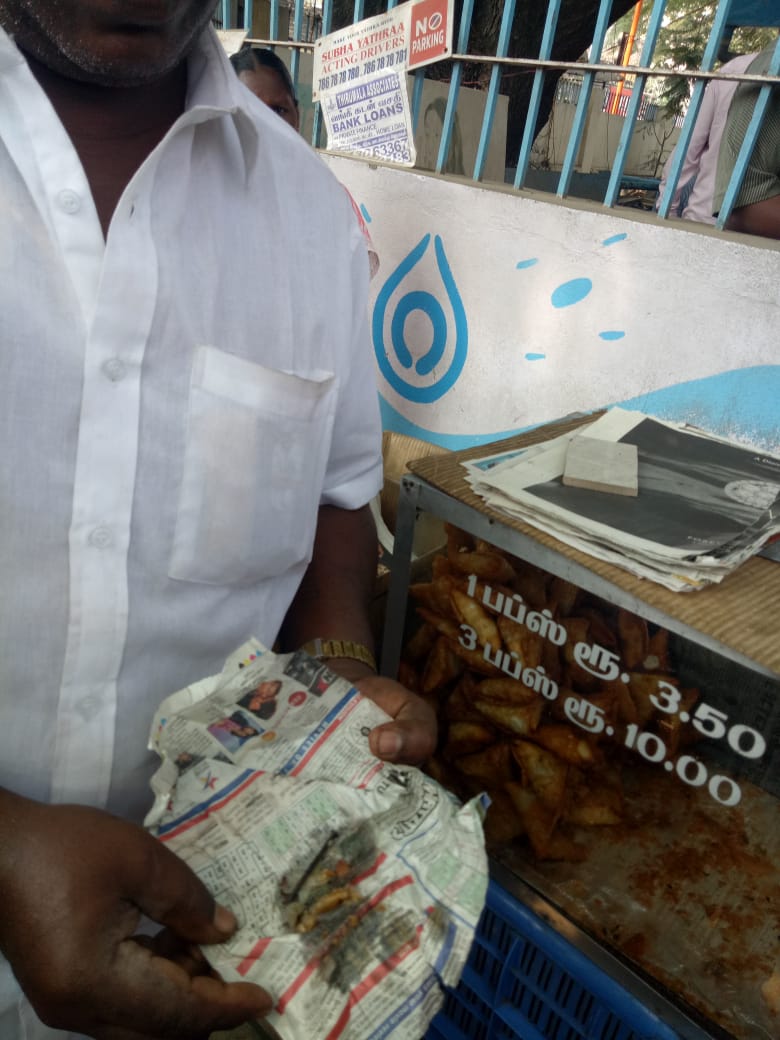
பப்ஸில் இருந்த இரண்டு இன்ச் ஆணி... கோவையில் உணவுப் பாதுகாப்புத்துறையில் பகீர் புகார்!

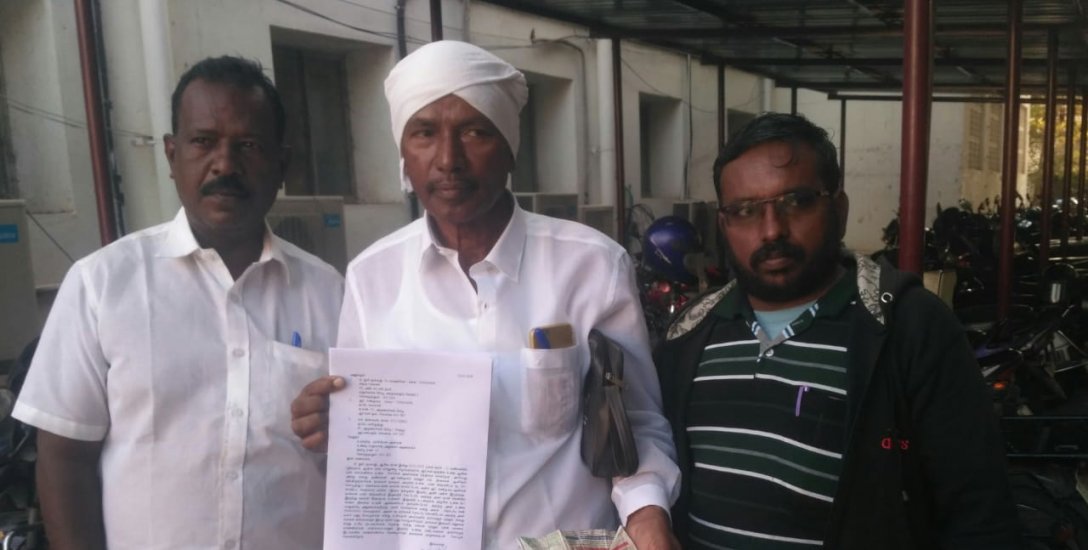
கோவையில் பப்ஸ்க்குள் ஆணி இருந்தது தொடர்பாக உணவு பாதுகாப்புத்துறையில் புகார் அளிக்கப்பட்டுள்ளது.
இது தொடர்பாக நூர் முகமது, சண்முகம் மற்றும் தினகரன் ஆகியோர் கோவை உணவு பாதுகாப்புத்துறை அலுவலகத்தில் அளித்துள்ள புகாரில், ``ஆவின் பால் ஏஜென்ட் எடுப்பதற்காக, ஆர்.எஸ்.புரத்தில் உள்ள ஆவின் அலுவலகத்துக்குச் சென்றிருந்தோம். அப்போது, அருகே பப்ஸ் விற்பவரிடம் ரூ.20-க்கு 6 வெங்காய பப்ஸ் வாங்கி சாப்பிட்டோம். அதில், சண்முகம் சாப்பிட்ட பப்ஸில் 2 இன்ச் நீளமுள்ள ஆணி இருந்ததைக் கண்டு நாங்கள் அதிர்ச்சியடைந்தோம். விற்பனையாளரிடம் கேட்டதற்கு, நான் இதை வெளியில் இருந்து வாங்கி வருகிறேன் என்று கூறினார். இதுதொடர்பாக, ஆர்.எஸ்.புரம் காவல்நிலையத்தில் புகார் அளிக்கச் சென்றோம். அவர்கள் உணவுப் பாதுகாப்புத்துறை அலுவலகத்தைத் தொடர்பு கொண்டபோது, மனு அளிக்கச் சொன்னார்கள். இதனால், அவர்களிடம் புகார் மனு அளித்துள்ளோம்.
எனவே, இந்தப் புகார் மனுவை ஏற்று உரிய நடவடிக்கை எடுக்க வேண்டும். மேலும், பொது மக்கள் மற்றும் பள்ளி மாணவர்கள் பாதிக்கப்படாமல் இருக்க, இதுபோன்ற உணவுப் பண்டகங்களைத் தயாரிக்கும் இடத்தை நேரில் சென்று கண்காணிக்க வேண்டும்" என்று கூறியுள்ளனர்.

Expedite cases related to food safety, says HC

Officials of the Food Safety Wing checking private milk selling vendors for adulteration of milk, in Vellore. 
Wants adulterators to be brought to book at the earliest
The Madras High Court on Tuesday directed all civil and criminal courts in the State to ensure that cases filed against food adulterators were taken up on an urgent basis and disposed of as early as possible.
A Division Bench of Justices Vineet Kothari and Anita Sumanth issued the interim direction on a public interest litigation petition filed by advocate A.P. Suryaprakasam in 2017 seeking a CBI probe into Dairy Development Minister K.T. Rajenthra Bhalaji’s claim that milk sold by some private dairies was unhealthy.
During the last hearing of the case on December 13, the judges grilled Food Safety Commissioner P. Amudha over the action taken against those selling adulterated milk in the State. She had expressed her inability to conduct more number of raids because of limited manpower available in her department.
Rejecting such excuses, the Bench directed her to crack down on every other adulterator and submit a comprehensive report in the court. Accordingly, the Commissioner filed a report in the court on Tuesday and the judges were surprised to see the number of raids having gone up considerably without any change in the manpower.
After recording the submission of the Commissioner that as many as 790 samples of milk were lifted from various establishments and subjected to quality checks in December alone, the judges wondered why no action had been taken though 113 of those samples were found to be sub-standard.
Cases in lower courts
On a perusal of a chart produced before them, they also found that criminal cases launched against food adulterators were pending in the lower courts for long.
A direction was issued to the lower courts to dispose of the cases at the earliest and a direction was issued to the Registrar General to obtain a list of such cases pending in the courts.
Civil proceedings pending against food adulterators before the District Revenue Officers should also be concluded speedily and details thereof must be submitted in the court by February 26, the judges ordered.
The Bench also took serious note of the Food Safety and Standards Rules, framed by the government in 2001, exempting those who sell less than 500 litres of milk per day from obtaining a licence under the Act. “Does that mean a person who sells one litre of milk each to 500 families is entitled to poison them?” the senior judge in the Bench asked and said that his Bench shall examine the issue in detail during the next hearing.

Codex committee to draft standards for a variety of spices


The fourth session of the codex committee on spices and culinary herbs (CCSCH) that got underway in Thiruvananthapuram on Monday will draft standards for oregano, basil, ginger, garlic, chilli pepper and paprika, nutmeg, saffron and cloves. They are in the form of reports of electronic working groups established by the previous session held at Chennai in February 2017. In this fourth session of the codex committee, more than 100 delegates from 30 countries are participating.

Codex committee to draft standards for a variety of spices
The agenda is two new work proposals; one is to draft standards for turmeric and small cardamom, and second is to develop harmonized standards for global trade for these two high-demand spices.
Kerala governor P Sathasivam inaugurated the fourth session of the codex committee on spices and culinary herbs established under Codex Alimentarius Commission (CAC). On this occasion, he said spice cultivators should be encouraged to think globally and make use of the latest farming technologies. He said Indian farmers should be provided with better infrastructure like better storage facilities so that they could stay up-to-date with their counterparts from other countries.
The governor also said, “Ensuring transparency and equality in fixing global quality standards for spices and herbs can strengthen the global food safeguard without compromising on safety.” He added, “Kerala has suffered a production loss of more than 25,000 tons of spices valued at Rs1,254 crore in recent floods. This session’s plan to deliberate draft standards for cardamom and turmeric is truly laudable since they are among the crops that dominate the spices cultivation in Kerala.”
Rita Teaotia, the chairperson, Food Safety and Standards Authority of India (FSSAI), said in the previous three sessions, the CCSCH succeeded in getting the approval of the CAC for three standards; black, white and green pepper; cumin and thyme.

‘Bhog’ to feed gods, devotees hygienic food

FSSAI has set specific rules for maintaining food safety and hygiene in the preparation of the offering.
The initiative mandates adoption of hygienic practices by the food handlers which requires wearing of aprons, gloves and head covers.

Thiruvananthapuram: Blissful Hygienic Offering to God or Bhog aimed at maintaining food safety and hygiene in places of worship mandated by the Food Safety and Standards Authority of India (FSSAI) will be implemented in the state by February 28.
On Tuesday, the Kerala Commissionerate of Food Safety held a meeting with the officials of Travancore, Cochin and Malabar Devaswom boards to enforce the project at 10 prime temples.
Sree Padmanabhaswamy temple, Mannarasala, Guruvayoor, Sabarimala, Parassinikadavu, Lokanarkavu are some of the places of worship chosen by the Commissionerate for launching the pilot project.
However, apprehensions loom large over the enforcement of Bhog which makes licensing and registration mandatory for places of worship offering ‘prasadam’ to devotees. FSSAI has set specific rules for maintaining food safety and hygiene in the preparation of the offering. 
“We have initiated discussions with Devaswom officials. The Commissionerate will be giving proper training and all technical support,” said a top official.
The initiative mandates adoption of hygienic practices by the food handlers which requires wearing of aprons, gloves and head covers. Proper cleaning and waste management facilities are a must for getting the license.
“We will sensitise them about the need for food safety regulations and health hygiene. We have pressure from the Centre to implement the project and report its progress,” said the official.
As per the guidelines, the procurement of raw materials for prasadam should be from authorised traders with FSSAI licenses.
However, Devaswom officials didn’t give a specific reply on whether they will be taking licenses and registration from the Commissionerate.
“We are very positive about the initiative, and most of our temples are maintaining high-quality standards in the preparation of prasadam,” Devaswom Board president A. Padmakumar said.
However, the food safety authorities are very hopeful that regular auditing by them will improve the standards at these temples.

Eateries without licence will face legal action now

Mysuru: After finding that only around 30% of eateries in the city run without permission, the health department has taken up a massive drive to identify such establishments and bring them under the ambit of trade licence. Department officers have already started issuing notices to such eateries across the district.
In the notice, the health department stated that as per the Food Safety and Standards Act 2006 and Rules 2011, it is mandatory to have trade licence for establishments with an annual turnover of over Rs 12 lakh and registration for those with less than Rs 12 lakh. The act covers all the establishments including food manufacturers, hotels, bakeries, sweet stalls, wine stores and bars, restaurants, canteens, clubs, canteens, food malls, roadside vendors, dhabas, wedding halls, fruits and vegetable vendors.
A district health department officer told TOI that some owners, especially in the rural areas, fail to apply for license due to lack of knowledge about the rules. However, there are people who deliberately avoid taking licenses.
“It is like starting from zero. We have taken up the drive to make the traders apply for license. From 2011, we are intimating the traders for license and registration. Till 2014, traders were prompt in taking license, but due to lack of strict implementation of rules, traders started to show negligence. Now, we are starting the drive from the beginning,” officers said.
Authorities stated that in the MCC limits, only 10% of the establishments possess license. “This time, we are very strict and have been issuing notices. If the trader does not respond positively, we will take legal action. We will call squad from the state and levy hefty fine or close the establishments,” officers said.
The health department has initiated the drive by deputing district surveillance officer Dr Kusuma to cover the district and district vector-borne disease control officer Dr S Chidambar the MCC limits.
Chidambar told TOI that the problem is with the hotel and bakery associations who refuse to obtain license and argue with officers.
He said that the problems regarding the hotels, bakery and street vendors have been brought to the notice of higher authorities. “Despite resistance from hotels and bakeries, we have managed to increase the percentage of license holders from 15-20% to 30%. This time, legal action will be initiated for failing to possess license,” he said.

Jan 22, 2019

Letter keep check on labelling defects on Package of Health Supplements


Over 4.5 tonnes of banned tobacco products seized

Food Safety officials and police seized banned tobacco products in Tiruchi on Monday. 

TIRUCHI
In a joint raid conducted by Food Safety officials and the city police, over 4.5 tonnes of banned tobacco products were seized from various places here on Monday. The raid was conducted involving 16 Food Safety officials all over the city, including Fort area, Gandhi Market, Airport, K.K. Nagar and Thennur lasting over five hours.
In one such case, the teams seized over 3 tonnes from a godown belonging to a person by name Tirupathi who runs a grocery shop in Khajapettai area. Tirupathi was later handed over to the police.
The team which went to the grocery shop of Tirupathi later went to his house nearby where they found a godown where the banned products were stocked. In another case, around 1.5 tonnes of tobacco products were seized from a godown functioning on Big Bazaar street - the city's prominent commercial hub. The godown owner Mangal Ram (25) was arrested on the charge of illegally stocking the banned products.
The banned substances were concealed in boxes and gunny bags. The value of the seized substances was around ₹ 4 lakh, said R. Chitra, District Designated Officer, Tiruchi.
The joint operation was carried out after holding discussions with the city police authorities earlier.
The raid was planned in a surprise manner and carried simultaneously by the Food Safety officials at the chosen areas roping in the police from around 7 a.m. to 2 p.m., Dr. Chitra said. Interrogation of those from whom the banned products were seized revealed that the products were brought from Bengaluru.
The seized substances were later brought to the Food Safety office here, Dr. Chitra said. Police sources said Mangal Ram was arrested by the Fort Police and a case booked against him.
Dr. Chitra said this was the first time that a huge haul had been seized from different places in the city. Police said a team seized some varieties from the office of a wholesale dealer involved in the sale of biscuits, cigarettes in Fort area on Sunday. The dealer by name Bawan Kumar was arrested and a case booked against him.

Schools to face surprise food-safety checks

AHMEDABAD: The Food Safety and Standards Authority of India (FSSAI) will conduct surprise checks in schools in Ahmedabad, Rajkot, Surat, Junagadh and Bhavnagar. The state education department has written to district DEOs to extend their support. 
A senior department official said that a number of schools in these districts have in-house canteens for cooking and serving food.
"It came to the notice of authorities that the students consume more fatty food with excessive salt and sugar which is detrimental for their health. Thus, the officials will now collect samples during the surprise checks and will later prepare a report on food quality and composition with recommendations," said an official. 
From every district, 10 schools will be chosen randomly and the sample collection will take place during surprise checks within a month.
Sources said that one such drive had failed earlier as the schools refused entry of FSSAI officials inside school premises.

FB & Google told to weed out ‘fake’ content on food

Such Videos Are Eroding Trust In India’s Food System: FSSAI
New Delhi:
The government has instructed Google and Facebook to take down ‘false and malicious’ videos and other content that spreads misinformation regarding safety and quality of food in India, saying that ‘fake’ information is eroding the public’s confidence in institutions tasked with food safety.
The IT ministry issued instructions to the global internet giants, asking them to immediately remove such content and block the accounts of people who are uploading the videos, sources told TOI. The order follows a complaint by Food Safety and Standard Authority of India (FSSAI) CEO Pawan Agarwal to IT secretary Ajay Prakash Sawhney.
“It has come to our notice that some miscreants are misusing various social media platforms for circulating fake and objectionable material, including false and malicious videos regarding safety and quality of food available in India,” an official of the IT ministry said in separate written communications to the two companies. “Such fake, false and malicious videos erode the public’s confidence about the institutions in India which are performing their job with due diligence.”
The IT ministry said that the FSSAI has pointed out instances where the internet platforms had been used by miscreants to spread misinformation about food quality. “Specific instances like creating false scare of plastic eggs, plastic rice, melamine in milk... One specific fake video, which went viral on social media, was related to the presence of melamine in milk, wherein it was maliciously projected that FSSAI had given permission for use of melamine in milk,” the IT ministry note said.
“… take immediate action of identifying and removing such content and warning such uploaders, including blocking of their accounts in the future.”
The ministry also told the companies to institute a system, as part of their due diligence, for prevention of uploading such imagery/video/text on their platforms.
In its complaint to the IT ministry, FSSAI had said that the false content on food safety had created fear in the minds of the public and eroded their confidence on food control systems in India. “… such false propaganda is neither good for citizens nor the food business. This also erodes global trust in our food system and food businesses, and potentially has far-reaching public health, social and trade implications,” FSSAI CEO said.
FSSAI also suggested that the internet and social-media companies should appoint a nodal officer so that it can directly take up such issues with them for quick remedial action.

Jan 19, 2019

150kg of spurious desi ghee seized

Ludhiana: Following a tip-off, the food safety team of the district health department conducted a raid at a house in Haibowal here on Friday afternoon, and sealed 10 cartons of desi ghee. During the raid, health officials recovered open bottles of flavoured chemicals for use in the preparation of the seized desi ghee, which was being further sold to an outlet in Amarpura Colony of Field Ganj.
Meanwhile, sources in the health department informed: “150kg (worth approx Rs60,000) of adulterated desi ghee was recovered during an extensive raid by health officials at a house on Friday afternoon. During the raid, the health team found a manufacturer preparing a huge amount of desi ghee in his house by mixing chemicals with harmful flavours.”
Speaking on Friday’s action, district health officer Andesh Kang said: “After receiving several complaints about the adulteration of desi ghee being sold in Field Ganj, the health team carried out a raid at a house and sealed the entire stock of desi ghee being prepared by them. The team has recovered an open bottle of flavoured chemicals from the house, about which health officials have suspicions it might be used in the preparation of desi ghee.”
Samples have been taken by the health officer, and sent to a laboratory for further testing. “We have sealed 10 cartons of 15kg desi ghee during the raid, which was further being sold to a dairy in Field Ganj. If the reports confirm adulteration, then a penalty of approximately Rs13 lakh will be imposed on the manufacturer, and might also result in the shopkeeper losing the licence of his shop, from where the ghee was being sold,” said Kang.

FDA slaps Rs 5 lakh fine on Maganlal Food Products for violating food safety norms​

PUNE: Food and Drug Administration (FDA) officials have initiated an adjudication process and slapped a fine of up to Rs 5 lakh on Lonavla-based Maganlal Food Products, the manufacturer of Maganlal’s Chikki, for violating food safety norms. 
After issuing the manufacturer a stop production notice for not adhering to quality standards early in December, the FDA officials have now found that the sample of chikki they had drawn from the outlet at the time of surprise inspection in December, contained synthetic edible colour in excess amount.
The officials have tested the chikki samples at designated government laboratory in Pune. 
“The sample of Maganlal’s strawberry peanut crush chikki was found to contain thrice the prescribed limit of edible synthetic colour. As per the food safety norms, the prescribed limit of the edible colour used in the chikki is 100mg/per kg, whereas the colour used in the drawn sample of chikki was 306.55mg/per kg,” Suresh Deshmulkh, joint commissioner (food), FDA, Pune told TOI. The sample was drawn on December 12.
Owner of Maganlal Food Products Ashok Agarwal said, “We have been serving customers for many years and the edible colour we used was always the best. However, food handlers’ visual observation might have prompted them to add more than the required colour in the chikki product. We have decided not to use any edible colour in our products from now on."

Govt to check unhygienic roadside eateries: CS

PATNA: Chief secretary (CS) Deepak Kumar has said a survey of street food vendors in the city was being conducted in order to rehabilitate them.
“The street food carts and kiosks are mostly unhygienic. We are going to provide them either glass shields or plastic sheets to cover the food items. We may also provide them new carts with covers,” Kumar told this newspaper on Friday.
Street vendors in Patna and other urban areas in the state are supposed to be rehabilitated under the provisions of ‘Bihar State Street Vendors (Protection of Livelihood and regulation of Trade) Act, 2012’. Sources said the Patna Municipal Corporation has also planned vending zones at around 12 places in the city.
The move to create vending zones has been hailed by many. “Inspection and audit officials from food safety and standards authority of India (FSSAI) regularly pay us a surprise visit to check for adulteration, contamination and preparation of fast food. We have nothing to worry as hygiene is our top priority. FSSAI officials also inspect our kiosk regularly,” said Om Prakash of a popular fast food kiosk at Maurya Lok Complex.
While the survey may not be a matter of concern for the likes of Prakash, it might come as a blow to hawkers who are operating in the street food sector without obtaining a licence from FSSAI.
Durga Das, a bhelpuri vendor near Dak Bungalow road, said such a move is against small and poor vendors whose survival depends on daily sales of local delicacies like chat, bhelpuri and golgappas etc. “My family of six is dependent on my bhelpuri business. If the government wants to rehabilitate us claiming that we sell unhygienic food, we should also be given an alternate source of livelihood,” said Durga.

Jan 18, 2019


Religious centres under FSSAI lens

Even though the regulation was mandatory in the FSSAI norms, it used to take no action.
The Food Safety and Standards Authority of India (FSSAI) has now directed them to follow standard safety practices and made its licence mandatory.
KOZHIKODE: Consuming prasadam or eatables from any religious centres is a practice with a lot of faiths, but for authorities, ensuring its quality is a matter of concern. 
The Food Safety and Standards Authority of India (FSSAI) has now directed them to follow standard safety practices and made its licence mandatory.
Even though the regulation was mandatory in the FSSAI norms, it used to take no action. The FSSAI will now conduct special drives to ensure quality food devotees consume. 
FSSAI assistant commissioner O. Eliyamma said that they are working on how to ensure their safety especially at a time when a lot of festivals and celebrations are coming.
All the religious centres must obtain a license from the FSA for distributing any food. If they outsource the foody, the vendor must also be licensed. 
“Even though no such situation arose at any of the religious centres in our district, we don’t want to take any risk,” she said. 
“Foreseeing the upcoming festival season, we will make it mandatory to ensure the quality of the food supplied. There are even religious centres here distributing food among devotees on a daily basis. We'll take action against those who violate norms.”

Sample of Maganlal chikki had synthetic colour in excess: FDA

Pune: Food and Drug Administration (FDA) officials have initiated an adjudication process and slapped a fine of up to Rs5 lakh on Lonavla-based Maganlal Food Products, the manufacturer of Maganlal’s Chikki, for violating food safety norms.
After issuing the manufacturer a stop production notice for not adhering to quality standards early in December, the FDA officials have now found that the sample of chikki they had drawn from the outlet at the time of surprise inspection in December, contained synthetic edible colour in excess amount.
The officials have tested the chikki samples at designated government laboratory in Pune. Under Food Safety and Standards Act, 2006, any person using edible colour more than the permissible limit in food products is liable to a penalty which may extend up to Rs 5lakh.
“The sample of Maganlal’s strawberry peanut crush chikki was found to contain thrice the prescribed limit of edible synthetic colour. Hence, we have initiated the legal process against the firm,” Suresh Deshmulkh, joint commissioner (food), FDA, Pune told TOI.
Food safety official R R Kakade had drawn the sample during inspection of the production unit on December 12. The sample was analysed at the designated laboratory between December 14 and December 26.
Elaborating, Deshmukh said, “As per the food safety norms, the prescribed limit of the edible colour used in the chikki is 100mg/per kg, whereas the colour used in the drawn sample of chikki was 306.55mg/per kg, which is three times more. It is violation of section 51 (penalty for sub-standard food) of the Food Safety and Standards Act, 2006.”
Following the inspection in early December 2018, the FDA officials observed grave lapses in sanitation and quality measures at the Lonavala-based production unit of the Maganlal Chikki and issued stop production notice to the manufacturer till it rectified the lacunae.
“The company had stopped production for first 15 days following the notice during which they complied as per the norms after which we allowed them to resume production,” Deshmukh said.
Owner of Maganlal Food Products Ashok Agarwal said, “We have been serving customers for many years and the edible colour we used was always the best. However, food handlers’ visual observation might have prompted them to add more than the required colour in the chikki product. We have decided not to use any edible colour in our products from now on."

33 shops to face action for selling adulterated sweets

GURUGRAM: Around 33 sweet shops-cum-restaurants across the district will face legal cases or administrative action and could be fined up to Rs 5 lakh for allegedly selling adulterated food.
The department of food safety has recommended registration of cases against the sweet shops at the court of the additional deputy commissioner. According to sources, the case proceedings against these commercial establishments will begin by the end of this month. Earlier, the officials had collected samples of sweets and food, such as paneer and other milk products, from these shops around Diwali. 
At the time, over a hundred samples were collected from various shops by the department of food safety and sent to the forensic laboratory in Karnal. The tests carried out subsequently have revealed that around 33 shops were selling adulterated or sub-standard quality edibles. The reports on the same have also been shared with the district and state health departments, said officials concerned.
As per rules, such shops can be asked to pay Rs 1-5 lakh in fines, besides facing other forms of strict action.

59 quintals of spurious ghee seized

Chandigarh: Continuing with its drive against spurious milk products, teams of food and drug administration have seized 59 quintals of spurious desi ghee.
Acting on a tip off, food team form Mansa inspected a dairy at Bareta Mandi village in the district along with CIA staff. The team found that a total of 59 quintals of spurious desi ghee was being prepared by mixing inferior quality product of two types, one of which was being supplied from another manufacturer and one was being prepared by the dairy owner. Huge amount of chemical was also found on the spot that was being mixed with the ghee to make the final product.
Commissioner food safety KS Pannu said during inspection, 10 quintals of adulterated desi ghee was found hidden in a milk tanker that was to be smuggled into nearby areas.

Jan 12, 2019

DINAKARAN NEWS


DINAKARAN NEWS


High fibre intake cuts risk of diseases


VMC cracks down on food outlets

Vadodara: Food safety officers of the Vadodara Municipal Corporation (VMC) conducted extensive checking of outlets in the city selling sweet and savouries for the Uttarayan festivities. The officials also checked the quality of ingredients used to make these food items.
The food safety department took up the drive to check the quality of food items as dishes like ‘undhiyu’, ‘jalebi’, ‘chiki’ and others will be consumed widely during the two-day Uttarayan festivities that fall on Monday and Tuesday. Outlets have already started preparing and selling some of these while the raw material for others has been accumulated.
VMC teams on Friday checked establishments in the Waghodiya Road, Nizampura, Warasiya, Tarsali, Ajwa Road and OP Road areas in the city. Seven samples of prepared food items as well as raw materials were collected during the drive.
According to VMC officials, checking of food business operators had commenced during the last couple of days. Earlier, 15 outlets were checked by VMC teams. The samples that were collected include edible oil, jaggery and other raw materials apart from prepared food items.

FDA Cancels License Of Top Players, Focus On Hygienic Food

After identifying several lacunae, such as lack of hygiene, the hotels were served notices on September 6, and asked to improve the quality of food, as well as step up cleanliness measures.
In the last two years the food safety and standards authority of India has played an important role to maintain and make sure that restaurant and hotels are maintaining the basic hygiene. The food safety authority has also demanded online aggregators to make sure they partner with restaurants who fits on the safety criteria and had also asked them to delist the remaining players if they are not going by the law.
In a stern action, the Food and Drug Administration (FDA) has suspended the licenses of five hotels, including Lemon Tree Hotel Private limited, Holiday Inn Restaurant and Hyatt Place at Hinjewadi in Pune over lack of cleanliness, preparing food in unhygienic conditions and serving food items beyond their expiry dates.
Licenses of two other hotels — Fortune Select Dasve at Lavasa and Upper Deck resort at Lonavala were also suspended. The action comes after a visit by Food Safety Officer Santosh Sawant to Hyatt Place, Holiday Inn Restaurant and Lemon Tree Hotel on August 30 last year.
A statement, issued by Joint Commissioner (Food), FDA’s Pune division, Suresh Deshmukh, said the licenses of these hotels have been suspended. “The license of Holiday Inn restaurant and Hyatt Place has been suspended for 15 and 14 days respectively. The licence of Lemon Tree Hotel has been suspended for four days,” said Sampat Deshmukh, assistant commissioner (Food), FDA, Pune. The FDA Joint Commissioner has further urged hoteliers to maintain cleanliness and ensure qualitative standards, failing which strict action will be taken.
“Vigilance of food and health authorities is good steps as it will filter out players doing wrong practices and help customers have food which is not unhygienic. However, for long term, better route should be to re-work on the food and health rules and make it consistent across country,” shared Karan Tanna, CEO, Yellow Tie Hospitality adding the licenses approval should be made online so it is transparent and not subjective.
After identifying several lacunae, such as lack of hygiene, the hotels were served notices on September 6, and asked to improve the quality of food, as well as step up cleanliness measures. After the hotels submitted their compliance report on December 11 last year, the FDA conducted a re-inspection but found no change in the issue of cleanliness.
Earlier, this January, FSSAI also said that they have accelerated the process of setting standards and notified 27 new regulations for food standards.
Some of the key regulations include the ones on alcoholic beverages, food fortification, advertising and claims, packaging, residues of pesticides, tolerance limits of antibiotics and pharmacologically active substances.
"We are setting standards to ensure safe food to consumers and at the same time see to that they do no impact the businesses. Now that the standards (on food products) are more or less in place, our focus is going to be on compliance, monitoring, inspection and enforcement," shared Pawan Agarwal, CEO, FSSAI earlier this month.
A Parliamentary Standing Committee on health and family welfare in a report submitted in 2018 had rapped FSSAI over weak enforcement of food safety laws and also recommended restructuring of the autonomous body that functions under the health ministry.
Hence, we can say that the food safety authority is working hard to make sure that the food is served fresh and healthy.

Jan 11, 2019

Eateries, shops at RTC Complex found violating MRP norms

Vigilance officials inspecting a hotel at Dwarakanagar RTC Complex on Thursday. 

Vigilance officials conduct raids
Sleuths of Vigilance and Enforcement Department, along with food safety, legal metrology departments on Thursday conducted raids on several hotels and shops in the RTC Complexes at Dwarakanagar and Maddilapalem. The officials booked cases against several outlets on charges of several irregularities including violation of MRP norms.
Acting on the instructions issued by Vigilance SP D. Koteswara Rao, the officials raided hotels and shops . They found several outlets selling food items more than the MRPs and without manufacturing details. They collected four samples while the legal metrology officers registered seven cases against cool drink shops and other vendors.
Meanwhile, raids were conducted at Maddilapalem RTC complex. Shops were found using expired tomato sauce in preparing food and storing chicken in violation of norms. “Cases will be booked under Food Safety Act,” the officials said.
Vigilance DSP P.M. Naidu, Inspectors R. Mallikarjuna Rao, N. Srinivasa Rao and Food Safety Inspectors G.V. Apparao, Legal Metrology Inspector Radha Krishna and few others took part in the raids.

'No regulation for printing of nicotine content on cigarette packets'

INDORE: Food safety and standards authority of India (FSSAI) has submitted its reply before high court in a petition seeking printing of nicotine and tar content on cigarette packets, denying any regulation over smoking tobacco products or cigarettes. 
FSSAI submitted that they could only regulate food items and were taking steps towards exercising the ban on use of nicotine and tar in food products, including pan masala and gutka. FSSAI also submitted that while their primary duties lie in implementation of Food Safety and Security Act 2006, they could seize samples of cigarettes along with the state government under Cigarettes and Other Tobacco Products Act (COTPA) 2003.
“It had also been submitted by FSSAI earlier that a proposal is pending before the Centre for setting up a laboratory to test nicotine and tar content of cigarettes. The proposed laboratory will be the first in India and is likely to be set up in Gurgaon, Delhi,” advocate Shweta Mewada, counsel for petitioner said. PIL filed by Harsh Jhunjhunwala had alleged that tobacco companies were selling poor quality cigarettes in the market and that they were not mentioning the quantity of tar and nicotine on cigarette packets. `

Swasth Bharat Yatra to reach Pilibhit today, to spread awareness on healthy food

Pilibhit: Swasth Bharat Yatra (SYB), an outreach programme of Food Safety and Standards Authority of India (FSSAI) will reach Pilibhit on Friday.
Also known as ‘cyclothon,’ the programme has an ambitious objective of disseminating mass awareness about fortified food, techniques of detecting adulterated food materials and promotion of healthy eating habits.
As many as 70 students from different educational institutions of the district will take part in the programme and take it to Uttarakhand’s Udham Singh Nagra district, the next destination of SBY. The cyclothon is scheduled to conclude in New Delhi on January 27.
The food safety department of Pilibhit has sought active coordination of members of Indian Medical Council (IMA) to spread awareness on the importance of healthy food.
According to Pilibhit food safety officer, VK Verma, SBY is a key element of ‘Eat Right India Movement’ and is dedicated to Mahatma Gandhi’s Dandi March and Salt Satyagraha of 1930.
Verma said, “As part of the initiative, special vans titled ‘eat right movement and food safety on wheels’ will cover all urban and rural areas of the district to spread awareness on fortified products and the benefits of their consumption.”
“Fortified foods are rich in vitamins and essential minerals, including iron, sodium, potassium, calcium, zinc among others. We are trying to spread awareness on the same,” Dr Saurabh Agrawal, IMA district secretary, said.
District magistrate Akhilesh Mishra said that ASHA and ANMs would be assigned special duties to educate villagers on healthy eating habits.

Jan 10, 2019

DINAKARAN NEWS


Here’s how your vegetable salad may be getting poisoned, reveals IISc-UAS study

Bengaluru:
A study published by researchers at the Indian Institute of Science (IISc) and University of Agricultural Sciences (UAS) has claimed that increasing incidence of vegetable salads causing food poisoning may be due to infectious bacteria sneaking into plant roots.
“In recent years, contamination of salad vegetables by e.coli and salmonella bacteria — the most common causes of food poisoning — have led to largescale recalls. Although most salmonella outbreaks are linked to contamination from post-harvest handling and transportation, this infectious bacterium can also enter the plant from contaminated soil,” researchers said in a statement.
But how exactly does it enter from the soil? In their study, the researchers said unlike other disease-causing bacteria that enter the root, fruit or leaf by producing enzymes to break down the plant’s cell wall, salmonella sneaks in through a tiny gapcreatedwhen a lateral root branches out from the plant’s primary root.
“This is the first time we have shown how different salmonella are from other plant pathogens based on their ability to colonise roots,” said Kapudeep Karmakar, a PhD student, department of microbiology and cell biology, IISc, and first author of the paper published in BMC Plant Biology.
Karmakar andhiscolleagues studied how different types of bacteria, including salmonella, colonise the roots of tomato plants. While other bacteria were spread across the root, salmonella bacteria clustered almost exclusively around areas where lateral roots emerge.
“When a lateral root pierces open the wall of the primary root to spread across the soil, it leaves behind a tiny opening. Using fluorescent tagging and imaging, the researchers figured out that salmonella bacteria were using this gap to enter the plant.”
Researchers also noticed that under the same conditions, a plant with a more lateral roots harboured a greater concentration of salmonella than one with fewer lateral roots. Similarly, when plants were artificially induced to produce more lateral roots, the salmonella concentration increased.

Jan 9, 2019

Banned Plastic


DINAKARAN NEWS


‘Refined oils are totally safe for cooking’

Scientists and nutritionists dispel the myths doing rounds on social media platforms
In the wake of misleading messages doing rounds on social media platforms about refined vegetable oils, Scientific Panel on Oils and Fats at Foods Safety and Standards Authority of India (FSSAI) has said that refined oils are totally safe to use as cooking oil.
Chairperson of the Scientific Panel on Oils and Fats (FSSAI) R.B.N. Prasad said the FSSAI recognised several oils for cooking purpose and a majority of these oils required refining. Because the oil obtained either from expellers or solvent extraction plant would contain some impurities which adversely affect the safety, flavour, odour and appearance of oil, they are required to be removed for making the oil edible and for ensuring long shelf life.
He was speaking at a seminar on ‘Edible Oils – Myths and Facts’ organised by Indian Consumer Federation attended by scientists, nutritionists and the industry body Solvent Extractors Association and consumers here on Tuesday.
Refining advised
Some of the oils like groundnut oil, sesame, coconut oil, mustard oil and safflower oil, which were extracted using expelling technique could be consumed without refining. However in some cases these oils were also affected by ‘aflatoxin’ during harvesting. Thus it was advisable to refine these oils before consumption.
Several oils like sunflower, palm, soyabean, cottonseed and rice bran, among others, were required to be sold only as refined oils as these oils were produced by solvent extraction process and they may contain solvent residues. The refining process was done as per the guidelines issued by FSSAI and most of the nutritional components were retained during refining, he said.
Dietary requirement
Former director of National Institute of Nutrition Kalpagam Polasa said as per ICMR dietary guidelines the total dietary fat intake was 30% of total energy intake per day. This 30% of the total daily energy intake should come from dietary sources of oils and fats. If an individual consumed 2,000 Kcal of energy per day, then 30% or 600 Kcal (equal to 65 grams) should come from total fat (visible plus invisible intake). So 30 g of visible oils was necessary to be consumed per day.
On which cooking oil is good, she said each cooking oil had its own merits and demerits. If some oils like coconut oil have saturated fatty acids more, that could be easily metabolised, others have mono unsaturated fatty acids that help lowering LDL cholesterol. Thus a combination of oils could be selected and consumed to get required proportion of all kinds of fatty acids. However, it was safe to buy packed edible oils as loose oils could be adulterated.

FSSAI Bans Use of Newspapers, Recycled Plastic to Wrap Food

On finding that packaging materal can cause contamination in food products, the Food Safety Standard Authority of India (FSSAI) has directed all Food Business Operators to stop using recycled plastic, newspaper and paper sheets to wrap food.
The FSSAI conducted two studies to check the presence of chemical contamination and heavy metals in food, in collaboration with the Indian Institute of Packaging (IIP), Mumbai, and the National Test House (NTH), Kolkata. Following this, the FSSAI issued a notification regulating food packaging norms.
"Besides, general and specific requirement with respect to packaging materials, the regulations also prescribe overall migration and specific migration limits of contaminants for plastic packaging materials" FSSAI wrote in its press release.

Jan 8, 2019

DINAKARAN NEWS


DINAKARAN NEWS


DINAKARAN NEWS


DINAKARAN NEWS


New food packaging norms by regulator


Soon, eateries will be fined if found wrapping food products using newspaper, recycled plastic

The Food Safety Standard Authority of India (FSSAI) has directed all Food Business Operator (FBO) not to wrap food products using recycled plastics, newspaper and paper sheets.
The move was taken after the results of two studies conducted by FSSAI which noted the presence of chemical contamination and heavy metals from packing materials into food. 
HIGHLIGHTS
  • New rules will come into effect after July 1, 2019
  • FSSAI has amended all existing provisions in respect to packing requirements
  • This was after 2 studies noted presence of chemical contamination and heavy metals in packaging materials
The Food Safety Standard Authority of India (FSSAI), the apex food regulator in India, has regulated food packaging norms after they found contamination in food products through its packaging material. They have directed all Food Business Operator (FBO) not to wrap food products using recycled plastics, newspaper and paper sheets.
This is the latest direction to all FBOs by the apex food regulator. The move is taken after the results of two studies conducted by FSSAI which noted the presence of chemical contamination and heavy metals from packing materials into food.
The study was done in collaboration with the Indian Institute of Packaging (IIP), Mumbai and the National Test House (NTH), Kolkata.
In the recent notification, the Food Safety Standard Authority of India (FSSAI) has amended all existing provisions with respect to packing requirements prescribed in the Food Safety and Standards (Packaging and Labelling) Regulations, 2011.
Pawan Agarwal, CEO of FSSAI told Mail Today, "We have given time to all FBOs till July 1, 2019 to gear up for the new packaging guidelines. The greater safety concern is for food packaging material by unorganised sector or loose packing. These regulations prohibit packaging materials made of recycled plastics, including carry bags for packaging, storing, carrying or dispensing articles of food."
About 380 food samples were collected from unorgansied sector and 13.4 per cent of overall contamination was found in food articles. Out of which, 51 samples were found with heavy metal contaminant such as plastic pouches, lid container, bottle, Al Foil etc.

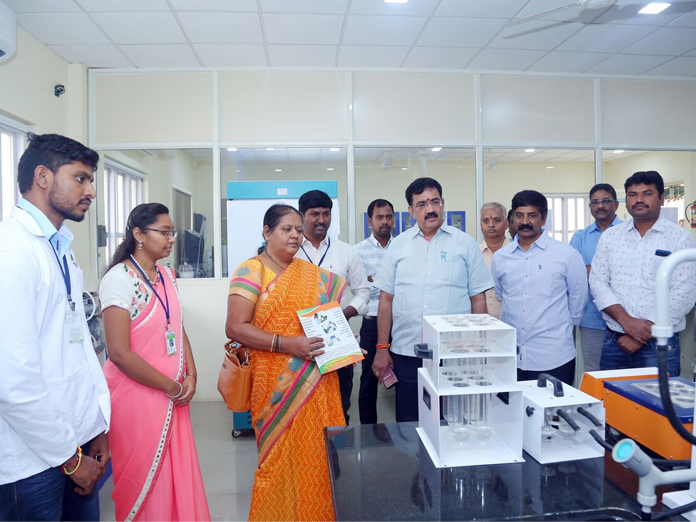
Food testing lab inaugurated in Vijayawada

Institute of Preventive Medicine medical director Dr P Manjari inaugurating Annoor Envirochem and Food Analytical Laboratory in Vijayawada on Monday

Vijayawada: It is the responsibility of one to know the quality of the foods one takes in everyday life, said Institute of Preventive Medicine medical director Dr P Manjari.
She participated as the chief guest at the inaugural programme of ‘Annoor Envirochem and Food Analytical Laboratory’ at Siddhartha College of Pharmaceutical Science. The lab is the first of its kind in the state.
Speaking on the occasion, Manjari said that the manufacturers of food and soft drinks should follow the food safety Act and get the products tested as per the act.
Annoor Envirochem and Food Analytical Laboratory has accreditation from the National Accreditation Board for Testing and Calibration Laboratories (NABL).
Excess food colour, preservative, pesticide remains, nutrition values, mineral water, drinking water can be tested at the lab. 
Lab MD Sk Ansar said that tests were done under expert’s supervision. For the food test, people used to go all the way to Chennai, Bangalore and Hyderabad and now they can get the tests done here at Vijayawada, he said.

Jan 7, 2019

Popular noodles brand has lead in it

The company also misled the consumers by alleged unfair trade practices, false labelling and misleading advertisements.
The Supreme Court of India on January 3, vacated its stay on the Centre's 2015 action seeking damages of Rs6.4 billion (Dh338,057,043) from Nestle India limited - the manufacturer of Maggi noodles - for alleged unfair trade practices, false labelling and misleading advertisements.
The class action is rooted in the case of alleged high lead content and presence of MSG (monosodium glutamate) in Nestle's popular Maggi instant noodles.
The bench headed by Justice D.Y. Chandrachud today vacated the stay of the proceedings before the National Consumer Disputes Redressal Commission (NCDRC) that were stayed way back in 2015 as the top court then was seized of the matter.
While vacating the stay on the proceedings on the class action by the Centre seeking damages of Rs640 crores, the court said the report of the Mysuru-based Central Food Technological Research Institute where the samples of Maggi noodles were tested would form the basis of the proceedings.
The court asked the Centre, the Food Safety and Standards Authority of India (FSSAI), Nestle and others to argue before the NCDRC whether the consumers were misled by the company as contended by the Centre in its class action.
The Supreme Court had in 2015 put on hold proceedings before the NCDRC after Nestle moved the top court challenging the commission's order directing the testing of 16 samples of Meggi noodles to ascertain their safety for consumption.
The NCDRC had ordered the testing of the Maggie noodles in the course of the hearing of the Central government's class action against Nestle India, the manufacturer of Maggi noodles, seeking Rs6.4 billion in damages for alleged unfair trade practices, false labelling and misleading advertisements.
The Commission had directed that out of withdrawn stocks of Maggi noodles in the custody of the Food Safety and Standards Authority of India (of which 100 batch numbers were randomly noted by the local commissioner) 16 samples be sent for testing for presence of lead in any form and of MSG, including their quantity in the samples at the Export Inspection Council of India, Chennai.
Appearing for Nestle, senior counsel Abhishek Manu Singhvi said, "The lead content was found to be within permissible limit and there is some amount of lead in lot of products."
Senior counsel told the court that the Mysuru-based Central Food Technological Research Institute has given the finding that the noodles contained lead "within permissible limits".
However, the Centre contended that the main issue in the class action was not whether noodles were harmful or not, but the company misled the consumers by alleged unfair trade practices, false labelling and misleading advertisements.

How much lead in your food can harm you?

After the Supreme Court revived the action suit against Nestle, the company's lawyers admitted to the presence of lead in the popular instant noodles. Do you know how much lead in your food can harm you?
The Supreme Court on Thursday revived the action suit against Nestle by NCDR by questioning the lead content in the popular Maggi noodles. The lawyers representing Nestle admitted to the presence of lead in the FMCG product. However, they argued that the lead content in the noodles was within permissible limits. Let's take a look at what is lead poisoning and how much lead in your food can harm you.
What is lead poisoning?
Lead, a highly toxic metal, is a very strong poison. Lead poisoning is a serious condition which can sometimes be fatal. It causes severe mental and physical impairment. Young children are most vulnerable to it as their brains and nervous systems are in the developing stage.
Though no amount of lead in the blood is safe, it is known that lead level as low as 5 micrograms per deciliter can lead to health problems in children.
Symptoms and Diagnosis
Lead poisoning usually builds up slowly. Hence, lead toxicity follows repeated exposures to small quantities of lead. 
According to Healthline, some of the symptoms of lead toxicity in adults are abdominal pain, abdominal cramps, aggressive behavious, sleep problems, constipation, irritability, headaches, loss of appetite, fatigue, memory loss and anemia among others.
In children, symptoms can be identified in the form of intellectual disability. For example, a child having behaviour problems, low IQ, poor grades at school, growth delays, etc.
Emergency symptoms in case of a high toxic dose of lead can be severe abdominal pain and cramping, vomiting, muscle weakness, seizures and coma. Lead poisoning can be diagnosed with a blood lead test.

Samples of jaggery, milk taken in Ambala

Ambala, January 5
A team of drug and food administration on Saturday took a sample of jaggery from Khurshid Gur Kolhu at Khudda Kalan in Ambala. The team had taken four samples of jaggery, two samples of milk, and some other food items on Friday.
While the samples of jaggery were taken from Dhiman Cane Crusher, Avsed Ali Gur Kohlu, Bansal Cane Crusher, and Shiv Shakti Cane Crusher in Nohni village of Ambala, the milk samples were taken from a milk vendor, Naresh Kumar, and Lucky Dairy in Saha block.
Besides these, samples of atta noodle, chocolate pastry, and guava juice were taken from different shops on Friday on the basis of complaints received.
Food Safety Officer (FSO) Subhash Chander said, “The consumption of jaggery and products made from it increases manifold in winters and to ensure that only good quality jaggery is provided to the customers, the samples have been taken. All samples will be sent to the food laboratory in Karnal for analysis.”
On the other hand, two milk samples, out of eight, taken from dairies and milk vendors in December have been found to be substandard. The FSO said, “Two samples — one was taken from a milk vendor, who belongs to Lohal Simbli, Rajpura, and another sample from Ambala cantonment — have been found to be substandard. The SNF (solids-not-fat) content was not found adequate in the milk. The fat content was adequate. More raids will be conducted in the coming days to check adulteration in milk.”
Health Minister Anil Vij said chemicals were used in jaggery making, hence directions had been issued to the Food Safety Officers across the state to take samples of jaggery and get these tested in a laboratory.

Jan 6, 2019

DINAMALAR NEWS


விக்கிரவாண்டியில் பிளாஸ்டிக் பறிமுதல்

விக்கிரவாண்டி: விக்கிரவாண்டி பேரூராட்சி சார்பில் கடைவீதியில் அதிகாரிகள் பிளாஸ்டிக் பைகளை பறிமுதல் செய்தனர்.தமிழக அரசு, கடந்த 1ம் தேதி முதல் 14 வகையான பிளாஸ்டிக் பொருட்களுக்கு தடை விதித்துள்ளது. அதனையொட்டி விக்கிரவாண்டி பகுதியில் உள்ள கடைகளில், பேரூராட்சி செயல் அலுவலர் வெற்றியரசு தலைமையில், உணவு பாதுகாப்பு அலுவலர் இளங்கோவன் உள்ளிட்ட அதிகாரிகள் குழுவினர் ஆய்வு செய்து, தடை செய்த பிளாஸ்டிக் பொருட்களை பறிமுதல் செய்தனர்.

DINAKARAN NEWS


No food, opt premium train riders


Nestle ad campaign says Magi is Safe after SC revives Rs.640 cr. case


Food officials seize 2,300kg adulterated jaggery

Erode: Food safety officials conducted a surprise raid at a jaggery shandy at Chithode here on Saturday and seized 2,300kg adulterated jaggery.
Designated district food safety officer T Kalaivani said the searched was conducted based on a tip that the shandy was using chemicals such as sodium hydrogen sulphate, calcium oxide, sodium carbonate, sodium bicarbonate, super phosphate and alum to make the jaggery, besides mixing sugar to enrich its sweetness. According to her, jaggery manufacturers usually mix hydrogen sulphate to whiten the jaggery.
She said samples would be send to the government testing lab in Chennai to ascertain the presence of chemicals in the jaggery. “Strict action will be initiated based on the lab test report.”

Read menu card, curb appetite

There is a proposal to make it mandatory for restaurants to declare calorie counts of food
If you knew that the masala dosa you are relishing contained nearly 1,030 calories, would you reach out for that second helping? A recent study has demonstrated that the brain makes “sensible food choices” when calorie information is available on the menu card.
Read and eat
The study, published in the PLOS One, a peer-reviewed science journal, says seeing pictures of food with calorie information not only makes food less appetising but may also change the way our brain responds to food. When food images appeared with the calorie content, the brain showed decreased activation of the reward system and increased activation in the control system.
In other words, says the study, foods that you might otherwise be inclined to eat became less desirable once the calorie content was displayed.
For the study, 42 undergraduate students at the Dartmouth University, United States, were split into dieting and non-dieting groups. For the analysis their brain activity was measured while shown pictures of food with and without calorie information. They were then asked to rate their desire to eat the food.
The researchers observed that the self-reported desire to eat the food decreased when the subjects were shown pictures of food with calorie information.
However, nutritionists in India have mixed reactions to the applicability of this study to India. Those critical say that poor awareness about measuring calories and the “desire and longing for food” make it hard to implement in Indian restaurants
Lack of awareness
Dr. Rebecca Kuriyan Raj, Head, Nutrition and Lifestyle Clinic, St John’s Medical College Hospital, Bengaluru, says people are not aware of how many calories they are consuming every time they eat out. “Restaurant food is high in calories and most of the time, one can get more than half the requirement of the daily calories in a single meal of masala dosa, sambar and chutney, which is about 1023.7 calories,” she reckons.
Dr. Raj, was one of the authors of a multi-centre study that aimed to measure the calorie content of frequently ordered meals from sit-down and fast-food restaurants in five countries — India, Brazil, China, Finland and Ghana — and compare values with U.S. data. This study, published last month in the British Medical Journal, found variability in the amount of calories across restaurants because of differences in portion sizes and energy density (amount of calories for a given weight or volume).
She says, “The support of government-led initiatives to introduce mandatory calorie labelling in menus in restaurants, cafes and takeaway combined with significant efforts by the restaurants to reduce portion size, calories and sugar in the meals could help individuals to make sensible food choices.”
However, Veena Shatrugna, former Deputy Director of the Hyderbad-based National Institute of Nutrition (NIN), says calorie labelling on menu cards may not work in India given poor calorie literacy. “Even if the labelling is done, how many of us will bother to read it or keep daily counts?” she points out. “Individual response to calorie labelling is based on many factors including desire and longing for new processed foods introduced into the market every day. It will be really difficult to standardise responses across class and caste at this stage. We need to debate these issues. We also need more research on an ideal diet for Indians, vegetarians and non-vegetarians.”
Draft regulations
But calorie-counts in restaurants are on the government’s mind. The Food Safety and Standards Authority of India (FSSAI), a Union Health Ministry body, has issued draft packaging and labelling regulations making it mandatory for restaurant chains to declare on the menu cards, the calorie counts of all the dishes served at their outlets. It also intends to bring online food-delivery platforms and food aggregators under the ambit of these regulations.
FSSAI Chief Executive Director Pawan Kumar Agarwal says the organisation has been discussing these regulations with the restaurant-industry for over a year: “We had earlier urged restaurant companies to start printing calorie counts on their menu cards voluntarily… We are committed to enforce the rules.”
However, the Federation of Hotel and Restaurant Association of India (FHRAI) says this is not achievable in any serviced restaurant. FHRAI Vice President Gurbaxish Singh Kohli, argues that the calorie count for the same dish could vary dramatically due to various factors such as recipes and ingredients: “While the preparation of every food item changes with every chef, restaurants usually customise recipes to suit the choice of their customers,” says Kohli, who also heads the Hotels and Restaurants Association Western India. While one customer may want his food to be prepared in olive oil, the other would want an extra topping of cheese. While the thought process is good, printing calorie counts on the menu card is not achievable and the authority should modify the draft rules.
yasmeen.afshan@thehindu.co.in

Protect consumers from errant MNCs

The Food Safety and Standards Authority of India (FSSAI) had banned Maggi noodles in 2015 alleging that the product contained harmful monosodium glutamate (MSG).
Packets of Nestle's Maggi instant noodles are seen on display at a grocery store in Mumbai.
Maggi noodles are back in the eye of a storm. The Supreme Court on Thursday lifted a stay on the proceedings of a class-action suit filed by the Union against Maggi-producer, the Swiss-headquartered Nestle India. This will allow the National Consumer Disputes Redressal Commission (NCDRC) to begin hearing the Rs 640 crore claims filed by the government under the Consumer Protection Act, 1986. “Why should children have Maggi noodles with lead?” asked the apex court bench to the senior counsel, Abhishek Manu Singhvi, representing Nestle.
The Food Safety and Standards Authority of India (FSSAI) had banned Maggi noodles in 2015 alleging that the product contained harmful monosodium glutamate (MSG). Based on subsequent tests, FSSAI had green-lighted the noodle brand, but with the new Supreme Court order, Nestle and Maggi are back on trial. 
Another multinational company that has been in the news in recent days is the US-based pharmaceutical giant, Johnson & Johnson (J&J). The company is in hot water for supplying faulty hip implants to patients, endangering their lives. An expert committee has recommended that each of the patients be compensated a minimum of `20 lakh, and the penalties could go up to `1.2 crore. J&J is contesting the award in the Delhi High Court.