
Nov 5, 2017


PMC prohibits unlicensed trade of tobacco products
PATNA: Patna Municipal Corporation (PMC) has prohibited unlicensed trade, distribution and sale of tobacco-based products, thereby becoming the first municipal corporation in the country to have done so. The order will also apply on retail shops and vendors.
As per a notification issued by PMC commissioner Abhishek Singh on Thursday, no establishment, shop or vendor will henceforth be able to practice trade, distribution and sale of tobacco-based products without getting the due licence from the corporation. The tobacco-based products also include cigar, cigarette and bidi.
Any establishment, shop or vendor doing the marketing or sale of tobacco-based products illegally will not be authorised to sell other items like toffee, candy, chips, biscuits, mineral water and cold drinks.
The PMC has issued the order keeping in mind the need to protect health of people, especially children, in the backdrop of the three central government Acts - Cigarette and Other Tobacco Products (prohibition of advertisement and regulations of trade, commerce, production, supply and distribution) Act, 2003, Juvenile Justice (Care and Protection of Children) Act, 2015, as well as Food Safety and Standards Act, 2006.
However, paragraph five of the PMC notification issued on Thursday clarified that in issuing the order, the corporation has taken into account existing clause 342 and schedule 324 in the Bihar Municipality Act, 2007, which warrants prohibition of trade, commerce, production and distribution of tobacco-based products in the area under its jurisdiction.
Further, the PMC has acted in conformity with the general advisory to chief secretaries of all the states, including chief secretary of Bihar Anjani Kumar Singh, earlier issued by Arun Kumar Jha, economic adviser in the Union ministry of health and family welfare, on September 21, this year.
Jha's advisory said. "I would be grateful if you could kindly consider developing a mechanism to provide permission/authorisation through municipal authority/local authority to the retail shops which are selling tobacco products with a condition/provision in the authorisation that the shops authorised for selling tobacco products, cannot sell any non-tobacco products such as toffees, candies, chips, biscuits and soft drinks which are essentially meant for children."
Nov 4, 2017
மஞ்சள்தூள், மசாலாத் தூள் கடையில் வாங்கிப் பயன்படுத்துகிறீர்களா? கவனம்!
வெளிநாடுகளுக்கும் வெளியூர்களுக்கும் சுற்றுலா சென்று வந்தவர்களைப் பார்த்து நாம் கேட்பது, ‘அந்த ஊரில் என்ன பார்த்தீர்கள்?’, ‘அங்கு வானிலை எப்படி இருந்தது?’ என்பது மட்டுமல்ல... ‘அங்கே உணவில் என்ன ஸ்பெஷல்?’ என்பதும்தான். அப்படி ஒவ்வோர் நாட்டுக்கும், ஊருக்கும் எனத் தனித்துவமான உணவு வகைகள் உள்ளன. அவை அந்தந்த இடத்துக்கே உரிய சுவையையும் மணத்தையும் கொண்டவையாகவும் இருக்கும். தமிழ்நாட்டில் மற்ற நாட்டைச் சேர்ந்த உணவகங்களும், மற்ற நாடுகளில் தமிழகத்தின் உணவகங்களும் பரவலாக இருப்பதற்கு காரணமும் அதுதான். உணவுகளுக்குப் பிரத்யேகமான சுவையைக் கொடுப்பது அதில் சேர்க்கப்படும் சேர்மங்கள், குறிப்பாக மசாலாப் பொருள்கள். நம் தமிழகத்தையே எடுத்துக்கொள்ளலாம். உணவுக்குப் பேர்போன நம் செட்டிநாட்டுக் குழம்பு, திருவரங்கம் புளியோதரை, இஸ்லாமிய பிரியாணி, கொங்கு கதம்ப சாதம், நெல்லை சொதி... என ஊருக்கு ஊர் தனித்தனி சுவைமிக்க உணவுகள் ஏராளம். இவற்றுக்குக் காரணமாக இருப்பது மசாலாக்களும் அவற்றைத் தயாரிக்கும் முறையும்தான்.
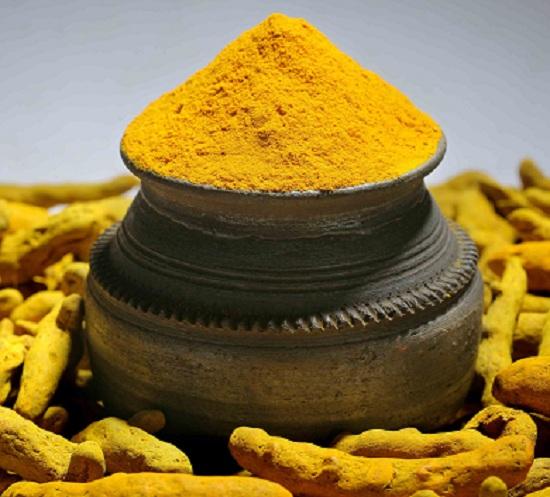
அது குழம்போ, கறியோ அவை மணக்கவும் சுவைக்கவும் சமைப்பவர்கள், மசாலாக்களை மிகுந்த அக்கறையுடன் தயாரிப்பதே அதற்கு முக்கியக் காரணம். வீடுகள் மட்டுமல்ல... இன்றும் சில பிரபல உணவகங்கள், தங்கள் உணவின் தனிப்பட்ட சுவைக்குக் காரணமாகக் கூறுவது மசாலாக்களைத்தான். வழிவழியாக வந்த அந்தப் பாரம்பர்ய மசாலாக்கள்தான் அந்தந்த வட்டாரத்துக்கும், இனத்துக்கும், உணவகங்களுக்கும் தனித்தன்மையை அளித்துவருகின்றன.
மசாலா என்பது வெறும் மிளகாய், மல்லி, மிளகு எனச் சில பொருள்களைச் சேர்த்தது மட்டுமல்ல... அந்தந்த இடத்துக்கு ஏற்ற தட்பவெப்பநிலை, உடலின் தன்மை, உணவின் தன்மை போன்றவற்றைக் கருத்தில் கொண்டு தயாரிக்கப்படுபவைதான் மசாலாக்கள். பாரம்பர்ய மசாலாக்கள் உடலுக்குத் தீங்கு ஏற்படாதபடி தயாரிக்கப்பட்டவை. மல்லி என்றால் நாட்டுமல்லி... அதுவும் இந்த இடத்தில் விளைந்த மல்லி, மஞ்சள் என்றால் இந்த வகை மஞ்சள், மிளகாய் என்றால் அதற்கென்று ஒரு வகையைத் தேடித்தேடிப் பார்த்து வாங்கித் தயாரித்தார்கள். ஒரு வகையில் பொடிகளாகவும், மற்றொரு வகையில் தேவைக்கேற்றவாறு உடனடியாகவும் மசாலாக்களைத் தயாரித்துப் பயன்படுத்தினார்கள். பொடிகள் என்றால், தேவையான பொருள்களைப் புடைத்து, சுத்தம் செய்து, தேவையற்ற பாகங்களை நீக்கி, வெயிலில் உலரவைத்து, தேவைப்பட்டால் வறுத்து பின் அரைத்து வைத்துக்கொள்வார்கள். பிறகு அன்றாடச் சமையலில் பயன்படுத்துவார்கள். அந்தக் கலையே அவர்களின் சமையல்களுக்குத் தனித்தன்மையும் உலகப்புகழும் கிடைக்கக் காரணமாக இருந்தது.
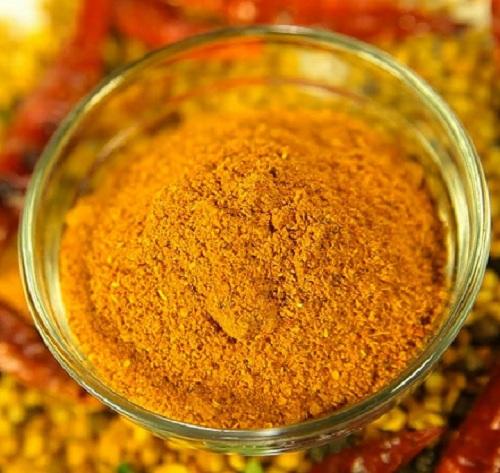
இன்றோ, பலருக்கும் சமைப்பதற்கே நேரமில்லை, பிறகு எப்படி மசாலாக்களை அரைப்பது என்கிற நிலைமை. அருகில் இருக்கும் கடைகளில் இருக்கவே இருக்கின்றன, விதவிதமான சுவைகளில் எல்லா மசாலாக்களும்... வாங்கிக்கொள்ளலாம் என்றே பலரும் எண்ணுகிறார்கள். நினைத்த நேரத்தில் நினைத்த மசாலாவைப் பயன்படுத்தி, சுவையாகச் சமைத்து அசத்தலாம் என்ற எண்ணம் பலருக்கும் உண்டு. நிச்சயம் சமைக்கலாம்... குழந்தைகள் கேட்கும் நேரத்தில் பாவ் பாஜி செய்து கொடுக்கலாம்... நிமிடத்தில் மஞ்சள்தூள் தொடங்கி சாம்பார் பொடி, ரசப்பொடி, கரம் மசாலா மட்டுமல்ல, அனைத்து அசைவ உணவுகளுக்கும் தனித்தனி மசாலாக்கள் தயாரிக்கலாம். சுவை ஒருபக்கம் இருக்கட்டும், இன்று ஹோட்டலுக்குச் சென்றுதான் வியாதியை வாங்கிவர வேண்டும் என்பதில்லை. வீடுகளிலேயே இவற்றால் பல உபாதைகளும், வாழ்வியல் நோய்களும் அதிகரித்துக்கொண்டுதான் இருக்கின்றன. இதைப் பலரும் யோசித்துப் பார்ப்பதில்லை.
கடைகளில் கிடைக்கும் இதுபோன்ற இன்ஸ்டன்ட் மசாலாக்கள் `தரமானவைதானா?’ என்றால் நிச்சயம், இல்லை. இவற்றில் கலந்திருக்கும் சுவை, மணமூட்டிகள், ரசாயனங்கள், பூச்சிக்கொல்லிகள் மற்றும் தேவையற்றப் பொருள்களால் நமக்கு ஏற்படும் உடல்சார்ந்த தொந்தரவுகள் அதிகம்.
பொதுவாகவே தானியங்களிலும் மற்ற உணவுப் பொருள்களிலும் கற்கள், கழிவுகள், களிமண் போன்றவற்றைக் காய்ந்தநிலையில் பார்க்கலாம். இவற்றையும் சேர்த்துத்தான் பல நேரங்களில் இதுபோன்ற மசாலாப் பொடிகள் அரைக்கப்படுகின்றன. இவற்றால் சாதாரண வாந்தி, பேதி போன்றவை தற்காலிகமாக ஏற்படலாம். காலப்போக்கில் நோய் எதிர்ப்புச் சக்தி குறைவதன் காரணமாக வேறு பல நோய்கள் ஏற்படவும் வாய்ப்புகள் அதிகம்.
மஞ்சள், ஒரு சிறந்த கிருமி நாசினி. ஆனால் வீட்டில் முழு மஞ்சளை வாங்கிச் சுத்தம் செய்து அரைக்காமல், கடையில் மஞ்சள்தூளை வாங்குகிறோம். அதில் கலந்திருக்கும் ரசாயனங்களால் பல நோய்கள் ஏற்படுகின்றன. `குர்குமின்’ என்ற மஞ்சள் நிற இயற்கை வேதியியல் பொருள் மஞ்சளில் இருக்கிறது. ஆனால், இன்றோ இதில் ரசாயன மஞ்சள் நிறத்தைச் செயற்கையாகச் சேர்க்கின்றனர். இதனால் புற்றுநோய் வரவும் வாய்ப்புகள் உள்ளன.
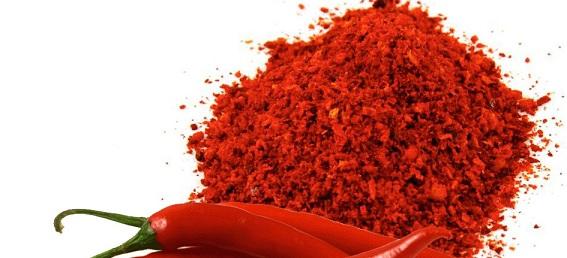
`பாரம்பர்ய சுவையில் சாம்பார் பொடி’ என்று வெளியாகும் விளம்பரத்தைப் பார்த்து அதை வாங்குபவர்கள் அவரவர் பாரம்பர்யத்தை மறந்தது மட்டுமல்ல இங்கு பிரச்னை... அந்த மசாலாத் தூள்களில் சேர்க்கப்பட்டிருக்கும் ரசாயனங்ககளும் உடலுக்குக் கேடுவிளைவிக்கும் நச்சுக்களும்தான் நோய்களுக்கு ஒரு வகையில் காரணமாகின்றன. மிளகாய்த்தூளில் செங்கல் தூளும், நிறமூட்டிகளும் மட்டுமல்ல... குழம்பு அடர்த்தியாக இருக்க வேண்டும் என்பதற்காகக் கொழகொழக்கும் பொருள்களும், கிழங்கு மாவுகளும் சேர்க்கப்படுகின்றன. இதனால் உடல் பருமன், தேவையற்ற கொழுப்புகள் உடலில் சேர்வது போன்றவையும், அஜீரணமும் ஏற்படுகின்றன.
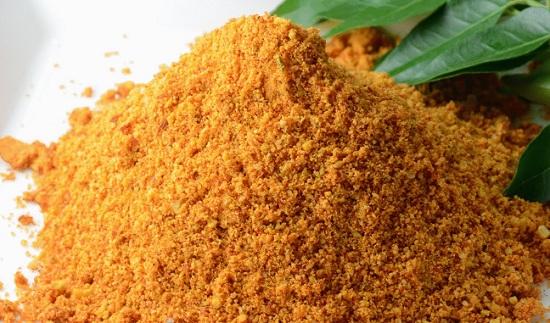
லீட் குரோமேட் (Lead chromate), மெடனில் மஞ்சள் (Metanil Yellow) நிறங்கள் கிட்டத்தட்ட அனைத்துத் தென்னிந்திய மசாலாப் பொடிகளிலும் சேர்க்கப்படுகின்றன. இதனால் நரம்பியல் நோய்களும், புற்றுநோயும் வர அதிக வாய்ப்புகள் உள்ளன.
சீரகம், சோம்பு போன்றவற்றில் அதன் பச்சை நிறத்தைப் பெற பல ஆபத்தான நிறமூட்டிகள் சேர்க்கப்படுகின்றன. மிளகில் அதன் பளபளப்புக்குச் சில மினரல் எண்ணெய்களும், பப்பாளி விதைகளும், கடுகில் சில வகை விதைகளும் சேர்க்கப்படுகின்றன.
கடைகளில் கிடைக்கும் பாக்கெட்டுகளில் அடைக்கப்பட்ட மஞ்சள்தூள், கரம் மசாலா, குழம்புப் பொடி, இட்லிப் பொடி, சாம்பார் பொடி, கறிக்குழம்பு மசாலாப் பொடி, மிளகாய்ப்பொடி, கோழிக்குழம்பு பொடி, கோழி வறுவல் மசாலா, மீன் குழம்புப் பொடி, மீன் மசாலாப் பொடி என்று பொடிகளின் வரிசையை அடுக்கிக்கொண்டே போகலாம். அவற்றில் கல், மண், குப்பை, ஸ்டார்ச், கேசர் பருப்புத் தூள், புளியங்கொட்டை தூள், புல்வெளி தூள், மரப்பட்டை, கறித்தூள், பூச்சிக்கொல்லிகள், ரசாயனங்கள், நிறமூட்டிகள், சுவையூட்டிகள்... எனச் சேர்க்கப்படும் பட்டியலுமே வெகு நீளம். இந்த இரண்டு பட்டியல்களுக்குப் போட்டி உள்ளதோ இல்லையோ, வீட்டில் நாமே இவற்றைத் தயாரிக்காமல் கடைகளில் வாங்கிப் பயன்படுத்தினால் நோய்களின் பட்டியலும் நீளத்தான் செய்யும்.
ரோடாமைன் (Rhodamine), சூடான் டை (Sudan Dye), மாலாச்சிட் நிறம் (Malachite green), மெடனில் மஞ்சள், லீட் குரோமேட், டார்ட்ராஸைன் (Tartrazine) போன்ற ரசாயனங்கள் இவற்றில் சேர்க்கப்படுகின்றன. இவற்றால் வளர்ச்சிக் குறைபாடு, கல்லீரல், சிறுநீரகம், இதயம், நுரையீரல், எலும்புகள், கண், தோல், கர்ப்பப்பை, வயிறு போன்றவை அதிகமாகப் பாதிப்படையும். சிவப்பணுக்களின் செயல்பாடுகளில் கோளாறுகள், ஆண்மைக்குறைவு, மலட்டுத்தன்மை, மலச்சிக்கல் போன்றவை ஏற்படலாம்.
ஒரே நாளில் எந்தப் பெரும் பாதிப்பையும் இந்தப் பொடிகள் ஏற்படுத்திவிடுவதில்லை. என்றாலும், இவற்றுக்கு விலையாக, குறிப்பிட்ட வயதைத் தாண்டியவுடன் நோய்கள் ஒவ்வொருவரையும் தாக்கத் தொடங்கிவிடுகின்றன. இருபது வருடங்களுக்கு முன்னர் 90 வயதிலும் ஆரோக்கியமாக இருந்த நமது முன்னோரின் வழியில் வந்த நாம், இன்று நாற்பதைத் தாண்டியதுமே மருத்துவமனைக்கு மறைமுகமாக ஒப்பந்தம் செய்துகொள்ளும் நிலைமை ஏற்படுகிறது. மருந்து, மாத்திரைகள் இல்லாத வாழ்க்கை என்பதையே பலரால் நினைத்துக்கூட பார்க்க முடியாத நிலை உருவாகிவிட்டது.
இதிலிருந்து நம்மையும் நம் குழந்தைகளையும் காத்துக்கொள்ள வீட்டிலேயே குறைந்த அளவில் மசாலாக்களை தயாரித்துப் பயன்படுத்துவது சிறந்தது. அதிலும் அவரவர் வீடுகளில் அவரவர் முன்னோர் தயாரித்ததுபோல் தயாரிப்பது உடல் ஆரோக்கியத்தை மேம்படுத்தும்.
அவரவர் வாழ்ந்த இடம், நீர், தட்பவெப்ப நிலை, பழக்கவழக்கங்கள் போன்றவற்றைக் கொண்டு மரபணு அமையப்பெற்றிருக்கும். அந்தந்த மூதாதையர் வழியில் வந்தவர்கள் அதற்கேற்றவாறு தங்களின் மசாலாக்களையும், உணவையும் அமைத்துக்கொண்டால், சீரான உடல்வாகையும் ஆரோக்கியத்தையும் பெறலாம். அதிலும் அவரவர் வாழும் நிலங்களிலிருந்து பெறப்படும் உணவுப் பொருள்கள் அன்றாட சமையலுக்குப் பொருத்தமானவை.
ஒவ்வொருவரும் அவரவர் வேலை, தொழில் போன்றவற்றுக்கு ஏற்ப மிளகாய் காரத்தை குறைத்தும், மிளகை அதிகமாகவும், மல்லியைத் தேவைக்கேற்பவும், அவற்றில் பருப்புகளையும் சேர்த்து மிளகாய்த்தூளை அரைப்பதுண்டு. காலம் காலமாக அவற்றை உண்ட நாம் கடந்த சில ஆண்டுகளாக இப்படிக் கடையில் விற்கப்படும் மசாலாப் பொருள்களைப் பயன்படுத்துவதால் அஜீரணம் ஏற்படுகிறது. இதனால் வயிறு உப்புசம், வயிற்று வலி, அல்சர் போன்றவையும் ஏற்படுகின்றன.
எனவே, மசாலாவுக்கான பொருள்களை வாங்கி, லேசாக வறுத்து அரைத்துவைத்துக்கொண்டு பயன்படுத்துவதே சிறந்தது. மஞ்சளை அரைகிலோ அளவிலும், மிளகாய்த் தூள், குழம்புப் பொடி ஆகியவற்றை கிலோ கணக்கிலும் நாமே அரைத்துப் பயன்படுத்துவது மிக மிக நல்லது.


Food safety is not negotiable for Nestle, says chairman Paul Bulcke
New Delhi: Paul Bulcke, chairman of the board of directors at Nestle SA on Friday said food safety is “not negotiable” for the company and the Swiss packaged food maker takes “pride in providing safe food products” in whichever country the company operates in.
“I know we had some challenging times not so long ago when our heritage of food safety was called to question but I’m proud to say that we have overcome it,” Bulcke said as part of his address to Prime Minister Narendra Modi at the inaugural session of World Food India 2017 in New Delhi.
This is Bulcke’s first visit to India as Nestle chairman. Bulcke’s last visit to India was in June 2015 as the company’s global chief executive officer as part of an emergency measure to tackle an abrupt crisis after the country’s food regulator Food Safety and Standards Authority of India (FSSAI) declared a nationwide ban on Maggi instant noodles, the single largest revenue earner of the Swiss company’s local entity Nestle India Ltd, for alleged safety concerns.
It took the company five months to bring Maggi noodles back to retail shelves after proving that the packaged snack was not unsafe for human consumption.
But Bulcke’s challenge was not just bringing Maggi noodles back to the retail market, but mending fences with FSSAI and the government.
On 6 September 2017, Nestle India Ltd announced that it would set up a food safety institute in partnership with FSSAI that will train officials of FSSAI as well as other companies in food safety.
The Manesar-based Nestle Food Safety Institute was inaugurated by FSSAI chief executive officer Pawan Kumar Agarwal, who termed the partnership a “well-thought strategy”. The institute, a replica of the Swiss company’s units in China and Lausanne, Switzerland, will conduct training programmes on food safety management systems, testing methods and regulatory standards in India.
“The food we eat also needs to be safe and for us food safety is not negotiable,” Bulcke said, adding that the Nestle Food safety Institute in India has been set up aiming at “building and sharing knowledge and practices through collaborative partnerships to support and strengthen food safety environment in India”.
The food system globally, said the Nestle chairman, has “come a long way” but “not delivering as it should”. “Agriculture productivity needs to be improved as we will have to feed millions of people in future… With 70% of the global poverty in the rural areas, the investment in building agriculture capacity is crucial. Food security needs to be given top priority. In partnerships we can find solutions and the private sector can play an important role,” added Bulcke.
FORTIFICATION: WAR ON MALNUTRITION

While India has been successful in addressing iodine deficiency disorders, vitamins A and D deficiencies are still widespread. According to the National Institute of Nutrition, almost 50-90 per cent of the Indian population, across all socio-economic groups, suffer from vitamins A and D deficiencies. The leading causes for night blindness, rickets, brain damage and bone fragility, diseases caused by vitamins A and D deficiencies call for urgent action. Despite Government recognition of fortification as an effective and measurable tool to address malnutrition, it is yet to be made mandatory in public funded programmes like the public distribution system (PDS).
Opportunely, the present environment for fortification is both positive and encouraging. In 2016, Prime Minister Narendra Modi pushed for universal fortification in meetings with top officials of the Ministries of agriculture, food and public distribution, commerce, health and women and child development and further intensified the fortification discourse when he pledged to end micronutrient malnutrition in India by 2022, earlier this month. Another much needed step in the right direction, the Government has issued guidelines to ensure mandatory fortification of edible oil through the mid-day meal (MDM) scheme with immediate effect. This is further reinforced with a dynamic, supportive and participatory leadership in the Food Safety and Standards Authority of India (FSSAI). It is taking an active role in promoting food fortification and has operationalised the Food Safety and Standards (Fortifications of Foods) Regulation with effect from April 2017 with necessary steps to encourage the production, manufacture, distribution, sale and consumption of fortified food in cooperation with concerned Government departments. Furthermore, owing to State Government initiatives, the entire edible oil industry in Rajasthan and Gujarat is only selling fortified edible oil, and other States like Haryana, Punjab, and Karnataka, etc, have already included fortified edible oil in PDS and MDM.
Certain features make edible oil much easier and cost-effective to fortify than other food items and a suitable vehicle for vitamins A and D. Edible oil is an ideal carrier of vitamins A and D as the vitamins are fat-soluble and the cost of fortification will increase the cost of oil only by 10 paisa per liter. This is reinforced by its high penetration into nearly 99 per cent of households, with average consumption of oil ranging from 12-18 kg per annum per person.
Addressing vitamins A and D deficiencies requires a comprehensive, cohesive and harmonious approach of five catalytic factors. First, assessment of deficiencies and impact evaluation of fortification at the national and State levels is required to establish a landscape for edible oil fortification. Second, among the four public health strategies for addressing vitamins A and D deficiencies, the national and State Governments need to focus on fortification and creating an enabling environment through regulatory mechanisms and advocacy. Third, the private sector needs to voluntarily take up fortification. Fourth, learnings from multilateral organisations and successes in other countries should be used and applied to India. Lastly, knowledge, practices and affordability of consumers with regard to fortification must be kept in mind while developing policies. Building on the success of salt fortification, there is now an urgent need for platforms of open dialogue to create champions to take forward the “idea” of fortification and address micronutrient malnutrition.
Leading the iodisation movement in south Asia, I have witnessed the tremendous success of micronutrient fortification in India and neighbouring countries. With support from highest offices in the country and lessons from previous successful initiatives to build upon, it is time for us to scale up our efforts to eliminate vitamins A and D deficiencies through edible oil fortification.
As I urge us to work together to make India malnutrition free, I quote Swami Vivekananda:
“Take up one idea. Make that one idea your life — think of it, dream of it, live on that idea. Let the brain, muscles, nerves, every part of your body, be full of that idea, and just leave every other idea alone. This is the way to success, and this is the way great spiritual giants are produced. Others are mere talking machines.”
(The writer is the founding member and regional coordinator for South Asia of Iodine Global Network since 1985. Previously, he served as Professor and Head of the Department — Centre for Community Medicine at the All India Institute of Medical Sciences (AIIMS), New Delhi. His long and sustained contribution to public health has been recognised by World Health Organisation and he was recently bestowed the WHO Public Health Champion award. He was also awarded the Mother Teresa Memorial Award for excellent work in USI in Kolkata)
Food safety court imposes fine on company manufacturing pan
Gopeshwar, Nov 3 (PTI) A food safety court here today imposed a fine of Rs four lakh on the company manufacturing pan masala brand Rajnigandha as it found some of its samples unsafe for human consumption.
The samples of Rajnigandha were found to contain a chemical--magnesium carbonate--and carmoisine colour which are injurious to health, the court said in an order released today.
The verdict imposed a fine of Rs four lakh on Dharampal- Satyapal group (DS group), the manufacturers of the product and a fine of Rs 15,000 on a Chamoli-based retailer who sold it in the area.
The food safety courts order came on a complaint filed by the Chamoli district food safety officer who had sent samples of the pan masala brand collected from the shop of local retailer, Meharwal Agency, to the government food and drug laboratory, Rudrapur in September 2014.
After the samples were found unsafe for human consumption both at the Rudrapur laboratory and the referral laboratory of food analysis in Pune, a complaint was lodged in the food safety court here against the manufacturing company and the retailer under the Food Safety Act 2016.
Nov 3, 2017


FSSAI launches comprehensive IT platform for uniform regulation of food standards
A decade after India introduced a single nationwide law - the Food Safety and Standards Act - to maintain uniform standards for food items in the country, the authority that implements the law, the Food Safety and Standards Authority of India (FSSAI) has come out with a comprehensive plan to make it work, in letter and spirit.
It has developed a uniform operational manual for its field official, launched an IT platform to do digital inspections and a nationwide network of all food testing labs on a single technology platform, Indian Food Laboratory Network (InFoLNet), in Delhi.
While the single nationwide manual for Food Safety Officers (FSOs) is expected to help them follow uniform practices and procedures across the country, the leverage of digital and smart technologies is meant to bring an end to arbitrariness and adhocism in inspections and sampling. The new digital platform, Food Safety Compliance through Regular Inspections and Sampling (FoSCoRIS), replaces manual inspections with digital inspections. It uses simple mobile devices with dashboards to monitor, on real-time basis, at the district, state and national level. For consistency, standard matrices have been developed for inspection of various kinds of food businesses. FoSCoRIS is to ensure a consistent experience to food businesses across States and UTs, thereby building their confidence in the regulatory environment, an FSSAI statement said.
For credible and efficient food testing for food businesses, a nationwide network of all food testing labs on a single technology platform, Indian Food Laboratory Network (InFoLNet), has also been launched. This would bring in much desired standardisation in food testing, that is 'one food product, one set of parameters and one parameter one test method', the agency said. Several measures towards trade facilitation, including a single window clearance fully integrated with Custom Authorities and risk-based inspection, have been adopted. To ensure hassle free imports, a 'Manual for Food Imports' has also been developed.
All these tools are part of the Food Regulatory Portal, a full service, business-friendly portal for food businesses that focuses on six key areas viz. food standards; consistent enforcement; hassle free food imports; credible food testing; codified food safety practices; and training and capacity building. "This would prove to be a game changer by addressing food business concerns across the spectrum by ensuring ease of entry; reduced burden of compliance and facilitating trade", FSSAI says.
To ensure consistency and predictability of business environment, a nationwide uniform law, the Food Safety and Standards Act was enacted in 2006. While this law had envisioned a single reference point for laws on food across the nation, its implementation across the States & UTs has not always been uniform due to legacy issues, leading to business uncertainties. Further, even at the national level, a few specific issues continue to be looked after by different ministries / agencies such as legal metrology, customs, plant and animal quarantine, Bureau of Indian Standards (BIS) and AGMARK. The launch of the Food Regulatory Portal is thus a major development, as it creates a robust environment for uniform implementation of the law across States / UTs and coordinated approach across central agencies, leading to a transparent and enabling business environment, FSSAI states.
While FSSAI is the principal regulatory body for food, six other agencies are also involved for specific purposes. To ensure a single point of references for all food related business compliances, the Food Regulatory Portal also has compiled related information and links to other national agencies in the food safety ecosystem such as Legal Metrology, Customs, Plant and Animal Quarantine, Bureau of Indian Standards (BIS) and AGMARK. An institutional mechanism for interagency coordination and cooperation and integrated grievance redressal is also on the anvil, the statement said.
FSSAI launches Food Regulatory Portal
FSSAI believes that this portal will prove to be a game changer by addressing food business concerns across the spectrum by ensuring ease of entry; reduced burden of compliance and facilitating trade.
New Delhi: Food Safety and Standards Authority of India (FSSAI) has today launched the Food Regulatory Portal, a single interface for food business, which will help transparent implementation of the food laws in the country, said the food authority in a statement
According to the statement, the Food Regulatory Portal is a full service portal for food business that focuses on six key areas including food standards, consistent enforcement, hassle free food imports, credible food testing, codified food safety practices and training and capacity building.
FSSAI believes that this portal will prove to be a game changer by addressing food business concerns across the spectrum by ensuring ease of entry; reduced burden of compliance and facilitating trade.
Amitabh Kant, CEO of NITI Aayog who launched the portal termed the development as a key milestone in India's regulatory reforms.
“FSSAI’s efforts towards consistency and transparency in enforcement and ease of doing business in the food regulatory environment would garner the confidence of all stakeholders involved.”
While FSSAI is the principal regulatory body for food, six other agencies are also involved for specific purposes. To ensure a single point of references for all food related business compliances, the Food Regulatory Portal has also compiled related information and links to other national agencies in the food safety ecosystem such as Legal Metrology, Customs, Plant and Animal Quarantine, Bureau of Indian Standards and AGMARK. An institutional mechanism for interagency coordination and cooperation and integrated grievance redressal is also on the anvil.
"The Food Safety and Standards Act 2006 unified 9 existing laws into a single Act and laid the legal ground for One Nation, One Food Law. Eleven years later, the Food Regulatory Portal launched today lays a solid foundation for uniform implementation of this law, and will go down in history as another memorable milestone," Pawan Agarwal, CEO of FSSAI said.
Another product of Baba Ramdev’s Patanjali found unsafe by food department

Lucknow: The famous Yoga guru Baba Ramdev and his popular brand Patanjali today landed in trouble after one of its product has been found not up to the mark by the officials of Food department in Uttar Pradesh’s Barabanki district.
According to Pediatrician District Hospital Barabanki, Dr S.K Singh says that this product has proved failure in investigation, after which a penalty has been imposed on company and on shopkeeper who was selling this famous product.
Basically, food department in its report mentioned that one of Patanjali’s product has been found below standard and some harmful content has been found in double quantity from its required amount.
The Chief Food Inspector Barabanki said that incident of harmful content in its double quantity proves that Baba Ramdev’s Patanjali each and every product is not safe for consumption and we should not trust it blindly.
Earlier, Patanjali Ayurved Ltd has been slapped with a Rs. 11 lakh fine by a city court for misbranding and misrepresentation of its products. The fine has to be paid within a month.
The case had been ongoing since November 2012. The judge, Lalit Narain Mishra, found that the company was guilty of “releasing misleading advertisements by selling certain products with its labels although they were being manufactured by some other firm.”
Baba Ramdev’s Patanjali product lands in trouble after facing food department’s ban:
The company was charged under Section 52 (misbranding) and Section 53 (misleading advertisement) of the Food Safety and Standards Act, 2006 as well as Section 23.1 (5) of Food Safety and Standard (Packaging and Labelling Regulations, 2011) Act.
The court also ordered the district food safety department to “take appropriate action if there is no improvement in the products in future.”
The case was filed against the company in November 2012 by District Food Safety Department when some of the products, including eatables like honey, salt, mustard oil, jam and besan (gram flour) failed quality tests. Tests were conducted at Uttarakhand’s only FSSAI-certified drugs and food testing lab located at Rudrapur.
In July, Advertising Standards Council of India or ASCI had pulled up the company for running “misleading” ad campaigns which made light of competitors’ products, which is against the ASCI norms.
Patanjali’s claim that rivals were making “‘Kachi Ghani Mustard Oil’ “adulterated with oil made by solvent extraction process with neurotoxin containing Hexane” was found unsubstantiated by the Consumer Complaints Council.
The company had also failed to prove that other companies sell “expensive juices containing less pulp”. It also failed to prove that “other companies mix 3 to 4 per cent urea and other non-edible things in their cattle feed,” compared to their ‘Patanjali Dugdhamrut’ cattle feed.
DB expresses displeasure on JMC’s response; directs Action Plan by Nov 8
Jammu, Nov 2: In a significant order a Division Bench of the State High Court comprising Justice Alok Aradhe and Justice Tashi Rabastan today in the open court expressed its dissatisfaction over the response filed by the Jammu Municipal Corporation (JMC) in a Public Interest Litigation (PIL) filed by a NGO SAVE (Save Animal Value Environment) through its Chairperson Devinder Kaur Madaan alias Rumpy Madaan seeking closure of 59 un-registered dairies running within the limits of JMC. The Division Bench headed by Justice Alok Ardahe directed Advocate Sachin Gupta appearing for JMC to take appropriate instructions from JMC before the next date of hearing over the issues highlighted in the PIL and also directed him to come out with an Action Plan for addressing the concern expressed in the PIL.
After hearing Advocate Sheikh Shakeel Ahmed with Advocates Rahul Raina and Supriya Chouhan appearing for the PIL whereas Advocate Sachin Gupta appearing for JMC and Advocate Amita Khajuria appearing for Food Safety and Standards Authority of India, Justice Alok Aradhe for the Division Bench in the open court observed that reply filed by the JMC is totally silent over the issues raised in the PIL. The court further observed that there is no indication in the reply about the milk dairies which have not come forward for registration as per the norms of the JMC and further the reply is conspicuous about the action taken against the dairies which are un-registered. The Division Bench further expressed displeasure over the non-adherence to the provisions of Section 44 (n) of the Jammu Municipal Corporation Act, 2000 wherein the JMC is under a statutory obligation to regulate the functioning of the milk dairies.
After considering the submissions of Advocate S.S. Ahmed, the Division Bench headed by Justice Alok Aradhe directed Advocate Sachin Gupta appearing for JMC to obtain instructions in the matter and also file an Action Plan before the next date with regard to the issues highlighted in the PIL. The Division Bench also directed Advocate Amita Khajuria appearing for Food Safety and Standards Authority of India to file response to the PIL before the next date of hearing.
Nov 2, 2017


Food Safety: On every menu in India
Last few decades not only witnessed a change in our eating habits but how we store and consume food has also gone through a transformation. Rise in population and urbanisation has led to an increased demand for packaged food.\With the increase in working population, the need for on-the-go consumption has only gone up. At the same time, awareness about nutrition and health has become much stronger and penetrated deep into Indian consumers’ minds. On the regulatory side, Food Safety and Standards Authority of India (FSSAI) has been spreading awareness about issues related to food safety across the country, while also strengthening legislation to ensure that only safe food is made available to consumers, both by the producer as well as the industry.
FSSAI has also moved to a more comprehensive approach towards food safety instead of the erstwhile fragmented one. “You will see a quantum jump in the level of public confidence in food safety. As far as product standards are concerned, I can confidently say that we have a reasonably robust system,” says Pawan Agarwal, CEO, FSSAI.
Though Food Safety and Standards Act has completed 11 years of its enactment this year, FSSAI as an autonomous body was set up in 2008. And since then, the body has taken upon itself the challenge of creating a regulatory environment different from other countries, yet fit for the nuances of India. Compromised quality, increasing adulteration cases and instances of product integrity issues pose serious challenges to food safety.
Such issues can cause irreparable damage not just to individual health, but also to the reputation of brands that manufacture and market these products. With the advent of social media, companies have become even more prone to scrutiny, both from the government and from consumers as well.
There have been recent incidents of below-par food reaching the consumer and videos of the same spreading through social media have been widely circulated. Food safety therefore is the top concern of food and beverage manufacturers. And technology is playing a big role in ensuring that the product integrity is not compromised at any point during the value chain.
Tetra Pak India is one of the organizations that is leading the charge on making food safe and available to millions of Indians across the country. Their UHT (Ultra-High-Temperature) process and aseptic packaging systems kick-started the growth of UHT milk segment and other packaged drinks in India three decades ago. This technology eliminated the need for a cold chain during distribution, making fresh safe milk accessible to even the most remote and hard-to-reach areas across the country. The combination of UHT and aseptic packaging ensures that the food inside a carton is first ‘made’ safe and then ‘kept’ safe till it reaches the consumer.
But the challenge in a country as diverse as India does not end with creating the right solution. An even bigger challenge is to raise consumer awareness about the benefits of this technology. And that is one big focus area for Tetra Pak India.
Tetra Pak launched its 'Right to Keep Food Safe' initiative in October 2014. As part of the initiative, 15 mothers were selected as Safe Food Ambassadors (SFAs) who went on to drive the cause and spread the word about safe food practices.
Over the course of the campaign, Tetra Pak’s SFAs reached out to over 3,000 mothers across the country through workshops, seminars and social media platforms.
A recent digital campaign called 'Safe for Sure' educates consumers about the technology behind a carton of milk that makes it safe for consumption. The campaign drives home the message that UHT treated milk in six-layer Tetra Pak cartons is safe and needs no preservatives. This campaign has seen huge traction from consumers because it breaks many popular myths that surround carton milk and its safety.
Latest in the list of awareness initiatives is a campaign called ‘Safe and Nutritious Food’ which is being run jointly by FSSAI with support from Tetra Pak. Aimed at reaching out to children, their parents and teachers and arm them with information on the right nutrition choices and food safety, this campaign has reached out to over 100 schools, RWAs and other locations across South Delhi and Gurugram through interactive workshops.
“We are excited to be a part of this initiative with FSSAI. At Tetra Pak, together with our customers our most important agenda is to make food safe and available everywhere. Through campaigns like this, we intend to equip consumers with the right information on subjects like UHT milk and the benefits of aseptic technology that make carton milk safe and nutritious so that consumers can make informed choices,” says Tetra Pak’s MD for India, Kandarp Singh.
However, the application of technology in food safety goes beyond just the package and is impacting the F&B industry in more ways than one can imagine.
Take the example of how Tetra Pak is using digital technologies to support its F&B customers and brand owners. The term digitalisation may be rather broad, and may sound like an industry ‘buzzword’, but when applied wisely, it is in fact a mature, real and extremely disruptive solution for food and beverage manufacturers to mitigate food safety risks and help drive business growth.
Digitalisation is helping manufacturers manage these risks more effectively with a range of tools aimed at improving communications between employees and support teams, and improving access to data and analytics. This means that if food safety issues arise they can be resolved quickly and effectively without impacting production performance.
“At the core of everything we do at Tetra Pak is our vision to make food safe and available, everywhere. The Tetra Pak digital strategy, and digitalisation tools are making a difference to our customers’ daily operations and helping keep food safe,” added Kandarp Singh.
One key element of keeping product integrity intact, is to have full view of the product throughout the various processes. And this is being made possible using tools like the Tetra Pak PlantMaster which allows Tetra Pak experts to take full ownership of the product and ensure that it remains safe throughout the lifecycle.
Be it during production, processing, packaging or even distribution, food is an extremely fragile product to work with. The most minor error can cost consumers their health and can cost brands millions and even their reputation. As the proliferation of food brands in India increases, there is also need for greater diligence in ensuring that the food that reaches us is safe and of the best possible quantity. At the end of the day, it’s a collective responsibility for manufacturers and brand owners to bring the best to the consumer, and it is up to the consumer to make the best and most informed decision.
FSSAI plans ‘one nation, one food safety law’
Food safety regulator FSSAI seeks to standardize surveillance, sampling, inspection and testing across states to increase transparency
New Delhi: The concept of ‘one-nation, one-tax’ behind the goods and services tax (GST) implemented across the country seems to be influencing other organisations. The Food Safety and Standards Authority of India (FSSAI), the country’s apex food regulator, is working on a ‘one-nation, one-food-safety-law’ so that every state-level food authority follows a standard practice for the implementation, compliance and surveillance of food safety regulations, which in turn will ensure smoother operations for food companies.
“The law has always been same for everyone. But there have been consistency issues at state level. Also, we need to standardize food testing laboratories. With ‘one-nation, one-food-safety-law’, we will be able to remove those and make things more transparent,” said Pawan Kumar Agarwal, chief executive officer, FSSAI.
Under the ‘one-nation, one food-safety-law’ regime, state-level food safety officers will have to follow a 10-point code-of-ethics set by FSSAI. “At present, there is no such thing, and food safety officers across states do things the way they think best. This should not be the practice. We need to standardize this,” said Agarwal.
Under the regime, FSSAI wants to erase discrepancies in food safety regulations across states, and standardize surveillance, sampling and inspection. “This is to enable states with good practices,” said Agarwal. Under the new regime, inspection and sampling will be monitored as everything will be “on the cloud” as part of the agenda to increase transparency, he added.
To bring consistency in food testing, FSSAI is introducing guidelines that food testing laboratories will have to abide by. Under the draft norms, laboratories will have to come under the Indian Food Laboratory Network (InFoLNet), a digital solution to connect all food labs in India to a centralised lab management system.
So far, 154 laboratories have listed on InFoLNet. FSSAI has made this compulsory for all FSSAI-notified laboratories. With this, details of all tests and the results will be available on this platform.
“In the past, there have been questions regarding authenticity of tests done by certain laboratories. Besides upgrading the laboratories, InFoLNet will abolish the discrepancies and ensure transparency,” said Agarwal.
The regulator, which owns and operates two laboratories and has approved 82 others in various states, allocated Rs482 crore earlier this year to strengthen the food testing infrastructure, including upgrading and modernizing laboratories. Besides, FSSAI will also set up 62 mobile testing labs. There are currently four mobile food testing labs in Punjab, Gujarat, Kerala and Tamil Nadu.
In 2015, FSSAI questioned safety standards of Swiss packaged food company Nestle India Ltd’s Maggi instant noodles based on reports by one of its testing laboratories in Kolkata, prompting questions about the capacity and state of the laboratory.
Under the new regime, the food regulator also wants to abolish intervention of multiple agencies for things such as import of food products. Going forward, there will be a single standard for every authority.
FSSAI all set to launch ‘One Nation, One Food Law’
To use tech for uniform testing, sampling norms across States
In a bid to bring in consistency in enforcing food safety regulations and standards across States, the Food Safety and Standards Authority of India (FSSAI) is set to launch its ‘One Nation One Food Law’ initiative. The regulator is leveraging technology for uniform implementation of norms for testing and sampling by various States and labs.
“We want to ensure that investors and food businesses have a consistent positive experience across States while dealing with the regulatory environment,” Pawan Agarwal, CEO, FSSAI, told BusinessLine.
He said while there is one food law that outlines standards and procedures for various food products, States have different approaches to implementing these regulations due to legacy issues or infrastructure-related challenges.
“Through these initiatives, we are enabling States to adopt good practices as well as help them build capacities to ensure that standards and regulations are enforced uniformly,” he added.
Under this initiative, FSSAI is launching the Food Safety Compliance through Regular Inspections and Sampling (FoSCoRIS) platform. This is an online platform that food safety officers will use to verify compliance of safety standards by food businesses. Food safety officers will require a hand-held device with Internet connectivity.
“This platform will ensure that uniform matrices are used to conduct tests and sample collections. The entire inspection outcome will be available on the cloud through this platform with time stamps. This will hopefully bring transparency in the process as data related to inspection, sampling and test results will be seamlessly shared by the officials,” he added.
FSSAI is also bringing out a Food Safety Officers Manual outlining the procedures and practices that must be followed during sampling and inspection. The 200-page manual also outlines code of ethics that food safety officers should follow during inspection and sampling.Regulatory portal
Meanwhile, in a bid to enable better co-ordination among national agencies such as Bureau of Indian Standards, Agmark and Legal Metrology, the FSSAI has also launched a food regulatory portal.
To make food safety testing infrastructure more robust, the regulator has launched a digital solution that will connect all the government and private food labs to a centralised lab management system called InFoLNet (Indian Food Laboratory Network).Over 154 labs have registered with this platform, Agarwal said, adding that this will ensure that all the test results are available in a central database. FSSAI intends to make it mandatory for all accredited labs to be connected to the platform and is in the process of finalising the necessary regulations.
The FSSAI is also in talks with food safety commissioners to launch a food safety index to measure and rank the performance of States on various parameters, in a bid to encourage States to focus on good practices.
HC moved to stop sale of substandard liquor in TN

Moving a public interest litigation (PIL) in the high court, V Sriraman and his friend advocate Vijay have sought the court to direct the authorities concerned to prevent sale of substandard liquor in Tasmac outlets and take action against officials responsible for such sales.
The petitioners also wanted the court to pass an interim direction to stop sale of liquor is such outlets and direct food safety officials to take random samples and produce laboratory reports in the court.
On March 23, the petitioner and his friends suffered vomiting and diarrhoea after they consumed two brands of white rum bought from a Tasmac outlet in Koyambedu.
Subsequently, he lodged a complaint with the food safety department and samples of Ancient Cask Premium XXX Rum were sent to laboratory for analysis. On June 20, the petitioner received a letter from the department with the analysis report which said that the sample was found to be substandard.
"To counter check, we sent the sample of Ancient Cask Premium XXX Rum and Bacardi Limon Rum to Chennai Mettex lab, in Guindy, an NABL-accredited laboratory. The report revealed that the sample of Ancient Cask contained 815 counts of acid which should not exceed 200 as per IS 3811-2005 (requirement for white rum). Similarly, report of Bacardi rum revealed that residue on evaporation % (m/v) resulted in 6.98% which should not exceed 1.0 & total acids resulted to 550 which shouldn't exceed 200," the petitioner said.
The petitioner further pointed out the news report in TOI published under the title, 'Gulpit! No quality check at Tasmac shops for 14 years' and said, "In the news report a food safety official had said that the department cannot conduct random checks unlike other products as there were legal issues over whether alcoholic beverages fall under the category of food."
But to the contrary, the Food Safety and Standards Authority is the licencing body for distilleries who manufacture such products, he added.
The PIL, which has been filed in the high court registry, is likely to be taken up for hearing on Friday.
Meat shops raided at HSR Layout
It was based on 25 complaints in Sept.
With a bevy of complaints reaching the Food Safety and Standards Authority of India, Food Safety Commissionerate officials raided more than 10 meat shops in HSR Layout on Wednesday and directed shopkeepers to follow hygiene norms or else face closure.
What happened
- Over 10 meat shops raided
- Shopkeepers directed to follow hygiene norms or else face closure
- Authorities found alleged violations pertaining to storage and culling
The raids were based on 25 complaints filed by animal rights activists in September. The shops had violated food safety norms, and were found to be illegal and unhygienically selling meat, according to the authorities. “We have given them 15 days to respond to the notice, after which they will be closed,” said a local officer of the commissionerate, which found that the meat was exposed to dust and smoke spewed by vehicles.
While the authorities could find alleged violations pertaining to storage and culling, the quality of the meat could not be tested. The reason: it takes ₹5,000 to test just one sample of meat — a budget the commissionerate does not have.
On Thursday, officials hope to raise the issue with the Health Ministry and seek an exemption in rates that would allow for more testing. “Currently, all meat samples have to be sent to our laboratory in Hyderabad. The cost comes up to around ₹5,800 per sample, and it is too expensive to do it for all complaints received,” said Harshavardhan B., Joint Commissioner of Food Safety in Karnataka.
The cost prohibition was not limited to meat. A few months ago, the department was flooded with more than 500 samples of ‘contaminated’ eggs and rice, where plastic pellets were suspected to have been used to dilute the quality. However, the department could only manage to send 12 samples for testing. The lack of testing methods has seen officials resort to the rudimentary taste test.
‘A welcome step’
Varda Mehrotra, director of the National Federation for Animal Protection, said any sort of action from authorities was a welcome step. The BBMP and the Food Safety Commissionerate have taken serious note of the complaints and we hope the lives of animals and human beings alike would become better with increased regulation of meat shops, he said in a press release.
5 food operators fined Rs 55,000 for unsanitary conditions in Srinagar
Srinagar, Nov 1 (UNI) Five food business operators were fined Rs 55,000 for selling and processing food items in unsanitary conditions in this summer capital, Srinagar.
An official spokesperson here on Wednesday evening said that the court of Adjudicating Officer (Additional Deputy Commissioner Srinagar) imposed a fine of Rs 55,000 on five Food Business Operators, including three restaurants and a milk vendor, in Srinagar.
Meanwhile, he said the Food Safety wing of Drugs and Food Control organization presented 117 more cases before the competent court for adjudication.
“The Additional Deputy Commissioner Food Safety has warned the Chicken sellers, Bakers, Meat sellers to maintain high standards of hygiene otherwise action under relevant provisions of Food Safety & Standards Act shall be initiated against them,” he added.
He said a market checking team headed by Assistant Controller, Legal Meteorology conducted market checking at main market Bandipora, Sumbal and S K Bala.
During the checking, he said 25 traders were booked for violating Legal Meteorology laws. “A fine of Rs 9990 was also realized from the erring traders,” he said.
During the checking, he said general public especially shopkeepers were given awareness regarding Consumer Rights and Legal Meteorology.
Nov 1, 2017


FDA conducts workshops on hygiene and standards of food in temples, hotels
Efforts to raise awareness have been stepped up, as the FSSAI Act has a clear definition of ‘safe and unsafe food’. Selling substandard quality food can lead to a compoundable penalty of upto Rs 5 lakh, while selling unsafe food items can even lead to imprisonment.
THE FOOD and Drug Administration (FDA), as part of its drive to raise awareness about hygiene and standards of food distributed in temples, has conducted several workshops and training sessions across the state. S S Desai, joint commissioner, FDA, Pune, said, “At least 36 temples in Pune will be given a certificate from the FDA.”
According to state officials, more than 200 temple trusts across the state will be trained in technical skills to maintain the quality of food. Recently, the Food Safety and Standards Authority of India (FSSAI) launched an initiative — ‘Blissful Hygienic Offering to God (BHOG)’ — in Mumbai, under which several training workshops were conducted in September and October.
Topics such as food safety, ingredients, packaging, and hygiene were covered during the workshops and participants were introduced to several scientific approaches, which would help them address concerns regarding rules and regulations pertaining to food safety. More than 3,000 people attended the sessions.
Desai said hygiene and standard of food items served in hotels and restaurants were also discussed during the workshops. At least 700 hotels will now be involved in the training programme.
Efforts to raise awareness have been stepped up, as the FSSAI Act has a clear definition of ‘safe and unsafe food’. Selling substandard quality food can lead to a compoundable penalty of upto Rs 5 lakh, while selling unsafe food items can even lead to imprisonment.
Till now, at least 700 hotels and restaurants have been trained in these aspects. Desai said, “We have initiated a self- assessment drive where the owners will fill up questionnaires on whether they are abiding by the guidelines laid down by the FSSAI. A checklist of various parametres has been given to the owners, following which we will conduct random verifications.”
Food Safety and Standard Act 2006 (FSSA)
Civil Rights & Duties awareness campaigner
There is a saying “Health is Wealth” and any carelessness which may cause food poisoning or any problem like this may lead to a very fatal consequences. So, it becomes essential to take necessary food safety measure. ‘Food safety’ means assurance that food is acceptable for human consumption. Food safety management means the adoption of good manufacturing practice, good hygienic practices, hazard analysis and critical control point and such other practices as may be specified by the regulation of food business. We as human being depend on food for our survival and we are to be aware of the food quality and the standard of food that we consume in our day to day life. Earlier food adulteration was the only concern of food safety and standard, however with the arrival of better technology and with the advancement in the standard of living numerous problems and concerns arose regarding food safety and standard in our country. So the Central government for solving all problems relating to food enacted the ‘Food Safety and Standard Act 2006’. For better management of the Act, the Central government formed an authority by the name Food Safety and Standard Authority of India (FSSAI).
The W.H.O in its latest data available, revealed that 3,51,000 people die of food poisoning globally every year and at least 582 million cases of different food-borne diseases are experienced worldwide every year. Food is the basic need of all living beings and we eat food to survive and develop our physical wellbeing. So it is our basic right to a healthy, safe and nutritious food. Population explosion is one of the reasons for the use of such excessive insecticides, pesticides and fertilizers in order to boost up the production to meet the needs of the overwhelming demand for food, this use of chemical is adversely effecting our health. Sometime the availability of fast foods, packed foods and other cheap foods is harmful for our health. Some of the mal-practises commonly found are; using harmful chemicals to enhance flavour in sweets, fruits, juices, etc, using chemical to artificially ripen fruits, using wax on apples to make it look fresh, using mono sodium, ajinomootoo in chows, momos, and other Chinese and Burmese noodles affects our bones, etc, mixing brick powder to chilli powder, adulteration of milk with excessive water, use of detergent or bleaching powder to increase quantity, serving of fast foods in open food stalls such as samosas, jeelibees, pokara, puri, etc in newspapers or magazines which contains black carbon ink, etc. Some of these unhygienic and unsafe practices can lead to serious health issues and problems such as kidney failure, lung cancers, gastric problems, stomach aches and also affect our organs such as the gall bladder, liver, intestines and also cause other ailments related to mental health, abnormal hormonal growth or releases that could change our appetite and may to depression. We came across several cases of serious food poisoning such as; 23 students died in Bihar after eating mid-day meal and dozens more were hospitalized on 16th July 2013, 45 students of Madrasa fell ill due to suspected food poisoning on 16th March 2016, 69 students were hospitalised due to food poisoning at Himachal Pradesh, Shimla on 22nd April 2017.
The Food Safety and Standard Authority of India(FSSAI) was established in order to check the issue of food safety and standard with the aim and objective to lay down science based standards for articles of food, to regulate manufacturing, storage, distribution, sale and import of food to ensure availability of safe and wholesome food for human consumption and for matters connected therewith. Some of the salient features of Food Safety & Standard Act are; to ensure that all food meets consumers expectations in terms of nature, substance and quality, to provide legal powers and specify offences in relation to public health and consumers interest. Section 16 of the Act laid down the functions of Authority such as; to specify standard guidelines for food articles, to specify food labelling standards including claims on health, nutrition, special dietary uses and food category systems, scientific advice and technical support to central and state government, etc. Every state must have a designated officer and some of its responsibilities are; designated officer has the power to issue or cancel license of food business operators, prohibit sale in contravention of this Act, receive report and samples of articles of food from food safety officer and get them analyzed, taking samples of the food intended for sale, he can seize any articles of food which appears to be in contravention of this Act, he can enter and inspect any place where food is manufactured or stored for sale. Some of the offences are; causing food to be injurious, abstracting any constituent, deliberate adlteration, non-conformance in label information, etc. Some of the penalties are; sub-standards food will be fined up to Rs.2 lakhs, misbranded food will be fined up to Ts.3 lakhs, unhygienic preparations of food will be fined up to rs.1 lakh. Under Section 63 of FSSA 2006, if any person or food business operator carrying out a business without license is punishable with imprisonment for a term which may extend to six months and also with a fine which may extend to five Lakh rupees. A person is also punishable with a fine of 10 lakhs rupees for misleading advertisement, falsely describing quality of food or give false guarantee to the consumers. Slaughterhouse should have proper hygiene and maintenance instruments and to be regularly checked by the medical concern doctor and thereafter it should be given to the slaughter house for human consumption. Under the Consumer Protection Act 1986, the consumers have the right to safety, they are protected against marketing of goods and services which are hazardous to life, and therefore, the goods which are hazardous to health is illegal and punishable.
The Ministry of Health and Family Welfare governs the FS&SAI. FS&SAI governs all food business operators in the country and has entrusted the powers at various levels to other designated authorities. In Nagaland, the Food Safety and Standards Act 2006, rules and regulations 2011 is being implemented in the State from 2012. The Food Safety Officer must be appointed as an independent charge as per the Act and should checked all the Food Business Operators which includes Hotels, restaurants, canteens, tea stall, bakeries, street food vendors etc in all the respective district. With the enforcement of this Act in Nagaland, any person in practice of selling of food products are required to have a license to sell such goods and the license is to be given by the Chief medical Officer. There are times where the FS&SAI has asked the Food Commissioner in the state to inspect and evaluate in the market and had suggested that the state food safety commissioners should prepare their line for action and collect samples of all the packaged products, even those which are not registered with FS&SAI and also told to take action if required. The Chief Medical Officer and designated officers Kohima have informed all hotels, restaurants, provisions, groceries, home based canteens of schools, colleges, office, etc to obtain food safety license/registration from the Chief Medical Officer office, Kohima and in order to avoid penalisation as per the food safety and standards act rules and regulations and newly established food business operators have also been directed to obtain the license/registration.
Oct 31, 2017


Commerce Ministry asks exporters to strictly adhere to food safety norms
The commerce ministry has asked exporters to strictly adhere to sanitary and phyto-sanitary norms, saying that non-compliance could damage the image of the country.
The commerce ministry has asked exporters to strictly adhere to sanitary and phyto-sanitary norms, saying that non-compliance could damage the image of the country.
In a trade notice, the directorate general of foreign trade (DGFT) also said that action would be taken against exporters for non-compliance of these rules which pertain to food safety and animal and plant health requirements.
The warning follows a complaint received from the agriculture ministry with regard to non-compliance with global norms.
It said that the Department of Agriculture "has brought to the notice of this directorate about various instances of non-compliance of sanitary/phyto-sanitary measures by Indian exporters while exporting goods".
"Importing countries have been making complaints against Indian exporters, which amounts to disrepute to the image of the country and that can adversely impact the interest of other exporters as well as of the country as a whole," it added.
The action for not following these rules could include monetary fine or suspension and cancellation of trade licence.
Sanitary and phyto-sanitary measures came into force with the establishment of the World Trade Organisation (WTO) on January 1, 1995.
It concerns the applications of food safety and animal and plant health regulations. India is a signatory to this agreement, being a member of the Geneva-based WTO.
The DGFT, under the ministry, said that exporters are sensitised to ensure that sanitary and phyto-sanitary laws of importing countries are "strictly" adhered to.
The directorate advised exporters to seek requirement of importing country along with the export order.
"And, while exporting goods, they must provide a certificate(s) from designated agencies along with export documents indicating the observance of the norms mandated by the importing country," the trade notice of the DGFT has said.It has also asked the Department of Revenue to advise the field formations of customs to ensure that exporters adhere to the norms of the importing country.
Mecca of Food Technology in India (CFTRI) announced 5-week ‘Skill Development Program on Baking Technology’
Mysuru: Defence Food Research Laboratory (DFRL) director Rakesh Kumar Sharma said that CFTRI and DFRL are part of the government’s bigger initiative to focus on the need for food safety, nutrition security and sustainability.
Inaugurating the CFTRI Foundation Day celebrations on Friday, Sharma said CFTRI is the mecca of food technology which has contributed to improving the nutritional and health status of the population.
On the occasion, CFTRI announced a five-week ‘Skill development programme on baking technology’ from November 13 to December 15 as part of Skill India Campaign. The institute, which has state-of-the-art baking facilities along with expert faculty to impart quality training, will provide training at affordable rates to encourage participants from rural areas, unorganized small bakery units and lower income group.
Similarly, CFTRI will also conduct entrepreneurship training programmes from November 2 to December 2 in association with Kautilya Entrepreneurship and Management Institute, Jain University, to promote startups in the food processing sector.
The course ‘Entrepreneurial Opportunities in Food and Allied Sectors’ has been designed to address both technologies and entrepreneurship to support ventures in the food processing sector. The first week of the programme will be held in CFTRI and second part at Jain University campus.
MoU with Akshaya Patra
CFTRI signed a memorandum of understanding (MoU) with Akshaya Patra Foundation, where a series of collaborative activities such as developing innovative nutritional adjuncts as supplements under the midday meal scheme, internship programmes, customized training for midday meal workers and enabling a policy framework to implement robust malnutrition intervention by central and state governments will be taken up.
Note: News shared for public awareness with reference from the information provided at online news portals.
Oct 30, 2017

Subscribe to:
Posts (Atom)