May 18, 2017

ஆயில் முதல் ஆரோக்கியம் வரை...மாடர்ன் டெக்னாலஜியை விஞ்சும் மரச்செக்கு இயந்திரம்!

"நம்ம தாத்தனும், பாட்டனும் என்னத்த சாதிச்சாங்கனு"... எனப் பல முறை சிலர் கோபம் கொப்பளிக்கப் பேசுவது உண்டு. அப்படிப் பேசுபவர்கள் கூட, நமது முன்னோர்கள் செய்து வைத்த எல்லா விஷயங்களிலும் ஒரு நன்மை உண்டு என்று சில நேரங்களில் நினைக்கத்தான் செய்வர். அதற்கு இன்றும் பல சான்றுகள் உள்ளன. நாம் மறந்த சிறு தானியங்கள், பயிர் வகைகள் உட்படப் பல வகைகளை மீண்டும் தேடி எடுத்து கொண்டாடிக் கொண்டு இருக்கிறோம். அப்படி கொண்டாட வேண்டிய விஷயங்களில், மறையப்போகும் தருவாயில் உள்ள மரச்செக்கு இயந்திரமும் ஒன்று. இந்த இயந்திரத்தின் சிறப்பைப் பற்றி தெரிய வேண்டும் என்றால் மரச்செக்கு எண்ணெய் பற்றி முதலில் நாம் அறிந்துகொள்ள வேண்டும்.
இதனை மேலோட்டமாகப் பார்த்தால் சாதாரணமான எண்ணெயாகத்தான் தெரியும். இக்காலத்தில் கடைகளில் பிளாஸ்டிக் பைகளில் அடைத்து இருக்கும் பெரிய பெரிய பிராண்டுகளின் எண்ணையில் இருக்கும் மணமும், சுவையும் மரச்செக்கு எண்ணெயின் முன் தவிடு பொடியாகி விடும் என்பதில் எள்ளளவும் சந்தேகமில்லை. இப்போது புதிது புதிதாகச் சந்தைக்கு வரும் எண்ணெய்கள் 'ஆரோக்கியத்துக்கு உத்திரவாதம்' எனப் பளீரிடும் விளம்பரங்கள் அனைத்தும் இயந்திரங்களின் மூலம் அரைக்கப்பட்ட எண்ணெய்கள்தான்.

கலப்படமற்ற, சுத்தமான இயற்கை குணங்கள் மாறாமல் எண்ணெய் கிடைக்கவே, பாரம்பர்ய முறையைப் பயன்படுத்தி மரச்செக்கு எண்ணெய் தயாரிக்கப்படுகிறது. ஆனால், காலப்போக்கில் கால்நடைகள் குறைந்து விட்டதாலும், முறையான கால்நடைகளின் பராமரிப்பு இல்லாமல் போனதாலும் மரச்செக்கு தொழில் நலிந்து விட்டது. இந்தச் செக்கு எண்ணெய்களின் இடத்தைப் பெரிய பெரிய பிராண்டு எண்ணெய்கள் ஆக்கிரமித்து இருக்கின்றன. அதற்கேற்ப மரச்செக்குகளின் இடத்தையும் இயந்திரங்கள் ஆக்கிரமித்து விட்டன. ஆனால் இப்போது பாரம்பர்யம் பற்றிய விழிப்புஉணர்வு பெருகி வருவதால் மக்கள் மரச்செக்கு எண்ணெய்களை வாங்க ஆரம்பித்துள்ளனர். தற்போது மரச்செக்கில் மாட்டுக்குப் பதிலாக மோட்டார் பொருத்தப்பட்டுள்ளது.
மரச்செக்கில் இருக்கும் உரல் உலக்கையானது வாகை மரத்தால் செய்யப்பட்டு இருக்கும். இந்த மரச்செக்கில் பொருட்களை அரைக்கும்போது பிழியப்படும் எண்ணெயும் சூடேறாது, தானியங்களின் வாசனையும் மாறாமல் இருக்கும். இதற்கு காரணம் தரமான ஹியர் பகுதிதான். இந்த ஹியர் பகுதியால் மரச்செக்கு சுழலும்போது சீரான சுழற்சியால் உரல் உலக்கையின் தேய்மானம் குறைகிறது. இதனால், எண்ணெய் அதிகமாக சூடாவது தடுக்கப்படும். ஆனால், முன்னர் இயந்திரத்தில் எண்ணெய் எடுக்கும்போது எண்ணெயில் கை வைக்க முடியாத அளவுக்கு வெப்பமாக இருக்கும். இந்த அளவுக்கு எண்ணெய் வெப்பமானால் அதில் உள்ள உயிர் சத்துக்கள் குறைந்துவிடும் என்பதே உண்மை. இதுபோன்ற இயந்திரத்தில் வழியும் எண்ணெய்களில் பலகாரம் சுடும்போது ஒருமுறைக்கு மேல் உபயோகிக்கக் கூடாது. இதுதவிர, இயந்திர எண்ணெயை எடுத்துக் கொள்வதால் உடலுக்குப் பல பிரச்னைகள் வரிசையாக வந்த வண்ணம் இருக்கும். இயந்திர எண்ணெயானது பார்ப்பதற்குப் பளீர் எனத் தோற்றமளிக்கும். அது அதிகபட்சம் மூன்று மாதங்கள் வரை மட்டுமே தாக்குப் பிடிக்கும்.
மரச்செக்கு எண்ணெயானது பார்ப்பதற்குச் சிறிது நிறம் குறைவாகக் காணப்படும். நல்ல ருசியுடனும், ஒரு வருட காலமும் தாங்கக் கூடியது. மரச்செக்கு எண்ணெயில் இயற்கையான தானிய மணம் காணப்படும். ஒருமுறை மரச்செக்கு உபயோகப்படுத்தி எடுத்த எண்ணெயை ருசித்தால் அதன் ருசி காலாகாலத்துக்கும் மறக்க மாட்டீர்கள். இதனைத் தற்போதைய தலைமுறையினர் உணர ஆரம்பித்துள்ளனர். மற்ற எண்ணெய்களைக் காட்டிலும், மரச்செக்கு எண்ணெய் சற்று விலை அதிகம்தான். ஆனாலும், மக்கள் ஆரோக்கியத்தைத் தேடி பயணிப்பதால் அதைப்பற்றிக் கவலைப்படுவதில்லை. தற்போது பெருநகரங்களில் உள்ள பசுமை அங்காடிகளில் மரச்செக்கு எண்ணெய்கள் கண்டிப்பாக இடம் பிடித்திருக்கும். மரச்செக்கு எண்ணெயின் மகத்துவத்தை உணர்ந்தவர்கள் கிடைக்கும் இடங்களைத் தேடி அலைகிறார்கள். தற்போதுகூட மரச்செக்கு என்ற பெயரில் போலி எண்ணெய்களும் சந்தையில் இருக்கிறது, உஷார். மரச்செக்கு நல்ல மணத்துடன் கெட்டித்தன்மை, பிசுபிசுப்புத்தன்மை அதிகமாக இல்லாமை என பல குணங்களைக் கொண்டிருக்கும். மரச்செக்கு எண்ணெய் இந்தச் செக்கில் இருக்கும் உரலும், உலக்கையும் மரத்தால் செய்யப்பட்டு இருக்கும். இதற்காகத்தான் 'வைத்தியருக்குக் கொடுக்க வேண்டியதை வணிகருக்குக் கொடு' என நம் முன்னோர்கள் எண்ணெயின் மகத்துவத்தை உணர்த்துவதற்காகப் பழமொழியைச் சொல்லியிருக்கிறார்கள். முற்காலத்தில் மரச்செக்கில் இருந்து வெளிவரும் புண்ணாக்குகளைத்தான் இயற்கை உரங்களுடன் கலந்து விவசாயத்துக்குப் பயன்படுத்தி வந்தனர். நாகரிகம் எனச் சொல்லி நாம் இழந்து கொண்டிருக்கும் பொக்கிஷங்கள் இங்கு ஏராளம். எனவே நாகரிகம் என்ற வார்த்தைக்கு மயங்காமல், முன்னோர்களின் நல்வழியைத் தொடர்வோம்.

DINAKARAN NEWS


DINAKARAN NEWS


To reduce fat consumption new guidelines for packaged food soon: FSSAI

Food regulator FSSAI today said it will soon come out with new regulations relating to labelling of packaged food products and incorporate the expert panel’s suggestions for reducing consumption of fat, sugar and salt.
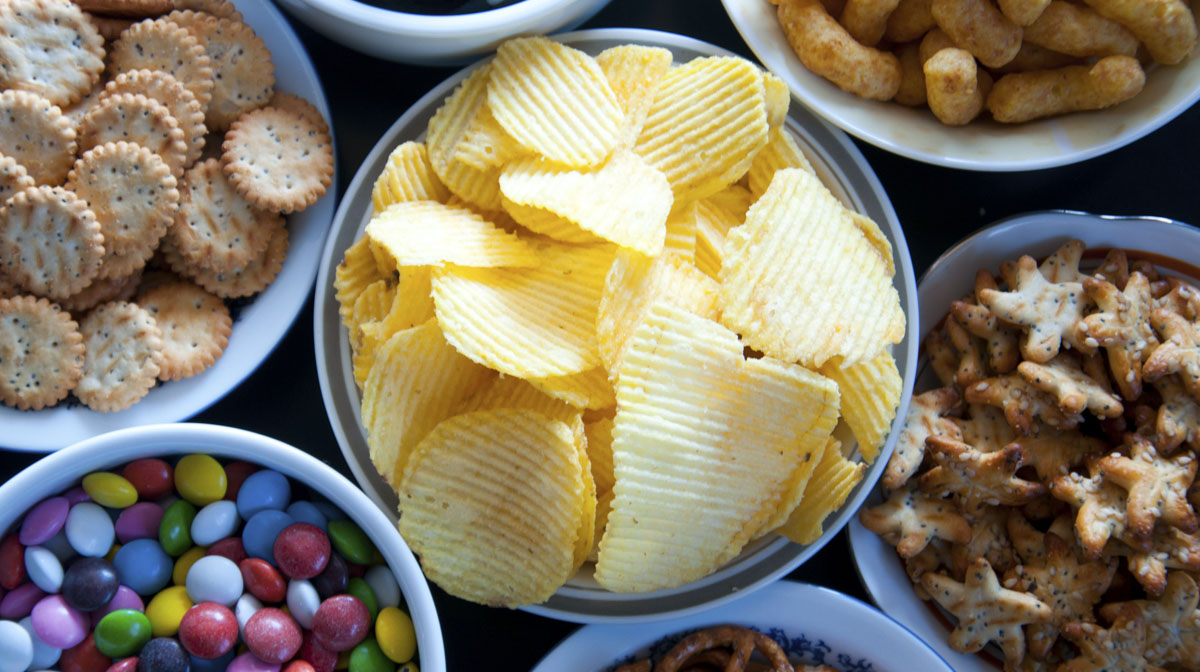
FSSAI has said that to reduce consumptions of junk food with high contents of fat, sugar and salt, guidelines for appropriate packaging will be released soon.
Food regulator FSSAI today said it will soon come out with new regulations relating to labelling of packaged food products and incorporate the expert panel’s suggestions for reducing consumption of fat, sugar and salt.
The Food Safety and Standards Authority of India (FSSAI) will also frame a definition of junk food, its CEO Pawan Kumar Agarwal said.
Asked whether the FSSAI would implement the suggestions made by an expert panel set up by it, he said that many recommendations are beyond the regulator’s jurisdiction.
“We are bringing change in labelling regulations. We are making a big change,” Agarwal told reporters here.
He said the FSSAI would, for the time being, incorporate the panel’s suggestions related to labelling of food products.
An expert panel set up by FSSAI has recommended additional tax on highly processed food items and sugar-laced beverages as well as a ban on advertising of junk foods on children channels or during kids shows on TV.
It has suggested that informations like total calories, amount of carbohydrates, sugar, fat, protein, sodium, dietary fibre, amount of trans-fat added in food should be mandatory for labelling in food products.
Agarwal said there is no definition of junk food and even this panels’s report has not defined it.
Asked about suggestions of advertising ban, he said: “First, we will have to define, what food will be restricted. By itself, report can not lead to action”.
Agarwal said the government plans to make it mandatory for food business operators to have at least one trained food supervisors.
The FSSAI, he said, is launching food safety training and certificate programmes through both offline and online system. It is looking for partners so that trainings could be provided across the country.
“With the scale we are contemplating, this is a massive exercise in raising the food safety standards in the country,” Agarwal said.
The FSSAI is focusing on increasing awareness about the consumer grievance redressal mechanism adopted by food businesses. “Consumers should not be left high and dry when it comes to grievance redressal”.
It is also taking initiative to provide safe, nutritious and wholesome foods to citizens at home, schools, offices, public places and place of worship.
Addressing the conference, Niti Aayog CEO Amitabh Kant said the FSSAI is a very critical organisation in making India free from unsafe and unadulterated food.
He complemented the regulator for taking many progressive moves including fortification of food products to deal with micro-nutrients deficiency.
Stating that the FSSAI is using technology in a big way and is doing away with papers, he said there should not be any paper work and no public interface for getting license and registration.
“We allow the industry to do self certification. But if anyone is found violating the norms, there should be stringent and toughest action,” Kant said.
He stressed on harmonisation of Indian standards with global norms.

FSSAI to collaborate with corporate entities and academic institutions for FoSTaC program

The regulator will also define 'junk food' before imposing further taxes on packaged food products with high fat, salt and sugar content, the executive said.
The Food Safety and Standards Authority of India (FSSAI) is in the process to come up with new food labelling regulations related to packaged food products, based on the recommendations made by the expert group, said Pawan Agarwal, the chief executive officer of FSSAI. 
The regulator will also define 'junk food' before imposing further taxes on packaged food products with high fat, salt and sugar content, the executive said.
"We are making big changes in labelling," said Agarwal.
An expert panel set up by FSSAI has recommended additional tax on highly processed food items and sugar-laced beverages as well as a ban on advertising of junk foods on children channels or during kids shows on TV.
Agarwal said that FSSAI is also looking to bring in regulation which will require every food business operator to have at least one trained and qualified food safety supervisor at its premise.
Agarwal added, "Going forward we will amend the regulations where over a period of time every food business operator will require to have one trained and qualified food handler at their disposal."
Agarwal also added, "Obviously there will be a time lag. We will give a couple of years time before the requirement that all food businesses should have one person who is trained and certified in food safety. And before we start amending our regulations we had already created a ecosystem where such large scale training can begin to happen."
FSSAI will collaborate with corporate entities and academic institutions for Food Safety Training and Certification (FoSTaC) program, where the regulator will be launching 19 short-term courses to train food handlers. The body hopes that the trained staff will in turn educate people working alongside him thus taking the food hygiene and safety standards in the country several notches up.
The regulator also launched a interactive portal to educate consumers and help them with grievance redressal.

How FSSAI is transforming the food safety landscape

The FSSAI has taken a highly collaborative approach to promoting food safety and nutrition since it is an integral part of everyone’s life.
Food safety scenario in India is continuously changing from last one and half years. The food safety body has come up with several initiatives to train street food vendors, partner with restaurants and make sure that wholesome and nutritious food is being served to the public. Since ages, people have always thought FSSAI as another government body which is over burdened by bureaucracy but to much surprise it has given a new face to the food safety ecosystem in the past one year.
Since the past few months, the FSSAI has been energetically driving large-scale fortification of staple foods such as wheat flour, rice, milk, oil and salt to combat widespread malnutrition in the country. The industry and government have responded with equal dynamism. About 50% of oil and milk companies in the organized sector will have fortified their products in the coming months. Five major wheat flour manufacturers are fortifying their wheat flour.
Ensuring public awareness
The whole narrative on food safety regulation has changed. The law provides that people who work in food businesses should be qualified and trained in food safety. Even before this becomes mandatory, FSSAI is building an ecosystem for large-scale training through its FoSTaC –Food Safety Training and Certification programme, which was launched yesterday during a press briefing in New Delhi. FoSTaC is a unique participatory programme designed to enhance public awareness and simultaneously train food safety supervisors, who will then train food handlers along the food chain on food safety issues. It has19 short courses from basic, advanced to specialized courses for street food vendors, restaurants chefs, caterers, food business operators as well as the general public. Around 6-7 of these courses are ready to roll. These courses will be delivered through training partners such as academia, industry, FBOs and government departments. FoSTaC allows for a systematic online registration system that is easily accessible and provides certification for those who have completed the training. FOSTAC will eventually host e-learning courses that will be available to all and raise the food standards of food businesses by several notches.
“Being a smart consumer is a cornerstone of ensuring food safety. Consumers have the right to be informed and educated and exercise their rights. In order to empower consumers on all issues pertaining to food safety, the FSSAI launched an online, Food Smart Consumer Portal,” shares Mr. Pawan Agarwal, CEO at Food Safety and Standards Authority of India adding that this interactive portal will be dedicated to educating consumers to make smart, informed choices, whether they are buying raw food, processed food or eating out.It has a 10 question quiz that allows the public to test is they are “smart consumers”.
This portal also provides consumers a forum to express their views, ask questions and register their complaints. FSSAI is working towards strengthening its consumer grievance redressal system. A Guidance Document for food handlers and regulatory staff was also released. Consumer guidance notes on issues they confront on a daily basis were also made available.
Food Safety is the Key
Also, at a time when India has several cases where food borne disease is an integral part of the country affecting consumers especially children this kind of initiative is the need of the hour. “If we eat right and safe food, diseases will come down because food safety is very important for India where people are suffering from food borne disease,” adds RK Vats, Add. Secretary, MoHFW.
A new era for food safety and nutrition in the country dawned yesterday where the food safety body launched several flagship initiatives to transform the food safety and nutrition landscape in India, a hitherto neglected field. “There is a requirement that the food available in the market should be safe and wholesome,” points Shri Amitabh Kant, CEO of NITI AYOG adding that FSSAI should also allow food business operators to do a self certification and there is lots of need for branding, positioning of the industry.
FSSAI also launched its Safe and Nutritious Food (SNF) initiative that takes a citizen centric approach to transformative social and behavioural change. The Safe and Nutritious Food initiative reaches out to people everywhere: in their homes, workplaces, schools and when they eat out. The SNF portal would function as an online resource centre containing information on all these initiatives with access to resource materials developed by FSSAI, interactive guides on understanding food safety and nutrition and a gateway for everyone to participate in these initiatives through partnerships.
Social and behavioural change must begin early. Children are powerful change agencies. Therefore, to engage children, FSSAI has created Safe and Nutritious Food Mascots-Master Sehat and Miss Sehat, two superheroes. In the coming months, workshops, theatre and activations of these mascots will be done throughout India.
The FSSAI has taken a highly collaborative approach to promoting food safety and nutrition since it is an integral part of everyone’s life, every single day. There is convergence with various existing initiatives, particularly the PM’s Swachch Bharat Abhiyan, which shares many common goals and approaches with the SNF initiative.
In the coming months will see these initiatives being rolled out across the country, generating a tsunami of collective effort towards creating a culture of food safety and nutrition across the country.

180 kg of mangoes destroyed

Chandigarh: A team of the Food Safety Department seized 180 kg of mangoes ripened by using calcium carbide in another raid carried out at the fruit and vegetable market in Sector 26 on Tuesday. The mangoes were seized and destroyed in the dumping ground of the city using MC vehicles. Food safety officers Bharat Kanojia, Surinder Pal Singh, Bhaljinder Singh, Mandeep Kaur, Nisha Juneja, Navneet Bagga and Amardeep Kaur conducted the raid in the early hours. Artificial ripening of fruits such as mango and papaya using calcium carbide is a common practice despite being prohibited under the Food Safety and Standards (Prohibition and Restrictions on Sales) Regulations, 2011. The use of calcium carbide to ripen fruits causes serious health problems.

FDA seizes substandard betel nut in raid

NAGPUR: The Food and Drugs Administration seized 3871 kg of substandard and adulterated betel nut costing about Rs 8.3 lakh.
The betel nut was seized in a planned raid conducted by the FDA food inspectors from M/S S M Enterprises, Eknathsao Wadi in Tandapath. The samples of the betel nut have been sent for laboratory analysis.
The betel unit owned by Mahendra Baliram Hedau was under watch for some time by the FDA officials. Action will be taken against the trader as per the 2006 law of food safety depending on the analysis report, said the FDA joint commissioner (food) M S Deshpande.
Deshpande said that such planned raids will continue in future at all the suspected places in the city. He has appealed to the people to inform the FDA about any such illegal activity on 0712-2562204.

Most water plants operate in unhygienic conditions

Surat: Most of the water bottling plants in Bhathena, Limbayat, Udhna and Varachha that supply mineral water in the city are operating in unhygienic conditions. The health department of Surat Municipal Corporation raided one such bottling plant in Khodiyar Nagar on Wednesday and found there several aedes mosquito breeding spots that transmit dengue fever. The owner Jitu Patel was fined Rs10,000 by SMC officials who ordered immediate closure of the water bottling plant.
SMC had registered 52 such plants under Food Safety and Standards Act, 2006 of which 15 have now closed. These plants package 9, 72,000 litre of water daily and supply it to different parts of the city. "We take samples regularly and punish those who sell contaminated water," said an SMC officer.
"SMC should ensure that the Jitu Patel never gets the licence to sell packaged mineral water again. Many water bottling plants package bore water and sell it as mineral water to people," said Shiv Patel, a resident of Limbayat .
SMC chief health officer Dr Ashish Naik said, "The issue of impure water crops up in areas like Limbayat, Udhna and Varachha zone more often. People living in Rander and Athawa have installed reverse osmosis (RO) plants in their homes."

May 17, 2017

DINAKARAN NEWS


DINAKARAN NEWS


DINAKARAN NEWS


Are your kids high on blood pressure?


FSSAI to take strict action against food adulteration

NEW DELHI: The Food Safety and Standards Authority of India (FSSAI) is taking a stern view of any adulteration or lapse in hygiene in the food business. At a summit on Monday, its chief executive, Pawan Kumar Agarwal, said, “We will amend regulations to make it mandatory for food business operators to have at least one person trained in food safety.” 
FSSAI also launched a food safety training and certification programme (FoSTaC), which has 19 short courses — from basic to advanced and specialised courses for street food vendors, restaurants chefs, caterers, food business operators as well as the general public. 
The regulator unveiled a food smart consumer portal for registering grievances in order to strengthen its redressal system, along with releasing a guidance document for food handlers and regulatory staff. FSSAI has created safe and nutritious food mascots — Master and Miss Sehat —superheroes who spread awareness among children. 
FSSAI will soon come out with new regulations relating to labelling of packaged food products and incorporate the expert panel's suggestions for reducing consumption of fat, sugar and salt. 

New guidelines for labelling of packaged food soon: FSSAI

New Dehi, May 16 (PTI) Food regulator FSSAI today said it will soon come out with new regulations relating to labelling of packaged food products and incorporate the expert panels suggestions for reducing consumption of fat, sugar and salt.
The Food Safety and Standards Authority of India (FSSAI) will also frame a definition of junk food, its CEO Pawan Kumar Agarwal said.
Asked whether the FSSAI would implement the suggestions made by an expert panel set up by it, he said that many recommendations are beyond the regulators jurisdiction.
"We are bringing change in labelling regulations. We are making a big change," Agarwal told reporters here.
He said the FSSAI would, for the time being, incorporate the panels suggestions related to labelling of food products.
An expert panel set up by FSSAI has recommended additional tax on highly processed food items and sugar-laced beverages as well as a ban on advertising of junk foods on children channels or during kids shows on TV.
It has suggested that informations like total calories, amount of carbohydrates, sugar, fat, protein, sodium, dietary fibre, amount of trans-fat added in food should be mandatory for labelling in food products.
Agarwal said there is no definition of junk food and even this panelss report has not defined it.
Asked about suggestions of advertising ban, he said: "First, we will have to define, what food will be restricted. By itself, report can not lead to action".
Agarwal said the government plans to make it mandatory for food business operators to have at least one trained food supervisors.
The FSSAI, he said, is launching food safety training and certificate programmes through both offline and online system. It is looking for partners so that trainings could be provided across the country.
"With the scale we are contemplating, this is a massive exercise in raising the food safety standards in the country," Agarwal said.
The FSSAI is focusing on increasing awareness about the consumer grievance redressal mechanism adopted by food businesses. "Consumers should not be left high and dry when it comes to grievance redressal".
It is also taking initiative to provide safe, nutritious and wholesome foods to citizens at home, schools, offices, public places and place of worship.
Addressing the conference, Niti Aayog CEO Amitabh Kant said the FSSAI is a very critical organisation in making India free from unsafe and unadulterated food.
He complemented the regulator for taking many progressive moves including fortification of food products to deal with micro-nutrients deficiency.
Stating that the FSSAI is using technology in a big way and is doing away with papers, he said there should not be any paper work and no public interface for getting license and registration.
"We allow the industry to do self certification. But if anyone is found violating the norms, there should be stringent and toughest action," Kant said.
He stressed on harmonisation of Indian standards with global norms.

Send complaints about adulteration to dedicated WhatsApp number

Trichy: The process of registering complaints about adulteration of food commodities and inferior food quality is all set to become easy with the Tamil Nadu food safety department introducing a WhatsApp number for grievance redressal.
On Monday, the Trichy district administration informed people that they can lodge complaints to the food safety department in Chennai on the WhatsApp number - 94440 42322. The number will be accessed by a state-level officer. The complaints will be forwarded to the designated officer (DO) of the food safety department in respective districts. Thereafter, the food safety officer (FSO) of the taluk will receive the complaints on his smart phone and will start an inquiry.
Though the number was officially released by the district administration on Monday, it had already received a few complaints from Trichy. A complaint about inferior quality biscuits was one of the complaints received recently on the number.
The purpose of introducing a dedicated WhatsApp number for receiving complaints is to reduce the time gap between the date of filing the complaint and the action taken on it, said officials.
They said the volume of complaints received is likely to increase as people become familiar with the number. People can lodge complaints about inferior quality of the food and food products, use of carbide stones for ripening mangoes, sale of commodities beyond the expiry date, and manufacturing date or expiry date missing on the label, among others.
Officials said that adulteration of edible oil is a worrying trend in the district. This involves mixing of rice bran oil or palm oil with gingelly oil.
Meanwhile, designated officers in all districts in the state have been ordered to submit a compiled report on action taken on complaints received on the number.

FSSAI to define junk food before imposing additional tax

FSSAI CEO Pawan Kumar Agarwal says will define junk food before looking at imposing additional tax on packaged foods with high fat, sugar and salt content
New Delhi: Food safety and Standards Authority of India (FSSAI) chief executive officer Pawan Kumar Agarwal on Tuesday said the food regulator will first “define junk food” before looking at imposing any additional tax on packaged foods with high fat, sugar and salt content.
Last week, FSSAI had put up a report by an 11-member expert group on the subject. FSSAI had set up the expert group after a Delhi high court order in June 2015. The expert group, which listed almost every packaged food item in the category, had proposed an additional tax on all packaged food items with high fat, sugar and salt.
“Imposing additional tax on the purchase of commodities such as pre-packaged foods with high salt and fat content, sugar sweetened beverages, etc. can be a pragmatic approach to reduce the rising burden of chronic diseases among Indian population. Imposing excise tax on unhealthy eating products can be an endeavour to bring about positive health effects among population. This exercise can be of great importance in supporting nutrition-related programmes by the means of profit generated from taxing unhealthy food products,” noted the expert group report.
“The report will be used as a reference. We may or may not take the suggestions listed there,” Agarwal said, adding that the regulator is likely to bring new labelling norms based on the suggestions in the report. The regulator is in the process of finalizing the new labelling norms.
The expert group also asked for restrictions of advertisement of these products on kids television channels and during programmes targeted to children. “This has to be looked into in detail,” Agarwal said.
Meanwhile, Agarwal said FSSAI is collaborating with corporate entities, academic institutions and Government skilling councils for Food Safety Training and Certification programme to train food safety supervisers. “Over a period, every food company will mandatorily have to have at least one trained food safety supervisor at its premises,” said Agarwal.
The authority has developed 19 short-term courses that would be offered at different institutes. “We’ll eventually host e-learning courses that will be available to all and raise the food standards of food businesses by several notches,” added Agarwal.
On Tuesday, the food regulator also launched a new interactive portal meant for the consumers for information, references and grievance redressal.
As part of its aim to enhance food safety and nutrition, FSSAI is planning to come up with joint campaigns with the Swachch Bharat Abhiyan, the regulator said in a statement.

High-fat foods: FSSAI to examine expert panel’s views

Portal for consumer grievances launched
NEW DELHI, MAY 16: 
The Food Safety and Standards Authority of India ( FSSAI) has asked its scientific panel on nutrition and food fortification to examine some of the recommendations made earlier by an expert group to rationalise consumption of food items high on fat, sugar and salt.
The expert group was set up by FSSAI in 2015 and has made a wide range of recommendations which include banning ads of food items with high fat, salt and sugar on kid’s channel and clearer nutritional labelling on packaged food among others.
On whether the recommendations on ad restrictions will be implemented, Pawan Agarwal, CEO, FSSAI said, “The report does not define the food products that should not be advertised to children. It falls short on that and hence there are challenges. Unless there is a definition, one cannot move forward. We have set up a separate scientific panel for food fortification and nutrition and it will examine some of these recommendations.”
While the report does not define “junk food”, it has stated that the expression popularly refers to food which has no positive nutritional value and often may lead to health problems.
He added, “The expert group has made eight recommendations and some of these go beyond the jurisdiction of FSSAI. Some of the recommendations such as changes in labelling norms, which come under our jurisdiction, will be incorporated in the new labelling regulations, which we are in the process of finalising.”
Meanwhile, the regulator on Tuesday launched the FoSTaC (Food Safety Training and Certification) programme. Under this initiative, the regulator will be launching 19 short-term courses designed to train food safety supervisors in food companies in collaboration with universities, NGOs, industry associations and other government departments.
It also launched its Food Smart Consumer Portal, which is an interactive portal for consumers to lodge their grievances and ask information besides focusing on consumer education. FSSAI also launched its Safe and Nutritious Food (SNF) portal which would function as an online resource centre on food safety and nutrition.

Rights panel seeks report from FSSAI

‘Chemicals used to preserve fruits’
The Kerala State Human Rights Commission has asked the Food Safety and Standards Authority of India (FSSAI) to submit a report to the State Food Safety Commissioner on the allegation that chemicals have been used to preserve fruits that is being exported from the Calicut International Airport.
Based on media reports
Commission acting chairperson P. Mohanachandradas said in a press release that a suo motu case had been registered based on media reports and an explanation sought from the State Food Safety Commissioner on the issue.
The commission was told that the Assistant Food Safety Commissioner, Malappuram, had collected samples and sent them to the food analytical laboratory in Kozhikode.
When it was pointed out that the FSSAI was issuing licence to firms involved in selling food at the airport and the State officials did not have the authority to conduct raids there, Mr. Mohanachandradas served a notice on the Central agency. The commission pointed out that “cheating expatriates by sending them unhealthy food” could not be tolerated.

FSDA team seals 2 medical stores after raid in Bijnor

Bijnor: A Food Safety and Drugs Administration (FSDA) team conducted raids on medical stores in Chandpur block of Bijnor on Tuesday and collected close to 248 samples of medicines for test.
FSDA officials also recovered prohibited injections, generally used by drug addicts.
Licenses of two medical stores were also cancelled by the inspecting team.
"The joint team of police and FSDA raided two medical stores in Chandpur city and seized 38 Oxytocin injections, 350 Fortwin injection and 3,940 tablets of Alprazolam,” an officer said.
According to drug inspector Ashutosh Mishra, “On Tuesday, we raided two medical stores in Chandpur and collected 248 samples of different medicines. Both the medical stores have been sealed and their licenses scraped. We have also found some medicines which had no level.”
“A case has been registered under respective sections. The samples will be sent to laboratory for testing,” Mishra added.
He further said, “We have recovered some medicines from the medical stores which are used by addicts. The campaign will go on. We will raid more stores.”

Food Safety Officers Conducted Raid at Grain Market Sector-26

Chandigarh: In view of the ongoing summer season artificial ripening of fruits like mango, papaya with calcium carbide is common practice adopted by various Food Business Operators. The use of which is prohibited for ripening of fruits under the Food Safety and Standards (Prohibition and Restrictions on Sales) Regulations, 2011. The ripened fruits with the above said chemical cause serious health problems.
Looking into the seriousness of the matter the Food Safety Officers i. Sh. Bharat Kanojia, Sh. Surinder Pal Singh, Sh. Bhaljinder Singh, Mandeep Kaur, Mrs. Nisha Juneja, Navneet Bagga and Ms. Amardeep Kaur in early hours conducted a massive raid in the area of Grain Market, Sector-26, Chandigarh as directed by the designated Officer, Food Safety Administration, Chandigarh. The officers from the Food & Supply Department also accompanied the team. Many warehouses and shops where the fruits like mango and papaya were stored were inspected and it was found during inspection that the Food Business Operators were using Calcium Carbide for its ripening. About 180 kgs of Mangoes was seized and destroyed in th dumping ground of Chandigarh through the vehicles of Municipal Corporation, Chandigarh.
The traders dealing in sale, storage and distribution of fruits are advised not to use any type of hazardous chemical for the ripening of fruits. If anybody is found violating the provisions of Food Safety and Standard Act,2006 and the Rules & Regulations, 2011 framed there under, action will be initiated against the such violators.

Raid conducted, food samples collected

Following the directions of health Minister Brahm Mahindra and commissioner food Siri Varun Roozam, a Special raid was conducted today in the evening to check those food business operators who were selling fast food on the carts and in shops.
Samples of fast food items were taken from nakodar road, old GT Road and other areas of the city.
Two samples of milk were also taken from a dairy in Ajit Nagar Bhattha Road. Samples of roasted China and biscuits were taken from Nakodar Road near Lal Rattan Cinema Jalandhar.
As many as 11 samples of milk, two, sauces and chutney, bhaji, roasted chana, biscuits and other champ were collected by the food safety team.
All the food business operators particularly those dealing with prepared food items were directed to prepare food and serve food while wearing gloves, headgear and after taking other Hygenic protections.
Dr Harjot Pal Singh Assistant Food Commissioner directed all the food business operators to obtain online food licence at the earliest failing which necessary legal action shall be initiated against those working without license.
It Is worth mentioning here that the last date for obtaining online food licence has already expired. The sampling team consisted of team in charge Dr Harjot Pal Singh assistant commissioner food Jalandhar, food safety officers Rashu Mahajan and Divya Bhagat along withalong with other employees.

May 16, 2017

DINAKARAN NEWS


DINAKARAN NEWS


DINAKARAN NEWS


GHMC frames sanitary norms for restaurants


Mothers welcome ban on junk food ads

To reduce consumption of unhealthy food by children, authorities have recommended a ban on junk food advertisements.
Artist Lakshmi Nambiar with her daughter Tamaara and Dancer Hima Bindu Kanoj with her daughter Laasya.
The attractive advertisement showing the cheesy gooeyness of a burger may soon be a thing of the past. The Food Safety and Standards Authority of India (FSSAI), who had earlier recommended additional tax on processed foods and sugar-sweetened beverages, has now recommended a blanket ban on the advertising of junk foods and beverages on children’s channels and content for children across television, websites and social media.
The ban was recommended following the report ‘Consumption of fat, sugar and salt (FSS) and its health effects on Indian population’, which suggested many ways to reduce consumption of unhealthy food by children.
While we are all aware about the ill-effects of junk food, it doesn’t stop people from getting those products home. Welcoming the ban, Hima Bindu Kanoj, dancer and parent to six-year-old Laasya, says, “Children are very familiar with what goes on in television channels. They know about the schedule and what advertisements come in between. So if the ban is being imposed, nothing like it. It will help divert the child’s mind to something more concrete.” She adds, “Then again, all the blame can’t be put on advertisements; parents also need to be more cautious. One can let children indulge twice a month and the rest you can monitor.”
“I am really shocked with this step. Now, how will I get to know which chips have been added on with vitamins and minerals?” asks Avish Juluri, the nine-year-old son of artist Sravanthi Juluri. “Avish is not much of a junk food eater, but he likes to buy things either because they look attractive or his friends have eaten them. The ban will be a boon for the parents. Less visibility means less peer pressure to try and eat it at least once,” says Sravanthi.
According to fellow artist and parent, Lakshmi Nambiar, her daughter Tamaara gets enticed with the advertisements which get aired every few minutes in between a show. “Kids remember every minute detail which is showcased in the ads. If that is restricted, I think we have a win over junk foods,” says Lakshmi.

FSSAI conducts workshop on safe and nutritious food in Lancers International School

Food Safety and Standards Authority of India (FSSAI) conducted a 20- minute workshop on ‘safe and nutritious food at Lancers International School today. The workshop was conducted under FSSAI’s ‘safe and nutritious food at school’ initiative. Officials of FSSAI were also present at the occasion.
As part of this initiative, mascots developed by FSSAI, Master Sehat and Miss Sehat gave valuable tips regarding the importance of safe and nutritious food through interactive skit. They advised to purchase milk in tetra packs where adulteration chances are minimum. They also briefed about the significance of consuming fortified food, various deficiency diseases and how to take precautions to avoid them. More than 200 students attended the workshop.
FSSAI has launched pan- India ‘Safe and nutritious food at school’ initiative during which they plan to reach out to 16 lakh government, public, private as well as international schools across the country. FSSAI has developed multi-pronged strategy to deliver the message.
“There is an urgent need to spread awareness about safe and healthy food to ward off diseases. Since children are powerful change agents, such an initiative at schools will long a long way in instilling consciousness about the importance of safe and healthy food .We heartily thank FSSAI for conducting this workshop at Lancers International School,” said Rohit Mann, Director, Lancers International School.
The objective of the initiative is to impart principles of food safety in a full-filled way through interactive theatre workshops and mascots. The initiative intends to train teachers and senior students as Health and Wellness coordinators to disseminate the message of safe and nutritious food to their school and drive various safe food initiatives. It also plans to drive the initiative by reviewing the curriculum from Class 1 to 12 standards for identifying crucial gaps, spreading awareness through extra-curricular activities like interactive quizzes, mascots, and legislative and regulatory framework.
“The session by FSSAI was really informative and made us aware about consuming safe and healthy food.” said, Kovida Chhikara a student of Lancers International School.
Lancers International School has been actively promoting the significance of safe and healthy food. A week ago, a session on ‘Healthy Food practices’ was organized by Dr. Sushila Kataria,Director Department of Medicine & Geriatrics ,Medanta. The children had the opportunity to speak to Dr. Kataria one on one and discuss the food and safety measures to be taken at their end.
The school also sends its food and water to testing lab once in every quarter to maintain safe and high standards of food in the campus.

May 15, 2017

DINAKARAN NEWS


DINAKARAN NEWS


DINAMANI NEWS


DINAKARAN NEWS


About 80 unhygienic eateries closed in Ernakulam

KOCHI: In a major crackdown on unhygienic eateries, the district administration has closed down 79 food joints in the Kalamassery, Aluva and Thrikkakara municipal areas.
The special squads constituted by District Collector K Mohammed Y Safirulla had conducted inspections at hotels, bakeries and wayside eateries as part of the one-week drive, which was launched in the wake of reports of epidemic outbreak in the district.
As per the data from the district administration, the maximum number of eateries were closed down in the Kalamassery municipal area, where over 40 cases of Hepatitis A were reported recently.
Of the 91 eateries inspected in Kalamassery municipality, 37 were closed down and five were removed. As many as 25 eateries were closed down in Aluva, which is fast turning into a migrant hub. In Thrikkakara municipality, the team inspected 109 shops and closed around 17 food joints and removed 26 wayside eateries.
“We have issued stop memos to the eateries that had been functioning in unhygienic conditions, operating without obtaining licence from the local bodies and employed workers without health cards. Many illegal wayside eateries were removed during the drive,” said District Health Officer P N Sreenivasan, who coordinated the drive. 
The District Collector, who is also the chairman of the District Disaster management Authority, had last week formed the special squad comprising Revenue, municipality, health, police and food safety officers after cases of jaundice, diphtheria, hepatitis, dengue and H1N1 were reported from various parts of the district.
The squads were empowered under Sections 30(5), 30(20) and 33 of the Disaster Management Act, 2005, to inspect eateries, including bakeries and hotels.
“We will intensify the inspections in the coming days and action will be taken against offenders based on the Municipal Food Safety rules. The drive is part of the preventive measures to check the spread of epidemics before the onset of monsoon,” the District Collector said.
Raids at food joints
Kalamassery
Inspected 91
Closed 37
Removed 5
Aluva
Inspected 74
Closed 25
Removed nil
Thrikkakara
Inspected 109
Closed 17
Removed 26

Open sale of meat to be banned in Dehradun city

According to norms, even shops with a licence cannot keep meat in the open and have to do their business behind closed doors.
The state urban development minister Madan Kaushik on Sunday announced that open sale of meat will be banned in Dehradun city even if shops have a licence. He announced the decision after a meeting with local traders union in Dehradun.
Speaking to officials from local bodies and state urban development department present in the meeting, Kaushik said that shops with a licence cannot keep meat in the open and have to do their business behind closed doors as per norms.
He directed officials of Dehradun Municipal Corporation and other departments to hold public awareness campaigns and inform shopkeepers not to sell meat in the open.
Kaushik ordered that meat traders with open shops who want to continue with the same arrangement will be provided land at a separate location that will be surveyed and identified by the officials of Dehradun Municipal Corporation and district food safety department.
The minister has given strict instructions to the official to deal sternly with illegal meat shops owners and initiate legal action against them.
He has also asked the officials to expedite pending licence applications of meat traders.
Apart from officials, Dehradun mayor and BJP MLA Vinod Chamoli, senior Congress leader and former corporator Ashok Verma, BJP leader and Dehradun Traders Association chief Umesh Aggarwal and Anil Goyel were present in the meeting.
Earlier, the BJP-led state government had ordered that meat shops along River Ganga be shut down. It had also raided illegal slaughterhouses operating across the state.

Rotten, uncovered food seized from City eateries

Srinagar: The food safety officers of Srinagar Municipal Corporation (SMC) visited various areas of Srinagar to inspect food establishments including hotels, bakery shops, dhaba’s and other food outlets. The visit was initiated by commissioner SMC Dr Shafqat Khan.
The eateries that got inspected in different areas included Lal Chowk, M.A road, Batamaloo, Residency road, Wazirbagh , Rajbagh , Hyderpora and adjacent areas.
During the inspection large quantity of rusted utensils and uncovered food items kept in polythene bags were were destroyed on spot.
The mutton sellers were strictly directed to maintain proper hygiene. Rotten vegetables and fruits were destroyed in bulk from various City markets, an SMC spokesperson said.
The Commissioner SMC Dr Shafqat Khan in this regard has appealed food business operators to maintain up to mark hygiene and sell qualitative food to the public.

Sago manufacturers warned

Officials of Salem Starch and Manufacturers’ Service Industrial Co-operative Society Limited (SAGOSERVE) and the Tamil Nadu Food Safety Drug Administration Department has warned sago manufacturers not to produce adulterated products.
During a meeting organised by Sagoserve here recently with sago manufacturers from seven districts, D. Raajendiran, Managing Director, Sagoserve, said that harmful chemicals are used to bleach sago to achieve pure white colour, which is banned as per Food Safety and Standards Act.
T. Anuradha, Salem District Designated Officer, said that maize starch and sago starch are mixed in equal quantities to produce adulterated product which is a violation. She said that while tapioca starch is sold at ₹ 55 per kg while maize starch is sold at ₹ 25 kg in the market. Hence, to earn more profit, adulteration and hazardous chemicals are used endangering the lives of the consumers.
She warned that strict action will be taken against adulterators, including cancelling the license of the unit, if the violations are found.

May 14, 2017

DINAKARAN NEWS


DINAKARAN NEWS


DINAKARAN NEWS


SC must act against gutka manufacturers

The Goa FDA will launch a State-wide drive to ensure strict implementation of the ban on manufacture and sale of gutka, paan masala and other tobacco products. 
Goa to file plea in apex court seeking strict implementation of the ban in other States
Goa is set to file a plea in Supreme Court seeking directions to other States to implement ban on manufacture of tobacco products.
Goa is the only State where two instruments of ban notification are available to authorities to tackle the menace of tobacco consumption.
Salim Veljee, director of Foods and Drugs Administration (FDA), Goa, told The Hindu on Saturday that these products are predominantly manufactured in Karnataka, Rajasthan, Madhya Pradesh and Odisha.
“We will file a plea before Supreme Court to direct these states to implement the ban on manufacturing itself to tackle smuggling of the products from across the State borders,” he said.
He pointed out that as per the provisions of the Food Safety and Standards Act, 2006, read with Regulation 2.3.4 of the Food Safety and Standards (Prohibition and Restrictions on Sales) Regulations, 2011, the apex court has asked all States and Union Territories to implement, what is actually banned as “manufacture, storage, distribution and sale of gutka or paan masala by whatever name called containing tobacco and nicotine as an ingredient and also includes chewing tobacco products like chaap tobacco, pure tobacco, Khaini, chaini, scented tobacco, flavoured tobacco, zarda, etc., packed in packets\ pouches\sachets \containers,etc., by whatever name called and other products marketed separately by whatever name called.”
Twin notifications
Mr. Veljee said following a recent notification in Goa, while only FDA officials can act under the Food Safety, as per the Goa Public Heath (Amendment) Act, 2005, other agencies including police, mamlatdars, and deputy collectors can also act to implement the ban. However, this ban is confined to tobacco products like gutka only.
He said with these multiple agencies in place, the FDA has decided to launch a State-wide drive to ensure strict implementation of the ban.
Mr. Veljee further pointed out that framers of the legislation have taken due care in the ban notification under the Food Safety and Standards Act(FSSA) of the practice adopted by manufacturers of gutka to distribute and sell the pan masala component (without tobacco) separately, along with the sachet of chewing tobacco.
Mr. Veljee said the tobacco products enter Goa through vegetable-sellers and other vendors coming from Maharashtra and Karnataka and have become a problem for enforcement agencies at all four border check posts in the State.
“With this double ban in place, now our message to all such vendors is very clear. Their mischief will not be entertained or allowed and all such plain tobacco/scented tobacco/chewing tobacco by whatever name called will also be covered under the food safety ban, which has been issued as a part of the Supreme Court directives of September 23, 2016 in the case of Civil Appeal No. 16308 of 2007,” he said. Next week will see a state-wide drive by the FDA to ensure strict implementation of ban.

FDA directs total ban on gutkha, pan masala

PANJIM: Directorate of Food and Drugs Administration (FDA) on Saturday issued more directions placing a complete ban on the manufacture, storage, sale or distribution of food products containing tobacco or nicotine like gutkha and pan masala in Goa.
The State now has two bans or prohibition tools to tackle violations under Goa Public Health (Amendment) Act, 2005 and Food Safety and Standards Act, 2006. Earlier, the Commissioner of Food Safety under Goa Public Health (Amendment) Act, 2005 had prohibited the manufacture and sale of processed, flavoured, scented, chewing tobacco, packaged or unpackaged or sold as one or separate products. 

U.P. meat traders to seek relief from court

Want mosques to be excluded from the distance norm
The Allahabad High Court’s order directing the Uttar Pradesh government to issue new licences for meat shops and slaughterhouses and renew old ones has come as a “relief” for those involved in the meat business in the State.
Meat traders are now preparing to go to court to demand relaxation of norms in the Food Safety Act under which they are to be issued licences. They want mosques to be excluded from the list of religious places less than 50 metres of which meat shops are prohibited from functioning.
Apart from the clause of “minimum distance” of 50 metres, the FSA guidelines prevent meat shops from running within 100 metres of the main gate of religious places. The norms are as per clause 8 (1) of the Food Safety & Standard Administration India Act, 2011.
Meat traders say the specific clause is hindering them from getting their licences renewed. Their licences expired on March 31. Saleem Qureshi, the Bareilly district president of the All India Jamiatul Quresh (AIJQ), would soon file a petition in the Allahabad High Court making this demand.
Denied licence
As hundreds of meat traders across U.P. are facing the issue, the AIJQ would raise in court the predicament of Bareilly resident Sharif Qureshi, who despite completing all formalities, was denied licence for his meat shop as it was situated near the Ansariyan Masjid Zakhira Qila mosque.
Shakeel Quresh, UP vice-president of the All India Jamiatul Quresh, said “since most of the meat shops in U.P. are located in dense Muslim areas with mosques in proximity,” meat traders are being denied licences for this reason. “Our religion does not prohibit us from selling meat near mosques or eating it there.
Many shops are located in mosques complexes. We will fully abide by the sanctity of other religious sites like temples, churches, gurudwaras but only demand a relaxation for mosques,” Mr. Shakeel Qureshi told The Hindu.
He further said that meat shops had also obtained no objection letters from the trustees of the mosques. “The High Court order is a relief measure for us. But we would be filing a separate petition praying for the exclusion of mosques from the prohibited places,” he said.
Ramzan approaching
The AIJQ, a representative body of the Qureshis, the Muslim community traditionally associated with the meat trade, also hopes that State officials will start issuing licences to slaughterhouses and meat shops soon as the Muslim holy month of Ramzan is approaching.
“The demand will shoot up and it could even lead to a law and order problem,” Mr. Shakeel Qureshi said.
He also expressed disappointment with the “hotchpotch” functioning of local bodies in U.P. and said it was posing a hurdle for meat traders to obtain licences. “The CM had promised us that he would get our licences done soon but the officials have hardly cared. They push us from one door to another. So far, not a single licence has been issued for meat shops in Lucknow. There have been only ten in Kanpur, and only 50 out of 550 in Bareilly,” Mr. Shakeel Qureshi said.
He added that the officials rejected meat sellers requesting licences citing the pending case in the court, whereas the case had no bearing on the issuance of licences if meat traders followed norms.
AIJQ national president Siraj Qureshi is also expected to call on Prime Minister Narendra Modi and UP chief minister Yogi Adityanath to put forward the inconveniences and livelihood crisis faced by the State’s meat traders since March.
The Lucknow Bench of the Allahabad High Court on Friday directed the State government to start issuing fresh licences and no-objection certificates (NOC) to meat traders while also renewing their old licences.
The court also rejected the government’s contention that slaughterhouses were not the responsibility of the State and said that the responsibility of constructing slaughter houses was that of the local municipal corporations.

Health department cracks down on rotten food

LUDHIANA: Officials of the health department collected food samples from different parts of the city on Friday, under guidance from the civil surgeon. Samples of milk, sweetmeats like barfi, cold drinks and ice cream were collected from different spots.
Civil surgeon Dr Rajiv Bhalla said, "Samples have been collected from many places.
Teams have been doing sampling in the past two days. Five samples of milk have been a taken. We have also checked on individual sellers of milk and taken samples."
Ice cream and cold drink samples were taken from the Haibowal area of the city. From Sri Ram Sweets at Dashmesh Nagar, samples of barfi were taken.
Food safety officer Ravinder Garg collected the samples. He said all samples were sent for testing and if any were found failing to meet set standards, action would be taken against shops or individuals from which these were taken.
Two days ago, the health department took samples from Pappu Canteen of Ludhiana district court complex.
Food was found stored in a washroom and rotten fruit and vegetables were found in stock. The district bar association has closed the canteen and filed a complaint with the civil surgeon.
Bhalla said instructions have gone out about the need for special vigilance in the summer as food gets spoiled faster in the heat. He said anyone who finds that a food product sold to him is stale can approach the health department with a complaint.

Petition in NGT against sale of unpackaged drinking water

NAGPUR: Based on TOI's report on unpackaged drinking water being sold in chilled cans, a petition has been filed in the Pune bench of National Green Tribunal (NGT) seeking closure of all units across the state that are selling water in chilled jars and cans, and posing serious threat to human health.On September 6, 2016, TOI after visiting six such units in the city, had exposed the unhygienic conditions in which the units were operating. They also did not have the mandatory licenses from Bureau of Indian Standards (BIS) and Food Safety and Standards Authority of India (FSSAI).Two petitioners — Vijaysinh Dubbal and Dattatraya Bharne — are from Pune while the third — Santosh Sinha — is from Nagpur. They have moved the case through counsels Asim Sarode and Smita Sarode Singalkar The Maharashtra Pollution Control Board (MPCB), state government, ministry of health and family welfare, commissioner of Food and Drug Authority (FDA), commissioners of Nagpur and Pune Municipal Corporations, water sanitation department and regional director of Central Ground Water Authority (CGWA) have been made the respondents. 
The matter is expected to come up for hearing next week.Extensively quoting TOI's report, the petition states that the water sold in unpackaged and unsealed chilled jars and cans is not potable and hazardous to health. Though the unit owners claim that the water is RO and UV treated, no regular monitoring is being done."The water is drawn from unhygienic sources like bore-well and can contain various impurities and fungal growth. No permission is taken from CGWA for withdrawing groundwater," the petitioners said.The petitioners have also pointed out that there are no set of rules for units supplying unpackaged drinking water, most of which are operating in unhygienic conditions.

May 13, 2017

A glass of health hazard

Adulterated milk
If someone offers you urea, detergent, starch, caustic soda, white paint and polluted water for consumption, will you have it? Of course not! But if you are told that that glass of milk that you drink and force your kids to drink every day, thinking it to be a wholesome diet, has all these elements, then do believe it. Over 68 per cent of the milk in India has been found to be adulterated in a research by the Food Safety and Standards Authority of India (fssai). That means two out of three Indians drink adulterated milk every day!

India is the world’s largest milk producer. Milk has a great significance in our culture. After breastfeeding, cow’s milk is given to toddlers for their brain development and overall growth. For ages, mothers and grandmothers have laid importance on the consumption of haldi, badam and kesar milk for everyone, which is now gaining popularity in the West. Milk is offered to the husband on the first night considering it to be a source of strength. At the time of sickness, milk comes to our rescue. Many items like curd, panner, ghee, makhan, ice-creams, shakes, kulfi, cheese, khoya and sweets are prepared from milk on a daily basis in our homes and outside. Our very own milk chai is the energy drink of most Indians.
Milk and milk products are a must in the diet of a vegetarian. Calcium, high quality proteins, carbohydrates, vitamins like riboflavin, A and D, phosphorus, magnesium, and potassium in milk make it nature’s nearly perfect food and an important part of a healthy diet for people of all ages. Milk is the most trusted health drink in our country. Its health benefits include increased bone strength, smoother skin, stronger immune system, prevention of illnesses such as hypertension, dental decay, dehydration, respiratory problems, obesity, osteoporosis and even some forms of cancer and some chronic ailments.
Despite all these benefits, the greed of a few adulterers has turned this health drink into slow poison. Water is a common adulterant added to milk to increase its volume, but the problem is that the consumers immediately make out the presence of it. The taste of the milk changes, it does not boil over while heating but keeps boiling inside the vessel, the tea is insipid and formation of cream is reduced. To avoid getting caught, the adulterator adds certain substances to the ‘watered’ milk to improve its thickness, taste, density and viscosity. The common adulterants are formalin, urea, starch, neutralisers, detergents, sodium chloride, skimmed milk powder, sucrose, glucose/dextrose, and hydrogen peroxide. Some of these are referred to as solid-not-fats (SNF) and are used to cover the quantity of natural fats missing in the ‘watered’ milk. Adulteration may also be incidental due to lack of knowledge and hygiene. Milk adulteration is high during festivals due to its high demand.
The Indian Council of Medical Research has reported that milk adulterants have hazardous health effects. The detergent added to emulsify and dissolve the oil in water giving a frothy solution can cause food poisoning and other gastrointestinal complications. Its high alkaline level can also damage body tissues and destroy proteins. Other synthetic components can cause impairments, heart problems, cancer or even death. Urea added to provide whiteness, increase consistency and level the contents of (SNF) in milk can lead to vomiting, nausea, kidney problems and gastritis. Caustic soda can be dangerous for people suffering from hypertension and heart ailments. It harms the mucosa of the food pipe especially in kids.
Carbonates and bicarbonates added to prevent spoilage of milk can cause disruption in hormone signalling that regulate development and reproduction. Formalin can cause more severe damage to the body like liver damage. Starch added to improve the thickness is fatal for diabetic patients and can cause indigestion. The health impact of drinking milk adulterated with these chemicals is worse for children.
Testing milk at home
For a lay person, trying to differentiate between contaminated and pure milk is difficult and only specific chemical tests can reveal the truth. But as per the guidelines given by FSSAI and FDA (Food safety and Drug Administration), some simple household tests can be conducted at home for detection of adulterants in milk.
Water : The presence of water can be detected by putting a drop of milk on a polished slanting surface. The drop of pure milk flows leaving a white trail behind, whereas milk adulterated with water will flow immediately without leaving a mark.
Starch: Add a few drops of tincture of iodine or iodine solution. Formation of blue colour indicates the presence of starch. Iodine solution is easily available in medical stores.
Urea: Take a teaspoon of milk in a test tube. Add half a teaspoon of soybean or arhar powder. Mix the contents thoroughly by shaking the test tube. After five minutes, dip a red litmus paper in it. Remove the paper after half a minute. A change in colour from red to blue indicates the presence of urea in the milk.
Vanaspati : Take 3 ml of milk in a test tube. Add 10 drops of hydrochloric acid. Mix one teaspoonful of sugar. After 5 minutes, examine the mixture. The red colouration indicates the presence of vanaspati in milk.
Formalin: Take 10 ml of milk in a test tube and add 5 ml of con sulphuric acid from the sides of the wall without shaking. If a violet or blue ring appears at the intersection of the two layers then it shows presence of formalin.
Detergent: Shake 5-10 ml of milk with an equal amount of water, lather indicates the presence of detergent.
Synthetic milk: This has a bitter after taste, gives a soapy feeling on rubbing between the fingers and turns yellowish on heating. The milk can be easily tested by urease strips (available in medical stores) because synthetic milk is devoid of protein. Positive urease strips also determine that the milk contains glucose.
Prevention is better than cure
  • Select milk that has been packaged in material that minimises light absorption. Sunlight destroys vitamins, especially riboflavin, and affects the flavour of milk.
  • Look for the longitudinal central seals on the milk packets and the date of packing. If the date is not the current one then chances are the packet is a recycled one.
  • Milk should be continuously stirred while boiling and cooled quickly to lessen the loss of vitamins, minerals and protein.
  • Refrigerate the milk after boiling, at least below 8 degrees Celsius, for later use, to minimise bacterial contamination.
  • Drink milk only after boiling it, never raw.
  • To check if your packet is not tampered with, press it in the middle. If it forms a regular arc on the top then it is fine but if it forms a straight line, look carefully at the corners to detect fresh sealing, which may indicate adulteration or less volume.
  • Fresh milk should be kept cooled, sealed (so that it does not absorb other flavours and odours), and in dark places.
  • Consumers should opt for packaged pasteurised milk and not loose milk.

Slaughterhouse case: Issue fresh licence, HC tells Yogi govt

Interim order by Allahabad high court comes as relief for meat sellers whose licences weren’t renewed by the Uttar Pradesh government after March
Chief minister Yogi Adityanath imposed a ban on all illegal slaughterhouses after assuming office on March 19.
The Allahabad high court directed the Uttar Pradesh government on Friday to start issuing licences and no-objection certificates to meat sellers, potentially ending a stalemate over closing slaughterhouses that saw meat disappearing from local markets and popular eating joints.
The interim order of the HC’s Lucknow bench came as a major relief for meat sellers, whose licences weren’t renewed by the government after March.
The bench of justices AP Shahi and Sanjay Harkauli also directed the government to file a reply on July 17 – the next date of hearing – about the steps taken in compliance of the order.
“The state government cannot shy away from its responsibility of regulating slaughter houses,” said justice Shahi, while reading out the operative part of the order.
The order implies that traders can apply for fresh licences or for a renewal. Even those whose slaughterhouses were shut down can now apply.
Chief minister Yogi Adityanath imposed a ban on all illegal slaughterhouses after assuming office on March 19, fulfilling a promise in the Bharatiya Janata Party’s manifesto for the UP assembly elections.
Though the action was mainly aimed at curbing illegal slaughter of cow, meat sellers alleged that authorities harassed even legal abattoirs. A section of meat sellers had even gone on a strike while Lucknow’s popular eating joint Tunday -- known for its kebabs -- had shut shop for a day due to non-availability of meat.
Many also alleged that most slaughterhouses in the state were illegal because of lax procedures and lack of oversight.
The court also directed district magistrates and divisional commissioners to take appropriate action to regulate meat shops and slaughterhouses.
Along with a PIL, the court had clubbed all writ petitions seeking renewal of licences of meat shops filed by individuals.
While advocate general Raghvendra Singh represented the state government, advocate BK Singh pleaded for the petitioners.
Earlier, the advocate general pointed out that after the Food Safety and Standards Act, 2006, came into force, all other laws related to food and safety had become redundant.
The court, however, observed on Friday all provisions in local acts (nagar panchayats) had not been incorporated in the Food Safety and Standards Act, 2006.
During the hearing of the case, the advocate general also pointed out that the UP government’s directive was against illegal slaughterhouses and not against establishments operating legally.
“The court’s order is not against the state government. It is also a clear direction to the state government to regulate meat trade,” lawyer BK Singh told HT.
“Illegal slaughterhouses and meat shops will no longer be able to operate as they used to do earlier.”

Allahabad HC to deliver judgement on slaughterhouses, meat shops today

The bench of justice AP Shahi and justice Sanjay Harkauli completed the hearing of litigations related to the operation of slaughterhouses on Thursday and reserved the judgment for Friday.
Chief minister Yogi Adityanath imposed a ban on all illegal slaughterhouses in the state after assuming office on March 19.
The Lucknow bench of the Allahabad high court will deliver its judgment on the grant or renewal of licences to slaughterhouses and meat shops in Uttar Pradesh on Friday.
The bench of justice AP Shahi and justice Sanjay Harkauli completed the hearing of litigations related to the operation of slaughterhouses on Thursday and reserved the judgment for Friday.
THE FOOD SAFETY AND STANDARDS ACT, 2006
It is an act to consolidate laws relating to food and establish the Food Safety and Standards Authority of India for laying down science based standards for articles of food and to regulate their manufacture, storage, distribution, sale and import, to ensure availability of safe and wholesome food for human consumption and for matters connected therewith or incidental thereto.
Along with the public interest litigations, the court also clubbed all writ petitions seeking renewal of licences of meat shops filed by individual shop owners.
Advocate general Singh, who appeared on behalf of the state government, pointed out that after the Food Safety and Standards Act, 2006, came into force all other laws related to food and safety have become redundant.
Chief minister Yogi Adityanath imposed a ban on all illegal slaughterhouses in the state after assuming office on March 19. Action against such slaughterhouses was promised in the Bharatiya Janata Party’s manifesto for UP assembly elections.
The advocate general also pointed out that the UP government’s directive was against illegal slaughterhouses and not against those establishments which are operating legally.
Focus on cow smuggling and consumption of cattle meat has risen since the BJP won power in 2014, but the issue returned to spotlight after chief minister Adityanath clamped down on illegal slaughterhouses and cattle smuggling last month.

FDA issues closure notice to unpackaged drinking water units

NAGPUR : The Food and Drug Administration (FDA) Nagpur division, has sent closure notices to about seven units of the region, selling unpackaged drinking water without mandatory licenses. Last week, FDA had raided these units on the directives of FDA commissioner Harshdeep Kamble.
FDA assistant food commissioner of Nagpur division Milind Deshpande, who is also holding additional charge of rural, said that these units are now prohibited from selling drinking water. "Action has been taken under section 36 of Food Safety and Standards Act, 2006," Deshpande added.
The seven units include three from Nagpur and two in Bhandara and Gadchiroli each. The food safety officers of Bhandara and Gadchiroli divisions were called to Nagpur and handed over the notices. "If the units continue to sell water despite notices, matter will go for adjudication," Deshpande said.
FDA will continue raiding more such units in the coming weeks. On September 6, 2016, TOI was the first to expose the shocking conditions in which the 'potable water' was being stored and transported. The units were running without licenses from the Bureau of Indian Standards (BIS) or Food Safety and Standards Authority of India (FSSAI), which are mandatory for selling packaged drinking water.
The ministry of health and family welfare, through a notification issued on November 15, 2016, has made it mandatory to sell packaged drinking water in sealed containers. Following this, Kamble issued directions for inspecting all such units in the entire state.
On the other hand, members of RO chilled water manufacturers welfare association recently staged a protest under the leadership of youth Congress leader Bunty Shelke. Stating that many women and handicapped people are running these units for livelihood, they demanded allotment of licenses by FDA.

Officials seize chemical ripened mangoes

Puducherry, May 12 (UNI) Puducherry Food Safety Officials today conducted a raid and seized a ton of chemical ripened mangoes. 
In view of mango season in April and May, some traders ripen mangoes using carbide powder and stones. On a complaint that chemically ripened mangoes are being sold at the Grand bazaar area, Food Safety officials conducted a raid and seized the mangoes since such mangoes would lead to diseases like cancer. 
A team of officials led by I.Dhanraj and Balakrishnan raided more than 20 mango stalls and seized the chemical ripened fruit. 

Mangoes seized

Officials of the Food Safety and Drug Administration Department seized nearly Rs. 1 lakh worth of artificially ripened mangoes, rotten fruits, and soft drinks which jumped the expiry date from various shops and storage yards near Palladam here on Friday.
Sources said that the mangoes were artificially ripened by spraying chemicals over it.