
Jun 26, 2020


250 tins of adulterated ghee, edible oil seized in Jodhpur
The business was run from the house of the uncle of the main accused, identified as Dinesh, in Bhadwasia area.

The adulterated products were to be supplied to the wholesale market in Krishi Mandi
JODHPUR: Police seized 250 tins of adulterated ghee and edible oil from a house in Jodhpur and arrested four persons involved in the illegal trade, officials said on Thursday.
The business was run from the house of the uncle of the main accused, identified as Dinesh, in Bhadwasia area.
The adulterated products were to be supplied to the wholesale market in Krishi Mandi, they said.
A police official said the police raided the house on Wednesday night.
"We found that ghee and oil was being packed in tins in the house. The material was suspected to be 3-4 years old, which was meant to be delivered to mandi merchants as branded ones," the official said.
A health department official said samples have have been sent to the laboratory for examination.
Jun 23, 2020

Coronavirus: FSSAI urged to promote plant-based food as immunity builder
CHENNAI: The Federation of Indian Animal Protection Organisations (FIAPO) has urged Food Safety and Standards Authority of India (FSSAI) to promote plant-based food as an immunity builder and to seek food hygiene and safety guidelines for meat shops and slaughterhouses during the Covid-19 pandemic.
The FSSAI recently released guidelines under the ambit of Eat Right India (Eat Right during Covid-19) and food hygiene and safety guidelines for food businesses during the pandemic.
“Green foods are vital against novel coronavirus by improving the immunity of all age groups and hence should be promoted by FSSAI. It is also pertinent that all the slaughterhouses and meat shops should follow all the rules notified by FSSAI under food hygiene and safety guidelines for food businesses during the Covid-19 pandemic or should be banned to operate,” says Varda Mehrotra, executive director, FIAPO.
Covid-19 poses a serious threat to people with low immunity and one of the major ways to deal with it is by boosting immunity. One of the most important components of the immune system is the T-cells, which play an essential role in supporting our immune system and are responsible for defending our body against invading pathogens that could cause diseases and illnesses.
Fruits and vegetables are packed with antioxidants like carotenoids and flavonoids. Flavonoids are found in fruits, vegetables and grains. They possess antiviral capabilities. They can also stimulate the activities of certain immune cells, including T- cells.
In the wake of the pandemic, FIAPO feels it is important that we consume healthy foods and strengthen our immune system to give a strong immune response to fight infections and ward off diseases.
People following vegetarian diets tend to have lower levels of white blood cells, our natural defender cells. This is the case for vegetarian diets, including vegan diets.
Increased number of WBC’s activates the innate carcinogens which are responsible for cancer in the body. Having very low levels of these cells is not ideal as it can affect the body’s ability to fight infection. However, having just the right number of white cells within a healthy range may reduce chances of getting sick.
Jun 21, 2020


Restaurants to metros: Some of the riskiest places you can catch COVID-19 from
01/8Some of the riskiest places you can catch COVID-19 from
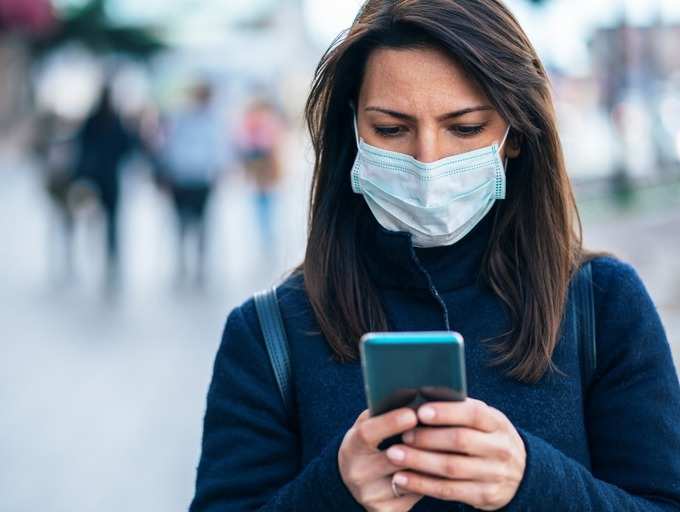
We have been locked up for over three months and now, people are slowly getting out of their homes to resume a normal life.
As we continue to learn to live with the virus and practice social distancing, normalcy is slowly thriving back, even though in a different way. Wearing a mask and maintaining six feet distance is compulsory. Even as we step into a post-COVID era, there will always be a risk of catching infections. One can never really be too safe.
02/8What defines a risky place?
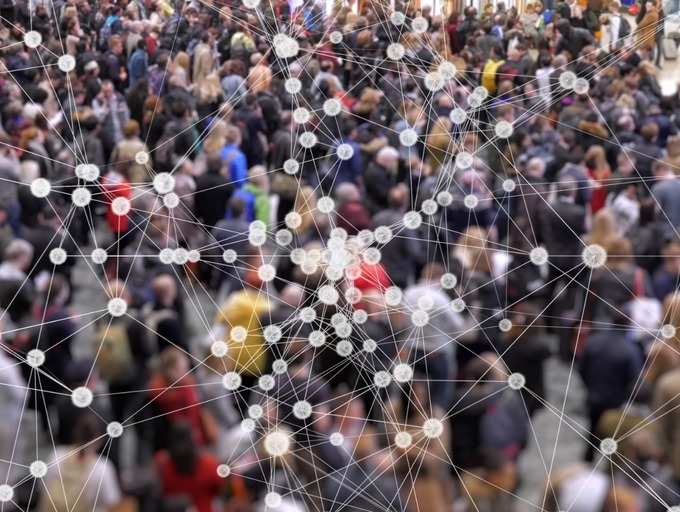
Coronavirus can spread anywhere but higher risk posits in an indoor or closed environment, where airflow quality is bad and the number of people present at a time is one too many. This increases the risk of viral transmission. For the same reason, most offices and establishments are closed or following restrictive working styles. That being said, there are some places which are still, more infection-prone than others. We list out a few you need to be extremely cautious about:
03/8Bars
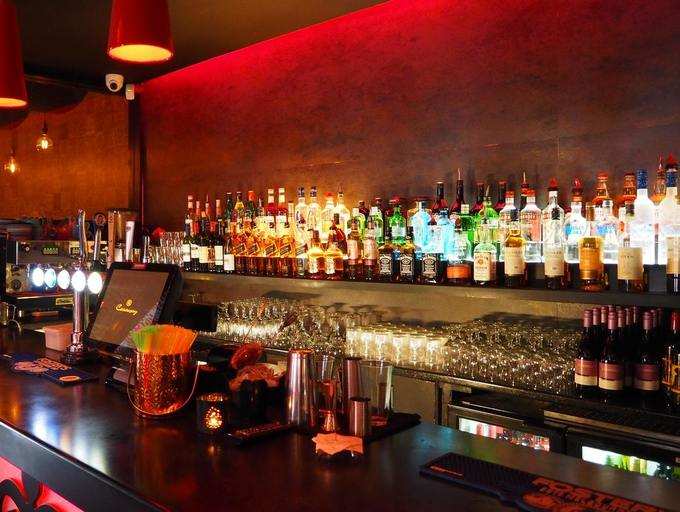
A recent survey conducted in the US found out that bars and restaurants may not be the ideal places to be in during the coronavirus pandemic. Viral experiments have also examined how quickly COVID-19 could spread through a simple buffet with limited people. Air conditioning, frequently speaking or talking (which is a possible way for coronavirus to spread) or removing masks to eat or drink can be some of the ways for transmission to peak. Stepping out to socialize during this time is not the wisest call.
04/8Theatres and concert halls

Theatres, entertainment centres and concert halls are still shut for the public and if you want to prevent the risk of infection spiking up, it's better if you stay away. Not only does any such gathering breach the protocol of assembling 10 people at once, maintaining distance is not really possible. You are more likely to come in contact with people indoors, which adds to the risk. Instead, one way of bravely stepping into any gathering, or a party you would be attending is to know beforehand, the number of people attending or the protocols being followed there. With the food stalls too, practising good safety measures is a must.
05/8Swimming pools

Swimming is a must-do recreational sport for many especially in the summers but most community pools, beaches and clubs have to remain shut even after the lockdown. One of the key essentials while swimming in a public space is to ensure cleanliness and sanitation. Those suffering from even slight respiratory disorders, flu or symptoms of coronavirus can transmit the virus through droplets. Further, certain germs like bacterium Legionella can infest or collect in the nooks and crevices and even disperse along with the steam or mist. It can be very easy to ingest this, which can then lead to breathing trouble.
06/8Religious places of worship

The government recently issued new guidelines for the graded reopening of religious places and congregations. However, it can be one of the riskiest places. Just like any other indoor space, there is a higher risk of crowding, coming in contact with someone who's contagious or asymptomatic. If you must go, be cautious about maintaining effective safety protocols, limiting your visit. Those with low immunity are advised to stay at home.
07/8Public transport
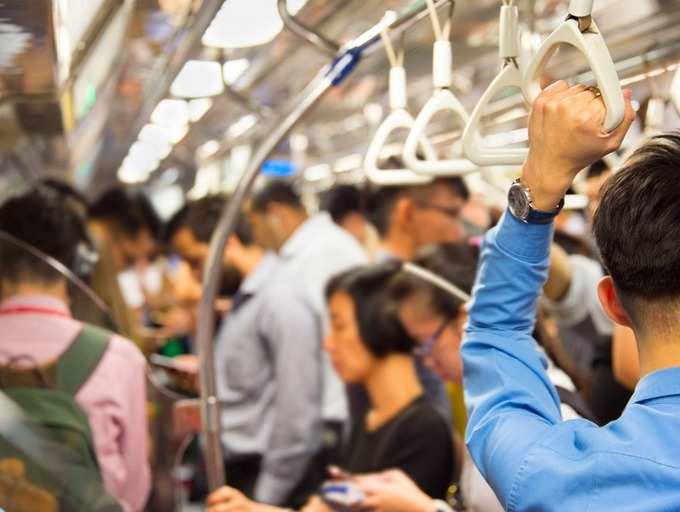
Public transport is the lifeline for so many people and with trains and metros closed down, some are also finding it hard to go to work. Even though transport officials are adopting stringent precautions, we do know that a virus like SARS-COV2 can survive on surfaces for up to 9 days, and considering how often we come in touch with surfaces like poles, seats or doors while travelling, using public transport is not the safest right now.
08/8Salons and barbershops
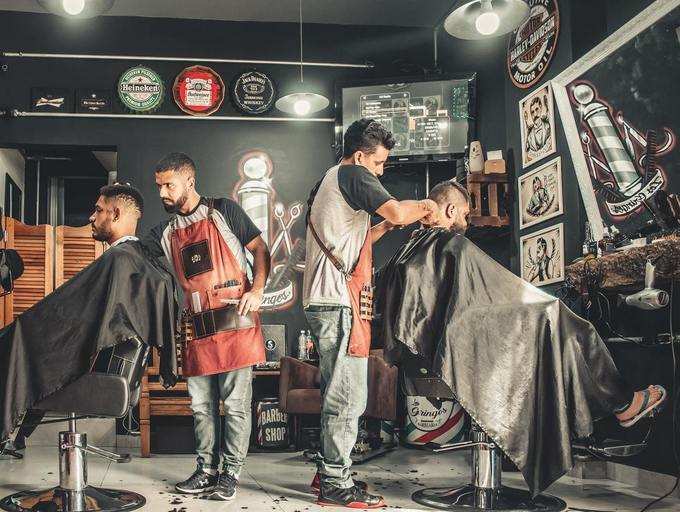
The lockdown forced many to opt for in-house beauty services but now, the establishments are opening up we are seeing stylist and hairdressers wearing scary PPE overalls while attending to the customers. Some are even charging a 'coronavirus safety charge' from the customers. Going to a salon or parlour right now may seem dire, but one must know that the risk of transmission, in a place with high contact points runs high. If you must check in first about the existing sanitisation procedures, the number of people present, and the type of space they operate in. A crowded or cramped place can make it more likely for infection risk to rise.
Jun 20, 2020
ILLEGAL NEPAL TEA BEING SOLD AS DARJEELING TEA IN INDIA: DTA
DARJEELING: The Darjeeling Tea Association (DTA) have lodged a complaint with different authorities alleging illegal entry of tea from Nepal that are being sold in retail markets as ‘Darjeeling tea’. The largest association of tea gardens of the hills also sought an intervention from the Tea Board of India.
“It has come to our knowledge that some trucks carrying tea consignments from Nepal are illegally entering through the Indo-Nepal borders of Raxaul, Jogbani and Panitanki at night on regular basis. These illegal consignments are reaching the warehouses in Kolkata and Siliguri and being sold in the retail markets there,” said DTA chairman-core group Sanjay Prakash Bansal in his letter to the chief commissioner of Customs, Kolkata zone.
The DTA, in its letter, added that tea coming from Nepal do not comply with Food Safety & Standards Authority of India (FSSAI). “These non-compliant spurious teas imported from Nepal are sold in the retail markets passing off as Darjeeling Tea thus deceiving the consumers and also endangering their health. This is alsocausing financial loss to Darjeeling tea industry and threatening the livelihood of the majority of the people besides damaging the reputation of Darjeeling tea,” he said.
The DTA has also written to the FSSAI chairperson maintaining that the FSSAI standards have not been followed in the tea imports from Nepal.
“We write to seek your intervention in the matter and a direction for strict 100'% testing and compliance of the FSSAI standards on import of tea from Nepal. We also request the immediate withdrawal of recognition for theacceptance of the testing certification from the National Food & Feed Laboratory, Kathmandu in respectof the product tea in India,” said the DTA.
In its letter to the Tea Board of India deputy chairman, Kolkata, the DTA has sought a ban on sale and distribution of imported tea in loose format. The association further requested for publication of a caution notice for compliance of labelling guidelines of sale and distribution of imported tea in packed format under Tea Distribution Export Control Order 2005.
The alleged misuse of ‘Darjeeling’ in sale and distribution of imported tea from Nepal has also been highlighted with the board.
“It is matter of public knowledge that Nepal tea is passed off in the retail markets as Darjeeling tea to consumers which has been continuously flagged by us seeking stringent action andregulation. It is also a well-known fact that many packers have been using imported teas in their packetswithout proper markings of the correct origin,” said Bansal in the letter.
The DTA chairman claimed that public records available show about 16 million kg of tea were imported from Nepal last year and among them, 5 million kg were of the orthodox variety. “However, we have never come across any packet or any kind of distribution or sale of tea as Nepal tea in the domestic market, which clearly suggests passing off,” he said.


Jun 18, 2020


Food delivery cos asked to cut offers, commission
Bengaluru: As economic activities pick up across the country, restaurants are now pressing online food delivery platforms like Swiggy and Zomato to change commission structure, reduce discounts and levy new fees for deliveries. The aim is to be able to stave off closure of restaurants.
Restaurants are telling platforms to bring these changes, and especially do away with ‘forced platform discounting’ without which they said they can’t sustain operations in what is the ‘new normal’. This comes when restaurants have been allowed to open their dine-in services, but government guidelines and overall safety concerns of consumers have meant less footfall in these physical outlets. The new safety and cleaning measures are adding to the costfurther, restaurant owners said.
Typically, online platforms charge 20-25% of order value as commission, depending on multiple factors like brand, exclusivity and consumer reach. The National Restaurant Association of India (NRAI) confirmed it has begun talks on this matter with online food aggregators as dine-in service remains muted.
“This is an opportunity to redraw the contours of the business. We have begun a discussion on commission structure with online platforms,” said NRAI president Anurag Katriar. As offline business remains a pale shadow of pre-Covid-19 levels, online orders are the only major source of revenue, for now. At the same time, Swiggy and Zomato are also still operating at just 30-40% of their pre-Covid orders and have laid off 12-15% of their corporate staff in order to cut losses, as TOI had reported earlier. According to a Mumbai-based restaurateur, the average order value is around Rs 400 and then there is typically a 30% discount all around the year, on an average. “So customers pay around Rs 280 for that order and platforms will charge 20-25% commission on that. If the platform discount is reduced, the absolute value of the commission can be realised at a lower percentage of order value. This will help restaurants in the current situation. Platforms can generate additional revenue on each order by implementing charges such as convenience fee, and other such measures,” this person said, who has held initial talks with both Zomato and Swiggy.
Over the last week, about 20% of restaurants have opened in the country for dine-in with limited footfall. NRAI national management committee member Amit Roy, who is based in Bengaluru, said about 30% of restaurants have opened in the city so far with little business. “Aggregators are giving some sort of deal, but it’s not a long-term solution. So, with the commissions, it hasn’t helped a lot of people,” added Roy.
According to him, some of the restaurants and home chefs have started WhatsApp groups that help with not paying a cut to any platform. Typically, consumers in these groups get the delivery through platforms like Dunzo.
A Zomato spokesperson said its commissions have always been in line with the value it delivers and the cost it incurs. “They (fee) have also been designed to ensure sustainability and growth for every stakeholder — our restaurant partners, delivery fleet, and us. Whether restaurants directly offer discounts on Zomato or not has always been and continues to be their own choice. We have been proactively cutting down discounts being offered on the platform and are only rolling them out when they support our restaurant partner’s growth and bottom-line goals,” the company added. Earlier this month, TOI reported the company was going to focus more on food delivery and relatively less on grocery as more restaurants open in the coming weeks. Swiggy said its focus, in the short term and mid term, remains to work through the current phase with its partners by enabling business continuity and boosting organic growth. “Our strategic investments in Swiggy Access (central kitchen for restaurants) and BrandWorks (co-creates brands with restaurants) are bolstering these efforts, while the reduced levels of discounting and transparent commission structures will support restaurant partners during the time it takes for dine-in revenues to return to a scale where the pre-pandemic financial viability gets re-established,” a Swiggy spokesperson added.
Jun 17, 2020


Things you should do after receiving food from online delivery platforms – Times of India
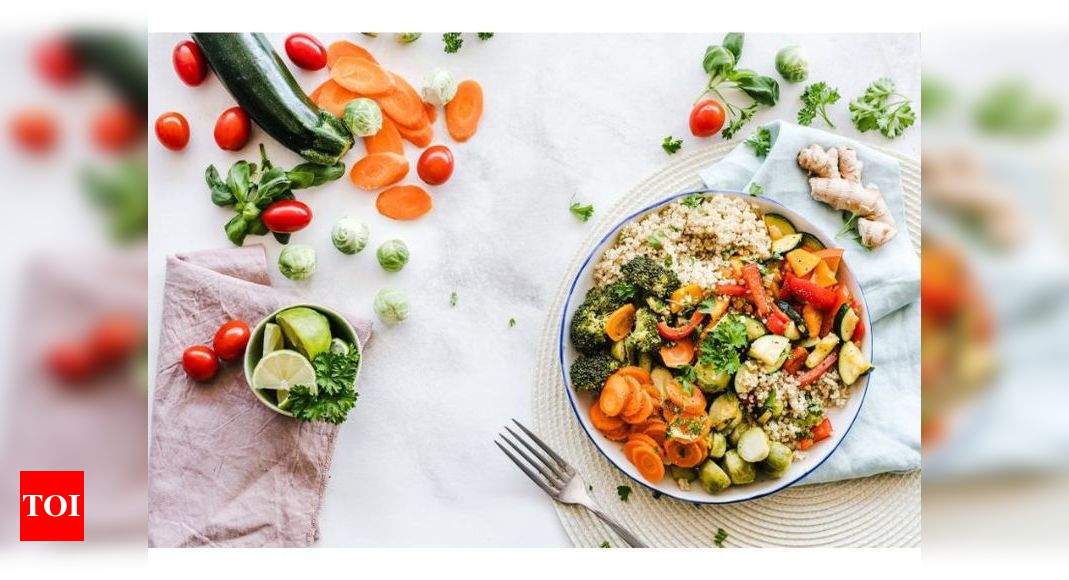
Online restaurant aggregator Zomato has shared tips for its users that can help ensure their safety after receiving their order. The shared tips follow the guidelines of Food Safety and Standards Authority of India (FSSAI) on safe food practices to avoid the spread of the coronavirus and safeguard health through adequate nutrition.
The steps include
- Collecting the food package and keeping it in an isolated or segregated place.
- Opening the package, and discarding external packing into the dustbin
- Washing hands with soap and water or sanitising hands with an alcohol-based sanitizer.
- Emptying the food content using tongs, ladles, spoons, etc. into clean serving dish/utensil.
- Discarding the food packages/containers carrying or holding food
- Washing hands with soap and clean water or sanitising hands with an alcohol-based sanitisers
The above-mentioned steps were shared by FSSAI when it released a e-handbook on “Eating Right during COVID-19” for citizens on the World Food Safety Day earlier this month.
In its online handbook, FSSAI also stated pointers that must be kept in mind while ordering food for delivery. These are
- Using contactless delivery modes where food packets are left outside your door and the customer is informed on call. This helps to maintain social distancing.
- In cases when contactless delivery is not possible, ensure there is a minimum 1 meter gap between you and the delivery person.
- Choosing contactless modes of payments such as UPI, QR codes, net-banking, e-wallets, etc. In case, payment is made using card or cash, hands should be washed or sanitized after payment.
Jun 14, 2020


Jun 12, 2020


Food safety department steps up hygiene standards
It has divided the city into four zones with two food safety officers each

THIRUVANANTHAPURAM: After the relaxations were announced by the state government, hotels and restaurants have resumed their operations in the city. However, people are reluctant to visit as they’re unconvinced about the existing hygiene standards. Addressing this concern, the Food Safety Department has come up with campaigns to dispel the doubts of safety post Covid-19 and also to ensure that the required safety and hygiene standards are being followed by hotels and restaurants in the city.
The pandemic has left people in fear and their concerns over food safety and hygiene have increased.
“As part of this campaign, food safety officers have already started inspections in different hotels and restaurants in the city based on a clear set of instructions given to them. These include guidelines such as checking if the freezer is functional and temperature for ample preservation of meat and food is maintained. They also confirm if vegetarian and non-vegetarian food items are preserved separately and if the oil is being reused. As it is monsoon, the quality of water used also needs to be checked, “ said Alex K Isaac, assistant commissioner, Food Safety Department.
To ensure eateries follow the required safety precautions, the department has divided the city into four zones, with two food safety officers each, headed by a senior food safety officer. Regular raids are being conducted in these zones which include places such as Neyyattinkara, Kattakada, and Attingal and strict action is being taken against the offenders. Awareness programmes are also being conducted among hotel and restaurant owners to ensure social distancing. Besides hotels, street food vendors are also being instructed to follow safety standards.However, the food safety officials opined that complaints regarding food hygiene and safety have reduced drastically and eateries are taking extra care while handling food in the wake of the pandemic.
FSSAI: Do’s and Don’ts by Chefs and Food handlers amid COVID-19 outbreak
Among the many initiatives taken by the Food Safety and Standards Authority of India (FSSAI) during the COVID-19 outbreak, the FSSAI has now come up with Do’s and Don’ts for chefs and food handlers.
Since restaurants and eating houses have been allowed to operate during the lockdown, the FSSAI to ensure that the food is cooked in a healthy, safe and clean environment has suggested the chefs and food handlers to take the following precautions:
Do’s
|
Don’ts
|
Take bath daily before reporting to work.
|
Handle food when sick.
|
Wear clean and protective clothing, clean aprons, hand gloves, and head wear appropriately
|
Wear jewellery such as earring, bangles, rings, etc. while handling food, as they carry germs which may contaminate food.
|
Keep hands clean and nails trimmed. Wash hands with soap and clean (potable) water:
|
Prepare or sell food in an area prone to pollution such as effluent water, heavy smoke, hazardous waste and more
|
Store hazardous substances such as fuel, chemicals, etc. near the food preparation area
| |
Use loose oil or spices.
| |
Keep food at room temperature for more than 4 hours. Do not resell leftover food the next day. It shall be discarded the same day
|
A pictorial demonstration by FSSAI of Do’s and Don’ts for Chefs and Food handlers amidst Coronavirus Pandemic is as under:

Further, the Authority has also suggested that the chefs and food handlers shall take the following precautions while cooking:
- Cover wounds/ burns etc. with waterproof bandages.
- Keep food premises clean, well ventilated, well ventilated and no water stagnation is allowed.
- Carefully inspect fruits, vegetables etc. for freshness and quality before purchasing. 4. Procure packaged products from FSSAI licensed/registered vendors only.
- Clean cooking surface before starting work.
- Maintain temperature for selling chilled beverage & cold dessert, appropriate temperature shall be maintained.
- Use clean (potable) water for washing, food preparation, drinking, cleaning of utensils, etc. In case storage is required then it should be stored in clean containers.
- Segregate raw/cooked and vegetarian/non-vegetarian foods at all times to avoid cross-contamination.
- Cook and reheat food at right temperature for adequate time.
- Use equipment, containers, utensils, chopping boards, knives, cutlery, and serving spoons, of food-grade quality. Sanitize the equipment’s before use.
- Provide facility for hand wash to customers away from food preparation and service area.
- Dispose waste regularly. Keep bins covered and clean them regularly.
FSSAI has allowed FBOs to operate during the lockdown period to ensure that regular supply of food to the general public is not disrupted. However, FBOs shall ensure that abundant caution is taken while manufacturing and packaging food items and follow the aforesaid safety measures in order to avoid further spread and transmission of the virus.
Subscribe to:
Posts (Atom)