
Jan 19, 2020


Nellaiappar temple in Tirunelveli bags first FSSAI certification for offerings
Madurai: The Nellaiappar temple in Tirunelveli is to be the first temple in the state to receive Blissful Hygiene Offering to God (BHOG), a quality certification given by Food Safety and Standards Authority of India (FSSAI) for all food items offered in temples.
The certification was introduced by the state food safety and drug administration (FSDA) to ensure that the prasadam distributed to devotees in temples after being offered to the deity and also that sold in the stalls conform to FSSAI standards.
The FSDA had asked the Hindu Religious and Charitable Endowments (HR and CE) department to comply with the rules. A meeting to this effect presided by Tirunelveli district collector Shilpa Prabhakar Satish and officials of the administration was held recently.
It was informed that the prasadam provided by the Nellaiappar temple had been certified most hygienic and clean and that the certification would be given away at the Republic Day celebrations.
The Sankaranarayanar temple in Sankarankoil in the district has bagged the second spot among the major temples in the state in obtaining the certification. Temple executive officer N Yagna Narayanan said the certification had been implemented as a pilot project in the Nellaiappar and Sankaranarayanar temples.
As they had fulfilled the norms of the certification, they were also certified as BHOG quality standard temple.
The temple’s prasadam is boiled rice, but they also offered pongal and puliyodarai if the devotees wanted to make the offering. The annadhanam offered in the temple was also certified under this process.
Food vans test meals served to rail passengers
Kolkata: How safe is the food served to passengers on trains and at stations? On Saturday, officials from the medical department of Eastern Railway (ER), along with a Kolkata Municipal Corporation (KMC) team, tested the food at the Sealdah station with the help of mobile units known as ‘Food Safety on Wheels’.
These vans not only facilitate the testing of food items and ingredients on the spot, they also provide training on food safety. This was under a scheme initiated by the Food Safety and Standards Authority of India (FSSAI).
“It’s a two-pronged approach. The primary objective is to ensure supply of good quality food to passengers while the second is to caution food suppliers that such tests can be carried out any time and they should not be negligent. During the day, nine samples were picked up at random from the executive ounge, base kitchen, Jan Ahaar outlet and the food court. All the items were found safe for human consumption,” said ER CPRO Nikhil Kumar Chakraborty.
“A training and certification programme for food handlers and supervisors was also conducted at Sealdah. Passengers were urged to update themselves on safe eating habits and report any issue with the food served to them at stations or on trains. Sanghamitra Chatterjee, ER additional chief medical superintendent, and Sarmistha Mukhopadhyay, food analyst, KMC, were present during the campaign. This will be extended to other stations under ER soon,” Chakraborty added.
A sweet alternative!
There could be danger lurking in every spoonful of sugar; Naga Jyothi advocates Stugar.

Apparently, Jyothi came across a newspaper article which talked about how people are changing over from a non-vegetarian diet to a vegetarian one for health reasons.
Hyderabad-based Naga Jyothi is a woman with a mission! She wants to make India as free from diabetes as possible. In pursuit of this noble aim, she has started with the two Telugu States. Backed by considerable research, she has brought out ‘Stugar’, a sugar substitute based on the Stevia plant, which is Food Safety and Standards Authority of India approved .
Her fascination with plants prompted her to do a B.Sc degree in Agriculture and follow it up with a postgraduate degree in Agribusiness Management. “I wanted to turn my fascination into a career,” she says, “But, like most other people, I went with the flow. I first entered the banking sector, then moved over to the development sector. In the latter sphere, I was associated with farmers and artisans, which gave me exposure to farming. I was determined to do something different. So, I quit my job and decided to pursue my interest in plants”, she recounts.
Apparently, Jyothi came across a newspaper article which talked about how people are changing over from a non-vegetarian diet to a vegetarian one for health reasons.
“So, I focused my research on the best vegetarian alternative which provides the same amount of protein and has the same taste and texture as meat, and the answer was mushrooms”, she says. It was while researching mushrooms that she came across articles about the prevalence of diabetes. She was inspired to simultaneously research alternatives for sugar.
There are many artificial sweeteners which are chemical based. I was looking for a natural sweetener and I came across the Stevia plant. It is a sweet herb, with many medicinal properties. This plant controls blood glucose levels and hypertension. I made a sweetener in the form of a powder, liquid and dip bags, under the brand name ‘Stugar’.” Convincing people to adopt this alternative to sugar was difficult for her. “Stevia is a sweetener, but people think it bitter, which is not true,” she asserts.
Jan 18, 2020
Rly food stall shut over hygiene concerns

Chennai: Southern Railway officials have ordered a probe to check if workers at a food stall on Platform 7 at the Egmore station used water from the hydrant on railway tracks to prepare tea/ milk.
The action came after a video shot by a passenger, showing the stall worker fill a tea kettle with water from the hydrant, went viral on social media over the past two days. This led to users posting on social media that the water, sent to the toilets of trains, was being used to adulterate milk used for making tea and coffee.
On Friday evening, the divisional railway manager of Chennai tweeted that the stall was closed immediately pending an investigation. The tweet also clarified that the salesman had used the water only to refill the outer wall of a double-walled electric milk boiler and not for diluting the milk.
A senior official told TOI that rumours of ‘toilet water’ being used to make tea and coffee at railway stalls were false.
“The salesman seen in the video is filling water from the hydrant, which is supplied by Chennai Metrowater Supply and Sewerage Board (CMWSSB). The same water is available in taps at stations as well,” the official clarified. However, the water cannot be used for mixing with water as it contains chlorine and that it would instantly spoil the milk.
“The water was being used only for the external jacket in the boiler that keeps the milk or tea warm,” the official explained.
For food preparation, only RO water sourced from cans should be used by licensees, the official said. “We conduct periodic checks to ensure there is no drop in quality,” the official said.
However, the official said there were shortcomings in the work habits of catering staff at these stalls. “We have instructed them to avoid such (filling water from hydrant) practices as the public will perceive this as wrong. But in this case, the salesman was lazy and did not go up to the tap to fill water,” he said.
It was the only stall on Platform 7 at Egmore station and ultimately, the passengers would stand to lose by its closure, he said.


Govt Run Temples In TN To Get Certification From Food Safety %Standards Authority Of India

Chennai sources added that an official said as many as 47 major temples in Tamilnadu run by the Hindu Religious and Charitable Endowments Department will get Food Safety and Standards Authority of India certification for their 'prasadam’. Accordingly prasadam, a material substance of food, is a religious offering and is normally consumed by devotees after offering prayers.
Meanwhile the exercise, aimed at ensuring quality and bringing in standardisation, began with the prasadam of the famous Sri Palani Murugan temple's (Dhandayuthapaniswamy temple) 'Panchamirtham' (a mix of banana, ghee, honey, sugar and dates). The official said "Palani Murugan temple was our pilot project. We have initiated the process of getting FSSAI certification in other 46 temples as well”.
Moreover the official said, "Quality assurance is our priority incidents of people taking ill after consuming prasadam in some private temples drew our attention and we decided to go in for licensing." Earlier in April this year, two women died and over 30 people took ill after consuming prasadam provided by a privately administered temple at Mettupalayam near Coimbatore. Moreover Madurai Meenakshi Amman temple, Rameswaram Sri Ramanathaswamy temple, Srirangam Ranganathaswamy temple and Tiruvannamalai Arunachaleswara temple are among the major shrines of Tamilnadu.
Jan 17, 2020


10 unhealthy practices by restaurants to make food tasty
01/11Unhealthy practices to make food tasty
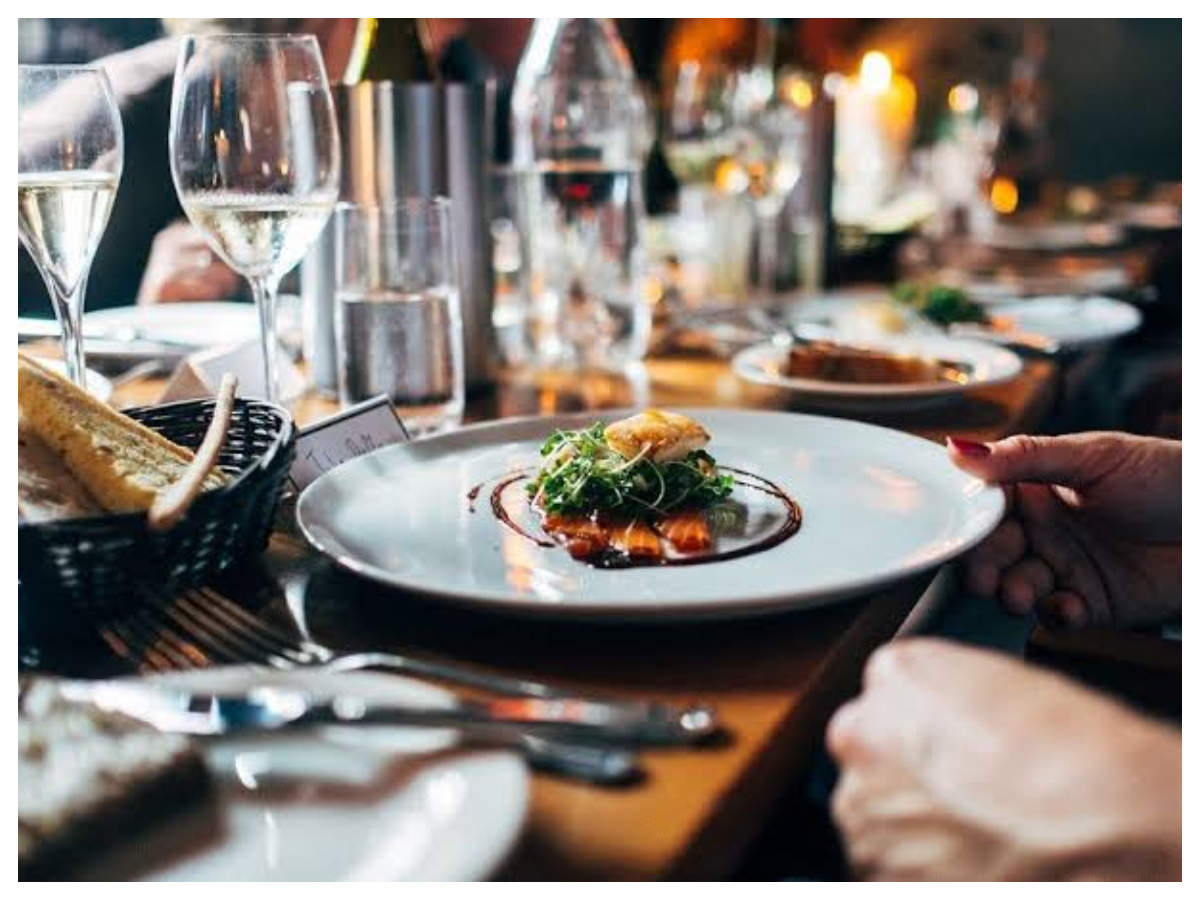
In May 2019, when it was reported that Indians eat out at least 6 times in a month, it reflected a lot about the diversifying world of restaurants and cafes. The data by the National Restaurant Association of India (NRAI) also revealed that an affordable casual dining restaurant (ACDR) format is growing at 41 per cent annually and is also the fastest-growing segment in the organised foodservice market. While the numbers talk about the brighter side of the food businesses, the dark side lies back in the kitchen where unhealthy practices are borne to make the food tastier and eye-pleasing. Have a look at 10 such practices that mid-level and small scale restaurants follow to make it a delicious and dangerous affair for you.
02/11Artificial colours

From tempting red tint of Red Velvet Cake to yellow hues of Thai Curry, everything has adulteration that can be dangerous for you. Ashish Chawla, a food researcher says that red colour used in Indian dishes is derived from coal tar and it is carcinogenic. You will be surprised to know that even the humble Rasmalai has additives in the name of saffron. “Use of colour in place of saffron happens with small sweets shop and street vendors at railway stations and bus stands.”
03/11Food preservatives

The small-scale restaurants and fast food street vendors use an additive called ‘Sodium Benzoate’, which is as one of the long lists of additives found in food these days. Ashish mentions, “According to FA guidelines, the chemical is “not found to occur naturally” and must not exceed 0.1 per cent of any food.” It has been found that a wide range of restaurants uses it in burger, noodles, and tacos. Ashish warns, “The reason you should avoid such foods is that the same chemical is found as a preservative in a number of household items, including baby wipes and shampoos (where it’s used as an antimicrobial agent).
04/11Over roasting

While roasted food is good for the human body, the over-roasted food items are equally bad. Wondering why? Tanya Kapoor, owner, Wellness by Tanya says, “Overheating breaks down the nutritional composition of the oil, change the flavour and releases harmful free radicals, which are bad for the human heart and intestine too.” While the restaurants claim that they use healthy oils for cooking and roasting, Tanya informs, “If you’re using extra-virgin olive oil, which maintains phytochemicals with anti-inflammatory properties, the process of over roasting even destroy those too and makes the food harmful for the body.”
05/11Excess cheese

From street food stalls to restaurants, all sorts of outside dining places are known for excessive use of cheese. What makes it so tasty? Well, the credit goes to the umami taste, which is attained by monosodium glutamate and if reports are to be believed, it has been recognized as a unique taste, as it cannot be elicited by any combination of the other four taste (salty, sour, sweet, bitter) types. It has been proven that glutamate is found abundantly in cheese.
06/11Excess salt

According to a study published in the journal Appetite, it has been found that fast-food restaurants serve more salt than you think. It happens because they tend to use a lot of salt to season meals and enhance the flavour of the dish. It’s also used in food additives and as a preservative to extend shelf life, so even foods that don’t taste salty, like pastries, doughnuts and bread, can have a lot of it. It is recommended that the daily dose of sodium should not be more than 2300 milligrams-about one teaspoon. Excess salt consumption is linked with high blood pressure, hypertension, heart attack and stroke.
07/11Reusing leftover food
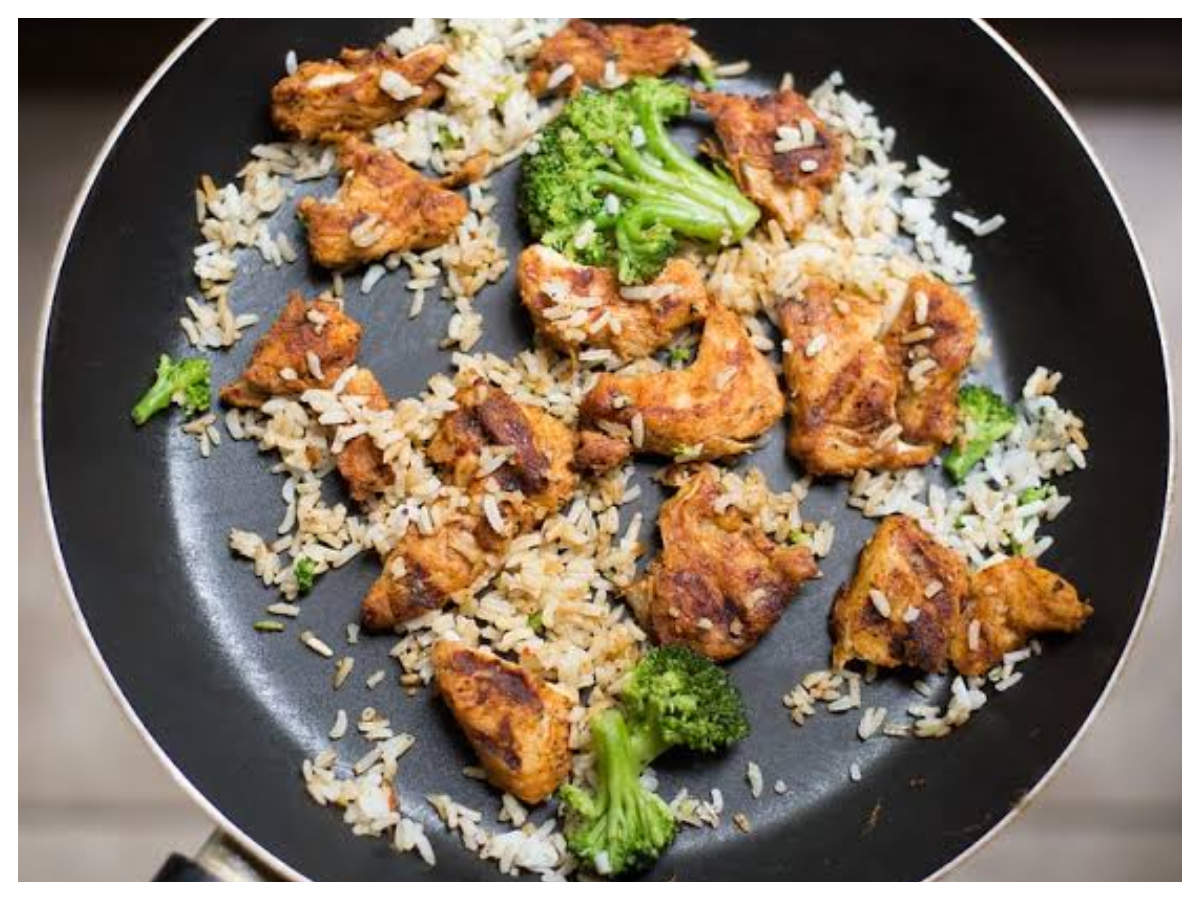
While high-end restaurants simply dispose of the excess buffet food, the mid-range and small-scale food houses reuse the food to increase the profit margin. They often reheat the food and add a layer of butter or cheese to make it look Instagrammable and delicious. It is suggested that leftover food should be avoided because, the leftover is put in the refrigerator with other foodstuffs, there are chances of cross-contamination with other foods that further increases the chances of developing illnesses.
08/11Reusing oil
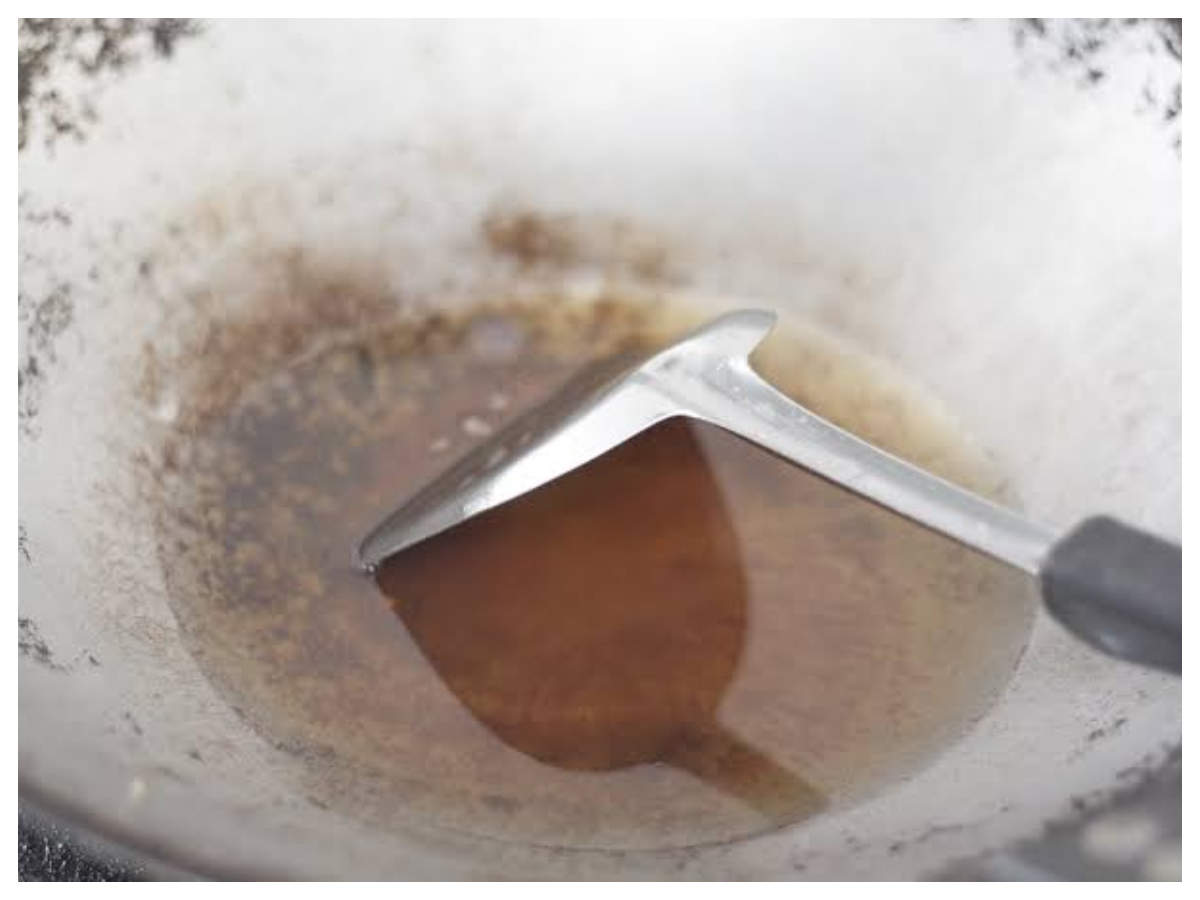
In March 2019, the Food Safety and Standards Authority of India (FSSAI) imposed a new rule on restaurants and food business operators whose consumption of edible oil for frying is more than 50 litres per day. The circular said that they are liable to maintain the records and dispose of used cooking oil to agencies authorized by FSSAI from time to time. The step was taken only after it came into light that restaurants reuse oil for deep frying and even greasing without realising that they create free radicals which are carcinogenic and can cause cancer. This practice is followed to reduce the production cost of the dish at a large scale.
09/11Excess sugar
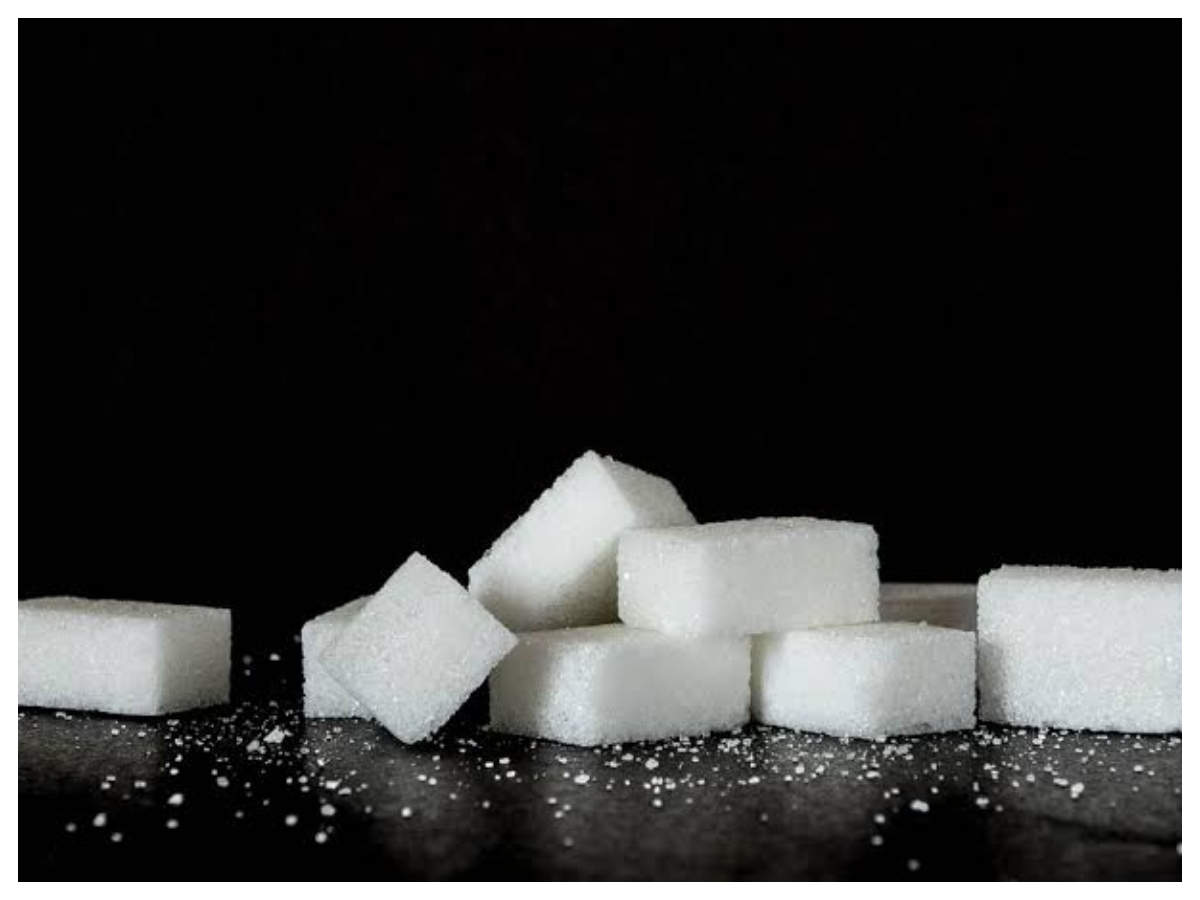
Do you know, why the homemade tomato soup is different from restaurant one? One of the reasons is the sweet aftertaste that comes with sugar. According to a study by the American Heart Association, every bowl of soup has 16 grams of sugar that when blended with tangy and acidic tomatoes, results in a satiating experience.
10/11Excess oil

In restaurants, vegetables are first deep-fried and then added to the curry or gravy. This is the easiest method of making a large amount of food in less time. You will be surprised to know that such dishes are three-times dangerous for the human body. During the cooking process, the oil absorbed is further cooked in gravy and the dish turns greasy. According to Dr. Saras Salil, if the daily diet consistently includes greasy foods, you’ll likely see your risk for chronic conditions—particularly heart disease rise. A 2014 study at the Harvard T.H. Chan School of Public Health found that people who ate fried foods between four and six times per week saw their risk for Type 2 diabetes rise 39%, and the risk for coronary heart disease increase by 23%.
11/11Excess spices
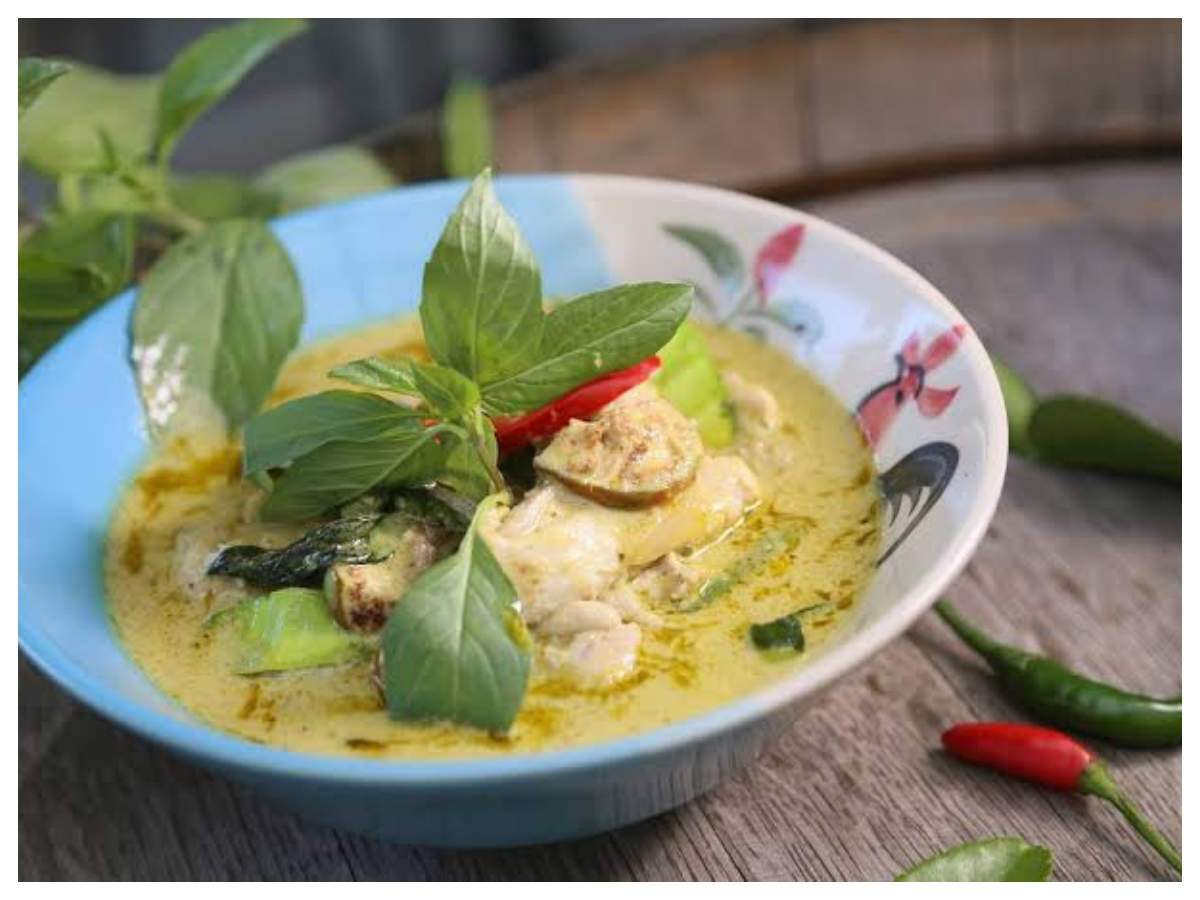
It often happens that road-side dhabas and restaurants with small setup offer the best of spicy food. While the idea is to make the food delicious, Tanya feels that eating over-spicy foods can aggravate ulcers in the sensitive mucosal lining or in the small intestine, called the duodenum. In many cases, the use of sub-standard black pepper and red chilli powder damages the oesophagus. The after-effects of excess spice consumption includes stomach pain, nausea, vomiting and weight loss.
54% dairy samples substandard: Report
Patiala, January 15
It seems that the ‘Mission Tandarust Punjab’, launched by Chief Minister Capt Amarinder Singh has fallen flat in his own home district.
Water found in samples
The Department of Animal Husbandry and Dairy Development, has found water in milk samples inspected during various camps.
Ashok Rauni, Deputy Director, Department of Animal Husbandry and Dairy Development, said they tested 1,092 milk samples, of which, 548 had water.
Of 151 samples of milk and milk products collected by the Health Department in 2019 in Patiala, 82 have been found below safety parameters of the Food Safety and Standards Authority of India (FSSAI). Fifty four per cent of the samples are found to be substandard.
As per the data, furnished by the Patiala District Health Officer (DHO), 35 samples of milk were collected in 2019, of which 19 samples failed to meet quality standard. Similarly, 47 of 116 samples of milk products, including paneer and ghee were found substandard.
Health officials said desi ghee is being prepared by using palm oil. Similarly, dairy owners were found using cottonseed oil as a foreign fat to manufacture paneer.
A health official said milk dairies often use different oils to improve the fat content as it is cost effective.
Experts said adulterated products could cause food poisoning and gastrointestinal complications. The synthetic compounds impair functioning of various organs, thereby, causing heart problems and cancer.
Shailey Jaitley, DHO, said they would collect more food samples to keep a tab on adulterated products. She said, “Apart from food sampling, we are also giving tips to food handlers to maintain hygiene.”
Suspecting adulteration, health officials seize 56 kg of cheese

Officials with the seized cheese in Kapurthala. Tribune photo
Kapurthala, January 15
Suspecting adulteration, officials of the Health Department on Wednesday seized 56 kg of cheese.
According to information, the cheese was being transported in a vehicle and was prepared at Bansal Dairy, Ajit Nagar, Bathinda. Further, it was being supplied by Sukhpreet Singh of Muktsar, who is the salesman of the dairy. The vehicle was on its way to Kala Sanghia, said Assistant Commissioner Food Harjot Pal Singh and Food Safety Officer, Kapurthala, Satnam Singh.
The cheese was packed in 10 polythene bags each containing about 5 kg. It was lying in two plastic ice boxes, which was kept in the vehicle. The officials also collected a sample of the cheese, which has been sent for a lab test.
According to the Food Safety and Standards Act 2006, cheese should contain minimum milk fat, minimum 50 per cent of the dry matter and maximum 60 per cent moisture.
Officials said while cheese was available in the market for Rs300 per kg, it could be brought from other districts for Rs140-150 per kg. Such cheese is usually prepared from skimmed milk powder and starch. The fat content of such cheese is much less. It used in functions and at marriage palaces.
“Till the report of State Food Laboratory, Kharar, is received, the entire stock of cheese has been seized and kept in controlled temperature conditions,” said the officials.
Jan 15, 2020

1.4 tonnes of gutka seized at Broadway

The Esplanade police on Monday seized 1.4tonnes of gutka products from a godown and arrested three people.
M Ramakrishnan, 66, owner of the godown, staff K P Menon, 64, and S Premkumar, 30, were remanded in judicial custody.
Based on the information that gutka was hidden in R K Logistics godown on M K Gate Street at Broadway, police raided the premises.
Investigation revealed that Ramakrishnan who faced loss in business a few years ago approached another logistics company owned by one Balakrishnan on Poonamallee High Road to smuggle gutka. However, Balakrishnan’s son Ashish, 27 and his friend Vikash, 28, hired his godown to keep the contraband. They paid him a monthly rent of ₹30,000. They were remanded in judicial custody. A hunt has been launched for Ashish and Vikash.
Battling the threat of adulteration and other food fraud
Besides adulteration, the food industry also faces misleading claims on labels, untrue brand narratives, unlawful food processing, fudged certification, unchecked food hoarding and wastage. Here's how we can take steps to mitigate these crimes

Let’s start with a story that a colleague shared with me…
“Imagine a group of children eating their midday meals, lucky enough to get nourishment from milk, which otherwise they would not be able to afford. Here’s how milk may sometimes be ‘made’ for them, or for the general public...
"From full-fat buffalo milk, remove the milk fat, which has a good market by itself. Replace it with some vegetable oil and water, emulsifying the two with detergent – which gives it that nice frothy look. Add ammonium sulphate to increase the density, and melamine to increase the protein content. Next, add some urea to give it the body and colour it needs. (Don’t worry—I’m assured urea is a natural constituent of milk). Now add some caustic soda, and a little sugar to adjust for taste. There’s more we can do to make it even more affordable, but it’s a family recipe and this is all I can share.
The ill-gotten gains from such fraudsters are usually enough to pay the authorities (including people in my own department) and circumvent the law. Inevitably, they get away.”
It was depressing to hear how far people go for profiteering, but I felt grateful to the food safety officer who was sharing this frustration with me.
Over the years, I learnt that besides adulteration, there are also misleading claims on labels, untrue brand narratives, unlawful food processing (unapproved premises / unauthorised techniques), fudged food certification, unchecked food hoarding and wastage.
Wilful dishonesty in food production or supply that may be detrimental to consumers or overall public interest isn’t just food fraud...it’s a crime!
Ironically, our recollection of food scams and human suffering, including death that goes with them, is very short lived; as the memory dies, so does the culpability of the perpetrators.
Food crime erodes consumer trust and confidence in the system, the sector, and the nation at large. It eventually leads to loss of wealth for the business, the industry and the exchequer, and inevitably, to loss of jobs and reputation as well. If we agree that this is too heavy a price to pay, we must take a united stance to fight food crime.
The key to preventing or diminishing food crime, as with any other crime, is to mitigate the means, the motivation, or the opportunity to commit it. Basically, make it unthinkable or unattractive for Food Business Operators (FBOs) to cheat, at any stage in its supply chain. Difficult? Yes. But worth it.
Worldwide, there are two factors that override the moral compass of the FBO and drive him or her to food crime—the need for business survival (reducing business margins from intense competition), and the greedfor increasing profitability.
When legit FBOs face unfair competition from operators who use fraud to increase their margins, they’re forced to either quit or otherwise “play the game”. If they choose the latter, they inevitably transition from mere negligence in food safety to outright dishonesty.
Changing expiry dates to cut impending losses from products expiring shortly, is an example. Getting away with fraud like this emboldens operators to indulge in further unfair practices, until a point that they simply do not know where to draw the line anymore. Sad, considering the unofficial oath of an FBO is to never feed his customer something he wouldn’t eat himself.
So the first level of responsibility lies with the individual FBO himself; the next level with other FBOs within his supply chain; and the final level (when the first two fail), with food safety and law enforcement agencies administered by the government.
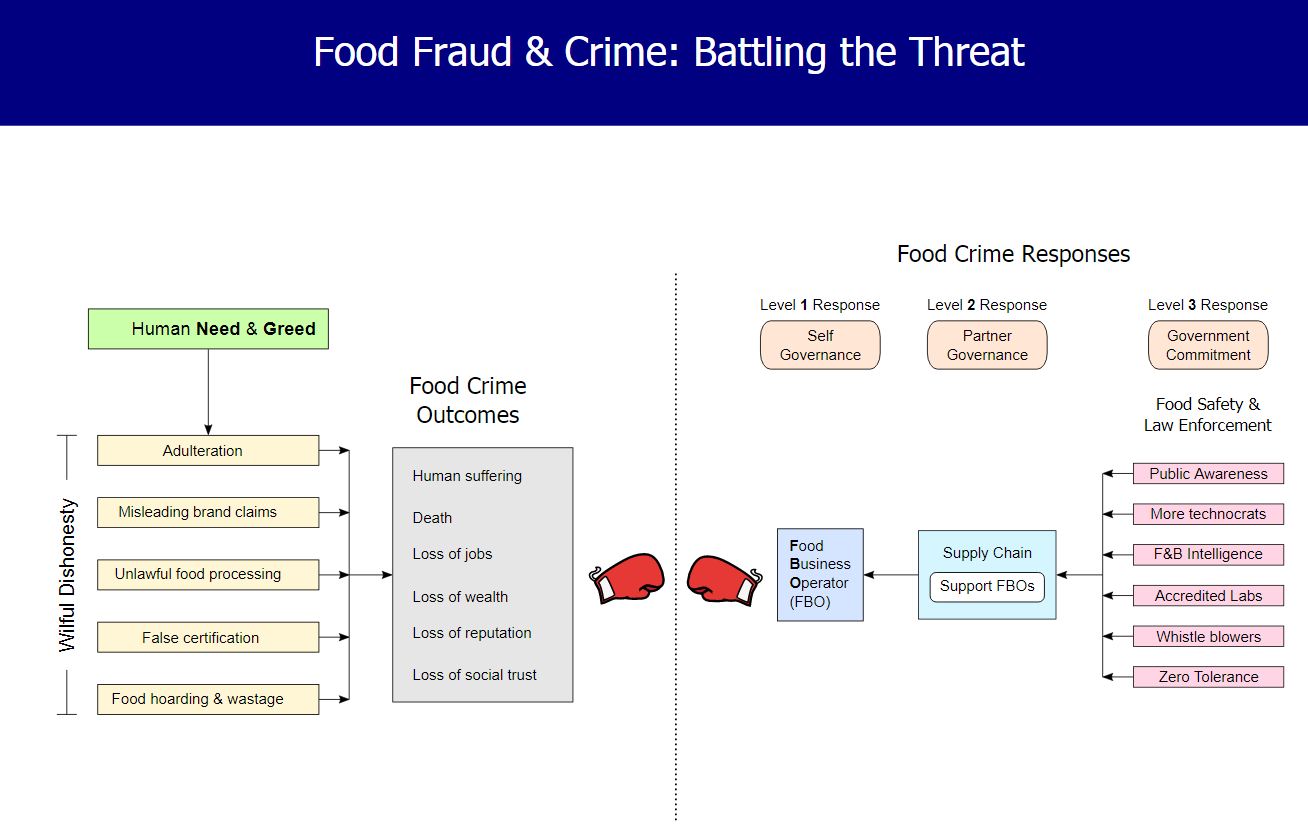
Counter fraud involves measuring the market impact of each food fraud and its financial benefit to its perpetrators. Based on this, resources of the food safety authorities and law enforcement agencies must be proportionately allocated, and punishment if any, proportionately assigned. Mined data must be used for future monitoring of FBOs.
The 110th report (2018) on the functioning of the Food Safety & Standards Authority of India (FSSAI) highlights some very candid findings of the committee (including the unholy nexus between corrupt food inspectors and unethical FBOs), and makes some fairly practical recommendations.
WE NEED:
- Public awareness campaigns about food crime and its impact
- More technocrats rather than bureaucrats in the system
- Strong F&B business intelligence and investigative capabilities
- Food testing authorisation only to food laboratories accredited by NABL (National Accreditation Board for Testing and Calibration Laboratories)
- More whistle-blowers reporting food crimes
- Zero-tolerance towards food criminality—by food safety officials and law enforcement agencies
Now we all know how very hard it would be to implement such recommendations, and we could simply shake our heads and lament. But I believe it would be best for F&B entrepreneurs and consumers to at least do whatever is within their control and take that first step—to be the change they want to see.
As Hakan Nesser suggests, “A crime is born in the gap between the morality of society and that of the individual”.
Food safety officials conduct special drive covering hotels and shelters providing facility to Sabarimala pilgrimage

KOZHIKODE: Food safety department authorities have commenced special drive covering hotels and shelters providing food and short stay facilities to devotees of Sabarimala pilgrimage. The special campaign was commenced under the Aardram People’s campaign of the state government.
The move was taken to ensure that devotees on Sabarimala pilgrimage get good food and safe drinking water. The officials conducting the drive are including it under its routine inspection works. The food safety officials during the drive checks the sanitation condition and overall hygienic quality of the hotel and shelter facilities, waste disposal mechanism and condition of kitchen. They also check the personal hygiene of staff engaged in cooking food.
The food safety department authorities will continue the drive till the end of Sabarimala pilgrimage season.
According to the food safety department authorities, the officials have conducted the inspections covering a total of 84 hotels and shelters of Sabarimala pilgrimage so far in Kozhikode district. Out of 84, fine was imposed on eight cases.
P K Aleyamma, Assistant commissioner and designated officer of Food safety Kozhikode district said that the drive has helped to improve the overall conditions of shelters and hotels serving food items and providing shorty stay accommodation facilities to the devotees. ‘’Two teams conducting sudden inspections covering as much as locations on a daily basis in the district,’’ said the Assistant commissioner adding that the on-going special inspection will be conducted till the end of Sabarimala season.
Jan 14, 2020


MP anti-adulteration drive: 35 pc food samples sub-standard
Over 35 per cent of food samples tested during Madhya Pradesh government's drive against adulteration have been found to be of sub-standard quality, health minister Tulsiram Silawat said on Monday.
The Kamal Nath government has named the drive, launched on July 19 last year, as 'shuddh ke liye yuddh' (war for pure).
"More than 35 per cent samples collected during surprise inspections from various establishments were found to be sub-standard. I have issued directives to take stern action against those responsible," Silawat told PTI.
Silawat chaired a review meeting of the drive and asked officials to inform public about action taken against adulterators.
"In order to raise public awareness, rallies should be organised at the divisional level by involving minister in charge at divisional and district levels," Silawat said.
Officials have been told to hold such rallies in Gwalior on January 31, Jabalpur on February 2 and Rewa on February 3, the minister said.
MP Food Safety Commissioner Rajiv Dube said 41 people have been booked for food and milk adulteration since July 19 last year under the stringent National Security Act.
Joint Controller (Food Safety) DK Nagendra informed that the state's first micro-biology lab will be opened in Bhopal next month, and such facilities will be started in five MP divisions with a year.
He said essay and debate competitions were being held in colleges to create awareness about the menace of adulteration.
Jan 13, 2020

FDA seizes Dairy products worth Rs 69 lakh

The Food and Drug Administration (FDA) recently carried out a special inspection drive and seized dairy products worth Rs 69 lakh for violating norms.
Mumbai: The Food and Drug Administration (FDA) recently carried out a special inspection drive and seized dairy products worth Rs 69 lakh for violating norms.
According to the Intelligence Branch of FDA, local area officers raided cold storages located at various places and found Nutralite Fat Spread product of Zydus Wellness Pvt. Ltd and products belonging to Gujarat Co. Op Milk Federation i.e. Amul Lite and Delicious from Goregaon, Panvel, Nashik and Aurangabad.
The officials also mentioned that labels on these products endorse false claims like “zero cholesterol” “low fat, low cholesterol” which do not match the standards given in the Schedule I (Nutritional Claims) of Advertising & Claims Regulations 2018 of FSS Act, 2006. To mention such type of claims, the product should be free from cholesterol and saturated fatty acid level should be restricted to l.5gm/100gm of products.
These firms have been violating norms specified in Food Safety and Standards Act, 2006, by making wrong claims for luring buyers, stated by the FDA officials.
The FDA commissioner Dr Pallavi Darade said, “After drawing the samples for analysis, stock of food products (Amul Lite, Delicious and Nutralite Fat Spread) worth `69,34,232 was seized and kept in the custody of food business operators.”
Telangana HC raps state government for vague, false affidavit on food safety violations


HYDERABAD: Terming the affidavits filed by the officials as vague and false about steps taken to check food safety violations and use of carbide for artificial ripening of fruits, a division bench of the Telangana High Court has directed the State Special Chief Secretary, Medical and Health, to file a detailed affidavit informing the number of criminal cases registered against erring fruit traders, pendency of cases, number of acquittals etc.
The bench also wanted know about the number of food safety officers (FSOs) and designated officers (DOs) required for the State.
"To say the least, the Court finds the affidavit filed by Special Chief Secretary (Medical and Health), A Santhi Kumari not only vague, but statements false. While she claims that 74 ethylene chambers (gas chambers meant for artificial ripening of fruits) have been constructed by the government, there is no evidence to buttress the plea. Moreover, the affidavit is silent about the status of criminal cases. Interestingly, the tabular forms in the affidavit were nothing but copy of the earlier affidavits," the bench observed.
The bench was passing this order recently in a suo moto taken up PIL case based on a news item published in a vernacular daily in 2015 on rampant use of calcium carbide for artificial ripening of fruits in Telangana and Andhra Pradesh.
Pursuant to earlier direction of the court, the Special Chief Secretary has filed an affidavit stating that 61 posts of FSOs were sanctioned, and there is a proposal to sanction 19 more posts.
The Telangana State Public Service Commission (TSPSC) has issued a notification for recruiting 36 FSOs. Besides, five posts of gazetted food inspectors were filled in Sept last. The department has found 256 cases of food safety violations and use of calcium carbide, and there were 19 convictions.
The government has built three ethylene chambers and 74 chambers were under construction, the affidavit said.After perusing the affidavit, the bench expressed its displeasure and said that the affidavit was silent on criminal cases, acquittals and also on creation of DO posts.
Special counsel for Telangana A Sanjeev Kumar submitted that 36 posts have been sanctioned for which notification was issued and that carbide is no longer being used to ripen fruits. Senior counsel and amicus curiae S Niranjan Reddy submitted that the state requires 80 FSOs and 35 DOs, but these posts have not been created by the State.
After hearing both sides, the bench directed the special chief secretary to file a detailed affidavit with regard to years in which criminal cases were registered, pending cases and number of acquittals.
Further, it directed the officer to indicate the time required for completion of 74 ethylene chambers and places where they were being built. Besides, the bench directed agriculture secretary to file an affidavit whether carbide is available in the market.The matter was posted to Jan 29 for further hearing.
Food safety department launches ‘Eat Right Kerala’

THIRUVANANTHAPURAM: In a major move to promote healthy food habits among students, the ‘Eat Right’ campaign was launched by the Food Safety and Standards Authority of India (FSSAI) which banned the sale of junk food in and around the school. The Food Safety Department has also come out with the campaign ‘Eat Right Kerala’ which focuses on creating more awareness among students to take up healthy food habits.

A walkathon creating awareness on safe food was held from Kowdiar to Tagore Theatre on Thursday which was attended by students, Food Safety Department officials and nutritionists from the Indian Medical Association (IMA). As many as 13 schools participated in the walkathon where children held placards with messages on healthy food habits and the guidelines to be followed for a healthy diet.
“We are focusing more on school students to reduce their unhealthy eating habits. More programmes will be conducted in association with the schools in the city to ensure the right food is served. This campaign will be followed in other districts as well,” said Alex K Isaac, assistant commissioner, Food Safety Department.
Under the Food Safety and Standards (Safe food and healthy diet for school children) Regulations 2019, about 10 guidelines have been laid out such as food labelled as high in salt, fat and sugar cannot be sold to children in schools, hostels and colleges within a radius of 50m. French fries, fried chips, samosa, ready-to-eat food, pizzas and burgers have been discouraged.
The department has taken a decision to conduct more awareness campaigns in schools along with interactions with students. “As per the guidelines provided by the FSSAI, we are also preparing a chart on a healthy diet for students in the state,” said Alex.
Jan 10, 2020

Waste not, just eat it

UN estimates global leftover food products enough to feed 3.3 billion people
A lot of food is wasted in our houses, restaurants, supermarkets and at social events.
More than a decade ago, a Taiwanese friend took me to an all-you-can-eat seafood restaurant during one of my visits to Taipei. We had to take raw food materials from the refrigerators and boil them in the individual ovens placed in the dining tables before eating. However, there was something else that amazed me more. According to the restaurant rule, one needed to pay a penalty for leftover or wasted food, which was charged according to its weight.
A seafood restaurant called Hachikyo in Sapporo, Japan also imposes a fine if you do not finish your meal. The explanation is that the fishermen work in harsh and dangerous conditions. It is forbidden to waste even one grain of rice in your bowl as a mark of gratitude. The fine really works; hardly anyone leaves food unfinished.
The consciousness for not wasting food is slowly becoming more pronounced in this part of the world. In early 2019, a Telangana restaurant named Kedari Food Court was in the news for following a ‘carrot and stick’ policy to restrict food wastage. It would charge a fine of Rs 50 for wasting food, but give a reward of Rs 10 for a finished meal. Interestingly, the owner observed that people going there had become very careful not to waste food, and as a result, the number of times that the penalty was imposed had come down.
According to a Condé Nast Traveler report, several restaurants in Germany have started imposing a fine on customers failing to finish their meals. In 2016, Christian Schmidt, who was then Germany’s agriculture minister, said that the country would have an ambitious strategy to halve food waste by 2030.
A lot of food is wasted in our houses, restaurants, supermarkets and at social events. Upon learning that 40 per cent of the food produced in the United States of America ultimately gets discarded, the Canadian filmmaking couple, Grant Baldwin and Jenny Rustemeyer, made the entertaining documentary, Just Eat It: A Food Waste Story (2014), where they conducted a six-month experiment of eating only food that is discarded or will be discarded. Several food activists interviewed in the documentary spoke about the flimsy reasons for food wastage — largely aesthetic and economic.
Let us consider the case of the United Kingdom in 2017. About 6,00,000 tonnes of food in the restaurant business — a third of total production — is wasted every year in the UK. For every meal eaten in a restaurant, nearly 500 grams of food is wasted — through preparation, spoilage and leftovers on diners’ plates. According to the Waste and Resources Action Programme, food waste costs UK restaurants around £682 million per year, which has a huge financial and environmental impact. The US wastes $165 billion worth of food a year; 15 per cent of the wastage comes from restaurants.
The United Nations found that “global leftover food products are enough to feed 3.3 billion people”. Several food waste reduction programmes worked effectively in different parts of the world. These include waste-fed pigs in Japan, and a garden education curriculum in New Orleans. A disposal programme has reduced household food waste by 30 per cent in South Korea: food waste recycling devices installed in many areas automatically weigh the discarded food and disposal fees are billed based on the weight of the food waste that a family generates.
Food wastage in India is also immense. The Food Safety and Standards Authority of India was reportedly drafting rules to check wastage at restaurants and social events such as weddings, and was dealing with issues such as hygiene and transportation of the leftover food. The Delhi government was also preparing a draft policy to keep a check on food wastage at social events in the capital. Public consciousness is important; so is the strict imposition of fines. For example, charging small amounts for plastic bags has drastically reduced their use in US supermarkets. Food, after all, must go into our stomachs, not garbage bins.
FSSAI asks food operators to be aware of fake websites
Delhi, Jan 9 (PTI) Food safety regulator FSSAI on Thursday appealed food business operators (FBOs) to be aware of fake websites being operated for providing registration and licensing services.
The Food Safety and Standards Authority of India (FSSAI) also said it will not be responsible for loss or damage suffered by the FBO on account of deficiency of services by such websites.
FBOs can apply for licence or registration only through the FSSAI portal.
"FSSAI appeals to public to exercise care and caution while applying for FSSAI licence and registration as food business operator. Only FSSAI''s licensing portal should be used for registration/ license application," FSSAI Chief Executive Officer Pawan Agarwal said in a statement.
In case of need for any help, applicants may approach the regional offices of FSSAI or jurisdictional designated officer or food safety officer for guidance, details of which are available at www.fssai.gov.in, he added.
FSSAI said it has come to its notice that a number of websites are operating with the domain name comprising the word ''FSSAI'' along with suffix or affix ''registration'', ''license'', etc. Some of such websites also use the logo of FSSAI.
The regulator has not authorised any entity to register its website with the domain name comprising the word ''FSSAI'' or to use its name and logo, or represent FSSAI as such, it said.
In the event that any one intends to avail the services of any such online websites for registration or licence as food business operator, it is advisable that background check of such third party should be carried out with regard to authenticity or reliability of its services, it added.
FSSAI has also launched a Food Safety Mitra Scheme wherein Digital Mitras are being trained to assist FBOs for online filings related to licensing and registration, at nominal charges.
FSSAI urges food business operators to ensure use of official portal to obtain licenses, registrations
Food Standards and Safety Authority of India (FSSAI) has urged food business operators to ensure they use the regulator’s official portal to apply for licenses and registration. This came after the regulator observed that a number of websites are operating with a domain name consisting of the regulator's name and words such as ‘registration’ or ‘license’ as suffix or prefix. It also noted that some of these websites also wrongly display the FSSAI logo.
“FSSAI is a statutory body constituted under the Food Safety and Standards Authority of India Act, 2006. It has not authorised any entity to register its website with the domain name comprising the word ‘FSSAI’ or to use its name and logo, or represent FSSAI as such,” the food safety authority said in a statement on Thursday.
Sources said that the regulator has received complaints that some websites sporting FSSAI's name in their domain name, claim to offer consulting services to food businesses to obtain FSSAI licenses and registrations.
FSSAI in its statement emphasized that applications to obtain FSSAI registration or licenses "can only be made at the official food licensing and registration portal of the food safety authority."
Pawan Agarwal, CEO, FSSAI said that food business operators must exercise care and caution while applying for FSSAI license or registration. He also added that they must use only the food safety authority's official licensing portal for such applications.
Recently, FSSAI has also launched a Food Safety Mitra Scheme through which Digital Mitras or individuals with IT skills are being trained to assist food business operators for online filings related to licensing and registration for a nominal charge. “Public is encouraged to use the services of Food Safety Mitras,” the official statement added.
41 booked under NSA in 6 months for food adulteration in Madhya Pradesh
While no adulteration was found in 2,885 samples, 1,606 others were found violating the food safety standards.
BHOPAL: The Madhya Pradesh government has invoked stringent National Security Act (NSA) against 41 persons in the last six months for alleged adulteration of food, milk and dairy products, an official said on Thursday.
Besides them, cases have also been registered against 108 people under different sections of the Indian Penal Code (IPC) during this period for allegedly adulterating food or selling it, the official said.
The action was taken under a special drive, which the state government has been running since July 19 last year.
"As part of the drive, we collected 11,536 food samples and sent them for testing. Of them, the test reports of 4,491 samples are out," Madhya Pradesh Food and Drug Department Joint Controller D K Nagendra said.
He said that while no adulteration was found in 2,885 samples, 1,606 others were found violating the food safety standards.
Besides this special drive against food adulteration, the state government has also cracked a whip on the traders, who are found ripening fruits using toxic chemicals.
FDA shuts over a dozen meat shops in Kolhapur dist
Kolhapur: The Food and Drugs Administration (FDA) has shut down over a dozen mutton shops across the district over the last 30 days for failing to comply with guidelines, said M S Kembalkar, assistant commissioner of the FDA’s Kolhapur unit. He added that the licence of one mutton shop from the city was suspended while in Jaysingpur, the licences of nine shops have been cancelled. Four shops were shut down in Kagal last week due to non-compliance.
According to the FDA official, the action was taken under the Food Safety and Standards Act, 2006. There are around 550 mutton shops across the district, while Kolhapur has over 150 shops. Kembalkar said the guidelines for meat shop owners include an elaborate list of dos and don’ts which are frequently overlooked.
“Meat shops near religious places and vegetable markets are strictly forbidden. According to the rules, meat sellers have to remain beyond a 50-metre radius of religious places. They must also ensure their shops are located at least 100 metres from the main gate of such places. Meat sellers cannot slaughter any animal inside a shop, and have to put up curtains or tinted glass so that the meat is not visible to the public.”
He further said that all people working at meat shops must obtain health certificates from government doctors. The meat will also have to be certified by authorised veterinarians. The FDA is the issuing authority for certificates in urban as well as rural areas. “Meat vendors have also been directed not to slaughter any ill, milch or pregnant animal. All the knives and other implements must be made of steel and there should be no trace of rust on them. Meat shops must have proper waste disposal arrangements and should keep a record of all meat purchased from slaughterhouses. Moreover, the fresh orders specify that meat can only be transported in insulated freezer vehicles from slaughterhouses and should be stored in refrigerators with transparent doors,” said Kembalkar.
“We are aware that this is an exhaustive list of guidelines, but meat shop owners need to comply with it. If, during an inspection, rules are found to be violated, the meat in the shop can be destroyed and the shop can lose its licence. A fine is also imposed,” he said.
FDA guidelines for meat shops
Ill, milch or pregnant animals are not to be slaughtered
Knives, other implements must be made of steel and must be rust-free
Proper waste disposal arrangements are necessary
Record of all meat purchased from slaughterhouses must be maintained
Meat can only be transported in insulated freezer vehicles from slaughterhouses and should be stored in refrigerators with transparent doors.
Meat shops need to be equipped with geysers
Shops must be beyond a 50-metre radius of religious places
- Animals must not be slaughtered inside a shop; curtains or tinted glass must be installed so the meat is not visible
Jan 9, 2020


Eating from vendors on beaches, streets may become safer soon

In the last few weeks, at least 80 street food vendors on Elliot’s beach were taught about the need for food safety, what the Food Safety and Standard Act expects out of every food business unit, violations and punishments. At the end of the day, vendors who attended the camp were given Food Safety Training & Certification (FoSTaC). “If we have at least one certified personnel in every unit we will improve food quality and also emphasise that they follow all rules,” said A Ramakrishnan, designated food safety officer, Chennai.
For instance, street vendors on the beach were taught about the reuse of oil and safe way to dispose cooking oil. They were taught the importance of hand wash, food preservation and how things they use and their surrounding should be clean, he said.
Street food vendors will be given basic guidance including catering services. Under the FoSTaC programme, the regulator plans to train staff in the organised as well as unorganised sector. For street food vendors, anganwadi workers and Amma canteen staff, the authority is raising funds from people for the course. “We will be rolling out daylong training programmes for vendors on Marina and staff of Amma canteens soon,” another senior official said.
The course offers 17 types of competence-based certification programmes — each of 8 to 12-hour hour duration spread over a couple of days. Street vendors and aganwadi workers were given the basic course and training manuals. Most of the staff were also taught about where and how they should source ingredients and how they can check quality of the ingredients — difference between edible oil/ ghee and the cheap ones that are made for lighting lamps at temples.
Several studies by doctors’ bodies and nutritionists have shown high volumes of Ecoli coliform, salmonella, shigella, staphylococcus aureus and pseudomonas, which are major causes of infections such as diarrhoea, typhoid, food poisoning, urinary tract infections and pneumonia. Food safety training teaches the importance of handwash, which keep a majority of these infections at bay, officials said.
Coimbatore: 32 shops fined Rs 5 thousand each for selling banned gutka items

COIMBATORE: Teams of food safety department officers have been conducting surprise raids at the petty shops in different parts of the city for the past four days as part of a special drive. They found 32 shops selling banned tobacco items and one shop using non-food grade plastic.
Designated food safety officer K Tamilselvan said of the 32 shops, 26 had already paid the fine. “The remaining shops are expected to pay it by Friday. Shops that fail to pay the fine will lose their licence and registration,” he said.
He said the shops were selling banned chewable tobacco products such as haans, cool lips and paan parag. “The shops were located in Gandhipuram, Arockiasamy Road and Devanga School in RS Puram, Singanallur and Sulur,” the officer said. Pointing out that they had inspected 112 shops in total, he said the shops that were selling banned items were using small sachets. “So, we could not lift the samples. Hence, we imposed fines,” he said.
A total of 31.8kg banned items worth around Rs 45,000 were seized during the special drive.
The drive was part of efforts to reduce movement of banned tobacco products in the district. “Though we are focusing on catching wholesalers and distributors, we believe that cracking the whip on petty shops that sell the banned items is also important to flush out the tobacco rackets,” Tamilselvan told TOI.
In December, food safety officers had received a directive, allowing them to impose spot fines on business operators who violate the norms.
While the first and second violations attract fine, repetition of the same violation for the third time will attract a higher amount of fine and cancellation of the registration certificate issued by the food regulator.
The officer said the spot fine system was expected to have a deterrent effect on petty shops that repeatedly flout food safety norms.
‘50k FBOs run without licence in Madurai’
Madurai: More than 50,000 food business operators (FBO) in Madurai district are operating without license, which is mandatory under Food Safety and Standards Authority of India (FSSAI), said designated officer for food safety, Madurai district, Dr S Somasundaram.
Addressing a large number of food business operators representing various sectors at a one-day orientation program on Wednesday, he explained about the legal aspects of FSSAI rules and regulations. The participants were sensitized on the importance of taking license, fair business practice and health issues consumers might undergo if the food is not prepared hygienically.
Officials say that of the estimated 75,000 FBOs in Madurai district, 12,000 FBOs have taken only registration certificate, which can be obtained by paying Rs 100, instead of a license. Only hawkers, whose sales is less than Rs 3,000 per day are allowed to use registration certificate. Those involved in production, processing, selling of food materials, including roadside eateries, hotels and grocery stores have to obtain license, said the food safety officials.
“When unintentional mistakes are found with the FBOs, they will attract lesser punishment if they have license. They will face stringent action like closure of shops and hefty fine and if they do not have a license,” Somasundaram said. Excessive use of colours can cause kidney problems to consumers. City hospitals have been witnessing increase in dialysis cases and other problems. Government Rajaji Hospital saw at least 4,611 dialysis cases in the month of October, 2019 alone, Somasundaram added.
FDA raids house at Ghansoli, seizes tobacco products worth ₹3L
Navi Mumbai The Thane Food and Drugs Administration (FDA) officials on Tuesday raided a house in Ghansoli in a joint operation with the Navi Mumbai police’s anti-narcotics cell and seized ₹3.32 lakh worth tobacco products.
The accused Bhupalsingh Vijayprat Singh, 35, had taken a house in Sector 4 in Ghansoli on rent and had stored several boxes of tobacco products. Assistant commissioner Ashok Pardhi of the FDA, Thane, had received a tip-off about the smuggled tobacco products. His team conducted the raid.
During inquiry, Singh was unable to produce any bills to show from where he purchased the products.
The state government, which implemented a ban on tobacco products in July 2012, has renewed it this year too. The ban continues to be in place across the state. The police have seized pan masala packets and chewing tobacco packets collectively worth ₹3.32 lakh. The accused was booked under relevant sections of Food Safety and Standards Act, 2006, and case filed at Kopar Khairane police station.
Jan 8, 2020

Subscribe to:
Posts (Atom)