
Dec 24, 2019


FSSAI to finalise in 2 mths regulations to ban sale, ad of junk foods in schools, within 50 m of campus
New Delhi, Dec 23 () Food regulator FSSAI is likely to finalise within the next two months its proposed regulations to ban sale as well as advertisements of junk foods in school canteens and within 50 metres of school campuses, its CEO Pawan Kumar Agarwal said on Monday.
The Food and Standards Authority of India (FSSAI) had in November issued draft 'Food Safety and Standards (Safe Food and healthy diets for School Children) Regulations, 2019'. It had sought comments from stakeholders in 30 days.
"We have received comments from various stakeholders and we are now compiling these suggestions. A technical committee will look into these recommendations," Agarwal said.
He said it would take around 1-2 months to finalise the regulations and then the same would be sent to the health ministry for the final approval.In its draft regulations, the FSSAI had said that "foods which are referred to as foods high in fat, salt and sugar (HFSS) cannot be sold to school children in school canteens or mess premises or hostel kitchens or within 50 metres of the school campus".
The food business operators (FBOs) manufacturing HFSS food products would be barred from advertising such foods in school premises or within 50 metres of the school campus, it added.
The school authority itself or food business operators (FBOs) contracted by it and FBOs contracted by Department of School Education for operation of the mid-day meal scheme will have to "obtain a registration or licence" as applicable and comply with the requirements of sanitary and hygienic practices specified under the food safety law.
The FSSAI has proposed that school authorities will have to adopt a comprehensive programme for promoting safe food and healthy diets among school children. The school campus should be converted into 'Eat Right School' focusing safe and healthy food, local and seasonal food and no food waste as per the specified benchmarks.
"Encourage school authorities to promote consumption of a safe and balanced diet in the school as per the guidelines issued by the National Institute of Nutrition (NIN)," the draft regulation said.
The school authorities would have to ensure that FBOs supplying prepared meals in the premises are on the basis of general guidance provided in the regulation and as per the direction issued by the Food Authority or the Commissioners of Food safety.Nutrionists, dietitians must be engaged by the school administration to assist in the preparation of menu for the children, periodically.
"FBOs to support healthy eating in schools and not market, sell, or give away low- nutrition foods anywhere on school campus, including through logos, brand names, posters, textbook covers etc," the draft said.
It also prescribes regular inspection of premises to ensure that safe, healthy and hygienic food is served to students
The FSSAI proposes creation of a sub-committee by the State Level Advisory Committee to monitor the implementation of this regulations and to ensure availability of safe and wholesome food to school children."A healthy food make our kids feel better, grow better and learn better and right eating habits can be engrained in the children from a young age. At the heart of these regulations is a fundamental idea to make it clear what is healthy for children and what is not," the regulator had said.
Quality quotient - Soon, hotels in city to be rated for hygiene, safety

Akin to ratings in food aggregator apps like Swiggy or Zomato, that affects customer behaviour and choices, now hotels, restaurants, darshinis, fine dining places, cafeterias and sweet stalls can get a rating from the country’s apex food regulator.
On Monday, Karnataka Food Safety Commissioner Manjushree N, held a meeting with around 50 hoteliers and owners of sweet stalls to discuss the implementation of hygiene rating and the right place to eat scheme.
The country’s apex food regulator Food Safety and Standards Authority of India’s (FSSAI) hygiene rating scheme is an online transparent rating system, which aims to allow consumers to make informed choices about the places where they eat and encourage businesses to improve their hygiene and nutrition standards. Thus reducing the incidence of food-borne illness.
The scheme is on the lines of the Food Hygiene Rating Scheme in England and Scores on Doors star rating system in Australia.
Under the scheme, food businesses first do a self-assessment and generate hygiene ratings. Then, it is validated by anyone of the 21 hygiene rating audit agencies empanelled with the FSSAI or a food safety officer of the FSSAI.
They generate a separate set of ratings on the basis of their inspections. Food businesses can download and display this.
Food businesses are rated based on food hygiene and safety conditions found at the time of inspection, and given a score between one and five according to their hygiene and food safety compliance.
Among the 21 hygiene rating agencies, four are headquartered in Bangalore — NXG Food Safety Works, HSR Layout; GreenTick Food Private Limited, Whitefield; Prime Certification and Inspection India Pvt Ltd, HRBR Layout; and TUV Inter Cert SAAR, Malleswaram.
The Bruhat Bangalore Hotels Association (BBHA) that was a part of the meeting, according to its website, has 1,500 members, 365 cafes and bakeries, 114 fine dining places and 1,021 darshinis as its members.
Expensive ratings
P C Rao, president of the association, told DH: “Hygiene rating agencies are expensive. So we have asked the government to do the audit themselves. We have no problem with being audited and rated.”
Manjushree told DH: “Hygiene rating makes it the right place to eat from consumers’ point of view. The audit costs Rs 5,000 to Rs 15,000 depending on the size of the establishment. Only one or two have said this but the majority have agreed. It is their concern. If anybody wants the FSSAI to do the auditing, we will ask our food safety officers to do.”
What the Hygiene Rating
Agencies say
Dr Umakant Dubey, General Manager, Management Certification, Food Safety and Regulatory Affairs at TUV InterCert Saar India, one of the Hygiene Rating Agencies told DH that the reason the scheme hasn’t taken off is because hotels are not willing to pay for the audit. “Our audits cost Rs 8,000. We cannot do audits in Rs. 2,000 as it doesn’t cover even the travel charges of our auditor. We haven’t audited any hotel in Karnataka so far,” Dubey said. None of the other three HRAs DH spoke to has been approached by any hotel for an audit
Quality check drive’s first phase concludes
Kozhikode: The first phase of the quality-check drive conducted by the district food safety department covering a total of 169 bakeries, cake and wine manufacturing units in Kozhikode district concluded here on Monday.
The drive aims to ensure that customers of Christmas and New Year festival season get quality food items.
The food safety department had detected 84 establishments with anomalies and has issued them with notices for violating norms of Food Safety and Standard Act and for functioning illegally without a proper license.
The food safety officials have collected a fine to the tune of Rs 1.87 lakh in various categories during the inspection. The inspection was conducted dividing the district into three zones of Kozhikode, Vadakara and Thamarassery taluks.
The inspection was conducted under the leadership of the food safety officer. The officials have also collected two statutory samples and seven surveillance samples during the drive.
The food safety department also shut down two bakeries, one at Puthiyapalam and the deluxe bakery unit in front of new bus stand for functioning in unhygienic conditions.
The food safety commissioner has directed the two units to take up rectification of detected anomalies to reopen it. The department is also taking up the complaints and tip offs provided to it by the public through its toll-free number: 18004251125.
The public can also report the complaints to its landline number: 0495-2720744.
Food safety assistant commissioner P K Aleyamma said that the first phase drive concluded here on Monday. “The second phase drive will commence on December 24 and it will be concluded on December 31. We have decided to take stern action during the second phase drive and file adjudication cases against repeat offenders. No leniency will be given to them,’’ said Aleyamma. “We have also received eight complaints from the public about the quality of the food items and the department has initiated an inquiry into it. The public can also submit the complaints in person or over the phone,” said the assistant food safety commissioner.
Food safety vigil stepped up in Kozhikode ahead of Christmas
With cakes in huge demand ahead of Christmas and New Year, the Food Safety Commissionerate has issued strict guidelines to cake making units.
Squads raid 169 outlets, collect ₹1.87 lakh in fine; notices served on 84 units
The Commissionerate of Food Safety, as part of the Aardram public campaign, has stepped up vigil against supply of adulterated and contaminated food by cake-making units and bakeries during Christmas and New Year seasons.
At the end of the first phase of inspections on Monday, the three food safety squads in the district collected ₹1.87 lakh in fine from various establishments.
Over the last few days, the squads conducted inspections at 169 outlets and served notices on 84 of them for either violation food safety norms or failure to produce licences. Two statutory samples and seven surveillance samples have been sent to the Regional Analytical Laboratory for further examination.
While two bakeries in Kozhikode were temporarily shut down, a few other establishments that were served notices were advised to rectify their mistakes. The proprietors were directed to report at the Office of the Food Safety Assistant Commissioner in two days.
The second round of inspections will begin on Tuesday. Strict action, including adjudication cases, will be taken based on the Food Safety and Standards Act against establishments found repeating mistakes, Food Safety Assistant Commissioner P.K. Aleyamma said.
The commissionerate has acted upon as many as eight complaints from the public under the Aardram campaign. Complaints can be filed through the toll-free number 18004251125 or the district office number 04952-720744
In a circular issued earlier, the commissionerate had directed operators to obtain food safety licence before venturing into cake making during the season. Even temporary units need licence. Besides, the quality of water used by cake-making units should be ascertained through testing. The commissionerate had insisted that employees should be medically fit, and that the premises of units should be kept clean. According to the circular, raw materials should be legally labelled.
The commissionerate had also advised against use of artificial colours, vanaspathi, and packing of food in printed paper.
Ludhiana: ADC directs health officers to give special emphasis towards food safety
LUDHIANA: Additional Deputy Commissioner (General) Iqbal Singh Sandhu on Monday directed all SMOs and CDPOs to work jointly so that all health-related government schemes and programmes of Punjab government are implemented in the district effectively. He said that both SMOs and CDPOs should hold joint meetings regularly so that positive results can come out. Sandhu said this while chairing a meeting of District Health Society for the month of November 2019 at Bachat Bhawan, here on Monday.
During the meeting, Sandhu directed the health department officials to carry out timely surprise checks of all schools and government offices of Ludhiana district so that samples to check purity of drinking water there can be checked. And if any person is found violating the rules, then strict action should be taken against them. The ADC also asked the health department to carry out regular checks of hotels, restaurants and all other places selling eatables so that food safety is ensured and that residents get only good quality eatables.
Civil surgeon Dr Rajesh Kumar Bagga informed that in the month of November, a total of 65 ultrasound centres were checked in the district, out of which show-cause notices have been issued to 4 centres. He said that efforts are being made to reduce the number of deliveries at home.
He further informed that women opting for deliveries in government hospitals get Rs 700 in case of rural areas and Rs 600 in case of urban areas. He said that free immunisation of children aged 0-5 is carried out and Mamta Diwas is celebrated in Anganwadi centres on every Wednesday. He informed that under School Health Programme, regular health checkups are carried out in schools and Anganwadi centres. During the meeting, the ADC (General) also reviewed the progress of several other health schemes run by the state government.
Myths related to organic food and why it remains the best option
01/7The growing demand of organic food
With growing consciousness amongst people about the side effects of artificial chemicals on food production, people are getting inclined towards organic food. The sector is gaining significant acceptance from masses where the demand is not only confined to urbanites of metro cities, but is gaining rising momentum from even Tier 2 and 3 cities.A recent report states that the organic products market in India is growing at a CAGR of 25% and is expected to touch INR 10,000 - 12,000 crore by 2020 from the present market size of INR 4000 crore. Changing consumer behavior, growing awareness amongst people, easy accessibility to product information, value for money, trust and credibility are some of the key factors impacting the growing demand for organic food.
02/7Myths surrounding organic food
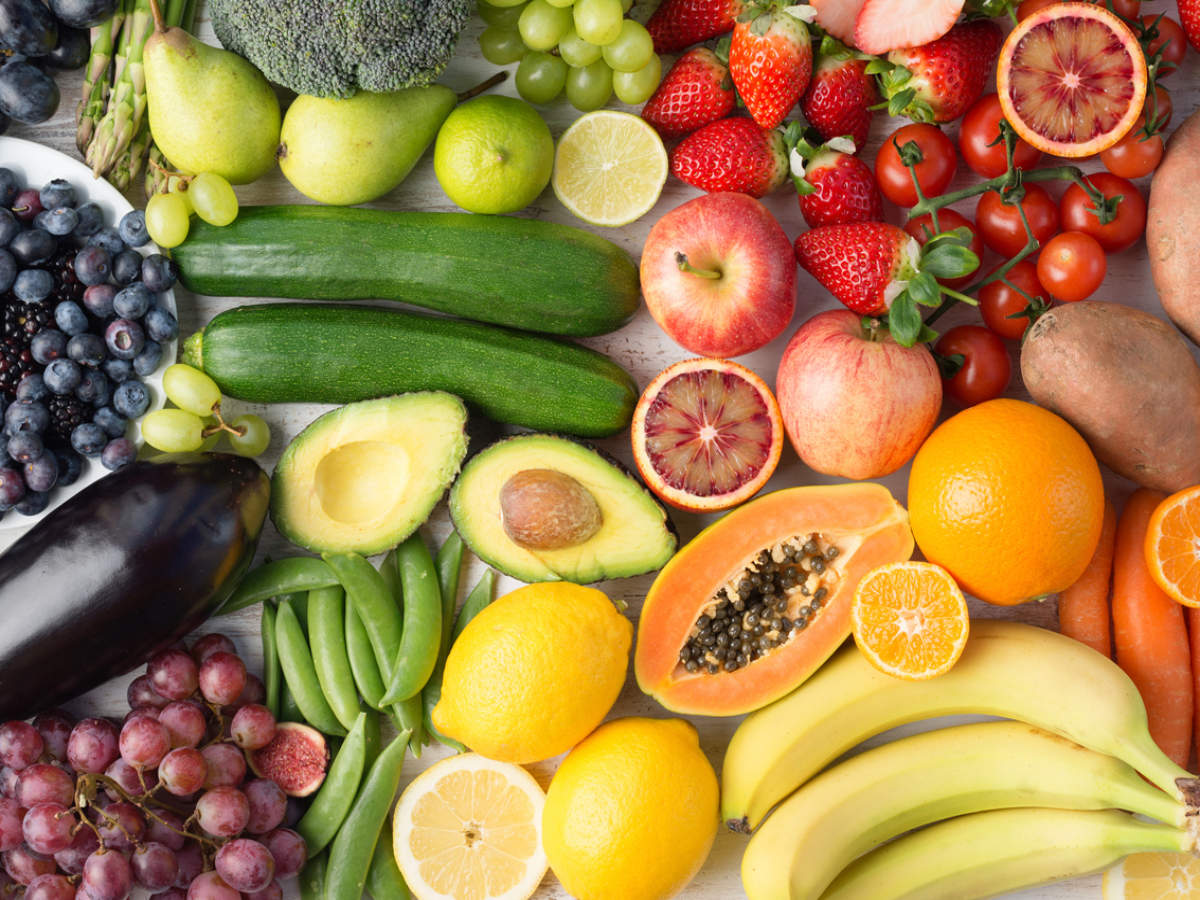
Industry trends have shown that with growing popularity in a product, trend or belief, there is usually a parallel growth in myths and misconceptions around it. The organic food industry in India has been witnessing its share of myths in the last five years. Here are such myths which negatively impact consumer sentiment and can build pessimism towards organic food consumption.
03/7Uncertainty around organic food labeling

Myths around organic food labeling are one of the most heated topics of discussion. Consumers are uncertain about the credibility of labels. Usually, the label stating 95% of organic ingredients highlight some amount of pesticide content in it. Similarly, ‘Made with organic ingredients’ usually means that 70% of the ingredients are organic, and ‘100% Organic label’ suggests that the food product grown is organically grown and produced.
04/7Organic food is a marketing strategy
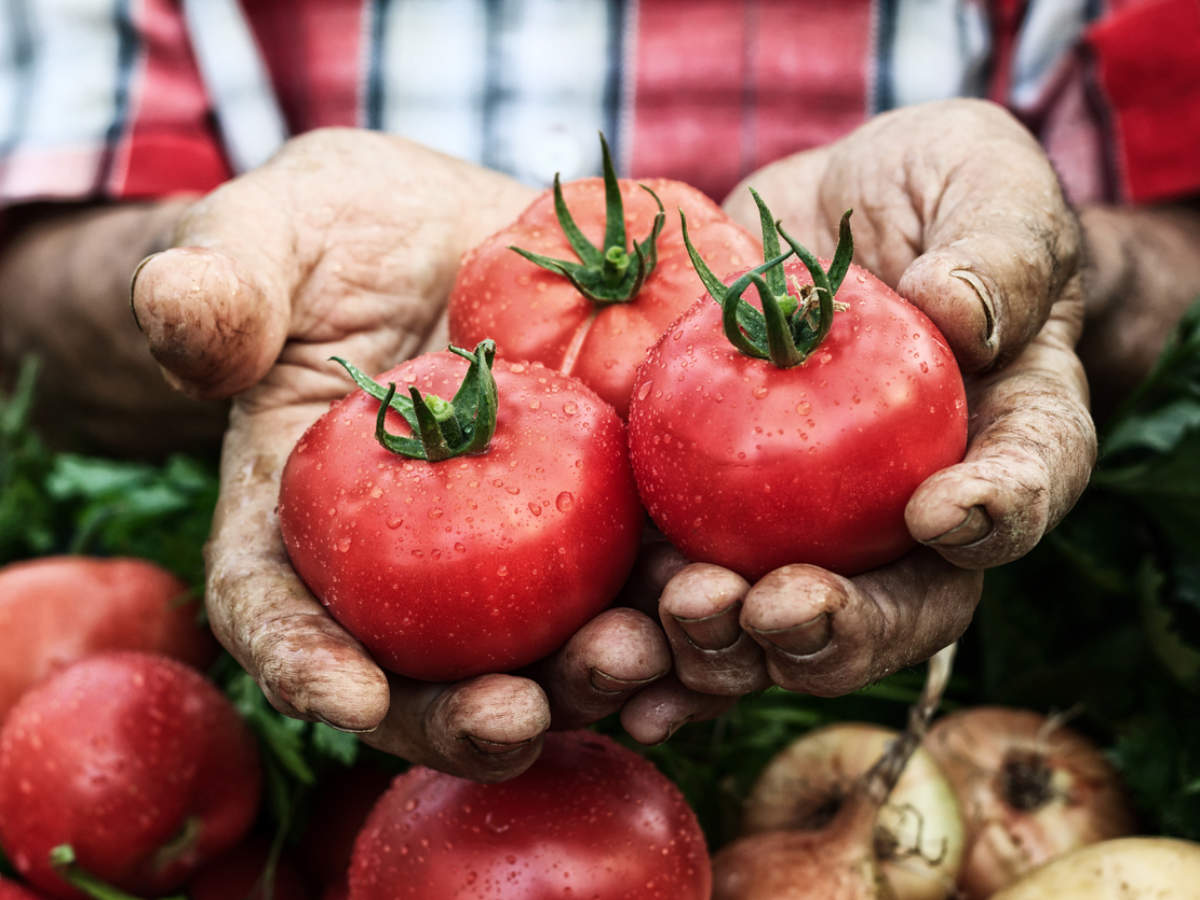
There has been a growing perception that organic food is a marketing strategy, where the food hardly offers any additional health benefit, but it is sold at higher market prices. Research proved that the level of toxins and pesticides in organic food is significantly less than conventionally grown food. In addition to this, organic food does not involve traditional farming but combines scientific methods of ecology and modern technology which helps in creating food safety, biodiversity and in building the best produce.
05/7Organic food is too expensive
While organic food is gaining popularity, there is a downtrend which comes with the consumer perception of the food being highly priced. It is true that in some stores or big retail chains, brands and retailers put a premium price on the products, but there are stores and markets where one can buy organic food at the same price or a negligibly higher price, which does not impact the affordability of consumers. There is also some organically produced food which costs less than its non-organic counterpart.
06/7There are no significant nutritional benefits in organic food
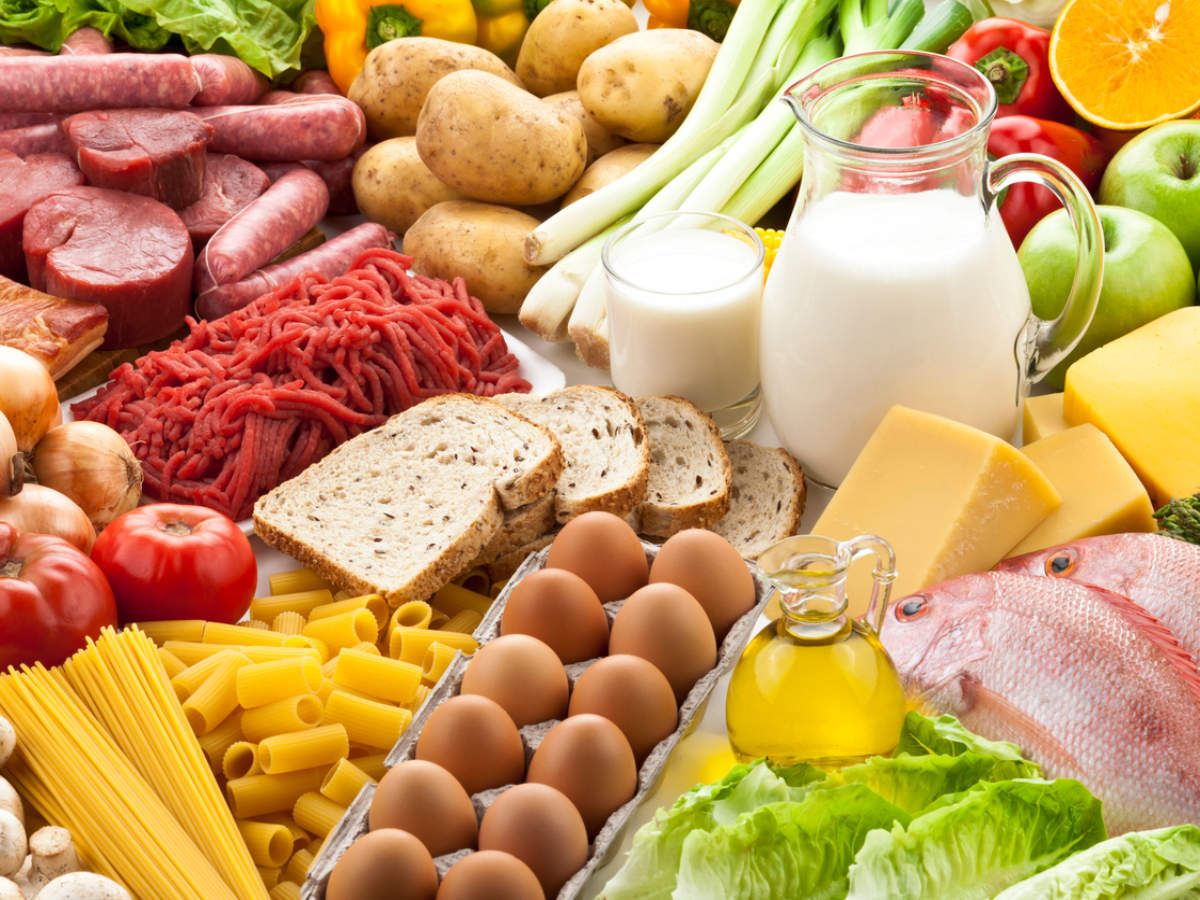
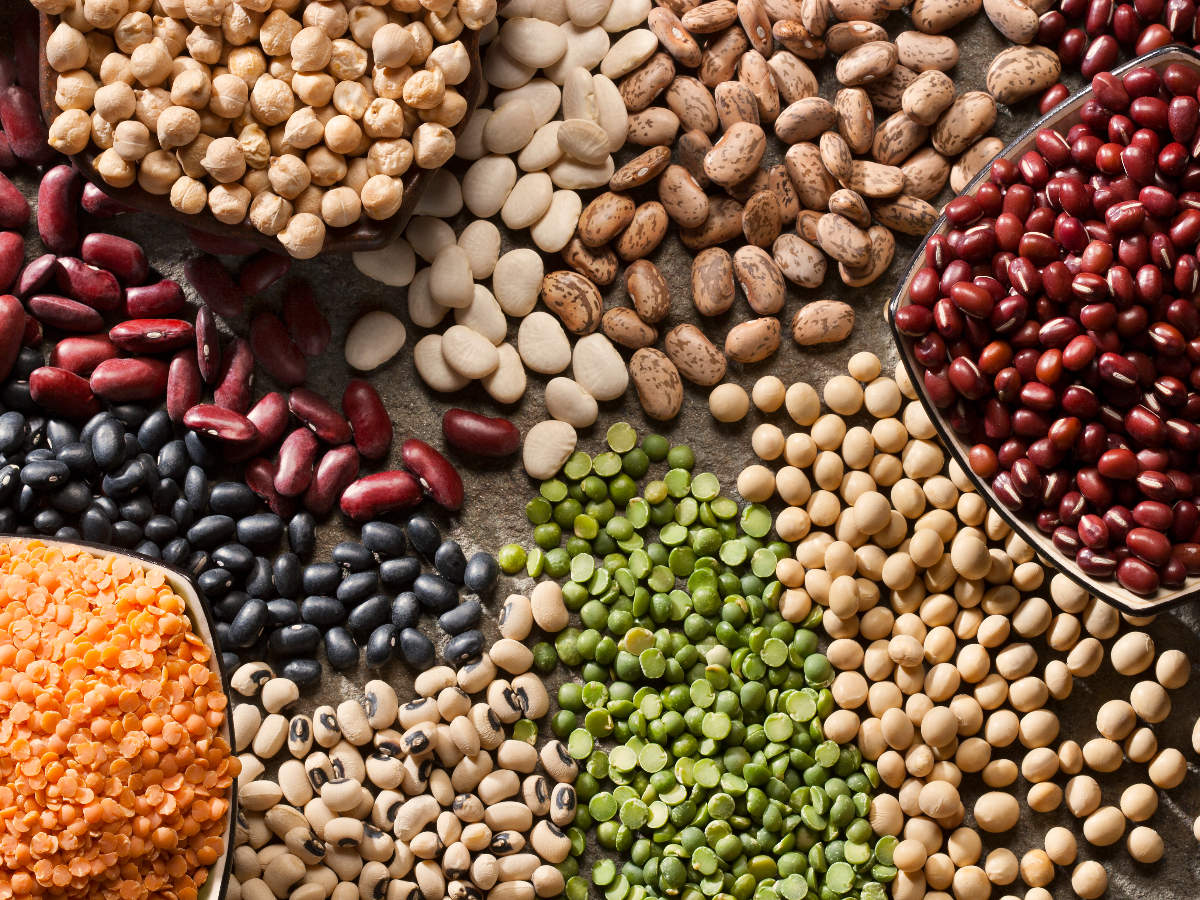
While both organic and conventional food may be at a similar risk of bacterial contamination; organic food over the years has proved its worth in terms of higher nutritional content. As per reports and studies, organic food provides significantly higher levels of vitamin C, iron, magnesium, and phosphorus. Organic food is also significantly lower in nitrates and pesticide residues, has greater antioxidant activity, and is more potent in suppressing toxic compounds.
07/7Bottomline
While organic food is expected to turn out into a huge market in India, it is important that consumers are aware of the industry. The organic industry lacks the trust and this can be created by providing the right messaging, resources, technology and stringent punishments for the offenders.The government can act as a catalyst with the right kind of regulations and initiatives.
Dec 23, 2019


Dec 22, 2019


Dec 21, 2019


Dec 20, 2019
Gutkha worth ₹14.43 lakh seized from godown in Turbhe
Special squad, FDA officers conduct joint raids
The special squad to curb drug menace in Zone I, along with Food and Drug Administration (FDA) officials seized gutkha worth ₹14.43 lakh from a godown in Turbhe on Wednesday night.
Police officers from Zone I, who were on patrolling duty, had received information about gutkha being sold by one Vinodkumar Deepchand Jain (44) at his godown in Sector 22, Turbhe.
Accordingly, the officers wrote to the FDA and a joint raid was conducted on Wednesday night at shop number 3, Krishna Nivas building in Turbhe. The seized gutkha included Vimal pan masala and Mehek super pan masala.
Supplied to 20 shops
“The sale and consumption of gutkha and pan masala was banned in Maharashtra in 2012. This godown had stored a big quantity of gutkha and was supplying it to at least 20 shops across APMC, Turbhe and Koparkhairane,” said assistant police inspector Gangadhar Devde, attached to the special team.
In the last four months, the team has seized 202 kg ganja, ₹15 lakh worth gutkha, 45 gm heroine and 11 gm MD drugs, registered 52 cases of narcotics, and arrested 91 accused.
Following the raid, Mr. Jain was arrested as per relevant sections of Food Safety and Standards Act along with Sections 328 (causing hurt by means of poison, etc, with intent to commit an offence), 272 (adulteration of food or drink intended for sale), 273 (sale of noxious food or drink), 188 (disobedience to order duly promulgated by public servant) and 34 (common intention) of the Indian Penal Code.
Health wing seizes 2.5 tonnes of fish
Check by rapid detection kits finds presence of formalin
The city Corporation seized a load of fish, suspected to be laced with formalin, brought from Mangaluru in the early hours of Thursday to be supplied to various markets in the city.
Nearly 2.5 tonnes of Threadfin bream (Navara or Kilimeen in local parlance), estimated to cost around ₹5 lakh, was seized from Pattom while the fish-laden truck was on its way to the Pangode fish market around 3 a.m.
Fine slapped
Corporation’s health wing officials detected the presence of formalin using the rapid detection kits developed by the Central Institute of Fisheries Technology.
The load was then shifted to the Corporation office and the agents were slapped a fine of ₹25,000.
The operation was undertaken by the Eagle Eye special squad constituted by the corporation to check sale of stale and chemical-laced fish in the city’s markets.
The health wing had confiscated 663 kg of formalin-laced fish and 1,122 kg of stale fish following raids on various markets two weeks ago.
Mayor K. Sreekumar told the media that the operation had put to rest the allegations that the civic body was going soft on fish importers and agents, while targeting fish vendors.
“We cannot turn a blind eye to practices that adversely affect public health. The sale of contaminated fish will not be permitted,” he said.
He added that the samples collected would be sent to the Commissionerate of Food Safety and the Public Health Laboratory for detailed examination.
The ongoing drive would be extended to all wholesale markets and shops that sold fish.
During festive season
The Mayor chaired a meeting of health officers and supervisors on Wednesday to devise steps to check the import of adulterated food products during the Christmas-New Year festive season.
Health Inspectors Sujith Sudhakar, Shaji K. Nair, S.S. Minu and G. Mithran, junior health inspectors Aji, Rajesh, Shaji M.S., Saiju and Keen S. Pavithran were part of the team that took part in the early-morning operation.
101 food samples tested in mobile vans fail quality standards
Chandigarh: Punjab government’s food safety vans, launched under the Tandarust Mission, have evoked a positive response across the state.
Of the 567 samples brought for testing by the public to these vans in October and November, 101 failed to meet the prescribed standards.
Tandarust Punjab Mission director Kahan Singh Pannu said mobile food safety vans are deployed on rotational basis in different districts. In October, a van was deployed in Hoshiarpur district where people brought 368 samples for testing, including 78 samples of milk and milk products, 49 of spices and condiments, 16 of water and beverages and 225 of sweets. Out of these, 40 failed the quality test.
Similarly in November, a food safety van was deployed in Ferozepur where 199 samples were tested. These included 60 samples of milk and milk products, 54 of spices and condiments, 20 samples of cereal and cereal products, 9 of salt and 56 of miscellaneous food items. Of these, 61 flunked the test.
Lauding the citizens for their support, Pannu said for on-the-spot testing of samples in the food safety vans, a nominal test charge to the tune of Rs 50 per sample was levied. After the analysis, the citizens were given certified copies of the report on the spot.
Dec 19, 2019


Junk food regulation stalled by food industry, CSE claims

The CSE tested the fast-food against yet-to-be-notified thresholds set by the Food Safety and Standards Authority of India (FSSAI), and all were in breach.
Given consumers have a right to know what they are consuming, the government must provide clarity on the notification of the regulations.
The findings of a lab-analysis of 33 popular junk foods from top-billed brands, including PepsiCo’s Lays, Nestle’s Maggi, and Mc Donald’s, among others, by the Centre for Science and Environment (CSE) show consumers could be ingesting unhealthy amounts of salt and fat. The CSE tested the fast-food against yet-to-be-notified thresholds set by the Food Safety and Standards Authority of India (FSSAI), and all were in breach—indeed, one brand of snacks marketed as a healthier alternative to conventional offerings had twice the level of salt allowed in a day from a snack. But, the real shocker is CSE’s assertion that consumers have been kept in the dark because the processed food lobby is thwarting the notification of the Food Safety Standards (Labelling and Display) Regulations that would replace the existing Regulations.
FSSAI had already taken five years—work had started in 2013—when it came up with a draft in 2018 that was sent to the health ministry for finalisation. The draft proposed that packaged food containing more than its prescribed thresholds of salt, transfats, added sugars, and other nutritional components that pose health risks carry a front-of-the-pack red mark to indicate these risks. But, following objections from the food industry, FSSAI sent the draft for review to a committee headed by B Sesikeran, a trustee of the International Life Sciences Institute (ILSI), in August 2018. ILSI is financed by Coca-Cola, PespsiCo, Nestle, Danone, and other food industry giants. While the final draft Labelling and Display Regulations—announced in June 2019—retains the ‘red mark’ provision of the 2018 draft, it dilutes several thresholds. For instance, as per the 2019 draft released after the Sesikeran committee submitted its report—the report was never made public—a product will have to be marked ‘red’ if the energy provided by the added sugar content is more than 10% of the total energy provided by 100g of the product. But, the 2019 draft dropped the 2018 draft’s labelling requirement for total sugar in favour of ‘added sugar’—that means the manufacturer doesn’t have to inform the consumer about the naturally occurring sugar in the food. Also, the threshold for added sugar has been set at 50 g, the same as the 2018 threshold for total sugar.
Whether or not the food companies are stalling the notification of the regulations is difficult to say. But, given consumers have a right to know what they are consuming, the government must provide clarity on the notification of the regulations. New York Times reports that, in China, ILSI shares office space and staff with the body tasked with battling the country’s obesity epidemic, and, in Brazil, its representatives occupy seats that were previously reserved for university researchers on food and nutrition panels. Against such a backdrop, the government needs to be very circumspect about the heft it allows food industry representatives in food standards regulation.
Time to junk packaged food!

New Delhi, December 17
A new report by the Centre for Science and Environment (CSE) claims that most packaged food and fast food items being sold in India contain high levels of salt and fats in them, much higher than the threshold set by the Food Safety and Standards Authority of India (FSSAI), but not notified.
The study tested salt, fats, trans-fats and carbohydrates in 33 popular junk foods, which include 14 samples of chips, namkeen, instant noodles and soups and 19 samples of burgers, fries, fried chicken, pizza, sandwich and wraps.
“These samples were collected from grocery stores and fast food outlets in Delhi and are known to be widely sold and consumed across the country,” read a statement by the CSE.
‘Consumers should know what they eat’
The industry is opposing the notification of draft regulation because then we will know how bad their food is. We have found dangerously high levels of salt and fats in all packaged food and fast food samples that we tested. Consumers have the right to know what is contained in the package. Sunita Narain, CSE Director General
They include brands like Knorr tomato soup, Nestle’s Maggi, Patanjali atta noodles, Haldiram, LAY’S and Too Yumm chips (endorsed by cricket icon Virat Kohli), Haldiram’s classic nut crackers and aloo bhujia, Kurkure, Bingo mad angles, burgers, fries and wraps from fast food chains like the KFC, McDonald’s, Burger King, Domino’s, Pizza Hut and Subway.
According to the tests conducted by CSE’s Environment Monitoring Laboratory (EML), levels of salt are much higher than the threshold set by industry body — FSSAI. The EML is known for its earlier findings on food products consumed in India (pesticide in soft drinks), potassium bromate in bread, antibiotics in honey and chicken.
CSE director general Sunita Narain said: “The industry is opposing the notification of draft regulation because then we will know how bad their food is. We have found dangerously high levels of salt and fats in all packaged food and fast food samples that we tested. Consumers have the right to know what is contained in the package. But our food regulator, the FSSAI, is dragging its feet and has not notified its own draft labelling regulation. This is clearly because of pressure from the powerful food industry. This is not acceptable. This is compromising our right to know and our right to health.”
“Expert group made recommendations six years ago, but the draft regulation that has emerged is severely diluted. Even this much-diluted draft has not been notified,” the CSE said, calling for urgent notification of labeling laws and RED warning label on food items that cross the healthy threshold.
Regular monitoring for heavy metals in soil-food crops soon
Delhi The country’s apex food safety regulator, Food Safety Standards Authority of India (FSSAI), along with the Ministry of Agriculture, will soon start regular monitoring for presence of heavy metals in soil–food crops. Tests are likely to be conducted for the presence of heavy metals such as lead, arsenic, cadmium and mercury.
“The presence of heavy metals, especially four big ones such as lead, arsenic, cadmium and mercury, in produce is an area of concern that we aim to check through regular monitoring, like in case of pesticides,” FSSAI CEO Pawan Agarwal said.
In a recently released result of the food and beverages samples analysed last year, the FSSAI found that nearly 4% of the 1,00,000 samples analysed by states and union territories were unsafe.
In another survey of raw and processed milk being sold across the country, the food regulator found about 6% of the milk samples to contain Aflatoxin M1, a liver-toxic micro-contaminant, also known as carcinogen.
The food safety regulator has commissioned another pan-India survey to understand the extent of the problem regarding the presence of heavy metals in soil-food crops. The survey was conducted on vegetables to know the contamination pattern across India and its possible sources. The data is still in the process of being collated, and is likely to be released next week.
“The regulator wanted to get a sense of the problem since there have been talks of crops from various riverbeds being mainly contaminated. There are also experts suggesting that air pollution is resulting in our produce getting contaminated with harmful metals such as lead. The matter was taken up with the ministry of agriculture,” said Agarwal.
According to experts, prolonged exposure to these heavy metals could even damage organs.
“A person would usually suffer from chronic condition rather than symptoms related to acute metal toxicity,” said Dr Suranjit Chatterjee, senior consultant, internal medicine, Indraprastha Apollo Hospital. “The focus should be to prevent contamination so that experts can look at how best to minimise the effect. The idea is to create a safe food ecosystem in the long run.”
‘Build wall to stop sale of junk food near schools’
Noida: All schools should impose restrictions on the sale of junk food within a 100-yard radius, just like they do with cigarettes, stated environmentalist and founder of the Centre for Science and Environment, Sunita Narain. A CSE study based on laboratory tests conducted by them between July and November, 2019 found levels of salt, fat and sugar much higher than thresholds set by the Food Safety and Standards Authority of India (FSSAI) in such food.
In a press conference held by Narain on Tuesday at India Habitat Centre, the CSE chief said, most packaged food and fast food items being sold in India contain “dangerously” high levels of salt and fat in them. She added that a lack of upfront labelling to alert consumers of this high content of sugar, salt and fat, fails to dissuade parents from stopping children from consuming junk food.
“The target of the junk food industry are children and each day, if a child has just a packet of chips or a bowl of instant noodles, he or she exhausts the entire day's quota of salt or sugar intake,” Sunita Narain said.
Dec 18, 2019


Junk food monster: Communicating diseases
A lab study by the Centre for Science and Environment has found extremely high levels of salt, fat and trans fat in junk foods responsible for obesity and non-communicable diseases like hypertension, diabetes and heart ailments.

Think before you open the next pack of Haldiram's Classic Nut Crackers or dig into a regular Non Veg Supreme Pizza from Domino’s. Only 35 grams of the scrumptious nut crackers would finish up around 35 per cent of your daily permissible salt intake and 26 per cent of the allowed fat consumption. And four slices of that cheesy pizza would make you consume 99.9 per cent of the day’s allowed salt and 72.8 per cent of fats.
Consumption of these junk foods, that are high in salt, fats and trans fats can have deadly impacts. Doctors say they are an open invitation to non-communicable diseases like diabetes, hypertension, heart ailments and even cancer.
“These diseases are difficult to manage if manifested early in life,” says Ambrish Mithal, head of the endocrinology and diabetes division, Medanta Hospital, Gurugram, Haryana. A 2016 report by the Indian Council of Medical Research (ICMR) shows a worrying trend — disease burden due to unhealthy diet, high blood pressure, high blood sugar, high cholesterol and being overweight has increased from 10 per cent to 25 per cent since 1990. And the victims, many a time, were ill-informed and unsuspecting consumers.
It never bothered Manjeet Singh, an advocate in Delhi, that her 11-year-old son gorged on packaged and fast foods every day. It kept him full and happy, and saved her a lot of time and trouble. Not until the boy started complaining of double vision and headaches. Manjeet was shocked when doctors said he had high blood pressure. “They strictly advised him to reduce weight, not eat junk food and adopt a low-salt diet, else he would be under the risk of cardiac problems and diabetes,” she says. Manjeet could have helped her son had she known, upfront, what was inside those ultra-processed food packs.
The fine print declaring the amount of nutrients is not of much help. “With my vision, I would be spending the entire day buying food if I start reading them,” says Ashok Gulati, a 64-year-old retired professional. It’s impossible for 22-year-old Parvesh Sinha, a departmental store worker who never went to school, to know what he eats.
The Centre for Science and Environment (CSE), a Delhi-based research and advocacy non-profit, had shaken up the country in 2012 when it found high amounts of salt, fat, trans fat and carbohydrate in foods people love to eat. Seven years later, where exactly do we stand?
To understand this, between July and October 2019, CSE’s Environment Monitoring Laboratory again tested their content in 33 popular packaged and fast foods marketed by Indian and multi-national companies and available across the country.
The samples were collected from grocery stores and fast food outlets in Delhi. The lab used internationally accepted testing methods listed by the Association of Official Analytical Chemists (AOAC). Carbohydrate in these foods was tested by the widely used colorimetry method.
The lab results were used to understand how much of each nutrient contributes to the recommended dietary intake for the Indian population. It corelated the results with the serving size or weight of the products to understand the actual intake. The results, to say the least, were shocking.
Chips and namkeens had way more salt and fat than one should consume in a snack. Instant noodles and soups had too much salt.
The analysis was based on the Recommended Dietary Allowance (RDA), derived after reviewing the recommendations of World Health Organization (WHO), National Institute of Nutrition-India, ICMR and the scientific expert groups of the Food Safety and Standards Authority of India (FSSAI).
The RDA for salt was reached at 5g, 60 g fat and 300 g carbohydrate for one person in a day. The trans fat limit was 2.2 g. The calculations were made taking into account the accepted 2,000 kilocalorie that a healthy person requires in a day.
Considering we have three meals in a day and two snacks, our mealtime consumption of these nutrients should not be more than 25 per cent of RDA, and the two main snacks of the day must not add more than 10 per cent of RDA. Now take a look at what the CSE lab tests found.

Chips and namkeens
What’s advertised by Indian cricket captain Virat Kohli as a healthy and “Smart option for smart snacker” is, in fact, unhealthiest in terms of salt. Of all the chips packets tested, Too Yumm Multigrain Chips had the maximum salt — 1 g in 30 g of chips.
In other words, 30 g of this gives double the day’s allowance of salt from a snack. And even a healthy green vegetable or a leafy salad becomes a source of extra salt. So think again before grabbing on the second snack of the day if you have already munched on Too Yumm Multigrain Chips.
In fact, all the chips tested either had high salt or high fat, or both. Lay’s India’s Magic Masala, Uncle Chipps Spicy Treat and Haldiram’s Chips Pudina Treat exceeded 10 per cent RDA of both salt and fat. One-fifth of the day’s fat RDA gets blown away if one consumes one serve of Haldiram’s Chips Pudina Treat.
Worse, there are chips packets that mention 30 g as the serving size — the amount allowed for consumption — but are not available in that size only. For instance, the Rs 20 pack of Lay’s American Style Cream and Onion that weighs 52 g, mentions 30 g as its serving size.
In effect, it offers more chips than one can consume in one go. So before relaxing on the sofa with a packet of chips, read the fine print and do the mental math to know exactly how many can be enjoyed without getting worried about health.
Haldiram’s Chips Pudina Treat does not even mention the serving size. In fact, it attracts consumers by offering them extra chips. Too Yumm Multigrain Chips gives vague information on the serving size. It says: “Image is a pictorial reference of serving suggestion”. While the picture shows only four-five chips, that's definitely not how much children stop with.
Eating chips frequently results in dental problems, a common ailment otherwise left ignored. “Chips are sticky and remain in the oral cavity for long hours. Soon, they start to ferment resulting in tooth decay and cavities,” says Praveen Chaudhary, senior dentist and head of the department at Jaypee Hospital in Noida, Uttar Pradesh.
CSE’s lab tested four varieties of namkeens. All but one had high salt and fat content, but Haldiram’s Classic Nut Cracker had criminally high salt, exhausting almost 35 per cent of RDA — much higher than one should consume in one full meal. It mentions the 35-g serving size only on its website. Checking this online before tearing the pack open is a difficult proposition.
Haldiram’s Aloo Bhujia exhausts more than 21 per cent of the salt RDA. But there’s no way consumers can know how much salt they consume from these namkeens and chips.
Of the 14 packed foods CSE tested, 10 declare sodium in their products, not salt, which leaves the consumer misinformed. Three don't declare sodium or salt. Only one declares salt. Manjeet, for instance, carefully read the nutritional information of the chips her son regularly munches on, but could not tell how much salt he consumes.
Clearly, food companies are complicating facts. One should consume not more than 2 g sodium in a day, but companies give the information in mg. Now do the mental math one more time.

Instant noodles and soup
Akshat, a 13-year-old school student, eats Nestle Maggi Masala instant noodles twice or thrice a week. It’s easily available in his school canteen. But a 70-g pack of this puts 2.6 g salt into our body.
Patanjali, which promotes its Atta Noodles Chatpata with the punchline ‘Jhatpat Banao, Befikr Khao’, contains 2.4 g salt in one pack. Remember, 5 g is all that is allowed through the day.
Ching’s Secret Schezwan goes a step further. It labels less than half the amount of what it actually contains, according to CSE’s lab results.
Similarly, instant soup is popular in winters, but is definitely not a healthy option. Just one serve of Knorr Classic Thick Tomato soup can exhaust over one-fourth of the daily salt limit.
And people love to have it as a starter before meals. So, even a healthy meal afterwards can shoot up your daily salt intake, that too within a short period. As consumers misconstrue these as fresh food for the cooking it involves, the industry makes hay.
Burgers and fries
Advertisements affect people’s senses and stimulate responses such as craving to eat. In the long run, this becomes a habit, says Uday Sinha, a professor at the Institute of Human Behaviour & Allied Sciences, Delhi.
In a recent full-page newspaper advertisement, McDonald’s made a disparaging comment on freshly cooked home food. It said: “Stuck with Ghiya-Tori again? Make the 1+1 combo you love.” Even FSSAI called it an irresponsible advertisement as it was against the national efforts to promote the right eating habits, especially among children. Read along to know how healthy McDonald’s combo is.

Eat one Chicken Maharaja Mac and your daily permissible salt intake is almost over in one go. It has 4.6 g salt, leaving only 10 per cent, or 0.4 g more for the entire day. The fat content is over half the prescribed daily limit for a meal.
A medium McDonald’s fries accounts for almost one-fifth of the daily fat need. The combo has an astounding 103 per cent salt, 72 per cent fat, 13 per cent trans fat and 33 per cent carbohydrate.
Unsuspecting vegetarians are not any luckier. A vegetarian Cheese Whopper from Burger King will leave you with just over a fourth of the daily salt quota and less than half of that for fat. As its regular fries accounts for almost one-fifth of the daily fat need, adding it to a combo meal, stuffs you with just too much nutrients.
Burger, fries and fried chicken from KFC’s 5-in-1 classic zinger box would give 20 per cent more fat than the day’s quota along with very high levels of salt and trans fat.
“Food companies know that India is a naive market for junk food. A large population is unaware of nutrition and good food. Junk food is being made and sold in a manner that it is addictive,” says Vandana Prasad, a community paediatrician. So think twice before you choose that combo meal over home-cooked food.
Smaller burgers are cheap and attract people. But their contribution to RDA is big. KFC’s Veg Zinger with cheese can exhaust up to three-fourths of the daily salt brink and 45 per cent of the fat limit. Its Chicken Classic Zinger with cheese finishes over 80 per cent of fat and over 60 per cent of salt threshold. Burgers with cheese have more trans fats.

Pizza, sandwich and wrap
Pizza is considered a healthy fast food meal option because of the vegetables it comes with, but CSE lab results found it is loaded with salt and fat, and has high levels of trans fat.
It tested vegetarian and non-vegetarian pizzas from Domino’s and Pizza Hut along with one sachet of oregano seasoning it comes with. These were regular or personal pizzas meant to be consumed by one person.
Domino’s Non Veg Supreme has about 5 g salt, while Peppy Paneer cheese burst has only slightly less. So, no more space for salt from any other food, if these pizzas are consumed.
Non-veg Supreme also exhausts about three-fourths of the permissible fat. This also provides high levels of unhealthy trans fat — about one-third of the limit. Pizza Hut’s Chicken Supreme has more salt than one needs for the day.
Even the humble Classic Tomato Margherita from Pizza Hut can add over 50 per cent of the daily salt intake, 25 per cent of fat and about one-fourth of the trans fat limit. Excessive trans fat content in all pizzas that were tested is a cause for concern.
CSE lab tests also examined sandwiches, often perceived as healthy food for the raw vegetables it uses. But the result was disturbing. Salt, fat and trans fat content in sandwiches are as high as in pizzas.
6-inch Subway Chicken Seekh Kabab sandwich has about 5 g salt, 39 g fat and 0.62 g trans fat. This is not just the amount of salt one can have in an entire day but also adds up to 65 per cent of the recommended fat levels and 28 per cent of trans fats.
Its vegetarian option, the Paneer Tikka sandwich, is not any healthier and exhausts over three-fourths of salt and fat limits, and one-fourth of trans fat limit. McDonald's Big Spicy Paneer Wrap will give you about 4 g of salt and 45 g of fat.
Facts on trans fats
Trans fats are deadly. Their intake must be avoided to prevent heart diseases. CSE found that most food companies either do not disclose or give more than the amount they declare.
Haldiram’s Classic Nut Cracker, for instance, had 4.6 times trans fat it claims to have. Fast food companies Domino’s and Subway do not mention trans fats at all on their website.
But all four of their samples that CSE tested had high trans fats. Burger King and KFC mention 0 g, suggesting no trans fats. That's not the case. Trans fats found in two pizza samples of Pizza Hut were higher than what the company declared.
“A diet high in trans fat can increase the risk of heart disease,” says Mithal of Medanta Hospital.
Clearly, companies are not bothered.
(Names of consumers have been changed to protect their identity)
Study by Mrinal Mallik, Arvind Singh Sengar and Rakesh Kumar Sondhiya Analysis by Amit Khurana and Sonal Dhingra
Fast food safe? Take it with pinch of salt

Samples of some food products, including chips, snacks and fries, contain amounts of transfat — a type of fat with detrimental health effects and not essential in diet — higher than their labelled values, the CSE also claimed.
Many packaged snacks and fast food products sold across the country have salt and fat levels higher than thresholds proposed by India’s food safety regulator, the non-government Centre for Science and Environment claimed on Tuesday, calling for red warning labels on them.
The CSE, which released its findings of salt and fat content in limited samples of several products, including burgers, French fries and noodles, has also alleged that the Food Safety and Standards Authority of India (FSSAI) has diluted labelling rules to favour the industry.
Samples of some food products, including chips, snacks and fries, contain amounts of transfat — a type of fat with detrimental health effects and not essential in diet — higher than their labelled values, the CSE also claimed.
“We have found dangerously high levels of salt and fat in the samples of packaged and fast food we tested,” Sunita Narain, the CSE’s director-general, said in a media release. “Consumers have a right to know what is contained in the package, but the FSSAI is dragging its feet and has not notified its own draft labelling regulation.”
The analysis, which tested 14 samples of packaged food and 19 samples of fast food, for instance, has found that salt levels in chips ranged from roughly two to five times the FSSAI’s proposed threshold of 0.25g per 100g. Samples of other packaged products tested contained two times to seven times the salt threshold.
Samples of burgers contained up to 1.5 times salt levels while fat levels ranged from 1.1 to 2.4 times the threshold value of 8g per 100g. A paneer tikka sandwich tested had 1.6 times salt and 2.3 times fat thresholds.
The CSE has claimed that the FSSAI, which had released draft regulations for food labelling in July 2018, has since then diluted labelling rules in fresh draft regulations released earlier this year.
The FSSAI did not immediately respond to a query from The Telegraph seeking reactions to the CSE’s claims.
The new draft regulations have replaced salt with sodium, total fat with saturated fat, and total sugar with added sugar. The CSE said salt was easier to understand than sodium, saturated fat addresses only one part of the problem, and added sugar made the threshold weaker.
“We’ve been waiting for the FSSAI to notify the regulations — it’s over 18 months since the 2018 draft,” said Amit Khurana, director for food safety at the CSE. It has also pointed out that the draft regulations do not specify the size and placement of the warning labels.
The CSE has called on the FSSAI to introduce red warning labels in line with “global best practices” on such snacks and fast food products whose salt or fat levels exceed the threshold values.
Fast food putting you at risk of heart attack
New Delhi: Most of the snacks, noodles and fast food items sold in the market contain higher than permissible limit of salt. In some cases, a study conducted by the Centre for Science and Environment showed, the salt content is three to five times the threshold set by the Food Safety and Standards Authority of India.
High salt intake, experts said, is a known cause for high blood pressure, which causes 57% of heart attack and 40% of stroke cases. “A small amount of salt on a daily basis — WHO recommends less than 5 grams per day per person — is essential for nerve and muscle function. But it is seen in India that people consume eight to nine grams of salt daily,” said an expert.
FSSAI norms — drafted recently, but not notified yet — permit 0.25 gram of sodium per 100 grams of savoury snacks and instant noodles. For soups and fast foods, the threshold of salt is 0.35 gram per 100 grams.
CSE said tests showed one of the popular chips brands had 1 gram of salt content in 30 gram of chips. Among namkeens, one brand had salt content seven times the recommended threshold. Dr Sunita Narain, director of CSE, said they tested salt, fat, transfats and carbohydrates in 33 popular junk foods, which included 14 samples of chips, namkeen, instant noodles and soups and 19 samples of burgers, fries, fried chicken, pizza, sandwich and wraps.
The CSE director general said consumers have a right to know what is contained in the package, but FSSAI has not notified its own draft labelling regulation. Her comment refers to the delay in notifying the draft Food Safety Standards, (Labelling and Display) Regulations, which has been in preparation since 2013.
“The recommended dietary allowance of salt and fat is five grams and 60 grams respectively daily. However, we found that eating one burger sold by major brands exhaust anywhere between 62% to 82% of the recommended salt intake for the day and 82% to 120% of the recommended fat intake,” said Amit Khurana, programme director, food safety and toxins at CSE.
FSSAI said in a statement that it has been taking up the junk food regulations seriously and has already put up the draft notifications in public for comments.
Packaged foods breach safe limits of salt, fat: CSE study
Agency tested salt, fat, trans-fat and carbohydrates in 33 popular ‘junk foods’
An array of packaged snacks and fast foods breach safe limits of salt and fat content, says a laboratory analysis by the Centre for Science and Environment.
The agency tested salt, fat, trans-fat and carbohydrates in 33 popular “junk foods”, which consisted of 14 samples of chips, salted snacks, instant noodles and instant soup, and 19 samples of burgers, fries, fried chicken, pizzas, sandwiches and wraps. The samples were collected from grocery stores and fast food outlets in the city.
Daily ceiling
To calculate how unsafe the foods tested were, the organisation relied on the concept of the Recommended Dietary Allowance (RDA) — a daily ceiling on the amount of salt, fat, carbohydrates and transfats. The RDA is based on scientific consensus and has been agreed upon by expert bodies such as the World Health Organisation, and the National Institute of Nutrition in India. It says that, ideally, no more than 5 gm of salt, 60 gm of fat, 300 gm carbohydrate and 2.2 gm of transfat should be consumed by an adult every day. Further, the RDA from each breakfast, lunch and dinner should be no more than 25%, and that from snacks no more than 10%.
The CSE found that given the size of the servings and the amount of nutrients per 100 gm, a single packet of packaged nuts, soup or noodles ended up having these salts and fats well over the recommended limits. For instance, Haldiram Aloo Bhujia, a popular savoury snack, with a serve size of 231 gm, had the equivalent of 7 gm of salt and 99 gm of total (saturated and unsaturated) fat. A single serving of the Nestle’s Maggi Masala (70 gm) exhausted 50% of the composite RDA for a snack, and a serving of Haldiram’s nut cracker exhausted 35% of the salt RDA and 26% of the fat RDA, the CSE analysis found.
Need to declare
According to the proposed draft Food Safety and Standards (Labelling and Display) Regulations, packaged food companies will need to declare nutritional information such as calories (energy), saturated fat, trans-fat, added sugar and sodium per serve on the front of the pack. The food labels are also required to declare, per serve percentage contribution to RDA on the front of the pack. Though under discussions since 2015 and several drafts — the latest one came out in in July — these rules have yet to become law, and to be operationalised.
‘Red Octagon’
The CSE took the values prescribed in the drafts for their calculations and concluded that all of the popular snacks and fast foods ought to be displaying a ‘Red Octagon’, a warning symbol employed in packaged foods in Chile and Peru. The Red Octagon, which should be printed on the front of the pack, has a number and the name of the food component within that indicates how widely off the RDA a particular ingredient is. Thus a Red “3.1, Salt” on a pack of Lay’s India’s Magic Masala by PepsiCo indicates that the salt it contains is 3.1 times the RDA for snacks.
“What we have seen is that all of the packaged foods of the various brands we tested would be in the red. This is why the powerful food industry is opposing the notification,” said Sunita Narain, director general of CSE, at a press conference. The regulations, as they now stand, don’t apply to fast foods such as burgers and pizzas, even though they were included in the CSE analysis.
Packaged water bottles without expiry dates seized
Trichy: Food safety department staff seized four packaged drinking water cans that were found without expiry date in Pudukottai district on Tuesday.
Al-Hajee Aqua, a Pudukottai-based packaged drinking water company, which was supplying the cans, was booked under food safety and standards Act, 2006, for not registering their vehicle with the food safety department.
Every vehicle used for transporting foods material need to be registered with the food safety department. Officials from the food safety department intercepted the vehicle when they were supplying drinking water in the collector office premises on Tuesday. Designated officer from food safety department, Pudukkottai R Ramesh Babu said that the vehicle was summoned to the food safety office after it was found to be having cans without expiry dates.
“A total of four bubble top can with a capacity of 20liters were found without expiry dates. We have taken legal samples from those cans. A case was booked under section 58 of food safety and standards act, 2006 for registering the vehicle with food safety department,” he said.
Action will be initiated against the company if the water quality was not found within safety standards, he added.
Banned tobacco products, rotten fruits seized
Officials of the Food Safety and Standards Authority of India (FSSAI) conducted surprise checks in shops at Singanallur and seized banned tobacco products, rotten fruits and artificially coloured food products worth around ₹ 1.89 lakh late on Monday.
K. Tamilselvan, Designated Officer of FSSAI in Coimbatore, and food safety officers conducted simultaneous checks in 67 shops.
According to food safety officials, banned tobacco products of 100.5 kg were found in six shops during the raids. Notices were served on the owners of the shops.
The officials said that 16 out of the 67 shops inspected had not obtained the licence or the registration certificate from the food regulator.
Around 120 kg of rotten fruits, artificially coloured food products, expired packaged food products and banned plastic products worth ₹ 74,000 in total were also seized from the shops during the raids.
Warning
FSSAI warned that stringent action would be taken against those selling banned tobacco products in the vicinity of schools and colleges.
Licence and registration certificates of shops that were found selling or stocking banned tobacco products would also be suspended, the officials added.
Crackdown on shops selling unsafe food
Coimbatore: Food safety department officials on Monday seized expired and spoilt food from 16 eateries in the Singanallur bus stand. They also found six shops selling banned tobacco products.
The officials had checked petty shops, bakeries and restaurants located in and around the bus stand following the collector’s order. They seized 100.5kg banned tobacco products, including chewable tobacco, worth Rs 1,15,000 from six shops.
“We also checked the quality of food sold by the eateries. We checked the use of plastic, artificial colouring agents and whether they were selling or using expired products,” said designated food safety officer K Tamilselvan.
The team found 16 shops flouting food safety norms. “Some shops were found selling chilli chicken that had banned colouring agents. Some were selling rotting fruits, artificially-ripened fruits including banana, spoilt halwa and chips. A few were found using plastic bags and straws,” Tamilselvan said.
The officials issued notices to the shops and warned of cancelling licenses if they repeat the offence.
The district administration will cancel the license of shops found selling tobacco products within 100 yards of educational institutions, sources added.
Awareness programme for food business operators held
‘There are around 6,000 licensed food operators in Madurai’
MADURAI
Food Safety Department organised a programme to create awareness of the Food Safety and Standards Act, 2011, among food business operators (FBOs), here on Tuesday.
M. Somasundaram, Designated Officer for Food Safety, Madurai district, addressed the FBOs on the importance and ways of procuring a licence under the Act. “Currently, there are around 6,000 licensed food operators in the city. Through such programmes we are sensitising them that obtaining licences for their businesses is mandatory under the Act,” he said.
Over 100 FBOs from across various sectors took part in the programme. There was widespread use of used cooking oil by hotels and eateries across the district and this issue had to be addressed, said Mr. Somasundaram. The department had launched an initiative, Repurpose Used Cooking Oil (RUCO), to recover used oil from vendors and the food industry. The department was also paying ₹25 for every litre of used oil. The oil purchased this way will be used for the production of biodiesel,” he said.
He also said that edible oil, which was not packed, was prohibited for sale under the Act. Packing toys or gifts with food products for infants was also not permissible.
“The cold press oil produced in the city has not been meeting the standards prescribed under the Act. So, the manufacturers must collectively petition the Chief Executive Officer in the department for a solution,” he said.
During an interaction with the Designated Officer, the participants discussed their problems. “Most of the FBOs in the district don’t understand the Act and are unconsciously violating the law. These programmes provide a platform to address this issue,’ he said.


Subscribe to:
Posts (Atom)