Oct 29, 2019

இலைக்குப் பதில் பிளாஸ்டிக் கவரில் தோசை! - காவலரிடம் சவால்விட்ட ஃபாஸ்ட் ஃபுட் ஓனருக்கு சிக்கல்

சென்னையில் வாழை இலைக்குப் பதில் தடைசெய்யப்பட்ட பிளாஸ்டிக் கவரில் உணவு பரிமாறப்பட்டது. அதைத் தட்டிக்கேட்ட காவலரிடம் தகராறில் ஈடுபட்டார் ஃபாஸ்ட் ஃபுட் கடை உரிமையாளர்.
இலைக்குப் பதில் பிளாஸ்டிக் கவரில் தோசை

சென்னை புதுப்பேட்டை ஆதித்தனார் சாலை அருகே ஃபாஸ்ட் ஃபுட் கடை ஒன்று செயல்பட்டு வருகிறது. இந்தக் கடைக்கு புதுப்பேட்டை ஆயுதப்படையில் வேலைபார்க்கும் திருச்சியைச் சேர்ந்த காவலர் சரவணன் என்பவர் நேற்றிரவு சாப்பிடச் சென்றார். அப்போது அவருக்கு, வாழை இலைக்குப் பதில் பிளாஸ்டிக் கவரில் உணவு பரிமாறப்பட்டுள்ளது. இதனால் அதிர்ச்சியடைந்தவர், பணம் வாங்கும் இடத்தில் இருந்தவரிடம் விவரம் கேட்டுள்ளார். அதற்கு அந்த நபர், 'இதைக் கேட்க நீ யாரு?' என்று கேட்டுள்ளார்.
பாஸ்ட் புட் கடையில் சோதனை

உடனே காவலர் சரவணன், `கார்ப்பரேஷன் அதிகாரிகள்தான் கேட்க வேண்டுமா, காவலர் என்ற முறையில் கேட்கவில்லை. பொதுமக்களில் ஒருவன் என்ற அடிப்படையில்தான் கேள்வி கேட்கிறேன்' என்று கூறினார். இதனையடுத்து, சரவணனின் செல்போன் நம்பரைக் கேட்டு, அதை ஒரு பேப்பரில் எழுதினார் ஃபாஸ்ட் ஃபுட் உரிமையாளர். அப்போது அவரின் அருகில் இருக்கும் நபர், `நாளைக்கு மார்க்கெட்டுக்கு 10 மணிக்கு வா' என்று கூறுகிறார். அதற்கு காவலர் சரவணனும் சரியெனக் கூறிவிட்டு அங்கிருந்து செல்கிறார். இந்தக் காட்சிகள் அனைத்தும் சரவணனின் செல்போனில் ரகசியமாகப் பதிவானது.
ஃபாஸ்ட் ஃபுட் கடையில் நடந்த சம்பவத்தை காவல்துறையைச் சேர்ந்த உயரதிகாரிகளின் கவனத்துக்குக் கொண்டு சென்றார் சரவணன். பிறகு, உணவு பாதுகாப்புத் துறையின் வாட்ஸ்அப் நம்பருக்கு அந்த வீடியோவை அனுப்பிவைத்தார். அதைப் பார்த்த உணவு பாதுகாப்புத் துறையைச் சேர்ந்த அதிகாரிகள், ஃபாஸ்ட் ஃபுட் உணவகத்துக்குள் நுழைந்து ஆய்வு நடத்தினர். அப்போது, பிளாஸ்டிக் கவர்களில் உணவுகள் வைக்கப்பட்டிருந்தன. இதையடுத்து, அந்த உணவகத்துக்கு சீல் வைக்கப்பட்டுள்ளது.
பிளாஸ்டிக் கவரில் உணவு
காவலர் சரவணனிடம் பேசினோம். ''நேற்றிரவு 9.30 மணியளவில் அந்த ஃபாஸ்ட் ஃபுட் உணவகத்துக்குச் சென்று தோசை சாப்பிட்டேன். தோசையை பிளாஸ்டிக் கவரில் சுடச்சுட வைத்துத் தந்தார்கள். உடனே சப்ளை செய்தவரிடம் பிளாஸ்டிக் கவரில் உணவை வைத்துக் கொடுப்பதால் உடல் நலம் பாதிக்கப்படும் என்றேன். சப்ளை செய்தவர் வடமாநிலத்தைச் சேர்ந்தவர் என்பதால் நான் பேசியது அவருக்குப் புரியவில்லை.
சாப்பிட்டுவிட்டு பணம் கொடுக்கும்போது அங்கிருந்தவரிடம் விவரத்தைக் கூறினேன். வீடியோ எடுக்க வேண்டும், தகராறு செய்ய வேண்டும் என்ற எண்ணம் எனக்கு இல்லை. பணம் கொடுத்தபோது அந்த நபர், என்னிடம் மிரட்டும் தொனியில் பேசினார். அதனால்தான் செல்போனில் வீடியோவை ஆன் செய்தேன். அதைக் கவனித்த அந்த நபர், வீடியோவை நல்லா எடுக்கும்படி கூறியதோடு என் செல்போன் நம்பரையும் கேட்டார். இதனையடுத்து, அவரிடம் என் நம்பரைக் கொடுத்தேன். தற்போது அந்த உணவகத்துக்கு சீல் வைத்துள்ளதாகத் தகவல் கிடைத்துள்ளது" என்றார்.
காவலர் சரவணன் எடுத்த வீடியோவில், அவரிடம் தகராறு செய்யும் நபரின் அருகில் ஃபாஸ்ட் ஃபுட் கடையை நடத்துபவர் சிரித்தப்படி அமர்ந்திருக்கும் காட்சியும் பதிவாகியுள்ளது. இந்த வீடியோ, சமூக வலைதளங்களில் வைரலாகிவருகிறது. அதோடு, உணவு பாதுகாப்புத் துறை அதிகாரிகள் ஆய்வுசெய்யும் வீடியோவும் வலம்வருகிறது.
கடைக்கு சீல்
இதுகுறித்து உணவு பாதுகாப்புத் துறையைச் சேர்ந்த அதிகாரி ஒருவரிடம் கேட்டதற்கு, ''எங்களுக்குக் கிடைத்த தகவலின்படி ஆய்வு நடத்தினோம். அப்போது, உணவு வகைகளை பிளாஸ்டிக் கவர்களில் அடைத்துவைத்து பதப்படுத்தியிருந்ததைக் கண்டறிந்தோம். மேலும், தடைவிதிக்கப்பட்ட பிளாஸ்டிக் கவர்கள் அந்த ஹோட்டலில் பயன்படுத்தப்பட்டன. அதோடு, சுகாதாரச் சீர்கேடும் காணப்பட்டது. இதனால்தான், சம்பந்தப்பட்ட ஃபாஸ்ட் ஃபுட் கடைக்கு சீல் வைத்தோம்" என்றவர்,
''சம்பந்தப்பட்ட ஃபாஸ்ட் ஃபுட் உணவகத்தில், தடை செய்யப்பட்ட பிளாஸ்டிக் கவர்களில் சாதம், நூடுல்ஸ், சிக்கன், மட்டன் போன்றவற்றை அடைத்து குளிர்சாதனப் பெட்டிகளில் வைத்திருந்தனர். இதனால் அந்த உணவு வகைகள் சாப்பிடத் தகுந்த நிலையில் இல்லை. ஆனால், அதைத்தான் அந்த உணவகத்துக்கு வரும் வாக்கையாளர்களுக்கு சமைத்து சப்ளை செய்கின்றனர்" என்றார்.
பாஸ்ட் புட் கடை
அதிகாரிகள் சீல் வைத்தது குறித்துப் பேசிய ஃபாஸ்ட் ஃபுட் கடையை நடத்தி வருபவர்கள், ``தீபாவளி நேரம் என்பதால், வாழை இலைகள் காலியாகிவிட்டன. பிளாஸ்டிக் பேப்பரில் உணவை வைத்து பரிமாறியது தவறுதான். மேலும், காவலரிடம் வாக்குவாதத்தில் ஈடுபட்டவர், ஃபாஸ்ட் ஃபுட்டை நடத்திவருபவரின் நண்பர். அவர் பேசிய பேச்சுக்களால்தான் சீல் வைக்கும் நிலை ஏற்பட்டது" என்கின்றனர்.

DINAKARAN NEWS


DINAKARAN NEWS


Oct 27, 2019

Experts urge Centre to remove trans-fatty acids by 2021

A Delhi-based voluntary group writes to FSSAi, highlights over 77,000 deaths attributed to trans fats consumption in India.
Consumer organisations and health experts have written to the Union Health Ministry asking it to advance the 2022 deadline for the elimination of trans-fatty acids in Indian food to 2021. Over 77,000 deaths annually are attributed to trans fats consumption in India.
“This is a major factor for spike in cardiovascular diseases, hypertension and type-II diabetes. AnThe earlier deadline would ensure a drastically reduce the incidence of heart diseases among the Indians,’’ said Consumer Voice, a Delhi-based voluntary organisation working in the area of consumer education. The group has also written to the Food Safety and Standards Authority of India (FSSAI).
As per the draft notifications of FSSAI, the elimit of trans-fats in the fats/oils shouldwill be not be more than 3% by weight on and from January 1, 2021 and not more than 2% by weight on and from January 1, 2022.
Ashim Sanyal, chief operating officer of Consumer Voice, whichthat works under “Jago Grahak Jago” programme of the Ministry of Consumer Affairs, said trans-fats in Indian food were are responsible for health risks like cardiovascular disease, hypertension, type-II diabetes and obesityies.
“To safeguard health of consumers, trans-fat should be eliminated from Indian food as soon as possible. The momentum against trans-fats is gaining across the world. Therefore, we are demanding immediate notification by the FSSAI to make Indian food free from trans-fatty acids by 2021,” he said.
Globally, as per the Union Health Ministry’s records, trans-fat intake results in more than 500,000 deaths of people from cardiovascular disease every year. In India, more than 77,000 deaths annually are attributed to trans-fats consumption, which is the highest in the world.
Health experts have noted that TFA can be found both naturally and artificially in foods. While natural trans-fats, present in very small amounts in certain animal products and whole milk, are not considered harmful, but industrially-produced artificial trans-fats, which are manufactured by done through adding hydrogen to vegetable oil, lead to an increase in bad cholesterol (LDL) and lowering of good cholesterol (HDL). These trans-fats are largely found in vanaspati oil, margarine, bakery shortenings, and in baked and fried foods.
The organisation has also submitted an eight-point charter of demands to the Health Ministry to draw attention to the issue and take a decision urgently.
``These include immediate notification of The Food Safety and Standards (Food Product Standards and Additives) Regulations, 2011 with amendment made for trans-fats limits and oils and an earliest notification of Food Safety and Standards Regulations 2019,’’ the group noted.
Experts have added that the Food Safety and Standards (Food Product and standards and Additives) Regulations, 2011 should include 2% limit on trans-fats for fats, oils and “all food products”. Also, the current regulation of 5% limit should be made measurable with regular surveillance tests while transparency should be ensured in the implementation process by making testing data (5%, 3% and 2% limit) at the national and state levels available in the public domain.
They have also demanded introduction of a new logo for trans-fat-free (2%) products and restriction on misleading “No Trans Fats” claim on packaged food products. ``There should also be strict monitoring of marketing methods and advertisements of packaged food items with all kinds of misleading claims,’’ noted the letter.

Food safety teams to check railway stations, bus stands

CHANDIGARH: Tightening the noose around food business operators (FBOs) trying to sneak substandard khoya into the state, the food safety officers have been directed to maintain a special vigil on railway stations, inter-state buses, trucks and cold stores.
Punjab food and drug administration commissioner Kahan Singh Pannu said regular inspections have curtailed the production of substandard and spurious products to a large extent in the state, but the intent to earn quick profits can lure some FBOs to buy inferior quality raw material from neighbouring areas. So, to check the inflow of substandard food material, the food safety teams have been directed to work in consonance with the railway authorities who may inform them whenever there is any khoya or paneer in transit and also check the cold stores in their jurisdiction.
The checking of buses is also underway and there have been a couple of breakthroughs in the same in Ludhiana where khoya from Bikaner was being sneaked into the city via an interstate bus.
Besides, vehicles supplying milk to sweet shops and dairies early in the morning are also being checked. Ahead of Diwali, the ambit of food safety inspections has been increased, said Pannu adding that rural sweets outlets have also been brought under regular inspection.

Officials discuss food safety, adultration

Amritsar, October 25A meeting of the advisory committee on food safety was held under the chairmanship of ADC (General) Dr Himanshu Aggarwal here on Friday.
District Health Officer said Dr Charanjit Singh said several issues related to food safety and adulteration were discussed at the meeting.“At the meeting, it was suggested that proper awareness must be spread among food vendors regarding good manufacturing practices and harmful effects of chemicals like calcium carbide. It was also proposed that a joint inspection by officials of the mandi board and other departments must be carried to ensure food quality,” said the District Health Officer.
Officials said special focus should be on formalin use of fish and milk. All departments were requested to give information regarding adulteration and contribute towards the mission to stop adulteration in food.
The police were requested to provide protection when required. It was suggested that samples and inspection of mid-day meal should be conducted regularly to insure good and healthy food for kids.
This meeting was attended by police officers and officials from the Education Department, hotel and other associations, Agricultural Department and Food Technology Department.

Oct 25, 2019

DINAKARAN NEWS


DINAKARAN NEWS


DINAKARAN NEWS


Physicians want cheese labelled as carcinogenic


11000 kg rotten dry fruits worth Rs 70L destroyed

Indore: Taking a big action against food adulterators, district administration on Wednesday destroyed 11,000 kg of rotten dry fruits kept in cold storage. Market value of the dry fruits in eatable condition is around Rs 70 lakh.
As part of its ‘Shuddh Ke Liye Yuddha’ (fight against food adulteration) drive, a joint team of food safety and civil supply led by SDM Anshul Khare raided Mahakaal Trading Company at Himmat Nagar in Palda area. The team found a room locked from outside. A board reading ‘not fit for usage/wastage’ was hung outside the room used as a cold storage.
When the team opened the room they found around 500 sacks of rotten almond and pistachio stored there. “We found 10-12 tonnes of rotten dry fruits stored in the cold storage. We loaded them in IMC vehicles to take it at an appropriate spot and destroy,” Khare told TOI.
The team collected food samples from Shrinath Agency in Palda, Ambika Namkeen on Jail Road and Uttam Bhog in Scheme 54. Another team led by SDM Pratul Sinha also collected food samples from Naagar Misthan Bhandar, Mahakal Misthan, Jain Misthan, Jodhpur Sweets and Jain Mithai Bhandar in Depalpur, for laboratory test. Appropriate action will be taken against owners if test is positive, senior food safety officer Manish Swami said.

Inspection at restaurants to be intensified

Secunderabad: Following crackdown on Paradise food court, the GHMC is all set to inspect more hotels, restaurants and tiffin centres in Secunderabad over sanitation concerns. “Every day we receive nearly 10 complaints from customers on hygiene issues. Post-Diwali, we will be conducting more inspections, especially to improve kitchen conditions and curb use of single-use plastic,” said Ravindra Goud, Secunderabad assistant medical health officer.
On Wednesday, Goud inspected Swagath Grand in Malkajgiri and found the drainage system was improper as manhole was overflowing. In fact, the government had recently permitted recruitment of 26 food safety officers.

Counterfeit food items pose danger to citizens: Centre

Union Health Ministry asks States to take strict action, especially during the festival season, and check the menace
“Counterfeit food items are illegal and bypass all mandatory quality checks and pose a grave danger to the health of citizens. It is imperative that the problem is dealt with effectively,” said the Union Health Ministry asking States to take strict action, especially during the festival season.
Health Secretary Preeti Sudan recently spoke to Principal Secretaries of States and Union Territories highlighting the issue of counterfeit food products and suggested periodic checks with the help of police.
In August, the Delhi HC had directed the Secretary of Health and Family Welfare to hold a meeting of Food Safety Departments of the States along with Food Safety and Standards Authority of India and submit a report on the manner in which counterfeiting of food products could be tracked, recorded and curbed.

Ahead of Diwali, govt to step up surveillance on food adulteration

  • Along with holding periodic drives with the help of police authorities to keep the food adulteration in check, the government is also looking at strengthening the manpower
  • State government were also asked to ensure effective implementation of the Food Safety and Standard Act, 2006
NEW DELHI : While the festival of Diwali is round the corner, union health ministry has asked the state governments to step up the surveillance regarding food adulteration. Along with holding periodic drives with the help of police authorities to keep the food adulteration in check, the government is also looking at strengthening the manpower.
State government were also asked to ensure effective implementation of the Food Safety and Standard Act, 2006. “Counterfeit food items, being totally illegal, bypass all mandatory quality checks and pose a grave danger to the health of our citizens. It is absolutely imperative that the problem is dealt with effectively," said Preeti Sudan, Secretary ministry of health and family welfare.
“There is a need to ensure requisite availability of manpower for all activities of food safety, “States and union territories need to clearly identify the number of Designated officers (DO) and Food Safety officers (FSO) posts required for food safety administration and take steps to create the posts and fill them. Similarly, technical posts in laboratories need to be filled up, besides upgrading of the laboratories," she said.
While the government has directed the authorities to scale up consumer awareness, it has urged the consumers to insist on bills while purchasing food products etc. High Court of Delhi in its order dated 19.08.2019 had directed the Secretary of Health and Family Welfare to hold a meeting of the Food Safety Departments of the State Governments along with Safety and Standards Authority of India (FSSAI) and submit a report on the manner in which counterfeiting of food products can be tracked, recorded and curbed in an effective manner.

Why you must completely avoid store-bought sweets in Diwali

01/8The trend of adulterated sweets during Diwali
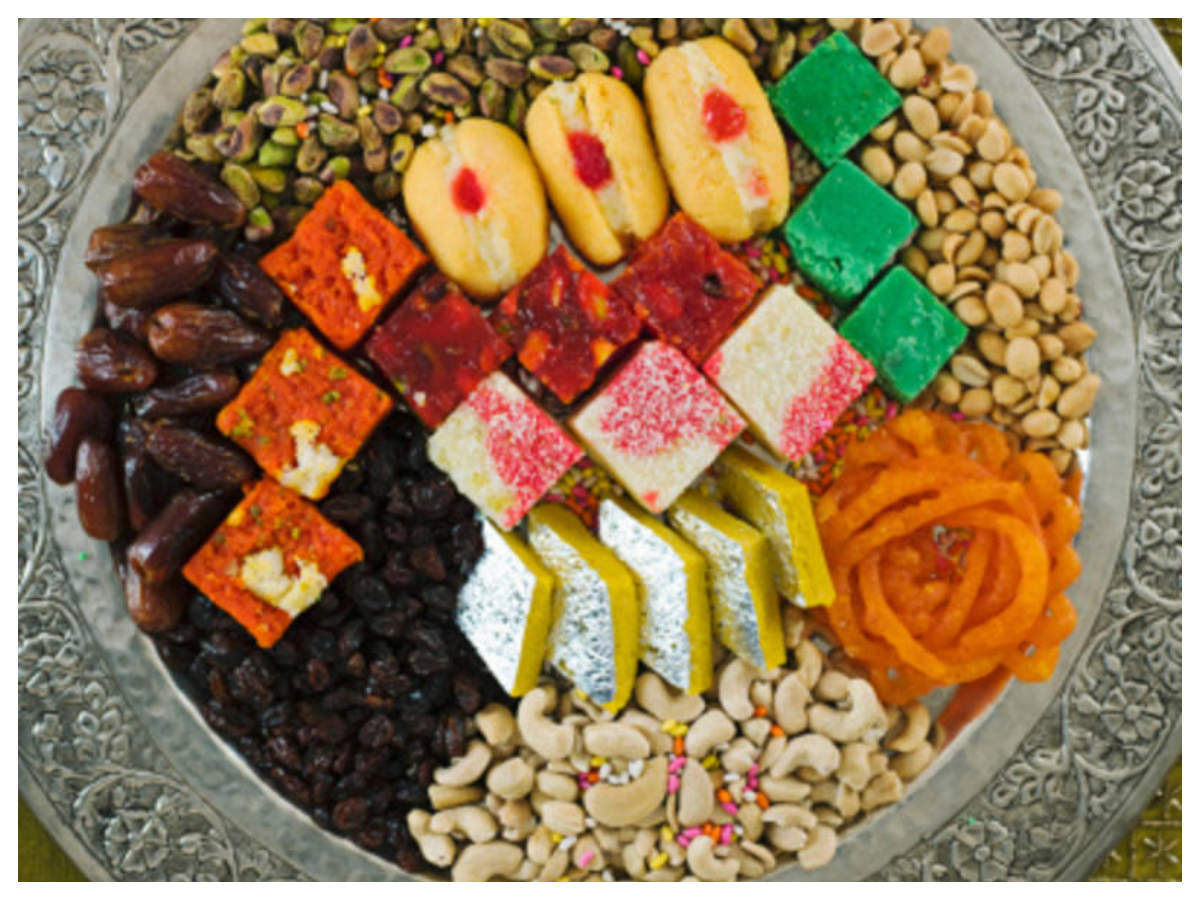
Diwali is not just a festival of lights, but of sweets and savouries too. In India, from Pooja rituals to gifting, every part of Diwali celebration involves a lot of sweets and that gives a lot of scope to the market players to fool you around. Wondering how? Well, the sweet shops are known for adulterating sweets to meet the demand. From milk to sugar, everything is adulterated and pose a threat to your health. Food experts and home chefs suggest indulging in homemade preparations like halwa, gulab jamun, besan barfi and coconut laddoo. They are easy to make and are least adulterated. Read this piece of information to know about the game of adulteration and you will realise why it is advisable to avoid store-bought sweets in Diwali.
02/8Sugar
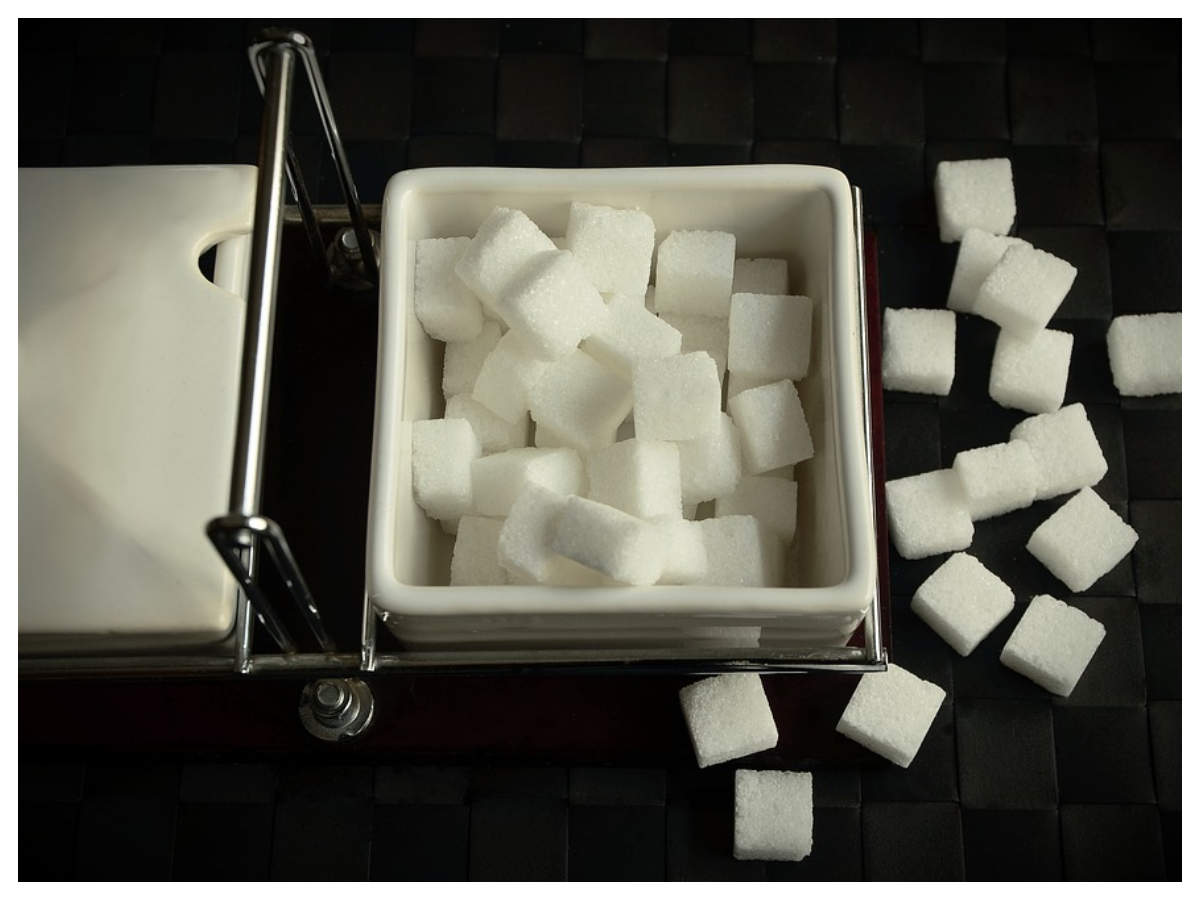
How can you think of sweets without sugar? And keeping the demand for sweets during festivals, market players have got a smart trick, where they add powdered chalk, washing soda or white sand to powdered sugar. Experts have found that these materials easily get dissolved in water or milk and can harm the throat and digestive system.
03/8Milk
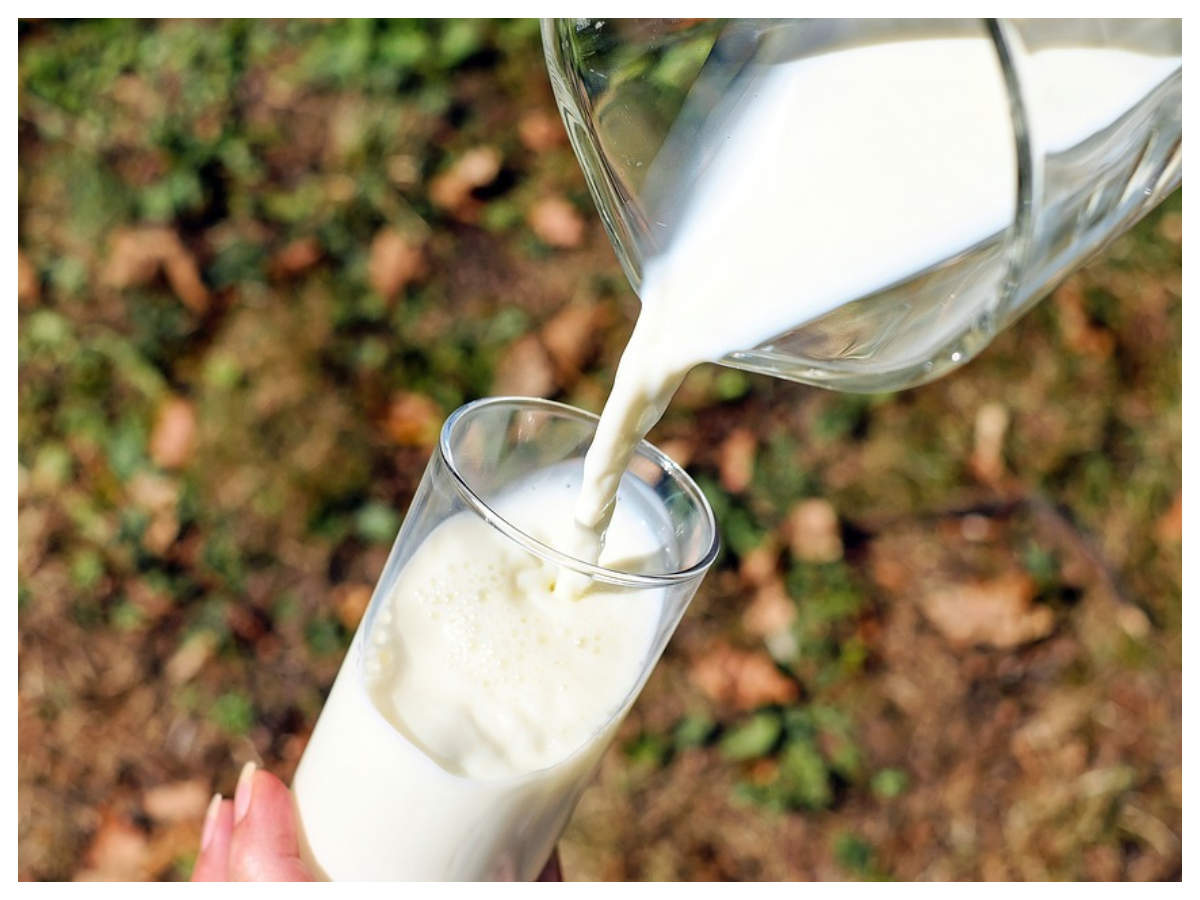
Indian sweets are incomplete without milk. And when it comes to festivals like Diwali, where sweets are an integral part of the celebration, the demand for milk spikes and this eventually leads to adulteration. These days market players not only add water, but other sub-standard ingredients like detergent, shampoo and even paint to the milk to meet the demand.
04/8Ghee and oil
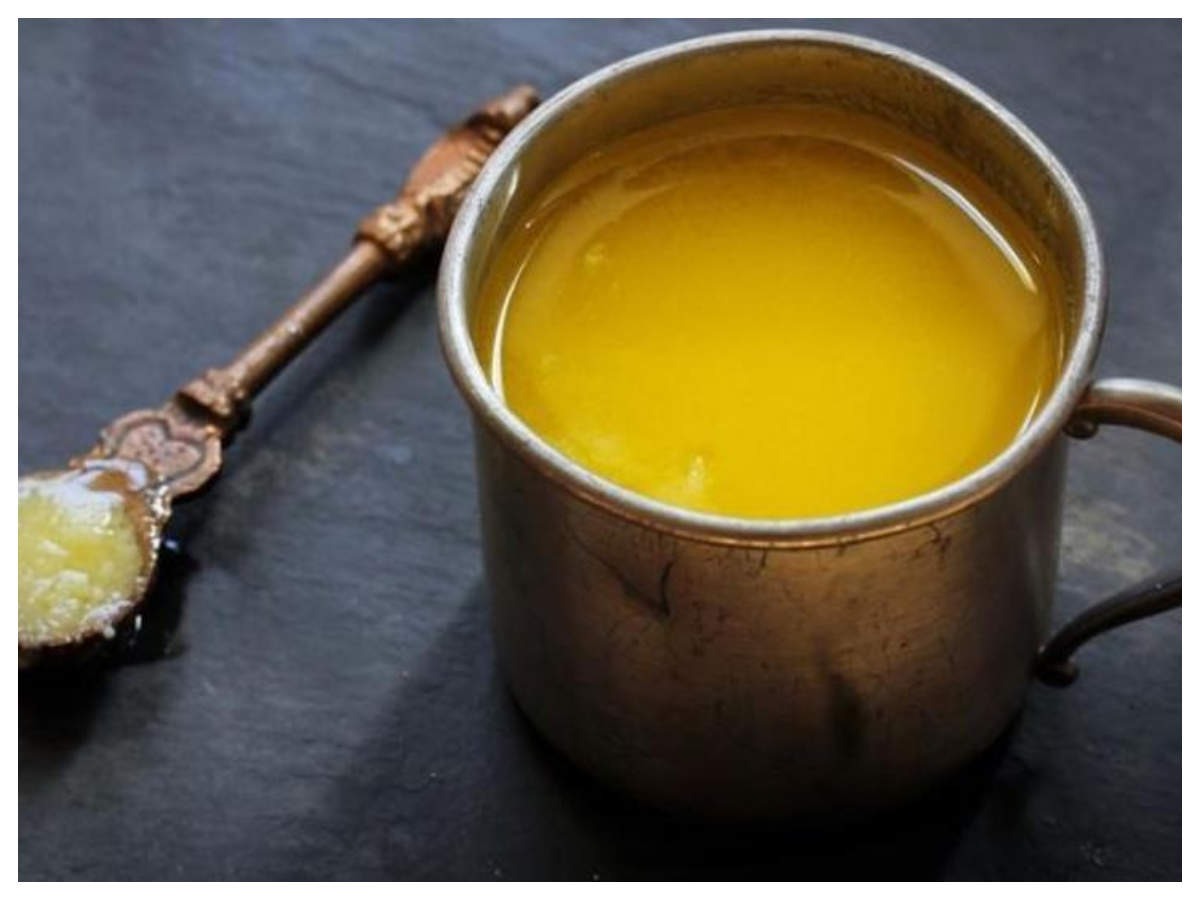
Indian sweets are generally made with refined oil or desi ghee. During festival time, market players adulterate the former with extracts of animal fat, cotton seeds and palm oil. This reduces the costing of oil and increases the profit margin. While the latter is adulterated with animal fat which increases the cholesterol, triglycerides levels in the human body.
05/8Paneer
We all know that paneer is made with milk and when the milk is adulterated with ingredients like water, shampoo and paint, it is quite obvious that the by-product will be equally harmful and dangerous as the key product. This is saddening because Diwali party is incomplete without delicacies like Matar Paneer, Shahi Paneer and channa based sweets.
06/8Artificial colours
Have you ever observed that during Diwali our very favourite Mootichoor Laddoo suddenly becomes very bright in colour? The credit goes to sub-standard artificial colour added to the boondi mixture. The besan is coloured with metanil yellow to give it an appealing look. You will be surprised to know that these days a chemical called Tartrazine is added to ghee to make it look like pure cow's ghee. The irony is, these non-permitted artificial colours can damage the nervous system. 
07/8Vark
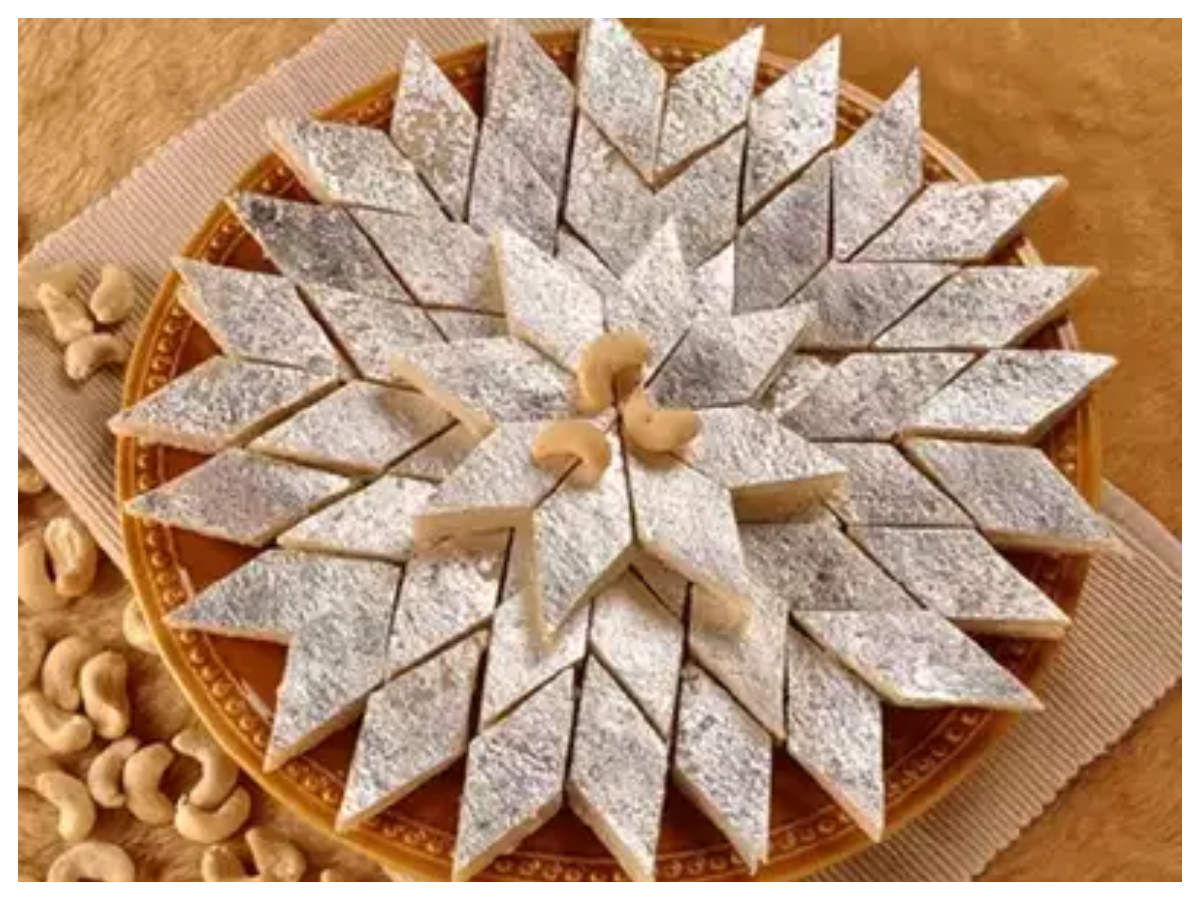
According to Food Safety and Standards Authority of India (FSSAI) silver used as a food ingredient must be 99.9 per cent pure, but these days sweets shop owners add aluminium to it, to make the dishes cost-effective. Experts warn eating Kaju Katli or Cham Cham topped with adulterated vark as they can lead to chronic illnesses like cancer, Alzheimer's etc in the long run.
08/8Mawa
Popular Diwali sweets use a lot of mawa and are often adulterated with starch. The consumption of such sweets results in indigestion. If we go by the reports, it can also lead to food poisoning.

Oct 24, 2019

DINAMALAR NEWS


DINAMANI NEWS


DINAKARAN NEWS


DINAMANI NEWS


DINAKARAN NEWS


DINAKARAN NEWS


DINAKARAN NEWS


DINAKARAN NEWS


DINAKARAN NEWS


DINAMALAR NEWS


Sweets yes, but sugar is not the flavour this festive season


70% of tainted veggies had banned pesticides


Ahmedabad: You rinse your veggies before cooking — rather than soaking them in lukewarm water — to quickly rid them of pesticides. You may have to sacrifice speed to protect your health. The Food Safety and Standards Authority of India (FSSAI) tested 1,739 vegetable samples from Gujarat and found that 251 had pesticide residues. 
Of the tainted samples, 176 — almost 70% — had residues of ‘non-approved’ or banned toxic pesticides. In 51 samples, the FSSAI found pesticides exceeding permissible limits. The report, ‘Monitoring of Pesticide Residues at National level’, was released on October 19.
Three national-level laboratories in Gujarat participated in the study. They were the labs of Anand Agricultural University; National Dairy Development Board, Anand; and Indian Council of Medical Research-National Institute of Occupational Health, Ahmedabad. Vegetable samples were collected from towns and cities including Ahmedabad, Dabhoi, Rajkot, Khambhat, Padra, Ankleshwar, Anand, Vadodara, and Kadi. Vegetables collected for sampling were brinjal, okra, tomato, cabbage, cauliflower, green chilli, capsicum, cucumber, green peas, and bitter gourd. 
The samples were collected from farms, organic farms, and APMC wholesale markets. The samples were collected between April, 2017, and March, 2018. Interestingly, Anand Agricultural University detected pesticide in a vegetable sample taken from an organic farm in Anand. Seventeen ‘non-approved’ pesticide residues were found in the vegetables.
Across the country, the FSSAI collected 23,660 samples for analysis. Pesticide residues were detected in 4,510 (19.1%). Residues in 523 (2.2 %) samples exceeded FSSAI limits.

Kerala to follow protocol to cap toxin in milk

In view of the findings, the state has decided to follow a standard protocol in cattle feed supplements and antibiotics
THIRUVANANTHAPURAM: Close on the heels of cancer-causing toxin Aflatoxin M1(AFM1) being detected in milk samples from Kerala, the state Food Safety Commissionerate has got into damage control mode. In view of the findings, the state has decided to follow a standard protocol in cattle feed supplements and antibiotics. 
The findings at the recently released National Milk Safety and Quality Survey 2018 by the Food Safety and Standards Authority of India (FSSAI), has also put the state’s dairy farmers in dismay. 
Out of the 187 samples collected from the state, 37 were tested positive for AFM1 residues. The state has the third highest level of toxin after Tamil Nadu and Delhi. As per the survey, the problem is seen more in processed milk than in raw milk. 
“Aflatoxins are poisonous substances produced by certain kinds of fungi. They can contaminate food crops and pose a serious health threat to humans and livestock. There are several types of aflatoxin. It is in areas where the poorest quality grain is used for animal feed that aflatoxin thrives,” said an officer of the Food Safety Department. 
According to him, studies have shown that AFM1 is the most significant toxin in milk and dairy products and what makes it a public health concern is that it is stable even at high temperatures and cannot be removed from milk by the heating processes. 
Issues due to the presence of aflatoxin and non-compliance for antibiotics is a serious matter. It was discussed during the meeting of the State Level Advisory Committee for Food Safety headed by the chief secretary last Saturday, said Food Safety Commissioner Rathan Kelkar. “A decision was taken to direct the Animal Husbandry Department to follow a standard protocol in cattle feed supplements and providing antibiotics to dairy cows,” he said. 
According to Kelkar, the presence of aflatoxin is mainly due to cattle feed. Also, the non-compliance for antibiotics might be due to the unscientific approach being followed by the dairy farmers. “Suppose a dairy cow has some ailment, and the farmer gives it medicines. Soon, he also starts milking the cow. The resultant antibiotic residues reach humans via milk and milk products. Thus we want the Animal Husbandry Department to act,” he added.

Oct 23, 2019

DINAMANI NEWS


DINAKARAN NEWS


DINAKARAN NEWS


DINAKARAN NEWS


DINAKARAN NEWS


DINAKARAN NEWS


DINAKARAN NEWS


FDA teams to step up inspection drives

Bhopal: The district administration will collect samples of sweets, namkeens and bakery items from shops across the city before Diwali.
Senior food safety officer DK Verma said that teams from the food and drug administration department on Tuesday collected samples of milk cakes from a shop near Lal Ghati, mawa and rasgullas from another shop in Royal Market, paneer from a dairy and besan from a grocery shop on Ayodhya Bypass.
Samples of malai burfis and namkeens were also taken from a shop at Jinsi in Jehangirabad. Food safety officials had collected nine samples on Monday as well.
Verma said that prompt action is being taken on complaints of sale of adulterated or substandard edibles and requested citizens to lodge complaints in this regard with food safety officials in their respective areas.
Verma further said that Bhopal stands first in terms of collection of samples ever since the drive against adulteration, now known as ‘Shudh ke liye yudh’ was undertaken on July 19. So far, a total of 440 samples have been taken for testing, which comes to roughly eight samples from different shops on a daily basis.

Are you drinking healthy milk? Findings of the National Milk Safety and Quality Survey explained

The FSSAI said that over 93 per cent of the milk samples tested were found to be safe for consumption. However, the agency said there are concerns over non-compliance on many quality parameters.
Of the 6,432 samples, 5976 samples or 93 per cent were found to be perfectly safe for consumption. | 
KEY HIGHLIGHTS
  • Just 12 out of 6,432 samples of milk were found adulterated
  • 368 samples were found to be contaminated with Aflatoxin M1
  • FSSAI says presence of ammonium sulphate in milk is natural and is not harmful for consumption
New Delhi: The largescale perception in India that the milk we are consuming is adulterated has been busted going by the FSSAI survey. The Food Safety and Standards Authority of India (FSSAI) has released its National Milk Safety and Quality Survey 2018.
According to the survey, just 12 out of 6,432 samples of milk were found adulterated. The survey was conducted in all states and Union Territories (UTs) between May 2018 and October 2018. Of these 12 adulterated samples, nine were from Telangana, two from Madhya Pradesh and one from Kerala.
Major survey finding
A major finding that emerged from the survey was the presence of a substance called 'Aflatoxin M1' in the milk samples. The presence of Aflatoxin M1 residues in the milk was found beyond permissible limits. 368 samples out of 6,432 were found contaminated with this residue. 
The presence of aflatoxin M1 in the milk is due to fodder, which is unregulated in the country. The top three states with the highest levels of aflatoxin include Tamil Nadu (88 of 551 samples), Delhi (38 of 262 samples) and Kerala (37 of 187 samples).
Antibiotic presence in milk
Not only Aflatoxin M1, the survey also found that some of the milk samples contained residues of antibiotics above permissible limits. The top three states with the highest levels of antibiotics were Madhya Pradesh, Maharashtra and Uttar Pradesh. In Kerala, one raw milk sample was found containing pesticide residue.
The last milk surveys conducted by FSSAI were in 2011 and 2016 with a sample size of 1,791 and 1,663 respectively. However, those surveys could not present a clear picture due to small sample sizes and different laboratories with no uniform procedure employed.
The food safety body also concluded that the presence of ammonium sulphate in milk is natural and is not harmful for consumption as opposed to previous conclusions that it was a contaminant. 
Of the 6,432 samples, 5,976 samples or 93 per cent were found to be perfectly safe for consumption. However, the survey indicated that 41 per cent of samples, though safe, fell short on one more parameter.
The survey further said that though the perception of adulteration in milk was busted, there are concerns over non-compliance on quality parameters, particularly in processed milk.
This non-compliance was found on account of low fat or low SNF (solids not fat). These are the two key quality parameters both in raw and processed milk.

Is the milk you are consuming actually safe?

1/5Food adulteration
Food safety has become a major concern in today’s world, for a lot of staples such as fruits, vegetables, dal, and milk are being sold after a number of potentially harmful substances have been added to them. Food adulteration is one of the most rampant health hazards, and certain adulterants can cause some serious problems.
02/5​Is your milk safe?
Milk is one of the most commonly adulterated foods. A number of substances like milk powder, water, and even detergent are added to milk to increase the quantity and enhance its shelf life. However, these aren’t even the most harmful things you can find in milk. Chemical contaminants like aflatoxin-M1, pesticides, and antibiotics are the real threat to health.
03/5​The FSSAI study
A comprehensive study that covered both organized and non-organized retailers was conducted by the Food Safety and Standards Authority of India (FSSAI) from May 2018 to October 2018. It examined 6432 milk samples from 1103 cities across the country, and although it was found that 97% of the samples were safe to consume, it was also found that around 7% of the samples were hazardous due to the presence of chemicals. Out of the 456 samples that failed quality tests, only 12 were found to have been deliberately adulterated.
04/5​The main concern
41% of the samples, though safe to consume, fell short of one parameter or another. The study showed that by and large, milk is safe to consume, and the common perception of daily use milk being largely adulterated is wrong. The most grave concern is the presence of the chemical aflatoxin-M1, which according to a World Health Organization (WHO) study can cause jaundice, acute liver failure, nausea, stunting in children, and can even lead to death.
05/5​The aftermath of the study


India is the world’s largest milk producer, and it is paramount to ensure that milk, which is an irreplaceable ingredient of our diet is safe to consume. To address the issue of the presence of harmful contaminants like aflatoxin-M1, the FSSAI will be introducing a scheme for testing and sampling organized dairy. The scheme will be implemented from 1st January, 2020.

Life-threatening toxin found in milk: Food safety survey

Aflatoxin M1 can be life threatening and can cause liver cancer, if taken in large doses. 41 per cent milk is of low quality
The Food Safety and Standards Authority of India (FSSAI) found traces of Aflatoxin M1 in some of milk samples it tested, as per a FSSAI report released on October 18. As many as 368 out of 6,432 samples (5.7 per cent) contained Aflatoxin M1 (a cancer-causing toxin) residues beyond the permissible limit, the report said. The report added that about 41 per cent of the milk samples, though safe, fell short on one or another quality standard.
Prime Minister Narendra Modi had said that safe wholesome and hygienic food will create ‘Swachh Bharat’, a campaign celebrated by the government with pomp and show. The presence of Aflatoxin M1 in milk gives a different picture though. “For the first time in India’s history, Aflatoxin M1 in milk has been assessed,” the report claimed.
The sample collected 2835 samples of raw milk and 2607 of processed milk. The toxin was found to be dominant in the latter than the former. Aflatoxin M1 can be life threatening and can cause liver cancer, if taken in large doses. FSSAI allows up to 0.5 µg/kg Aflatoxin M1 in milk. As many as 88 samples out of 551 in Tamil Nadu, 38 out of 262 in Delhi, 37 out of 187 in Kerala contained the toxin beyond permissible limits.
It also said that processed milk samples were found to have maltodextrin and sugar. These are not unsafe but are added to raise the level of fat and Sugar Not Fat (SNF) of milk. "This is not acceptable," read the report, quoting Pawan Aggarwal, the FSSAI CEO.
Both raw and processed milk samples have failed on account of low fat. "Such non-compliance in raw milk could be either be due to quality of feed and rearing practices or due to dilution of milk with water," the report read, adding that this non-compliance in standardised and processed milk is surprising.
"A total of 1024 raw milk samples were found with added water," the report read.
According to the 2011 Census report, per capita consumption of milk in India is 96 gram a day. On the Global Hunger Index (GHI) in 2000, India was ranked 83 out of 113 countries. Now, with 117 countries in the fray, the country has dropped to the 102th rank.
The report was released just two days after World Food Day, i.e. October 16.