
Sep 12, 2019


Drive against single-use plastic to be intensified: Collector
District Collector A.Shanmuga Sundram issuing pamplets to raise awarness against single-use plastics at Nethaji market in Vellore on Wednesday.
Awareness campaign for vendors held at Nethaji market
The district administration of Vellore would intensify its drive against usage of single-use plastic items such as bags and cups, said Collector A. Shanmuga Sundram
While launching an awareness campaign on the ban on usage of such articles among the traders in Nethaji Flower, Vegetable and Fruit market in Vellore on Wednesday, the Collector announced that violators would be booked and maximum punishment would be meted out to them. He interacted with the fruit and flower vendors in the market, asking them to discourage the use of plastic bags, as they were dangerous to the environment.
He added that though action is being taken on the usage of banned plastic items, they were being smuggled into the State from neighbouring States where there is no ban on manufacturing or trading.
“We have instructed food safety officers and municipal officials to intensify their drive against the usage of plastics and reports of action taken are regularly sought from them ,” Mr. Shanmuga Sundram said.
He distributed cloth bags and pamphlets reading with messages on the ill-effects of using plastic items and urged them to use alternative materials as suggested in the manual. Vellore City Municipal Corporation Commissioner, S. Sivasubramanian,
DRDA Project Director P. Periasamy, Municipal Health Officer T. Manivannan and Sanitary Inspector Sivakumar participated in the campaign.
Throwaway plastics
Officials of Vellore City Municipal Corporation and Food Safety department have intensified the drive against 14 throwaway plastic items banned by the state government.
“Officials have been visiting shops and seizing banned plastic on a regular basis. The election work came in the way. But it was once again started vigorously. We are regularly sending reports on the plastic seizure,” said an official.
The ‘Swachhata Hi Seva’ campaign launched by Prime Minister Narendra Modi aims at accelerating the momentum of Swachh Bharat in the run-up to its 4th anniversary.
It also aims at laying down the foundation of sustainability, reinforcing the concept of “sanitation as everyone’s business”, and commencing Mahatma Gandhi’s 150th birth year celebrations with a nationwide campaign.
Kids at govt schools to enjoy nutritious milk from today

The nutritious powder will be mixed with milk given to kids twice a week under the Ksheera Bhagya scheme.
Over 42,000 children from government and aided schools will get to savour a flavoured and multivitamin ‘health drink’ from Thursday onwards, thanks
to two private trust introducing it.
Adamya Chetana Trust, in association with Sri Satya Sai Annapoorna Trust, based in Muddenahalli in Chikkaballapura district, is introducing a ‘Sai sure multivitamin micronutrition powder’, which will be mixed with the milk provided to the kids twice a week under Ksheera Bhagya scheme.
The scheme has already been introduced in few districts, including Chikkaballapura, Ramanagara, Mandya, Kalaburugi, Tumakuru and Bengaluru Rural.
In Bengaluru, the Minister for Primary and Secondary Education S Suresh Kumar will launch the scheme on Thursday.
“Following the positive result of the powder on children’s health, we submitted the post-health analysis report to the state department of primary and secondary education, which decided to extend the scheme further,” said Anand Kumar, general secretary of Sri Satya Sai Annapoorna Trust.
Choco, almond flavours
The scheme was first introduced in Chikkaballapura district on a pilot basis. After a year, the haemoglobin level in the kids saw an improvement. Encouraged by the development, the trust sought the education department’s permission to extend the scheme to other districts.
The powder comes in chocolate and almond flavours.
“It is just a powder, unlike any other health drink mix the kids consume at home. Here our partners will mix the powder with hot milk and supply it to schools directly,” said Kumar.
This nutritious powder has got the clearance from the Food Safety and Standards Authority of India (FSSAI). A group of 20 nutritionists and paediatricians also recommended some improvement to the powder. “Based on the suggestions, we prepared a formula,” Kumar added.
Meanwhile, Sri Satya Sai Annapoorna Trust has already implemented the scheme at schools in some parts of Tamil Nadu, Andhra Pradesh and Telangana.
FSSAI allows hotels to replace plastic drinking water bottles with glass bottles
The experts dealing with plastic-related issues in FSSAI examined the feasibility of the move, and gave the nod.

The food and consumer affairs ministry has also asked the packaged-water industry to come up with suggestions for alternatives to plastic bottles.
In a move aimed at reducing plastic waste, the Food Safety and Standards Authority of India (FSSAI), has said hotels can replace plastic bottles with paper-sealed glass bottles for in-house guests as long as water safety standards are met and the bottles are not sold, according to a circular issued by the food regulator.
The circular dated September 9, a copy of which has been seen by HT, was issued following a representation made by the hotels to the FSSAI a few weeks ago seeking permission to serve water in glass bottles to in-house guests.
“The Taj group of hotels approached us asking if they could serve their guests glass bottled water from their own plants instead of packaged plastic drinking water bottles. We accepted the request for consideration and asked our committee that already deals with issues related to plastics to look into it. The committee gave the go-ahead,” said Pawan Agarwal, chief executive officer, FSSAI.
The experts dealing with plastic-related issues in FSSAI examined the feasibility of the move, and gave the nod.
“…At present hotels across the country serve packaged drinking water in plastic bottles. The overall consumption of plastic bottles used in hotels results in considerable plastic wastage. Taking cognisance of this, it has been decided to allow to serve drinking water in paper sealed reusable glass bottles for captive use within the hotel premises…,” the FSSAI circular reads.
Agarwal says, “In the larger interest of the safety of our environment, we have allowed it not just for the Taj group of hotels [but also] other five or four-star hotels also who are willing, and prepared, to start making the transition. It’s just the beginning; gradually the practice would need to be followed by the entire industry including the caterers,” he added.
A Taj spokesperson confirmed they had approached FSSAI.
“The Indian Hotels Company Limited (IHCL) in its endeavour to address the growing plastic menace, pledged on the occasion of Earth Hour 2018 to phase out single-use plastics from all its hotels so as to play a significant role towards protecting the environment…,” the spokesperson said in a statement.
“Sometime early this year we undertook to phasing out single use plastic in our rooms across the group. First phase of which included some of our hotels participating in a plastic elimination challenge — to give up plastic usage through innovative solutions. Many of our hotels have reduced usage of plastic by replacing wrapped dry amities in rooms, such as toothbrush, shaving kit etc. with eco-friendly substitutes.”
According to the circular, the hotels will need to set-up in-house drinking water bottling systems on their premises, and follow the sanitation and hygiene practices; the water served shall conform to BIS specifications for drinking water, and the bottles must not be for sale and served free to guests.
“Our inspectors will keep checking the bottling system to see if the water being served is safe to drink,” said Agarwal.
The food and consumer affairs ministry has also asked the packaged-water industry to come up with suggestions for alternatives to plastic bottles.
Prime Minister Narendra Modi had on Monday reiterated India’s resolve to tackle the problem of plastic waste at the 14th Conference of Parties to the United Nations Convention to Combat Desertification (UNCCD) at Greater Noida.
Chennai’s Murugan Idli Shop: Unhygienic kitchen lands popular restaurant chain in trouble
Officials from the Department of Food Safety and Drugs Administration have temporarily suspended the license of Murugan Idli Shop's central kitchen and issued a notice to the restaurant's Parrys Corner outlet.
Restaurant’s central kitchen had its license suspended on Tuesday for failing to comply with sanitation and hygiene standards.
The Murugan Idli Shop, a popular chain of vegetarian restaurants in Chennai found itself in a soup on Tuesday after the license of the restaurant’s central kitchen in Ambattur Industrial Estate was suspended over lax hygiene and sanitation.
Officials from the Tiruvallur division of the Department of Food Safety and Drugs Administration suspended the license of Murugan Idli’s central kitchen on September 10 after the restaurant had neglected to address several issues which had been raised under the Food Safety Act in the recent past.
“We had visited the kitchen around 40 days ago and raised red flags on the kitchen’s hygiene standards to the manager. We gave him time to rectify the same but he has not complied with the rules. We then issued a show-cause notice to the manager but he has not submitted any reports or taken any action. Based on this, we have suspended operations,” an official from the department’s Tiruvallur division told indianexpress.com.
The official elaborated that certain norms pertaining to hygiene and sanitation, such as periodical medical check-ups of the staff, distribution of caps and gloves to kitchen staff, pest control, white-washing of walls, repairing broken flooring, proper handling of items in storage and maintenance of dish-washer had not been followed at the kitchen.
While the license has been suspended temporarily, the official could not comment on the time period within which the suspension will be revoked.
Likewise, a Murugan Idli Shop outlet at Parry’s Corner was issued a notice by officials from the Chennai division of the Department of Food Safety and Drugs Administration based on a complaint filed by a customer after worms were discovered in the meal.
“We have issued a notice to the restaurant under Section 55 (failure to comply with directions of the food safety officer) of the Food Safety and Standards Act, 2006,” said an officer from the Chennai division. “The main issue with the outlet is that pest control is not periodical and hygiene and sanitation is not up to the mark,” he added.
The officer said that if the restaurant failed to address the issue, the department will be forced to take action accordingly.
Customers of the food outlet were surprised upon hearing that the restaurant’s license had been suspended over poor hygiene in the central kitchen.
“Murugan Idli Shop has always been hygienic when compared to most places in the city. I am surprised that they were given such a notice”, Subbalakshmi, a regular at the restaurant said.
“As a consumer I feel slightly apprehensive but in the years that I have been there they have always been great. Not necessarily the most hygienic place but it is not going to be a dealbreaker – it is Murugan after all. Also depends on which outlet you go to, right? The T Nagar one is quite clean”, said Rahul Aripaka, another longtime customer of the restaurant.
Awareness campaign of safe food, healthy drives held
A one-day special awareness and IEC campaign on “safe food and healthy diets’ was held today at Tamenglong Bazaar.
The campaign was led by designated officer, Food Safety Administration, Tamenglong, Th. Sunilkumar Singh.
During the awareness campaign which was conducted in the midst of public cries of plastic eggs and rice in the district, spot testing of food were also conducted. And during one such visit to a tea hotel at Tamenglong bazaar run by a non-local, it was found that the hotel was under permissible hygienic standards. In regard to this, the Food safety department has issued a show cause notice that the hotel needs to be repaired as per the guidelines of food safety rules.
The Food safety department also conducted spot testing on eggs and fruit juices amongst others; and a huge number of people turned up for the testing. On visiting the women market at Tamenglong, some women were food selling yellow ginger powders without proper cover. The officials from the Food safety department instructed all women to properly cover or pack their wares properly.
Speaking to the media, Th. Sunilkumar Singh said that the awareness campaign will be conducted or reach out to all the sub- divisions of the district. “People of Tamenglong need to be aware that all shops selling consumable items are liable to maintain standards of hygiene and adulteration is an offence,” he added.


Sep 10, 2019


Biodiesel from used cooking oil soon
Coimbatore: The food safety department has launched a survey to estimate the quantity of used oil generated by food vendors, including restaurants and bakeries, in the district.
The department plans to identify entrepreneurs, who can collect used cooking oil and convert it into biofuel or biodiesel that can be used to run vehicles and machines.
Restaurants and bakeries now sell used oil to street food vendors or dump it in garbage or pour it into water bodies. Street vendors reuse it for frying. However, consumption of such food leads to health hazards like increased cholesterol, acidity and risk of cancer.
The department had called restaurateurs and bakery owners for a meeting early this month and asked them to keep a tab on the amount of cooking oil consumed and disposed daily. “We also asked food safety officers in all zones and blocks to visit restaurants and bakeries and collect the data,” designated food safety officer Tamilselvan said. “We will approach the food business operators, who are using more than 50 litres of oil, to collect the data and prepare a final estimate on the amount of oil used for frying and that disposed a day.”
Once they have the numbers, the officials plan to identify agencies, companies, entrepreneurs and NGOs, who have the technology to convert used oil into biofuel. “The Food Safety and Standards Authority of India (FSSAI) had launched the concept of repurpose used cooking oil (Ruco). It had shown examples of entrepreneurs in other parts of the country making biofuel. We need to find companies in our vicinity that can do it,” Tamilselvan told TOI.
The FSSAI website highlights the case of a Haryana-based entrepreneur, who is converting 5,000 litres of used oil into biofuel a day. The company uses transesterification process. It can convert vegetable oil and animal fat into biofuel. The product is sold to fuel producers and residential areas to run electric generators.
“While the concept is new to us, we plan to explore options once we have the estimates,” the officer added.
Aavin working to get food safety system certification
Stage I audit has been completed for three city dairies
In keeping with industry standards, Aavin has embarked upon food safety system certification for its dairies at Ambattur, Madhavaram and Sholinganallur that supply mainly to the city.
The dairies already have have ISO 9001:2005, HACCP certification (Hazard Analysis Critical Control Point is an internationally accepted technique for preventing microbiological, chemical and physical contamination along the food supply chain) and FSSC 22000 certification.
“Stage I audit has been completed for these dairies. Recently, our Tiruvannamalai dairy that also has the capability to process milk into whole milk powder and butter, got the FSSC 22000 certification — Food Safety System Certification,” explained C. Kamaraj, Managing Director, Aavin.
For safe products
“This is a certification of our food safety management system that provides assurance to consumers that we have implemented systems that consistently provide safe products. The certificate for the Tiruvannamalai plant that also processes ghee is valid till July 30, 2022,” he said.
This certification, the latest version of international standards, provides Aavin a systematic method for analysing food processes, determining possible hazards, and designating the critical control points. The steps are necessary to prevent unsafe food from reaching the consumer, he said. It also helps Aavin to increase its customer base, especially among foreign customers, he said. “The U.S. and other countries have this certification as a requirement for food products. The Global Food Safety Initiative recognises this system too,” he said.
The Tamil Nadu Cooperative Milk Producers Federation, whose brand is Aavin, has been ensuring certification at all its dairies to provide quality food products to consumers. “We began five years ago and all our dairies have some kind of certification and we constantly upgrade them to ensure quality, which is very important in the food industry. The dairy at Tiruvannamalai also has an export licence for milk powder and ghee,” Mr. Kamaraj said.
In the south, only Karnataka’s cooperative dairy federation has FSSC 2200 certification, he added.
Eateries’ thumbs up to hygiene norms
Kolkata: Eating out will be safer and only the best restaurants will survive once the Food Safety and Standards Authority of India (FSSAI) rules are enforced, felt restaurant owners in Kolkata. The rules will make it mandatory for eateries to display their hygiene ratings.
While some of the regulations could be difficult to follow — especially for the smaller operators — they will definitely boost standards. The FSSAI on Thursday announced that hygiene ratings will be given to restaurants based on the extent of their compliance with the recommended safety standards.
“This is a positive move and will help customers choose the right place for a meal. Once you have the ratings, there will be no doubt about the hygienic standard of the food. We believe that a restaurant should also be assessed on its hygiene standards,” said Hotel and Restaurants’ Association of Eastern India (HRAEI) executive committee member Sudesh Poddar.
Even though hygiene norms have never been an issue for prominent restaurants in Kolkata, the display of ratings will prevent even minor slip-ups, said Nitin Kothari, owner of the iconic Mocambo and Peter Cat on Park Street. “This will make every restaurant more conscious of their hygiene and cleanliness standards. Moreover, consumers will now have an idea about the hygiene and safety of the food that they are going to be served. It is their right as they are paying for it. We expect the display of ratings to lead to an overall improvement in safety and quality standards,” said Kothari.
While some of the FSSAI norms could be difficult to implement, they were certainly aimed at raising the bar, felt Chili’s owner Hrishi Bajoria. “It’s a good move and will keep everyone on their toes. I have gone through some of the recommendations and they seem to be logical. My only wish is that the norms should be enforced positively and not with an intent to harass,” Bajoria said. He added that being part of a global chain of eateries, Chili’s adheres to even stricter hygiene norms than the FSSAI recommendations.
A Park Street restaurant owner said small roadside eateries that have mushroomed over the last few years and depend on food delivery apps for business could find it difficult to stick to the norms. “Many of them don’t even have a proper kitchen. So, following the FSSAI guidelines may be impossible for them. But that can’t be an excuse to compromise on hygiene,” he said.
Several countries have made it mandatory to display hygiene ratings, pointed out Kothari. “Even street food vendors are made to follow safety norms abroad. This could be a huge step towards raising awareness about the need to serve healthy food,” Kothari added.
Zarine Tangree, owner of Olypub on Park Street, too, lauded the move saying it will help restaurants add to their credibility. “Those who follow good hygiene standards will gain from this. The rest will now be identified and forced to improve,” Tangree said.
FDA crackdown reaches mall, lens on non-veg items
Bhopal: Continuing its crackdown against adulteration, a team of food and drug administration (FDA) on Monday, inspected the fruits and edibles being sold at a city mall and collected samples.
While inspecting a store at the mall, the team found that apples with wax coating are being sold, without any disclaimer or label indicating the same.
Senior food safety officer from Bhopal, DK Verma, said that the Food Safety Act makes it mandatory for a seller to declare to the customers that the fruits being sold are wax-coated.
Only three types of wax are permitted on fruits — bees wax, carnauba wax and shellac wax. Use of paraffin wax is banned, he said.
The store selling the wax-coated apples admitted to the mistake and immediately put up a display board after the inspection. Samples were collected to check the purity of ghee and besan ladoos being sold at the store, said an official. FDA has also started inspecting shops selling non-vegetarian food products. Verma said, sale of a few species of fish is banned during monsoon.
Information on sshops selling those species would be sent to the fisheries department, he said. A second FDA team, meanwhile, was collecting samples of paneer and ghee from Kolar.
Officials said, Rajeev Gupta, owner of a chilling plant at Lahar in Bhind district, who was absconding ever since his plant was raided by the Special Task Force (STF) on July 19, surrendered before a civil court on Monday. The court ordered his arrest and handed him over to STF on remand till September 12.
Food supplied to anganwadis found unfit for consumption

A fine of Rs 20,000 was imposed on those officials responsible for supplying unfit food items to anganwadi centres.
At a time when the state and central governments have come under fire over malnutrition of children, a recent report by food safety authorities has found glaring violations at a food production centre with staples like wheat flour containing live insects.
For years, food being supplied to anganwadis would pass rigorous testing by the FSSAI.
That changed this month when state authorities found food items so poor in quality that some were even deemed “unsafe.”
Testing of samples collected at Banavara, outside Bengaluru, by the Food Safety and Standards Authority of India (FSSAI) found that usually, containers of sambar powder, rice, rice flour, ragi, moong dal and sugar passed with the usual notations of “satisfactory.”
But then, inspectors began to find living insects in stocks of tur dal, groundnut seeds and cleaned wheat, coupled with the presence of a dangerous chemical in stocks of mustard, plus excess fat in soya flour.
Staff members of the Mahila Supplementary Nutrition Production and Training Centres (MSPTCs), who had supplied the items, were booked under Section 56 of the Food Standards and Safety Act, 2006.
Rs 20k fine imposed
A fine of Rs 20,000 was also imposed on those officials responsible for supplying food items to anganwadis.
“This is the first negative report we have recieved in the last two years. Food materials from the 137 centres are checked every month. Following the report, we have increased vigilance,” an official said.
Family health survey
The discovery comes at a time when there has been renewed focus on the problem of malnutrition in the state.The 2015-16 National Family Health Survey determined that Karnataka is among the worst-affected states when it comes to malnutrition in south India, with 36.2% of children under the age of 5 being stunted and 26.1% of children under 5 being weak. A further 10.5% of children 5 were classified as severely weak.
State malnutrition figures released by the Department of Women and Children in April, which includes statistics from 15 districts, showed varying levels of malnutrition among children in the age group of 0-6 years, belonging to economically weaker sections of the society. Koppal district tops the list with a malnutrition rate of 29.9% in January 2019.
Kerala's action plan to fight trans fat with World Bank, WHO

THIRUVANANTHAPURAM: Fast-tracking its efforts to eliminate industrially produced trans fat from the food items sold in the state, the Commissionerate of Food Safety is giving final touches to an action plan. As per sources, it will be finalised within a week and handed over to the World Bank (WB), and World Health Organisation (WHO) for feedback. Meanwhile, to coordinate various activities being planned and for enforcement, the Commissionerate has also appointed an officer at the state level.
“At the national level, the Food Safety and Standards Authority of India (FSSAI) is in the process of reducing the industrially produced trans-fatty acids to less than two per cent by 2022. The state is working towards achieving this target a year before,” said Rathan U Kelkar, Commissioner of Food Safety. According to him, the state has adopted a three-pronged strategy to combat the scourge of trans fat and that includes a random sampling of food items, creating awareness among stakeholders and enforcement.
“We had some meetings with the stakeholders like bakers, hotels and restaurant association and manufacturers of pickles. While they have assured us that they will reduce the trans fat, sugar and salt content in food items in a time-bound manner, they are yet to give us a timeline. We had asked them to come out with a timeline on when they could achieve it,” added Rathan.
At the same time, of the 134 samples collected by the Food Safety Department from Ernakulam and Kozhikode districts, it has been found that more than 75 per cent had trans fat which is beyond the permissible limit. In India, the current permitted level of trans fat is 5 per cent.
The other major study about trans fat is currently under way at the Government Medical College, Thiruvananthapuram. Here, the Department of Community Medicine is engaged in a sample collection drive, as part of a nation-wide study mooted by the Indian Council of Medical Research (ICMR), for finding the content of trans fatty acids, salt and sugar in snack foods, baked foods and fried foods and the rate of morbidity due to the same.
“The study – Consumption Pattern of Food and Food Products High in Fat, Salt and Sugar – is part of ICMR’s plan to come out with new dietary guidelines for India. As part of the study, dietary details, status of noncommunicable diseases and lifestyle profile of persons will be collected. We got intimation it has been extended to December,” said Dr P S Indu, head of the Department of Community Medicine and principal investigator of the study.

Sep 9, 2019


Eateries’ thumbs up to hygiene norms
Kolkata: Eating out will be safer and only the best restaurants will survive once the Food Safety and Standards Authority of India (FSSAI) rules are enforced, felt restaurant owners in Kolkata. The rules will make it mandatory for eateries to display their hygiene ratings.
While some of the regulations could be difficult to follow — especially for the smaller operators — they will definitely boost standards. The FSSAI on Thursday announced that hygiene ratings will be given to restaurants based on the extent of their compliance with the recommended safety standards.
“This is a positive move and will help customers choose the right place for a meal. Once you have the ratings, there will be no doubt about the hygienic standard of the food. We believe that a restaurant should also be assessed on its hygiene standards,” said Hotel and Restaurants’ Association of Eastern India (HRAEI) executive committee member Sudesh Poddar.
Even though hygiene norms have never been an issue for prominent restaurants in Kolkata, the display of ratings will prevent even minor slip-ups, said Nitin Kothari, owner of the iconic Mocambo and Peter Cat on Park Street. “This will make every restaurant more conscious of their hygiene and cleanliness standards. Moreover, consumers will now have an idea about the hygiene and safety of the food that they are going to be served. It is their right as they are paying for it. We expect the display of ratings to lead to an overall improvement in safety and quality standards,” said Kothari.
While some of the FSSAI norms could be difficult to implement, they were certainly aimed at raising the bar, felt Chili’s owner Hrishi Bajoria. “It’s a good move and will keep everyone on their toes. I have gone through some of the recommendations and they seem to be logical. My only wish is that the norms should be enforced positively and not with an intent to harass,” Bajoria said. He added that being part of a global chain of eateries, Chili’s adheres to even stricter hygiene norms than the FSSAI recommendations.
A Park Street restaurant owner said small roadside eateries that have mushroomed over the last few years and depend on food delivery apps for business could find it difficult to stick to the norms. “Many of them don’t even have a proper kitchen. So, following the FSSAI guidelines may be impossible for them. But that can’t be an excuse to compromise on hygiene,” he said.
Several countries have made it mandatory to display hygiene ratings, pointed out Kothari. “Even street food vendors are made to follow safety norms abroad. This could be a huge step towards raising awareness about the need to serve healthy food,” Kothari added.
Zarine Tangree, owner of Olypub on Park Street, too, lauded the move saying it will help restaurants add to their credibility. “Those who follow good hygiene standards will gain from this. The rest will now be identified and forced to improve,” Tangree said.
Sep 8, 2019
Say no to hunger
Volunteers of No Food Waste distributing food to destitute people at Tiruchi
The world sits up and takes notice when surplus food feeds the hungry, instead of ending up in the bin, say volunteers of No Food Waste
How often do we think of surplus food that has gone untouched at a wedding banquet, restaurant or office canteen. What happens to the leftovers?
Coimbatore resident G Padmanabhan and his friends Sudhakar Mohan and N Balaji began No Food Waste (NFW) in 2014 with the aim of redistributing this surplus food to the needy. Ever since, their effort — supported by a network of 12,000 volunteers in Tamil Nadu, Telengana and Kerala — has been gaining momentum.
Info you can use
No Food Waste has chapters in Coimbatore, Chennai, Erode, Dharmapuri, Salem, Tiruchi, Tiruneveli and Tirupur (in Tamil Nadu); Thiruvananthapuram (Kerala); Tadepalligudem (Telegana). There are plans to begin chapters in Thanjavur and Pudukottai district
To contact them, call 9087790877 or visit their website nofoodwaste.in or their FB page www.facebook.com/nofoodwaste.in/
“Like my NFW colleagues, I too have had a very personal experience of hunger. While we cannot eradicate it completely, we can at least try to save some of the perfectly edible food from being sent to the landfill,” says Padmanabhan, who won the Commonwealth Youth Award for the Asia region in March this year.
NFW targets three sectors where food wastage is common: banquets at social functions, corporate canteens and hotels. “People have become accustomed to inviting people in large numbers. And when guests fail to turn up, a lot of food goes unserved. A small marriage gathering in Coimbatore, for example, can see 30% of the meal untouched. In Chennai, we collect up to 800 plates per day in staff canteens,” he says.
Volunteers of No Food Waste collecting eatables during Aadi Perukku
A phone call to a centralised query desk in Coimbatore alerts NFW to a possible food pick-up. The city-specific NFW coordinator is asked to get his or her team of volunteers together, collect food from the donors, check it for quality, and then redistribute it in designated ‘hunger spots’ there. The actual coordination can be a logistical challenge, especially on muhurtham or auspicious days when the social functions are at a peak. In such cases, NFW directs donors to the place where they may bring their leftovers.
“It’s not just cooked food, but also pre-cut vegetables, dough and batter that get left over,” says AP Ramakrishnan, the NFW coordinator in Tiruchi. “At a recent event, we were notified of about 500 plates of cooked food but, when we went there, we also found 50 kilos of chapati dough that was going to be thrown into the trash. Luckily we were able to stop that in time.”
A GPS-enabled mobile app allows the public to get through to NFW faster. Besides this, some NFW chapters have got F&B ATMs where eateries can leave their excess food for donation in a street refrigerator. Diners can donate the F&B coupons given by the restaurant to needy people on the street.
Keeping an eye out for rancid food is another challenge. “Food items, especially vegetarian dishes that contain fresh coconut, have a tendency to go bad in the heat. So we try and distribute them within an hour of preparation because we cannot risk food poisoning. Our volunteers don’t accept anything that may endanger the health of the recipients,” says Ramakrishnan.
With the ban on single-use disposable vessels, NFW has shifted to serving food on plantain leaves. People are also allowed to bring their own containers to take food home.
A gift of food can move people to tears, he says. “Very often, in Gandhi Market, poor people who weren’t expecting a meal that day become very emotional when we give them food. Some even break into songs of praise for us.”
While a city like Tiruchi has around 150 marriage halls, the NFW team here can access only around 10-15 establishments in a day. Despite this, some 7,000-10,000 needy people in the city are able to get food through NFW per month.
Padmanabhan says that NFW is testing a new idea of zone-level food recovery based on road access and traffic. “We have divided Chennai into 15 zones, of which six are functioning perfectly. Similarly in Coimbatore, we have five zones, of which three are operational. In each zone, a team of local volunteers is put in charge of collecting and redistributing the food. NFW will roll out the same plan in the other centres soon,” he adds.
NFW has also been working closely with Food Safety and Standards Authority of India (FSSAI). “A new regulation has made it mandatory for hotels and caterers to register with a food recovery organisation in their city, which will make it easier for us to control wastage,” says Padmanabhan. “A lot of effort goes into producing food. At the same time, you have to work hard to make it reach the right hands.”
Padmanaban Gopalan (right), founder of No Food Waste, receiving the National Youth Award from Kiren Rijiju, Minister of Youth Affairs and Sports
NFW’s work has been gaining recognition abroad as well. In 2018, Padmanabhan was invited to give a presentation at the World Food Prize organisation in Des Moine, Iowa (United States). He participated in the Hunger Summit held in London this year. The food recovery start-up has also been approached by The Global Food Banking Network based in Chicago for a possible membership.
“Hunger is a universal impulse. There are many hurdles that we have to overcome before we bring food to a needy person. But, at the end of the day, when we see the WhatsApp group of every city, which tells us how many people have been fed, it makes it worth the while,” says Padmanabhan.
52 restaurants closed down after food safety raids

THIRUVANANTHAPURAM: The food safety department has closed down 52 hotels and restaurants for norms violations and substandard hygienic conditions in addition to imposing a fine of around Rs 18 lakh. As part of the ongoing food safety raids in view of Onam season, inspections were carried out at 4,625 establishments. Of which, notices were served to 1,722 establishments. A fine of Rs 17.99 lakh was collected from 252 establishments.
The number of establishments inspected, fine imposed and closed down, in each district are given as follows: Thiruvananthapuram (Rs 1.68 lakh from 375 establishments. Notice to 220 and 11 closed down), Kollam (Notice to 156 and 9 closed down), Pathanamthitta (Notice to 84 and 1 closed down), Alappuzha (Notice to 129 and 8 closed down), Kottayam (1 closed down), Idukki (Notice to 48), Ernakulam (Notice to 218 and 12 closed down), Thrissur (Notice to 34), Palakkad (Notice to 106 and 2 closed down), Malappuram (Notice to 194 and 5 closed down), Kozhikode (Notice to 146 and 3 closed down), Wayanad (Notice to 52), Kannur (Notice to 136) and Kasaragod (Notice to 78). Statewide raids would continue in coming days as well, said the food safety commissioner.
A major step towards food safety in India
An outdoor eatery in Pushkar. The Food Safety and Standards of India will now make it mandatory for food vendors to display food hygiene ratings.
The country’s apex food regulator is taking a major step towards improving food safety and hygiene standards in India.
As the Centre launches a large-scale campaign to promote healthy eating in India, it has been announced that 1.7 lakh inspectors have been trained by the Food Safety and Standards Authority of India (FSSAI) over a two-year period. The goal is to ensure uniformity of standards among India’s food retailers, including hotels and restaurants. These vendors will now be required by law to display food hygiene ratings based on supervisors’ rankings.
“The FSSAI has trained about 1.7 lakh food safety supervisors for capacity building under the Food Safety Training and Certification initiative. They will ask people and food vendors to comply with the food safety norms, including the hygiene aspect,” explained Union Health Minister Dr Harsh Vardhan. He added that “the new food systems approach judiciously combines the regulatory and capacity building measures with consumer empowerment initiatives.”
Vardhan has advocated for stringent enforcement of food hygiene ratings. “We not only have to provide [the] right food, but also ensure that there is strict implementation of laws and the compliance of standards to assure that citizens have safe and wholesome food,” he said at the inauguration of the FSSAI’s National Food Laboratory in Ghaziabad, Uttar Pradesh earlier this year. The impetus behind such efforts is clear. Food poisoning is the second most common cause of infectious disease outbreaks in India. Such incidents have proven lethal in numerous cases.
The Eat Right India campaign is a broad national effort to promote higher standards of nutrition among Indians, with such movements embraced by high-profile government figures including Vardhan and the Prime Minister. Incorporation of the FSSAI, according to Vardhan, will “facilitate informed consumer choices” via the imposition of “regulations on advertising and claims, and mandatory menu labelling…in addition, labelling provisions have been made for appropriate use of sweeteners for children and pregnant women.” The Centre is also moving towards the elimination of trans-fats in the next few years.
These efforts are necessary to promote food hygiene and to combat lifestyle diseases linked to poor dietary habits and other lifestyle factors such as physical inactivity, Vardhan asserts. “Our country is in need of a ‘Jan Andolan’ [People’s Movement] on preventive and promotive health for all in the backdrop of the increasing burden of non-communicable diseases such as diabetes, hypertension and heart diseases,” he said. “The Eat Right India movement with the collaboration of FSSAI will play a crucial role in preventive healthcare.”
Food safety officials check snack making units
Vadodara: With the sale of sweets and savouries peaking during the Ganpati festivities and manufacturers preparing these items in huge quantities, food safety officers of the Vadodara Municipal Corporation (VMC) conducted a drive to check such units.
The civic body has also started a drive to promote healthy food habits among children.
Food safety officers checked 12 units making sweets and savouries in Gorwa industrial estate and collected eight samples of food items from there.
They also checked seven such units in the Mahavir Estate and the Karelibaug Industrial Estate during the drive and collected four samples from there.
According to officials, of the 19 units that were checked, 12 have been notified to maintain hygienic standards at the units. The officials also disposed of a 18kg cake that was found unfit for consumption.
The civic body has also started a drive to promote healthy food habits among school children. Going by the directives of the Food Safety Authority, Delhi, mascots are also being used for the purpose.
The mascots visited five municipal schools in the city to promote consumption of nutritious food instead of junk food.
The mascots will visit 15 other municipal schools in the coming days.
Food items seized from 3 stores, restaurant
Ludhiana: The food safety team of the health department on Saturday carried out raids on the premises of several departmental stores and hotels, and seized different packets of curd and milk items in Samrala village. They also issued strict guidelines to different vendors and food stall owners to follow food safety norms effectively while serving food items to commuters.
The team issued notices to some food stalls after watching the unhygienic conditions in their premises. The district food safety officer Yogesh Goyal said under the supervision of district health officer Andesh Kang, three departmental stores, and a restaurant based on Samrala Road were inspected on Saturday morning. As many as 7 to 10 food items were collected by health officials, including curd, ghee, and other milk products.
Goyal said: “After collecting all the samples from different departmental stores, we delivered them to the state food inspection laboratory for testing. The district health team will charge heavy penalties to all culprits. We have also issued proper guidelines to all city-based vendors that they should avoid using the newspaper to wrap food items, and not use their hands to collect cash while serving food items to customers, as it could contain different bacterial infections, leading to serious health problems for customers. We have told them to instead use masks, gloves, and gown caps while preparing and serving food items.”
Canteens of 6 reputed schools among 19 food establishments challanged
JAMMU, Sept 7: A Food Safety team of Food and Drugs Administration (FDA), J&K challanged 19 food establishments including canteens of six reputed schools in Jammu for violations of Food Safety rules.
To make sure that safe and nutritious food is served in educational institutions, a Food Safety team conducted a surprised inspection of canteens in reputed educational institutions within municipal limits of Jammu under the supervision of Commissioner, FDA, J&K, Vinod Sharma.
The inspection team was headed by Dr Parvesh Kumar, Assistant Commissioner, Food Safety, Jammu. During the drive, canteens of six reputed private schools including Kendriya Vidayalaya Bantalab, were challaned for violation of provisions under FSSA-2006.
Besides, school canteens, 13 more food establishments were challaned for violation of norms of Food Safety & Standards Act 2006. Among those challaned were New Billu Di Hatti, Janipur, Honey Chicken Shop, DL Heer, Vaishno Bhojanalaya, Mohan Fish Corner, Kaka Chicken Point, Bombay Pav Bhaji at main chowk Janipur, Hotel Char Chinar Lodge, Hotel Savoy at Shahidi Chowk, Pargal Cheese Corner at Rehari Colony, Sham Sweet Shop, Manoj Fish Shop and Kashmiri Bakery at Subhash Nagar.
They were asked to maintain sanitary and hygienic conditions as per Schedule-4 of FSSA 2006. In order to minimize the cross contamination and food borne diseases, they were asked to maintain infrastructure and storage, processing and washing areas and also use good quality of raw material for cooking.
The team was comprised of Food Safety officers, Daleep Singh, Hans Raj, Hans Raj Andotra and Parvez Ahmed.
Sep 7, 2019


Munde: FDA chief annulled sugar mill suspension without authority
NCP leader also alleges violation of rules in Pallavi Darade’s appointment
Pallavi Darade, Commissioner of the State’s Food and Drug Administration (FDA), seems to have been caught in the political battle of supremacy between the Munde cousins, with one side accusing her of extending illegal favours to the other and seeking action under the Central Civil Services (Conduct) Rules, 1964.
Dhananjay Munde, Leader of Opposition in the State Council and a leader of the Nationalist Congress Party, had on August 14 sent a letter to the Chief Secretary and two other officials, accusing Ms. Darade of illegally annulling the suspension of licence to Vaidyanath Cooperative Sugar Mill in Beed district, which is headed by his cousin and Women and Child Welfare Minister Pankaja Munde.
In his letter, Mr. Munde also raised the issue of violation of eligibility criteria in appointing Ms. Darade as the commissioner despite her being from the Indian Revenue Service, while rules require an officer from the Indian Administrative Service (IAS).
Ms. Darade’s husband Pravin Darade, an IAS, was brought to Mumbai by Chief Minister Devendra Fadnavis to work in the CM office. He is presently the additional municipal commissioner at the Brihanmumbai Municipal Corporation (BMC). The couple was in a controversy earlier over the allotment of a bungalow at Malbar Hill to them, which was opposed by the BMC.
Mr. Munde in his complaint letter mentioned the death of five workers at the sugar mill, and an inspection that followed the allegations of the mill not following rules under the Food Safety and Standards Act.
The letter said after the licence of the mill was suspended for 10 days on March 19, 2018, the management instead of appealing to the chief executive officer of the Food Safety and Standards Authority of India (FSSAI), filed a complaint with the FDA Commissioner. “Pallavi Darade, despite having no jurisdiction and instead of directing the complaint to the FSSAI, annulled the order of suspending the licence of the mill on March 27, 2018,” the letter said. It said this was not only illegal but was also done with an intention to provide benefits to the sugar mill through wrong information.
On March 28, the letter said, Ms. Munde wrote to the CM seeking action against the officer who suspended the licence of the mill, and within a month, the officer, A.E. Kerure, was suspended with departmental inquiry pending against him. “She provided wrong information which violates law. The commissioner’s directions have illegally prevented action against the sugar mill. As a result, action should be taken against Ms. Darade under the Central Civil Services (Conduct) Rules, 1964,” the letter said.
According to sources in the FDA, no response has been sought yet from them by the Chief Secretary’s office. Ms. Darade could not be reached for a comment, and an SMS to her mobile number went unanswered till the time of writing this report.
Opinion | Hygiene ratings for eateries
The FSSAI will soon require restaurants and hotels to display hygiene ratings on their doors
Hygiene ratings for eateries
For those of us who love to dine out but are wary of the hygiene standards of the eateries we frequent, help may be at hand. The Food Safety and Standards Authority of India (FSSAI) will soon require restaurants and hotels to display hygiene ratings on their doors, says a news report. There will also be food supervisors to check the safety of what is served, for which the regulator intends to train around 170,000 people. The FSSAI is in the process of forming guidelines to implement the rating system.
If implemented diligently, the programme would be in the interest of the customer and could raise the quality of food served. Ratings will give restaurant owners an incentive to improve their standards and will likely filter out food joints that pose a health risk. That extra costs borne to maintain quality may raise menu prices, too, is another matter. In general, few can object to such an idea.
However, any system that requires an external assessment of quality could be abused. As those in the hospitality business would testify, state-directed scrutiny tends to descend all too easily into an “inspector raj", with officials determined to give them a hard time, unless given some reason—pecuniary or otherwise—not to. As a way to guard against this, the criteria for hygiene ratings will need to be clear-cut and uniformly applicable, with no scope for subjectivity. A lot of well-intended initiatives end up hurting a market simply because their execution is faulty.
‘FSSAI should tighten screws on adulterated coconut oil in Kerala’
Expressing concern over the prevalence of “adulterated coconut oil” in the market, the Cochin Oil Merchants Association (COMA) has requested the food safety authorities to prevent manufacturers outside the State from using the name ‘Kera’ or ‘Kerala’ in such oils.
COMA alleged that these oils contain less than 25 per cent of coconut and is mainly used in the production of hair oil and body lotions. The consumers should be made aware of the fact that such oils could not be used for edible oil purpose, Thalath Mahmood, president, COMA, said.
The use of name ‘Kera’ or ‘Kerala’ in such oils should be banned and the authorities should carry out random checking of these products sold in the market, he said.
He added that the arrival of adulterated coconut oil from outside Kerala is on the rise and in many cases liquid paraffin and palm kernel oil are blended. Many of the brands and loose coconut oil coming from other States are not subjected to any scrutiny at the production centres.
The Association requested the Food Safety and Standard Authority of India (FSSAI) to take immediate steps to test and control the marketing and sale of adulterated coconut oil.
FSSAI submits guidelines on plastic ban to NGT
Various ministries are now actively working towards successful achievement of this goal

Food Safety and Standard Authority of India (FSSAI) will soon be coming out with a report on draft guidelines to achieve plastic ban in India that they have already submitted to NGT (National Green Tribunal).
Various ministries are now actively working towards successful achievement of this goal. The Union Minister of Consumer Affairs Food and Public Distribution, Ram Vilas Paswan recently announced a blanket ban on all types of single use plastic products in the Ministry of Consumer Affairs, Food and Public Distribution and all its PSUs including Food Corporation of India (FCI).
The decision on this was taken in a high level meeting with Secretaries of both the Departments i.e. Consumer Affairs and Food, CMD FCI, DG Bureau of India Standards, MD of CWC, Director Legal Metrology along with other senior officials of the Ministry. It was decided that all single use plastic products will be completely banned in Ministry and its PSUs from 15th September.
Union Minister Ram Vilas Paswan asked the officials to make alternate arrangements to ensure that the ban is effective.
ஹோட்டல் கதவு இப்படித்தான் இருக்கணுமாம்! உணவு ஆணையம் கெடுபிடி
உணவு தயாரிப்பில் ஒரே எண்ணெய்யை மீண்டும் மீண்டும் பயன்படுத்துவதைத் தடுக்கவும் உணவுப் பாதுகாப்பு மற்றும் தரப்படுத்தல் ஆணையம் நடவடிக்கை எடுத்துள்ளது.

ஹோட்டல் கதவு இப்படித்தான் இருக்கணுமாம்! உணவு ஆணையம் கெடுபிடி
ஹைலைட்ஸ்
- ஹோட்டல், ரெஸ்டாரெண்ட் கதவுகளில் தரக்குறியீடு இருக்க வேண்டும்.
- ஏற்கெனவே ஆன்லைன் உணவு விற்பனையில் இந்த விதி இருக்கிறது.
உணவகங்கள் நுழைவுவாயிலிலேயே தங்களுடைய தரக்குறியீட்டை காட்சிப்படுத்த வேண்டும் என்ற விதிமுறை விரைவில் அமலுக்கு வரக்கூடும்.
இந்திய உணவுப் பாதுகாப்பு மற்றும் தரப்படுத்தல் ஆணையம் இது குறித்து பரிசீலித்து வருகிறது. ரெஸ்டாரெண்டுகள், ஹோட்டல்கள் போன்றவற்றில் பாதுகாப்பான உணவு கிடைப்பதையும் உணவின தரம் சிறப்பாக இருப்பதையும் உறுதிசெய்ய இந்த விதிமுறையை நடைமுறைக்குக் கொண்டுவருவது பற்றி ஆலோசிக்கிறது.

ஏற்கெனவே ஆன்லைன் உணவு விற்பனையில் இந்த விதியை கட்டாயம் ஆக்கியிருக்கிறது. இதுவரை 1.7 லட்சம் உணவு பாதுகாப்பு கண்காணிப்பாளர்களுக்கு பயற்சி அளிக்கப்பட்டுள்ளது என இந்திய உணவுப் பாதுகாப்பு மற்றும் தரப்படுத்தல் ஆணையத்தின் தலைவர் பவன் அகர்வால் தெரிவிக்கிறார்.
நுழைவுவாயிலில் / வாசல் கதவில் தரக்குறியீட்டை காட்சிப்படுத்துவது தொடர்பான விதிகளை நிர்ணயம் செய்வது பற்றி ஆணையம் விவாதித்துக்கொண்டிருக்கிறது. அந்த விதிகள் அமலுக்கு வந்ததும் தொடர்ந்து சோதனைகள் மேற்கொள்ளப்பட்டு, விதியை மீறுபவர்களுக்கு நோட்டீஸ் அனுப்பப்படும்.

உணவு தயாரிப்பில் ஒரே எண்ணெய்யை மீண்டும் மீண்டும் பயன்படுத்துவதைத் தடுக்கவும் உணவுப் பாதுகாப்பு மற்றும் தரப்படுத்தல் ஆணையம் நடவடிக்கை எடுத்துள்ளது.
இதனிடையே, காலாவதித் தேதியைத் தாண்டியும் பொருட்களை சலுகை விலையில் விற்பதற்கு அனுமதிக்கலாம் எனவும் உணவுப் பாதுகாப்பு மற்றும் தரப்படுத்தல் ஆணையம் பரிசலிப்பது கவனிக்கத்தக்கது.
Sep 6, 2019


Eateries will have to display hygiene ratings on doors
NEW DELHI: Restaurants and hotels will soon have to display hygiene ratings on their doors. The food regulator is set to make such ratings mandatory for all restaurants along with presence of a food supervisor to monitor compliance of food regulation and ensure safety of food served.
The idea is to raise the standards of dining out, while also ensuring the food served is safe and of good quality. The Food Safety and Standards Authority of India (FSSAI) has already started a pilot for rating among online players. It has also trained over 1.7 lakh food supervisors to ensure compliance, chief executive Pawan Agarwal said.
The regulator is in the process of forming guidelines to implement the rating system. Once, it is in place, the regulator will keep a check for compliance and will also serve notice in case restaurants are found violating the norms.
The move is part of a series of regulatory measures taken by FSSAI to support its 'Eat Right India' campaign focused at preventive healthcare measure to trigger social and behavioural change through a judicious mix of regulatory measures, combined with soft interventions for ensuring awareness and capacity building of food businesses.
"India is passing through an epidemiological shift from communicable to non-communicable diseases, and the burden of diet-related diseases such as diabetes, hypertension, and obesity is rising rapidly. The new 'food systems approach' judiciously combines the regulatory and capacity building measures with consumer empowerment initiatives," health minister Harsh Vardhan said.
FSSAI has also brought in regulations to check re-use of cooking oil by repeated frying and avoid use of leftover oil. The regulator has prescribed a maximum limit of 25% for total polar compounds. It has also notified regulations to reduce trans-fatty acid levels to less than 2% of fat in all edible oils.
Govt. launches campaign to promote ‘eat right movement’
‘Crucial measure to trigger social and behavioural change’
“It’s time for India to eat right,” said Health Minister Harsh Vardhan on Thursday, kick-starting POSHAN Maah 2019 with a year-long social and mass media campaign on the Eat Right India movement.
Leading with a tweet-a-day focusing on a weekly theme of eating right for the next 365 days, Dr. Vardhan also launched the new Eat Right India logo that represents a healthy plate, an online eat right quiz and online course for frontline health workers.
Preventive health
Stating that the country is in need of a movement on preventive health for all in the backdrop of the increasing burden of non-communicable diseases including diabetes, hypertension and heart diseases, widespread deficiencies of vitamins and minerals and rampant food-borne illnesses, Dr. Vardhan said: “The Eat Right India movement is a crucial preventive healthcare measure to trigger social and behavioural change through a judicious mix of regulatory measures, combined with soft interventions for ensuring awareness and capacity building of food businesses and citizens alike.”
Aligned with plans
This movement is aligned with the government’s flagship public health programmes such as POSHAN Abhiyaan, Anemia Mukt Bharat, Ayushman Bharat Yojana and Swachh Bharat Mission.
The Food Safety and Standards Authority of India (FSSAI) has also put in place robust regulatory measures under three major pillars: Eat Safe, Eat Health and Eat Sustainably for the programme.
FSSAI has prescribed a limit for Total Polar Compounds (TPC) at 25% in cooking oil to avoid the harmful effects of reused cooking oil.
The Minister said Eat Right India takes a holistic approach to food habits that promote health and sustainability. “Launching this movement on this platform with the support of stakeholders such as the World Health Organization (WHO), along with Ministers and delegates from South East Asian countries, is a landmark event,” noted the Minister.
WHO’s message
Poonam Khetrapal Singh, Regional Director, WHO, said: “The Eat Right India movement’s message is close to the heart of what the WHO has been saying all along. There has been a shift in the cause of mortality from communicable diseases to non-communicable diseases such as diabetes, hypertension, heart disease and cancer, not only in India, but also across the world. The four main factors to prevent non-communicable diseases are healthy diet, physical exercise, avoidance of tobacco and alcohol. Therefore, the message of ‘Eat Right’ should be promoted everywhere. Citizens should choose healthy food and the food industry should manufacture healthy food.”
Over 1.7 lakh supervisors trained to ensure food safety: Harsh Vardhan
As part of 'Eat Right India' campaign, the Central food regulator - Food Safety and Standards Authority of India (FSSAI) has trained over 1.7 lakh food safety supervisors who will spread awareness and sensitise people and food vendors on food safety.
Launching the campaign here on Thursday, Union Health Minister Harsh Vardhan emphasised upon the need for a "public movement" to spread awareness.
"Our country is in need of a 'Jan Andolan' on preventive and promotive health for all in the backdrop of the increasing burden of non-communicable diseases such as diabetes, hypertension and heart diseases. The Eat Right India movement with the collaboration of FSSAI will play a crucial role in preventive healthcare," said Harsh Vardhan.
"FSSAI has trained about 1.7 lakh Food Safety Supervisors for capacity building under the Food Safety Training and Certification (FoSTaC) initiative. They will sensitise people and food vendors on food safety," he said.
Harsh Vardhan added that we have to reach the target of trans-fat free India by 2022. "Hence, regulations to reduce trans-fats to less than 2 per cent in all oils, fats and food products are in place."
FSSAI has put in place robust regulatory measures under three major pillars: Eat Safe, Eat Health and Eat Sustainably.
"By promoting sustainability, FSSAI has removed the restriction on the use of returnable bottles and is promoting the use of bamboo instead of plastics," he said.
Dr Poonam Khetrapal Singh, Regional Director, World Health Organization (WHO), said: "The Eat Right India movement by FSSAI now has been put into action. Mortality from non-communicable diseases is not only witnessed in India, but also across the world. The four main factors to prevent non-communicable diseases are healthy diet, physical exercise, avoidance of tobacco and alcohol."
"Therefore, the message of 'Eat Right' should be promoted everywhere.
Food Safety dept. acts tough on erring eateries
Nine units closed down for violation of norms
The Food Safety Department has closed down as many as nine restaurants and one catering unit in the district for alleged violation of food safety norms. It also collected ₹2.55 lakh as fine from 53 other units for violation of yet another set of norms of a lesser category.
Of the total 367 eateries and food manufacturing units inspected from August 22 to September 5, notices were served on 187 units.
The issues identified by the department include failure to ensure proper hygiene and lack of licence for running the units. The drive involving 12 officials will be on till Saturday. Inspections are conducted by a squad of four officials.
The department will also take up civil and criminal cases against owners of erring units, which could lead to even life imprisonment, said Jacob Thomas, Assistant Commissioner of Food Safety. The drive to ensure sale of safe and hygienic food was taken up in view of the Onam season, Mr. Thomas said.
The department will function on all days till Onam. Public can register complaints by calling the toll-free number 1800-425-1125.
Civic body ignores food safety in Cuttack
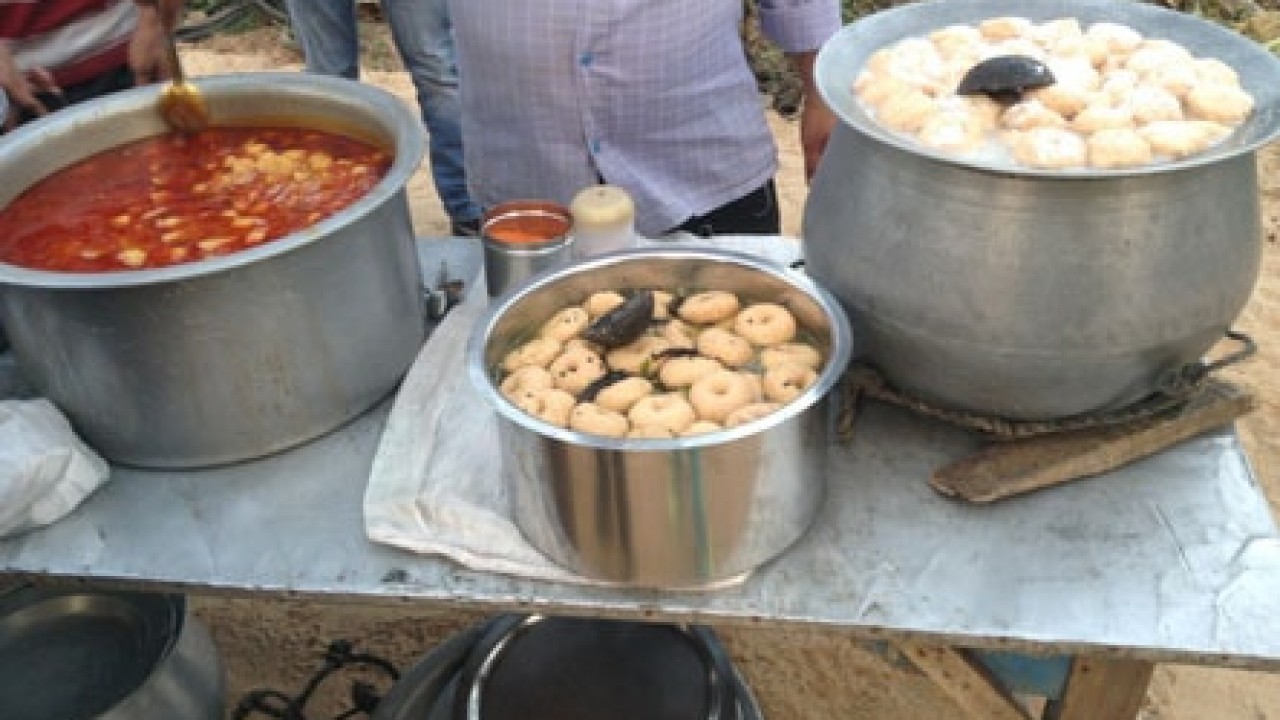
Cuttack: At a time when roadside eateries are mushrooming in the Silver City here, the Cuttack Municipal Corporation (CMC) has turned a blind eye to the food safety aspect, claimed locals and social activists.
The locals alleged that most of the roadside eateries and many restaurants in the city do not have the mandatory food safety certificates.
According to the locals, the city has witnessed steep rise in the number of roadside food stalls in recent years.
Many vendors usually sell foods like Dahibara-Aludam, Gupchup, Bara, Piaji, noodles, Biryani and Chat by opening makeshift stalls or using trolleys.
Apart from that, many restaurants have come up in the city to cater to the needs of people visiting the SCB Medical College and Hospital, Orissa High Court and many other government and private offices.
The roadside food stalls at Barabati Stadium Square, Link Road, Ring Road, Chahata Ghat, Satichaura Square, Gopabandhu Square, Ranihat, Nuabazar, College Square and Badambadi have been attracting hundreds of people including youths and students since last several years.
However, most of these food stalls do not have the food safety licences from the Food Safety and Standards Authority of India (FSSAI), sources said.
According to social activists and intellectuals, most of the roadside stalls do not maintain the food safety standards with regard to their ingredients, water and utensils. Some stall owners also sell stale foods in the absence of any checking by the civic authorities.
“The CMC authorities have no care for the food safety aspect. They have failed to examine the food quality of roadside eateries in city. People are suffering from diseases like jaundice and diarrhoea by eating contaminated and stale foods from roadside vendors,” said Suresh Panda, a local.
It is learnt that the CMC does not have adequate staff to carry out regular raids on roadside food stalls and examine their food quality. “The CMC has only one food safety officer. The person concerned has also been asked to look into food safety aspects for Cuttack, Khurda and Jajpur districts,” said a source in the civic body.
When contacted, CMC health officer Umesh Panigrahi said they are conducting regular raids on roadside food stalls and examining their food quality.
“We are collecting fines from stalls having no licence. We have a special squad to create awareness on food safety norms among the food stall owners,” Panigarhi added.
Subscribe to:
Posts (Atom)