Mar 3, 2019

Commissioner assures action: Food Safety Analyst demands ‘bribe’ from budding Kashmiri entrepreneur to clear his product even after the nod from FSSAI


Jammu, Mar 2, CNS: A young entrepreneur from Kashmir Valley has accused Jammu based Food Safety Laboratory of maligning his brand and image. The entrepreneur alleged that Food Safety Laboratory of Jammu demands bribe from to clear his brand though the Kolkatta and Kashmir based food safety laboratories have already cleared the name of his brand.
At a time when unemployment menace has engulfed the State, Faizan Muhammad from Hyderpora who has earned a Management Degree from AMITY University started his business venture of Iodized Salt by his own Brand namely (Samzan Salt) in 2017.
“I am completely disappointed the way a Food Analyst from Jammu Laboratory demanded bribe from me,” Faizan told news agency CNS.
While divulging information about his venture, Faizan Muhammad said that recently, he launched ‘Double Fortified Salt’ (Iron+Iodine) which was selected for a Government tender for supply to the ICDS Department Jammu and Kashmir.
“The Salt samples were tested in Food Safety Laboratory in Kashmir Province and also Jammu Province under same batch and lot. While Kashmir Province Laboratory conformed to the standards prescribed for iron and iodine under regulation of (Food Safety and Standards Authority of India) FSSAI, however, to my shock, same was tested by the Food Safety Laboratory Jammu and did not pass the product and declared the sample report as substandard and mis-branded for the reasons better known to them,” he said.
“After the negative report from Jammu Laboratory, my product was forwarded to FSSAI referral Lab Kolkata, West Bengal and product was declared as a standard one after passing all tests. The positive report that I received from FSSAI Kolkatta exposed the the sinister motive of Jammu Laboratory. When I raised the issue with Jammu based Food Analyst, he was will to clear my product provided i grease his palm. He demanded Rs 5 lakh bribe.”
The budding entrepreneur added that it is a norm in Jammu based Food Safety Laboratory to harass entrepreneurs so that bribe can be extorted from them. “It is crystal clear that Food Safety Laboratory of Jammu Province deliberately provided negative report of the sample of my Salt vide Batch Number 10. It’s not only the question of rampant malpractices but Jammu Food Safety Laboratory is playing with the lives of common people. There are ample chances that this laboratory may pass adultered products as well for money,” he added.
Faizan said that he also filed an application under Right to Information Act seeking details from Jammu based Food Safety Laboratory about all tested products from couple of years.
I request Governor Administration, Divisional Commissioner Jammu and Anti-Corruption Bureau to look into the matter so that corrupt elements can be taken to task.
Commissioner, Food Safety Department, Dr Kabir Dar confirmed that the entrepreneur has complained about corruption. Dar said he has already constituted an inquiry committee and waiting for the report. “We will initiate action once the report will be submitted,” Dar claimed. However, the entrepreneur has refuted the claim of the Commissioner Food Safety saying that report has already been submitted and no action is being initiated against the corrupt elements.


Formalin in fish: DC Dimapur calls committee meeting

March 2, 2019
Dimapur, March 2 (MExN): The Deputy Commissioner and Chairperson DLSC, Dimapur, Kevekha Kevin Zehol has informed that the District Level Steering Committee (DLSC) constituted under Food Safety and Standards Act 2006 will have a meeting to discuss on the “menace of the use of formalin” in consumable items, at DC’s Conference Hall on March 4, 11:00 am. He has further informed that the Minister for Health and Family Welfare, Pangnyu Phom will address the gathering, a DIPR report informed.
Therefore, the following members have been requested to attend the meeting: The Chief Medical officer and member Secretary DLSC, The Commissioner of Police, Dimapur, The Administrator DMC, Dimapur, The Food Safety Officer, Dimapur, The SPO (FSSAI), FSO & Lab team Kohima, The District Agriculture Officer, Dimapur, The District Horticulture Officer, Dimapur, The Chief Veterinary Officer, Dimapur, The District Fishery Officer, Dimapur, The District Land Resources Officer, Dimapur, The Asst. Director Supply, Dimapur, The Project Director DRDA, Dimapur, The District Education Officer, Dimapur, The District Social Welfare Officer , Dimapur, The District Industry Officer, Dimapur, The Medical Superintendent, Civil Hospital, Dimapur, and the DPRO, Dimapur. 

Campaign for clean street food hub begins in Jaipur

JAIPUR: The health department has launched ‘campaign for clean street food hub’ in the city. The health department is identifying areas which have developed as hubs for street food. Also, the number of food vans has risen significantly in the city. It has become a challenging task for the health authorities to ensure sale of hygienic food on the streets. 
The health department officials said that directions have been issued to conduct inspections at street food hubs in the city. The health teams will check if the street food vendors are following Food Safety and Standards Organisation of India (FSSAI) norms. Moreover, the officials will encourage street food vendors to procure health fitness certificate from doctors. Also, the vendors will be encouraged to wear aprons along with gloves to ensure cleanliness and hygiene to prevent spread of food-related illnesses.
Over the past few days, the health department has claimed seizing adulterated and sub-standard food items by conducting sudden inspections.

Clean street food hub campaign launched in Jaipur

JAIPUR: Health department has launched ‘campaign for clean street food hub’ in the city. The department is identifying areas which have been developed as hub for street food. Over the past few years, street food hubs have cropped up in the city in increased numbers.
Also, numbers of food vans have also rose significantly as it is a new trend in the city. It has become a challenging task for the health authorities to ensure sale of hygienic food from street food hubs.
Health department officials said that directions have been issued to conduct inspections at street food hubs in the city. The health department teams will check if the street food vendors are following Food Safety and Standards Organisation of India (FSSAI) norms. The officials will encourage street food vendors to procure health fitness certificate from doctors. Also, they will encourage them to wear aprons along with gloves and other items to ensure cleanliness and hygiene to prevent chances of spread of food-related illnesses.
Over the past few days, health department has claimed to seize adulterated and sub-standard food items by conducting sudden inspections. It has also taken action against three restaurants in the city and directed them to renovate their establishments for ensuring hygienic facilities for customers in past one month. They three restaurants in different parts of the city are undergoing renovation for re-opening them.

DINAKARAN NEWS


Mar 2, 2019

DINAMANI NEWS


DINAKARAN NEWS


DECAAN CHRONICLE NEWS


DINAKARAN NEWS


DINAKARAN NEWS


Govt approves centrally sponsored ‘fortification of rice’ scheme

Govt approves centrally sponsored ‘fortification of rice’ scheme Govt approves centrally sponsored ‘fortification of rice’ scheme
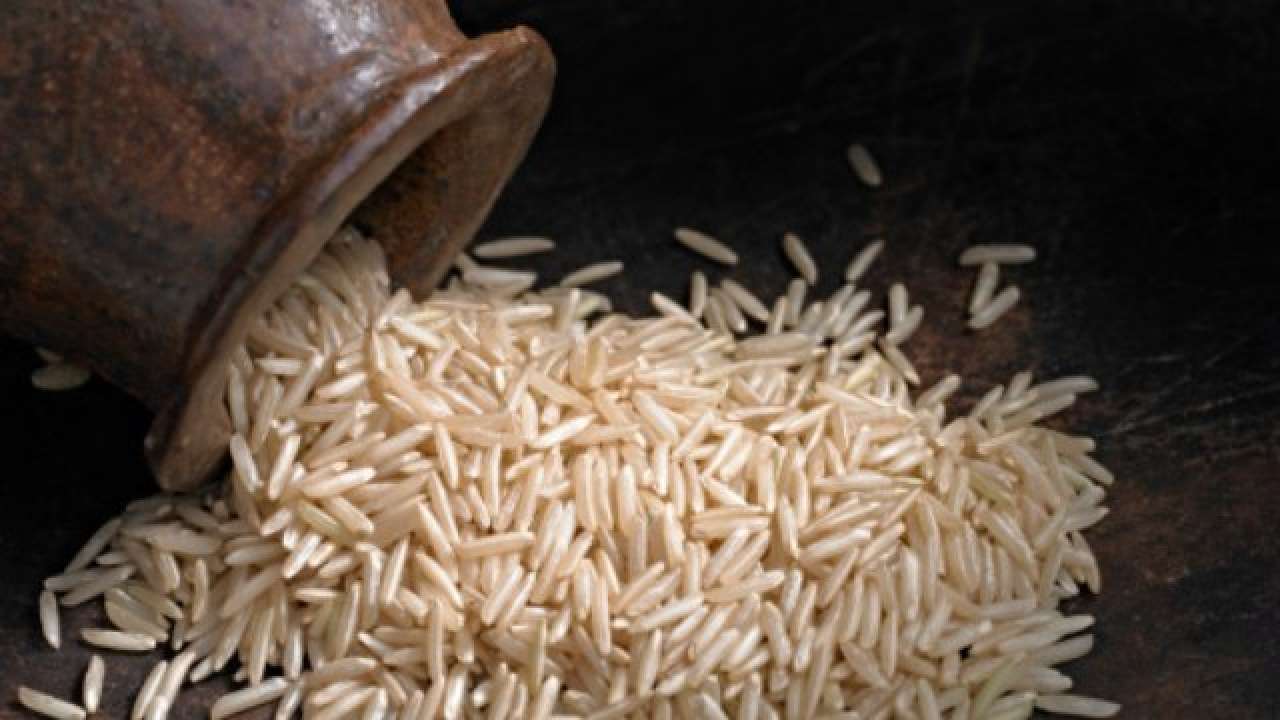
To address the issue of micronutrient deficiency and anemia in the country, among its various fortification of food schemes, the Government of India has now approved the centrally sponsored pilot scheme on ‘fortification of rice' and its distribution under public distribution system (PDS) for a period of three years.
Under the scheme, milled rice will be mixed with a premix containing vitamins and minerals post-harvest.
As per the Food Fortification Resource Centre (FFRC) of the Food Safety and Standards Authority of India (FSSAI) under Ministry of Health and Family Welfare, iron, Vitamin B12, and Folic acid are the mandatory nutrients for the fortification of rice, the kernels of which are added into the regular rice kernels in 1 to 100 ratio.
“Sixty per cent of our population consumes rice as their staple diet. It is very important to reach out to this section. The discussions for the fortification of rice started in August, and we have now got approval for the pilot scheme. This is a great initiative which will help the vulnerable groups. In the future, we intend to scale-up from pilot projects,” said Rohini Saran, Deputy Lead, FFRC.
Fortification standards have also been operationalised by the Food Safety and Security of India (FSSAI).
In the first phase, Andhra Pradesh, Maharashtra, Karnataka, Kerela, Odisha, Uttar Pradesh, are among the 15 states to get the fortified rice.
Niti Aayog shared the list of one district in each of the 15 states for the pilot project, states that had an aspirational district were asked to nominate the aspirational districts first. 
Niti Aayog Advisor, Alok Kumar, shared that this initiative will go a long way in addressing the issue of micronutrient deficiency along with the other projects including anemia mukt Bharat and fortification of salt.
“The fortification will improve the nutritional quality of the food supply and provide a public health benefit with minimal risk to health,” said a senior official.

Mar 1, 2019

FSSAI to increase testing, enforcement activities to ensure food safety

New Delhi, Feb 28 () Food safety regulator FSSAI will test more samples and increase enforcement activities to ensure availability of safe food to people, its CEO Pawan Kumar Agarwal said Thursday.
The Food Safety and Standards Authority of India (FSSAI) has done a survey on milk recently and it would like to conduct surveillance across all the food categories, he added.
Agarwal also assured food businesses not to be scared with the increased enforcement as it is meant for ensuring safe food supply in the markets.
"We in FSSAI have recognised the importance of food testing and analysis. Our laboratories are essentially the heart of our food safety ecosystem," he said while addressing a conference on food safety organised by AOAC India, an analytical body.
It is important to put up quality food testing system for developing a robust food safety ecosystem, he said.
Stating that strengthening of lab system is "very critical", Agarwal said FSSAI is attempting to create the foundation for a national network of well-functioning credible food laboratories.
"I must confess that only some initial work has been done," he said.
In the last few years, FSSAI has given thrust to improve government labs through financial support and also notified private labs, he added.
However, a lot more needs to be done in the area of building capacity of analytical staff for these labs.
Agarwal pointed out that less samples are being tested in the country by enforcement agencies as well as food business operators. He asked corporates to double the samples for food testing conducted by them.
FSSAI's CEO also emphasised on the need to expand surveillance activities and said the state agencies are increasing their headcount to carry out inspections and testing."We are monitoring to ensure that enforcement activities increase. This is not to scare food businesses. This is to see that food that are available in market place is safe," Agarwal said.

SHRC seeks report from govt on food adulteration

Jaipur: Taking cognizance of the news reports on food adulteration especially peas, almonds, milk and other things including fruits and vegetables, the State Human Rights Commission (SHRC) on Thursday issued notices to the additional chief secretary, medical health and family planning government of Rajasthan and have sought a detailed reply. The government is asked to put on record the action taken on the food adulteration and on how many cases were registered and sent for prosecution. 
A division bench comprising SHRC chairperson Justice Prakash Tatia and member Justice Mahesh Chandra Sharma have asked the state government to reply what kind of punishment available in cases of food adulteration.
“Specific information citing how many posts of employees and officers are sanctioned and if there has been any rise in the posts in the past 10 years for the employees and officers involved in food safety,” Justice Tatia remarked.
The SHRC also said that in February, 2019 various modules of food adulteration running at various food processing units were bust by the food inspectors.
Bench has also asked the state government to put on record as to how many were prosecuted for food adulteration and how many got convicted. “The kind of punishment available in food adulteration cases needs to be specified. The state government needs to inform as to how many got convicted in food adulteration cases, how many got acquitted and how many cases were withdrawn against the accused,” the SHRC said.

Feb 28, 2019

Zomato gets notice from FSSAI, asked to get food safety licence

Dehradun: Online food delivery service Zomato was given a notice from the Food Safety and Standards Authority of India (FSSAI) on Wednesday, and asked to get a food safety licence for their operations. Officials from nagar nigam inspected the Zomato state head office situated at Cantt Road and issued a notice on behalf of FSSAI to the food delivery service for not having food licence/registration under section 31 of The Food Safety and Standards Act, 2006 which stipulates that “no person shall commence or carry on any food business except under a licence.”
Sources said that although the Zomato authorities claimed that they do not prepare food themselves and are only engaged in supply, they were still issued a notice asking for procurement of food safety licence since “they are engaged in last-mile delivery and hence responsible for safety of food products.” 
Ramesh Singh, food safety officer of the nagar nigam, who headed the team, added that the online food delivery service was further asked to produce the lists of the food manufacturers with whom they are dealing with along with their FSSAI licences and registration numbers. “The FSSAI has also sought the medical certificates of all the employees who work with food outlets associated with Zomato who are directly involved in food preparation and packaging,” he said.
The Zomato authorities have been given seven days time to provide the details sought by FSSAI.
The action by the food safety authority comes after its chief executive had sometime back announced some new guidelines under which even food delivery chains need to procure relevant licences. He had termed these guidelines as aimed at building confidence in the e-commerce food business so that last-mile delivery is undertaken by trained personnel and that the safety of food products is not compromised at the time of delivery.
Authorities from Zomato couldn’t be contacted for their response even after repeated attempts.

Noodle-making unit without licence seized

Jaipur: A unit producing noodles at Kalwad Road was seized on Wednesday by health department’s food safety wing as it was functioning without a licence.
“Workers did not have any medical fitness certificate and they were producing noodles in unhygienic condition,” said Dr Sunil Singh, state nodal officer, food safety, health department. Dr Singh said they have also seized 50kg of raw material for producing noodles. Another team seized paneer from Hida Ki Mori. The officers said the paneer did not have required fat. They destroyed 250kg of paneer.

FDA shuts down four jaggery production units in Daund

Pune: The Food and Drug Administration (FDA) officials on Tuesday shut down four jaggery production units in Daund in Pune district for using non-edible synthetic colour and violating food safety norms.
The officials also seized stock of adulterated jaggery worth over Rs3.72 lakh from the four units. 
“These are small production units. We have decided to intensify our surveillance in the area after the crackdown on Tuesday,” Suresh Deshmukh, joint commissioner (food), FDA, Pune, said.
Assistant commissioner Arjun Bhujbal, who spearheaded the raids, said, “Using synthetic non-edible colour is a grave violation under Food safety and Standards Act 2006. We have issued a stop-activity notice and asked them to shut down their premises for not adhering to food safety norms.” Daund taluka is a jaggery production belt in Pune district. 

Feb 27, 2019

Study: Food-borne diseases cost India $15 billion a year

NEW DELHI: Unsafe food still costs India as high as $15 billion annually, even though it has almost halved from $28 billion estimated last year, a recent World Bank report says underlining the "unnecessarily high" economic burden caused by food borne diseases. 
India along with China accounts for 49% of the total economic burden due to food borne diseases (FBDs) in low and middle income countries and for 71% of the total burden in Asia. However, China alone accounts for over $30 billion of the total burden, double as compared to India, the report shows. Animal source foods estimated to account for 21% of India's food borne diseases burden, whereas it accounts for 59% in China. The report, title 'The Safe Food Imperative', was discussed recently during the first international food safety conference organised by the World Health Organisation.
Acknowledging India's efforts in last few years to streamline food safety regulations, the report said India, along with few other countries , has demonstrated that better health and commercial outcomes are possible with the joint involvement of public agencies, businesses, and consumers in food safety. 
Of late, Food Safety and Standards Authority of India (FSSAI) has taken a series of measures including stringent packaging and labelling norms, regulation of restaurant and street food as well as inspections and sampling of food products to ensure quality of food in India.
Globally, Asia and sub-Saharan Africa have the highest incidence of FBDs, along with the highest rate of deaths due to FBDs and the greatest loss of disability adjusted life years (DALYs). LMICs in south Asia, south-east Asia, and sub-Saharan Africa are estimated to account for 53% of all illnesses due to FBD, 75% of deaths, and 72 % of DALYs related to FBDs.

Think before you buy ‘not so safe’ bottled water

A GWMC official says there are several unauthorised (Drinking Water) plants in the city which pose massive health risk to lakhs of people who consume the so called 'mineral' water
HEALTH RISK: Many water plants are not authorized and they do not adhere to the norms stipulated by the government.

Warangal Urban: Are you consuming bottled drinking being passed off as ‘mineral water’ in Warangal? Think twice before purchasing, because majority of the water plants are not authorized and they do not adhere to the norms stipulated by the government. While there are about 160 water plants, only about 15 of them have reportedly got the due permissions from different government organisations and agencies including the Greater Warangal Municipal Corporation (GWMC).
“These unauthorised plants pose massive health risk to lakhs of people who consume the so called mineral water. Though the GWMC is considering a crackdown on companies selling packaged water without proper certification from agencies like Bureau of Indian Standards (BIS), Indian Standards Institute (ISI), Food Safety Department and Pollution Control Board (PCB), officials of the Food Safety and Vigilance Department are not bothered to take action against these unauthorised water plants,” a senior GWMC official said.

GWMC Medical and Health Officer (MHO) Dr B Raja Reddy, on Monday slapped a fine of Rs 20,000 on the management of ‘Harsha Enterprises and Water Suppliers’ being run from Ramky Enclave locality in Warangal for running the water plant without due permission. “The management does not have the trade licence from the GWMC, there is no permission from either the BIS or the ISI,” Dr Raja Reddy told ‘Telengana Today’.
Meanwhile, some activists are urging the government to take stringent action on the unauthorised water plants. Founder president of Society for Public Welfare and Initiative (SPWI), Dr Devath Suresh said that some water plants owners are even resorting to false propaganda that they are selling ‘mineral water’ though it is packaged drinking water.
“Bureau of Indian Standards (BIS) established standards for packaged drinking water and packaged natural mineral water, with set quality parameters. The rules come under mandatory BIS certification according to the Food Safety and Standards (Prohibition and Restriction on sales) Regulation, 201,” he said adding that ‘no person shall manufacture, sell or exhibit for sale, Natural Mineral Water and Packaged Drinking water, except under the BIS Standard Mark.’
“Keeping in mind the rising demand of packaged drinking water, it becomes important for officials to monitor the quality and ensure it’s licensed by concerned authorities to safeguard the consumers’ health. All the concerned departments must take the action to protect the health of the people,” said Dr M Sheshu Madhav, a children’s specialist, Hanamkonda.
Meanwhile, sources said that owners/ managements of these water plants, who enjoy political patronage, are even threatening the officials of the GWMC of dire consequences, if they seize the plants referring on charges of not having trade licences. “Even the water plants run by a noted social service organisation in Warangal does not have proper permissions,” said an official from the GWMC and rued about their inability to act against them.

Telangana tops in food fraud

Hyderabadi biryani samples tested over last two years by the Food Safety and Standards Authority of India (FSSAI) labs were found to be unsafe for consumption.
HYDERABAD: For ardent lovers of biryani, Hyderabad is nothing short of heaven. Look close enough, and you will find something special to dig into, in every nook and corner of the city. The fragrant dish is a sight to the sore eyes as well -- a golden cloud made with basmati and spiced just right.However, think twice before getting enamoured by this golden cloud once again. Because according to a food safety official in the city, many biryani samples tested over last two years by the Food Safety and Standards Authority of India (FSSAI) labs were found to be unsafe for consumption. 
Reportedly, these biryani outlets were using artificial colours that could prove harmful to people’s health to increase its appeal.The list of adulterated products in the State, however, is definitely not limited to just biryani. 
According to the reply to a question on food adulteration that was tabled in the Lok Sabha recently by Ashwini Kumar Choubey, Minister of State for Health, about a quarter of all the food being sold in the state of Telangana by restaurants and other food outlets might be adulterated and unfit for consumption.
In the two years of 2016-17 and 2017-18, up to 22 per cent of the 2,303 food samples, collected from Food Operating Businesses (FOB) in Telangana and tested in FSSAI labs, were found not to be conforming to the standards set by FSSAI. 
This puts Telangana right at top in the list among those States, of which most of the food samples collected were found to be adulterated and ultimately, unfit and unhealthy for consumption. A number of food safety authorities in Hyderabad revealed to Express that a majority of the adulterated samples are actually packaged dairy products. However, products like biryani and mangoes figure in the list too. 
“In curry points, dal samples were found to contain prohibited colours. The primary issue with fruits is the usage of artificial ripeners,” said a food safety official.According to the FSSAI report tabled in the Lok Sabha, out of 1,480 food samples that were tested in Telangana in 2016-17, 330 were found to be non-conforming to FSSAI standards. This led to the filing of as many as 188 criminal and civil cases. In 2017-18, 175 of the 823 samples tested were found to violate the prescribed standards, following which 40 cases were registered.

Two flour mills seized for selling semolina in gram flour packets

JAIPUR: Two flour mills owned by a businessman were seized as he was allegedly selling gram flour, which was actually a mixture of semolina, corn flour and gram flour. The health department officials seized 4,500 kg of flour.
Health department’s food safety wing conducted inspection in Ramganj area on Tuesday. They found that a businessman was allegedly selling gram flour packets. But, when the food safety officers checked it, they found that gram flour was just five percent, while 60% content was semolina and 35% content was corn flour. The health department officials said that though the other contents they found in the packets, which was being sold as gram flour, were edible but the owner has cheated his customers. “The prices of Semolina are much lesser than the prices of gram flour. To make more money, the owner was mixing cheap semolina in gram flour and he was selling it as gram flour packet,” said a health department official.
Besides, the firm has food licence for wholesale but it did not have the manufacturing and packing licence of food products. Officials said that he was supplying his products in Bandikui and Uniyara.

Milk adulterators flourish with limited crackdown

Bhubaneswar: The menace of adulteration of packaged milk in Odisha seems to be continuing unabated as the food safety departments at the district levels detect these cases every year. However, Odisha lagging behind other states in conducting tests of milk samples has become a matter of concern.
According to statistics from the Food Safety and Standards Authority of India (FSSAI), proved cases of adulteration and misbranding are found in Odisha every year during random checks undertaken by the state food safety departments, which are mandated to check the adulteration cases in food and beverages under the Food Safety Act.
Statistics from the FSSAI claim that in 2015-16, Odisha Food Safety department analysed 14 milk samples and found five of them adulterated. Similarly, in 2016-17 more such cases of violation of food safety rules were brought to the limelight. During this period out of 25 milk samples eight were found to be adulterated/misbranded.
In 2017-18, eight samples of milk were tested out of which three were found be adulterated/misbranded. However, statistics claimed that the Food Safety department refrained from filing legal cases against them to either send them to jail or to penalise them for their faults.
However, the samples tested by the state department as against many other states are less. For example, while Odisha tested merely 14 samples of milk in 2015-16 other states set examples by conducting massive searches. While Andhra Pradesh tested 205 milk samples during the same period, Gujarat tested 916 samples and Maharashtra a whopping 1,171 samples to find out if the milk sold in the market are fit for consumption or not.
Unlike Odisha, there are also several other states which also showed the way to crack down on milk adulterators by undertaking legal proceedings against them. For example: Gujarat filed 60 cases when it found 80 such violations, Madhya Pradesh 181 legal cases and Uttar Pradesh 1,621 legal cases against food safety violators.
FSSAI and its state units had conducted a Nationwide Qualitative Screening of milk samples for on-spot qualitative and quantitative analysis of milk samples for quality parameters like Fat, Solids-Not-Fat (SNF), added water, protein content and safety parameters and 13 adulterants, antibiotics, pesticides and Aflatoxin M1 covering around 1,100 towns across the country.
BOX: MILK STANDARD TESTING IN 2017-18
STATES MILK SAMPLES TESTED ADULTERATED/MISBRANDED
Uttar Pradesh 5,042 2,631
Maharashtra 2,030 311
Punjab 1,420 485
Gujarat 548 75
Odisha 08 03

12 food business operators challanged under FSSA

JAMMU, Feb 26: Food Safety team of Drug and Food Control Organization today challaned 12 food business operators under various provisions of Food Safety and Standards Act (FSSA) 2006.
A team of food safety officers led by Dr Parvesh Kumar, Assistant commissioner, Food Safety, Municipal limit Jammu under the directions of Commissioner of Food Safety, J&K conducted inspections of various food courts and restaurants situated at Palm Island Mall, Akhnoor Road Jammu.
During the inspection, 12 food business operators were challaned under Section 56 and 58 of Food Safety and Standards Act 2006 as they were preparing food under insanitary and unhygienic conditions and also violated other provisions of the Act.
Among those challaned were The GT Road Restaurant, TFB Hospitality (Grill Inn), 39 Bakers, Strictly Street, Asian Express, Karims Mughalai Food, Combo King, Halka Fulka, Snacks Hutt, Grab & Go, Pind Balluchi and R K Food (U S Piza). Moreover, samples of prepared food and raw materials were also lifted and sent to food testing laboratory for detection of adulteration.
The Team also instructed the food business operators located in and around the mall to maintain hygienic practices and sanitation as per schedule 4 of FSS Act 2006 and follow other norms of FSSA. The inspection team was comprised of food safety officers Ajay Khajuria, Hans Raj Andotra, Pervaiz Ahmed and Sabha Rasool.

Feb 26, 2019

DINAKARAN NEWS


Soon meals in trains to come with barcodes


Chandigarh: Booze quality to be checked

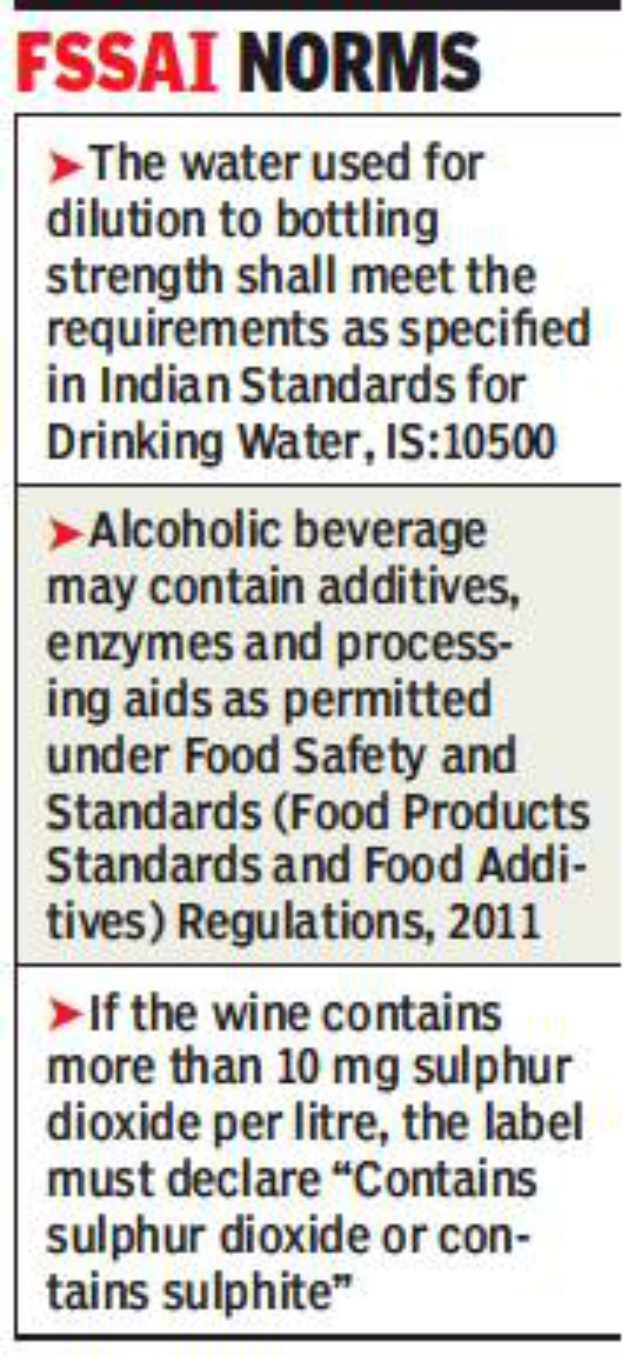
CHANDIGARH: The city will start checking quality of liquor which need to meet food safety standards as a part of the Food Safety and Standards Authority of India (FSSAI) initiative from April 1.
“Before there is enforcement, we will be generating awareness and inform the microbrewers about what all is required as standards,” said Sukhwinder Singh, designed officer, FSSAI, Chandigarh.

The standards shall be applicable to distilled alcoholic beverage (brandy, country liquor, gin, rum, vodka and whisky, liqueur), wines and beer. One of the challenging standards includes limiting the amount of yeast in beer, as this is commonly used as fermenting agent in breweries.
The emphasis will be on labelling which must be clear and legible. “The liquors’ labelling should not have any nutritional information, no health claim, restriction on words ‘non-intoxicating’ or words implying similar meaning on label of beverage containing more than 0.5 per cent alcohol by volume,” mentions the notification from the FSSAI.
Also, the alcoholic beverage except wine that contains less that 10% alcohol needs to mention the date, month and year of expiry. The food safety standards must be met where there is labelling of matured liquor.
There labelling of the alcohol needs to mention various contents and their permissible limit. This includes ethyl alcohol, cadmium, copper, lead and mercury in these beverages. The bottle or package must be labelled non-vegetarian if egg white is used as a clarifying agent or any other processing aid of animal origin is used in wine. “Presently, we have yet to receive any formal letter from the centre. Once we are informed, we shall plan various meetings on awareness with the liquor manufacturers and breweries,” said Sukhwinder.

Erring FBO, manufacturers fined Rs 2.65 lakh

The Court of Adjudicating Officer (Additional Deputy Commissioner) Srinagar imposed a fine of Rs 265000 on 11 Food Business Operators (FBO) for manufacturing/selling substandard and misbranding food articles.
In addition 1500 litres of Mustard oil Vinayka brand has been ordered to be destroyed properly as the same was seized and found substandard after analysis.
The complaints against these Food business operators were filed by Food Safety Oficers after receiving sanction from Assistant Commissioner Food Safety Srinagar under over all supervision of Commissioner Food Safety J&K.
The food business operators have been warned to desist from the malpractice of Food Adulteration, otherwise stern action under Food Safety and standard Act shall be initiated against them.

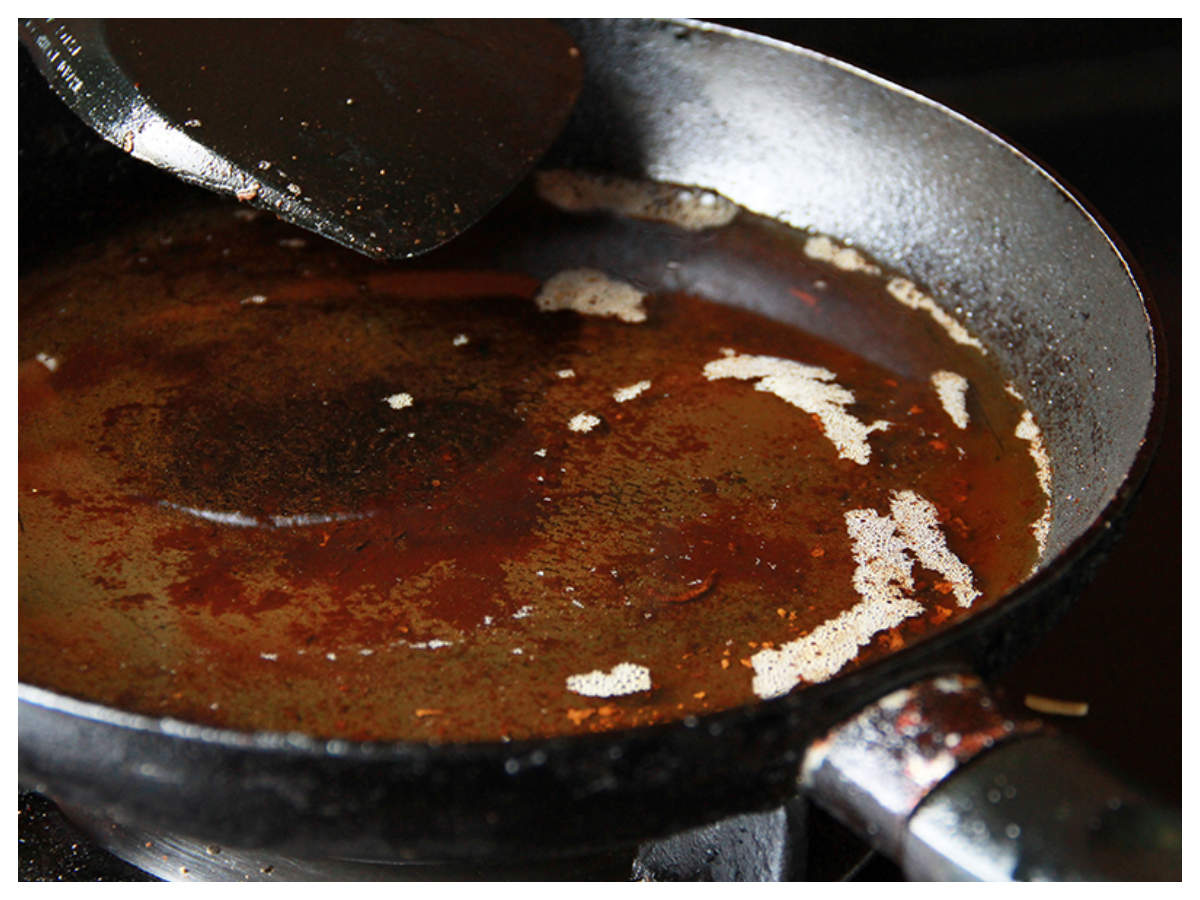
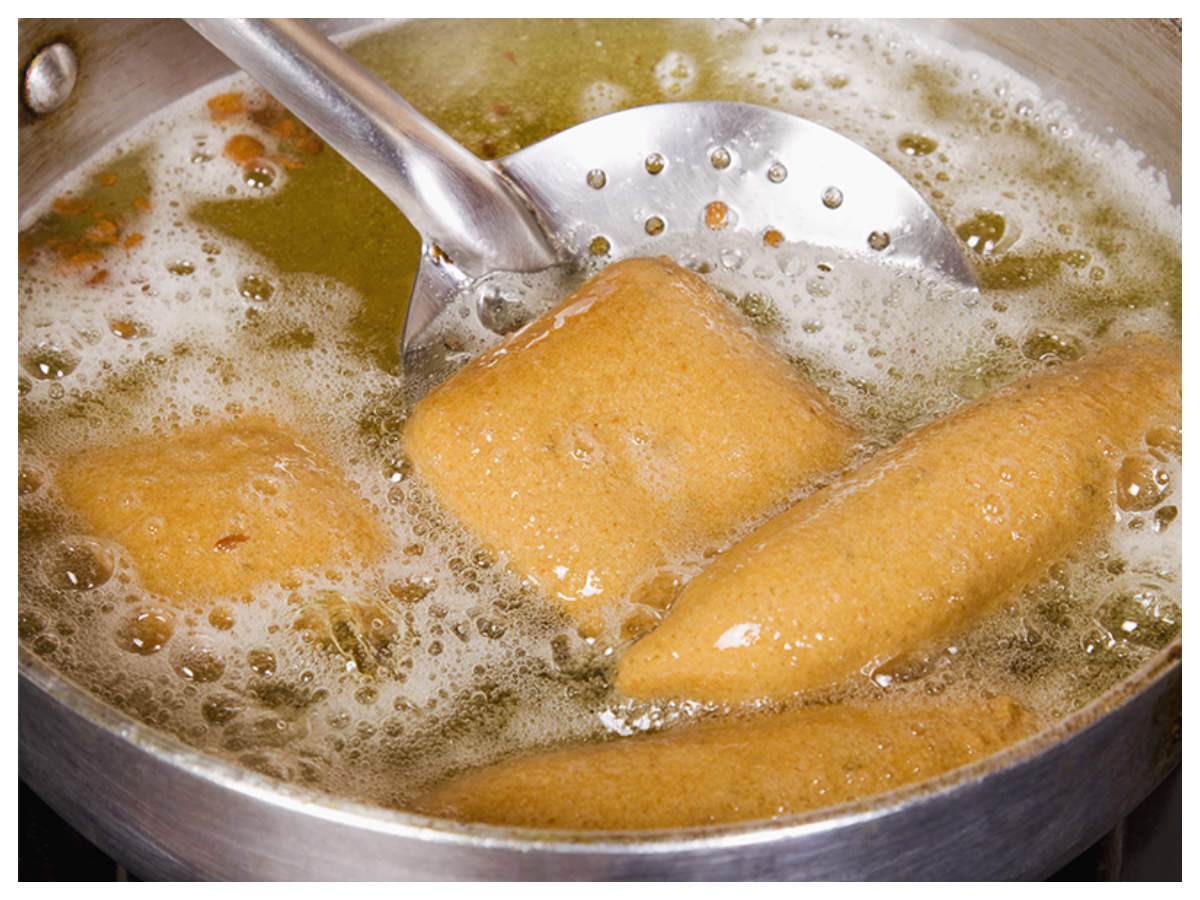
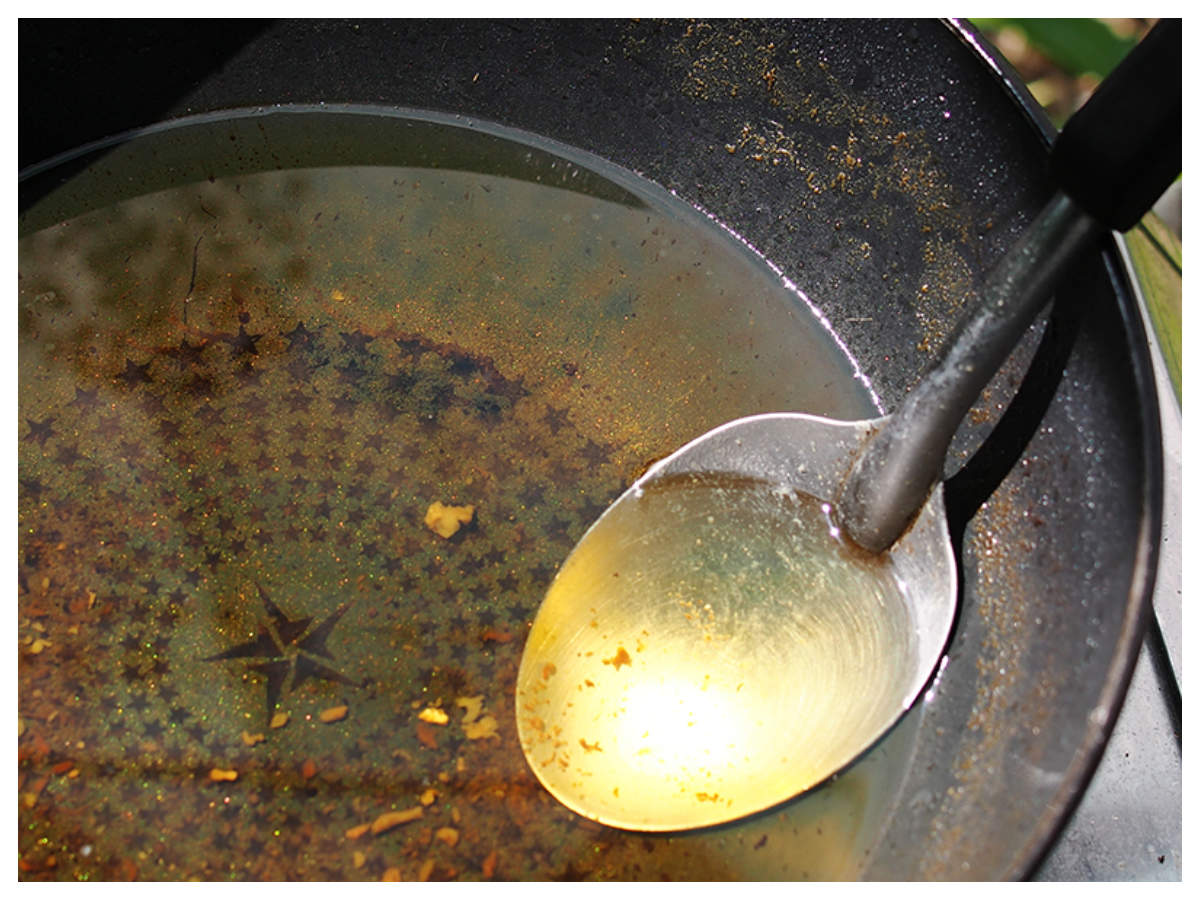
Oil Usage Record To Be Maintained By Restaurants Says FSSAI

Oil Usage Record To Be Maintained By Restaurants Says FSSAI
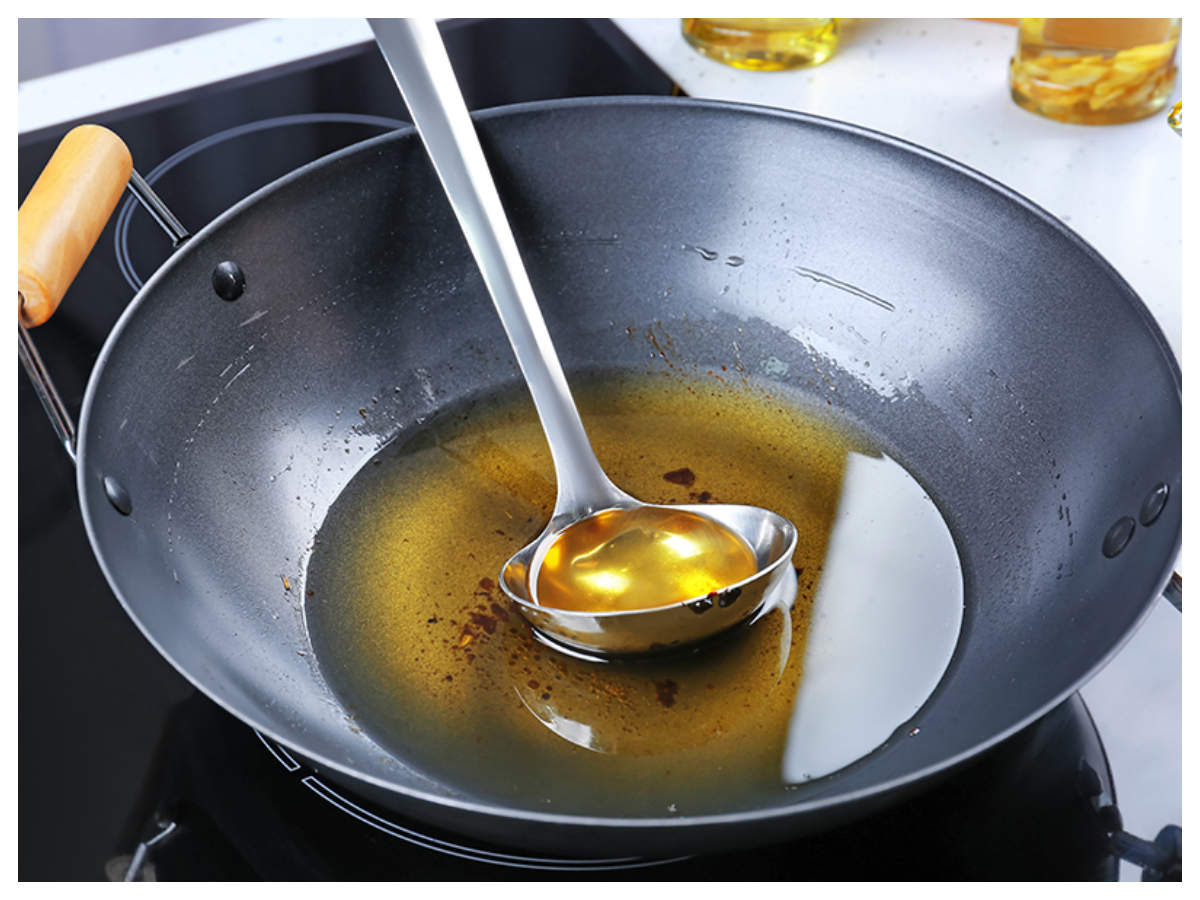
The Food Safety and Standards Authority of India (FSSAI) has updated the food business operators (FBO) to maintain a record of oil and its disposal going forward. According to a report by the Asian Age, this record keeping is meant for eateries using more than 50 litres of oil on a daily basis. The action is being taken by the food regulator to put a stop to the consumption of frying fats or the total polar compounds which are formed while frying
Record Of Cooking Oil
The apex food regulator, FSSAI along with the Food and Drug Administration (FDA) have also told the eateries not to use one batch of oil more than three times. The restriction has been levied as 25 percent of total polar compound can harm the health of the consumers. “This rule will apply to all eateries and restaurants using more than 50 litres of oil per day. The rule has been brought into effect as per Section 16 (5) of the Food Safety and Standards Act, 2006,” said Chandrakant Pawar, FDA joint commissioner reports Asian Age.
These new changes regarding cooking oil has been sent to the FDA departments across the country so that it comes to effect by the 1st of March. The FSSAI would also be conducting inspections post this date to check whether or not the rule is being followed by the eateries. A proper record chart has to be maintained on a daily basis by the restaurants on oil usage.

Feb 25, 2019

ஆபத்தாகி வருகிறதா அசைவ உணவு? - ஓர் எச்சரிக்கை ரிப்போர்ட்

நான் சுத்தமான அசைவப் பிரியன். ஓடுவது… நடப்பது... மிதப்பது... என ஏதாவது ஒன்று எனக்கு இருந்தே ஆக வேண்டும் என்று சொல்லும் அளவுக்கு அசைவ உணவுகளை விரும்புபவர்களின் எண்ணிக்கை அதிகரித்து வருகிறது.
வீட்டில் சமைத்தாலும் விதவிதமான அசைவ உணவுகளை அன்றாடம் வீட்டிற்கே வரவழைத்து உண்ணும் அளவுக்கு அசைவப் பிரியர்கள் இருக்கத்தான் செய்கிறார்கள். வீதிக்கு நான்கு கடைகளில் பிரியாணிக்கு சிக்கன் 65 இலவசமாகவும், தள்ளு வண்டியில் பிளேட் பிரியாணி 50 ரூபாய் என்றும் படித்துவிட்டு கடக்கும் போதும் மனம் மயங்கித்தான் போகிறது.
5 வருடங்களுக்கு முன்பு சென்னை தள்ளுவண்டிக் கடைகளில் பிரியாணியில் காக்கா கறி என்று பரபரப்பானது. சமீபத்தில் உணவகங்களில் பிரியாணிக்கு ஆட்டுக்கறிக்கு பதிலாக நாய்க்கறி பயன்படுத்துவதாக சர்ச்சை கிளம்பி அசைவ பிரியர்களின் வயிற்றில் கறியைக் கலக்கியது. 
தற்போது கடல் உணவிலும் உடலுக்கு கெடுதல் விளைவிக்கும் பிராய்லர் மீன் சர்ச்சை கிளம்பியுள்ளது. வெளியில் செய்யப்படும் அசைவ உணவுகள் தரமானவையா என்று ஆராய்ச்சி செய்வது இருக்கட்டும். ஆனால் உடல் உழைப்பு குறைந்துவிட்ட இந்தக் காலகட்டத்தில் வயிற்றின் செரிமானச் சுமையை அதிகரித்து பாதிப்பை உண்டாக்கும் அசைவ உணவுகளில் கட்டுப்பாடு தேவை என்று மருத்துவர்கள் எச்சரித்து வருகின்றனர்.
முந்தைய தலைமுறையில் அசைவ உணவுகள்:
முந்தைய தலைமுறையில் அசைவ உணவு என்பது ஆட்டுக்கறி, நாட்டுக்கோழி, வயல் நண்டு, ஏரி மீன், கடல் உணவுகளான மீன், இறா, நண்டு என பரவலாக இருந்தது. அசைவ நாட்டம் கொண்டவர்கள் அதிகபட்சம் வான்கோழி, காடை, கெளதாரி போன்றவற்றைச் சாப்பிட்டார்கள். அசைவம் என்றால் கிரேவியும், குழம்பும், வறுவலும், தலைக்கறியும், ரத்தப் பொறியலும், வறுவலும், சுறாப்புட்டும் தாண்டி அதிகபட்சமாக மெனக்கெட்டு செய்யப்படும் உணவாக சிக்கன் 65 மற்றும் பிரியாணி மட்டுமே இருந்தது. மசாலாக்களை மைய அரைத்து, அதிக அளவு மிளகு சேர்த்து, செக்கில் ஆட்டிய எண்ணெயில் சுவைக்கான கலப்பின்றி காரஞ்சாரமாய் சாப்பிட்டால் சளி, இருமல் காணாமல் போய்விடும் என்று பாட்டிக்களும் அம்மாக்களும் மணக்கமணக்கச் சமைத்துப் போட்டார்கள்.
அசைவ உணவுகளுக்காகவே நாட்டுக்கோழிகளை வீட்டில் வளர்த்தவர்களும் உண்டு. உடல் ஆரோக்கியம் குறைந்தால் கூட கோழி அடிச்சு மிளகு போட்டு குழம்பு வெச்சு சாப்பிட்டா சரியாகிடும் என்று அசைவத்தை ஆரோக்கியமாக சமைத்தார்கள். நாட்டுக்கோழி முட்டைகளை பச்சையாகவே குழந்தைகளை குடிக்கவைத்தார்கள். பிராய்லர் கோழிகள் என்பதெல்லாம் மருந்துக்கும் கிடையாது.
குளங்களிலும், ஏரிகளிலும் இருக்கும் மீனை உயிருடன் பிடித்து குழம்பு வைத்தார்கள். வயலில் தென்படும் நண்டுகள் உரலில் இடிக்கப்பட்டு ரசமாக்கப்பட்டன. வாரம் ஒருமுறை மட்டுமே அசைவ உணவுகளை அவசியமாக்கி வந்தார்கள். ஆண்கள் வெளியிலும் பெண்கள் வீட்டிலும் குழந் தைகள் திண்ணையிலும் என ஓடிக்கொண்டே இருந்தார்கள். அவர்களது கடின உழைப்பு, செரிமா னத்தை சிறப்பாக வேலை செய்ய வைத்தது. குறிப்பாக ஆடுகள் பசுமையான இலைதழைகளையும், கோழிகள் சத்துமிக்க நவதானியங்களையும் உண்டு வளர்ந்து சத்துக்களை நமக்குக் கொடுத்தது.
நவீன கால அசைவ உணவுகள்
ஓய்வு நேரத்தில், விடுமுறை நாளில் மட்டுமே அசைவம் சாப்பிட வேண்டிய நிலை இப்போது மாறிவிட்டது. சைவ உணவகங்களை விட அதிக எண்ணிக்கையில் அசைவ உணவகங்கள் இயங்குகின்றன. மேலும் வீட்டில் சமைக்கப்படும் அசைவ உணவுகளை விட தினுசு தினுசாய் கண்ணைக் கவரும் வகையில் வேகவைக்காமல் அடுப்பில் சுட்டு, எண்ணெயில் பொறித்து, கலரை நிரப்பும் அசைவங்கள் ஆச்சரியப்படுத்துகின்றன. நாக்கில் எச்சில் ஊற வைக்கின்றன.
மட்டன் கட்லெட், மட்டன் கோலா உருண்டை, மட்டன் சாப்ஸ், சப்பாத்தி மட்டன் ரோல், மட்டன் கபாப், மட்டன் உப்புக்கறி, மட்டன் பப்ஸ் (இவையெல்லாம் பட்ஜெட்டுக்கு மிஞ்சிய விலை என்பதால் மேல் மட்ட நடுத்தர மக்களுக்கானது) பெப்பர் சிக்கன், முந்திரி சிக்கன் குருமா, க்ரில்டு சிக்கன், ரோஸ்டட் சிக்கன், சிக்கன் க்ராவ் (இதன் விலை பட்ஜெட்டுக்குள் ஏறத்தாழ கட்டுப்படும் என்பதால் அனைத்து அசைவப் பிரியர்களுக்கும் ஏற்றது) சிக்கன் லெக் பீஸ், சிக்கன் பக்கோடா என 100க்கும் மேற்பட்ட அசைவ வகைகள் அஜினோமோட்டோ சுவைக்கூட்டும் கெமிக்கல் சேர்த்து சுவையூட்டப்பட்டு புதிய பெயருடன் வலம் வந்து அசைவப் பிரியர்களை கவர்கின்றன. எனவே வீட்டில் செய்யப்படும் அசைவ உணவுக்காக காத்திருக்கத் தேவையில்லாமல் சுகாதாரம் பற்றிய கவலையு மில்லாமல் வெளியில் வயிறு முட்ட உண்கின்றனர்.
அசைவ உணவுகளைத் தவிர்க்க நியாயமான காரணங்கள்:
மட்டன், நாட்டுக்கோழி மாதம் இருமுறை என்பதே பட்ஜெட்டுக்குள் பற்றாக் குறைதான் என்பதால் குறைந்த விலையான பிராய்லர் கோழி தவறாமல் வாரம் ஒருமுறையாவது வீட்டில் கொதிக்கிறது. பிராய்லர் கோழியின் உபயம் நாக்குக்கு உண்டாக்கும் சுவை மட்டுமே. பெண் குழந்தைகளுக்கு பிராய்லர் கோழியால் சமைத்த உணவை அதிகம் கொடுத்தால் ஹார்மோன் மாற்றம் ஏற்பட்டு குழந்தைப்பருவத்திலேயே (8 முதல் 11) பூப்பெய்தும் நிலைக்கு தள்ளப்படுகின்றனர் என்கிறார்கள் மருத்துவர்கள். இதைத்தொடர்ந்து சில குழந்தைகளுக்கு சீரற்ற மாதவிடாய் பிரச்சினைகள், அதிக உதிரப்போக்கு கூட ஏற்படுகின்றன.ஊசி மூலம் பெரிதாக்கப்படும் பிராய்லர் கோழியால் என்ன சத்து கிடைத்து விடப்போகிறது. சத்தான ஆகாரங்கள் மனித இனத்துக்கே கேள்விக்குறியாக இருக்கும் போது, ஆடுகள் இலைதழையின்றி பேப்பர் உண்பதை கண்கூடாக பார்க்கிறோம். கடல் உணவுகள் உடலுக்கு நன்மை தரும் என்றாலும் தற்போது மீனைப் பதப்படுத்துவதற்கான முறைகளும், நாட்டு மீன்கள் குறைந்து வருவதால் புதிதாகக் கிளம்பியிருக்கும் பிராய்லர் வகை மீன்களும், கடலில் கண்ணுக்குத் தெரியாமல் கலக்கும் ரசாயனங்களை சாப்பிடும் மீன்களை உண்ணுவதாலும் உடலுக்கு கேடு மட்டுமே தருகின்றன என்பதை மறுக்க முடியாது.
ஒளிந்திருக்கும் ஆபத்துகள்:
வெப்பம் மிக்க இறைச்சியை மேலும் மின்சார உபயத்தால் சூடாக்கும் போது அதன் வெப்பம் உடல் நிலையை மேலும் பாதிக்கிறது. தினம் ஒரு அசைவ உணவு அல்லது அசைவத்தை அதிகம் சாப்பிடுபவர் களுக்கு மலச்சிக்கல், உடல் பருமன், இதய நோய், அதிக ரத்த அழுத்தம், கல்லீரல் பாதிப்பு, பித்தப்பையில் கல் (செரிமான பிரச்சினை), தாமதமான செரிமானம் என உடலில் உள்ள பெரும் பாலான பாதிப்புகள் விரைவாக ஏற்படுகிறது. 
கடும் உடல் உழைப்பால் எளிதாக சாத்தியமாகும் செரிமானம், இன்றைக்கு எகிடுதகிடாகிப் போனது. வீட்டின் தலைவாசலை தாண்டியதும் டூ வீலர், ஃபோர் வீலரின் உபயோகமில்லாமல் கால்கள் ஒத்துழைக்காதவர்களுக்கு அதிலும் அசைவ பிரியர்களுக்கு எப்படி சாத்தியமாகும். கடின உழைப்பாளிகளுக்கு அசைவ உணவு ஒன்றும் செய்யாது என்றாலும் அதிலும் அளவு தேவை.
தற் போது வரும் சமையல் எண்ணெயில் உடலுக்கு ஒவ்வாத கலப்பும் சிறிதளவு இணைந்துள்ளது எனும் போது எண்ணெயில் பொறித்த அசைவ உணவுகள், அரை வேக்காடு இறைச்சி, உடல் ஆரோக்கியத்தை நிச்சயம் சீர் குலைக்கும் என மருத்துவ ஆய்வுகள் தெரிவிக்கின்றன. போதாக்குறைக்கு நிறமூட்டியும், சுவைக்குச் சேர்க்கும் செயற்கையூட்டிகளும் இணைந்து உடலுக்குள் கொசுறு பிரச்சினைகளையும் ஏற்படுத்துகின்றன.
அசைவ உணவுகளை முற்றிலும் தவிர்த்தால் நல்லது. (குறிப்பாக பிராய்லர் சிக்கன்) என்றாலும் அசைவப் பிரியர்கள் எச்சரிக்கையோடு தகுந்த இடைவெளியில் தரமான முறையில் தயாரிக்கப்பட்ட உணவை வீட்டிலேயே சமைத்து சாப்பிடுவது நல்லது என்பதே மருத்துவர்களின் ஆலோசனை.
அசைவம் வேணாம்னு சொல்லலை. பாத்து சாப்பிடணும்னுதான் சொல்றாங்க மருத்துவர்கள்.

Now, spurious ghee manufacturing unit raided

Jaipur: The chief medical health office continues to expose the adulterated food items in the city. On Saturday late evening, a team raided a compound and caught people red-handed while manufacturing spurious ghee in Surajpole Bazaar. The team seized the items used for making spurious ghee including 50 kg adulterated fhee, 300 kg vanaspati refined soybean oil, butter flavour, packing machine, wrappers of an established ghee brand.
Food safety officer said that spurious ghee is being manufactured by mixing soy bean refined oil added with a butter flavour. The firm owner has been identified as Motilal Agarwal. “The adulterated ghee is hazardous for health,” said an investigating officer, who informed TOI that the culprits were manufacturing ghee on demand basis.
“The preliminary investigation reveals that they prepare ghee when they receive order from the market, especially for marriages and parties,” said the officer. The brand they were using was Krishna Pure Ghee which is a violation of a Copyright Act and the company concerned will be informed about the misuse of their brand. The team was astonished to learn that compound was located amid the densely populated area despite the neighbours were not aware of unit.
The manufacturers had sold the adulterated ghee at Sikandra, Tonk and Dausa. “The receipts revealed that they had sold the spurious ghee at these places and also had offers from several other places,” said the official. The raid was carried out after a tip-off was passed to the team. The Food Safety Team has come heavily down on the adulterated food mafia in the city. In the last 15 days, they have raided units of adulterated pulses, peas, almonds, cashews etc.

Hyderabad: Street vendors trained on food safety

The Institute of Hotel Management (IHM) is training around 300 street vendors after it collaborated with the Telangana government.
GHMC has been taking all these steps in the process of implementing the Street Vending Policy under Livelihoods Regulation Act, 2014. 

Hyderabad: There are 24,800 street vendors in the Greater Hyderabad Municipal Corporation (GHMC) limits in the city, according to a survey conducted by the Urban Community Development (UCD) wing. They are being trained on food safety and hygiene.
The Institute of Hotel Management (IHM) is training around 300 street vendors after it collaborated with the Telangana government. They were taught the basic concepts of hygiene while cooking.
“It is important to wash one’s hands for a minimum of 30 seconds, to get rid of germs. All these things are necessary before cooking to avoid any kind of health related issues,” an IHM trainer said in a session.
GHMC has been taking all these steps in the process of implementing the Street Vending Policy under Livelihoods Regulation Act, 2014.

Feb 24, 2019

DINAKARAN NEWS


Food clubs in schools to fight junk food fad

THIRUVANANTHAPURAM: All government and aided schools in the state would soon have food safety clubs. The state food safety commissioner has issued a directive to the director of public instructions (DPI) in this regard.
According to a communique from the Kerala State Commission for Protection of Child Rights here on Friday, the food safety commissioner issued the directive, following an order passed by the child rights panel in this regard.
The panel had suggested that setting up of food safety clubs, among other things, would help resolve the rising popularity of junk food among schoolchildren. The rights panel said the food safety commissioner had intimated the panel that awareness programmes would be conducted in schools and strict vigil would be kept on junk food manufacturing units and distribution centres.

Zomato delists over 5,000 FSSAI non-compliant restaurants in February

Online restaurant guide and food ordering firm Zomato Friday said it has delisted over 5,000 restaurants in February for non-compliance with the hygiene standards set by food regulator FSSAI.
Zomato, along with the Food Safety and Standards Authority of India (FSSAI), is conducting audit of all restaurants listed on the platform, across 150 cities in the country, where it has presence, said a statement.
According to the company, “it has delisted over 5,000 restaurants found non-compliant with the standards set by the FSSAI for hygiene“.
Zomato CEO (Food Delivery Business) Mohit Gupta said: “We are adding 400 restaurants to our platform every day. So, it is crucial that our restaurant partners are compliant with regulations and hygiene standards.”
He further said: “For this reason, We have been re-evaluating all 80,000-plus restaurants listed on Zomato, helping them be compliant, and delisting those that have failed to follow regulations in spite of continuous efforts.”
Zomato is educating its restaurant partners to obtain a licence, as well as meet the necessary hygiene standards.
As a result, the number of compliant restaurants on the platform has increased by over 30,000 in the past six months, it added.
Zomato is a restaurant reviews, restaurant discovery, food delivery and dining out transactions platform providing information of over 1.4 million restaurants across 24 countries and serves more than 65 million users every month.

Feb 22, 2019

Restaurants can no longer reuse cooking oil: FSSAI

01/5​FSSAI’s new rule for restaurants on cooking oil
All the restaurants, dhabas and hotels who had been cutting down the expenses by reusing the cooking oil for frying purpose have a piece of bad news! Come March 1 and the Food Safety and Standards Authority of India (FSSAI) will impose a new rule on them. According to the latest circular by FSSAI, all food business operators whose consumption of edible oil for frying is more than 50 litres per day are liable to maintain the records and dispose of used cooking oil to agencies authorized by FSSAI from time to time. The rule has been brought into effect as per Section 16 (5) of the Food Safety and Standards Act, 2006.
02/5Three use limit
This new rule will prohibit them from using the same cooking oil for more than three times. It has been found that reusing such oil is bad for human heart and body. Doctors across the globe have agreed to its harmful effects and that is the reason FSSAI has decided to implement this new rule.
03/5Redefines TPC limit
The new circular has also set the maximum permissible limit of Total Polar Compound (TPC) in edible oil at 25 per cent. Repeated frying and usage of edible oil changes its physiochemical and nutrition properties and leads to the formation of TPC, which makes it unfit for human consumption.
04/5 FSSAI guidelines
According to the official website of FSSAI, there are certain rules that one must follow while using Used Cooking Oil (UCO). It suggests that the oil used for frying foods should be filtered and may be used for making curry preparations. It should not be used for frying purpose again. Also, UCO should be disposed of when blue-grey smoke appears or tough foam gets formed. It also suggests that UCO should be consumed within 1-2 days. Storing it for a longer period can be harmful, as the rate of deterioration is higher in used oil.
05/5Verdict
It is a step towards improving the health conditions of people in the country. The idea is to eradicate the practice of reusing the oil and understanding its harmful effects. This rule is not just for the commercial entities; even the households should avoid reusing the cooking oil for a healthy body.

Illegal packaged drinking water unit sealed in Dindigul

Dindigul: Officials from the food safety department in Dindigul district have unearthed an illegal packaged drinking water unit functioning near Oddanchatram.
A team led by designated officer for food safety of Dindigul district Dr K Natarajan sealed the unit functioning in Dharapuram Road on Thursday.
Sreenivasa Water Supply company, which was supplying 20-litre bubble top water cans to commercial establishments and residential houses, under the brand name Kushi Aqua came to the notice of the food safety officials recently. The officials disconnected electrical connection to the unit and sealed it after monitoring its activities.
Natarajan said that although there was a reverse osmosis (RO) facility in the unit it was not a registered under the Food Safety and Standards Act and there was no clearance from the public works department (PWD) and certification from BIS, which are mandatory to run a packaged drinking water company. 
A legal packaged drinking water company has to test the water on a regular basis in the in-house lab and periodical tests in an external lab to ensure the quality of water.
Natarajan said the unit was functioning secretly at nights to avoid the attention of food safety department officials. There was not even a concrete structure. The proprietor also involved in fraudulent activities as he procured bubble top bottles of other ISI registered companies and used it for distribution. The proprietor has to face the legal consequences, he added.

Inferior quality pickle destroyed

Jaipur: It required 15 rounds of a pick-up truck for transporting raw material for preparing pickles and sauces for destroying as it was found not fit for human consumption.
The health department’s food safety wing officers reached RIICO area where they had seized a pickles and sauce manufacturing unit in which 23,000 kg of pulp and pickles were stored.

Feb 20, 2019

DINAKARAN NEWS


DINAMANI NEWS


DINAKARAN NEWS


DINAKARAN NEWS


DINAKARAN NEWS


DINAKARAN NEWS


Sub-standard liquor being sold in Punjab: Food Commissioner

Several brands are selling sub-standard liquor in Punjab with alcohol content in them deficient by 2-12 per cent, state Commissioner (Food and Drug Administration) K.S. Pannu said, here on Tuesday.
Pannu said the state Directorate of Food and Drug Administration, recently conducted a study on the quality of liquor, both country-made and Indian-made foreign liquor (IMFL), being sold in Punjab.
"It revealed that many brands are selling sub-standard liquor with alcohol content being not in consonance with the label details. In addition, many of them contain particles of suspended matter, which are not allowed in liquor," Pannu said.
Warning contractors, manufacturers and bottlers, the Commissioner said they should ensure the quality of liquor according to the bottle labels' claims and the standards set under the Food Safety and Standards Act, 2006.
He said the state food laboratory at Kharar is fully equipped to test the quality of all kinds of liquor.
Pannu asked bulk buyers of liquor to get the quality tested from the state food laboratory or at Punjab Biotechnology Incubator Lab in Mohali.
"Citizens have the right of quality products. As per the provisions of law, it is the Food Safety and Drug Administration's duty to check the quality of all kinds of food including liquor," he said.
The state's Excise Department has pegged sales targets for 2018-19 at 33.6 crore bottles, which include 21.6 crore of IMFL, 7.2 crore of country-made liquor and 4.8 crore of beer.
Against a population of 2.8 crore, the sales target would mean consumption of 12 bottles (approximately 9 litres) per person in the state. As the number of liquor drinking persons would be much less than the population, the number of bottles per drinker will be much higher.

Spurious paneer from Alwar floods markets in Jaipur

Jaipur: Fooling consumers, huge amounts of adulterated paneer is being transported to Jaipur from Alwar district on a daily basis.
The units involved in producing adulterated paneer are active in Alwar which is being dumped in Jaipur’s market to earn more money. The adulterated paneer, produced by using dried powdered milk and refined oil, is supplied to hotels and restaurants.
Health department officials have seized 250kg paneer in Jaisinghpura Khor. The officials claimed that the paneer was brought from Alwar for consumption during wedding season. Health department’s food safety officers’ team conducted an inspection at Standard Paneer Udhyog in Sharda Colony of Jaisinghpura Khor on Tuesday. The inspection was conducted under ‘Shudh Ke Liye Yudh’ campaign launched by the health department.
Food safety division state nodal officer Dr Sunil Singh said, “We have collected samples of paneer from Standard Paneer Udhyog and sent them for testing in laboratories. We have destroyed 250kg of adulterated paneer on the spot.”
“In the initial investigation, it has been found that the adulterated paneer was supplied from Ramgarh of Alwar district. It was brought from Alwar for consumption during the wedding season,” Dr Singh said. On February 16, in a similar action health department’s team had seized 500kg of adulterated paneer which was brought from Kishangarh Bas of Alwar district. The adulterated paneer was being sold to identified hotels and restaurants for daily consumption, the officials said.

Feb 19, 2019

Ultra processed food shortens life


Govt to train street food vendors

The food lovers of the city on Monday relished on variety of street food that was served on their platter as part of the three-day street food festival organised by Jamshedpur Notified Area Committee (JNAC).
Addressing the inaugural ceremony, State Urban Development Minister CP Singh said the urban development department will soon issue a directive to start training to all street food vendors across State. In first phase training will be imparted in Ranchi, Dhanbad and Jamshedpur to the vendors during the street festival and soon similar training will be undertaken at different urban local bodies.
Director Municipal Administration , Ashish Singhmar said that directive has been issued to all the 44 urban local bodies (ULBs) for providing training on food hygiene to the street food vendors.
“On the sidelines of the festival training is being imparted in Ranchi, Jamshedpur, Deogarh and Dhanbad. However, in those civic bodies does not hosting street food festival, training on food hygiene will be provided by the ULBs to the vendors with help from district health department,” said Singhmar.
The urban development minister also said that government plans to provide identity cards to street vendors, around 16,000 identity cards have already been distributed. Plan is to accommodate the vendors in market complex in all the urban local bodies to avoid traffic congestion and provide a decent place for the vendors to eke out a living and avoid being harassed by administration over street encroachment.
The street food festival inaugural function was also addressed by state food and civil supplies minister and Jamshedpur West MLA Saryu Roy who spoke on benefits of Government housing schemes.
The food festival witnessed 74 stalls – 40 food vendors, 20 exhibits by women self help groups and 14 exhibits by skill training institutions.
On the occasion of the inauguration Amit Kumar, Deputy Commissioner, East Singhbhum, said that the basic concept of the festival is multi-dimensional. People living in cities can get better basic facilities. Through this forum, the idea is to promote the art, culture of the region and also to promote street vendors .
The event was held at a greater scale last year with the Food and Safety Standards Authority of India (FSSAI) and the Ministry of Tourism co-organising it. Started with a mere two-three States, it has grown over 26 States and 500 regional cuisines.
The food festival had visitors from all age groups, especially youngsters. There were several vendors who made their debut, while some had participated earlier as well.

Cut down on trans fats: ExpertFood authority launches drive to create awareness on issue

Ludhiana, February 17Since the number of people falling prey to heart attacks and stroke are increasing, the government has woken up to the health issue.
Not only urban but even the rural folks are now increasingly suffering heart attacks and brain strokes.Keeping in mind the rise in these diseases, the Food Safety and Standards Authority of India has launched a campaign for creating awareness about consequence of trans fats.
The FSSAI has even set a target of eliminating trans fat in India by 2022, a year ahead of the global target set by the WHO for complete elimination of trans fats.
So, the next time you pick a packet of chips or muffins from a bakery counter just recall that even the government is now asking you to stop buying these and eliminate these from your diet.
Dr Avinash Jindal, medicine specialist at the Civil Hospital, said at present, it is not only the urban population but even the rural residents are falling prey to lifestyle diseases.
“They have high cholesterol, high BP, high levels of sugars and are more number of people falling prey to heart attack, obesity, diabetes and stroke. The gap between the lifestyle of urban and rural people is decreasing. These days I receive patients who are suffering from these ailments and are from rural background. As much as 50 per cent patients we receive are from rural areas,” said Dr Jindal.
Akashdeep, a cardiologist from the city, said people needed to change their food habits if they wanted to remain healthy.
“Return to the basics should be the mantra. Eat less processed food and you will remain healthy. Regular and excessive consumption of foods high in salt and sugar should be avoided and moderation should be the key. An average Indian consumes 10 gram of salt per day, which is double the amount of salt recommended,” he added
Currently, the permitted levels of trans fats in vegetables oils and hydrogenated vegetable oils is five per cent and the FSSAI wants to bring it down to two per cent by 2022.


Feb 18, 2019

THE HINDU TAMIL NEWS


DINAKARAN NEWS


FDA sends guidelines to 19 vice-chancellors

Move comes after the administration received complaints from students across the state, reporting unhygienic conditions in canteens
FDA commissioner Pallavi Dadare
In order to ensure food hygiene at canteens of all the universities across the state, the food and drug administration (FDA) has sent letters to 19 vice-chancellors along with guidelines of food safety and security. All the joint commissioners personally visited the chancellors to explain all the 58 points mentioned under the FDA rules.
The move comes after the FDA received complaints from several students reporting unhygienic conditions in canteens at varsities. A senior FDA officer, requesting anonymity, said, "We have received some complaints regarding the substandard quality of food and unhygienic condition in canteens. Before we commence inspections, we wanted to send our joint commissioners to these colleges with guidelines, aiming to sensitise them about the issue."
Confirming this update, FDA commissioner Pallavi Dadare said that vice-chancellors have been informed about all the norms. "Considering the growing cases of obesity and high cholesterol, it is essential that the youth are careful about their food consumption. Through these letters, we have informed colleges about the parameters that are needed to be followed such as proper disposal of food, cleanliness of utensils and maintaining hygienic conditions in the kitchen," she said.
Soon, FDA will inspect these canteens to ensure all the rules are followed. Dadare added, "It is the responsibility of these universities to ensure these students are consuming healthy food. Even after this if we hear complaints, we will take stringent action against the authorities concerned."

Kitchens being closely monitored by health dept

Mysuru: The ghosts of the Sulwadi Maramma temple tragedy, which claimed more than 10 lives after devotees consumed prasadam laced with poison, remain fresh in the memories of the authorities, who are keeping a close watch on the kitchens where the prasadam is being manufactured for devotees arriving in T Narasipura for the Maha Kumbha Mela, which started at Triveni Sangama on Sunday. 
Dr S Chidambara, who has been appointed the officer in-charge of ensuring safety of food served to devotees examined the quality of the raw materials used for preparing the prasadam. Samples of the food prepared in the kitchens were inspected, and distributed to visitors only after the officials cleared it fit for consumption.
Dr Chidambara told TOI that food for the devotees was being prepared at four places. “Besides the food being manufactured by the temple authorities, many devotees are getting prasadam from their homes, and distributing it to the others. We have issued a list of dos and don’ts to those who are volunteering to serve prasadam on their behalf. Health department officials have been asked to check the quality of water by collecting samples, and two doctors will visit the kitchens and constantly monitor the condition of the cooks, besides ensuring standards of hygiene are not lax. We have installed closed circuit television (CCTV) cameras in each of the four kitchens as part of the security arrangements,” Dr Chidambara said.

Fast food eatery asked to shut shop

Jaipur: A fast food restaurant in front of Chitrakoot Stadium supplying food items through online food suppliers has been found preparing food under unhygienic conditions. Health department officials have slapped notice on the restaurant, ordering shutting down the eatery until it improves the conditions.
The inspection by health department’s food safety wing was conducted on Sunday when online food suppliers’ representatives were standing in queue, waiting for packed pizzas, burgers, sandwiches and momos, for supplying them to the customers. 
It is the third fast food restaurant in the city which has been given notice for improvement in past 15 days. One such restaurant is undergoing complete renovation in Raja Park and the other is situated at Trimurti Circle. “We have found violation of rules of Food Safety and Standards Act, 2006 at the restaurant. There was a food handler who had severe skin infection on his hand and was found preparing food items. The owner of the restaurant did not have a food licence. The food handlers did not have any fitness certificate. Just outside the toilet, they had the space for preparing food. We have served notice to the restaurant to close it down immediately. Also, he has been asked to conduct renovation for making the place hygienic and to follow the rules of FSSA, 2006,” said a health department official.
The health department officials have allegedly found synthetic colour at the restaurant and also the soft drinks they kept, were past their expiry date. Also, the bread which is used for making pizza did not have any mention of an expiry date. “We have collected samples of paneer and we have also destroyed the curry which was prepared at the restaurant, on the spot,” he said.

Feb 17, 2019

500kg adulterated paneer destroyed in Mansarovar

Jaipur: From peas to pulses and black pepper to almonds – authorities have come across adulterated and sub-standard food items during an ongoing anti-adulteration drive. In the series, health department’s food safety wing destroyed 500 kg of paneer, suspecting it to be adulterated, in Mansarovar area on Saturday. These food items were being supplied to several shops across the city. 
Health department officials said that the paneer was brought to Jaipur from Kishangarh Bas of Alwar district. The officials said that in the initial investigation, it was found that the paneer was produced by using cooking oil. However, the health department officials had to call Shipra Path police when the owner of the firm allegedly started creating chaos. 
The drive continued for six hours at the firm. The health department officials collected two samples of paneer and sent it for laboratory testing. The health department officials said that the adulterated and sub-standard food items they have seized during their drive against adulteration in the city in past 10 days, have brought out shocking results.
“Use of synthetic colour as bleaching agent for giving a fresh look to green peas, almonds, black pepper and pulses have been found during the drive. It was being sold in the market. These items are cheaper and mostly sold to hotels and restaurants,” said a health department official. 
Frequent consumption of food items with synthetic colours has adverse effect on the health of the people. “If a person consumes such items for longer periods, it may cause ulcer and it may also act as a carcinogenic substance if eaten for a long time,” the official said.
Synthetic colour up to 100 parts per million (PPM) is allowed, which is a negligible amount. “But, we have found in the past, that those accused of adulteration were using higher amounts of synthetic colour, beyond the permitted limit,” he said.

Illegal meat shops on rise in Dehradun

Around 200 small meat shops are running in the city despite the fact that most of them do not have the mandatory licence. The result is that the stuff being sold from these shops does not get a proper ‘yes’ from the authority concerned. Furthermore, animals are being butchered in the local meat shops, which is also illegal. What is more, the animals as well as the butchers are not checked by the officers concerned, something which creates an issue about the health of the people who buy and consume such meat. 
Sources state that all the mutton shops should have a no-objection certificate (NOC) from the police department, municipal corporation and food and safety department as per the rules revised by Food Safety and Standards Authority of India (FSSAI).“But a majority of the shops fail to clear even the first step. Being, thus, left with no other option, the shop owners collect a ‘licence’ from the common service centres to run their shops illegally,” said an observer.
However, the common service centre has no right to give such NOCs to any of the shops. “However, they have made a business out of it. They are not just making and supplying NOCs but they also are making those out to open meat shops to shell out extra money which is around Rs 1,000 to Rs 2,000 for making such NOCs,” the observer added. 
Quizzed over the matter which is posing health hazards to the people aside from trashing the rules, the designated officer, Food Safety, GC Kandwal said, “As we are aware of the issue, our inspectors regularly go out on inspection and cancel the invalid NOCs. There are around 10 cases which we have slapped on such meat shop owners in the city. Things are now under process.” 
Speaking of the matter, an officer of the food safety department said that such common service centres are illegally granting NOCs. “Operation of such centres can be stopped as per law,” he said.
Queried, the MCD chief health officer Kailash Joshi said, “The role of MCD is to take action whenever a complaint is filed with us. We check the proper sanitation of the places besides responding to the complaints filed by the people. Our team checks all these things and the shops found on the wrong side of the law are appropriately punished.

1L Food Biz Operators to be imparted training in Punjab

All big and small Food Business Operators (FBOs) in Punjab would be imparted training in wake of the glaring flaws observed during the inspections conducted by the Food Safety Teams in the past couple of months, KS Pannu, Commissioner Food Safety Punjab said on Saturday.
"It has been observed that FBOs knowingly or unknowingly overlook the norms laid down by Food Safety and Standards Authority of India. Compromise with the food quality is a serious health concern and can not be ignored," said Pannu.
Under Tandrust Punjab Mission, healthy and hygienic food is an area of primary focus, so it has been decided to provide intensive training to all the FBOs registered with the department, which includes nearly one lac big and small FBOs, the official said.
The training would focus on all the aspects of providing healthy and hygienic food, do's and don'ts of processing and cooking food, hygiene of the work place and the work force as well as prohibition of usage ingredients of restricted by FSSAI would be impressed upon the FBOs, said Pannu.
The Commissioner Food Safety informed that the training would be imparted by an organisation registered with the FSSAI as training partner and expression of interest has been invited by the department from the interested organisations. Soon the training would be undertaken by the shortlisted organisation. Pannu said training would also be imparted to all the Rehriwalas serving food and snacks to the people in markets and on roadsides. However, it would be absolutely free of cost for them.