Sep 18, 2014

ஈரோடு பதுக்கி வைக்கப்பட்டிருந்த ரூ.2 லட்சம் மதிப்பிலான புகையிலை பொருட்கள் பறிமுதல்

ஈரோடு, செப். 18:
ஈரோடு அசோகபுரம் தீரன் சின்னமலை வீதியைச் சேர்ந்தவர் கிருஷ்ணமூர்த்தி. இவரது மகன் கமலஹாசன் (34). இவர் நடத்தி வரும் மளிகை கடையில் தடை செய்யப்பட்ட புகையிலை பொருட்களை பதுக்கி வைத்து விற்பதாக கோவை திட்டமிட்ட குற்ற நுண் ணறிவு பிரிவு போலீசாருக்கு தகவல் கிடைத்துள்ளது.
இதையடுத்து உணவு பாதுகாப்பு தடுப்பு மற்றும் நியமன அலுவலர் கருண �நிதி தலைமையிலான குழுவினர் நேற்று கமலஹாசனின் மளிகை கடையில் சோதனை மேற்கொண்டனர்.
இந்த சோதனையில் மளிகை கடையில் தடை செய்யப்பட்ட புகையிலை பொருட்கள் இருந்தது கண்டுபிடிக்கப்பட்டது. மேலும் கலப்பட டீத்தூள் பாக்கெட்டுகள் இருந்ததையும் அதிகாரிகள் குழுவினர் கண்டு பிடித்தனர்.
இதில் 20 கிலோ கலப்பட டீத்தூள் பறிமுதல் செய்யப்பட்டது.
தொடர்ந்து அவருக்குச் சொந்தமான குடோனில் சோதனை நடத்தப்பட்டு, அங்கு பெட்டி, பெட்டியாக இருந்த புகையிலை பொருட்களையும் அதிகாரிகள் பறிமுதல் செய்தனர். பறிமுதல் செய்யப்பட்ட பொருட்களின் மொத்த மதிப்பு ரூ. 2 லட்சம் ஆகும்.

Packed food labelling: Even educated not interested in knowing nutrient contents

HYDERABAD: The Food Safety and Standards Authority of India (FSSAI) has introduced food labelling for packaged food products but not many seem to be interested in knowing the nutrients contents.
A survey taken up in Hyderabad and New Delhi showed that only 20 per cent of people from a sample at super markets went through the nutrients contents on the packaged food products.
The survey was taken up by the National Institute of Nutrition (NIN) in Hyderabad. Considering the problems of overweight, obesity and other diseases, the FSSAI had felt making it mandatory for food labels to carry nutrient contents would help consumers make a choice. "More people were interested in looking at the expiring date of the product," said SubbaRao M Gavaravarapu of NIN.
According to the findings of the survey, 92 per cent consumers reported that they read food labels. Of them, 40 per cent said they checked the food labels. It was found that 85 per cent of consumers checked the brand name and 80 per cent for expiry/ best before date. Only 20 per cent check for list of ingredients. The prepackaged foods that were brought were milk, biscuits, snacks and savories, beverages, oils, bakery foods, confectionary, cereal products, pulses, spices, jams/ jellies and marmalades.
"Nutrient information on labels was not often read because most consumers either lacked nutrition knowledge or found the information too technical to understand," the scientists involved in the study said.
As mandated, food labels have to carry information on energy (kcal), carbohydrate (g), total sugars, added sugar, total fat, saturated fat, transfat and cholesterol. It was reported that women and girls concerned about 'fat' and 'sugar' intake read the nutrition facts panel.
In what reflects the changes in lifestyle, it was found that a higher proportion of men (58.7 per cent) shopped for pre-packaged foods than women (41.4 per cent). The majory of consumers (58.4 per cent) belonged to nuclear families. Almost all consumers were literature (99 per cent) and a majority (60.8 per cent) were graduates.
While taste was the major draw for most adolescents, some of the elderly expressed concerns about additives and chemical preservatives added in pre-packaged foods.
"Since a majority of people found it difficult to comprehend nutrition information, there is a need to take up educational activities or introduce new forms of labelling," the scientists involved in the study advised.

Gutka worth over Rs 1.47 crore seized

KOLHAPUR: Officials of the Food and Drugs Administration (FDA) with the help of the police conducted a raid on a godown located on Old Chandur road in Ichalkaranji and seized gutka and paan masala worth Rs 1.47 crore on Tuesday. Two persons identified as Raju Laxman Pachpure and Amit Minche who were present at the godown managed to escape during the raid.
The police also seized six gutka packing machines, packaging material and two SUVs from the premises.
The complaint has been registered against the duo under section 328, 138 and 34 of the IPC and section 59 of the Food Safety and Standards Act with the Shivaji Nagar Police station in Ichalkaranji.
S N Deshpande, the assistant commissioner (food) of the FDA in Kolhapur, said, "We conducted the raid after receiving a tip-off. We kept an eye on the activities of the two accused and a team of FDA officials along with the police raided the godown on Tuesday and seized the gutka and pan masala."
"The police had arrested one of the accused Minche with the gutka and we were trying to find the links as to where Minche had brought the banned goods," he said.
Yuvraj Khade, the assistant police inspector at the Shivaji Nagar police station said, "The duo managed to escape from our clutch during the raid. We are trying to ascertain their whereabouts."
"The duo was manufacturing gutka at a godown in Ichalkaranji and were selling the pouches to the pan shops across Kolhapur and neighbouring districts," he said.
The Ichalkaranji police on July 31 had arrested Amit Minche and his aide identified as Dhondiram Dadu Mane (42), a resident of Gandhinagar in the Karveer taluka and seized gutka worth Rs 6.21 lakh from them. Police caught them red hand when they were found moving suspiciously with the tempo on Shahapur road in Samrat Ashok Nagar in Ichalkaranji. Police arrested the duo and seized the 79 sacks of gutka that were found in the tempo.
Kolhapur: The officials of the Food and Drugs Administration (FDA) with the help of Ichalkaranji police conducted a raided a godown located on old Chandur road in Ichalkaranji and seized gutka and paan masala worth Rs 1.47 crore on Tuesday. Two persons identified as Raju Laxman Pachapure and Amit Minche that were present in the godown managed to escape during the raid.
Police also seized six gutka packing machines, packaging material and two SUVs from the premises.
The complaint has been registered against the duo under section 328, 138 and 34 of IPC and section 59 of Food Safety and Standards Act with the Shivaji Nagar Police station, Ichalkaranji.
S N Deshpande, assistant Commissioner (food), FDA, Kolhapur said, "We received a tip off and accordingly conducted a raid. We kept an eye on the activities of the duo and a team of FDA officials and police assigned on the duty raided the godown on Tuesday and seized the gutka and pan masala."
"Police had arrested one of the accused Minche with gutka and we were trying to find the links about from where Minche had brought the banned product," he said.
Yuvraj Khade, assistant police Inspector with the Shivaji Nagar police station said, "The duo managed to escape from our clutch during the raid. We are finding their whereabouts and will soon nab them."
"The duo was manufacturing the gutka at a godown in Ichalkaranji and were selling the pouches to the pan shops in Kolhapur and neighbouring districts," he said.
Ichalkaranji police on July 31 had arrested Amit Minche and his aide identified as Dhondiram Dadu Mane (42, resident of Gandhinagar, Karveer taluka) and seized gutka worth Rs 6.21 lakh from them. Police caught them red hand when they were found moving suspiciously with the tempo on Shahapur road in Samrat Ashok Nagar in Ichalkaranji. Police arrested the duo and seized the 79 sacks of gutka that were found in the tempo.

50 ஆயிரம் போதை பொருள்கள் பறிமுதல் : அதிகாரிகள் அதிரடி


மரக்காணம், செப். 18:
விழுப்புரம் மாவட்ட உணவு பாதுகாப்பு அலுவலர் டாக்டர் ஆறுமுகம் தலைமையிலான உணவு பாதுகாப்பு அலுவலர் குழுவினர் மரக்காணத்தில் நேற்று போதை பொருட்கள் பயன்பாடு, விற்பனை குறித்து தீவிர ஆய்வு செய்தனர்.
சன்னதி வீதி, பாண்டிரோடு, சந்தை தோப்பு, பேருந்து நிலையம் உள்ளிட்ட பகுதிகளில் உள்ள மளிகை கடைகள், பேக்கரி, ஓட்டல் ஆகியவற்றில் தீவிர சோதனை நடத்தினர். அப்போது அரசால் தடைசெய்யப்பட்ட, புகையிலை பொருட்களான, குட்கா, ஹன்ஸ் போன்ற ரூ. 50 ஆயிரம் மதிப்பிலான போதை பொருட்களை பறிமுதல் செய்தனர்.
இதேபோல் பேக்கரியில் தடை செய்யப்பட்ட நிறமிகளை கேக், மிக்சர் போன்றவற்றில் கலப்படம் செய்யக்கூடாது என எச்சரிக்கை விடுத்தனர்.
பின்னர் பறிமுதல் செய்யப்பட்ட பொருட்களை மாவட்ட ஆட்சியரிடம் ஒப்படைக்க எடுத்து சென்றனர். சோதனையின் போது, உணவு பாதுகாப்பு அலுவலர்கள் சரவணகுமார், சந்திரசேகர், முருகன், மோகன், கதிரவன் ஆகியோர் உடனிருந்தனர்.

Sep 17, 2014

உங்களுக்கு தெரியுமா??

NESTLE கம்பெனி எருதிலிருந்து தயாரிக்கும் ஜூஸ் ஐ, kitkat சாக்லேட் இல் சேர்ப்பதாக ஒத்து கொண்டுள்ளார்கள். உங்கள் மீடியா எப்போதாவது இதை உங்களுக்கு தெரிவித்துள்ளதா???
COKE மற்றும் PEPSI ஆகியவை, உண்மையில், கழிவறையை சுத்தம் செய்பவை. அதில் 21 மாறுபட்ட விஷம் கலந்திருப்பதாக நிரூபிக்கப்பட்டுள்ளது. அதனால், அதன் விற்பனை, இந்திய பாராளுமன்றத்தில் தடை செய்யப்பட்டுள்ளது. உங்கள் மீடியா எப்போதாவது இதை உங்களுக்கு தெரிவித்துள்ளதா???
வெளிநாட்டு கம்பனிகள் ஊட்டச்சத்து மிக்க பானம் என்று, பூஸ்ட், காம்ப்ளான், HORLICKS, மல்டோவா, PROTINEX ஆகியவற்றை விற்கின்றன. ஆனால், அதை, இந்தியாவில் டெல்லியில் ALL INDIA INSTITUTE (இந்தியாவில் உள்ள மிக பெரிய பரிசோதனை சாலை) இல், பரிசோதித்தபோது, நிலகடலையிளிருந்து எண்ணையை பிரித்தெடுத்த பிறகு வரும் கழிவிலிருந்து தயாரிக்கபடுகிறது. அது, விலங்குகள் உணவாகும். இந்த கழிவிலிருந்தே, ஆரோக்கிய பானங்கள் தயாரிக்கிறார்கள்.உங்கள் மீடியா எப்போதாவது இதை உங்களுக்கு தெரிவித்துள்ளதா???
PIZZA பற்றி பார்ப்போம். PIZZA விற்கும் கம்பனிகள் "Pizza Hut, Dominos, KFC, McDonalds, Pizza Corner, Papa John’s Pizza, California Pizza Kitchen, Sal’s Pizza" இவை அமெரிக்கன் கம்பனிகள். PIZZA சுவையாக இருக்க வேண்டி, E-631 என்ற flavor Enhancer சேர்க்கபடுகிறது. இது, பன்றி, கோழி இறைச்சியில் இருந்து தயாரிக்கபடுகிறது. ● கீழ்கண்ட குறியீடுகள், உங்கள் உணவு பாக்கெட்களில் கானபட்டால், அதில் என்னென்ன கலந்திருக்கும் ? E 322 – எருது E 422 – ஆல்கஹால் E 442 – ஆல்கஹால் மற்றும் கெமிக்கல் E 471 – எருது & ஆல்கஹால் E 476 – ஆல்கஹால் E 481 – எருது & கோழி E 627 – ஆபத்தான கெமிக்கல் E 472 – எருது, கோழி மற்றும் இறைச்சி E 631 – பன்றி கொழுப்பிலிருந்து தயாரிக்கப்படும் எண்ணெய் கழிவு. 
● Note – இந்த code களை, பெரும்பாலான வெளிநாட்டு கம்பனிகள் தயாரிப்பில் காணலாம். அவை, சிப்ஸ், பிஸ்கட்ஸ், பப்பிள் கம், டாபிஸ், குர்குரே மற்றும் மாகி (ஆமா, ரெண்டு நிமிஷத்துல தயாராகுமே, அதேதான்) ● நுகர்வோரே, விழித்து கொள்ளுங்கள் !!! ● மாகி யில், flavor (E-635 ) என்ற code இருக்கும். 
● கூகிள் இல், கீழ்கண்ட code களையும் தேடி பாருங்கள், இவை அனைத்துமே, ஒவ்வொன்றாய் குறிக்கும் :- E100, E110, E120, E140, E141, E153, E210, E213, E214, E216, E234, E252, E270, E280, E325, E326, E327, E334, E335, E336, E337, E422, E430, E431, E432, E433, E434, E435, E436, E440, E470, E471, E472, E473, E474, E475, E476, E477, E478, E481, E482, E483, E491, E492, E493, E494, E495, E542, E570, E572, E631, E635, E904.

What are the Food labelling guidelines on Nutritional information as per FSSR?


Nutritional Facts
Nutritional information is displayed on packaged foods to let the consumer know about the amount of proteins, carbohydrates, sugar, fats, vitamins, minerals and calories contained in it. The nutrient content is displayed either as a panel or in grid form on the side or back of the packaging. This enables consumers to read the nutrient values easily and make informed choices depending on their nutrient and health needs.
Growing children and sports persons have different needs as compared to other consumers who do not require so many proteins or a high calorie diet. Obese people and those who suffer from diabetes or those who have a high lipid profile or high blood pressure need to be conscious of what nutrient or sugar levels they are consuming. A nutritional information label helps such consumers to make appropriate and safe food choices. Nutritional information allows consumers to compare the nutritional values of two similar foods of different brands and helps them choose the one that is more suitable, keeping their health issues in mind.
Nutritional value often acts like a marketing tool that attracts consumers. This is particularly relevant for health supplements. The fact that manufacturers have to place nutritional information on labels helps them make quality products since the product carries a relevant nutrient profile label.
The values for nutritional elements printed on labels should be according to the prescribed dietary limits in the food items. The nutritional limits in a food product must match with what has been specified on the label. Manufacturers must ensure that the nutritional values specified on labels are in accordance with regulatory guidelines. This could prevent the product from being considered ‘misbranded’. Food business operators must be careful as misbranding is considered as a punishable offence under Food Safety and Standards Act, 2006.
The Indian food law, Food Safety and Standards (Packaging and Labeling) Regulations 2011, as notified by the FSSAI, requires that nutritional value or Nutritional Information or nutritional facts be mentioned per 100 gm or 100ml or per serving of the product. It should be displayed as mentioned below.
(i) Energy value in kcal;
(ii) The amounts of protein, carbohydrate (quantity of sugar), and fat in gram (g) or ml;
(iii) If a special claim is made regarding nutritional value or health benefit then the amount of other nutrients according to which the claim has been made should also be mentioned on the label.
If a claim is made about fatty acids, cholesterol, saturated fatty acids, monounsaturated fatty acids and polyunsaturated then in addition to the other requirements mentioned above
fatty acids claims should be mentioned in gram (g)
cholesterol in milligram (mg)
amount of trans fatty acid in gram (g)
Labels can display ‘free from trans fat’, if the food product contains less than 0.2 gram per serving of trans fat. If saturated fat is less than 0.1/100gm or 100ml of food it can be claimed as ‘free from saturated fat’. Some food articles like wheat, rice, pickles etc. and the single ingredient foods are exempted from mentioning nutritional values. FBOs should always do a constant check on the nutritional ingredients in reference to the recommended values which are safe for human consumption.
It is recommended that nutritional facts be mentioned in table format (as shown below) so consumers can read nutritional values in just one glance.
Nutritional facts per 100 gm
Energy k.cal
Protein g
Carbohydrate g
Sugar g
Fats g
Saturated Fatty Acids g
Monounsaturated Fatty Acid g
Polyunsaturated Fatty Acids g
Cholesterol mg

Lindt Has Gone, Your Favourite Gourmet Ingredient Could Be Next

 
“What kind of country puts a stop on chocolate imports?” chef Gaggan Anand’s question echoed across the room during his interaction with the media last week. Bangkok-based Anand, who was in Mumbai to cook a series of meals at the Four Seasons, was referring to Swiss chocolate maker Lindt’s decision to pull out of India after consignments of its chocolates were reportedly sent back from the Mumbai port in August 2013 and January 2014, as they did not comply with the new labeling guidelines that have been set by the Food Safety and Standards Authority of India (FSSAI).
Lindt chocolates, which were being imported into India without incident for the past six years, are not the only products that we won’t be seeing in our stores or plates soon. There are containers full of imported goods, reportedly worth a whopping Rs22,000 crore that are languishing in our ports, for the same reason. Most restaurants across the city rely on some percentage of imports, and many of these establishments are facing a shortage of items like butter, cheese, sausages, oils, vinegars, flour, rice, cocoa powder, wines and liquor. “All imports have taken a hit,” said a Mumbai-based importer, who requested not to be named.
Restaurateurs have been dealing with the frustrating delay in import clearances long before customers got word of the problem, which was highlighted in a spate of recent news reports including this well-articulated piece on Indianrestaurantspy.com. The reports paint a rather gloomy picture for the country’s gourmands who have grown accustomed to a certain quality of ingredients when dining out. “Soon we will have to serve daal and khichdi on our menu,” a chef of a fine-dining restaurant in Colaba joked.
According to its website, the FSSAI was established under the Food Safety and Standards Act of 2006 “as a statutory body for laying down science based standards for articles of food and regulating manufacturing, processing, distribution, sale and import of food so as to ensure safe and wholesome food for human consumption”. It was in September 2010 that the FSSAI took over the duties of food inspection and sampling from the Port Health Officers (PHO). Importers say that since the middle of 2013, the FSSAI has been looking at labeling and what is permissible by way of safe ingredients more minutely and has even implemented new and somewhat arbitrary labeling parameters some of which are highlighted here and here.
“The kind of labels that the FSSAI are demanding for all imports to India are rather peculiar,” an importer said. “What hasn’t been discussed, however, is the cost of label modification. Hundred per cent compliance with these new guidelines may be the only way out for us importers, but that’s a huge cost we have to incur and ultimately it will percolate to the consumer,” he said. There’s also the chance that manufacturers who are supplying the same products to a host of other countries, will pull out of India rather than amend labels as per our unique and seemingly unnecessary diktats, as Lindt was faced with doing.
Perhaps the bigger issue plaguing imports is the somewhat ambiguous business of product standards. “The list of ingredients that are permissible in the country are archaic, and the definitions for what is ‘safe’ are pretty vague,” said the importer. For instance, there’s no clarity on items like tofu and coconut cream, which though widely used across menus today have no mention in the FSSAI’s product standards, and are thus being held back at the ports. The lack of clarity with regards to these ingredients thus opens the matter to interpretation by the importer and the port officer. “What the officer is deeming as ‘unsafe’ is not necessarily harmful to human health as proved by scientific tests,” said the importer. “If the imports are safe for the rest of the world, then they’re safe for us.”
All the people we interviewed for this story requested not to be named out of fear of retribution from the FSSAI. “We’ve heard frightful stories of importers landing up in jail when they’ve spoken up about the FSSAI’s new policies,” the owner of a popular casual dining chain said. According to the importer, the FSSAI has been made out to be the big bad wolf, when that’s not entirely true. “These officers are doing their job,” he said. “They’ve inherited these guidelines and are simply following out orders stipulated a long time ago. We are in fact in regular talks with them and we’ve even proposed new updated labeling laws for imported goods that might serve both them and us.” The importers collectively proposed changes in the obsolete guidelines two years ago, however, the FSSAI has done nothing to implement their suggestions. “That’s the worrying part, as such nobody can forecast what the future of dining in India is going to be.”

Chandramouli appointment as FSSAI chair: Delhi HC asked to clear stand

New Delhi
Responding to the petition challenging K Chandramouli’s appointment as chairman, FSSAI,in a recent development, the Delhi High Court has asked his counsel to file an affidavit clearing their stand with regard to the appointment’s legitimacy and eligibility in three weeks time.
In an order during a hearing, the High Court stated that with regard to the prayer of quo warranto by the petitioner, its counsel drew court’s attention to Section 5 of the FSS Act and in particular to sub-sections (2) and (3) thereof, which gave an indication with regard to the eligibility of the chairperson of (FSSAI) Food Safety and Standards Authority of India.
According to lawyer-activist Prashant Bhushan, who is appearing for the petitioner NGO Lok Jagriti, the respondent No. 4 (K Chandramouli), who is the chairperson of FSSAI, does not have the requisite eligibility inasmuch as he does not have a broad range of relevant expertise and is not a person who has been associated with the subject, as indicated in sub-sections (2) and (3) of Section 5.
“In this connection the counsel for the respondents may file an affidavit setting out their stand with regard to the respondent No. 4 being eligible for the said position as chairperson of the Food Safety and Standards Authority of India. These affidavits be filed within three weeks,” the court said.
Other issues
It is pertinent to mention here that Lok Jagriti, a year back, had filed a writ petition challenging Chandramouli’s appointment as chairman. The court will hear the arguments on October 10, 2014. The petition had also sought clarity on several other issues pertaining to food testing laboratories,food importers and presence of additives in foods.
Meanwhile, with respect to the request by the petitioner for quashing the order dated 25.4.2013 through which the CFL (FRSL) - Central Food Lab (Food Research and Standardisation Laboratory), Ghaziabad, has been transferred back to Department of Health Services, the respondents through an affidavit stated that the lab is not being shut down. It is only the administration which has been transferred to the Department of Health Services. Further the laboratory at Ghaziabad would be upgraded and was not closed.
Samples
Bhushan also made a point that there was great disparity between the number of samples sent to the four FRSL laboratories at Kolkata, Ghaziabad, Mysore and Pune on the one hand, and private laboratories, on the other hand. In this context, the court has asked the respondents to file an affidavit indicating which private laboratories have been authorised to conduct testing of food samples under the Food Safety and Standards Act, 2006 and/ or Rules and / or Regulations. The respondents shall also file the connected notifications in this respect, if any. The affidavit shall also indicate as to which are the laboratories where samples of imported food articles can be tested under the said Act, Rules and Regulations.
However, since the matter related to sampling is already taken up by the Supreme Court, it is unlikely to be discussed at next hearing.
Additives
The court in connection to use of certain additives pointed out that what is prohibited under the FSS Act, Rules and Regulations, but is permitted under Codex Alimentarius, will still be regarded as prohibited in terms of the law applicable in India.

DINAMALAR NEWS


DINAMALAR NEWS


விழுப்புரம் மாவட்டத்தில் உணவு பொருட்களில் கலப்படம் ரவை,மைதா,பால் என நீளும் பட்டியல்


விழுப்புரம் மாவட்டத்தில் பொதுமக்கள் பயன்படுத்தும் பால், ரவை, மைதா, ஆயில் என அனைத்து பொருட்களிலும் கலப்படம் இருப்பதை உணவு பாதுகாப்பு துறை அதிகாரிகள் பட்டியலிட்டுள்ளனர். கல்வியறிவில் மிகவும் பின் தங்கிய மாவட்டத்தை குறிவைத்து இந்த சம்பவம் அரங்கேறியுள்ளது.
உணவுப்பொருட்களில் கலப்படம் என்பது பல்வேறு தரப்பினரின் குற்றச்சாட்டாக உள்ளது. உணவு கலப்படத்தை தவிர்க்க அரசு நடவடிக்கை மேற்கொண்டாலும், அதனை முற்றிலும் ஒழிக்க முடிய வில்லை. அதில் ஒரு முயற்சியாக மாவட்டந்தோறும் உணவுபாதுகாப்பு நியமன அலுவலர்களை தமி ழக அரசு நியமித்துள்ளது.
இவர்கள் தலைமையின் கீழ் செயல்படும் குழுவின் ஆய்வுக்கு பிறகு கலப்படம் என்பது ஓரளவிற்கு கட்டுக்குள் கொண்டுவரப்பட்டது. ஆனால் பொருளாதாரம், கல்வியறிவில் பின்தங்கிய விழுப்புரம் மாவட்டத்தில் பொதுமக்கள் பயன்படுத்தும் உணவு பொருட்களில் கலப்படம் இருப்பது உணவுபாதுகாப்பு துறையினரால் கண்டுபிடிக்கப்பட்டுள்ளது. வெளி மாவட்டத்தை சேர்ந்தவர்களே கலப்படத் தொழிலில் ஈடுபட்டிருப்பதும், அதிகாரிகள் சோதனையில் கண்டுபிடிக்கப்பட்டுள்ளது.
மாவட்ட உணவுபாதுகாப்பு நியமன அலுவலர் ஆறுமுகம் தலைமையிலான குழுவினர் மேற்கொண்ட ஆய்வில், திருவண்ணாமலையை சேர்ந்த ஒரு ஆயில் நிறுவனம் பாமாயிலில், கடலை எண்ணெய் என்று ஸ்டிக்கர் ஒட்டி பொதுமக்களிடம் கடந்த பல மாதங்களாக விற்பனை செய்து ஏமாற்றியுள்ளது.
கோலியனூரை சேர்ந்த தனலட்சுமி ஆயில் மில்லில் பாமாயிலில் கடலை எண்ணெய் என்றும் அதன்மீது மணிலா ஸ்டிக்கர் ஒட்டி பொதுமக்களிடம் ஏமாற்றி விற்பனை செய்து வந்துள்ளனர்.
அதே போல் கள்ளக்குறிச்சி பகுதியில் குழந்தைகளுக்கு பாதிப்பை ஏற்படுத்துவம் வகையில் குடல் வத்தல்களில் ரசாயன பவுடர்களை கலந்து விற்பனை செய்துவந்துள்ளனர்.
இது மட்டுமல்லாமல் குழந்தைகள், கர்ப்பிணிகள், முதியோர் குடிக்கும் பாலை தரம் குறைவாக விற் பனைசெய்வதும் தெரியவந்தது.
புதுச்சேரி நெட்டப்பாக்கத்தை சேர்ந்த சுபிக்ஷா பால் நிறுவனம் விழுப்புரம் மாவட்டத்தில் பால்விற்பனை செய்துவருகிறது. அந்த பாலில் கொழுப்புசத்து குறைத்து தரம் குறைந்த பாலை மக்களிடம் விற்பனை செய்து லாபம் பெற்றுவந்துள்ளது.
பெரம்பலூரைச் சேர்ந்த சக்ரா என்ற பால்நிறுவனம் கள்ளக்குறிச்சி பகுதியில் கொழுப்பு சத்து குறைந்த தரம் குறைவான பாலை மக்களிடம் விற்பனை செய்து பல லட்சம் சம்பாதிப்பது அதிகாரிகள் ஆய்வில் கண்டறியப்பட்டுள்ளது.
அதே போல் சேலத்திலிருந்து வரும் தரம்குறைவான வெல்லத்தை கொள்முதல் செய்து பளபளப்பாக இருக்க அதில் கெமிக்கலை சேர்த்து, கள்ளக்குறிச்சி பகுதியில் விற்கின்றனர்.
குழந்தைகள் சாப்பிடும் பிஸ்தா முந்திரி பருப்பிலும், குழந்தைகளுக்கான பால் பவுடர்களில் கலப்படம் இருப்பது மாவட்டத்தில் உறுதியாகியுள்ளது.
குளுக்கோஸ், ரங்கா டீத்தூள்களில் லேபிள்கள் ஒட்டாமலும் தேதி குறிப்பிடாமல் மக்களிடம் விற்பனை செய்ததை உணவுபாதுகாப்புத் துறை அதிகாரிகள் கண்டறிந்துள்ளனர்.
ஜவ்வரிசியில் மரவள்ளிக்கிழங்கு கலந்து விற்பனை செய்தல் என இப்படி மக்கள் பயன்படுத்தும் அனைத்து உணவுப்பொருட்களிலும் கலப்படம் இருப்பதை மாவட்ட உணவு பாதுகாப்பு துறை அலுவலர்கள் பட்டியலிட்டுள்ளனர்.
இந்த பட்டியலில் மொத்தம் 16 வகையான பொருட்கள் தெரிவிக்கப்பட்டுள்ளது. கடைசியாக நேற்று விழுப்புரம் நகராட்சி அலுவலகம் எதிரே உள்ள பிரபல மளிகைக்கடையில் நடந்த சோதனையில் புழுக்கள், வண்டுகள் மிதந்த ரவை, மைதா, கோதுமை பாக்கெட்டுகளை அதிகாரிகள் பறிமுதல் செய்துள்ளனர்.
இப்படி அனைத்து உணவுபொருட்களிலும் கலப்படம் இருப்பது மாவட்ட மக்களிடையே அதிர்ச்சியை ஏற்படுத்தியுள்ளது.
பல ஆண்டாக கலப்பட உணவை சாப்பிட்ட மக்கள் இன்னும் பீதியிலிருந்து மீளவில்லை. கடுமையான குற்றத்தில் ஈடுபட்ட அவர்கள் மீது அதிகாரிகள் எடுத்த நடவடிக்கையோ வெறும் அபராதம் மட்டும்தான். அதிகபட்சமாக அவர்களுக்கு ரூ.25 ஆயிரம் வரைதான் அபராதம் வசூலித்துள்ளனர்.
கலப்படத்தில் ஈடுபடுபவர்களுக்கு கடுமையான தண்டனை வழங்கப்பட வேண்டும் என்று மத்திய அரசு வலியுறுத்தி வரும் நேரத்தில் கலப்படம், காலாவதியான பொருட்களை விற்பனை செய்தவர்களுக்கு வெறும் அபராதத்தை மட்டுமே விதித்து அவர்கள் சட்டப்படி நடவடிக்கை எடுக்காமல் தப்பிக்க விட்டது பொதுமக்களிடையே அதிருப்தியை ஏற்படுத்தியுள்ளது.
குழந்தைகள் முதல் முதியவர்கள் வரை கலப்பட உணவை சாப்பிட்டு பாதிப்புக்கு உள்ளாகிறார்கள். இதற்கு காரணமானவர்கள் மீது நடவடிக்கை எடுக்காமல், நாங்களும் நடவடிக்கை எடுத்திருக்கிறோம் என்கிற ரீதியில் அதிகாரிகள் செயல்பாடு உள்ளது. எனவே கலப்படக்காரர்களுக்கு ஆதரவாக இருப்பவர்கள் மீது அரசு கடுமையான நடவடிக்கை எடுக்க வேண்டும்.
கலப்படக்காரர்களும் ஏழைகளே! அதிகாரி புது விளக்கம்
கலப்படம், போலி பிராண்டு சம்பவத்தில் ஈடுபடுபவர்கள் மீது கிரிமினல் நடவடிக்கை எடுக்க வில்லை. இது தொடர்பாக மாவட்ட உணவுபாதுகாப்பு நியமன அலுவலர் ஆறுமுகத்திடம் கேட்டபோது, கலப்படம், போலி பிராண்டு மற்றும் காலாவதியான பொருட்களை விற்பனை செய்பவர்கள் மீது கிரிமினல் நடவடிக்கை எடுக்க முடியும். மேலும் அவர்களது தொழிற்சாலைகளுக்கு சீல் வைக்க சட்டத்தில் இடம் உள்ளது.
நாங்கள் அபராதம் மட்டுமே விதிக்கிறோம். இனிமேல் தவறு செய்யமாட்டோம் என்று அவர்கள் கேட்டுக்கொள்வதால் கிரிமினல் நடவடிக்கை எடுக்கவில்லை.
அவர்களும் ஏழ்மைநிலையில் இருப்பவர்கள்தான், முதல் முறையே அதிரடி நடவடிக்கை மேற்கொள்ளக்கூடாது என்று அலட்சியமாக கூறினர்.

DINAMALAR NEWS


திருவெண்ணெய்நல்லூர் பகுதியில் உணவு பாதுகாப்பு அதிகாரிகள் ஆய்வு


திருவெண்ணெய்நல்லூர், செப். 17:
திருவெண்ணெய்நல்லூர் கடைவீதியில் உள்ள உணவகம், பேக்கரி, ஸ்வீட்ஸ் டால் உள்ளிட்ட பகுதிகளில் நேற்று உணவு பாதுகாப்பு அதிகாரிகள் முருகன், சமரேசன் ஆகியோர் திடீர் ஆய்வு செய்தனர். ஆய்வில் உணவகங்களில் பாதுகாப்பற்ற உணவு, குடிநீர் உள்ளிட்டவைகளை பார்வையிட்டனர். மேலும் உணவு தயார் செய்யும் இடங்களை பார்வையிட்டு சுகாதாரமாக வைக்கப்படாத உணவு பொருட்களை அதிரடியாக அப்புறப்படுத்தினர்.
இதையடுத்து சில உணவகங்களில் தண்ணீர் டேங்க் மற்றும் சுகாதாரமான சமையல் கூடம் இல்லாமல் இருந்ததால் அதை மாற்றம் செய்ய அவர்களுக்கு 15 நாட்கள் அவகாசம் கொடுத்து நோட்டீஸ் வழங்கினர்.
மீண்டும் இதுபோன்று சுத்தமான உணவுகளை விற்பனை செய்யவில்லை என்றால் அவரின் மீது நடவடிக்கை எடுத்து கடை சீல் வைக்கப்படும் என்று எச்சரித்து சென்றனர்.

FSSAI Head Unlikely to Get Extension

New Delhi:
Health minister turns down Chandramouli's request for term extension, will invite fresh applications for post
K Chandramouli, chairman of the country's food regulator, is unlikely to continue at the helm of the controversy-ridden Food Safety and Standards Authority of India despite seeking an extension of his term that ends in January , two officials said.
“He (Chandramouli) is unlikely to be given aterm extension. It has been denied by health minister Harsh Vardhan,“ said an official in direct knowledge of the development.
The person cited various controversies plaguing the food regulator including nonclearance of consignments of food and liquor worth several crores and intermittent delays in new product approvals, as one of the key reasons why the chairman's term may not be extended in January.
A senior food ministry official confirmed that there was a request from Chandramouli's office to extend his term, but added that the health minister has decided to advertise the post and invite fresh applications instead. The person said Chandramouli will turn 65, the retirement age, in a year-and-a-half, but added that he is free to apply for the post again. “We are not ruling out his re-appointment.“ Chandramouli, an IAS officer of the 1975 batch and former union health secretary, had succeeded former chief PI Suvrathan as chief of the Food Safety and Standards Authority of India (FSSAI) in January 2012.
There was no official reaction from the ministry of health and family welfare on extension of his term. ET could not reach Dr Harsh Vardhan for comment. Chandramouli, on his part, wouldn't comment.“Please ask them (health ministry). I have no idea about this,“ he told ET.
As reported by ET last month, ` . 65-70 crore worth of imported liquor have been held up at the country's ports since February for not meeting the regulator's new labelling rules that required bottlers to declare ingredients in a drink. While the bottlers have sought waiver from this rule arguing it's not required in Europe from where they are imported, the regulator has stuck to its ground. The clampdown has resulted in the world's two biggest liquor firms, Diageo and Pernod Ricard, suspending shipments to India. The decision also affected festive season plans of firms such as Bacardi, William Grant & Sons and Brown Forman.
Last month, in an unprecedented move, heads of top food and beverages firms including GlaxoSmithKline Consumer Healthcare, Coca-Cola, McCain Foods, Kellogg, Cargill, Mother Dairy and Ferrero Group met Chandramouli and expressed concern over the pace of new product approvals.
Last year, FSSAI denied clearance to consignments of more than 200 tonnes of imported gourmet chocolates including brands such as Godiva, Guylian, Lindt and Mars, because instead of making new labels importers had pasted stickers on top of existing labels to declare ingredients.
In April this year, the food regulator had blocked a consignment of syrups meant for Tata Starbucks, which led the coffee chain to approach the Bombay High Court for relief. Earlier this year, the Indian Drug Manufacturers Association and Maharashtrabased firm Vital Nutraceuticals had filed a petition in the Bombay High Court against FSSAI for having issued an advisory which required prior product approval for dietary foods and health supplements already licensed and existing in the market. The High Court ruled in favour of the drug firm.

Rs 25,000 crore branded foods held up at ports

From Swiss chocolates to premium whiskies, from canola oil to non-alcoholic beverages — food products worth Rs. 25,000 crore are stuck in India’s various ports or being re-exported because of what the industry calls as arbitrary regulatory scrutiny.
According to food importers, the Food Safety Standard Authority’s (FSSAI’s) insistence on scrutinising every detail including labels and logos with minor changes before allowing the products to enter India have affected supplies of many marquee brands including premium alcoholic brands and chocolates, even though these are compliant with Codex — the global standard for food products.
Following the recall of major consignments from India by a few global companies including a leading Japanese alcoholic drink brand and a marquee European chocolate brand, the Prime Minister’s Office (PMO) convened an inter-ministerial meeting of the ministries of food processing industry and health to hammer out a solution to the problem that is being increasingly seen as anti-business.
“India cannot afford to be seen as anti-business,” Harsimrat Kaur Badal, food processing minister, told HT. “We have inherited this from the UPA. This is somewhat reminiscent of licence permit raj, which is hurting new enterprise. It is an inter-ministerial issue and we are solving this at the earliest with the intervention of the PMO,” the minister said.
FSSAI is a body mandated to regulate and ensure safe unadulterated food, both for imports and domestic producers.
Food importers and domestic producers, however, point out that the FSSAI has not harmonised the product standardisation process with global Codex parametres leading to arbitrary advisories in the name of approving products.
K Chandramouli, FSSAI chairman, refused to comment.
“There should be regulations and rules, but these should not be arbitrary,” Badal said.
“Since December 2013, containers of Canola oil have been detained at various ports on the instructions of food safety officers on grounds that every container of canola oil must bear the marking ‘imported rapeseed — low erucic acid oil,” said Amit Lohani, convenor of the Forum of Indian Food Importers (FIFI).
“In another instance, a leading European chocolate manufacturer had sent back its consignment from Indian ports after FSSAI ruled that stickered labeling of ingredients was not acceptable,” Lohani said.
According to Lohani, items stuck at ports include apples, olive oil, canola oil, beer, wine, spirits, seafood, mayonnaise and juices among others.
Importers and domestic processed food producers said that product approval by the FSSAI is required even for those that have been produced, imported or sold in India for many years and which are already compliant with international Codex standards.
Approval is required to be taken separately by different manufacturers wanting to produce a product with same ingredients and additives but with minor modifications.
“Food processing has to play a much larger role to move food from farms to homes. We have to produce more from less for more. We need to minimise the post-harvest losses,” Badal said.

DINAMANI NEWS


DINAMALAR NEWS


Sep 16, 2014

Shocking Secrets About the Junk Food Industry

 
It's been more than a decade that I have been associated with the food and beverage industry in India. I love my job and even more to eat all the food that I create (in a team) for new menu launches, restaurants and as and when I consult quick service restaurants (QSR's). I eat more than 8 to 9 small meals a day or rather graze all day on the food lying around the hot kitchen pass (this is the food at times that goes on the table at restaurants).
I really don't want to go on narrating the kitchen confidential and vomit the secrets of most fancy kitchens. How they save and recollect the table butter which is left over by the guests and use it as a bread basket condiment or how the handpicked olives from the left over "oh so Greek salad" are recirculated back on the table. What I want to do is raise a very simple and straight forward question to myself and the evolving competitive food verticals in India. When is it enough? Or who is checking if what is being served is right?
For the past few months, I have been actively working with the quick service restaurants (QSR's) in the country with almost all the top brands you could think of. The giant pizza mammoth companies to the "Janta" burger brand (which I love too), cafes, doughnut joints, theatre food companies, deep fried national bird company (literally), healthy raw vegetable subs and many others private limited companies, which are owned directly by the brand or under franchise and equity share holders.
With all these chains operating in the country fantastically well, multiplying revenues and booming new concepts, they believe that they are giving the Indian consumer a very competitive value for their money. But that's what you see. What you don't see is this.
With increasing pressure to create the best dish on the window which would appeal to the masses, sell like "samosa" and create a relationship with the consumer, we are forced to create and conceptualize at a critical point. No! I am not to be solely blamed; I have to get the fat cheque in my bank account on the 30th of every month. But I have children and my sister has too and I feel answerable to all those who eat "junk food" nowadays with the products displayed on the commercial windows of any top brand you can think of.
So I am working on the new concepts given to me by the biggest pizza delivery company (they are quite good in delivery and follow the Six Sigma) to create the new range for the winter. We normally get our brief to innovate and create products based on consumer feedback, trials and most importantly what sells and the sales trends for that season.
But every good concept gets rejected if it's not cost friendly, I mean the food cost has to be as low as possible to generate maximum profits. This makes me wonder how low is really low? Most brands are willing to dilute their quality to generate maximum profits. With that goal in mind, they are more than willing to sacrifice ingredients altogether.
 
The tomato sauce used on the pizza is not just made with tomatoes but mixed with red pumpkin as a filler for the sauce. The cheese is no longer dairy but a derivative of mayonnaise with heavy stabilizers. If you are getting a pizza for Rs 49 and the new launch is targeted to sell it at Rs 29, trust me, you are eating real crap. In this case, you are eating a pizza which will have the tomato (red pumpkin) sauce, veggie toppings and will be drizzled with mayonnaise which is chemically stabilized to withstand the heat during baking and does not split, while giving you the feeling of cheese post baking. What you are eating is an absolute synthetic smart derivative of cheese.
I have lost all my love for garlic butter bread because there is no butter, it's actually a customized fat liquid flavored with garlic and hint of butter "flavor" toppled over the hot bread so it soaks in. You would be better off having 5 ml of refined oil than fool yourself with this hogwash.
The concern here is that who is checking the standards of these brands? FSSAI, or the Food Standards and Safety Authority of India? Of course, the FSSAI checks the food, but the guidelines that that need to be fulfilled to give them a green signal are many decades old. So if the criteria for judging what should cheese be made up of, is age old and irrelevant in today's context, how will you ever ban that cheese?
Then you have the burger chains making vegetable patties with absolute ridiculous quality of vegetables that are usually the last lot sold in wholesale markets. A major chunk of their production is happening in factories at Haryana and Punjab. The chicken is mixed with humongous portions of soya chunks and chicken flavor to give it a feel of a chicken patty. Break and check the patty by yourself. The problem is that for the time being, no one is checking.
One of the recent launches saw an innovative rice and pizza dish that created a real buzz in the market. It succeeded in fooling the consumers by selling a product which was not a biryani. I was zapped when I was in the back operations of this giant pizza brand on how cleverly the pizzas were made. The pizza making is a simple process in steps like kneading, saucing, topping, cheesing the pizza and it is all time bound. When there are many orders and the back end operations are stressed for time, no one cares to change their gloves while making a vegetarian topping or a meat topping. Yes the guy is wearing gloves but picking and topping the pizza as per the order and passing it onto to the next guy for cheesing. This is a vicious cycle and no one seems to care one way or the other.
I am not saying not to eat junk but at least be aware of the junk you are consuming. I have quit junk, even though each morning my job starts with creating more of it. Somewhere by writing this, maybe I am redeeming myself for being part of this junk food industry.
NOTE: If any of the fast food chains are selling you a limited term offer (LTO), skip it. It's what these brands offer at the cheapest prices with the worst quality of food imaginable that is packed and marketed smartly.

Cabinet panel clears several key postings

The Appointments Committee of the Cabinet, chaired by Prime Minister Narendra Modi, approved appointments to several key posts on Tuesday.
Yudhvir Singh Malik has been appointed Chief Executive Officer, Food Safety and Standards Authority of India.

Jump in number of convictions in food adulteration cases

In the latest case, pulses meant for birds & animals were sold by a businessman to customers
There has been a significant jump in convictions and the quantum of punishment in cases of food adulteration in the Capital this year so far compared to last year.
The latest is the case of pulses meant for consumption by birds and animalsbeing sold by a businessman to his customers. The case dragged on for over 11 years and eventually, the 72-year-old accused was convicted and sentenced to four years’ imprisonment. Besides a Rs.50,000 fine was imposed on him under Section 16 (1A) of the Prevention of Food Adulteration Act (PFA).
“The accused/convict cannot be allowed to play with the life and health of innocent customers,” said Additional Chief Metropolitan Magistrate Gaurav Rao at Patiala House court recently, while pronouncing judgment in the case pursued by Special Public Prosecutor Masood Ahmad.
‘Boondi laddoo’ case
In another case pertaining to excessive use of synthetic food colour in ‘boondi laddoo,’ the same court convicted the accused and sentenced him to undergo simple imprisonment for four years. “Excess of Tartrazine can cause blindness, cancer and can also lead to death… this is nothing but playing with the life of innocent consumers,” the court held.
The quantum of punishment in these cases is much above the one awarded in previous cases, which ranged from six to 18 months.
Of the 87 cases the court dealt with till August, the accused persons have been convicted in 69 cases. The figure is much higher in comparison with a measly 29 convictions last year during the same period. In 2013, there were 39 convictions.
22 convictions in March
Most of the convictions (22) were recorded in March. According to government statistics, 33 of the cases pertained to alleged adulteration in ‘arhar dal’ and most of the accused were held guilty. While the court convicted the accused in several cases pertaining to sale of ‘boondi laddoo,’ ‘paneer’ and other pulses, in most cases of alleged adulteration in milk the accused persons were acquitted.
Nearly, 900 cases of food adulteration are presently at the trial stage in the Capital.
“Acquittals in milk-related cases are being attributed to Supreme Court judgments in 1979 and in 2009, as per which the “Gerber” method adopted by the Food Safety department to check the level of adulteration in milk has been faulted. There is a need for the authorities concerned either to seek a review of the judgments in question or rely on other prescribed methods to ensure that those who indulge in such an offence are brought to book,” said an official.
According to Section 16 of the PFA, the punishment for those found guilty ranges from three months to life imprisonment, depending on the severity of the offence. Under the new Food Safety and Standards Act, 2006, there is a provision for a minimum six months to a maximum of life imprisonment.

வானூர் பகுதிகளில் 50 ஆயிரம் மதிப்பிலான புகையிலை பொருட்கள் பறிமுதல்


வானூர், செப். 16:வானூர் பகுதிகளில் ரூ. 50 ஆயிரம் மதிப்பிலான புகையிலை பொருட்களை அதிகாரிகள் பறிமுதல் செய்தனர்.
வானூர் தாலுகா பட்டானூர், திருச்சிற்றம்பலம், வானூர் உள்ளிட்ட பகுதி களில் உணவு பாதுகாப்பு அதிகாரிகள் கடைகளில் திடீர் ஆய்வு நடத்தினர். மாவட்ட உணவு பாதுகாப்பு அதிகாரி ஆறுமுகம் தலைமையில் மளிகை கடை, பெட்டிக்கடை, மருந்தகம் மற்றும் உணவகங்கள் ஆகியவற்றில் திடீர் சோதனை நடத்தினர்.
அப்போது தடை செய்யப்பட்ட பான்பராக், குட்கா, ஹான்ஸ் உள்ளிட்ட போதைப்பொருட்கள் விற்பனை செய்ததை அதிகாரிகள் பறிமுதல் செய்தனர்.
மேலும் காலாவதியான குளிர்பானங்கள் மற்றும் மளிகைப்பொருட்கள் ஆகியவற்றையும் பறிமுதல் செய்து அழித்தனர்.
இதன் மதிப்பு ரூ.50 ஆயிரம் இருக்கும் என கூறப்படுகிறது. வட்டார உணவு பாதுகாப்பு அதிகா ரிகள் வானூர் சந்திரசேகரன், காணை சமரேசன், திருவெண்ணை நல்லூர் முருகன், முகையூர் கணேசன், திண்டிவனம் பாரதி, ஒலக்கூர் மோகன், செஞ்சி கதிரவன் ஆகியோர் பரிசோதனையில் ஈடுபட்டனர்.
 

ஆன்ட்டிபயாட்டிக்குகளை செயலிழக்கச் செய்யும் சிக்கன்


பலருக்கும் பிடித்தமான அசைவ உணவு பிராய்லர் சிக்கன். அது தீவனத்துக்குப் பதிலாக ஆன்ட்டிபயாட்டிக் ஊசி போட்டு வளர்க்கப்படுகிறது.
இந்த சிக்கனை சாப்பிடுவதால் காய்ச்சலுக்கும் மற்ற பிரச்சினைகளுக்கும் நாம் சாப்பிடும் ஆன்ட்டிபயாட்டிக் மருந்துகள் செயலிழந்து போகலாம் என்பதை அறிவியல், சுற்றுச்சூழல் மையம் நடத்திய ஆராய்ச்சி தெரிவிக்கிறது.
ஹைதராபாத்திலிருந்து பெங்களூரு செல்லும் சாலை வரலாற்று முக்கியத்துவம் கொண்டது. இந்த வழியில் வரும் பங்கனப்பள்ளி, 1700-கள் வரை வைரச் சுரங்கங்களுக்குப் புகழ்பெற்ற இடமாக இருந்தது. இங்கிருந்து வெட்டி எடுக்கப்பட்ட வைரங்கள் நிஜாம் ஆண்ட ஹைதராபாத்துக்குக் கொண்டு செல்லப்பட்டு, அங்கிருந்து உலகம் முழுவதும் விற்பனை செய்யப்பட்டன.
1800-களின் இறுதிவரை இங்கே வைரங்கள் வெட்டப்பட்டன. அதேபோலப் பங்கனப்பள்ளி மாம்பழங்களும் கனிகளில் உயர்ந்த இடத்தைப் பெற்றன.
ஆனால், சமீபகாலமாக வியாபாரிகளின் பேராசையால் பங்கனப்பள்ளி மாம்பழங்களின் புகழுக்குப் பங்கம் ஏற்பட்டது. வேகமாகப் பழுக்க வைப்பதற்காகக் கால்சியம் கார்பைடைப் பயன்படுத்தத் தொடங்கினர். இந்த கால்சியம் கார்பைடு, பழங்களைச் செயற்கையாகப் பழுக்கவைக்கும் வாயுவான எத்திலீனை வெளியிடும்.
இந்த கால்சியம் கார்பைடு, மனித ஆரோக்கியத்துக்குத் தீங்கு விளைவிப்பது. ஒருவழியாக அரசாங்கம் விழித்துக்கொண்டு கார்பைடு உபயோகம் குறித்து வர்த்தகர்களுக்கு எச்சரிக்கை விடுத்தது.
என்ன வகைப் புரட்சி?
இப்போதெல்லாம், ஹைதராபாத்திலிருந்து பெங்களூருக்கு வரும் வழியில் வரிசைகட்டி நிற்கும் கோழிப் பண்ணைகளைப் பார்க்கமுடியும். இவை கிராம மக்கள் நடத்தும் கோழிப் பண்ணைகள் அல்ல. பெரிய தொழில் நிறுவனங்களால் நடத்தப்படும் சிக்கன் தொழிற்சாலைகள் இவை. இதைப் போன்ற பண்ணைகளின் வாயிலாகத்தான் கோழி, முட்டைப் புரட்சி இந்தியாவில் ஏற்பட்டது.
பசுமை, வெண்மைப் புரட்சிக்குச் சமமான மாற்றம் இது. தமிழகத்தில் அரசுப் பள்ளிகளில் அளிக்கப்படும் சத்துணவுத் திட்டத்தில் முட்டையை அறிமுகப்படுத்தியது, உணவுடன் ஊட்டச்சத்தை வழங்குவதற்கான பாராட்டத்தக்க யோசனை.
ஆனால், அதில் ஒரு ஆபத்தும் உள்ளது. மாம்பழத்தைப் பழுக்கவைக்க கார்பைடைப் பயன்படுத்துவதைப் போல, பாலை அதிகம் சுரக்கவைக்க ஆக்சிடோசின் ஹார்மோனை மாடுகளுக்குச் செலுத்துவதைப் போல, வர்த்தகரீதியாக உற்பத்தி செய்யப்படும் கோழிகளிலும் ஆரோக்கியக் குறைபாடுகள் நிறைய உள்ளன.
அதிர்ச்சி முடிவுகள்
கோழிகள் வேகமாக வளர்வதற்காகவும், முட்டை பொரிக்கும்போது தொற்று நோய்களைத் தடுப்பதற்காகவும் ஆன்ட்டிபயாட்டிக் மருந்துகள் அவற்றின் உடலில் செலுத்தப்படுகின்றன. பிரபலமான சிக்கன் கம்பெனிகளான வெங்கிஸ், வெட்லைன் இந்தியா, ஸ்கைலாக் ஹேட்சரிஸ் ஆகியவை கோழிகளுக்குக் குறைந்த உணவைத் தந்து அதிக வளர்ச்சியைப் பெறுவதற்காக ஆன்ட்டிபயாட்டிக்குகளைத் தொடர்ந்து பயன்படுத்துகின்றன.
சுற்றுச்சூழல் அறிவியல் இதழான டவுன் டு எர்த், இந்தியாவின் வெவ்வேறு சந்தைகளில் விற்கப்படும் கோழி இறைச்சியைத் தனது பரிசோதனைக் கூடத்தில் பரிசோதித்து வெளியிட்டிருக்கும் முடிவுகள் அதிர்ச்சி தருபவை. கோழி ஈரல், தசைகள், சிறுநீரகங்களில் டெட்ராசைக்ளின் (டாக்சிசைக்ளின் போன்றவை), புளூரோகுயினலோன்ஸ், அமினோகிளைகோசைட்ஸ் ஆகியவை படிந்திருக்கின்றன.
ஏன் ஆபத்து?
இந்த மருந்துகளைத் தொடர்ந்து உட்கொள்வதால் எந்த மருந்தாலும் எதிர்க்க முடியாத பாக்டீரியாக்கள் உருவாகும். இந்த பாக்டீரியாக்கள் உள்ள கோழிகளைச் சாப்பிடும் மனிதர்களுக்கும் இவை நேரடியாகக் கடத்தப்படும். வளர்சிதை மாற்றம் அடையாத பாக்டீரியாக்கள் இறைச்சியில் இருந்தால், வயிற்றில் உள்ள நுண்ணுயிர்களைத் தாக்கும். கோழிப் பண்ணைகளில் பயன்படுத்தப்படும் ஆன்ட்டிபயாடிக்குகள், மனிதப் பயன்பாட்டுக்கான வீரியத்தன்மை கொண்டவை என்பது குறிப்பிடத்தக்கது.
பயன்படுத்தப்படாத பாகங்கள்
நாம் வாங்கும் கோழியில் பயன்படுத்தாமல் தூக்கி எறியும் பாகங்கள் என்ன ஆகின்றன? மேலே சொன்ன ஆபத்தான பாக்டீரியாக்கள் அவற்றின் சிறகுகள், எலும்புகளில் இருக்கும். அவை ்கைகளை எடுக்க வேண்டும். அதற்காக டவுன் டு எர்த் இதழில் டாக்டர் சந்திர பூஷன் சில பரிந்துரைகளைத் தந்துள்ளார்.
1. கோழிகளின் வளர்ச்சியை அதிகரிப்பதற்காகப் பயன்படுத்தப்படும் ஆன்ட்டிபயாடிக்குகளைத் தடை செய்ய வேண்டும்.
2. கோழித் தீவனத்தில் ஆன்ட்டிபயாட்டிக்குகள் பயன்படுத்தப்படுவதை அனுமதிக்கக் கூடாது. தொழிற் பாதுகாப்பு கழகத்தின் (பி.எஸ்.ஐ.) ஒழுங்கு விதிகளைக் கடுமையாக்க வேண்டும்.
3. மனிதப் பயன்பாட்டுக்கான ஆன்ட்டிபயாடிக்குகளைக் கோழிகளுக்குப் பயன்படுத்து வதைத் தடுக்க வேண்டும்.
4. ஆன்ட்டிபயாடிக்குகளைச் சரியான முறையில் பயன்படுத்துவதற்கான பயிற்சிகளை விலங்கு மருத்துவர் களுக்கு அளிக்க வேண்டும்.
5. கோழிப் பண்ணைகளி லிருந்து சுற்றுச்சூழலுக்குக் கடத்தப்படும் பாக்டீரியாக்கள், ஆன்ட்டிபயாடிக்குகளால் ஏற்படும் மாசுபாட்டின் அடிப்படையில், மாசுபாட்டு அளவீடுகளை மாற்றி அமைக்க வேண்டும்.
6. ஆன்ட்டிபயாடிக்குகளுக்கு மாற்றாகக் கோழிகளின் வளர்ச்சிக்கு உதவும் மூலிகை ஊட்டப்பொருட்களைக் கண்டுபிடிக்கும் முயற்சிகளை ஆதரிக்க வேண்டும்.
7. மனிதர்கள், விலங்குகள், உணவு சங்கிலித் தொடரில் ஆன்ட்டிபயாடிக்குகளை எதிர்க்கும் மண்டலங்கள் உருவாகியுள்ளனவா என்பதைக் கண்காணிக்க ஒருங்கிணைந்த கண்காணிப்பு முறையை உருவாக்க வேண்டும்.
இந்த விவகாரத்தைப் பொறுத்தவரை அரசு விரைந்து செயல்பட வேண்டியது அவசியம். ஏனெனில், நுண்ணுயிர்கள் வேகமாகத் திடீர் மாற்றத்துக்கு உள்ளாகக் கூடியவை. ஒரு நிமிட நேரத்தில் பல தலைமுறை வளர்ச்சியை எட்டிவிடக்கூடியவை இந்த பாக்டீரியாக்கள். அதனால் புதிய புதிய எதிர்ப்புத்தன்மை கொண்ட பாக்டீரியாக்கள் வளர்ந்து பெரும் பிரச்சினைகளை உருவாக்க வாய்ப்பு அதிகம்.
அச்சுறுத்தும் கோழிகள்
# இந்தியாவில் பிறந்து ஒரு மாதத்துக்குள் இரண்டு லட்சம் குழந்தைகள் இறந்து போகின்றன. இதில் மூன்றில் ஒரு குழந்தை ஆண்டிபயாட்டிக் எதிர்ப்புசக்தியால் (Antibiotic Resistance) இறக்கிறது.
# காசநோய்க்கு சிகிச்சை எடுத்துக்கொண்டவர்களில் 15 சதவீதம் பேருக்கு ஆண்டிபயாட்டிக் எதிர்ப்புசக்தி இருக்கிறது.
# இந்த ஆண்டிபயாட்டிக் எதிர்ப்புசக்திக்கு நாம் சாப்பிடும் பிராய்லர் கோழிகளும் ஒரு காரணமாக இருக்கலாம் என்று டெல்லி சி.எஸ்.இ. அமைப்பு நடத்திய ஆய்வு தெரிவிக்கிறது.
# பிராய்லர் கோழிகளுக்கு ஆண்டிபயாட்டிக் கொடுப்பதன் மூலம் குறைந்த செலவில் அவை வேகமாகவும் கொழுகொழுவென்றும் வளர்கின்றன.
# ஆண்டிபயாட்டிக் கொடுக்கப்பட்ட கோழியைச் சாப்பிடுவதன் மூலம், நம் உடலிலும் ஆண்டிபயாட்டிக் எதிர்ப்புசக்தி ஏற்படலாம். அந்த நிலையில் நமக்கு நோய் வந்து ஆண்டிபயாட்டிக் மருந்து உட்கொண்டால், உடல் குணாமாகாமல் போக நேரிடலாம்.
# ஏனென்றால், கோழியைச் சமைத்து சாப்பிட்டாலும்கூட, அதிலிருக்கும் ஆண்டிபயாட்டிக் முற்றிலும் அழிவதில்லை.
# அத்துடன், கோழியின் உடலில் இருக்கும் ஆண்டிபயாட்டிக் எதிர்ப்புசக்தி பெற்ற பாக்டீரியா நமது உடலுக்குப் பரவக்கூடும்.

Why The BMC’s Proposed Ban On MSG Is Another Misdirected Move

 
The BMC is worried about us getting headaches and cancers.
They want to be sure, that if we do get them, it at least won’t be because they didn’t manage our consumption of monosodium glutamate or MSG, which is better known in India by Ajinomoto, the name of a brand that sells it here. Two weeks ago they announced that by Monday, September 15, they plan to decide whether to ban MSG in our food, to regulate it, or not interfere with it at all.
There hasn’t been a study, and no data is available yet, but experts still feel qualified to say that there could be as much as 5,000 milligrams of MSG in a plate of chicken Manchurian made at a street food stall. If they do decide to regulate it, “there will be routine inspections to find out whether the guidelines are being flouted”.
The same news report states that the Food and Drug Administration (FDA) considers MSG safe as per the Food Safety Standards Act 2006, and quotes joint commissioner Suresh Annapure, who says there is no restriction to its consumption under the Act and that they “cannot take any action against food vendors who use it”.
Glutamate is the salt of glutamic acid, which in turn is a naturally occurring amino acid and a building block of protein. Monosodium glutamate or MSG is a glutamate stabilised with ordinary salt and water. The proportion of sodium in MSG, 12 per cent, is far less than the proportion of sodium in common table salt, 39 per cent. At first, the idea of 5,000 milligrams of monosodium glutamate in a single dish – the amount of MSG the unnamed experts claim is in a plate of chicken Manchurian – sounds horrifying. But it doesn’t when you realise that 5,000 milligrams is only 5 grams, which is an eighth of the 40 grams or 40,000 milligrams of glutamate that our body produces on average every day.
It is also naturally present in most foods such as tomato, cheese, meat, mushrooms, peas, and milk, and is responsible for the rich, savoury flavour many of us love and some of us know as umami. One cup of tomato juice contains about one gram of glutamate. Human breast milk contains ten times more glutamate than cow’s milk. Most of us consume a lot more MSG in our everyday food, up to 15 grams, than we do as an additive.
All MSG is naturally derived. Professor Kikunae Ikeda, who invented it in 1908, extracted it from kombu after realising that the seaweed’s naturally occurring glutamic acid was the secret to umami-rich deliciousness in a broth made by his wife. Today it is made by the fermentation of carbohydrate-rich vegetables (corn, beets, wheat), using a method that is not very different from the production of vinegar or yoghurt.
Professor Lloyd Jackson Filer Jr, a doctor and researcher, stated in his paper ‘A Report of the Proceedings of an MSG Workshop Held August 1991’, that the body cannot distinguish between glutamates that come from 100 per cent tomato paste, for example, or from a sprinkle of Ajinomoto in our stir fry. It processes both in the same way. Glutamic acid is present in every tissue in our body. It exists in our brain and plays an important role in memory and learning. What has not yet been definitively proved is that monosodium glutamate is harmful for us. According to this report in the The Smithsonian magazine, the United Nations, the American FDA, and governments of various countries, including those of Australia, Britain and Japan, have deemed it safe.
None of the claims made about MSG being unsafe are scientifically supported. One study found MSG to cause some temporary unpleasant effects (headaches, flushing, numbness and tingling) in a few sensitive people if they consumed large quantities of it on an empty stomach. In recent years, chefs, food scientists, and food writers have defended MSG. Food science writer Harold McGee has debunked the myth of the Chinese Restaurant Syndrome. American chef David Chang says that MSG’s vilification is based on myth and not fact. In his book It Must’ve Been Something I Ate, venerated food writer Jeffrey Steingarten asks, “If MSG is so bad for you, why doesn’t everyone in China have a headache?” The New York Times has also tried to provide some clarity.
One thing is certain: MSG makes food much more delicious, so it may make people want to eat more. Which is why it is used in many processed and packaged foods in India. It’s in our packets of soup, sauces, stock cubes, cured meats, and chips. The websites of Hindustan Unilever Limited and Nestle India have pages explaining that MSG has not been proven to be harmful to humans. On packaged food, it’s usually listed by other names: flavour enhancer, E621, hydrolysed vegetable protein and soy protein isolate. Unsurprisingly though, the BMC is not as concerned about multinational food brands as it is about local restaurants.
“I don’t think they will be able to implement the ban,” says Aniruddha Bandekar, head chef at Tilt All Day. “It’s a widely used product. The ban will take years. Chain restaurants use it, fine dining restaurants use it. You can use it for Indian food as well, because it enhances the taste of anything. Soya sauce is equally harmful because of the high sodium content. People have a mental block against, it’s a mindset.”
Most of the Chinese food we get in India is very high in salt, oil and cornstarch – an excess of any of these would make any of us uncomfortable. Indeed, some people are sensitive to MSG, but that percentage has been found to be minuscule. There is no proof that MSG hurts us or causes loss of life, unlike many other things that deserve attention from the BMC including our pot-holed roads, shrinking open spaces, and poor garbage and sewage disposal. Banning MSG would be another misdirected move, much like the hygiene regulations of the Food Safety and Standards Act about which there is still no clarity.
Roshni Bajaj Sanghvi is a Mumbai-based food journalist, a contributing editor at Vogue magazine, a graduate of the French Culinary Institute in New York City, and a restaurant reviewer for the Hindustan Times newspaper in Mumbai.

No action yet on antibiotic in chicken


Joint Food Safety Commissioner (Enforcement) D Sivakumar said that the samples collected were not statutory and hence the department would not be able to take any action.
THIRUVANANTHAPURAM: The Commissionerate of Food Safety continues to be inactive even after receiving the results of the chicken samples tested outside the state, which confirmed the presence of antibiotic residue in chicken sold here.
According to the lab report, one out of the ten chicken samples sent by the food safety authorities for laboratory checking has proved to have the presence of antibiotic residue which could pose a serious health hazard. Despite confirmation from the accredited laboratory, the authorities have hardly made any efforts to blacklist or seal the poultry farm.
According to food safety officials, the department will not be able to take any penal action against the poultry farm in Thiruvananthapuram for using antibiotic as the samples collected were surveillance samples. Joint Food Safety Commissioner (Enforcement) D Sivakumar said that the samples collected were not statutory and hence the department would not be able to take any action.
“There are certain statutory rules to be followed while collecting samples. The samples we collected were random surveillance samples just to check the presence of antibiotic,” said Mr Sivakumar. However, food safety authorities continue to be in the dark and are unable to take any action as the Centre is yet to fix the standards on the antibiotic level in the chicken to go forward with legal action. Commissioner of Food Safety Anupama T V told DC that all other nine random samples met the European Union Standards and is of export quality.
“We will not be able to take any action as the Food Safety and Standards Authority of India hasn’t prescribed the standards on the marginal value of the antibiotic residue. So we are still in the dark,” said Anupama.

FBOs directed to obtain Food Safety License

Kohima: Many Food Business Operators have not obtained Food Safety License/Food Safety Registration Certificate from the office of the Chief Medical Officer, Kohima. In this regard, a notice was served to the unregistered FBOs to obtained the Food Safety Registration Certificate.
However, in spite of the notice served, there are still many who have not complied and for violation of the Food Safety & Standard Act, Rules and Regulations, the Food Safety Officer, Kohima, have prosecuted Sixty Three (63) FBO’s from Kohima Bible College area, New Secretariat Road, High School Colony and Themezhie Colony, Kohima, for adjudication in the court of the Adjudicating Officer (Additional Deputy Commissioner) Kohima.
The defaulters from the different colonies of Kohima town will also be prosecuted. This was informed in a press release issued by Dr. Avino Metha, Chief Medical Officer & Designated Officer, Kohima.

HYGIENE AT EATERIES

This is in reference to a report in The Hindu titled ‘Eating out still not very safe.’ The Health Department and the food safety authorities must ensure that hotels adhere to rules and also take stringent action against the offenders. Most wayside eateries use contaminated water for cooking and serve food in unhygienic surroundings. The authorities should close down such outlets. Clean, safe food is a right of the consumer.

குரோம்பேட்டையில் 45 கடைகளில் சோதனை புகையிலை பொருள் பறிமுதல் வியாபாரிகள் மறியல்


குரோம்பேட்டை, செப்.16:
குரோம்பேட்டையில் 45 கடைகளில் பதுக்கி வைத்திருந்த புகையிலை பொருட்களை, உணவு பாதுகாப்பு மற்றும் மருந்து கட்டுப்பாட்டு துறை அதிகாரிகள் பறிமுதல் செய்தனர். இதை கண்டித்து வியாபாரிகள் மறியல் செய்தனர்.
தமிழக அரசால் தடை செய்யப்பட்ட புகையிலை பொருட்கள், சென்னை மற்றும் புறநகர் பகுதிகளில் பதுக்கி வைத்து விற்பனை செய்யப்படுவதாக உணவு பாதுகாப்பு மற்றும் மருந்து கட்டுப்பாட்டு துறைக்கு புகார்கள் வந்தன. இதையடுத்து, அத்துறையின் காஞ்சிபுரம் மாவட்ட நியமன அலுவலர் ஜெகநாதன் தலைமையில் அதிகாரிகள் நேற்று குரோம்பேட்டை பகுதியில் திடீர் சோதனையில் ஈடுபட்டனர். அப்போது, கடைகளில் விற்பனைக்காக பதுக்கி வைக்கப்பட்டு இருந்த 15 ஆயிரம் மதிப்புள்ள புகையிலைப் பொருள்களை பறிமுதல் செய்து, அழித்தனர்.
இதுகுறித்து, பல்லாவரம் நகராட்சி உணவு பாதுகாப்பு அலுவலர் வேலவன் கூறியதாவது: குரோம்பேட்டை ராதா நகர் மற்றும் மெயின் ரோடு பகுதிகளில் உள்ள 45 கடைகளில் சோதனை நடத்தி 15 ஆயிரம் மதிப்புள்ள புகையிலை பொருட்கள் பறிமுதல் செய்யப்பட்டது.
இதேபோல், தொடர் சோதனை நடத்தப்படும். தடை செய்யப்பட்ட புகையிலைப் பொருள்கள் வைத்திருப்பது கண்டறியப்பட்டால், கடைக்காரர்கள் மீது கடும் நடவடிக்கை எடுப்பதுடன், அபராதமும் விதிக்கப்படும் என்றார்.
அதிகாரிகள் சோதனை செய்ய வந்தபோது தடை செய்யப்பட்ட பொருட்களை வைத்திருந்த கடைக்காரர்கள் சிலர், கடையை மூடிவிட்டனர். அப்போது கடையை திறக்கும்படி அதிகாரிகள் கூறினர். அவர்கள் மறுத்தனர். பின்னர், அந்த கடைகளுக்கு, அதிகாரிகள் சீல் வைக்க முயன்றனர். அதற்கு எதிர்ப்பு தெரிவித்து, சில வியாபாரிகள் சாலை மறியல் செய்தனர். இதனால் அங்கு பெரும் பரபரப்பு ஏற்பட்டது.
புகையிலை பொருட்களை கைப்பற்ற அதிகாரிகள் வந்தபோது பூட்டியிருந்த கடைக்கு சீல் (உள்படம்) வைத்தனர். இதை எதிர்த்து வியாபாரிகள் முற்றுகை போராட்டம் நடத்தினர்.

Sep 15, 2014

DINAMALAR NEWS


Better jalandhar Milk: Adulteration—I Tag of prosperous state slowly slipping away

Jalandhar, September 14
Punjab might have been known for the purity of its milk and ghee, which flowed in its prosperous villages. But those who have seen the changes in the past few years would know the vision of a prosperous state has long been slipping away.
With a dramatic rise in the number of failed milk samples being churned out every month, concerns over adulterated milk in the district are increasing with each passing day.
There are about 400 dairies in Jalandhar. The total milk production in the district is about 8 to 10 lakh litres per day. While the Dairy Department says 80 per cent of this is consumed in homes, only about 20 per cent of the milk goes out into the market. So, the commercial produce is officially pegged at just 1.5 lakh litres per day.
The largest concentration of commercial dairies in the district lies at the Jamsher Dairy Complex which has 300 to 250 dairies. And while substantial dairy contributions are also made by Bulandpur, Sekhe and Nala villages, in total these three villages have about 50 to 60 dairies. Insiders say almost half the milk, which comes out of the dairies is adulterated and it has only intensified over time — the months before Diwali witness the most adulteration activity.
Other large scale commercial milk producing agencies in the city produce about 65,000 to 80,000 litres of milk per day.
As far as adulteration goes — there are various means, ingredients and techniques, which are there to adulterate milk. Various ingredients, including urea, are mixed up to create concoctions which go into bulk quantities of milk. Sources say the quantity of the milk mixed is subject to the intentions of the dairy owners. Some one third quantities, others half yet others even lesser.
However, the results are similar. Owing to consumption of urea in large quantities, there are deeply adverse affects on the health of the consumers. Even as the practice has been opposed by consumers and cases against various dairy owners have been pending from time to time, eventually they have all been let off. So far, except challaning, there hasn't been any concrete action on any of the establishments selling adulterated milk.
How it is done
Across the district (dairies) the practice of mixing synthetic milk into milk is rampant. The concoction prepared for synthetic milk usually comprises of ingredients like - refined oil, Urea, washing powder (some even allege shampoo is mixed), water caltrop (singhara) oil, water.
Many dairy owners, it is said, mix the concoction using contaminated water and some prepare it right in the water or food troughs of the animals in their dairies.
There have been some complaints of milk tasting acidic in the district as well. In those cases, the health department says the samples are sent to be tested at the Bacteriology lab at Kharar.
It is said almost majority of the milk consumed by dhabas and cheap roadside vends is prepared in this way.
Barring synthetic milk, injecting cattle with banned injections to increase their produce is another illegal way to extract milk or make a shortcut to increased milk production which causes various health hazards for the cattle and for the people consuming that milk. Unhealthy cattle with diminished milk produce are often injected with banned vaccines for artificial lactation or to increase the amount of their milk produce. The procedure often results in increased milk produce for about six to seven months but is illegal and punishable.
Health hazards
Speaking on the side effects of putting urea in milk, veterinary expert Dr Jatinder Bedi said, "This sort of milk is not safe for humans. But many of us are consum,ing it and actually paying for it too. Increased urea is causing increased amounts of uric acid in our bodies and is also causing a plethora of kidney problems in us. Especially surprising is the rate at the children are getting increased uric acid and kidney troubles these days. Most of us might not even know we have been consuming adulterated milk for years."
Failed samples
While the frequency of sampling has slightly increased in the past few years, the number of failed samples has also dramatically risen.
While from 2010 to 2012 only 37 samples failed, in the past three this year months alone, 26 samples failed. In the run up to Diwali, many more samples shall be collected from all sorts of establishments.
In the month of June this year 18 samples failed, in July 13 samples failed and in August 15 samples failed. The report of the samples taken in September is yet to arrive.
Notably, until July this year, about 97 samples had been taken out of which 56 failed.
Previously, of the 101 samples taken in the district from 2010 to 2012, 37 failed. Of the total 20 milk samples taken from both urban and rural milk vendors by the Health Department in 2012 (January to September), five failed. In 2011, the Health Department took a total of 62 milk samples, out of which 22 failed.
In 2010 (between March 15, 2010, and August 18, 2010), 19 samples were taken by the health and dairy development board food inspectors, out of which 10 failed.
Punitive action
There are two kinds of categories in which failed samples are categorised - substandard and unsafe. The unsafe ones are those which are unfit for human consumption and have foreign particles which might even be fatal to human beings if consumed.
Owners whose milk samples have been unsafe got to court for a trial. Punishment to them might range from 6 months to 5 years in jail depending upon the degree of adulteration.
The substandard ones are those which are low fat or comprise relatively lesser adulteration - like mixing of benign substances which dilute the milk but do not make it harmful. The owners of the substandard samples are fine, again, according to the degree of adulteration in the milk. Fine might range from 10,000 to 50,000.
Until July this year, so far the health department has collected 2 and a half lakh in fines from various owners for milk adulteration.
FSSA and samples under Health Dept purview
While the Health Department has been operating as per the Food Safety Standard Act (FSSA), 2006, (implemented in Punjab in August 2011), before the implementation of the FSSA, the Dairy Department was working in tandem with the Health Department under the Food Adulteration Act, 1954. After FSSA implementation powers to conduct sampling now lie only with the health department.
Sources say since the implementation of the FSSA, the law is being soft on offenders and most samples which are even unfit for human consumption are let off by being labeled merely substandard. Blaming the Health Department-dairy owners' nexus for rampant milk adulteration in the district, the sources say under the FSSA, the DC or the SDM delegates a food inspector to look into the matter and offenders are simply challaned even when they should be taken to court.
A case in point is nine milk vendors (seven from Jamsher Dairy Complex and the rest from the city) who were taken to court few years ago by the Dairy Development Board after their samples failed. Sources say the law was later tweaked to facilitate the dairy owners. "A complaint was registered against the erring milk vendors by food inspectors of the Health and Dairy Departments in the Sessions Court in 2010, but ironically, some dairy owners got their samples rechecked later and they were mysteriously declared passed," said sources.
Offenders enjoy impunity
Sources say the Health Department's sampling or punitive drives lack steam and actions against dairy owners is not as strict as it should be.
The ideal solution for the situation, it is said, is the government stepping up pressure on health department to punish erring dairy owners but that is not being done.
Sources allege trucks full of skimmed milk or milk powder have entered dairy complexes in the city many times but they have never been intercepted. Meanwhile, with passing years, the dosage of banned injections to cattle has also seen dramatic increase which is fatal for both humans and the animal. While formerly owners only permitted 5 to 10 ml of vials being injected to animals, now cans full of banned medicines are being empties into animals via big vaccines but no one does a thing about it, allege sources. They also say it is not known from where such big quantity of banned vaccines is being procured.
Meanwhile, in general the rate of water and skimmed milk adulteration in milk is said to be highest.
Dairies Department
With the department no more doing sampling, it is conducting awareness workshops for various people and consumers and sellers of milk in rural as well as urban areas. Development officer, Dairies Department, Wariam Singh says, "For people to buy healthy milk, they need to be aware about the sort of milk they should consume. We conduct regular awareness camps in various areas and union, locality improvement committees which want us to hold camps in their areas are free to contact us."
People can contact the Dairies Department at 0181-2233441.
Health view
District Health Officer Dr Balwinder Singh said, "It's been one year and four months since I took charge in Jalandhar and we have only been ensuring that no establishment indulging in milk adulteration is spared. We are not making any consideration for any establishment - big or small - and sampling is regularly being done every month to make sure that adulterated milk is not in circulation in the district. Moreover, the frequency of sampling has only increased recently and it indicates we have got strict."
Speaking about rare punitive action against offenders, and only fines being common, the DHO says, "The Act (FSSA) has recently been implemented and strict punitive action is invited only if the the milk is totally unsafe for consumption. Milk adulteration is mostly of the sub-standard category. And for the coming festive season, our target is to aim at maximum reforms and sampling to ensure that people consume proper milk and milk products, which do not pose any danger to their health."

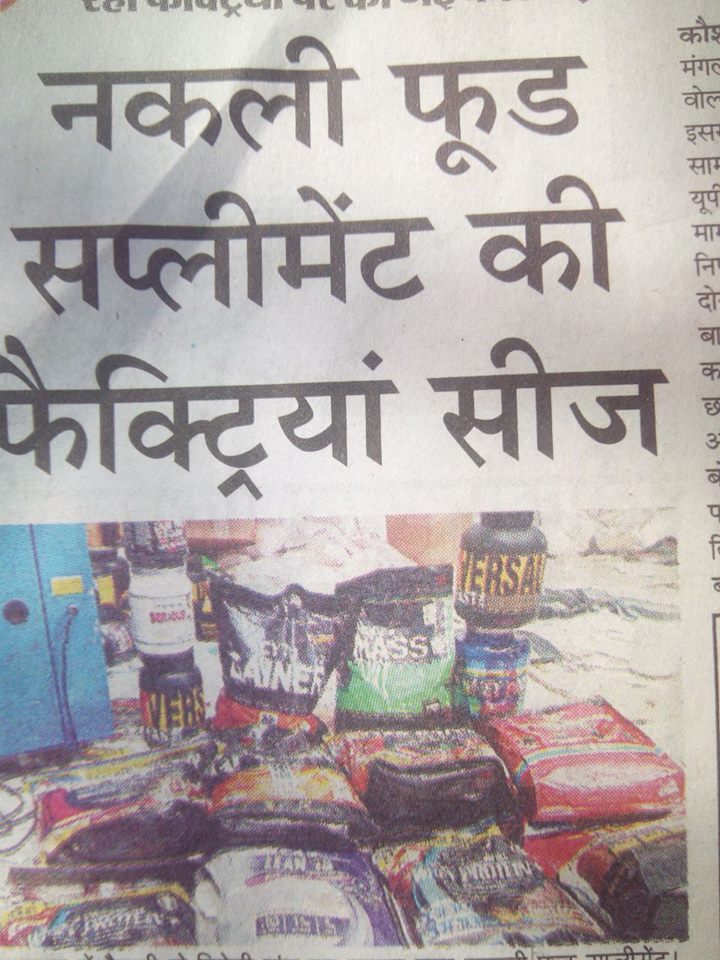
Tonnes of Fake Bodybuilding Supplements seized by Police in Delhi

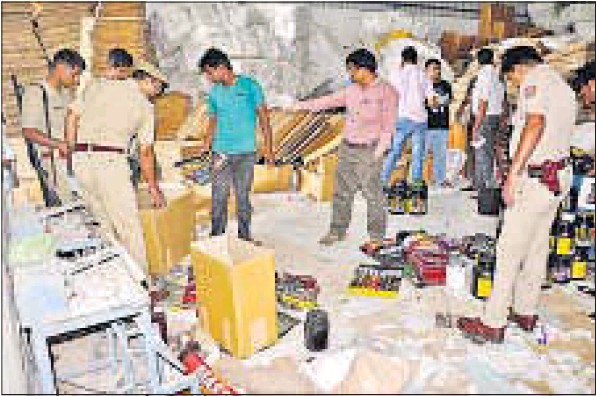
This is another incident where the police has caught fake supplements. These company puts your health at risk just to make some quick money. The Uttar Pradesh special task force ( UP- STF) and food and drugs department on Saturday seized over 36 tonnes of food supplements after raids were conducted in the city.
Team started after they received a tipoff from an anonymous person, the team raided two localities in Murad Nagar and Hindon Vihar and seized food and bodybuilding supplements prepared and packaged without any license from the Food and Safety Standards of India (FSSI).
The packaged supplements were being sold under the names of reputed international brands and were being distributed to sellers in Chandni Chowk, Delhi.Optimum Nutrition, Muscle Blaze, Muscle Tech, Universal Nurition few of these brands of which they we making duplicate supplements. Below is a picture of police team catching these people red handed.

The major haul of around 28 tonnes was seized from Murad Nagar, where a former gym operator and a businessman had setup a unit in Mainapur Industrial Area. He was allegedly involved in mixing various ingredients to prepare health and bodybuilding supplements. These supplements were later packed into high quality packets which makes the bottle and boxes look-a-like of the originals which makes it very difficult to detect. Another haul of around 8.5 tonnes was seized by officials from Hindon Vihar area.
Officials from the food and drug department at Ghaziabad said that the accused Sandeep Malik was running the unit without any license. The material seized from his factory has been sent to Lucknow for testing at a government laboratory.

“As per norms, the accused had not procured any approval from FSSI to prepare supplements. We have sent the items for testing and it is feared that these may contain steroids,” Vinit Kumar, the designated officer of food and drugs department said. “The accused will be booked under relevant IPC sections and also under provisions of Food and Safety Standards Act,” Kumar added.
Fake supplements industry is growing very fast. Its a quick way for some of these people to make quick money by putting innocent people’s health at risk. Please read our article on how to detect duplicate suppplements

5 Rules to detect fake bodybuilding supplement
Fake bodybuilding supplements products are on the rise these days. Its a major concern for all of us because its not only money wasted, but it also puts our health at risk. You can read about this in detail here . We suggest that you buy bodybuilding protein supplement from genuine dealers of reputed brands. You can also buy bodybuilding supplement online from trusted websites.


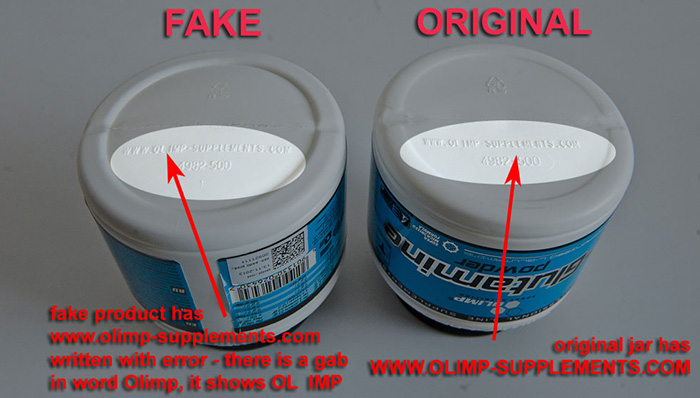
FAKE
Now you have done a lot of research on bodybuilding supplements and zeroed in on a particular brand. You have read lots of good reviews about this product and you are really excited about buying it. You find out who is giving you most discount and finally you buy this supplement from your hard earned money. Now as expected you are looking for some good results in your physic, but to your surprise you do not see any improvements, then you doubt your self whether you are working hard enough which leads to confusion and demoralization. But the actual cause may be the supplement that you are taking is fake. Read on further on how to detect a fake supplement and save your hard earned money.
Rule # 1 Check the Seal
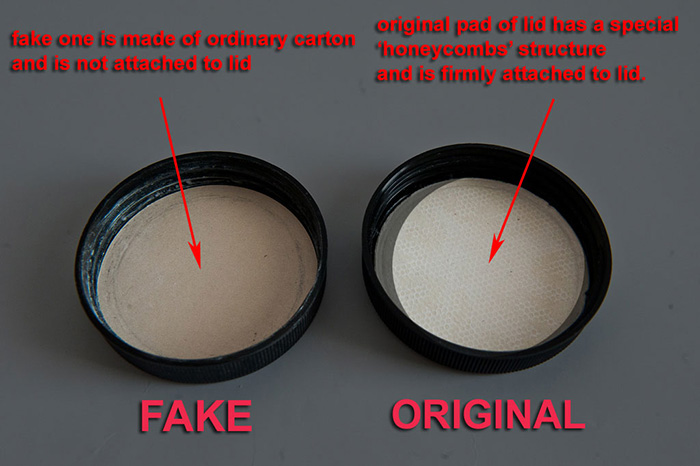
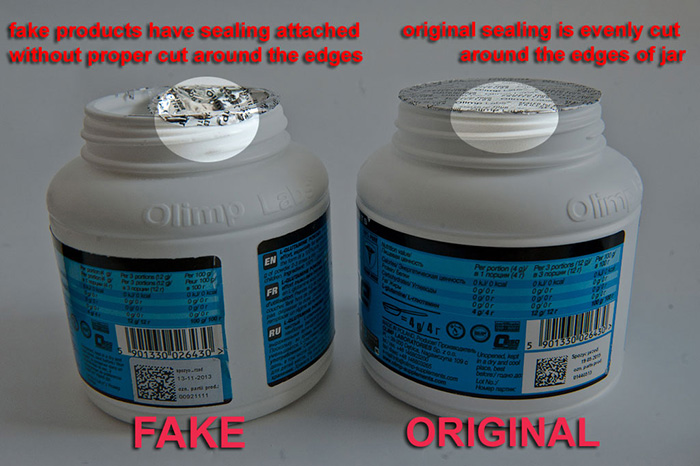
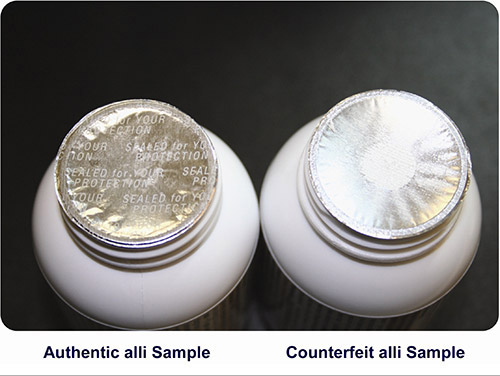
Rule No 1 is to check the seal properly. If there is no seal, then its definitely fake! If the seal is there then on close observation we can make out the difference between original and fake
a) The seal on the inner side of the lid should be checked carefully, The duplicate ones are loosely attached and are of poor quality.

Fake Supplement
b) Actual seal on the bottle should have proper edges and should be uniformly attached. It should not be open or loose from any side.


Fake Supplement
c) Seal usually have name of the brand endorsed on it, If the seal is plain and of low quality then its probably fake.

Fake Supplement
Rule # 2 Hologram / Logo
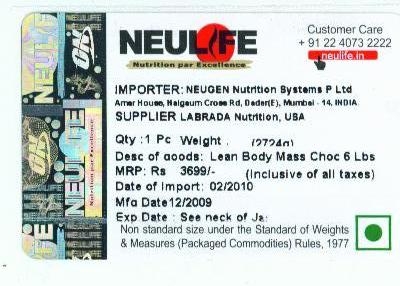
Rule no 2 is to check the logo of the brand and hologram, Most of the popular brand have a hologram mark which is difficult to forge.
Below is an example of Hologram on Optimum Nutrition brand.

Fake Supplement
Examples of fake Logo of Optimum Nutrition

Fake Logo
Rule # 3 MRP Sticker
Another easy way to detect fake is to check the MRP Sticker, Fake product usually paste another sticker for the MRP on the container. The Sticker on the genuine products are as shown below.

MRP sticker hologram
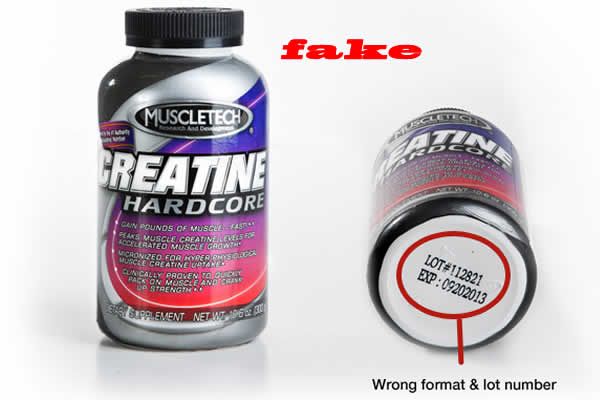
Rule # 4 LOT No Verification
We can verify genuine product by looking at the LOT No, Some companies provide online
service to validate LOT no of their product. For others you can call the customer care and confirm the lot no of bodybuilding supplements. Fake Supplements will have invalid LOT No.

Fake LOT No