
Nov 2, 2019

Food safety inspection held in Peren Town
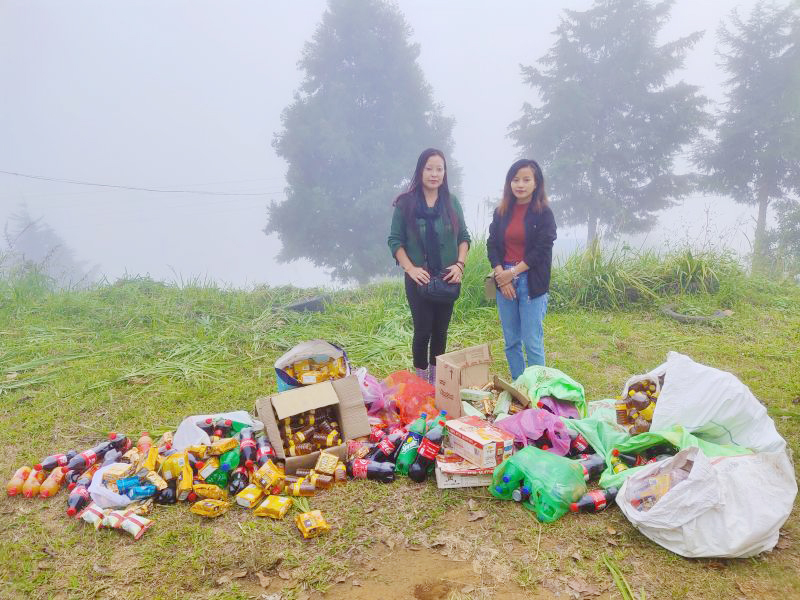
Food Safety Officer, Sanitary Inspector with the seized items at the office of the Chief Medical Officer Peren.
Peren, November 1 (MExN): The Food Safety Team under the office of the Chief Medical Officer Peren conducted a routine inspection of food establishments at Peren Town.
A press release issued by Pezanguno Celine Secü, District Media Officer, CMO Office Peren stated that the team comprising of the Food Safety Officer, Sanitary Inspector, Food Attendant and medical staff from CMO Office carried out the inspection at Kipeuzang village on October 25 and at Peren Town on October 28.
During the inspection, a number of expired food items which were sold beyond the best before dates were seized. Amongst them, cold drinks, cooking oil and biscuits were seized in majority considering their short shelf life some of which last only for 3-4 months. In regard to this, the shop keepers were advised to check their stock regularly and prevent the storage and sell of any unsafe food items in their custody. The seized items were later discarded after the FSSAI formalities.
The team also checked the FSSAI shop license, the shop keepers who are without FSSAI license or those with expired license were asked to apply and renew their license at CMO Office Peren at the earliest. Awareness is created about running a food establishment or shop without a valid license is punishable under the Food Safety and Standards Act 2006 and Regulations 2011.
Punjab plans to convert ‘used cooking oil’ into biodiesel
To prevent the misuse of unsafe, used cooking oil (UCO) in the State, Punjab Government has decided to collected it from the restaurants, hotels and other food establishments and convert into biodiesel.
Informing this, the State Food and Drug Administration Commissioner KS Pannu on Friday said that when the cooking oil is used more than twice or thrice for frying, the trans fats are produced to a detrimental level which are unsafe for human health.
“So, as per the directions of the Food Safety and Standards Authority of India (FSSAI), under the Repurpose Used Cooking Oil (RUCO) campaign, collection and conversion of used cooking oil (UCO) into biofuel has been initiated,” he said.
Pannu said that Northern Biofuels Private Limited, Mohali, has been authorised for UCO collection on the condition that the collected used cooking oil will only be used for the production of biodiesel.
Besides, the price of used cooking oil will be fixed by mutual agreement with the respective entities, he said adding that the Company has been directed to give a monthly statement to the Commissionerate detailing the oil collected from each district.
Govt to trace contaminated milk samples to their origin

Food Safety Authorities To Test Milk From 140 Production Units
Chennai:Milk samples that tested positive for cancer-causing aflatoxin M1in a national survey by the Food Safety and Standards Authority of India (FSSAI) will be traced to the origin – cow sheds where fodder could have been contaminated, state food safety authorities said.They will also test samples of milk from all 140 manufacturing units in the state.
A report on the 88 samples that tested positive for the carcinogen in tests done at Hyderabad-based VIMTA labs was sent to the food safety department on Tuesday. As per the survey released last month, the samples were all picked from retail outlets, including milk booths, chilling units, local vendors and supermarkets. Earlier, the state had requested the Centre to give it a list with details of locations from where the samples were picked up. Food safety officials refused to release the details of the brands from the survey report, but said they were doing a larger study to check milk quality. “Aflatoxin enters cattle’s body only through fodder,” said food safety deputy director K Vanaja. Poorly maintained cattle sheds where fodder is not frequently replaced or kept dry may cause fungus growth. “When fodder gets contaminated with aflatoxin, it is passed on to the milk. Aflatoxin contamination can’t happen at retail units. So even if samples collected from retail units have traces, we have to source it back to the manufacturing units,”said a senior government food analyst.
State health secretary Beela Rajesh, also the food safety commissioner, said the government will test quality of milk sold on a priority basis. In the past one week, district food safety authorities collected samples from across 140 milk manufacturing units. The samples collected till Wednesday will be sent to the private National Accreditation Board for Testing and Calibration Laboratories (NABL) for testing. The results are expected in 10 days. “We will use the results to push for good manufacturing practices in these units,” a senior official said.
Officials will use data from the national report to trace samples picked from retail units back to the manufacturing units. As of now, cost per sample will be borne by the manufacturers as they have to submit a detailed report of milk quality once every six months,officials said. In October, nearly 60% of the milk samples lifted from Chennai and its neighbourhood tested as part of the National Milk Safety andQuality Survey, 2018, was found “noncompliant”. As a part of the survey, more than 6,432 samples, including 551 from Tamil Nadu, were tested between May 2018 and October 2018 across all states and UTs. The report said 51% of the milk samples in TN were non compliant, compared to 41% of all-India standards. Nearly 88 samples from the state tested positive for aflatoxin M1. “Alfatoxin contamination is dangerous because pasteurization and sterilisation of milk have little effect on it and thus as waste product, it remains in the milk,” said a senior government food analyst. Among the 44 samples from Chennai, two tested positive for the carcinogen (above 0.5micrograms/kg) and 26 others were deemed non-compliant. In the surrounding areas, one out of four samples each in Puzhuthivakkam and Maraimalainagar were found to have aflatoxin.
Senior oncologists said aflatoxin is one of the common causes of liver cancer. “When ingested, it gets concentrated in the liver and triggers growth of cancer cells,” said surgical gastroenterologist Dr R Surendran of MIOT Hospital.
Nov 1, 2019
Zunheboto district bans gutka & pan masala
Zunheboto, October 31 (MExN): In view of the escalating trend of tobacco use leading to addiction among the youth and the ever-increasing number of tobacco related diseases, office of the Deputy Commissioner, Zunheboto has issued a notification on October 29, stating that the sale of gutka and all twin pack pan masala (containing tobacco and nicotine) conjoined or packaged as a separate product is prohibited in Zunheboto district with immediate effect.
A DIPR report stated that the order has been issued in pursuance of the Supreme Court interim order of September 23, 2016 and the State Government notification vide letter no HFW-23/B/FSSA/2010(PT) dated May 19, 2017 which prohibits manufacture, storage, distribution or sale of gutka, pan masala (containing tobacco or nicotine) and other products marketed separately but having nicotine or tobacco in the final product.
“Non-compliance of the notification would be an offence punishable under section 59 of Food Safety and Standards Act 2006,” the DC Zunheboto added.
Oct 31, 2019

Govt considers single US FDA-like regulator for food, drugs and medical devices

The move is aimed at streamlining regulatory structure while ensuring transparency, effective monitoring as well as ease of doing business.
At present, both medicines and medical devices are regulated by the Central Drugs Standard Control Organisation (CDSCO), whereas food along with nutraceuticals are monitored by the Food Safety and Standards Authority of India (FSSAI). Both CDSCO and FSSAI heads report to a joint secretary in the health ministry.
Government think-tank NITI Aayog has floated a proposal suggesting a separate third vertical for regulating medical devices similar to CDSCO and FSSAI. It has also recommended that instead of reporting to a JS, all the three verticals can be supervised by FDA India head who will be an IAS officer of the rank of additional secretary in the health ministry, official sources said.
“NITI Aayog’s suggestion has found favour with the PMO and is likely to be implemented soon,” a senior official told TOI.
“It is important to restructure the regulators because while much of these are pharmaceutical products or products concerning the health of people, they are different in their making, design, technology, usage as well as marketing and distribution. It is unfair to regulate medical devices as medicines. At the same time, it is important to have somebody overseeing them from a health perspective,” the official said.
The NITI Aayog’s proposal has also been endorsed by industry which says the move will be in line with international standards and procedures and therefore, will help ease regulatory approvals for Indian companies in other countries.
All the three sectors – pharmaceuticals, medical devices and food – are fast growing industries in the country with rapidly increasing consumption of such products. The Indian drug manufacturing industry – which clocked a local annual sales of over Rs 1,36,000 crore – is also the third largest export revenue churner. The medical devices industry, currently pegged at around $7 billion in India, is rapidly growing and projected to touch $50 billion by 2025. The Indian food market, valued at $39.71 billion, is also one of the fastest growing industries in the country.
“An overarching body like FDA India will help enhance the brand value and establish a credibility by way of uniformity. It is often difficult and sometimes even embarrassing for us in other regulated markets to seek clearances for our products because they are certified by authorities or organisations with no global recognition,” a medical device manufacturer said.
The Aayog has also been pushing for a separate law or Act to regulate medical devices. The proposal for the bill also recommends a separate regulatory authority for medical devices and an overarching body headed by health ministry. The proposal is in final stages of discussion with an inter-ministerial note circulated to different ministries.
Food safety officials begin streamlining sale of oil
After reports on loose sale of oil emerged, food safety officials have begun streamlining manufacture and sales of oil used for lighting. While oil for lighting should not be made where edible oil is manufactured, many units still violate the rule, officials said.
It is difficult to differentiate between the two varieties by the way it is packed which, the officials say, is done intentionally to make a killing. While the packing is similar to edible oil with misleading pictures, often a mention is made in the packet that it is meant for only lighting.
“This is written in English which is a deliberate to mislead people,” designated officer for food safety, Madurai district Dr M Somasundaram said.
To end the illegal practice, the officials have introduced a common colour to differentiate lighting oil from cooking oil. Only violet colour should be used on packing with a wording not less than 10 mm height mentioning that the oil is not meant for cooking.
FSSAI has recently implemented Blissful Hygienic Offering to God (BHOG) to ensures a list of pooja items used in temple are edible, as the products go into ‘abishekam’ and people consume it after the pooja. The list of items includes lighting oil, honey, sucrose syrup, camphor, incense sticks, fragrance oil, kunkum, ghee and holy ash.
Telangana scores low in food safety, termed ‘weak state’
Hyderabad: Telangana has been described as a ‘weak state’ when it comes to food safety. The Food Safety and Standards Authority of India (FSSAI) has given India’s youngest state a total score of 40 out of 100 in the state food safety index report.
Telangana received poor marks in various categories. In human resources and institutional data, it got seven out of 20 marks. In compliance, it got 14 out of 30, in food testing-infrastructure and surveillance, it received 15 out of 20, in training and capacity building, it got four out of 10 and in consumer empowerment, it got zero out of 20 marks.
Telangana is among the 24 states that have been bracketed as ‘weak states’. Jharkhand got 33 marks, Lakshadweep 22, Mizoram 36, Nagaland 39 and Sikkim received 37 marks. Neighbouring Andhra Pradesh did comparatively better with 57 out of 100. With 84 out of 100, Goa topped the list of states, followed by Kerala and Tamil Nadu.
Having been bracketed among weak states, which have a score of less than 60 and needing a push in food safety, authorities in Telangana have started implementing measures to improve the ranking. “We are positive that our ranking and scores will improve soon. Among the most important measures we have taken include training hotel workers in cleanliness and preservation of food, use of gloves and regular health check-ups,” K Shankar, director of food safety.
According to Shankar, 2,500 hotel workers in Hyderabad and districts like Warangal have been trained on various aspects of food safety. Additionally, vegetable oil manufacturers are being urged to produce fortified oils which will be rich in vitamins. They can display ‘K+’ label on their products to show the oil has been fortified. The food index report was released in June.
Indian sweetmeats have expiry dates too
Did you know traditional Indian sweets have different spans of shelf life like packaged food products? For instance, khoya burfi has a shorter shelf life than the boondi laddoo.
According to a guidance note on traditional Indian milk products released by Food Safety and Standards Authority of India (FSSAI), the shelf life of Indian sweets depends on the kind of ingredients used in them. It is the responsibility of packaged food manufacturers to clearly mention the date of manufacturing and ‘best before’ or ‘use by’ date on the labels.
Mandatory labelling
"In case of pre-packaged milk products, the list of ingredients and the date of manufacturing and best before or use by date should be mentioned as prescribed under the FSS (Packaging and Labelling) Regulations, 2011," FSSAI stated in its guidance note.
Even in the case of non-packaged or loose sweets, the food safety authority recommends that the container or tray display information including whether the food item contains oil, ghee or vansapati.
Shelf life
So what needs to be consumed on the day of purchase? FSSAI says Kalakand and its variants such as Butterscotch Kalakand and Chocolate Kalakand should be kept at room temperature and consumed the same day.
Milk products and Bengali sweets should be stored in the refrigerator and consumed within two days, it adds. They include sweets such as badam milk, rasgulla, rasamalai, shahitoast, rajbhog among others.
Sweets that are made in khoya format besides certain variants of laddoo should be consumed within four days. So traditional Indian sweets such as milk cake, mathura peda, milk/pista/coconut burfi, and boondi laddoo should not be eaten after fourth day.
Durable sweetmeats
What can be stored and consumed for a longer duration? Sweets that contain ghee and dry fruits can be consumed within seven days, according to FSSAI. This include kaju katli, ghewar, shakkar para, and dryfruit/aata/besan laddoo.
Take a look at the complete list of sweets and their shelf life by FSSAI
So make sure you don't eat traditional sweets past their shelf life and ask the sweets vendors for information on date of manufacturing.
Milk in India is certainly not as safe as the food regulator claims
The recent report released by FSSAI about its milk survey shows many glaring discrepancies
The apex food regulator of the country — Food Safety and Standards Authority of India (FSSAI) — released its final report of the National Milk Safety and Quality Survey (NMSQS) on October 18 this year and gave a clean chit to milk available in India as being ‘largely safe’.
A close look at the report however suggests otherwise. It clearly shows that a substantial proportion of milk samples, particularly processed milk, is unsafe for consumption and it chooses not to inform consumers about these brands of processed milk. It also does not provide important information pertaining to antibiotics in milk.
As stated in the report, FSSAI had collected milk samples (both raw and processed) from local dairy farms, vendors, retail shops, milk mandis, and processing units across all states and Union Territories of India.
These milk samples were subjected to tests for quality and safety. Quality tests included those for fat and Solids-Not-Fat (SNF). Safety was evaluated based on the presence of adulterants and contaminants. Twelve adulterants (such as urea, sugar, maltodextrin, etc) and three categories of contaminants (aflatoxin M1, antibiotics, and pesticides) were evaluated.
An in-depth look at the data on unsafe milk samples show that over 10 per cent of the processed milk samples (271 out of 2,607) in the country are found unsafe due to presence of contaminants such as aflatoxin M1, antibiotics, and pesticides above the tolerance limits set by FSSAI.
In other words, one in 10 packets of the milk bought by consumers could be unsafe. Apart from processed milk samples, 4.8 per cent of raw milk samples (185 out of 3825) were found to be non-compliant for safety.
It is worrying and intriguing as to how contaminants continue to remain in processed milk, in higher probability, despite having undergone several levels of processing and checks by the organised sector.
“The message from the central food regulator is confusing. The report suggests otherwise. Sadly, milk does not appear to be as safe as it is being communicated”, says Amit Khurana, director of the programme on food safety and toxins, Centre for Science and Environment (CSE).
By not informing about the brands of samples found unsafe, the report has left consumers clueless and does not help them make an informed choice. Moreover, it is unclear if this is about few national-level brands or multiple local brands.
Since long-term exposure to aflatoxin M1 can cause cancer and presence of antibiotics in foods has linkages to antimicrobial resistance (AMR), a global public health threat, it is important that a correct message about milk safety should have been communicated to the public. This is particularly important as milk is a staple in most Indian households, especially those with children.
The results clearly show that presence of unsafe milk is a country-wide problem, unlike what is said in the report that “the problem is restricted to a few pockets and in some states”. Unsafe milk was reported from 21 states and two Union Territories (see ‘State of the states’).
The question of antibiotics
Antibiotics in milk are a big concern as out of the three contaminants, antibiotic residues in milk can be attributed to their deliberate use in dairy production. Moreover, unsafe levels of antibiotics that were detected in 77 samples from 13 states and two Union Territories, suggesting that the problem is widespread; particularly for the processed milk sector (40 out of 77 were of processed milk).
On the other hand, out of the 37 raw samples, 20 were from Madhya Pradesh, making it more of a state-level issue and not a pan-India scenario.
“Antibiotic residues in milk from across the country are a big concern. To contain antibiotic resistance, antibiotics must not be allowed to be misused in the dairy sector. They should not be used for non-therapeutic purpose and those which are critically important for humans should be regulated,” adds Khurana.
The report does not provide necessary information related to antibiotics in milk. It does not tell us which antibiotics were found at unsafe levels. It also does not inform about samples with antibiotics present but within limits set. There is no mention of levels of antibiotics found, so one does not know if antibiotic residues found were just above or many times higher than the limits set.
It is unclear whether only classes of antibiotics (beta-lactams, sulfonamides, quinolones, tetracyclines) were tested or individual antibiotics belonging to these classes were also tested.
The report also mentions that 93 antibiotics and veterinary drugs were tested according to the Food Safety and Standards (Contaminants, Toxins and Residues) regulation. But the actual number of antibiotics tested could be less as only 29 are antibiotics in the list mentioned in the regulation.
Moreover, it can be inferred from the report that veterinary drugs were not tested at all. Further, apart from the four classes, there are several antibiotics for which standards have been set by the FSSAI but not tested like Streptomycin, Neomycin, Apramycin, and Colistin (which was banned in July 2019 but was allowed to be used at the time of survey).
But most importantly, antibiotics which are commonly used in the dairy sector but their upper limits are not set so far, are not included in this survey like Gentamycin and Amikacin. Else, the number of unsafe samples would have been more.

Oct 30, 2019


‘41% milk samples collected from state unfit for consumption’
If you believe that the milk you are drinking is safe, think again. In a nation-wide study conducted by the Food Safety and Standards Authority of India (FSSAI), the apex food regulating body found 41% of the milk samples collected from Maharashtra were unfit for human consumption.
The study, published by the FSSAI last week, also revealed that the samples found from Maharashtra contained residues of antibiotics and carcinogenic agent aflatoxin M1.
To evaluate the quality of milk, FSSAI collected 6,432 samples from across 1,103 cities across the country. In Maharashtra, which produces 10,402 tonnes of milk each year, the FSSAI collected 678 samples from 98 towns. Out of these, 276 were found to be non-compliant with respect to quality and safety standards for consumption.
Despite repeated attempts, Dr Yogesh Kamat, director (Mumbai regional office), FSSAI, was unavailable for a comment. However, Dr Krishna Madhukar, deputy director of FSSAI, said that she is yet to receive a copy of the report. “I would be able to comment on it after getting the report. But on an everyday basis, we keep a check on the quality of milk supplied, to prevent the consumption of contaminated milk among consumers,” he said.
The survey also revealed that nine samples contained aflatoxin M1 (AFM1), which has been known to cause cancer.
“There are two ways in which this substance can contaminate milk. It can either pass into milk if the cattle is fed with fodder contaminated with aflatoxin, or if the milk produced by the cattle develops fungi-producing aflatoxin. The latter is quite rare in India and thus makes it more important to regulate the fodder given to cattle in sheds,” said Dr JC Khanna, director of the veterinary hospital in Parel.
The survey also found that 20 milk samples had antibiotics. According to the doctors, this can lead to development of antibiotic resistance among consumers.
Doctors are also of the opinion that the cattle owners often use antibiotics to suppress infections in cattle without a proper prescription. “If a batch of milk contains antibiotics at a level above the tolerance limit of 10µg (micrograms)/litre of milk, then it has potential concerns. This could be a cause of acquired antibiotic resistance. When milk contains antibiotics it may lead to antibiotic resistance among babies,” said Dr Vikrant Shah, consulting physician, intensivist and infection disease specialist, Zen Multispeciality Hospital Chembur.
Previously, South Korea-based Konkuk University, in its report titled, ‘Occurrence and analysis of aflatoxin M1 in milk produced by Indian dairy species’, had also stated about the presence of AFM1 in 46.5% of the samples it had collected for a study in India. “Most of the developed countries have set or proposed legal regulations for AFM1 levels in dairy products. Analytical methods that combine simplicity, a high detection sensitivity and a high analytical throughput, are required for the effective screening AFM1 in food,” the Seoul-based university’s report had suggested.
Oct 29, 2019
இலைக்குப் பதில் பிளாஸ்டிக் கவரில் தோசை! - காவலரிடம் சவால்விட்ட ஃபாஸ்ட் ஃபுட் ஓனருக்கு சிக்கல்
சென்னையில் வாழை இலைக்குப் பதில் தடைசெய்யப்பட்ட பிளாஸ்டிக் கவரில் உணவு பரிமாறப்பட்டது. அதைத் தட்டிக்கேட்ட காவலரிடம் தகராறில் ஈடுபட்டார் ஃபாஸ்ட் ஃபுட் கடை உரிமையாளர்.

இலைக்குப் பதில் பிளாஸ்டிக் கவரில் தோசை
சென்னை புதுப்பேட்டை ஆதித்தனார் சாலை அருகே ஃபாஸ்ட் ஃபுட் கடை ஒன்று செயல்பட்டு வருகிறது. இந்தக் கடைக்கு புதுப்பேட்டை ஆயுதப்படையில் வேலைபார்க்கும் திருச்சியைச் சேர்ந்த காவலர் சரவணன் என்பவர் நேற்றிரவு சாப்பிடச் சென்றார். அப்போது அவருக்கு, வாழை இலைக்குப் பதில் பிளாஸ்டிக் கவரில் உணவு பரிமாறப்பட்டுள்ளது. இதனால் அதிர்ச்சியடைந்தவர், பணம் வாங்கும் இடத்தில் இருந்தவரிடம் விவரம் கேட்டுள்ளார். அதற்கு அந்த நபர், 'இதைக் கேட்க நீ யாரு?' என்று கேட்டுள்ளார்.

பாஸ்ட் புட் கடையில் சோதனை
உடனே காவலர் சரவணன், `கார்ப்பரேஷன் அதிகாரிகள்தான் கேட்க வேண்டுமா, காவலர் என்ற முறையில் கேட்கவில்லை. பொதுமக்களில் ஒருவன் என்ற அடிப்படையில்தான் கேள்வி கேட்கிறேன்' என்று கூறினார். இதனையடுத்து, சரவணனின் செல்போன் நம்பரைக் கேட்டு, அதை ஒரு பேப்பரில் எழுதினார் ஃபாஸ்ட் ஃபுட் உரிமையாளர். அப்போது அவரின் அருகில் இருக்கும் நபர், `நாளைக்கு மார்க்கெட்டுக்கு 10 மணிக்கு வா' என்று கூறுகிறார். அதற்கு காவலர் சரவணனும் சரியெனக் கூறிவிட்டு அங்கிருந்து செல்கிறார். இந்தக் காட்சிகள் அனைத்தும் சரவணனின் செல்போனில் ரகசியமாகப் பதிவானது.
ஃபாஸ்ட் ஃபுட் கடையில் நடந்த சம்பவத்தை காவல்துறையைச் சேர்ந்த உயரதிகாரிகளின் கவனத்துக்குக் கொண்டு சென்றார் சரவணன். பிறகு, உணவு பாதுகாப்புத் துறையின் வாட்ஸ்அப் நம்பருக்கு அந்த வீடியோவை அனுப்பிவைத்தார். அதைப் பார்த்த உணவு பாதுகாப்புத் துறையைச் சேர்ந்த அதிகாரிகள், ஃபாஸ்ட் ஃபுட் உணவகத்துக்குள் நுழைந்து ஆய்வு நடத்தினர். அப்போது, பிளாஸ்டிக் கவர்களில் உணவுகள் வைக்கப்பட்டிருந்தன. இதையடுத்து, அந்த உணவகத்துக்கு சீல் வைக்கப்பட்டுள்ளது.

பிளாஸ்டிக் கவரில் உணவு
காவலர் சரவணனிடம் பேசினோம். ''நேற்றிரவு 9.30 மணியளவில் அந்த ஃபாஸ்ட் ஃபுட் உணவகத்துக்குச் சென்று தோசை சாப்பிட்டேன். தோசையை பிளாஸ்டிக் கவரில் சுடச்சுட வைத்துத் தந்தார்கள். உடனே சப்ளை செய்தவரிடம் பிளாஸ்டிக் கவரில் உணவை வைத்துக் கொடுப்பதால் உடல் நலம் பாதிக்கப்படும் என்றேன். சப்ளை செய்தவர் வடமாநிலத்தைச் சேர்ந்தவர் என்பதால் நான் பேசியது அவருக்குப் புரியவில்லை.
சாப்பிட்டுவிட்டு பணம் கொடுக்கும்போது அங்கிருந்தவரிடம் விவரத்தைக் கூறினேன். வீடியோ எடுக்க வேண்டும், தகராறு செய்ய வேண்டும் என்ற எண்ணம் எனக்கு இல்லை. பணம் கொடுத்தபோது அந்த நபர், என்னிடம் மிரட்டும் தொனியில் பேசினார். அதனால்தான் செல்போனில் வீடியோவை ஆன் செய்தேன். அதைக் கவனித்த அந்த நபர், வீடியோவை நல்லா எடுக்கும்படி கூறியதோடு என் செல்போன் நம்பரையும் கேட்டார். இதனையடுத்து, அவரிடம் என் நம்பரைக் கொடுத்தேன். தற்போது அந்த உணவகத்துக்கு சீல் வைத்துள்ளதாகத் தகவல் கிடைத்துள்ளது" என்றார்.
காவலர் சரவணன் எடுத்த வீடியோவில், அவரிடம் தகராறு செய்யும் நபரின் அருகில் ஃபாஸ்ட் ஃபுட் கடையை நடத்துபவர் சிரித்தப்படி அமர்ந்திருக்கும் காட்சியும் பதிவாகியுள்ளது. இந்த வீடியோ, சமூக வலைதளங்களில் வைரலாகிவருகிறது. அதோடு, உணவு பாதுகாப்புத் துறை அதிகாரிகள் ஆய்வுசெய்யும் வீடியோவும் வலம்வருகிறது.

கடைக்கு சீல்
இதுகுறித்து உணவு பாதுகாப்புத் துறையைச் சேர்ந்த அதிகாரி ஒருவரிடம் கேட்டதற்கு, ''எங்களுக்குக் கிடைத்த தகவலின்படி ஆய்வு நடத்தினோம். அப்போது, உணவு வகைகளை பிளாஸ்டிக் கவர்களில் அடைத்துவைத்து பதப்படுத்தியிருந்ததைக் கண்டறிந்தோம். மேலும், தடைவிதிக்கப்பட்ட பிளாஸ்டிக் கவர்கள் அந்த ஹோட்டலில் பயன்படுத்தப்பட்டன. அதோடு, சுகாதாரச் சீர்கேடும் காணப்பட்டது. இதனால்தான், சம்பந்தப்பட்ட ஃபாஸ்ட் ஃபுட் கடைக்கு சீல் வைத்தோம்" என்றவர்,
''சம்பந்தப்பட்ட ஃபாஸ்ட் ஃபுட் உணவகத்தில், தடை செய்யப்பட்ட பிளாஸ்டிக் கவர்களில் சாதம், நூடுல்ஸ், சிக்கன், மட்டன் போன்றவற்றை அடைத்து குளிர்சாதனப் பெட்டிகளில் வைத்திருந்தனர். இதனால் அந்த உணவு வகைகள் சாப்பிடத் தகுந்த நிலையில் இல்லை. ஆனால், அதைத்தான் அந்த உணவகத்துக்கு வரும் வாக்கையாளர்களுக்கு சமைத்து சப்ளை செய்கின்றனர்" என்றார்.

பாஸ்ட் புட் கடை
அதிகாரிகள் சீல் வைத்தது குறித்துப் பேசிய ஃபாஸ்ட் ஃபுட் கடையை நடத்தி வருபவர்கள், ``தீபாவளி நேரம் என்பதால், வாழை இலைகள் காலியாகிவிட்டன. பிளாஸ்டிக் பேப்பரில் உணவை வைத்து பரிமாறியது தவறுதான். மேலும், காவலரிடம் வாக்குவாதத்தில் ஈடுபட்டவர், ஃபாஸ்ட் ஃபுட்டை நடத்திவருபவரின் நண்பர். அவர் பேசிய பேச்சுக்களால்தான் சீல் வைக்கும் நிலை ஏற்பட்டது" என்கின்றனர்.


Oct 27, 2019
Experts urge Centre to remove trans-fatty acids by 2021
A Delhi-based voluntary group writes to FSSAi, highlights over 77,000 deaths attributed to trans fats consumption in India.
Consumer organisations and health experts have written to the Union Health Ministry asking it to advance the 2022 deadline for the elimination of trans-fatty acids in Indian food to 2021. Over 77,000 deaths annually are attributed to trans fats consumption in India.
“This is a major factor for spike in cardiovascular diseases, hypertension and type-II diabetes. AnThe earlier deadline would ensure a drastically reduce the incidence of heart diseases among the Indians,’’ said Consumer Voice, a Delhi-based voluntary organisation working in the area of consumer education. The group has also written to the Food Safety and Standards Authority of India (FSSAI).
As per the draft notifications of FSSAI, the elimit of trans-fats in the fats/oils shouldwill be not be more than 3% by weight on and from January 1, 2021 and not more than 2% by weight on and from January 1, 2022.
Ashim Sanyal, chief operating officer of Consumer Voice, whichthat works under “Jago Grahak Jago” programme of the Ministry of Consumer Affairs, said trans-fats in Indian food were are responsible for health risks like cardiovascular disease, hypertension, type-II diabetes and obesityies.
“To safeguard health of consumers, trans-fat should be eliminated from Indian food as soon as possible. The momentum against trans-fats is gaining across the world. Therefore, we are demanding immediate notification by the FSSAI to make Indian food free from trans-fatty acids by 2021,” he said.
Globally, as per the Union Health Ministry’s records, trans-fat intake results in more than 500,000 deaths of people from cardiovascular disease every year. In India, more than 77,000 deaths annually are attributed to trans-fats consumption, which is the highest in the world.
Health experts have noted that TFA can be found both naturally and artificially in foods. While natural trans-fats, present in very small amounts in certain animal products and whole milk, are not considered harmful, but industrially-produced artificial trans-fats, which are manufactured by done through adding hydrogen to vegetable oil, lead to an increase in bad cholesterol (LDL) and lowering of good cholesterol (HDL). These trans-fats are largely found in vanaspati oil, margarine, bakery shortenings, and in baked and fried foods.
The organisation has also submitted an eight-point charter of demands to the Health Ministry to draw attention to the issue and take a decision urgently.
``These include immediate notification of The Food Safety and Standards (Food Product Standards and Additives) Regulations, 2011 with amendment made for trans-fats limits and oils and an earliest notification of Food Safety and Standards Regulations 2019,’’ the group noted.
Experts have added that the Food Safety and Standards (Food Product and standards and Additives) Regulations, 2011 should include 2% limit on trans-fats for fats, oils and “all food products”. Also, the current regulation of 5% limit should be made measurable with regular surveillance tests while transparency should be ensured in the implementation process by making testing data (5%, 3% and 2% limit) at the national and state levels available in the public domain.
They have also demanded introduction of a new logo for trans-fat-free (2%) products and restriction on misleading “No Trans Fats” claim on packaged food products. ``There should also be strict monitoring of marketing methods and advertisements of packaged food items with all kinds of misleading claims,’’ noted the letter.
Food safety teams to check railway stations, bus stands
CHANDIGARH: Tightening the noose around food business operators (FBOs) trying to sneak substandard khoya into the state, the food safety officers have been directed to maintain a special vigil on railway stations, inter-state buses, trucks and cold stores.
Punjab food and drug administration commissioner Kahan Singh Pannu said regular inspections have curtailed the production of substandard and spurious products to a large extent in the state, but the intent to earn quick profits can lure some FBOs to buy inferior quality raw material from neighbouring areas. So, to check the inflow of substandard food material, the food safety teams have been directed to work in consonance with the railway authorities who may inform them whenever there is any khoya or paneer in transit and also check the cold stores in their jurisdiction.
The checking of buses is also underway and there have been a couple of breakthroughs in the same in Ludhiana where khoya from Bikaner was being sneaked into the city via an interstate bus.
Besides, vehicles supplying milk to sweet shops and dairies early in the morning are also being checked. Ahead of Diwali, the ambit of food safety inspections has been increased, said Pannu adding that rural sweets outlets have also been brought under regular inspection.
Officials discuss food safety, adultration
Amritsar, October 25A meeting of the advisory committee on food safety was held under the chairmanship of ADC (General) Dr Himanshu Aggarwal here on Friday.
District Health Officer said Dr Charanjit Singh said several issues related to food safety and adulteration were discussed at the meeting.“At the meeting, it was suggested that proper awareness must be spread among food vendors regarding good manufacturing practices and harmful effects of chemicals like calcium carbide. It was also proposed that a joint inspection by officials of the mandi board and other departments must be carried to ensure food quality,” said the District Health Officer.
Officials said special focus should be on formalin use of fish and milk. All departments were requested to give information regarding adulteration and contribute towards the mission to stop adulteration in food.
The police were requested to provide protection when required. It was suggested that samples and inspection of mid-day meal should be conducted regularly to insure good and healthy food for kids.
This meeting was attended by police officers and officials from the Education Department, hotel and other associations, Agricultural Department and Food Technology Department.
Oct 26, 2019


Oct 25, 2019


11000 kg rotten dry fruits worth Rs 70L destroyed
Indore: Taking a big action against food adulterators, district administration on Wednesday destroyed 11,000 kg of rotten dry fruits kept in cold storage. Market value of the dry fruits in eatable condition is around Rs 70 lakh.
As part of its ‘Shuddh Ke Liye Yuddha’ (fight against food adulteration) drive, a joint team of food safety and civil supply led by SDM Anshul Khare raided Mahakaal Trading Company at Himmat Nagar in Palda area. The team found a room locked from outside. A board reading ‘not fit for usage/wastage’ was hung outside the room used as a cold storage.
When the team opened the room they found around 500 sacks of rotten almond and pistachio stored there. “We found 10-12 tonnes of rotten dry fruits stored in the cold storage. We loaded them in IMC vehicles to take it at an appropriate spot and destroy,” Khare told TOI.
The team collected food samples from Shrinath Agency in Palda, Ambika Namkeen on Jail Road and Uttam Bhog in Scheme 54. Another team led by SDM Pratul Sinha also collected food samples from Naagar Misthan Bhandar, Mahakal Misthan, Jain Misthan, Jodhpur Sweets and Jain Mithai Bhandar in Depalpur, for laboratory test. Appropriate action will be taken against owners if test is positive, senior food safety officer Manish Swami said.
Inspection at restaurants to be intensified
Secunderabad: Following crackdown on Paradise food court, the GHMC is all set to inspect more hotels, restaurants and tiffin centres in Secunderabad over sanitation concerns. “Every day we receive nearly 10 complaints from customers on hygiene issues. Post-Diwali, we will be conducting more inspections, especially to improve kitchen conditions and curb use of single-use plastic,” said Ravindra Goud, Secunderabad assistant medical health officer.
On Wednesday, Goud inspected Swagath Grand in Malkajgiri and found the drainage system was improper as manhole was overflowing. In fact, the government had recently permitted recruitment of 26 food safety officers.
Counterfeit food items pose danger to citizens: Centre
Union Health Ministry asks States to take strict action, especially during the festival season, and check the menace
“Counterfeit food items are illegal and bypass all mandatory quality checks and pose a grave danger to the health of citizens. It is imperative that the problem is dealt with effectively,” said the Union Health Ministry asking States to take strict action, especially during the festival season.
Health Secretary Preeti Sudan recently spoke to Principal Secretaries of States and Union Territories highlighting the issue of counterfeit food products and suggested periodic checks with the help of police.
In August, the Delhi HC had directed the Secretary of Health and Family Welfare to hold a meeting of Food Safety Departments of the States along with Food Safety and Standards Authority of India and submit a report on the manner in which counterfeiting of food products could be tracked, recorded and curbed.
Ahead of Diwali, govt to step up surveillance on food adulteration
- Along with holding periodic drives with the help of police authorities to keep the food adulteration in check, the government is also looking at strengthening the manpower
- State government were also asked to ensure effective implementation of the Food Safety and Standard Act, 2006
NEW DELHI : While the festival of Diwali is round the corner, union health ministry has asked the state governments to step up the surveillance regarding food adulteration. Along with holding periodic drives with the help of police authorities to keep the food adulteration in check, the government is also looking at strengthening the manpower.
State government were also asked to ensure effective implementation of the Food Safety and Standard Act, 2006. “Counterfeit food items, being totally illegal, bypass all mandatory quality checks and pose a grave danger to the health of our citizens. It is absolutely imperative that the problem is dealt with effectively," said Preeti Sudan, Secretary ministry of health and family welfare.
“There is a need to ensure requisite availability of manpower for all activities of food safety, “States and union territories need to clearly identify the number of Designated officers (DO) and Food Safety officers (FSO) posts required for food safety administration and take steps to create the posts and fill them. Similarly, technical posts in laboratories need to be filled up, besides upgrading of the laboratories," she said.
While the government has directed the authorities to scale up consumer awareness, it has urged the consumers to insist on bills while purchasing food products etc. High Court of Delhi in its order dated 19.08.2019 had directed the Secretary of Health and Family Welfare to hold a meeting of the Food Safety Departments of the State Governments along with Safety and Standards Authority of India (FSSAI) and submit a report on the manner in which counterfeiting of food products can be tracked, recorded and curbed in an effective manner.
Why you must completely avoid store-bought sweets in Diwali
01/8The trend of adulterated sweets during Diwali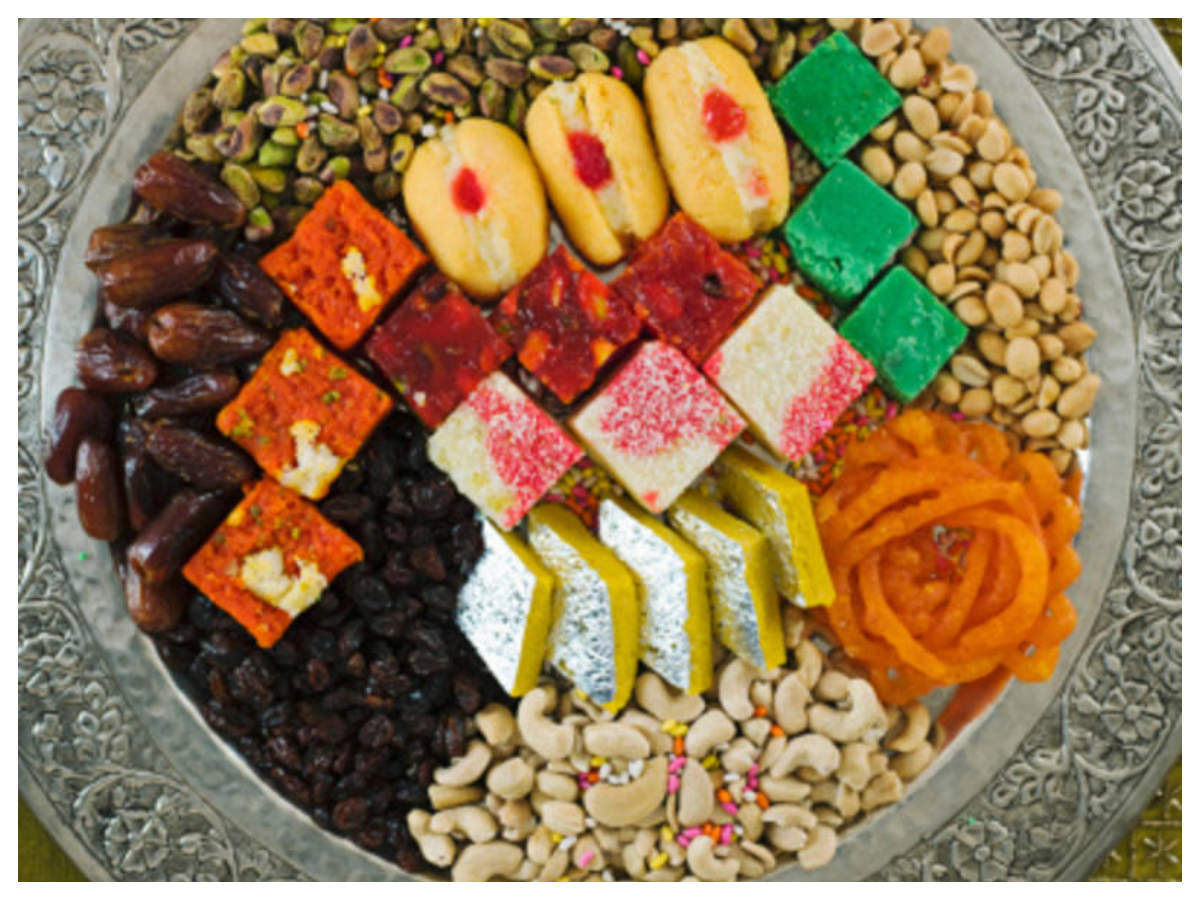
Diwali is not just a festival of lights, but of sweets and savouries too. In India, from Pooja rituals to gifting, every part of Diwali celebration involves a lot of sweets and that gives a lot of scope to the market players to fool you around. Wondering how? Well, the sweet shops are known for adulterating sweets to meet the demand. From milk to sugar, everything is adulterated and pose a threat to your health. Food experts and home chefs suggest indulging in homemade preparations like halwa, gulab jamun, besan barfi and coconut laddoo. They are easy to make and are least adulterated. Read this piece of information to know about the game of adulteration and you will realise why it is advisable to avoid store-bought sweets in Diwali.
02/8Sugar
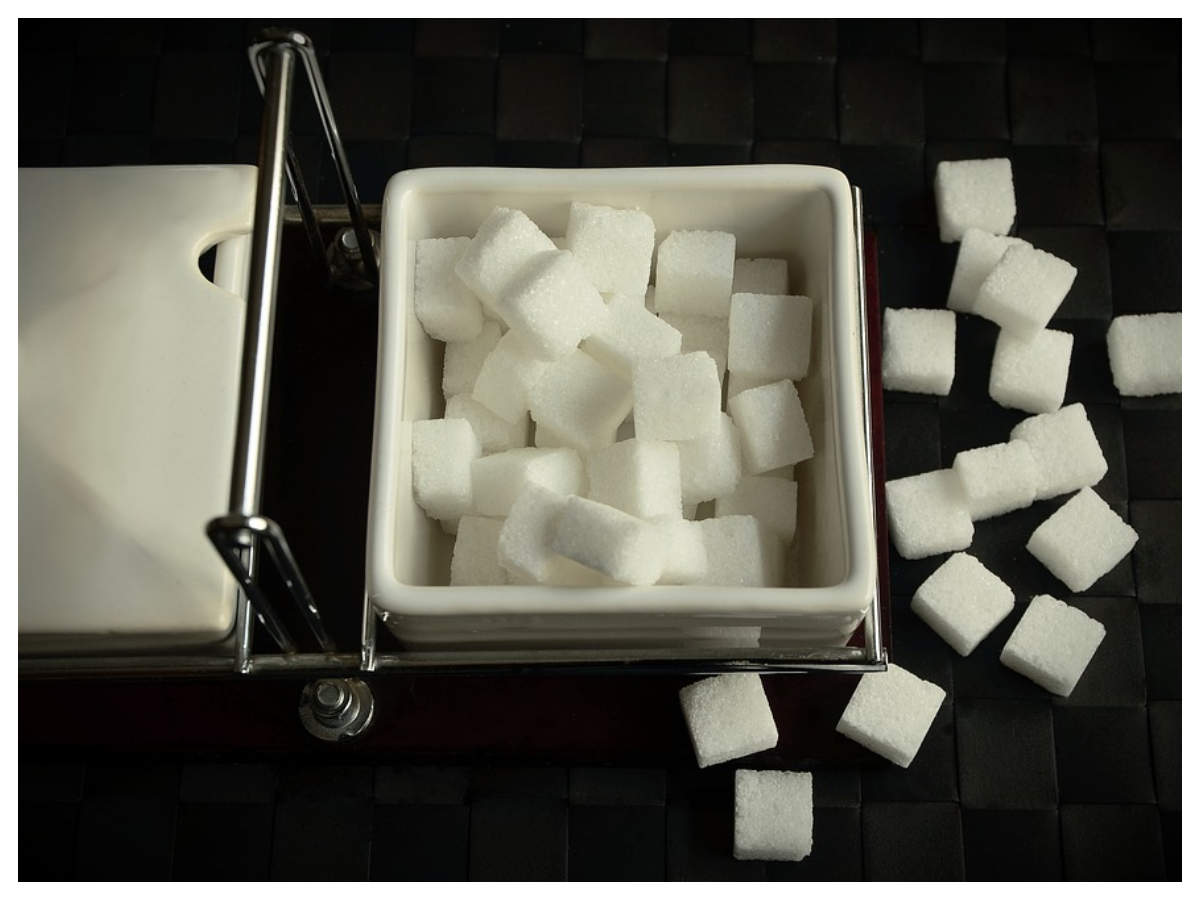
How can you think of sweets without sugar? And keeping the demand for sweets during festivals, market players have got a smart trick, where they add powdered chalk, washing soda or white sand to powdered sugar. Experts have found that these materials easily get dissolved in water or milk and can harm the throat and digestive system.
03/8Milk
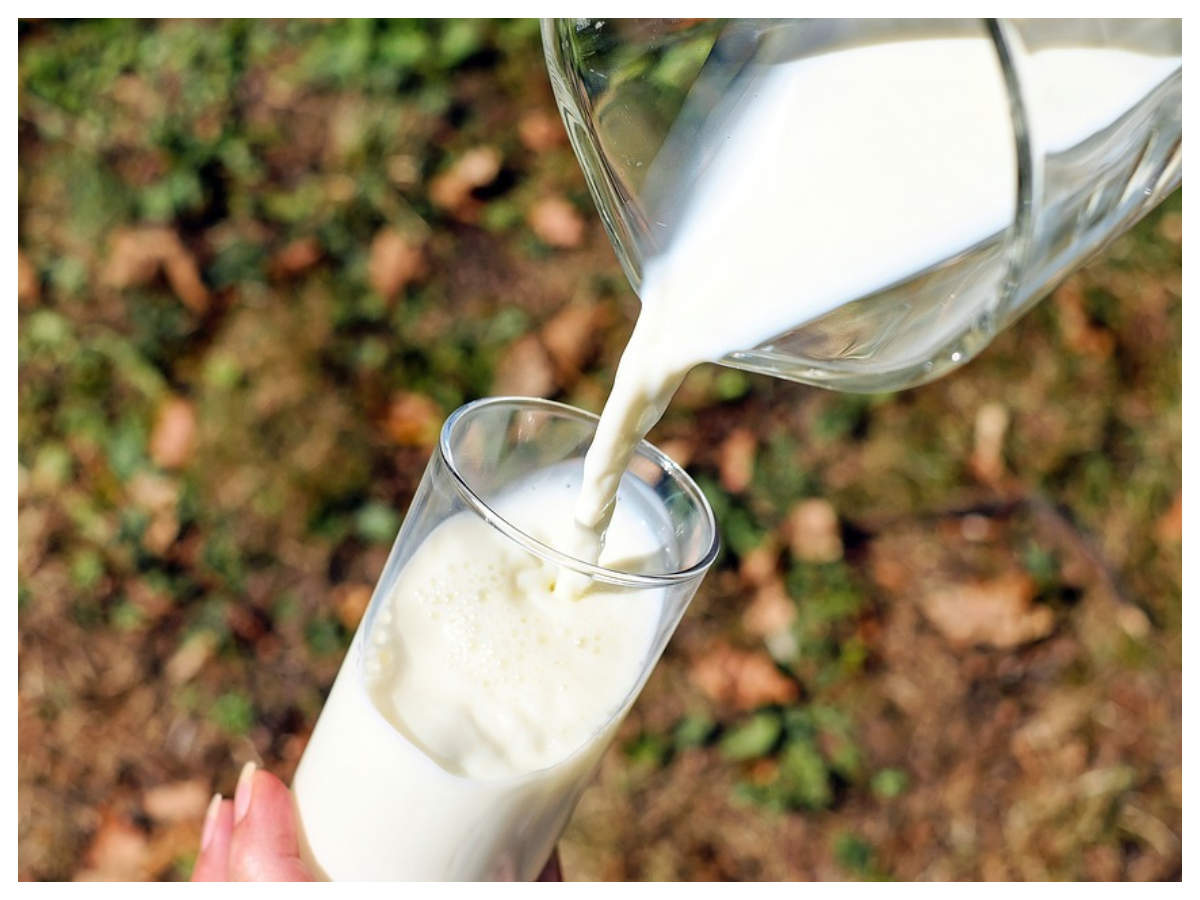
Indian sweets are incomplete without milk. And when it comes to festivals like Diwali, where sweets are an integral part of the celebration, the demand for milk spikes and this eventually leads to adulteration. These days market players not only add water, but other sub-standard ingredients like detergent, shampoo and even paint to the milk to meet the demand.
04/8Ghee and oil
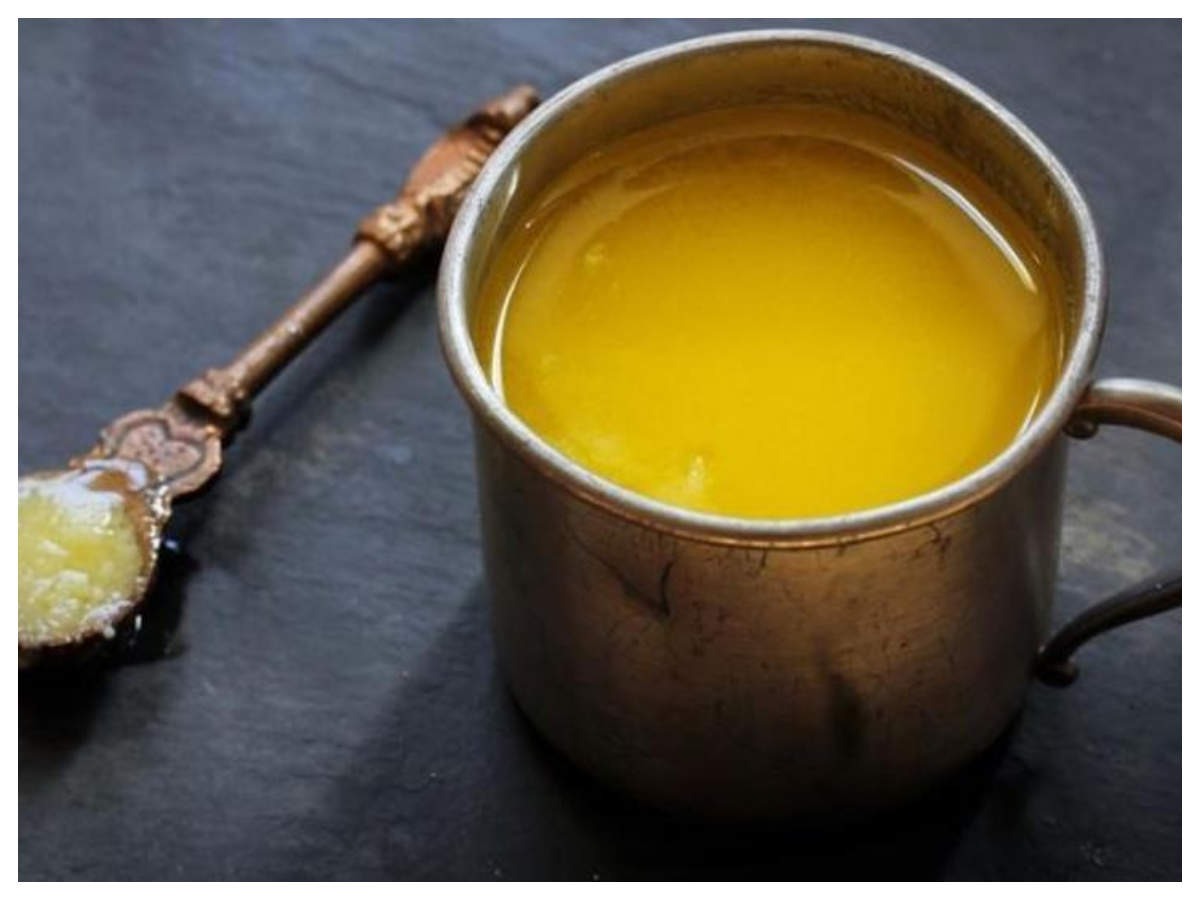
Indian sweets are generally made with refined oil or desi ghee. During festival time, market players adulterate the former with extracts of animal fat, cotton seeds and palm oil. This reduces the costing of oil and increases the profit margin. While the latter is adulterated with animal fat which increases the cholesterol, triglycerides levels in the human body.
05/8Paneer

We all know that paneer is made with milk and when the milk is adulterated with ingredients like water, shampoo and paint, it is quite obvious that the by-product will be equally harmful and dangerous as the key product. This is saddening because Diwali party is incomplete without delicacies like Matar Paneer, Shahi Paneer and channa based sweets.
06/8Artificial colours

Have you ever observed that during Diwali our very favourite Mootichoor Laddoo suddenly becomes very bright in colour? The credit goes to sub-standard artificial colour added to the boondi mixture. The besan is coloured with metanil yellow to give it an appealing look. You will be surprised to know that these days a chemical called Tartrazine is added to ghee to make it look like pure cow's ghee. The irony is, these non-permitted artificial colours can damage the nervous system.
07/8Vark
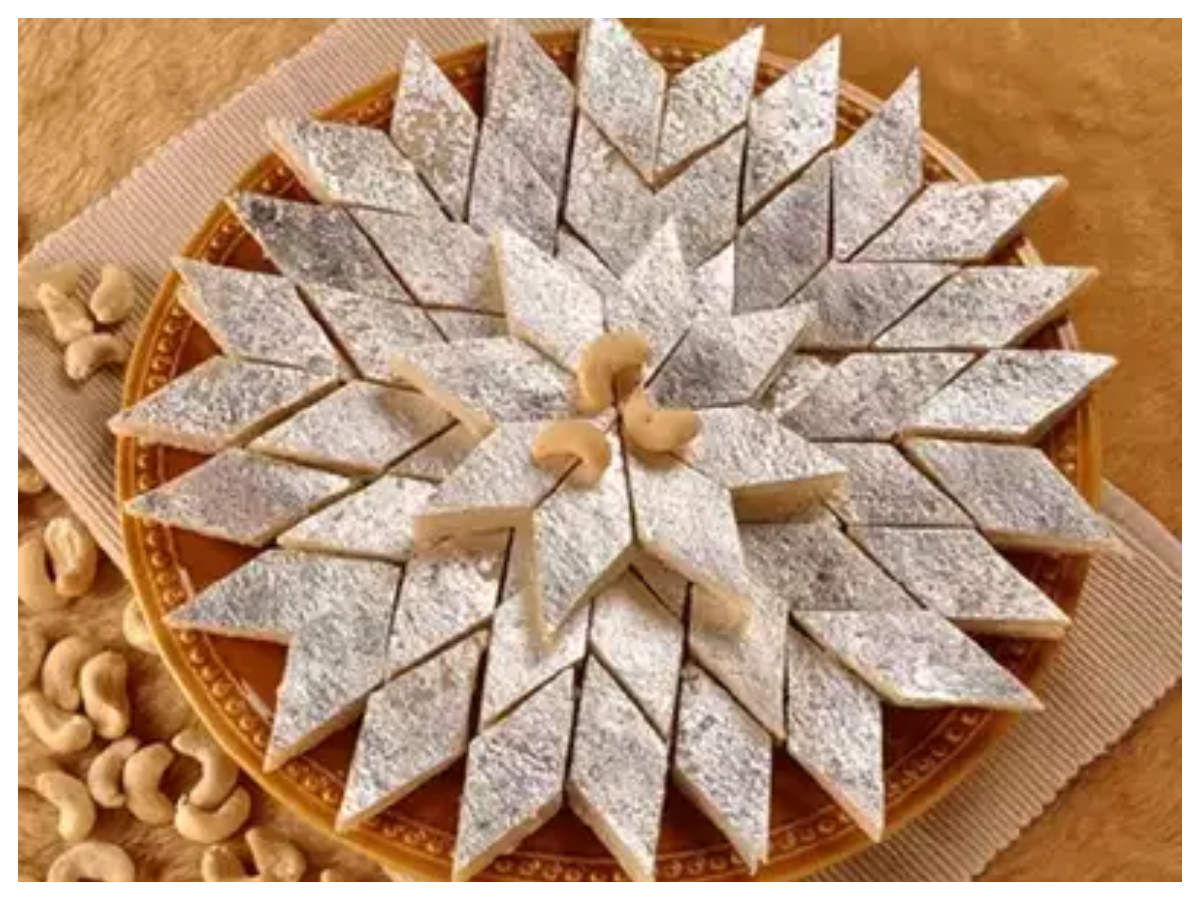
According to Food Safety and Standards Authority of India (FSSAI) silver used as a food ingredient must be 99.9 per cent pure, but these days sweets shop owners add aluminium to it, to make the dishes cost-effective. Experts warn eating Kaju Katli or Cham Cham topped with adulterated vark as they can lead to chronic illnesses like cancer, Alzheimer's etc in the long run.
08/8Mawa

Popular Diwali sweets use a lot of mawa and are often adulterated with starch. The consumption of such sweets results in indigestion. If we go by the reports, it can also lead to food poisoning.
Oct 24, 2019


70% of tainted veggies had banned pesticides

Ahmedabad: You rinse your veggies before cooking — rather than soaking them in lukewarm water — to quickly rid them of pesticides. You may have to sacrifice speed to protect your health. The Food Safety and Standards Authority of India (FSSAI) tested 1,739 vegetable samples from Gujarat and found that 251 had pesticide residues.
Of the tainted samples, 176 — almost 70% — had residues of ‘non-approved’ or banned toxic pesticides. In 51 samples, the FSSAI found pesticides exceeding permissible limits. The report, ‘Monitoring of Pesticide Residues at National level’, was released on October 19.
Three national-level laboratories in Gujarat participated in the study. They were the labs of Anand Agricultural University; National Dairy Development Board, Anand; and Indian Council of Medical Research-National Institute of Occupational Health, Ahmedabad. Vegetable samples were collected from towns and cities including Ahmedabad, Dabhoi, Rajkot, Khambhat, Padra, Ankleshwar, Anand, Vadodara, and Kadi. Vegetables collected for sampling were brinjal, okra, tomato, cabbage, cauliflower, green chilli, capsicum, cucumber, green peas, and bitter gourd.
The samples were collected from farms, organic farms, and APMC wholesale markets. The samples were collected between April, 2017, and March, 2018. Interestingly, Anand Agricultural University detected pesticide in a vegetable sample taken from an organic farm in Anand. Seventeen ‘non-approved’ pesticide residues were found in the vegetables.
Across the country, the FSSAI collected 23,660 samples for analysis. Pesticide residues were detected in 4,510 (19.1%). Residues in 523 (2.2 %) samples exceeded FSSAI limits.
Kerala to follow protocol to cap toxin in milk
In view of the findings, the state has decided to follow a standard protocol in cattle feed supplements and antibiotics
THIRUVANANTHAPURAM: Close on the heels of cancer-causing toxin Aflatoxin M1(AFM1) being detected in milk samples from Kerala, the state Food Safety Commissionerate has got into damage control mode. In view of the findings, the state has decided to follow a standard protocol in cattle feed supplements and antibiotics.
The findings at the recently released National Milk Safety and Quality Survey 2018 by the Food Safety and Standards Authority of India (FSSAI), has also put the state’s dairy farmers in dismay.
Out of the 187 samples collected from the state, 37 were tested positive for AFM1 residues. The state has the third highest level of toxin after Tamil Nadu and Delhi. As per the survey, the problem is seen more in processed milk than in raw milk.
“Aflatoxins are poisonous substances produced by certain kinds of fungi. They can contaminate food crops and pose a serious health threat to humans and livestock. There are several types of aflatoxin. It is in areas where the poorest quality grain is used for animal feed that aflatoxin thrives,” said an officer of the Food Safety Department.
According to him, studies have shown that AFM1 is the most significant toxin in milk and dairy products and what makes it a public health concern is that it is stable even at high temperatures and cannot be removed from milk by the heating processes.
Issues due to the presence of aflatoxin and non-compliance for antibiotics is a serious matter. It was discussed during the meeting of the State Level Advisory Committee for Food Safety headed by the chief secretary last Saturday, said Food Safety Commissioner Rathan Kelkar. “A decision was taken to direct the Animal Husbandry Department to follow a standard protocol in cattle feed supplements and providing antibiotics to dairy cows,” he said.
According to Kelkar, the presence of aflatoxin is mainly due to cattle feed. Also, the non-compliance for antibiotics might be due to the unscientific approach being followed by the dairy farmers. “Suppose a dairy cow has some ailment, and the farmer gives it medicines. Soon, he also starts milking the cow. The resultant antibiotic residues reach humans via milk and milk products. Thus we want the Animal Husbandry Department to act,” he added.
Subscribe to:
Posts (Atom)