Oct 8, 2019
Food regulator sleeping with 'enemy'
The Food Safety and Standards Authority of India (FSSAI) has entered into several partnerships with organisations floated by food companies, sparking off concerns about conflict of interest since these companies are to be regulated by the Authority.
On its website, FSSAI lists its partnerships, which include one with an organisation called CHIFFS (CII-Hindustan Unilever Initiative on Food Safety Sciences). The Confederation of Indian Industry (CII) is an industry association that lobbies for corporate interests and Hindustan Lever's well known food brands include Knorr soups, Brook Bond tea, Lipton, Cornetto and Kissan.
The initiative includes other companies such as Dupont, Keventer Agro, Rasna, Nestle and Dabur. The partnership is "to co-produce food safety as a shared responsibility".
The witnesses for the MoU signed between FSSAI and CHIFFS include the regulatory affairs official of Coca-Cola and the executive director of Food and Agriculture Center of Excellence (FACE). FACE is a joint initiative of CII and Jubilant Bhartia, better known for Dominos Pizza and Dunkin Donuts. FACE and CHIFFS seem to have many common people in various capacities.
FSSAI's 'Eat Right India' campaign has involved several food businesses that have "come forward to voluntarily make commitments" on reducing transfats, sugar and salts in packaged foods and to promote healthier food options.
The website of the campaign, which lists almost every big food company as a partner, states that food businesses have been nudged to promote healthier food options in several ways. An industry notorious globally for resisting and even flouting regulation is being "nudged" for voluntary commitments though self-regulation by it hasn't worked in any other country.
Resource Centre for Health Supplements & Nutraceuticals (ReCHaN) is yet another "collaborative initiative of FSSAI, International Alliance of Dietary/Food Supplements Association (IADSA) and CII". Partners of ReCHaN include DSM, one of the biggest multinationals manufacturing micronutrients, HerbaLife, Amway and SunPharma. IADSA described itself as a "global platform to guide the evolution of policy and regulation in the sector". It is primarily composed of 50 member associations representing over 20,000 companies worldwide and meant to give its members a part in shaping regulation globally and in individual countries.
FSSAI has also partnered with Global Food Safety Partnership (GFSP), a public-private initiative established by the World Bank "to improve food safety in low and middle income countries". GFSP's collaborators include food MNCs such as Unilever, General Mills, Cargill, Mars Inc and Nestle. GFSP is supporting FSSAI set up an International Training Centre in Mumbai and is also "facilitating study visits of FSSAI or Indian delegations to various countries".
In collaboration with Tata Trusts, and various international NGOs working in the field of nutrition, FSSAI is establishing a Food Fortification Resource Centre to "promote large-scale fortification of food and to nudge and facilitate food businesses to adopt fortification as a norm". Several Tata companies are under FSSAI regulation. The international NGOs involved include Food Fortification Initiative and Nutrition International. Almost all identify themselves as public-private collaborations with collaborators including some of the world's biggest micronutrient manufacturers, food companies or associations and research institutes floated by the food and beverage industry.
FSSAI CEO Pawan Kumar Agarwal told TOI that the partnerships were being wrongly interpreted. "Food safety is globally seen as a shared responsibility with focus shifting from prosecution to preventive action to ensure food is safe in the supply chain. We are extremely careful in partnerships as far as conflict of interest is concerned. Capacity building of food businesses and consumer awareness building are important parts of our roles," said Agarwal.
CII defended its partnership stating that CHIFSS initiatives were focused on building capacity and capability in high-risk areas and that there was no room for any conflict of interest in its initiatives.
FSSAI inks parnerships with those it is meant to regulate
The Food Safety and Standards Authority of India (FSSAI) has entered into several partnerships with organisations floated by food companies, sparking off concerns about conflict of interest since these companies are to be regulated by the Authority.
On its website, FSSAI lists its partnerships, which include one with an organisation called CHIFFS (CII-Hindustan Unilever Initiative on Food Safety Sciences). The Confederation of Indian Industry (CII) is an industry association that lobbies for corporate interests and Hindustan Lever’s well known food brands include Knorr soups, Brook Bond tea, Lipton, Cornetto and Kissan. The initiative includes other companies such as Dupont, Keventer Agro, Rasna, Nestle and Dabur. The partnership is “to co-produce food safety as a shared responsibility”.
The witnesses for the MoU signed between FSSAI and CHIFFS include the regulatory affairs official of Coca-Cola and the executive director of Food and Agriculture Center of Excellence (FACE). FACE is a joint initiative of CII and Jubilant Bhartia, better known for Dominos Pizza and Dunkin Donuts. FACE and CHIFFS seem to have many common people in various capacities.
FSSAI’s ‘Eat Right India’ campaign has involved food businesses that have “come forward to voluntarily make commitments” on reducing transfats, sugar and salts in packaged foods and to promote healthier food options.
The website of the campaign, which lists almost every big food company as partner, states food businesses have been nudged to promote healthier food options. An industry notorious globally for resisting and flouting regulation is being “nudged” for voluntary commitments though self-regulation but it hasn’t worked in any other country.
Resource Centre for Health Supplements & Nutraceuticals (ReCHaN) is yet another “collaborative initiative of FSSAI, International Alliance of Dietary/Food Supplements Association (IADSA) and CII”. Partners of ReCHaN include DSM, one of the biggest multinationals manufacturing micronutrients, HerbaLife, Amway and SunPharma, which manufacture nutraceuticals. IADSA described itself as a “global platform to guide the evolution of policy and regulation in the sector”. It is primarily composed of 50 member associations representing over 20,000 companies worldwide and meant to give its members a part in shaping regulation globally and in individual countries.
FSSAI CEO Pawan Kumar Agarwal told TOI that the partnerships were being wrongly interpreted.
“Food safety is globally seen as a shared responsibility with focus shifting from prosecution to preventive action to ensure food is safe in the supply chain. We are extremely careful in partnerships as far as conflict of interest is concerned. Capacity building of food businesses and consumer awareness building are important parts of our roles,” said Agarwal.
Oct 4, 2019
Oct 1, 2019
OPEN HOUSE HOW TO CHECK SALE OF SPURIOUS & ADULTERATED SWEETS? Customer awareness can go a long way
Penalise offenders, designate areas to health officials for keeping a check on adulteration, say residents
Most traditional sweets are prepared with milk and ghee, which are the most adulterated food items during festivals.
Festival time is a time of celebration and is incomplete without sweets. But now-a-days, many sweetshop owners adulterate sweets. Food adulteration has become a major cause of concern. Regular raids and alert vigilance should be made by the Health Department during the festive season. A heavy fine should be imposed on factories or shops where adulteration takes place.
Khushboo Singla
Don’t compromise on qualityThe government should earmark mandatory quality standards to be followed by all sweets makers. As a customer, we should remain vigilant regarding the spurious and adulterated sweets. We should try to purchase branded or ISI marked products. Government should enforce strict rules. It should provide quality check scales so that customers can purchase the products after checking the quality. Food adulteration should be considered a criminal offence and the government should award death penalty to those who play with the precious lives. We must try to find out the substitutes of milk products with same nutritional values. Government should keep a close eye on interstate supplies. They should properly check the products coming from other states so that culprits can be detected at the earliest. Children should be kept safe from these eatables. Special tribunals must be set up for speedy redressal of grievances in the festive season. Ritu Priya
Cancel licences of erring shopkeepersIndia is a land known for its festivals, and the sweets are an important part of the celebrations. Since sweets are the most loved food items during festivals, sometimes the residents have to consume inedible food items in which shopkeepers deliberately add substances that cause serious health problems. In this process, the sweets shops often compromise on the quality of the sweets, especially the milk-based items. In order to rake in huge profits, they use milk-containing urea, detergents and chemical whiteners, khoya having paper or starch and ghee enriched with vanaspati or animal fat. As silver is expensive, shopkeepers widely make use of the aluminium foil as ‘vark’ in their sweets. However, the FSSAI has made strong laws against adulteration, but it is still not stopping the small vendors and businessmen from cheating the customers. The FSSAI should conduct regular raids during festive season. Those found guilty should be punished. Their license needs to be cancelled and they should be imposed with heavy penalities so they do not dare to play with the lives of innocent people. Awareness among general public regarding the harmful effects of adulterated sweets needs to be created. Rishika kriti
Make sweets at home
Festive season calls for greed of shopkeepers and they indulge in malpractices by compromising the quality of sweets. Instead of relying on retailers, one should resort to homemade goods which could be altered to taste and quality standards. This would drop the demand of sweets at sweetshops and act as a warning to sellers to strive to stop adulteration.
Krishna
Inspect food & sweetshops
Festivals are incomplete without sweets. Adulterated food items increase in the market during festive seasons. There are some ways by which the sale of spurious and adulterated sweets can be checked. The food department can divide areas to inspect sweet shops. The authorities should also raid those locations where sweet items are prepared. The guilty should be punished accordingly. Preparation of milk-based items should be checked thoroughly before and during the festive season. Consumers should also check sweet samples before purchasing the product.
Mehak Bajaj
Educate consumers
Food adulteration is the cheapest way to earn profits during festive seasons. The problem can be tackled by educating consumers. Government should install purity check machines at dairies and sweetshops. Media can play a vital role in the checking of adulterated products with the help of vigilant reporting. The Health Department should conduct random raids to end this menace. A consumer also needs to make smart choices to avoid such unfair trade practices. One should always taste or smell the sweets before buying in bulk. Stale products emit a smell and taste slightly sour.
Muskan Rehan
Imposing heavyfines on guilty
A heavy fine should be imposed on factories and shops where adulterated food items are found. Consumers should also be made aware of their rights under the Consumer Protection Act. The Health Department inspectors should collect samples of milk products and get them analysed. People can check milk quality on their own using milk-testing kits available in the market. Consumers should be careful while buying sweets from sweetshops during festivals.
Navneet Kaur
FSSAI should play a pivotal role in inspection
Under the Food Safety and Standard Authority of India (FSSAI), punishment must be given to the people found guilty of adulterating food. Before buying the product, consumers should check the product themselves. Government must take proper steps for protecting the interest of consumers. Proper check must be kept not only by the government but also by the authority off the FSSAI and consumers.
Manpriya Kaur
Take strict action
An area should be divided among health inspectors to collect samples of sweets from sweetshops. An effective way to check adulteration is that food supply officers should visit sweet shops as customers and buy sweets to get them analysed. Strict actions should be taken against the shopkeepers who sell adulterated sweets. The Health Department should aware customers about adulteration in sweets and various food items through press and social media and vigilant reporting.
Prabhsimran
Create anti-adulteration task force
Food adulteration is common nowadays. An anti-adulteration task force should be created. A heavy fine and punishment should be imposed on culprits. Customers should also report the guilty to consumer courts. Regular raids and alert vigilance should be made by the Health Department during the festive season.
Gursahib Singh
Look for safety marks on milk packets
In India, most of the traditional sweets are prepared with milk and ghee. These two products are the more vulnerable to be adulterated. Pasteurised packed milk can be used to prepare sweets at home. Sweets prepared with natural ingredients must be preferred. Artificially-coloured and flavored sweets must be avoided. Purchase sweets and milk from authorised dealers only. Always insist on AG mark and FPO license on milk and packed ingredients used.
Amarpreet
Establish monitoring agency
In today’s world, every bussinessman is in a race to reap maximum profits by adopting any means and methods. The easiest way to reap profits in the food business is adulteration, whether it is in oil, milk or ghee. The biggest victims of such foul practices are consumers. The menace of food adulteration needs to be curbed. Municipal Corporation should establish a monitoring agency deal with adulteration. There must be periodical inspection of those who are dealing in food business. Heavy fine should be imposed on those who are guilty. A certificate of food standard must be issued by the agency to sweetshops and food shops owners.
Farzana Khan
Special vigilance during festive seasons
Festive season is about to come and this will lead to consumption of sweets in huge quantities. Food officers should survey all shops and check the quality of material which is used by shopkeepers in making various sweets. Specific areas should be allocated to them so that they can check food samples easily and take strict action against those who indulge in adulteration of sweets.
Jagjit Kaur
Consumers should report discrepancies observed
During festivals, the sweet shopkeepers in order to meet the demand of customers, compromise the quality of sweets. They make easy and big profits while the health of public is subjected to risk in this process. The adulteration of sweets must be checked. Our government and Municipal Corporation need to check the suppliers of adulterated sweets. They must keep an eye on sweet manufacturing shops, factories and food shops. People must be made aware of chemical tests that can be used by them to check adulteration in sweets. If people are able to test the purity of sweets being sold at their own, they can easily report any discrepancies to the Health Department. An officer must be appointed in every major area for inspection every week during festive seasons. These approaches will help in curbing adulteration practices.
Kamaldeep Kaur
Work tirelessly on“zero tolerance”
Due to soaring prices and addition of sub-standard materials to sweets, they no longer remain that sweet. Every year, authorities of the Health Department conduct raids but to no avail. These raids only occur at two levels, collection of samples and sending the same to testing laboratory. That’s why adulteration of sweets has progressed from being a simple means of fraud to highly sophisticated and lucrative business. As the adulteration pattern is changing every year and newer adulterants and contaminants have entered the markets of Indian cities, the authorities are yet to find incidences of adulteration along with quantification. Though enough parameters are in force, but pioneering and tireless efforts are required to weed out the seeds of adulteration from various segments of marketing. Besides, a need is there to set aside an inclination to favour some person or group and to open the lock of zero tolerance with the key of strictness on the basis of legislation.
Ravi Chander Garg
Surprise checking to serve the purpose
Strict action like cancellation of the licence by the Food Department can bring such actions to a halt. The Food Department should create various teams to inspect the sweet shops. Surprise checking and strict actions can bring an end to such practice. The license of the culprits should be cancelled for playing with the health of the people. Such an action would teach others a lesson and they would not dare to indulge in any such activity.
Ekroop Kaur
Do-it-at-home tests to check spurious items
During the festive season, adulteration in sweets becomes a common affair. In India, the silver ‘vark’ on the sweets mostly contains aluminum. The government has provided a food officer to every state and he is authorised to check the safety of food. If the product found by him contains some harmful substance, he has every right to stop its manufacturing. The products most likely to be found adulterated include milk, ghee, and khoya. To check adulteration in milk, take some milk in a spoon and leave it on a slanting plate if it leaves white tail, it is pure. For ghee, place some of it on your palm. If it starts melting quickly, then it is real ghee. To check the silver ‘vark’, touch it with your finger. If it feels harsh and comes on to your finger, it may be fake. Also check the hygiene standards of the sweets shop.
Amanpreet
Put food safety teams on high alert
Shopkeepers and vendors are playing with the health of people. During festivities, the demand for milk and by product such as khoya and ghee goes up tremendously which leads to increase in adulteration. These things happen because of shortage of milk. The Food Department can divide the areas to check the dairy products and sweets shops. Fine and punishment should be awarded to those who adopt such practices to earn more profit.
Shiwani
Adulterated sweets a thriving business
Unhealthy business of sweets shops thrives easily ahead of the festive season. The race of minting money by using shortcuts and it takes the form of competitions among different competitors. There must be only one government agency to control the supply of raw material to the owners of sweet shops. Various government agencies should take samples of the food items which are being sold by shopkeepers. If after this any food item particularly sweet is found to be adulterated, officials of these agencies should be held responsible. By remaining vigilant, consumers can prevent unhealthy items from acting as a spoiler. Content of different items which are used in each gram of sweet should be mentioned on the packaging box. Workers packing the sweets should wear clean dresses. They must wear gloves while packing food items. At the time of packing sweets they should not chew tobacco or any other intoxicant item. Hygienic standards at the sweets shop should also be maintained. Shopkeepers should display the norms of the Food Safety and Standard Act in their shops. If anyone is found guilty to sell adulterated sweets, he should be fined heavily. Shopkeepers should refrain from making use of such malpractices to earn money.
Dr Mohd Saleem
Conduct regular raids
The festive season is fast approaching and this is the time when most of the adulteration takes place. To check such activities, raids should be carried out beforehand. The shops must be inspected properly not only during festivals but also at regular intervals so that the shopkeepers remain under a check.
Muskan Arora
Officials hand-in-glovewith culprits
Festivals are a time for merry - making. Some money-minded people do not hesitate to play with the lives of innocent citizens. It is just the beginning of the festivities with Dasehra round the corner. Everything goes on with impunity. Last year, 60 per cent of the milk food samples seized in Punjab raids had failed the quality test. Food Safety Officers and other officials were found to be hands-in-glove with the culprits. Even the State Food Lab is under the scanner for approving the sale of the spurious items. Warning bells are ringing. It is time that the government started tackling this problem and that too with concrete results. The whole system needs to be streamlined. Stringent action is the need of the hour. The sale of unhealthy food items should not be allowed to act as a spoiler for the people during the festive season.
Bir Devinder Singh Bedi
Make use of DIY hacks to ensure quality
Adulteration is a practice followed during festivals which is a dangerous to our health. The milk is adulterated with detergent or urea, khoya with starch and so on. To curb the practice of adulteration, there is a need to properly execute the laws like Prevention of Food Adulteration Act. Checks must be conducted at different food shops. The punishment must be imposed on all the culprits, whether rich or poor. The checks are required not only during festivals, but throughout the year. One can also make use of the DIY hacks to check spurious items.
Manmohan Kaur
Enforce e-challanon defaulters
Most of the times, consumers suffer because of the ignorance on the part of consumers and lack of checks on these suppliers. Consuming a healthy and a balanced diet, bereft of junk and processed foods, is the right of every citizen of the country. We can avoid diseases and live a healthy life by becoming more vigilant. Inspections and raids by food inspectors are just occasional. The Municipal Corporation and local government should check fruits and must keep an eye on the sweets manufacturing shops. Street food vendors should be given cards on which inspection data is marked every week. E-challaning for defaulters should come into force. Efforts should be made to develop facilities for the testing of sweets samples locally instead of sending them elsewhere. The present laws on food adulteration need to be implemented in the letter and the spirit to deter the anti – social elements from following unethical ways of doing business. Consumers themselves should make healthy choices for themselves.
Dr Jasdeep Kaur
Train consumers tocheck adulteration
Any Indian festival is incomplete without sweets. Adulteration of food items increases during the festive season. Milk, khoya and coloured food products are the most adulterated food items during the festivals. To look into the matter, a workshop-cum-training session should be conducted at various schools and institutions to train people to check adulteration themselves easily. Before buying any sweets, the consumers should check thickness, softness and smell of the sweets. Sweets having silver vark on them should be checked with accuracy as they are mostly replaced with aluminium foil. Consumers should check cleanliness and hygiene conditions of the shop before buying sweets.
Kartika Singh
Apprise residents about their consumer rights
With festive season coming up, markets will be being with adulterated sweets. The authorities of the Health Department should take strict steps, send investigation teams and penalise the defaulters. As a consumer, one should make sensible use of their rights. Only then the problem of adulteration can be curtailed.
Japkirat
Check silver varkon sweets
In India, festivals are welcomed with full vigour, and with it, sale of spurious and adulterated sweets also increases. To avoid this, government should appoint officials for regular inspection of shops. Clean and safe ingredients should be used by shopkeepers. In addition to this, customers should be responsible before buying sweets. They should ensure that the silver vark on the sweets is not aluminium foil and smell them to make sure that the sweets are not stale and emit a fowl smell.
Gurvir Kaur
Divide city to ensure thorough checking
Problem of spurious and adulterated sweets during the festive season is not new when the demand for sweets is quite high. Adulterated food impacts people’s health adversely. Thus, it becomes imperative to maintain a check on adulteration. Special provisions by the government must be made such as dividing the city amongst health officers for checking so that all major sweet shops are covered. Also, proper checking equipment must be made available to health officers for thorough checking. Every shop must get samples approved. Heavy fines must be imposed for those indulging in adulteration. Prior the festive season, visits to check cleanliness and hygiene must be made.
Akrita Budhiraja
OPEN HOUSE COMMENT
Preventive and timely control need of the hour
Minna Zutshi
Adulteration of sweets is very common in the festive season when the demand for sweets soars. Adulteration of food may be defined as “the addition or subtraction of any substance to or from food so that the natural composition and quality of food substance is affected”. Adulterants in sweets include colours that are not food grade and are even potentially toxic, ingredients that are spurious and that mar the quality of food. Adulteration may lead to food impurity, contamination and allergens. To check adulteration, preventive control, inspection and compliance are required. Usually, by the time a sample is collected for purity test, the food is already out in the market and even if it fails the test, the consumers have no way of knowing this. In such a scenario, the power of instituting a mandatory recall can be effective. Imposing stiff penalties on the guilty and also boycotting those found adulterating food items is the need of the hour. The district administration must deal with iron hand those guilty of food adulteration.
Hyderabad man gets cockroach in Sambar

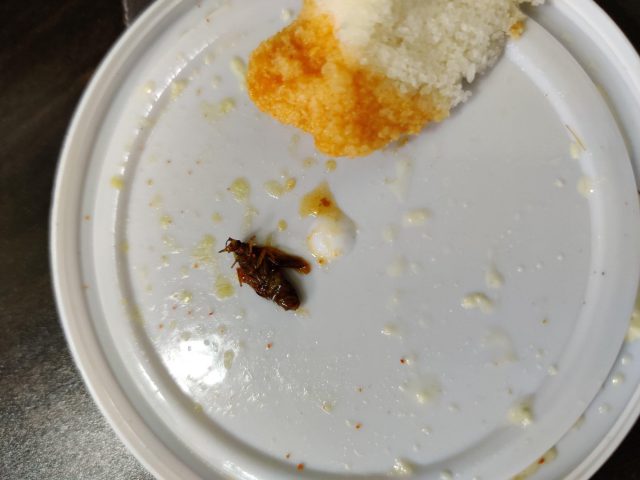
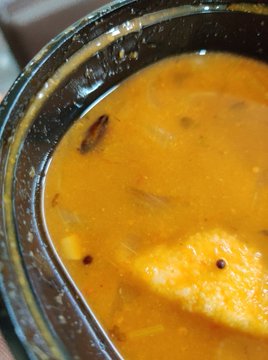
Hyderabad: A 25-year-old graphic designer from Hyderabad was in for a shock on Wednesday when he found a cockroach in his food delivered by Swiggy. Shali Hussain, a Madhapur resident, claimed that he found the roach in the idly-sambar from Minerva Coffee.
Sharing the incident, Shali Hussain told NewsMeter, “On Wednesday, I ordered idly-sambar from Minerva Coffee Shop through Swiggy. My friend opened the sambar and dipped the idly to find something suspicious. Initially, we thought it was a curry leaf, but, we realised that it was a cockroach. We were lucky to have noticed it. What would have happened if we were in a hurry? Due to the bad experience, I was unable to have anything for the whole day.”
He further added that this experience made them avoid outside food. However, they also admitted that being working professionals, cooking is complicated. “If a place like Minerva serves food like this, I don’t know whom to trust. Swiggy responded and apologised for the experience and gave us the link to the Food Safety and Standards Authority of India (FSSAI) and asked us to mail to them. While we have already done that, Swiggy has not yet removed Minerva from their service. That’s the least they could do, at least this particular branch.
Annoyed Shali Hussain took to Twitter to express his anger. He tweeted, “Minerva Coffee Shop. Found a Cockroach in Delicious Healthy Sambar From #MinervaCoffeeShop, Madhapur, #Hyderabad. Ordered this morning from @swiggy_in. Worst response from @SwiggyCares (sic).”
Minerva Coffee Shop


Found a Cockroach in Delicious Healthy Sambar From #MinervaCoffeeShop, Madhapur, #Hyderabad. Ordered this morning from @swiggy_in
Worst response from @SwiggyCares
In a similar incident, a Hyderabad resident was served non-vegetarian food instead of a vegetarian meal. Aruna Prasad, a Hyderabad resident, ordered butter paneer rice bowl and instead received chicken.
Food safety team collect samples
Ludhiana, September 29
Under Tandrust Punjab mission as per direction of the Commissioner (Food safety) a team comprising designated officer, Dr Andesh Kang, and food safety officer Yogesh Goyal inspected shops selling milk and milk products on the Gill road. The team took sample of desi ghee.
On a tip-off, the team also inspected a milk plant adjoining Reliance petrol pump. The plant owned by Chinnu Chawla and Amit Monga makes paneer and ghee, which are supplied to Himachal Pradesh and nearby districts.
Four quintals of paneer, four-and-a-half quintal of ghee and empty tins of refined oil and vansapati were found at the plant, which was working in unhygienic conditions. The team took three samples of paneer and one sample of ghee from the plant. “The pant owners supply paneer in a modified car bearing registration No. PB05 U7750,” said Dr Kang.
The team also inspected Sukh Dairy running inside Sangeet Cinema, Partap Chowk, and took two samples of paneer. All samples were sent to the state lab for analysis and action would be taken as per reports.
Sep 30, 2019
Sep 27, 2019
Your favourite food stall may be giving safety norms a miss
Visakhapatnam: Most of the food sold in food stalls in Vizag is not registered with the Food Safety and Standards Authority of India (FSSAI). The information came to light in a survey carried out by the Consumer Rights Organisation (CRO) in the city recently.
As per the existing rules, any food product that is manufactured, processed, packed and sold should be registered with the FSSAI. They must also adhere to the legal metrology (packaging commodities) rules of 2011.
While the FSSAI certificate is awarded to regulate manufacture, storage, distribution, sale and import of food, so as to ensure safety of food items, the legal metrology rules give directions on packaging. The legal metrology rules make it mandatory to mention ingredients, expiration date, place of production, maximum retail price and a consumer care number on the packaged food commodity.
When food stalls were surveyed in different parts of the city, it was found that the norms are being flouted rampantly. The survey further showed that the few shops which did have FSSAI registration or licences, their registrations are outdated and have not been renewed.
Vice-president of CRO, Vikas Pandey said, “Nearly 95% shopkeepers are selling food items brought from outside. They are not aware of how the food was processed and the conditions in which they were made. Around 5% shopkeepers are preparing the food themselves, but they do not follow the guidelines laid down by FSSAI and legal metrology.”
Speaking to TOI, assistant food controller, Visakhapatnam, G Nandaji said, “Every food business operator must ensure that they have been certified by FSSAI. For petty shops, hawkers, vendors or those whose annual turnover is less than Rs 12 lakh, it is mandatory to get FSSAI registration. For food establishments whose turnover is more than Rs 12 lakh, it is mandatory to get FSSAI licences .
Adding that an inspection of food establishments will be carried out by food officials, Nandaji said, “During the inspection, if it is found that norms are not being adhered to, a notice will be issued to the respective shop establishment. If the shop does not comply even after the notice period, they will be penalised.”
Deputy controller of the legal metrology department, Madhusudan Reddy said, “Be it small-scale or large-scale food business, the packaging rules are mandatory for food which is packed and sold. Inspections will be carried out by the department. In case of violation, cases will be registered.”
FSSAI to train street food vendors in Telangana
Hyderabad: The Food Safety and Standards Authority of India (FSSAI) is planning to train 10,000 food vendors in Telangana in food safety and certification. The FSSAI has already trained more than 2000 street food vendors and another 10,000 will be trained over the next one year.
This, according to Dr K Shankar, Director, Food Safety, was because 60 per cent of prepared food business goes through street food trading, like hawkers, mobile vending machines, petty shops, dhabas, street foods hubs etc. “That is why we have chosen to train them. This is being done as part of the Eat Right Movement,” he said.
Speaking at a ‘Media Dialogue on Hypertension Management and Elimination of Trans Fatty Acids’ here, he said plans were afoot to bring out dietary guidelines aimed at reducing trans fatty acids, salt and sugar in commercially available food in Telangana.
A Shanti Kumari, Principal Secretary, Health, Family Welfare and Food Safety Commissioner also spoke.
Sep 26, 2019
Festivals ahead, Health Dept yet to start collecting samples of sweets
Bathinda, September 25
Even as the festival season is just around the corner, but Health Department officials have yet to start taking samples of sweets and confectionery items in Bathinda and Mansa district.
Health officials said though they have been collecting samples of milk and its products, those of sweets and confectionery items will be started collecting ahead of the festival season.
Notably, Dasehra is two weeks away and the department has not started collecting samples of sweets in the district.
District Health Officer Dr Amrik Singh said, “We have been carrying out drives to create awareness about adulteration among sweets manufacturers and confectioners in order to avoid heavy penalties later. Because during raids, it has often been observed that many shop owners and manufacturers of confectionery and sweets items say they were not told in advance. So, we have decided to carry out awareness drives”
Department officials said a robust surveillance mechanism would be in place in this festive season to check adulteration of sweets. They said those violating the food safety norms would be penalised.
“Unpermitted colours must be avoided in sweets. We have standard FSSAI guidelines for use of colours in sweets. Any other synthetic colour found in sweets would be liable to invite a penalty. For the volume of a colour, on an average, one gram of colour is permissible in 10 kg of sweets. Manufacturers of sweets and confectionary items must avoid the use of cheap and low quality colours in their products to avoid penalties,” he added.
Notably, ahead of the festival season when sweets and other confectionary items are purchased in bulk, many unscrupulous elements sense a golden opportunity and try to take consumers’ health for granted by resorting to adulteration.
An executive member of a city-based NGO, who did not wish to be named, said, “In case of mouth-watering sweets, which are predominantly made with milk and its products, adulteration goes virtually unhindered. We need to comprehend the magnitude of the menace that is spreading at a high velocity. In spite of the Food Safety and Standards Act 2006, nothing seems to have changed on the ground. Adulterators keep on exploiting the gullible consumers and the administration seems to be in a deep slumber.”
There approximately 200 sweets shop and confectioners in Bathinda district.
The District Health Officer said, “We have a mechanism in place for collecting samples and testing them to deter adulteration in sweets. But, residents also need to be aware of the products they buy as such malpractices prevail only when there is demand in the market. We have conducted awareness drives in Rampura, Maur and Rama Mandi. In a day or two, it will be conducted for city-based sweets shop owners and manufactures.”
FDA closes Yewale tea shop in Pune for violating safety norms
The matter came to the light after FDA officials conducted a surprise visit at the Yewale tea stall and found out that they were violating the norms prescribed by the Food Safety and Standards Authority of India (FSSAI)

The Food and Drug Administration (FDA) shut down famous Pune tea stall for not following The Food And Drug norms of 2006 and on the suspicion of using excessive melanite in tea. FDA immediately ordered the closure of Yewale tea stall and also seized tea packet worth Rs six lakh which did not have any information printed about the product as per norms.
The matter came to the light after FDA officials conducted surprise visit at the Yewale tea stall and found out that they were violating the norms prescribed by the Food Safety and Standards Authority of India (FSSAI).
Suresh Deshmukh, joint commissioner, FDA said, "In a surprise visit we have found that they were operating the tea stall without norms. This is a violation of the Food Safety and Standards Act, 2006. We have therefore issued notices demanding that they shut down the shops immediately."
Earlier the FDA officers looking at the hygiene and health-related precautions had asked to shut down the stall for not following licence norms. Once famous, Yewale tea had family monthly earning the business of Rs 1.2 million. The tea is sold at a nominal rate of Rs 10.
FDA ream collects paan samples for testing
Bhopal: A team of food and drug administration (FDA) department on Wednesday collected samples of paan (betel leaves) from a paan shop. This is for the first time during the current drive against adulteration that samples of paan, when they were being served to customers, were taken. According to Food Safety Act, serving paan containing tobacco is violation of law.
FDA teams also reverted to sampling of milk and milk products ahead of Navratra beginning on Sunday to see if adulteration in milk and its derivatives has begun again.
FDA teams collected a sample of ghee and two samples of milk from Koh-e-Fiza, one sample of milk from BHEL township, and one sample each of cream, paneer and milk from a dairy in Kotra.
Samples of paan were collected from paan shops in New Market and Mangalwara. Senior food safety officer at Bhopal, D K Verma, said it was for the first time that sample of paan were collected from paan shops in the state in the course of ongoing drive against adulteration. Pouring tobacco in the paan before serving it to a customer was a crime under Food Safety Act.
During the special drive undertaken to check adulteration in food stuff on July 19, FDA teams in Bhopal have collected 274 samples so far. FIR has been registered against 10 manufacturers/traders based on reports of the sample collected from their establishment, notices have been issued to 48 and 3 have been booked under provision of National Security Act (NSA).
Plan to train 10K more food vendors on hygiene, FSSAI
The Food Safety and Standards Authority of India is planning to launch an initiative to enforce dietary guidelines, involving reduction of trans-fatty acids (TFAs), salt and sugar in commercially available foods in Telangana, a senior official said on Wednesday.
"We are inviting the groups and associations of oil and fats manufacturers for understanding the challenges in implementation of this mission, Dr K Shankar, Director, Office of the Commissioner of Food Safety, said.
He was speaking at a Media Dialogue on Hypertension Management and Elimination of Trans Fatty Acids in Telangana organised by Delhi-based not-for-profit organisation Consumer Voice.
Shankar said in Telangana more than 2,000 street food vendors have been trained and they are planning to train another 10,000 food vendors, food business operators about the 'Eat Right Movement', about trans-fatty acids, on the hygiene issue and about FSSAI regulation related to street food vending.
He said strict implementation of regulations of FSSAI can sharply reduce heart diseases caused by TFAs in foods.
Principal Secretary of Health and Family Welfare Department A Santhi Kumari said a three-pronged approach, comprising early screening through outreach followed by dispensation of secondary and tertiary medical care, adopted by the state government has proved effective in managing hypertension.
Emphasising the need to adopt a focused and co-ordinated approach in addressing non-communicable diseases (NCDs), several speakers said there is an urgent need to step up efforts to effectively tackle serious health problems caused by hypertension.
Sep 25, 2019
Hostels served show-cause notices for flouting norms
Tirupur: Officers of the food safety and drug administration have issued show-cause notices to 32 hostels in the district either for failing to obtain license or for serving sub-standard food.
As many as 14 hostels which were served improvement notices for providing sub-standard food should improve within two weeks. Other 18 hostels were slapped with the notices under Section 63 of the Food Safety and Standards Act, 2006, and they have to get licenses within two weeks.
The action follows the inspection of 64 hostels, including state-run and private college hostels as well as working women hostels, by FSDA officials across the district last week.
B Vijaya Lalitha Ambikai, designated officer of FSDA for Tirupur, said, “We found lapses in hygiene and standards in food, including improper storage, using expired products and colouring materials, besides unclean vessels. So, we issued the improvement notices to them.”
In case of 18 hostels, they had not obtained mandatory license for operating canteens. Officials also seized single-use plastics from many hostels. “It is important that the hostels follow norms including appointment of right cook, following first-in-first-out inventory method and keeping food samples, besides other standard procedures,” Ambikai said.
The FSDA was planning to conduct an awareness programme soon to sensitize organizations which handle food.
Festive season adulteration: Unsafe food to invite jail term, fine up to ₹5L
The UT health department will start raiding food outlets, mostly sweetmeat shops, from September 30

In wake of the festive season, the health department will start raiding food outlets, mostly sweetmeat shops, from Monday, for which four teams have been constituted.
The UT health department has set up a 24-hour helpline number (0172-2782457) for registering of public complaints.
In addition to the Food Safety and Standards Authority of India (FSSAI) regulations, UT’s director of health services, Dr G Dewan said that food safety officers and medical officers of health facilities are empowered under the Epidemic Disease Act to take immediate action to destroy food articles unfit for human consumption on the spot, to deal with violators.
EDUCATION RATHER THAN ENFORCEMENT
He said the motive of the health administration was not enforcement through strict rules but also educating the vendors about the hazards of selling unsafe food.
Last year, around 10 samples failed the tests and were unsafe for human consumption, officials said. More than 50 raids were conducted and 52 samples were taken during the time for further testing, they added.
“Seven out of 10 tests were found unsafe for consumption. They have been penalised and other three will face the heat soon,” an official of the food safety wing of health administration said. However, no punishment was granted for the 15 challans issued during the Diwali raids, and the cases are lying in the courts, he said.
VIOLATORS MAY BE JAILED
The health department has urged the vendors to comply with the provisions of licensing like safe food and proper sanitation. For selling sub-standard food, the fine is up to ₹5 lakh, and for misbranding up to ₹3 lakh; for unsafe food, the matter goes to chief judicial magistrate, under which there is a provision of one-year jail and fine money is decided by the magistrate.
Health officials said people should consume sweetmeat items within 24 hours and ensure only silver foil is used for wrapping them.
Artificial colour: a new threat to tea industry
GUWAHATI, Sept 24 - Artificial colour used by some unscrupulous blenders, packeteers, retailers, and tea stall owners, has emerged as a threat for the tea industry of the country. According to Viren Shah, chairman of the Federation of All India Tea Traders’ Associations (FAITTA), the practice of adding colour to tea is in total contravention of the Food Safety and Standard Act, 2006.
Shah said in his statement messaged to this newspaper that unscrupulous traders and packers are resorting to this deception, as, consumers in some areas of the country want more colour in tea liquor. The FAITTA and the Tea Board of India have drawn the attention of the Food Safety and Standards Authority of India (FSSAI) to the problem, urging for decisive steps to curb this menace.
Tea has intrinsic qualities as a natural product and the addition of colour can potentially compromise the goodwill and safety of consumers. FAITTA has initiated legal steps against one such trader and has urged the Tea Board to join in the FAITTA effort to rein in the unscrupulous traders, Shah said.
Tea manufacturers are also of the opinion that artificial colour has become a menace for the tea industry as a whole. This practice of adding colour to tea started few years back in the South Indian states of Andhra Pradesh, Karnataka and Tamil Nadu. It then spread to Maharashtra, Gujarat and it is now spreading to North India at a rapid pace.
The arithmetic that works in the entire exercise of adding artificial colour to tea is such – a kilogram (kg) of normal tea can produce 400 cups of tea, whereas the same quantity of tea with artificial colour can produce 500 cups of tea or more. Significantly, to earn more profit, the unscrupulous traders are also using inferior quality tea in this whole business.
This process makes tea lose its natural taste and thus, ultimately, tea loses its consumers. It is thus ruining the tea market, said the sources in the tea industry.
North Eastern Tea Association (NETA) advisor Bidyananda Barkakoty made a request to Union Minister Rameswar Teli and all MPs from Assam to take up the issue boldly with the Union Ministries concerned. He said that this new trend of adding artificial colour and marketing the end products as ‘Premix,’ not as tea, by taking advantage of the loopholes in the existing legal provisions and finally to hoodwink the gullible consumers to drink the brews of such products as tea, is harming the tea industry like anything. For, finally, even the committed tea consumers also get frustrated by such products and drift away from drinking tea, which affects the tea industry, Barkakoty said.
It needs mention here that the tea industry, which is providing employment to over two million people, is now passing through a difficult phase due to several factors. The development of adding artificial colour to tea has also emerged as one of the factors responsible for this sorry state of affairs of the tea industry, sources said.
Sep 24, 2019
FSSAI offers resources for food safety
Panaji: Countries need to pool their resources and provide support to the least developed countries in the region, said experts at the 21st session of the Food and Agriculture Organisation (FAO), World Health Organisation (WHO) Coordinating Committee for Asia, organised here by the Food Safety and Standards Authority of India (FSSAI) on Monday.
“On behalf of India, FSSAI is happy to offer the capacity we have built at the international training centre for food safety and nutrition at Mumbai, for such capacity-building programmes,” said FSSAI chairperson Rita Teaotia.
“Countries trade extensively with each other. Almost 60% of food trade is within the region. This alone is enough reason for us to develop a common ground for cooperation,” she added.
Teaotia stressed on creating a network of scientific and research institutions for the collection and assimilation of data, for regional and worldwide purposes. This would help to create an IT-enabled platform.
FSSAI regulations head Sunil Bakshi emphasised on the need to promote mutual communication and resource-sharing to develop regional standards and regulations for food products.
FSSAI seizes 462 kg tea dust for suspected adulteration
Officials of the Food Safety and Standards Authority of India (FSSAI) on Monday seized 462 kg of tea dust for suspected adulteration in the form of mixing artificial colouring agents.
Designated Officer of FSSAI K. Tamilselvan said that the food regulatory body was closely monitoring the sale of adulterated tea dust in the district.
Based on a specific information, food safety officer V. Kamaraj found 12 kg of suspected adulterated tea dust with K. Bhuvaneswaran, a resident of Balaji layout near Ganapathy, at Podanur on Monday. He was selling the tea dust in tea stalls and bakeries in the area. A spot test done on the tea dust found that they could be adulterated.
Following this, food safety officer M.S. Murugesan inspected Bhuvaneswaran’s house and found 440 kg of tea dust. Spot test done on the the stock found signs of adulteration in the tea dust.
Dr. Tamilselvan said that samples were lifted from the seized tea dust which will be sent to the Government food laboratory for examination. The total quantity of the seized tea dust is valued around ₹ 90,000.
The WhatsApp helpline of FSSAI can be reached at 94440-42322.
Health department to form district-level teams to check adulteration
Chandigarh: Punjab health department will be forming district-level teams to check food processing units and ensure availability of unadulterated milk products, sweets and bakery items during the festive season.
The decision was taken by health minister Balbir Singh Sidhu during a review meeting of district health officers, assistant food commissioners, designated officers and lab analysts.
The health minister said the state government is committed to provide hygienic and unadulterated food products to the people and if any retailer or manufacturer is found to be indulging in unethical practices, strict action will be taken against them. He urged people not to compromise with the quality of the food products.
Giving details of the activities of the food safety teams across the state, food and drug administration (FDA) commissioner Kahan Singh Pannu said 853 samples have been collected from different parts of the state in August. While 690 samples have been found safe, 159 samples were found substandard. A total of 340 cases have been filed before additional deputy commissioners (ADC) whereas eight cases filed before the chief judicial magistrate (CJM). He further said fines of Rs 24.50 lakh have been imposed on the offenders. Pannu said apart from inspections, the food safety teams have been carrying out awareness activities — 75 sensitization camps have been organized to impart special training.
He added that these training sessions were intended to provide relevant and practical insights about food safety hazards, food safety, standards, food safety management systems and related legal provisions under the act.
Test of purity: FDA collects samples of besan, pan masala
Bhopal: Teams of food and drug administration (FDA) department on Monday collected 32 samples of besan and besan laddoos from Kolar area and also collected samples of pan masala from Chuna Bhatti.
Senior food safety officer, Bhopal, D K Verma said that FDA has widened the range of goods that are being put to test for purity to cover all kind of edibles. “This action will ensure that purity of edible products is maintained and action is taken against adulterators,” he said.
Campaign against adulteration was launched on July 19 across the state and later christened as ‘Shudh ke Liye Yudh’ (battle for purity), was started after unearthing of fake milk and mawa plants in Morena and Bhind districts by teams of special task force (STF), where hazardous chemicals and detergents were being used for manufacturing of milk and mawa.
The previous day, the FDA team had collected samples of eggs from a wholesale poultry shops in New Market. The samples were taken after complaints that ‘fake eggs’ were being retailed in the city.
Food safety teams in Bhopal have collected 253 samples of edibles including fruits and vegetables. An FIR has been lodged against 10 traders while notices have been issued to 48 traders under the provisions of Food Safety Act and action under National Security Act (NSA) was taken against three.
Sep 23, 2019
FDA collects egg samples to test of purity
Bhopal: A team of food and drug administration (FDA) department on Sunday continued its drive against adulteration and collected samples of eggs from a wholesale poultry shops in New Market. The samples of eggs were taken after complaints that ‘fake eggs’ were being retailed in the city.
Senior food safety officer, Bhopal, D K Verma said that samples of all kind of edibles are being collected to test purity so that every edible item is free from adulteration including vegetables, fruits, milk and eggs.
Verma said that the drive against adulteration which began on July 19 and later christened as ‘Shudh ke Liye Yudh’ (battle for purity) has continued since then. Food safety teams have been carrying out sample collection, raids, inspection, repeat sampling in establishments which were found at fault in the past. They have also lodged FIRs with the police in the event of serious charges of adulteration and in three cases, district collector, Tarun Pithode has booked traders and manufacturers under National Security Act (NSA).
Under the campaign so far, 252 samples have been collected. In 10 cases, FIR has been lodged by the food safety teams, in 48 action has been taken under provisions of Food Safety Act and against three persons, action was taken under NSA.
Nicotine found in 7 pan masala brands
PATNA: Seven of the 12 banned pan masala brands in state have tested nicotine positive by National Tobacco Testing Laboratories (NTTL) and National Institute of Cancer Prevention and Research under the Ministry of Health and Family Welfare. The samples of the 15 brands had been sent by the state health department for test after harmful chemical magnesium carbonate was found in 12 of them.
The brands tested nicotine positive were Rajnigandha, Supreme, Kamla Pasand, Rajshree, Rounak, Signature and Madhu. The samples had been collected from Patna, Darbhanga, Gaya, Nawada, Begusarai and Bhojpur.
The order to ban 12 pan masala brands was passed in August after harmful ingredients like magnesium carbonate were found in their samples.
According to the report of NTTL, Rajnigandha, Supreme, Kamla Pasand, Rajshree, Rounak, Signature and Madhu contained 0.042%, 0.186%, 2.26%, 0.163%, 0.208%, 0.046%, 0.151%, and 0.155% nicotine percentage respectively.
It should be noted that the state government banned the sale, distribution and production of nicotine containing products in May 2012, based on the Food Safety and Standards Authority of India (FSSAI) report. As per standards of pan masala laid down by FSSAI, it should not contain either magnesium carbonate or nicotine. However, it was revealed that most brands were adding toxic chemicals in pan masala products.
Experts claimed that pan masala itself is carcinogenic and addition of nicotine makes it more addictive and poisonous.
PMCH superintendent Dr Rajiv Ranjan Prasad told this newspaper on Sunday that oral cancer is very common in Bihar because of the use of pan masalas. “It can also lead to cardiac arrest. People, especially youngsters, get influenced to consume such products because of its packaging and the way it is being advertised by the celebrities,” he said and added: “Drug testing laboratory in state failed to play an effective role. Earlier, it was defunct. The food inspectors are not trained properly. However, the state government has been focusing on such things for the last few years.”
Principal secretary (health) Sanjay Kumar told this newspaper that he is yet to receive the formal report from the testing lab. “I received the report on WhatApp from the experts there. We are waiting for the official reports,” he said.
“It is a criminal offence. The pan masala brands are putting something that they are not declaring and above all use of both the chemicals in food items are banned in state. Instead, they wrote on packaging that the product is nicotine-free,” Kumar said and added: “Once, the formal reports are received, we will take appropriate legal action against such pan masala brands.”
Subscribe to:
Posts (Atom)