Oct 28, 2018

‘People ask for non-veg but we say sorry instead’


Armed with interim stay from HC, a Haryana hotelier plans to start serving chicken. An eatery nearby is hopeful they can too.
“Food items that are banned will not be served,” announces the restaurant menu of Hotel Saffron in Thanesar, a pilgrimage town in Haryana’s Kurukshetra district. The caution — part of ‘Important Notes’ towards the end of the menu — continues despite its owner Anand Bajaj getting an interim stay against a government notification of October 2017 that had, while declaring Kurukshetra a ‘Holy City’, banned the sale and purchase of meat and meat products in the municipal limits of Thanesar and Pehowa.
On October 16, Justice Rajan Gupta said, “Prima facie, there is substance in the plea of the petitioner. Till the next date of hearing, no coercive steps would be taken against him in case he vitiates to sell the food items specified in the license.”
Despite the encouragement from the court, Bajaj is reluctant to openly announce the sale of non-vegetarian food, but hopes to soon start serving chicken. “Chicken dishes have a lot of demand,” he said.
Bajaj, who set up his hotel 10 years ago, had approached the High Court in 2017 with two simple questions: Can a state government, through a notification or an administrative order, regulate the sale of food items, including meat and meat products, when the licence for sale and purchase allows the same under a Central legislation, the Food Safety and Standards Act, 2006. Two, does the state action unreasonably restrict the fundamental right to carry on trade or business?
It was the second question that propelled Bajaj to move courts. “We have always had customers asking for non-vegetarian food. How do we tell customers that because this is a ‘Holy City’, you can’t eat what you want. Besides, we stand to lose our customers who would rather travel a few more kilometres and stay in a place where they get the food they like,” says Bajaj, 46.
His hotel falls within the 32.25-sq-km area that makes up Thanesar municipality. The hotel has 15 rooms and two multi-purpose halls to host parties and weddings. There are around 40 men on the rolls, including seven-eight cooks who can make any kind of food, including non-vegetarian, says Bajaj.
Just outside the municipal limits, on the stretch of a road connecting Thanesar to Pehowa, 23 km away, there is a line of shops that sell non-vegetarian food, including chicken, lamb and fish. There is no ban on bringing meat or meat dishes inside Thanesar or Pehowa; only on purchase and sale. A mere 4 km away from Bajaj’s hotel but outside the municipality, the Haryana Tourism Department’s Hotel Parakeet serves non-vegetarian food.
Hotel manager Sanjay Sharma, a vegetarian himself, says, “Even Amritsar is a ‘Holy City’, but you can find a range of non-vegetarian food there. To eat or not to eat something is an entirely personal choice. It’s not easy when someone who chooses to stay here asks for non-vegetarian food but we have to offer a ‘sorry’ instead.”
Bajaj says though the notification came in 2017, an informal ban has been in place for years, its roots going back to a proposal approved in 1974 by the then Thanesar Municipal Council for a ban on the sale of liquor and meat. The ban, usually enforced at the level of the district administration, had in 2014 led to “action” being taken against two hotels in Thanesar for selling meat.
It was in 2011 that Bajaj, along with four other hotel owners, first approached the High Court against the restriction. But the petition had to be withdrawn in October 2017 after the court was informed that the Governor had given his assent to the decision and that a formal notification had been issued for the ban.
Bajaj then filed a fresh petition in the High Court and a year later, the court issued a stay on the notification.
Bajaj, however, is aware that the relief from the High Court is limited to his hotel and restaurant and that the stay is only interim — till the next date of hearing, on January 29, 2019.
“Also, the government is yet to provide any response to our case. We only hope there’s a permanent decision and the parameters for ‘Holy City’ are decided properly,” he says.
Meanwhile, the breather from the court has raised hopes among other eating joints in Thanesar. Harish Luthra, the owner of a McDonald’s outlet down the road from Hotel Saffron, says he has sent a copy of the court order to the management for “advice” on whether they can start serving non-vegetarian food too.
“We have only been selling vegetarian food because, as an international brand, we didn’t want to be involved in any controversy. The court decision may be limited to just this one case but it applies to everyone because we also have a proper legal licence under the law,” says Luthra.

Food licence of 2 bakery units suspended

Dimapur, October 27: Under Section 32 of the Food Safety & Standards Act, 2006, an Improvement Notice was served to M/s Best Bakery & M/s Mums Bakery located at Merhülietsa Colony, Kohima for unhygienic conditions.
During the re-inspection done by the Food Safety Officer and Assistants, it was found that some conditions were not complied. Therefore, the Food Licence of the two bakery units was suspended in accordance to Section 32 (2) of the Food Safety & Standards Act, 2006.

Goa's fish import rule hits Karnataka traders hard

The Goa government’s new rule on import of fish has hit the traders from Karnataka and other neighbouring states hard. On Friday night, the Goa police prevented 50 fish-laden lorries from Karnataka, Kerala and Tamil Nadu from entering into Goa, at Polem checkpost.
As per the circular by the Goa government, fish traders have to obtain a licence, under the Food Safety and Standards Act 2006, from the Directorate of Food and Drug Administration (FDA). Also the lorries transporting fish to Goa have to obtain licence from FDA directorate from the respective states. Failing which, fish from other states will not be allowed to enter Goa. New norms have proved a bane for fish traders from Karnataka, Kerala and Tamil Nadu hard.
A lorry driver from Udupi, Ganesh, expressed his anguish against the Goan authorities, “We were not aware of the new rules. The police prevented us at Polem checkpost on late Friday night claiming that they received order at 8 pm. We have brought fish from Udupi, Mangaluru, Kasargod, Malpe, Bhatkal and Karwar. How can we return with loads of fish. If the fish is not unloaded from lorries in 24 hours, we will suffer losses to tune of crores.”
CM Manohar Parrikar had banned the entry of fish from other states, in July, in the wake of formalin scare. But the ban was overturned later. 

Restaurants and entry checkpoints under scanner of food safety division

Dehradun: With the onset of the festive season, food safety cell of the health department has kicked off a drive to check adultration in food items at various restaurants and food outlets. This year, four teams have been formed with major focus on Doiwala, Raiwala, Vikas Nagar and Kalsi markets in Dehradun where majority of samples have failed the quality test in earlier occasions.
So far, the teams have collected samples from two dozen outlets in the city and have sent them for testing. This year, officials from the dairy department have also been included in the drive to conduct instant analysis of milk samples.
“We have already formed teams and special raids will be planned especially at some identified checkpoints. All the samples collected during the festival season in the previous year were in the sub-standard and misbranded category, which is a violation of food safety standards.” said Ganesh Kandwal, designated officer (food safety), Dehradun district.
Sources in the food department said that Asharodi and Motichur entry point to Rishikesh and Dehradun will have special teams to monitor transportation of raw food products between 2am to 4am. Meanwhile, consumers are also being advised by the officials to not purchase or demand coloured food items like sweets as those are more likely to contain substances dangerous for health.
“The reason why there are more sub-standard sweets is the demand created by public especially in the rural areas and outskirts of the city which is why we are requesting people to not choose sweets with colour as they can be adulterated,” said Kandwal.
He added that those selling dry fruits and mewa packaged without label, mentioning date of packaging and expiry date will face legal action as well.
Notably, last year, during this season, more than 100 samples were collected from Dehradun district of which around 80% were found to be sub-standard.

Oct 27, 2018

DINAMANI NEWS


DINAMANI NEWS


DINAKARAN NEWS


DINAKARAN NEWS


DINAKARAN NEWS


Traders should discourage use of stickers directly on fruits; presence of stickers does not guarantee premium quality: FSSAI

New Delhi, Oct 28 (KNN) Traders should discourage the use of stickers directly on fruits which do not provide any traceability or other regulatory information, the Food Safety & Standard Authority of India (FSSAI) said in a guidance note on Stickers on Fruits & Vegetables.
The note even noted that presence of stickers on them does not guarantee their premium quality.
Use of stickers on food products to provide information on traceability, grades, price etc. is a common practice across the globe. A lot of times, these stickers are applied directly on food surfaces such as on fruits and vegetables.
Apples, kiwis, mangoes, oranges, bananas, pears, bell peppers are some common fruits and vegetables which have stickers applied directly on the surfaces.
However, it is observed that in India, traders use stickers to make their product look premium and sometimes to hide any decay or defect on the product. "Brand Name of Trader" or "Tested OK" or "Best Quality" or "Names of Product" are some common terms mentioned on stickers which do not have any significance, the guidance note pointed.
A wide variety of adhesives are used on these stickers to paste them effectively. Safety of these adhesives is not known. It may contain harmful chemicals which may affect human health.
“We generally remove the stickers from fruits or vegetables and consume them without thinking about residues of adhesive present on them. The risk of consuming these adhesives is high in case of fruits or vegetables consumed with skin. Therefore, it is important to understand the safety of stickers used on food products,” said the guidance note.
On Health effects, the note suggested that the adhesives may contain harmful chemicals which may impact the health of consumers. Studies show that substances such as surfactants used in adhesives are toxic for the reproductive system.
Harmful chemicals present in adhesives may come in direct contact with the food along with stickers and migrate into it. Heat from sunlight on the fresh fruits and vegetables sold in open market may also increase the migration of harmful chemicals from adhesives.
The note suggested that the consumers should check the quality of fruits and vegetables before buying them. Presence of stickers on them does not guarantee their premium quality.
Consumers should remove the stickers properly and peel the skin or cut the area where the sticker was applied, before consuming the fruits and vegetables, it suggested.
FSSAI has asked the traders should use a functional barrier to avoid direct application of stickers on fruits & vegetables. A few fruits can be packed in transparent thin films on which these sticker may be applied.
Traders should discourage the use of stickers directly on fruits which do not provide any traceability or other regulatory information.
As per the provisions in Food Safety & Standards Act, 2006, no food business operator shall store, sell or distribute any article of food which is unsafe, the note pointed.

'Banned ingredients in diet pills putting Indians at risk'


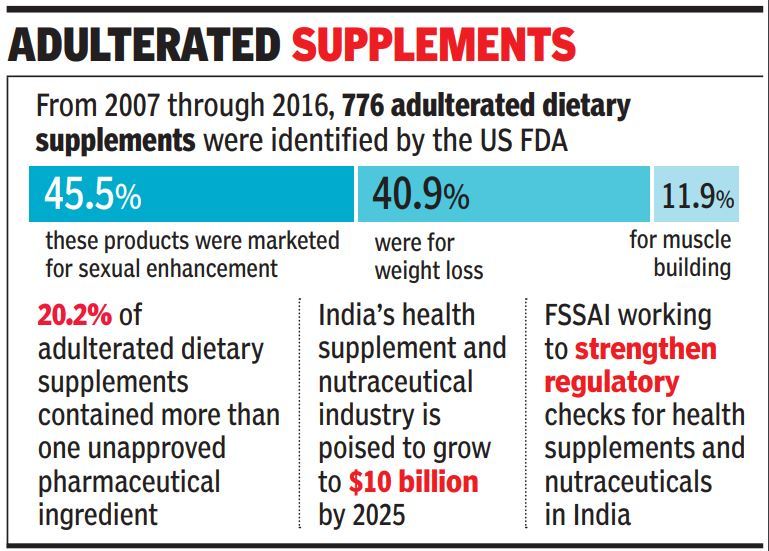
NEW DELHI: Be careful while popping a pill for weight loss, muscle building or sexual enhancement. Several dietary supplements, most of which are widely available in India, have been found adulterated with unapproved and even banned pharmaceutical ingredients in the US with potential to cause serious health risks, a latest study published in 'JAMA Open' revealed.
At least 776 dietary supplements sold over the counter in the US over a period of 10 years from 2007 to 2016 were found containing unapproved pharmaceutical ingredients such as sildenafil, sibutramine and synthetic steroids — which have potential to cause side-effects ranging from stroke to kidney failure and even death, say researchers, who extracted and analysed data from the US Food and Drug Administration's (US FDA) Center for Drug Evaluation and Research.
These products were commonly marketed for sexual enhancement, weight loss, or muscle building.
Doctors in India say the problem may be bigger here as most of the dietary supplements are easily available and widely used in India without any regulation and guidelines. Even the US regulator said it has been able to test only a portion of products available on the market.
"The issue is much more relevant in India because while this segment is largely regulated in the US, in our country it is completely unregulated. Dietary supplements in India are not tested or sampled by any authority and are easily available. The consumption is growing rapidly," says Dr Anoop Misra, chairman, Fortis C-Doc.
The dietary supplement segment which include nutraceuticals, foods for special dietary use and foods for special medical purpose poised to become a $10 billion industry by 2025. While rising income levels coupled with changing lifestyle have kindled demand for such products, lack of regulation and usage guidelines have made these products easily available over the counter and through online sales.
Of late, the growing demand and increasing availability of such products have also come to the notice of Indian regulatory authorities with the Food Safety and Standards Authority of India (FSSAI) working to strengthen the packaging norms for such products.
However, in the absence of wherewithal to do product sampling and testing, quality, efficacy and safety of such dietary supplements continue to be under question, says Dr Misra.
Another major grey area in this issue is the overlapping between food and drugs. While drugs or medicines are regulated by the Drugs Controller General of India (DCGI), food supplements come under the purview of FSSAI. Often to circumvent drug price regulation or stringent pharmaceutical norms, companies tweak their pharma formulations and launch their products as food supplements, bypassing regulatory approvals from the DCGI. The US FDA data shows, more than 20% of adulterated dietary supplements contained more than one unapproved pharmaceutical ingredients.

Implement Food Safety Act, submit report: HC to govt

Srinagar: The J&K High Court on Friday granted three weeks to state authorities to file status report on implementation of the Food Safety and Standards Act 2006.
The court granted this time after Advocate General DC Raina assured the court that the implementation of the Act will be done and accordingly a report will be placed before the court.
Meanwhile, a compliance report on behalf of the Commissioner Food safety was submitted to the court. The report stated that 32 posts have been sanctioned for Food Safety Laboratories. To overcome shortage of technical staff, food safety officers of Food and Drug Control Organization and Junior Technicians deputed from Directorates of Health Services in Jammu and Srinagar have been placed at the disposal of the Food Testing Laboratories at Srinagar and Jammu. Also, one post of Senior Lab Technician has been referred to the Services Selection Board.
It was also submitted through the report that with regard to implementation of Food Safety and Standards Act 2006, a meeting under the chairmanship of Principal Secretary to Government, Health & Medical Education, was convened on 24 October, 2018, in which it was decided that there is need for revisiting of the proposal to amend recruitment rules in view of the reorganization proposal moved by the department.
It was also pointed out in the report that 2,054 samples have been tested during the current year of which 582 have been declared unsafe. Moreover, 465 surveillance samples have been tested in mobile food testing vans and 51 awareness programmes have been conducted.
It was also submitted that 568 prosecutions have been initiated against defaulters during the current year and 428 cases have been decided after imposing penalty to the amount of Rs 37,74,200 and 1,480 cases are pending before different courts.
In the report it was mentioned that the Assistant Food Safety Commissioner has seized stock of 1,500 litres of mustard oil in loose form and 200 cans of mustard oil in package form which have been declared substandard and misbranded, respectively.
After going through the report, the division bench of Chief Justice Gita Mittal remarked that proper implementation of the Food Safety and Standards Act 2006 is required.
“We also direct that trial of these cases be taken to proper conclusion and report be filed before this court,” the Chief Justice ordered.

Sale of adulterated sweets remains unchecked in Jamshedpur


Sale of adulterated sweets remains unchecked in Jamshedpur
Jamshedpur, Oct. 26: Beware of the coloured sweets sold in open market in the city. They may contain harmful chemicals that will affect one’s health. The sale of adulterated sweets from shops across city remain uncheck and might affect the buyers.
With only a few days left for the festival of lights which sees huge sale of sweets from more than 150 shops in city there have been hardly any raids so far by the district health department.
Sources in the health department revealed that sweet-makers, in order to make mint profits, often use non-permitted colours, starch instead of sugar and aluminium-mixed varakh which can lead to severe digestive disorders.
Under the Food Safety and Standards Act 2006 (revised in 2012), sale of adulterated products that are detrimental to health can invite a hefty fine of anything between Rs 25,000 and Rs 2 lakh.
The administration is yet to begin sampling from shops. And even if the sampling is done in the next few days, the reports at the best will arrive days after Diwali.The lone state food testing lab at Namkum (Ranchi) takes 14 day time for the reports.
“We had formed a team and carried out collection of samples on October 11 and 12 from sweets shops prior to Durga puja. But are yet to get the report from the health department. I will soon direct the same team to carry out inspection of sweet shops,” said Dhalbhum SDO Chandan Kumar.
Incidentally, the teams had collected samples of butter, laddu, kajupista roll, barfi, paneer, khoa and dahi from shops located in Sakchi and Mango between October 11 and 12.
Use of harmful synthetic colours, including dyes is not permitted. But small manufacturers use the banned items just to give more colour to the sweets so as to make it attractive, officials said.
Most of the sweets manufactured in the district were from the unorganised sector — houses or group of people joining together to make a fast buck. Actions against the sweet manufacturer, after lab report would be initiated as per Food Safety and Standards Act 2006 (revised in 2012).

Legal action against food business operators selling best before date products

DIMAPUR, OCTOBER 26 (MExN): The Food Safety team along with Kohima Municipal Council (KMC) officials during a joint inspection carried out on October 11, 2018 found one bakery M/S Best Bakery located at PR Hill selling food products which had exceeded the Best Before date. The food products were seized and Form II under Food Safety & Standards Rule 2.3.1 was served to the proprietor, a press release from the Chief Medical Officer, Kohima, Dr Ritu Thurr informed while adding that written consent under Section 36 (e) of the Food Safety & Standards Act, 2006 was given to the Food Safety Officer to initiate legal prosecution against the proprietor. 
While highlighting the case, the CMO has informed all food business operators in Kohima to be aware and to check their products to avoid legal complications when caught. It also advised the food business operators to arrange the food products in such a way and practice First In First Out (FIFO) method. The consumers have also been requested to check the dates before purchase.

Several milk samples collected to check adulteration: KMC Team

Kolkata: The food safety wing of Kolkata Municipal Corporation has collected around a dozen milk samples to check whether there is any adulteration. The samples were collected from a number of leading sweet meat shops a few days ago.
"The samples will be sent to our food safety laboratory for examination. The analyst's report on the quality is expected within a fortnight," a senior official from KMC's food safety wing said. A source informed that the informal samples were collected from Borough VI . 
It may be mentioned that a few days before Durga Puja while food safety officers were undertaking a drive at the restaurants in Park Street area, Member Mayor-in-Council (Health) Atin Ghosh had instructed his officers to collect samples of milk after he had received complaints regarding packaged milk of a few brands. "If we find any irregularity in the samples collected, we will go for formal sample collection," a food safety officer said. 
Pankaj Banerjee breathes his last at 71 It may be mentioned that in the recent past there have been reports of adulteration of milk from some parts of the country, particularly from north India. Detergents and other contaminants like urea, starch, glucose and formalin are also being used as adulterants because they provide thickness and preserve the milk for longer periods. 
"More than six billion people consume milk and milk products across the world. It is our duty to ensure that the quality of milk is not compromised," a food safety officer said. The World Health Organisation (WHO) had recently issued an advisory to the Government of India stating that if adulteration of milk and milk products is not checked immediately, 87 percent of citizens would be suffering from serious diseases like cancer by the year 2025. 
A senior official of the food safety wing informed that during the food drive in the festive season the officers found restaurants and shops are using ingredients as per norms of the Food Safety and Standards Authority of India (FSSAI) for preparation of food. 
"From October 9 to 15, from Mahalaya to Sasthi, we have collected food samples from 2 seven-star category restaurants and 31 noted restaurants in the city. From October 16 to 25, the days within which Durga Puja was celebrated, we collected food samples from 137 renowned restaurants and milk samples from 13 sweetmeat shops. Only in two of these restaurants, we found the bread crumbs of inferior quality," the official said. 
"Our food drive in the festive season is a clear indication that those in food business have become conscious regarding food safety rules. This is a result of our sustained drive for the last few years," Ghosh said.

Oct 26, 2018

Guidance Note - Stickers on Fruits & Vegetables


DINAKARAN NEWS


DINAKARAN NEWS


Adulterated fish back in market

Inviting buyers: A matsyafed outlet at Arayidathupalam in Kozhikode. Many people are unaware of such stalls in the city . 
‘Customers finding it difficult to detect presence of chemicals in fish’
Every time her husband brings fish, Ruksana checks with him as to where he purchased them from, as she loathes chemical-laced fish.
On Thursday, she noticed that the king fish that her husband had bought had a pungent smell. Moreover, flesh was coming off the chopped spine. “I was not aware that the fish was rotten. It was only when my wife told me that I realised that I had been duped,” said Abdul Gafoor, who purchased the high-priced fish from Karaparamba in the city.
After an interval, adulterated or chemical-laced fish are now extensively sold in markets in the city. Three months ago, the Food Safety Department had been after the stalls. Formalin-laced fish transported from other States were sold in the local market when vendors faced shortage of fish. The crackdown then had even led to the seizure of 5,000 kg of formalin-laced fish from Vadakara.
“Many are aware that traders buy fresh fish from local fishermen and also procure them from huge freezers where fishes are stored for more than six months to a year. Usually, traders resort to such tactics when they experience a fall in income or during festival seasons. Unfortunately, it is difficult for customers to detect the presence of chemicals,” Mr. Gafoor said.
Rajalekshmi, a retired university employee, said that adulteration would be done in a clever manner, and one could not detect it even at the raw stage. “The aromatic fish curry explains the freshness of the fish. But the dishes served at hotels and restaurants can be tricky as most of them use flavours to cover staleness. Besides, hotels have refrigerators for stocking fish for several months,” she added.
The district-level food advisory committee is vested with no powers, and the corporation health department responds only after receiving complaints. “Almost all fish markets function under the civic body. Only a ward-level monitoring committee with health officials and councillors can prevent adulteration of fish,” said P.A. Jaiprakash, a former member of the Food Advisory Committee.
Many people buy fish from the two stalls of Matsyafed, one underneath the E.K. Nayanar Flyover at Aryidathupalam Junction and the other at Thiruvangoor.
“But people are not aware of these government stalls. The fish sold at our outlets are directly purchased from local fishermen on a daily basis,” said K.P. Jeeja, who manages the stall at Aryidathupalam Junction.
Matsyafed has plans to open more stalls at Nadakkavu and Malaparamba.

Substandard sweets seized

As part of the pre-Diwali crackdown on small units preparing sub-standard sweets including 'Mawa' and 'Barfi', officers of the Food and Drug Administration (FDA), in the two-day-long crackdown across Mumbai, raided several places and seized mithai and edible oil worth Rs 3 lakh.
The places raided include locations at Borivali, Kurla and Dharavi, where the FDA officers came across unauthorised units preparing sweetmeats using adulterated milk and oil. In all, 12 samples were drawn and sent for forensic analysis, FDA Joint Commissioner (Food) Shailesh Adhav said, adding that action would be taken after the reports were received. “We will take action for violation of the food safety rules under FDA,” he said.
Since there is heavy demand for sweets during Diwali, shopkeepers use adulterated products to make sweets, which is injurious to health. Besides, these sweets are prepared in unhygienic conditions with total disregard to cleanliness norms. “We raided these shops based on information and seized all the sub-standard contents,” FDA Commissioner Pallavi Darade said. The FDA has also asked Mumbaikars to report on any cases of food adulteration on their helpline number 1800222365.
It may be recalled that two years back, the FDA had seized a heavy duty consignment of mustard oil adulterated with engine oil in Nashik during Diwali. 'Khoya' was found with traces of paper, starch and other items. Universally favourite 'Besan Laddoos' are commonly adulterated with 'Kesari Daal', an animal feed unfit for human consumption.
The sweets prepared using harmful starch, milk mixed with urea, caustic soda, artificial sweetening chemicals, non-approved food colours, etc. can cause serious gastritis and diarrhoea, among other problems. These offences are tried under the Prevention of Food Adulteration Act, 1954, as well as the Food Safety and Standards Act, 2006.

India begins testing for glyphosate

Pulse exporters see residue standards as a positive development because now they know what the Indian government will tolerate.
Exporters see residue standards as a positive development because now they know what the country will tolerate
Exporters are facing yet another risk factor when shipping pulses to India.
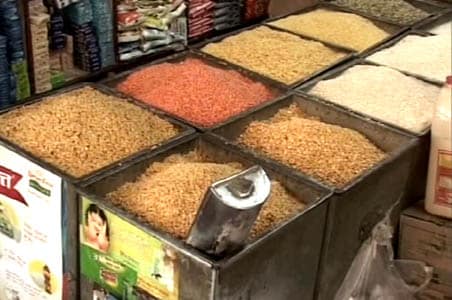
The Food Safety and Standards Authority of India has ordered its officers to direct laboratories to test imported pulses for glyphosate residue.
“There is a possibility of higher levels of residues of (the) herbicide glyphosate in pulses, thereby adversely affecting the health of consumers,” the agency said in its order dated Oct. 12.
India does not have its own maximum residue limits (MRL) for the herbicide, so it is using Codex levels of two milligrams per kilogram for beans and five milligrams per kg for peas and lentils.
Gord Bacon, chief executive officer of Pulse Canada, sees it as a positive development because before India had no MRL in place and when that is the case, the default is zero tolerance. It created uncertainty for exporters.
“Now we know,” he said.
Bacon can only speculate why India is suddenly going to test pulse imports for glyphosate residue.
“There is a glyphosate activist who was successful in getting some newsprint articles on glyphosate in the Indian media,” he said.
The activist noted in the articles that glyphosate has been identified as a probable carcinogen by the World Health Organization’s International Agency for Research on Cancer (IARC).
What he failed to mention is that there are more than 900 other compounds on that list including caffeine and alcohol and that IARC failed to identify at what level of exposure glyphosate becomes a health risk.
Bacon doesn’t think Canadian exporters will have any problem meeting the Codex MRLs, so it will be business as usual to India. Unfortunately, that business is nearly non-existent these days.
Greg Kostal, president of Kostal Ag Consulting, said the glyphosate testing is just another potential trade barrier that came out of the blue.
“Certainly that can be perceived as just another layer of bureaucracy designed to slow, discourage, impair imports,” he said. “Not that they were going to happen anyway.”
Pulses are already facing punitive tariffs, quotas and fumigation penalties in the Indian market.
“It’s just another layer of headaches that exporters have to abide by,” said Kostal.
If Indian farmers meet the government’s target for pulse production there may be no exports to speak of. The government has set a target for 24 million tonnes of pulse production in 2018-19, which would be the second biggest crop on record next to last year’s 25 million tonne harvest.
China has increased its purchase of Canadian peas in the absence of India. The country bought one million tonnes in the last five months of 2017-18.
“I’m not optimistic we’re going to replicate that,” said Kostal.
China bought peas because soybean prices were high but with a bin-busting U.S. crop and big acres being planted in South America, peas are going to have a tougher time competing against soybeans this year.
Kostal said there has been no saviour for lentils.
“I don’t see any brand new demand,” he said.
The only way pulse markets will become balanced again is through a contraction in supply and that often requires two years. Peas and red lentils have been through one year of contraction but green lentils and chickpeas have not.
Kostal thinks Canadian pea carryout could be “snug” at the end of 2018-19 but he believes lentil carryout will be “healthy.”

Court fines one for selling eatables without licence

CHANDIGARH: A district court here made one person stand till rising of the court and imposed a fine of Rs 20,000 on him for selling eatable without a food license. The person was held guilty and convicted under Sections 26 (2) (iii), 31(1), punishable under Section 63 of the Food Safety and Standards Act.
On October 18, 2017, a food safety officer during an inspection at the business premises of M/S Sharma Sweets, Hallomajra, Chandigarh, found the accused selling food articles like rasgulla, gulab jamun and burfi etc. for human consumption by way of public sale without a food license. The food inspector challaned the accused for selling the aforesaid food articles for human consumption without having a food license under Sections 26 (2) (iii) and 31(1) of the Food Safety and Standards Act 2006. 
The defence counsel contended that no sample of food article was taken by the food safety officer nor raw material for preparation were seized and entire case has been falsely foisted upon the accused.
Prosecution contended that since the accused was challaned for selling selling food articles like rasgulla, gulab jamun and burfi etc. without having food license for human consumption by way of public sale, there was no requirement for taking sample of the food articles.

Are Imported Dals or Pulses Toxic? Here's What FSSAI Has To Say

In the past few days, there have been concerns about imported dals containing higher levels of the herbicide glyphosate. Here's what FSSAI has to say.
HIGHLIGHTS
There is a scare about unacceptable levels of toxicity in dals or pulses
Imported dals may have high residue levels of glyphosate
FSSAI CEO Pawan Agarwal insists there is no concern of any kind

India is a country that loves its dals and a significant portion of what we consume is imported. In February this year, government figures said that India imported 50.8 lakh tonnes of pulses for Rs. 17,280 crore during the April to December period of the fiscal year. However, in the past few days, there are have been several reports in the media, which warned people against eating 'toxic' imported dals, especially moong and masoor dals. The reports were prompted by an order issued by the Food Safety and Standards Authority of India, which instructed its import division to test imported dals for presence of the herbicide glyphosate. The order came after the FSSAI noted that India currently doesn't have any food safety regulations related to levels of glyphosate in pulses imported from some countries. Glyphosate is an active ingredient found in a particular brand of herbicide or weed killer, which is used in some countries from where India imports pulses.
There have been claims in the recent times that glyphosate might be carcinogenic, which means that it may be connected to certain kinds of cancer. In order to address these concerns of alleged toxicity of dals, FSSAI released a circular dated October 12, 2018 which says, "There is a possibility of higher levels of residues of herbicide "glyphosate" in pulses, thereby adversely affecting the health of the consumers." However, FSSAI insists that there is no concern of any kind. NDTV Food reached out to the CEO of FSSAI, Mr. Pawan Agarwal, who said, "We have residue levels for pesticides, which we keep on notifying. Glyphosate is a pesticide that is permitted for use in India. The residue levels are decided according to crops. Even in India we have it for other commodities, but for pulses it was not there."
He said that in the absence of defined thresholds for residue levels, the body has accepted levels for pulses as they are internationally accepted, for the purposes of testing the dal samples. The FSSAI has said that samples of imported pulses should be sent to authorised labs for testing for presence of residues of the herbicide and a fortnightly report be sent to the organisation's headquarters in Delhi. Mr. Agarwal said that earlier imports of pulses were not being tested for residues of this particular herbicide and that until the body sets their own standards for the same, the ones defined by Codex will be used.
COMMENT
FSSAI's order from October 12, 2018 has stated the Minimum Residue Limit (MRL) for glyphosate in various different kinds of pulses like beans, lentils, peas and soya bean, which are at par the internationally accepted MRLs. The samples of all these imported pulses will be tested as per the MRL's specified in this particular order. These limits are in line with those specified by Codex and the order says that FSSAI may revise the MRL at a later date. Herbicides and pesticides are used for a number of crops and sometimes indiscriminately, raising concerns about the negative health impacts of the chemicals on the consumers.

Oct 25, 2018

DINAMANI NEWS


DINAKARAN NEWS


DINAKARAN NEWS


DINAKARAN NEWS


Festive season: Not so sweet?

Food safety department raids chains over adulteration fears.
FSSAI has directed food commissioners of all the States and UTs to keep a strong surveillance on milk and milk products.
HIGHLIGHTS
Delhi-based sweet shops are at the radar of the food safety department
The department has received serious complaints against leading sweet chains
Earlier, the department lifted 179 milk samples & 213 milk products samples

Top sweet shops which are based in Delhi and NCR are at the radar of the food safety department. Ahead of festival celebrations, the department has received serious complaints from public against leading sweet chains delivering sub-standard sweets.
It is for the first time, the Delhi government's department of food safety has started the special drive one month prior to the festival celebration for ensuring safe and quality milk and milk products during festival time.
"So far, food safety officers have picked up 80 Khoya samples and 200 milk based products quality check. The special drive is being conducted to make sure that no adulterated milk and milk based sweets reaches to the consumer," said a senior food safety official.
In the recent past, the department lifted 179 milk samples and 213 milk products samples respectively.
"Out of 179 milk samples, we found 33 samples sub-standard and 3 samples were misbranded. Among 213 milk products, 3 were found 'unsafe' and 40 sub-standard and 7 samples were misbranded," informed the official.
Meanwhile, the Food Safety Standard Authority of India (FSSAI), the apex food regulator has directed food commissioners of all the States and UTs to keep a strong surveillance on milk and milk products (specially products like Khoya, paneer, dahi, ghee etc) to check their microbiological quality and presence of adulterants.
"During festivals, the usage of milk and milk based products increases. These food products have low shelf life and tend to get spoil very fast if not stored properly. Previously, there have been many incidents of dairy businesses indulging in acts of adulteration. Sweets with microbial contamination can also pose to a serious threat to the health of consumers," Pawan Agarwal , CEO of FSSAI told Mail Today.

Moong and Masoor Dal May Be Poisonous to Health says FSSAI

For us Indians, a lunch or dinner cannot be considered healthy and wholesome without a serving of a comfort food like moong or masoor daal. If you cannot imagine going a day without having some daal, you should seriously rethink your decision as you might be consuming some harmful chemicals with your food.
New studies conducted by national food safety authorities have proved that the pulses getting imported in India from countries like Canada and Australia–where the production is at an all-time high–that find their way in our kitchen are seriously laced with toxic ingredients.
The Food Safety and Standards Authority of India (FSSAI) has warned the consumers to stop having these daals regularly as laboratory testing found high traces of chemicals in the final samples. It included herbicides like Glyphosate, which is a weed killer mostly used in the farming community to get rid of rodents and weeds.
Commenting on the issue, an FSSAI official said, “There is a possibility of higher levels of residues of the herbicide Glyphosate in pulses which could adversely affect the health of consumers here. Since the maximum residue limits (MRL) for Glyphosate in pulses has not been specified in the FSSAI regulations, we have asked the concerned officials to follow the Canadian standards for the herbicide as specified in the Codex standards.”
This study was conducted after an activist raised concerned over the quality of lentils and found that the Indian diet may have been overly contaminated over the years without people knowing since India doesn’t have any standard quality index for Glyphosate on its own and hence, it passes through undetected.
The herbicide, Glyphosate was considered safe until some years back before WHO issued an advisory for people to stop consuming it, labelling it as a potential human carcinogen.
Glyphosate, a lethal weed killer can cause serious problems and damage the protein related functions in the body, attack the immunity system and stop the absorption of essential vitamins, minerals and nutrients. In some cases, exposure to glyphosate was also known to cause renal failure.

FSSAI claims your moong, masoor dal is poisonous! Here is the full report...

For us Indians, a lunch or dinner cannot be considered healthy and wholesome without a serving of a comfort food like moong or masoor daal. If you cannot imagine going a day without having some daal, you should seriously rethink your decision as you might be consuming some harmful chemicals with your food.
New studies conducted by national food safety authorities have proved that the pulses getting imported in India from countries like Canada and Australia--where the production is at an all-time high--that find their way in our kitchen are seriously laced with toxic ingredients. 
The Food Safety and Standards Authority of India (FSSAI) has warned the consumers to stop having these daals regularly as laboratory testing found high traces of chemicals in the final samples. It included herbicides like Glyphosate, which is a weed killer mostly used in the farming community to get rid of rodents and weeds.
Commenting on the issue, an FSSAI official said, “There is a possibility of higher levels of residues of the herbicide Glyphosate in pulses which could adversely affect the health of consumers here. Since the maximum residue limits (MRL) for Glyphosate in pulses has not been specified in the FSSAI regulations, we have asked the concerned officials to follow the Canadian standards for the herbicide as specified in the Codex standards.” 
In fact, tests conducted by the Canadian Food Inspection Agency (CFIA) on thousands of samples of lentils like moong daal produced by farmers in Canada and Australia found an average 282 parts per billion (PPB) and 1,000 parts per billion of glyphosate respectively, which is extremely high by any standards.
This study was conducted after an activist raised concerned over the quality of lentils and found that the Indian diet may have been overly contaminated over the years without people knowing since India doesn’t have any standard quality index for Glyphosate on its own and hence, it passes through undetected.
The herbicide, Glyphosate was considered safe until some years back before WHO issued an advisory for people to stop consuming it, labelling it as a potential human carcinogen.
Glyphosate, a lethal weed killer can cause serious problems and damage the protein related functions in the body, attack the immunity system and stop the absorption of essential vitamins, minerals and nutrients. In some cases, exposure to glyphosate was also known to cause renal failure.

Teachers sensitized on healthy eating, hygiene among kids

Trichy: About 60 teachers from corporation schools were sensitized on imparting knowledge about healthy eating and hygienic practices among children on Wednesday.
The school education department along with food safety and standards authority of India (FSSAI) is organising the four-day event.
The initiative is aimed at addressing the issue of malnourishment and school children being anaemic in government schools.
“Malnourished and anaemic children will not be able to concentre on their studies and unless this issue is sorted out, performance of students cannot be increased. Keeping this in mind, this initiative has been spearheaded by FSSAI,” said Asha Devi, headmaster of government middle school at Pirattiyur. She was one of the moderators at the event.
Devi said that one teacher from each school in the primary, middle, high and higher-secondary classes have been selected for the workshop. These teachers would take the message to the children and ensure that they follow it, she added.
Apart from the healthy food that must be consumed, teachers were educated on the right way of washing hands, brushing teeth, bathing and cutting nails.
“I didn’t know that there is a specific way to brush our teeth to keep them healthy. Besides, washing hands with soap instead of using hand wash was a tiny yet important thing that we learned from the workshop and we will take the message to the students,” said one of the teachers.
“Prevalence of junk food, which has steadily made inroads into our dining tables, has not spared even rural households. This has been one of the major causes of children not getting relevant nutrition,” said K Marudhanayagam, block education officer of Manikandam block . There is need for making healthy eating a habit among children and this workshop is aimed at doing it, he said.

Food safety dept to host Swasth Bharat Yatra

Madurai: The food safety officials of Madurai district will host a nation-wide programme aimed at promoting awareness on food safety, food adulteration and healthy food. Titled ‘Swasth Bharat Yatra’, the three-day event begins on Friday with the entry of eat right convoy from Virudhunagar district.
Food safety standards authority of India, which conducts the 100-day long event, has dispatched specially-designed eat right mobile units and food safety on wheels, the officials said.
The awareness programme had kicked off on the World Food Day simultaneously in Leh, Panaji, Thiruvananathapuram, Puducherrry , Ranchi and Agartala. From there, they will travel to the remote parts of the country.
Food safety officer M Somasundaram said that the convoy would have around 1,000 cyclists travelling to various parts of Madurai district, creating awareness all along. There would be a grand event on the last day in Madurai on October 28, which would see the performance of 50 folk artists. In all, 150 pigeons would be released to mark the 150th birth centennial year of Mahatma Gandhi.
A host of events like awareness exhibitions, rallies and street plays involving students are planned on the day. P Amudha, principal secretary to government and commissioner of food safety, visited Madurai a couple of weeks ago to check the preparation for the event. After 100 days of cycling covering around 2000 locations, the eat right convoys and cyclists will reach New Delhi in the last week of January.

Greedy traders resort to shortcuts to milk profits

When demand is more than supply, many use harmful adulterants to edible products to increase quantity.
Hyderabad: The Food Safety and Standards Authority of India (FSSAI) has raised red flag on milk and milk-based products that are available in the market during the ongoing festival season.
The food regulatory body said that during festivals, when demand outstrip supply, unscrupulous elements take shortcuts by using harmful adulterants aimed at increasing quantity of milk and milk-based products at the cost of the health of customers.
The FSSAI said in addition to milk, milk-based products such as ‘khoa’, ‘paneer’, ‘dahi’ and ‘ghee’ get spoiled during festival seasons. Authorities said certain milk products such as ‘khoa’ were prepared months in advance of the season and stored in unhygienic conditions leading to poor microbial quality and in some instances, visible growth of fungus.
In an advisory to individual States, it said that to cut corners, merchants also transport bulk milk in rusted tin containers from places of production to distant markets leading to microbial contamination and deterioration during transit. The FSSAI had recently held consultations with State health authorities to identify some of the most common adulterants used in milk and milk products.
To increase the volume of Khoa, the most common adulterant used is cellulose, a non-digestable plant fibre and starch. To improve the consistency of curd, merchants tend to add a lot of blotting paper and Carboxy Methyl Cellulose (CMC), which has the potential to trigger rashes, eye irritation and allergies such as swelling of mouth, lips and tongue.
“Motivated adulteration of milk and its products not only cheat customers but also lead to a negative impact on health. Heavy microbial contamination and presence of microbial toxins in such products is risky for health of customers,” the advisory said.
According to authorities, most common adulterant used by merchants in ‘paneer’ is vegetable oils, which is a cheaper substitution to milk fat. Merchants also tend to use chemicals such as metanil yellow, malachite green, quinoline yellow and auramine, which are cheaper alternatives to permitted food colours.
The FSSAI has urged the State regulatory authorities to increase surveillance activities with adequate enforcement drive, especially during the ongoing festive season.

FDA suspends licenses of 33 fish traders


Traders fail to submit papers within stipulated time; Vijai, Vishwajit air opposing views in a tweet before matter is resolved
FDA ORDER 
>> The Registration Certificate granted under Food Safety and Standards Act, 2006, issued to the 33 FBOs (list enclosed) are revoked forthwith 
>> FBOs were issued a warning that they had not adhered to the October 15 deadline to furnish the municipality trade licenses to the FDA 
---------------------------------------------------------------------- 
DENIAL & ACCEPTANCE 
>> Vishwajit Rane initially denied any orders being issued to revoke the registration certificates 
>> He also tweeted that a final decision would be taken within two days, after examining the file 
>> He retracted his stand a few minutes later: "The FDA director has issued the order, so be it." 
--------------------------------------------------------------------- 
PANAJI: The Food and Drugs Administration (FDA) on Tuesday issued an order revoking registration certificates of 33 Food Business Operators (FBOs), all fish traders, as they failed to submit their municipality trade licenses within the October 17 deadline set by the Authority in the backdrop of the formalin-in-fish imbroglio. 
The order issued by FDA Director Jyoti Sardesai, however, triggered a brief row a day later on Wednesday with two cabinet ministers - Health Minister Vishwajit Rane and TCP Minister Vijai Sardesai - took to social media to air diametrically opposing views on the issue. 
Health Minister Vishwajit Rane on Wednesday initially denied any orders revoking the registration certificates had been issued. 
"I will take a decision only after I see the file, which has not yet come to me," he told the Goan when contacted. 
He also tweeted that there is no revocation of 33 fish traders' licenses and a final decision will be taken within two days, after examining the file. 
But, Rane retracted his 'no revocation' stand a few minutes later when in an audio posted on the WhatsApp group 'FDA' created to facilitate communication between the media, he said: "The FDA director has issued the order, so be it." 
Vijai Sardessai meanwhile tweeted: " Technically this means fish imports from outside the State is stopped?....fish traders are accountable to strict regulations." 
It was perhaps Vijai Sardesai's tweet that influenced Rane to quickly retract. The latter subsequently claimed in the audio post on the 'FDA' whatsapp group that he had spoken to the FDA director as well as Vijai Sardesai, who told him to take "firm and stringent measures." 
"We cannot increase the timeline (given to the fish traders)," Rane said. 
Meanwhile, the order issued by FDA director states: "The Registration Certificate granted under Food Safety and Standards Act, 2006, issued to the 33 FBOs (list enclosed) are revoked forthwith." 
The order issued by Sardesai also states that the FBOs were issued a warning that they had not adhered to the October 15 deadline to furnish the municipality trade licenses to the FDA.The order has been addressed to the president/secretary of the Margao Wholesale Market Association and it notes that individual notices were sent to all the 33 FBOs. 
The requirement for fish traders to get necessary registrations was set in motion by Rane, after the formalin-in-fish fiasco broke out on August 4 and after the brief ban on import of fish was revoked by the government. 
The government had initially given traders 15 days to register but extended the deadline on multiple occasions. The final extension of this deadline, however, ended on October 15, following which the FDA director triggered the process to revoke the registrations and finally issued the order on Tuesday.   

Oct 24, 2018

Imported pulses to be tested for glyphosate contamination

NEW DELHI, OCTOBER 23
In order to address a lacunae in food-safety regulations, the Food Safety and Standards Authority of India (FSSAI) has directed its imports division to test glyphosate levels in imported pulses in line with global standards.
Noting that the Maximum Residue Limit (MRL) for glyphosate in pulses has not been specified in regulations in India, it has said that MRL specified in Codex standards should be taken into consideration while giving import clearances.
The recent FSSAI order assumed significance as a US court on Monday upheld that glyphosate was a potential carcinogen. Refusing to entertain a fresh trial sought by Monsanto (now owned by Bayer), a superior San Francisco court upheld a jury trial awarding compensation to a former school groundskeeper, who claimed that spraying of glyphosate caused him cancer. The court, however, reduced the punitive award to him substantially.
Codex Alimentarius is the joint food standards programme of FAO and WHO and is a collection of internationally recognised standards and practices for food products. Glyphosate is prevalently used as a herbicide.
Speaking to BusinessLine, Pawan Agarwal, CEO, FSSAI, said: “Since we haven’t specified standards for maximum residue levels for glyphosate for pulses, the impression was that any amount of residue levels is allowed in pulses. Hence, we have decided to follow the Codex standards.” Different crops have different glyphosate MRL standards, he added.
FSSAI has also directed its regional offices to collect data on the glyphosate levels in imported pulses and submit the data to its headquarters on a fortnightly basis. Kavitha Kuruganthi, a farm activist, welcomed the move, but said the weed-killer is used indiscriminately in many crops, including some for which its application is not approved.
Codex standards specify glophosate MRL for beans, lentil, peas and soyabean on a per kg basis. The maximum residue levels range from 2 mg/kg in beans to 20 mg/kg in soyabean.

Over 10 quintal sweets prepared in unhygienic conditions destroyed

JAMMU, Oct 23: Over ten quintal sweets manufactured in unhygienic conditions were destroyed and nine wholesale manufacturers/sellers were challaned under Food Safety and Standard Act (FSSA), 2006 by the Food Safety wing, Jammu of Drug and Food Control Organization, in city and its outskirts.
To check the manufacturing/selling of adulterated sweets, a Food Safety team headed by Dr Parvesh Kumar, Assistant Commissioner, Food Safety, Jammu checked various whole sale outlets of Khoya, manufacturers of sweets and sellers of dry fruits in the municipal limits of Jammu and challaned nine food business operators under unsanitary and unhygienic conditions and other contraventions of FSS Act 2006.
Among those challaned were two wholesale sweet manufacturers at Om Nagar, near Revenue Complex Jammu. They were challaned for manufacturing sweets under unsanitary and unhygienic conditions. The team lifted samples of Gulab Jamun, Rasgulla, Patisa from the two manufacturers for lab analysis and destroyed 200 kg of Rasgulla, 100 kg of Gulab Jamun and 90 kg of Patisa processed in unfavourable conditions.
Moreover, the production of both manufacturers were stopped as the infrastructures of both premises were not upto the standards as per the FSS Act 2006. Sample of Katlamas were also lifted from manufacturer Rakesh Kumar at Gole Gujral and he was also challaned under FSS Act.
Doulat Ram & Sons and Vishawinder Kumar Gupta & Sons—the two main wholesale outlets of Khoya in Hari market Jammu were also inspected from where four samples of Khoya were lifted and 260 kg of suspected sub-standard Khoya was seized. The samples were sent to the laboratory for detection of adulteration. Vishawinder Kumar and Sons was also challaned for storing the Khoya under unsanitary and unhygenic conditions and other contraventions of FSS Act 2006.
Samples of dry fruits were lifted from Sharma Enterprises and Chet Ram & Sons at Raghunath Bazaar, Jammu and both the Food Business Operators were challaned under section 58 of FSS Act 2006.
During the drive, samples of Gulab Jamun, Rasgulla, Ladoo and Paneer were also lifted from wholesale sweet manufacturers—Brijander Sweet Shop and Foran Singh Sweet Shop at Muthi and Balkrishan Sweet Shop at Paloura. The team also destroyed 510 kg of Rasgullas and 124 kg of Gulab Jamun, which were prepared under insanitary and unhygienic conditions. The activities of the all the three wholesale sweet manufacturers were stopped till further orders and they were challaned under FSSA 2006.
The drive was conducted on the directions of Commissioner, Food Safety, J&K. The inspecting team was comprised of Food Safety officers, Ajay Khajuria, Daleep Singh and Hans Raj Andotra.

Over 10 quintal sweets prepared in unhygienic conditions destroyed

JAMMU, Oct 23: Over ten quintal sweets manufactured in unhygienic conditions were destroyed and nine wholesale manufacturers/sellers were challaned under Food Safety and Standard Act (FSSA), 2006 by the Food Safety wing, Jammu of Drug and Food Control Organization, in city and its outskirts.
To check the manufacturing/selling of adulterated sweets, a Food Safety team headed by Dr Parvesh Kumar, Assistant Commissioner, Food Safety, Jammu checked various whole sale outlets of Khoya, manufacturers of sweets and sellers of dry fruits in the municipal limits of Jammu and challaned nine food business operators under unsanitary and unhygienic conditions and other contraventions of FSS Act 2006.
Among those challaned were two wholesale sweet manufacturers at Om Nagar, near Revenue Complex Jammu. They were challaned for manufacturing sweets under unsanitary and unhygienic conditions. The team lifted samples of Gulab Jamun, Rasgulla, Patisa from the two manufacturers for lab analysis and destroyed 200 kg of Rasgulla, 100 kg of Gulab Jamun and 90 kg of Patisa processed in unfavourable conditions.
Moreover, the production of both manufacturers were stopped as the infrastructures of both premises were not upto the standards as per the FSS Act 2006. Sample of Katlamas were also lifted from manufacturer Rakesh Kumar at Gole Gujral and he was also challaned under FSS Act.
Doulat Ram & Sons and Vishawinder Kumar Gupta & Sons—the two main wholesale outlets of Khoya in Hari market Jammu were also inspected from where four samples of Khoya were lifted and 260 kg of suspected sub-standard Khoya was seized. The samples were sent to the laboratory for detection of adulteration. Vishawinder Kumar and Sons was also challaned for storing the Khoya under unsanitary and unhygenic conditions and other contraventions of FSS Act 2006.
Samples of dry fruits were lifted from Sharma Enterprises and Chet Ram & Sons at Raghunath Bazaar, Jammu and both the Food Business Operators were challaned under section 58 of FSS Act 2006.
During the drive, samples of Gulab Jamun, Rasgulla, Ladoo and Paneer were also lifted from wholesale sweet manufacturers—Brijander Sweet Shop and Foran Singh Sweet Shop at Muthi and Balkrishan Sweet Shop at Paloura. The team also destroyed 510 kg of Rasgullas and 124 kg of Gulab Jamun, which were prepared under insanitary and unhygienic conditions. The activities of the all the three wholesale sweet manufacturers were stopped till further orders and they were challaned under FSSA 2006.
The drive was conducted on the directions of Commissioner, Food Safety, J&K. The inspecting team was comprised of Food Safety officers, Ajay Khajuria, Daleep Singh and Hans Raj Andotra.

Delhi plans to keep a check on adulterated sweets during festive season

The Delhi government has launched a special drive to keep a check on adulterated sweets across the city in the ongoing festival season.
The Food Safety Department of the Delhi government recently issued an order directing Food and Civil Supplies Officers (FSOs) to carry out the drive against adulterated food items in their respective jurisdictions.
"All designated officers are directed to issue an order to FSOs concerned to carry out a special drive in the jurisdictional area of their districts for the lifting of samples of khoya, sweets made from khoya, other milk products..." the order stated.
The move is aimed at keeping a close watch on the sweets being supplied in the national capital. It also aims to tighten the noose around people who are involved in food adulteration, an official said.
He said strict action would be taken against those involved in food adulteration.
"The department teams will randomly lift samples at sweet shops and send them for examination," the official said.
"The government will not spare anybody found playing with the health of Delhiites," he added.

Microplastics have found their way into your gut


DINAMANI NEWS


Oct 23, 2018

DINAKARAN NEWS


Milk and milk products will now be under surveillance

The FSSAI has directed all state food authorities to keep watch following the seizure of lakhs of litres of sub-standard milk in Maharashtra
PANJIM: In the backdrop of over lakhs of sub-standard milk being seized in Maharashtra, the Food Safety and Standards Authority of India (FSSAI) has directed the state food authorities in the country to maintain complete surveillance on milk and milk products during this festive season. 
The country’s apex food regulator has also given a list of adulterants, along with the notice, wherein it has explained each adulterant and its specific use in milk and milk products, as a reference for the enforcement purpose.
“Public confidence in the safety and quality of milk and milk products is low. With low shelf life, milk and milk products are prone to spoilage if these are not stores and handled properly. There are instances of few unscrupulous elements, diary businesses indulging in acts of adulteration. Such cases of adulteration often increase during festival season when the demand for milk and milk products outstrips supply,” Joint Director (Regulatory Compliance Division) Daya Shankar said in the letter. 
FSSAI said that while economically motivated adulteration of milk products invariably results in cheating of consumers, use of certain types of adulterants can also lead to a negative impact on their health. “At the same time, heavy microbial contamination and the consequent presence of microbial toxins in such products also pose a serious threat to the health of consumers,” officer said. 
As such, States and Union Territories are advised to take up special drive on surveillance of milk and milk products like khoa, paneer, dahi, ghee, etc, during the festive season.

Oct 22, 2018

DINAKARAN NEWS


DINAKARAN NEWS


DINAKARAN NEWS


DINAKARAN NEWS


DINAKARAN NEWS


Rs 4 lakh fine imposed on Valley firm for supplying sub-standard food item

JAMMU, Oct 21: Adjudicating Officer (under FSSA 2006), Jammu has imposed a fine of Rs 4 lakh on M/s Wani Brothers of Shopian for supplying sub-standard ‘Chana’ (gram) Whole to the ICDS centers of Khour Block in Jammu, besides directing the accused firm to replace the supply immediately.
Food Safety Officer, Block Pallanwala, district Jammu, had inspected the premises of ICDS Store CDPO Office Khour Block Pallanwala on August 18, 2018 and collected sample of the nutrition supply of Chana Whole with a view to get it tested from the Food Laboratory, Jammu so as to see whether it meets the requisite standard of the food item as laid down in the Regulation framed under Food Safety and Standard Act (FSSA), 2006.
The report of Food Analyst was received on September 4, 2018 in which he declared the Chana Whole as sub-standard while stating that the sample does not conform to the standards prescribed for Chana Whole under Regulation No 2.4.6 (9) of FSS Regulations, 2011 in respect of Weevilled Grains and damaged grains.
Meanwhile, the supplier also accepted the report of the Food Analyst as he did not opt to get it re-analyzed by any other referral laboratory even though he was given option under Rule 2.4.2 (6) of the FSSA 2006/Regulation framed thereunder.
Following this, Food Safety Officer, Block Pallanwala, after getting sanction of the competent authority, lodged a complaint against Managing Director/ Person-Incharge of M/s Wani Brothers in the court of Adjudicating Officer (under FSSA 2006), Jammu under Section 51 of FSSA 2006 punishable under Section 51 of FSSA 2006.
After hearing the complainant and the accused, the Adjudicating Officer (under FSSA 2006), Jammu in the order said as the accused has virtually admitted the charge of substandard supply and also has undertaken to replace the same, which he is otherwise bound as per his supply contract, a fine of Rs 4 lakh is imposed on the accused to be deposited within seven days in treasury or with this court, which shall be credited to the Government Account.
The court also directed the accused to replace the supply immediately so that children of Anganwari Centres in the area do not suffer, while stating that the menace of food adulteration and supply of sub-standard food items is increasing day by day and it requires strict legal and social response as it threatens the very existence of a healthy human society.

Unsafe bottled water gluts State market

GUWAHATI: How safe is an intake of packaged (bottled) water that has glutted the market in Assam, especially in Guwahati? A burning question!
As if taking the advantage of lack of any stringent laws, a section of companies doing the business of bottled or packaged water in the State has adopted some unscrupulous practices that pose a threat to consumers’ health. Laboratory tests conducted by the Food Safety Wing of the State Health and Family Welfare Department have found bottled water either misbranded or sub-standard or not safe for human intake. Since there is no stringent law to deal with such unscrupulous companies, the actions being taken against them are limited to issuing notices, warnings, and ban on their business for a few days. The companies that are warned or issued notices or banned for doing business for a few days opt not to adopt any foul play for a certain period, only to spring back to their usual unscrupulous selves when the situation becomes normal.
The Food Safety Wing of the State Health and Family Welfare Department tested 14 samples of bottled water in 2016-17. While the wing found two samples as misbranded and as many sub-standard ones, five were not safe for human intake. In fiscal 2017-18, the wing tested 19 samples and found two samples as misbranded, one as sub-standard and nine as unsafe for human intake.
The companies that sell over two metric tonnes of packaged water per day have to get their licenses from the food safety agency of the Government of Indian and those selling less than two metric tonnes per day have to get such licenses from the Food Safety Wing of the State.
According to official sources, various brands of bottled water are sold in Assam with Central or State licenses. The labels of such bottles read either packaged drinking water or mineral added to water or purified water. For purified water, a number of tests have to be carried out to ascertain its purity.
Sources further say that a large number of bottles of packaged water of diverse brands are sold daily in Assam. It is not possible to check each and every bottle of all the brands, and as such food safety officials have to go for random checking. The cases of misbranded and sub-standard water bottles are disposed of at the ADC (additional deputy commissioner)-level either by charging fines or issuing notices or warning, but the cases of water bottles which are not safe for human intake are sent to the Chief Judicial Magistrate Court for judgment.
An official said: “We take action as and when we receive complaints from the public. We’re going to take stringent action against three companies. We’ve received complaints against the three companies and their packaged water bottles have also failed our tests.”
The people of the State largely depend on packaged water as piped water being supplied is not free from impurities. In such a situation, it is imperative on the part of the department concerned to take some stringent measures to get rid of the health menace. Regular inspection of drinking water bottling factories in the State is one way to solve the problem.