
May 1, 2018

Food safety officials to issue showcause notice to owner of gutka manufacturing unit
Coimbatore: The officials of the Food Safety and Standards Authority of India (FSSAI) will send show cause notice to Amit Jain, the New Delhi-based owner of the illegal gutka manufacturing unit at Kannampalayam village near Sulur that was raided on Saturday.
Preliminary investigation revealed that Amit Jain obtained licence from FSSAI for manufacturing non-tobacco products like pan masala and sweet betel nut. The licence is valid till July 2018. FSSAI officials, who had inspected the unit in January, had failed to find out the illegal manufacturing of gutka there. Police suspect the role of some FSSAI officials in the incident.
Gutkha packet in cool drink bottle
Vijayawada: a used gutkha packet and other waste were found in a cool drink bottle in a restaurant on the BRTS road on Sunday.
When V Ramesh of Madhuranagar and his friends went to the restaurant and were served cool drinks, they found gutkha packet and other garbage in it. They immediately lodged a complaint with the restaurant owner.
With the restaurant owner not responding, Ramesh approached the food safety officials. The officials seized the bottle and are investigating.
Odisha: Police bust fake edible oil manufacturing unit
CUTTACK: Police on Monday busted a fake edible oil manufacturing unit at Nuasahi near Khannagar.
At least 413 containers filled with adulterated edible oil were seized from the unit and one person has been arrested in connection with the crime. Police said the gang used to procure low quality oil from neighbouring states and used to adulterate it with branded edible oils.
The gang cunningly packaged the spurious oil in branded containers so that nobody can make out the difference. The gang used to supply the spurious oil to different grocery wholesalers and retailers in the city.
Along with owner of the unit Rabindra Rout, Police have detained one more persons, in connection with the crime. Acting on a tip off, police conducted surprise raid at the house in Nuasahi. A team of police conducted thorough search of the premises of the house and seized containers, bottles, plastic packets of different branded edible oils and machines used for packaging of oil.
“Samples of the spurious edible oil will be sent for examination. Investigation will be conducted to find out since when the illegal unit was operating and where the products were being supplied to,” said DCP (Cuttack), Akhileswar Singh.
Notably, in December last year police had busted a fake ghee manufacturing unit at Professorpara. After such repeated incidents, police have decided to conduct more raids on such fake units in the city.
Com Min asks FSSAI, customs to cut import clearance time of food cargoes
New Delhi, Apr 30 () The commerce ministry has asked FSSAI and customs authorities to clear import consignments of food products in about 48 hours at ports with a view to promote ease of doing business at trade front.
Currently, it takes as many as five to eight days to get import clearance for a food consignment, a government official said.
The move would help India improve its ranking in Trading Across Borders, one of the ten parameters of ease of doing business.
India ranked 146th in Trading Across Borders component, out of 190 countries ranked by the World Bank in its latest report.
The official said Food Safety and Standards Authority of India (FSSAI) was also advised to carry out clearances under the risk management system.
Under this system, import customs clearance procedure is carried out randomly as scrutinising every paper and checking all the consignments increase logistics cost of traders.
"We have asked FSSAI to give clearances in a shorter time as food items are perishable in nature. The time should be reduced to about two days," the official added.
The move assumes significance as the Prime Minister's Office has directed the ministry to take immediate steps on streamlining procedures for trade with a view to facilitate movement of goods across borders and improve India's ranking in ease of doing business.
When contacted on the matter, FSSAI CEO Pawan Kumar Agarwal said:"Food import clearance is being streamlined".
Although the government has reduced the number of mandatory documents required for import and export of goods to three in each case, it takes time to get approval.As per the World Bank report on ease of doing business, India's ranking has improved to 100th from 130th.
Artificial fruit ripening

Many fruits are harvested in unripe conditions itself and are allowed to ripen by the natural release of ethylene, which is a ripening hormone in the fruit itself. But, these fruits like Mangoes, Bananas, Papayas, Chiku, Dates and Tomatoes are artificially ripened using artificial ripening agents.
Chemicals like calcium carbide, ethephon and oxytocin are purportedly being used in fruit and vegetable Mandis and farms for simulated ripening. While ripening using the ethylene gas does not seem to have any harmful effects up to certain limits, there are chemicals like Calcium Carbide which have significant ramifications for human health.
Menace of Masala and Carpet
Calcium Carbide (CaC2) popularly known as ‘Carpet’ is most frequently used for artificial ripening of fruits. When it comes in contact with moisture it produces an unsaturated hydrocarbon gas namely acetylene, which is analogous in nature to the natural ripening agent ethylene. It is the cheapest artificial ripening agent available, with mere Rs 100/kg sufficient enough to ripen over 100 dozen of raw mangoes.
It is a well known carcinogen, irrespective of quantity consumed; it is known to have harmful effects on the liver and other parts of the body as contains traces of arsenic and phosphorus hydride which produces numerous severe and chronic health effects.
Common symptoms of arsenic or phosphorus poisoning include vomiting, thirst, and weakness, burning sensation in the chest and abdomen, diarrhoea, irritation or burning of the eyes irritation in the mouth, nose and throat. Higher and prolonged exposure to the chemical could lead to peptic ulcer and build-up of fluids in the lungs.
Another chemical ethylene (C2H4, also known as Ethene or carbide gas) or ‘Masala’ by the suppliers is a gaseous organic compound a natural plant hormone, which assists in the process of ripening. Commercially, Ethylene is the most produced organic compound in the world and is used in many industrial applications.
While calcium carbide is banned, but FSSAI has clarified ambiguity regarding the use of ethylene in its Second Amendment Regulation, 2016 and included of use of Ethylene gas for ripening of fruits in low concentration of 10-100 ppm exogenously to trigger their ripening and declared it safe in the concentration varying from 0.001- 0.01% depending upon the crop, variety and maturity.
However, it is advised to the vendors to use it under controlled temperature and humidity levels besides monitoring the levels of carbon dioxide in ripening rooms. Externally applied Ethylene triggers the natural ripening process of apple, avocado, banana, mango, papaya, pineapple and guava.
In humans, acetylene is not intensely toxic if it is below the permitted levels, whereas if it exceeds the limits, its inhalation can cause unconsciousness and may affect the neurological system by inducing prolonged hypoxia i.e. deficiency of oxygen.
Many countries including India has allowed the use of Ethylene and Ethephon for ripening of fruits as it is less harmful if compared with Calcium carbide. But many petitions have been filed to ban these chemicals too due to the indiscriminate use by the traders and the farmers as they lack the knowledge of their proper use.
But they reason
Though the Government has installed the heating system at Narwal in Jammu and Parimpora in Kashmir to ripe the fruits so as to make these healthier not hazardous but they are reportedly being termed non-functional and limited capacity that affect the seasonal business of the fruit dealers and suppliers.
It is commonly claimed by the fruit suppliers that a significant amount of fruits become undesirable after the process of natural ripening with high weight loss, desiccation and uneven ripening. Thus in absence or dearth of ripening chambers at Mandi Stores, artificial ripening is the only remedy for them.
They do not wait for nature to take its own course of action due to the time and risks involved and thus jump in with unnatural measures. For fruit vendors stocking up of immature fruits is a waste of storage space, waste of time and thus a loss in revenue for suppliers and dealers in the agribusiness. Faster the fruits and vegetables ripen, faster can their marketing be done and faster will the profits be generated.
Moreover, fruit vendors and suppliers claim that artificial ripening not only helps to generate faster revenue for the agriculture industry but also helps keeps prices of these fruits in control. This is because if the demand of these fruits exceeds the supply, it does not take much time for the prices to rocket sky high levels. Thus to accomplish the demand of the consumers many traders resort to the artificial methods of ripening fruits and vegetables.
Mitigation
As mentioned, for fruit traders, the reason for using chemicals is to hasten the ripening process in order to cash-in timely. However, as reportedly claimed by the fruit dealers and suppliers if the authorities do not make available ripening facilities and other services they proceed with the unnatural practices.
The fruit traders often declare that they are using approved chemicals in small quantity, but it is improbable to keep control and check every fruit seller. There urgent need of strategies and measures to curb and contain excessive use of these substances. Following are some of the measures that may help in keeping a check on this menace.
The fruit traders and sellers need to be made aware of the health hazards and instilled with a sense of moral responsibility to the society through awareness of compliance and penalties and punishments for contravention in print and mass media. Restrictions should be strictly imposed and execution of the law should be non-compromising.
Surveillance and vigilance teams should be commissioned before the arrival of climacteric fruit season to trace influx of banned chemicals through tracing chain on the information of vendors. This may be intensified by closure of all non-registered fruit vendors.
For long term solution environmentally safe new compounds which are not harmful to human health must be discovered and tested with collaboration of Agricultural Horticultural Research Institutes. Additionally, more modernised ripening chambers at Mandies should be provided by the government to discourage use of banned chemicals.
Food Activism
Till the time legal authorities come up with a way to effectively stop and prevent this unhealthy and unethical practice, consumers will have to be vigilant and educated. Only increased awareness and activism from the consumers will have the required impact on the market. So it is advisable to update ourselves with the knowledge of healthy food culture and while buying fruits and vegetables following observations be made:
Colour of the fruit: An easily identifiable sign of artificially ripened fruit is that it will have an unnaturally bright colour compared to a naturally ripened one.
Also, in an artificially ripened fruit like mango there will be patches of green that are clearly distinguishable from the yellow and unlike a naturally ripened mango that has a uniform blend of yellow and green.
Similarly, artificially ripened bananas are lemon yellow and their stalks are green compared naturally ripened ones that are dark yellow with small brown or black spots and black stalks.
Taste and aroma: Artificially ripened fruits lack true taste and aroma, while tasting slight burning aftertaste is felt in the mouth with a burning down the throat sensation. While naturally ripened fruits have sweet taste with a lot of juice content.
Texture and colour of the pulp: When cut open, the pulp of a naturally ripened fruit (like papaya, mango) will be uniformly bright reddish-yellow as compared to an artificially ripened one with light and dark yellow pulp.
Self Help
In addition to the judicious choice and conscious approach by the educated consumer, The Food Safety and Standards Authority of India has listed some steps to be followed at home to reduce the level of risk of contamination with harmful chemicals to ensure food safety.
It is advised to select fruits and vegetables without spots or necrosis (lesions) and any abnormality, fruits and vegetables thoroughly with water, preferably running potable water, before eating and cooking.
Encourage peeling of fruits before consumption and vegetables before cooking; it will reduce exposure to pesticide. Also, to minimise the hazards of pesticide residues, the outer leaves of leafy vegetables such as lettuce and cabbage should be discard.
It is advisable to purchase fruits and vegetables from known (registered) dealers and also not to buy fruits when they arrive in the market before the due period that is early and offseason.
Tail Piece
Artificial fruit ripening is a complicated concern particularly in developing countries like India. It needs collective contribution and participation of the entire society, administration agencies, policymakers, fruit-sellers, farmers, scientists and consumers to find an effective, valuable and a viable way out for this serious problem.
Apr 30, 2018


Police team leaves for Delhi to nab owner of gutka unit
Coimbatore: Rural police have sent a special team to New Delhi to nab the owner of the illegal gutka manufacturing unit at Kannampalayam village near Sulur that was raided on Saturday.
“The team, led by Annur police inspector Venkateshan, is looking for Amit Jain of Pitampura in New Delhi,” police superintendent Pa Moorthy told TOI.
Meanwhile, a police team led by additional superintendent GS Anitha collected samples from the unit and sent them to the regional forensic science office at Race Course. Gutka and raw tobacco materials were also sent to the state forensic science laboratory in Chennai.
“We also recovered many records from the computers at the unit and have collected the details of people who bought gutka from there. We plan to interrogate them,” a police officer said.
Food Safety and Standards Authority of India (FSSAI) had issued licence to the unit to manufacture only sweet betel nut and panmasala. “But the officials did not inspect the unit regularly,” the officer said. Police plan to conduct inquiry with FSSAI officials.
Sulur police have arrested B Raghuram of Muthusamy Nagar at Kannampalayam, S Ajai from Kanpur, D Ramdev and K Shojiram hailing from Rajasthan. Raghuram was the manager at the unit. The migrant labourers were working there for the last few years. They were produced before a judicial magistrate at Puliyakulam on Sundayand remanded in judicial custody. They were later lodged at the Coimbatore Central Prison.
54 admitted to hospital after eating food at wedding
As many as 54 people were admitted to McGann Hospital, a government hospital attached to Shivamogga Institute of Medical Sciences, here on Saturday night with complaints of severe abdominal pain, vomiting and dysentery after they ate at a wedding ceremony in Jayanthi Nagar village in Davangere district on Saturday.
Food poisoning
Raghunandan R., District Surgeon, told The Hindu that food poisoning may be the reason for the outbreak of vomiting and dysentery.
A sample of the food served at the wedding has been sent to the laboratory for tests. He said that 200 people had complained of health problems after eating at the function.
Of these, 54 including 40 adults and 14 children, have been admitted to McGann Hospital while the remaining were treated at government hospitals in Davangere city.
Health stable
The patients are being treated at McGann Hospital by administering intravenous fluids and antibiotics. Their health was stable, he said.
FDA seals kitchen of Canacona sweet mart
Locals accuse an FDA official of corruption; Food inspector says court would be approached if the samples failed tests
CANACONA: Irked over frequent sale of stale and spoilt food items by a sweet mart shop in Canacona, concerned citizens had served an ultimatum to the administration of the taluka to get the FDA officials to inspect the shop for alleged sale of contaminated food items.
Taking heed to the demand, four FDA officials raided two shops owned by Narayan Vaishnav and sealed the kitchen premises for violating FDA norms, as the kitchen was found in an unhygienic condition.
Concerned citizens met the FDA officials in the chamber of mamlatdar, where the locals alleged that the FDA and other authorities were protecting the sweet mart owner, a Rajasthani resident, even after he was found selling stale food products.
They also leveled charges of corruption against a particular official of FDA and took the FDA officials to task over no actions being taken against the owner for violations reported in the past four occasions.
Later, FDA official Iva Fernandes, assisted by Abel Rodrigues, Amit mandrekar and Zenia Rosario inspected the kitchen premises used by Suraj Sweet Mart for preparing sweets and other food items and found over twenty food safety violations.
Keeping in view the violations, FDA instructed the sweet mart owner to shut down the kitchen till the violations were rectified.
Later, the FDA team inspected another two outlets operated by the same owner at Chaudi town and took a few samples, which they suspected were contamination.
Speaking to the media Fernandes said that the samples would be tested at Bambolim and if the samples failed the food safety standards, they will move the court to seal the premises.
Apr 29, 2018


Police raid gutkha unit in Sulur

Surprise crackdown:Police vehicles parked outside the betel nut products manufacturing unit near Sulur in Coimbatore district on Saturday when the premises was raided.
650 kg of gutkha and 700 kg of pan masala confiscated from the premises at Kannampalayam
In an overnight operation, the Coimbatore district (rural) police seized stocks of gutkha and pan masala worth several lakhs of rupees from a betel nut (supari) products manufacturing unit at Kannampalayam near Sulur.
The police seized around 650 kg of gutkha of one brand, 6,000 sachets of which were stored in a carton. Around 700 kg of pan masala was seized from the unit. The police are yet to confirm if the pan masala contained tobacco.
The police said that Amit Jain of New Delhi was allegedly involved in the manufacture of the banned tobacco products at the unit on the pretext of manufacturing betel nut products.
Manager detained
Coimbatore Rural Superintendent of Police Pa. Moorthy said that a case would be registered against Mr. Jain and others under the Cigarette and Other Tobacco Products Act on Saturday. Mr. Jain was not in Coimbatore at the time of the raid. The police said that the unit manager and three employees were detained.
According to the police, the unit located at Nallan Thottam near Kannampalayam was searched based on specific information from the police.
A team comprising senior police officers, personnel from the Prohibition and Excise Wing and the armed reserve, reached the factory around 7 p.m. on Friday. The search and seize operations continued till 11 a.m. on Saturday. Mr. Moorthy oversaw the raid. The unit was sealed after the raid in the presence of revenue officials.
Mr. Jain had reportedly purchased the property, spanning over five acres at Nallan Thottam, in 2010. It was earlier a textile unit.
Manufacturing of betel nut products started in 2011 and was stopped following a ban on gutkha in Tamil Nadu. However, the unit had allegedly resumed manufacturing of tobacco-based products.
No warning label
“The sachets of gutkha seized from the unit did not have a label warning about tobacco contained in them. Samples of the pan masala seized will be sent for clinical examination to confirm the presence of tobacco. We are investigating the difference found in stocks and the stock list,” said a police official.
Sources said that north Indians were employed at the unit and people in the locality were unaware of what was happening at the place.
A senior official from the Food Safety and Standards Authority of India (FSSAI) said that the unit was issued licence for the manufacture of non-tobacco-based products using betel nut.
Food companies are trading on Indians’ belief in ayurveda to do brisk business – but at what cost?
Food Safety and Standards Authority needs to examine products that promise scientifically unproven health benefits.
In India, you can buy saffron that is “useful in asthma, indigestion, body pain, fever, dry skin diseases and pregnancy”, ghee that increases “memory power”, intellect and digestion, and lemon pickle that “improves your immunity level and helps the human body develop resistance against infectious agents”.
Such claims rely not on the credulity of Indian consumers but on deep and widespread convictions about the power of foods to promote well-being. A predisposition to seek extraordinary qualities from foods provides an irresistible promotional proposition for food businesses. However, the sale and promotion of foods in India based on traditional beliefs about their health and nutritional properties presents a tricky regulatory challenge.
In modern India, consumers expect higher standards in consumer products and stronger consumer protection, including specific regulation of food standards and nutrition and health claims. To meet this expectation, the Indian government established the Food Safety and Standards Authority and passed the Food Safety and Standards Act, 2006 to provide a comprehensive regulatory framework for the sale of food.
The FSSA shares many similarities with the European Union Regulation 1924/2006 on nutrition and health claims for foods. In both cases, the aim of the legislation is to provide reliable information for consumers to be able to make informed food choices.
Putting it to science
The legislation provides that nutrition and health claims for foods, for example, may only be made if there is scientific evidence to support them. The European Food Safety Authority and the Scientific Committee Panel of the Food Safety and Standards Authority of India provide advice to their respective legislators as to whether they are satisfied that there is sufficient evidence in support of a link between the consumption of a food and the nutrition or health claim made for it.
In contrast to many Europeans, many Indian consumers are influenced by traditional beliefs about the nutrition and health benefits of foods and in particular, by ayurveda. In ayurveda, certain foods are “hot” (onions, ginger, peppers). Other foods are “cold” (coconut, melons, cauliflower). Each has particular health benefits. Such diets promote the consumption of pulses and vegetables and the avoidance of meat. There is a strong belief in the functional properties of foods in nutrition and health.
Commercialisation of ayurveda
However, the practice of ayurveda exists outside ordinary regulatory structures and its commercialisation raises difficult legal and ethical issues in India. Indeed, it would appear to be in contradiction to India’s own food safety law, which it claims “lays down science-based standards for articles of food and regulates their manufacture, storage, distribution, sale and import to ensure availability of safe and wholesome food”.
In fact, traditional medicine and beliefs are afforded the protection of a government department. The Ministry of Ayush was formed in 2014 to “ensure the optimal development and propagation of alternative systems of healthcare” because Indian traditional beliefs are still very deep rooted and valued.
Because of this, businesses such as Patanjali, an Indian company co-founded by Baba Ramdev and which enjoys revenues of US$1 billion a year through selling such things as cooking oils that claim to “promote hair growth”, do not come under the same FSSA scrutiny that other food claims would do. Patanjali also sells honey with the claim that “regular use treats cough, cold and fever”, promotes “early healing of injuries” and that it might be used to “remain healthy forever”. The company was contacted to ask about the properties of their products, but it did not provide comment.
Claims such as these on a non-traditional product would contravene the EU’s 1924/2006 regulation, which also requires health claims to be based on generally accepted scientific evidence. However, in India these products just aren’t put to the scientific test.
It is time the FSSA countered the Ministry of Ayush and those businesses that are legally able to trade on traditional beliefs to sell food produce that promise scientifically unproven health benefits.
Ajay Patel is senior lecturer in food law, Manchester Metropolitan University.
This article first appeared on The Conversation.
Two arrested for repackaging expired food
Raid at distribution centre at MaraduTwo officials of a company producing products under Malto Vita and Choco Malt brands were arrested on Friday in connection with a case in which a distribution centre at Maradu was found to be repackaging expired baby and children’s food products. A special squad led by the Thrikkakkara Assistant Commissioner arrested Gopakumar Menon, 63, of Palakkad, and K.R. Suresh, 55, of Shoranur.
They were senior regional officers of Continental Milkose (India) Ltd. On April 7, the Food Safety Authority officials had raided the distribution centre at Maradu following complaints that stale chocolates and energy products were being sold.
A case under IPC Sections 468 (Forgery for purpose of cheating) and 420 (Cheating and dishonestly inducing delivery of property) were registered against both.
They were senior regional officers of Continental Milkose (India) Ltd. On April 7, the Food Safety Authority officials had raided the distribution centre at Maradu following complaints that stale chocolates and energy products were being sold.
A case under IPC Sections 468 (Forgery for purpose of cheating) and 420 (Cheating and dishonestly inducing delivery of property) were registered against both.
A food-poisoning expert reveals 5 things he never orders at restaurants - and it's not what you'd expect
Salads
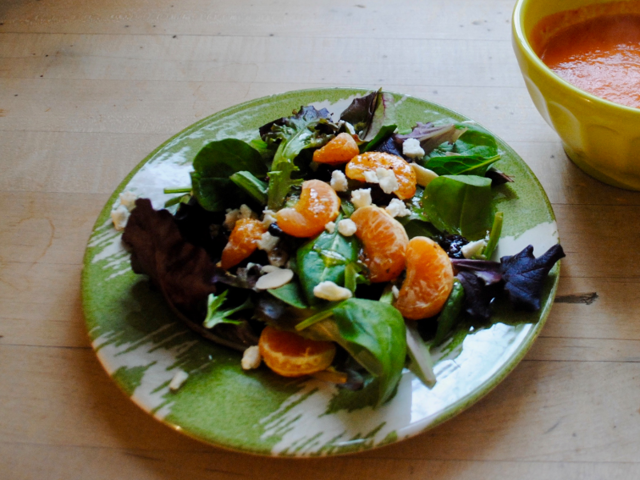
Your healthy choice is actually one of the riskier options on the menu at chain restaurants.
"I'd eat sushi before I ate a salad," Marler said. "I wouldn't eat it at a 7-11, but I've eaten sushi at a good sushi restaurant."
While cooking veggies and meat can kill germs, salads bring together a lot of raw foods that have had countless opportunities for contamination. Restaurants that buy pre-chopped lettuce from suppliers put themselves at even greater risk.
"Not every lettuce leaf in the field is contaminated E. coli, but some of them are," Marler said of the risks of pre-washed, bagged lettuce. "And when you mix and match it at a processing facility and chop it up, you get what you get."
Soft-serve ice cream

Cleanliness of ice and ice cream machines can cause huge problems when workers aren't following safety guidelines. There's a grossness factor of finding mold in soft-serve ice cream machines — but there are also real risks.
"There have been a number of cases linked to listeria, where listeria will get into the inner workings of these ice cream machines and kill people," Marler said.
Rare meat
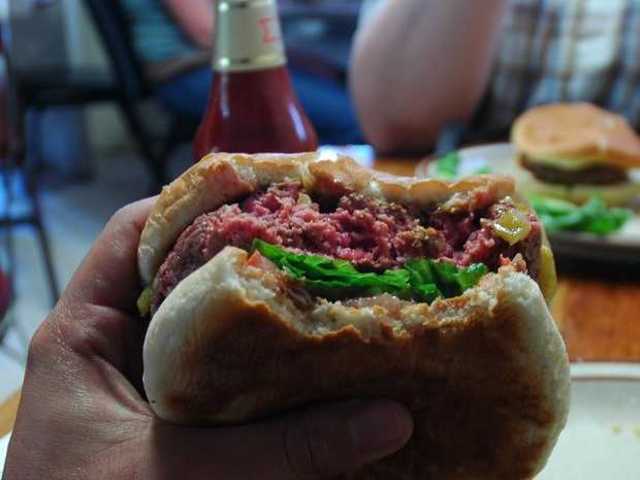
Marler agrees with known-germaphobe President Trump on at least one thing: well-cooked meat is the way to go.
"Skip the medium hamburger and get it well done, and just add a little ketchup like the president," he said.
According to the expert, meat needs to be cooked to 160 degrees throughout to kill bacteria that could cause E. coli or salmonella.
Buffets
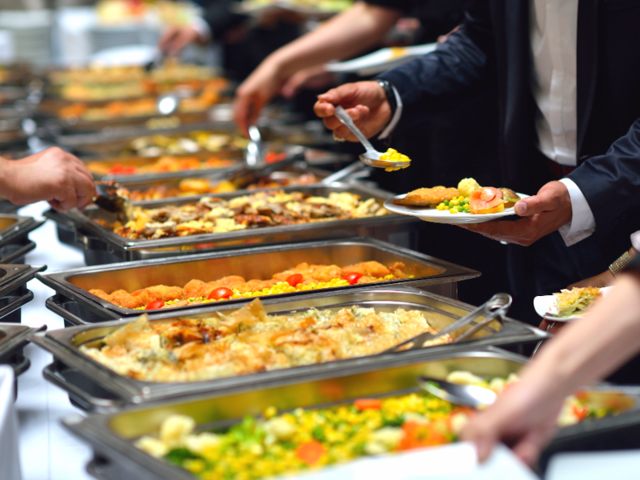
"I never eat a buffet," Marler said. "I'll order off the menu."
Buffets have a heightened risk of exposure to the lines of people who might touch or sneeze on food, contaminating the dish for anyone else. Then, there is the temperature issue, as dishes are better able to host bacteria when kept at room temperature.
Food shipped internationally
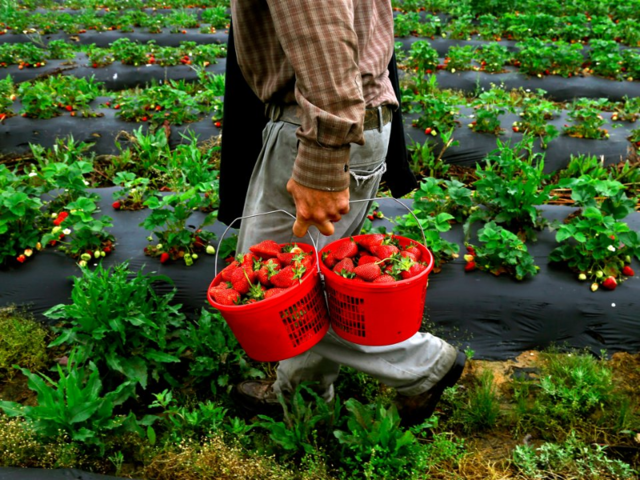
In general, Marler says people can best avoid food poisoning by simply eating food handled by as few people are possible and only eating at restaurants with strict food safety practices.
While chain restaurants tend to have strict safety policies, if they serve food from suppliers that got contaminated at some point along the supply chair, there is little they can do. And, those risks are exacerbated in the cases of food that is being imported from a significant geographical distance.
"You can get Hepatitis from scallops from the Philippines, but you probably shouldn't be eating scallops from the Philippines," Marler said. "You can get Hepatitis A from strawberries from Egypt, but you probably shouldn't be getting strawberries from Egypt."
Food Safety test detect use of banned dye
Peren, April 28 (MExN): The Mobile Food Safety on Wheels team has detected use of a banned dye in chilli powder products in Peren town.
According to a press release issued by Food Safety Officer, Chief Medical Office, Peren during the test, the team detected chilli powder, which were sold in the local market, dyed with cancer causing synthetic colour Rhodamine B dye which breaks down Red Blood Cells and adversely cause growth retardation and damages the liver and kidney and Sudan Dye which is highly toxic to liver.
“This was also detected in Dimapur market,” the press release stated.
Different food products like spices, local water, fruit juice and drinks, milk etc were collected from shops in the town and tested in the mobile lab at Peren Town. The team had also conducted an awareness programme along with the testing of food at Peren Town on April 27.
The team consisted of technicians from State Public Health Laboratory, Kohima assisted by the Food Safety Officer and Sanitary Inspector, Peren.
Products such as chilli powder is consumed daily by the public without knowing the harmful affect it can have on the body. “Therefore, it is our concern that higher authorities exercise immediate steps towards these kind of rampant selling of health deteriorating substances found in common place we find and eat,” the Officer added.
Further, the local waters and other liquid products tested were found to be in the permissible range. The Food Safety on Wheels also held a brief awareness programme for the students in the Town Hall in the evening. The ADC, Peren had also visited the Team in the morning. Security was provided by the SP for assisting the team for the whole day. Volunteers from youth and the public eagerly helped the team in performing their work successfully.
Apr 26, 2018


Food safety needs a collaborative approach
While we are adopting global standards, it is important to keep in mind the local, cultural and geographical origin of food items while setting standards

With better understanding of nutritional qualities of food and their health implications, consumers increasingly are rejecting inferior quality and unsafe foods.
Our country, though agriculturally abundant, is still struggling to provide its large population with the right nutrition. In a few decades, as we continue to grow in numbers and economically, the situation can turn more challenging — if not alarming — if we don’t come up with innovative food safety and security solutions now.
A growing economy, higher incomes, rapid urbanization and rising consumer awareness are influencing the Indian palate like never before. While the average Indian consumer is increasingly demanding more variety in food choices and healthier alternatives, she is also equally concerned about where the food is coming from, its quality and safety.
Harmonize food standards globally
With increasing globalization of food, it is imperative to aid free movement from areas of surplus to areas of deficit. However, when it comes to food, there are several safety standards that each country follows and, in an ideal case, these should be a standardized set of science-based parameters that are common across geographies. In reality, however, we are far from such a unified state of affairs. Conflicting food standards and testing procedures make it extremely cumbersome to trade in commodities and food across countries.
The Global Food Safety Initiative (GFSI) supports the global food safety standards based on the Codex Alimentarius Commission, initiated by the World Health Organization (WHO) along with the Food and Agriculture Organization (FAO). In India, the Food Safety and Standards Authority of India (FSSAI) has harmonized standards for many food additives, in line with the Codex standards. Also, work is underway to implement these in other food categories. While we are adopting global standards where relevant, it is important to keep in mind the local, cultural and geographical origin of the food items while adopting or setting the standards. The objective of nutritious and safe food is common to all countries across the globe and, hence, as far as possible, we should have common parameters to ensure this. Harmonizing Indian food standards with global standards is critical to achieve this.
Monitor more efficiently
FSSAI, the apex food regulatory body, establishes food safety standards at a national level and implementation, including administration, licensing, and compliance, is a state subject. After some initial teething problems, FSSAI has come into its own and is actively working towards ensuring food safety for all through various initiatives, including citizen guidance and capacity building under the Safe and Nutritious Food (SNF) programme. With the regulator and states working in tandem, we will be able to deliver food safety seamlessly across internal borders.
It is imperative to add more certified food labs with access to better equipment/ technology and better testing capabilities to check compliance. Implementing authorities on the ground need to be regularly trained to enhance their knowledge and experience required to administer these laws. To speed up capability building at the implementation level, support can also be sought from global food safety organizations, a step that has been taken by some other emerging economies.
Responsible approach to food labelling
With better understanding of nutritional qualities of food and their health implications, consumers increasingly are rejecting inferior quality and unsafe foods. The discerning Indian consumer does not just want to know if his food is safe, but also details about the ingredients, certifications, energy content, nutritional benefits, and food additives. In light of this, it is important to educate consumers about the food they are consuming and its nutritional properties, so that they can make informed choices. As we move towards a more evolved food pattern and while it is ideal to reduce consumption of high fats, sugar and salt to promote healthy eating habits, we must not forget that India faces the unique double burden of malnutrition. On one hand, there is a growing urban population that is facing overnutrition challenges; at the other end of the spectrum, we still have a majority of the population that continues its daily battle with undernutrition.
Overall, what everyone needs is good quality food that provides better nutrition. Standards of nutrition also need to be viewed in the context of average Indian diets, which are still largely prepared at home and deficient in some essential micro nutrients. Hence, care needs to be exercised to ensure consumer education and labelling requirements done with the objective of consumer awareness do not cause consumer scare.
Banned gutka sale goes on unabated

Chennai: In a clear sign that tobacco lobbyists are unfazed by sporadic seizures of gutka and pan masala, the railway protection force (RPF) has yet again (second time in two months) seized the banned substance worth Rs 15 lakh from the Delhi-Kanyakumari Thirukkural bi-weekly express.
And there is a reason for this brazenness: two months after the railway intelligence was pushed to seize 200 cartons of gutka and pan masala from the train at Madurai railway station – after an investigation by an NGO revealed how they were being illegally transported by the express – an FIR is yet to be filed. On Monday, the seizure was made by an RPF inspector at Dindigul station.
Samples of the products seized in February had been sent to the food safety department for tests. “The report clearly states the products are unsafe and prohibited. It was handed over to the railways,” confirmed a senior food safety official. Sources say there has been pressure on RPF from various quarters to release the seized products on the grounds that the Madurai bench of the Madras high court had observed that tobacco is not a food product and hence no proceeding can be initiated against the manufacturers under the Food Safety and Standards Act.
A senior RPF officer said that Government Railway Police (GRP) is creating issues in taking control of the consignment and filing a case. “They have quoted some legal advice from a public prosecutor for not taking custody,” the officer said.
A DSP-level officer in the Madurai GRP denied the allegations. “We have not received any report from the RPF regarding the seizure. Even the seizure at Madurai in February, we came to know only from the news,” the officer said. The Food Safety and Standards Authority of India (FSSAI), enforcing a Supreme Court order, last year issued a directive banning the manufacture, sale and distribution of gutka and pan masala. The directive was issued to commissioners/officers in-charge of food safety of all states and Union territories in the country. The Food Safety and Standards (Prohibition and Restrictions on sales) Regulations, 2.3.4 prohibits the use of tobacco and nicotine as an ingredient in any food product and also bans the sale of food products where tobacco has been used as ingredient in things like gutka and pan masala.
However, these banned substances continue to be brought into Tamil Nadu by rail and road. In March, food safety commissioner P Amudha wrote to FSSAI stating that railway officials in the state appeared to be unaware of the 2016 Supreme Court order banning the manufacture, sale and distribution of gutka. Taking note of this, FSSAI wrote to Indian Railways on March 14 seeking an action taken report on the seizure in Madurai.
Cyril Alexander, state convener of Tamil Nadu People’s Forum for Tobacco Control, said officials can’t use the local courts’ directives to stop officials from taking action. “Whatever the local courts say, the Supreme Court’s word is final,” he said.
In the meanwhile, Jayaram Venkatesan of Arappor Iyakkam, who exposed the illegal transportation of gutka in Madurai, has sought a CBI investigation. “The DSP of state railways Madurai division is Mannar Mannan who has been directly implicated in the gutka scam in the state. How then can we expect a fair probe?” he asked. Mannan’s name is among those mentioned by former commissioner of police S George, who allegedly handed over a list of those who received kickbacks from gutka companies to allow sale of the products in the state. Health minister C Vijayabaskar’s name was also in the list.
Kochi: Distributor held for supply of stale food

A case under IPC sections 468 (Forgery for purpose of cheating) and 420 (Cheating and dishonestly inducing delivery of property) were registered against him.
Kochi: The distributor who used to supply expired children’s food products in the city after tampering the product labels was finally arrested by a special squad three weeks after a distribution centre at Maradu was raided and the cheating case was brought out.
A special squad of the Trikkakkara Assistant Commissioner held Shivasubhramanian (42), a native of Vattavila in Thiruvan-anthapuram, from his hideout in Chennai.
“The distribution company owned by him used to supply expired baby and children’s food products of other companies. It was at a storage unit of the distributor where the tampering was done. We’re investigating whether the tampering was done in connivance with the product manufacturers,” said an officer.
A case under IPC sections 468 (Forgery for purpose of cheating) and 420 (Cheating and dishonestly inducing delivery of property) were registered against him.
Earlier this month, the Food Safety Authority imposed a penalty of Rs 1 lakh, sealed the godown at Netoor and suspended the license of the distributor. The godown was functioning as a distribution hub of more than 50 well-known food manufacturing companies.
Mobile food laboratory detects hazardous substances in spices

Mobile food testing team from State Public Health Laboratory (SPHL), Kohima and food safety officer (FSO), Dimapur, carried out food analysis on loose spices sold in Super Market area here on Wednesday and reportedly found that the items were dyed with cancer-causing synthetic colours.
According to SPHL assistant chemist I Ayangba, non-permitted colours like Rhodamine B, Metanil Yellow and Sudhan dye, which are carcinogenic, and lead salt were found in turmeric, chilli and coriander powders. Due to their hazardous effects on health, these artificial colorants are not permitted for use, he said.
Warning that consumption of such colours could have adverse health effects, especially on pregnant women, Ayangba said Metanil Yellow causes degenerative changes in the linings of stomach, kidney and liver. It also affects ovaries and testes and could be dangerous for reproductive organs, he added.
The SPHL official further claimed that Rhodamine B, which breaks down red blood cells, causes growth retardation and damages the liver and kidney, while Sudan dye is highly toxic to liver.
Meanwhile, the team also detected kesari dal being sold as food item, which is prohibited under Prevention of Food Adulteration Rules.
Ayangba said consumption of kesari dal, which comes in square shape, causes paralysis and can even lead to liver failure. He said the collected samples will be forwarded to directorate of health & family welfare for necessary action.
The tests were carried out by the team inside a mobile laboratory vehicle “Food Safety on Wheels”, which is fitted with equipments to carry out on-the-spot testing of food samples free of cost.
Funded by Government of India and Food Safety & Standards Authority of India, the Food Safety on Wheels will be travelling across the State to check food samples on the spot.
Food testing in all districts
Department of health & family welfare (H&FW) has directed the food testing team, state public health laboratory to conduct food testing activity on the spot, under central sector scheme “Food Safety on Wheels”- Mobile Food Testing Laboratory, in all the districts in a phase wise manner.
In a directive, principal director & addl. food safety commissioner, H&FW, Dr. Meguosielie Kire, has informed all the responsible authorities to cooperate and assist the food testing team under their jurisdiction for proper implementation of the food testing activities in checking adulterants in food items in the interest of public health.
The action plan would be carried out in coordination with the district administration, police, designated officer (CMOs), food safety officers and food business operators, it stated.
Apr 25, 2018


Two tonnes of artificially ripened papaya fruit destroyed
The Food Safety department on Tuesday seized and destroyed 2.5 tonnes of artificially ripened fruits from the wholesale fruits market in Koyambedu. The fruits, including two tonnes of papaya and 500 kg of mangoes, had been ripened using calcium carbide, said sources in the department.
This time since the Chennai Metropolitan Development Authority’s Market Management Committee (MMC) had also been involved in the raid, their officials had closed two shops where these fruits were being sold. “For the Food Safety Department to close down shops is a difficult task. But for the MMC, it is within their ambit since these are construed as illegal activities,” explained R.Kathiravan, designated officer, Tamil Nadu Food Safety Department, Chennai.
The closure of the shops would act as a better deterrent for errant shopkeepers since otherwise it is only a fine amount and loss of a day’s turn over when their goods are seized and destroyed, he added.
Dr. Kathiravan also said that smaller shops were also being watched for any unusual activity. “This year wholesalers have stopped using artificial ripening agents for bananas. We are now concentrating on sapota and papayas since mangoes are yet to arrive in large quantities,” he explained.
The inspection was done early in the morning and the artificially ripened fruits were destroyed in the market’s bio-methanisation plant. Around 15 kgs of calcium carbide, ethylene ripening powder and sprayer were also seized from these shops.
A food safety officer said that only last week an awareness meeting had been conducted for shopkeepers about the ill effects of using calcium carbide to ripen fruits. “Over the years, with the active participation of the MMC most wholesalers have constructed ripening chambers in their shops. This has helped considerably reduce the incidences of using chemicals to ripen fruits,” he added.
Food Safety department officials and DRO, Koyembedu Market complex inspecting at the Fruit market in Chennai on Tuesday.
The politics of samosa-versus-burger

By equating samosa with burger, industry wants to dilute the regulation on sale of junk food to children

There has been growing concern in India about childhood obesity and the rising incidence of diseases like hypertension and diabetes.
Is samosa really healthier than a vegetable burger?’ This is the headline of an article written by noted journalist and food critic Vir Sanghvi, in the Hindustan Times Brunch magazine in early April (bit.ly/2qQc7Di). Vir wrote this article in reaction to a Centre for Science and Environment (CSE) report, that argued that Indian traditional snacks like samosa score over industrially produced fast food like burgers, even if they have similar levels of fats and salt, and hence should be treated differently. Vir, however, disagrees and has argued in his article, that nutrition is far too complicated for blanket generalisations about one food being healthier than another.
Before I debate Vir Sanghvi’s article, it is important that I put forth the genesis of the discussion around traditional snacks versus industrially produced fast food (from now on junk food). This is also for the benefit of Mr. Sanghvi, because he has ignored the health impacts of junk food and presented a simplistic notion about food and nutrition in his article. It is also important to mention here, that the debate is about samosa and burgers sold in the market and not what people cook at home.
There has been growing concern in India about childhood obesity and the rising incidence of diseases like hypertension and diabetes. Data indicates that obesity in children is increasing rapidly. It is high among the affluent class and children in private schools, compared to low- and middle-income groups. A recent study published in the New England Journal of Medicine estimated that cases of obesity among children and adolescents (<20 years) were the highest in India and China. There is now an emerging body of scientific studies linking junk food with childhood obesity and the diabetes epidemic.
Citing the growing incidence of childhood obesity, Uday Foundation, a Delhi-based NGO, filed a PIL in 2010 before the Delhi High Court, to ban junk food and carbonated drinks in schools. It also pleaded a ban on the advertisement of junk food and the formulation of a comprehensive ‘School Canteen Policy’ to make available wholesome, nutritious, safe, and hygienic food to school children in India.
The High Court entrusted the job of development of guidelines on junk food in schools to the Food Safety and Standards Authority of India (FSSAI). An expert group, comprising health experts, nutritionists, NGOs and industry representatives, was set up to develop the guidelines. CSE was also a part of this expert group.
The biggest dispute in the expert group was on how to classify food into different categories. There should not have been a fight over this issue, as India’s premier nutrition research institute, National Institution of Nutrition (NIN), Hyderabad, had already come out with dietary guidelines for Indians in 2011. The guidelines classified food into four categories:
* To be consumed adequately, including cereals, pulses, milk, etc,
* To be eaten liberally, including fruits and vegetables,
* To be eaten moderately, including oil, fats, meat, fish, eggs, etc, and
* To be eaten sparingly, including burger, pizza, fries, ice cream, chocolate, etc.
From the NIN guidelines, one could have arrived at a straightforward conclusion that junk food should not be allowed in schools. But the industry representatives rejected NIN’s classification.
The industry’s assertion, which is also Vir Sanghvi’s conclusion, was that no food is good or bad when eaten in moderation. Vir writes in his article, “The truth is, except for an actual poison, there is nothing that is always unhealthy. Most foods (in moderation), can be healthy for some people and unhealthy for others, at different stages of their lives.”
Industry also objected to the term junk food, demanding instead that their products be called ‘eat just right’, or ‘eat judiciously’, or ‘eat moderately’, or ‘eat responsibly’, and not be banned in schools. They also included traditional deep-fried snacks like samosa and chholey bhature in this category. Their argument was that these products are also high in fat and salt like burgers, and if there was going to be a regulation on companies selling burgers, there should also be one on samosa-wallahs. This was a brilliant strategy to muddle the debate and dilute the guidelines.
But the non-industry members of the expert committee rejected industry’s proposal and gave a consensus report that recommended the banning of junk foods in schools. Industry members gave their own report in which nothing was banned. FSSAI did the most brilliant thing; it mixed both reports and produced a hybrid draft, full of contradictions, and submitted it to the Delhi High Court in March 2014.
Meanwhile, my colleagues at CSE continued their research on this issue and found an answer to counter the position of the industry. The answer was in the dietary guidelines developed by the Ministry of Health, Brazil.
Brazil had, in late 2014, come out with dietary guidelines that are considered by many global experts as the best in the world. The Brazilian guidelines are similar to those of NIN, except that they introduced the concept of processing in the classification of food. They classified food into four categories; minimally processed food (cereals, milk, eggs, pulses, fruits and vegetables, etc); products extracted from natural food (oil, fats, salt and sugar); processed food (products manufactured with salt, sugar and oil and minimally processed food); and ultra-processed food.
Ultra-processed foods are those produced by industry, and made entirely or mostly from substances extracted from foods like oils, fats, sugar, starch, and proteins, using a large number of additives like flavour enhancers, colour, thickeners, emulsifiers, preservatives, and isolates, to make the product long-lasting and hyper-palatable. Ultra-processed foods are put in the eat-least category food because of their unbalanced nutritional composition and higher risk of diseases.
Based on the aforementioned, CSE reasoned that while Indian snacks like samosa and chholey bhature can be termed as processed food, all junk food like burgers, pizzas, colas, chips, etc, fall under the ultra-processed food category. In addition, junk food is mass-advertised, distributed and marketed, impacting the buying and eating habits of consumers, especially children, which is not the case with Indian snacks. Therefore, while the consumption of processed food should be controlled, ultra-processed food should not be allowed in schools. CSE published this report in 2017.
Once this report was published, many newspapers carried it. The Hindustan Times published an article titled ‘Samosa is “healthier” than burger: CSE report’. The issue was also discussed on social media. According to Vir Sanghvi, he wrote his article because a social media user wanted him to respond to this debate.
Vir did respond to CSE’s report but, alas, didn’t get the facts right. By saying “…nutrition is far too complicated”, he ignored the work done across the world to classify food based on health and nutrition, and to develop dietary guidelines/regulations around it. From Australia to Canada, and from Mexico to South Korea, and the Philippines, countries classify foods, and on this basis, have banned junk food in schools and put regulations to control their marketing to children.
The FSSAI also got it wrong. Its hybrid report has recently been converted into a draft regulation, ‘Draft Food Safety and Standards (Safe and Wholesome Food for School Children) Regulations, 2018, and has been put out for public comments. Under this regulation, it has created a red category of food, which includes both Indian snacks like samosa and chholey bhature, and junk food like burger and cola. Instead of banning these foods, schools have been merely advised not to serve these in canteens. This draft regulation, therefore, has diluted the very purpose of controlling the sale of junk food in schools. This is exactly what the industry wanted; equating samosa with burgers so the junk food industry goes scot-free.
It is critical for India to get this politics of samosa-versus-burgers right. FSSAI can no longer promote weak regulations in the garb of playing neutral. It must ensure that unhealthy food is not sold and marked to children. Else, we risk large public-health gain from the regulation of junk food.
Street food major causes of illness in India: Goa minister
Street food is a major cause for sickness in India, Goa's Urban Development Minister Francis D'Souza said on Tuesday, promising a crackdown on illegally operating street food carts in urban areas.
"Street food is a cause of major illnesses and that is causing a problem all over the world. It is not only (in) India. (In) India it is more so because we are totally dependant on street food," he said.
Claiming that even the World Health Organisation endorsed that street food was unhealthy, he said that as per WHO, this is the "easiest way of catching all sicknesses, illnesses".
HP yet to have effective system for food-safety law enforced in 2011: CAG
SHIMLA: Himachal Pradesh is yet to put in place a system to ensure that the Food Safety and Standards Act, 2006, is implemented effectively in the state, according to a report prepared by the Comptroller and Auditor General of India (CAG).
The report, prepared for the period from 2014-15 to 2016-17, said inadequate institutional, or regulatory, structure affected the Act’s implementation. It said the state’s health and family welfare department had not conducted any survey to create a database of food business units. The report said the regulation of food-business operators, and monitoring of adherence to standards of food quality and safety, was weak.
In Himachal Pradesh, the Act came into force in August 2011. The commissioner of food safety (principal secretary, health and family welfare) is responsible for its compliance through the joint commissioner of food safety (director, health safety and regulation) at state level and “designated officers” (DOs) at district level. DOs are assisted by food safety officers (FSOs), food analysts, and adjudicating officers in discharge of their duties.
The CAG started carried out an audit of the Act’s implementation in the state from April to May last year, through test-check of records of director of health safety and regulation, Composite Testing Laboratory, Kandaghat, DOs and adjudicating officers in Kangra and Solan districts.
Scrutiny of records in two selected districts showed that the validity of 37 licences issued during 2014-17, of the 240 cases which underwent the audit, had expired between March 2015 and April 2017, and were not renewed by May 2017. Likewise, validity of seven registration certificates (RCs), of 60 audited RCs (issued during 2014-17), expired between July 2016 and May 2017.
Scrutiny of records in test-checked districts showed that equipment such as fridge, cold chain boxes, spot analysis kits, equipment for lifting, storage and transportation of samples for testing against microbiological parameters was not available. In the absence of this, no spot analysis of samples could be conducted, deterioration of food samples owing to temperature, etc., remained a risk, and integrity of food samples lifted could not be ensured. Also, items of perishable nature such as fruits and vegetables were not being lifted, report said.
It said testing and analysis of food samples was being done in the Composite Testing Laboratory (CTL), Kandaghat. Scrutiny of records of CTL, Kandaghat, showed that against 31 sanctioned posts of technical staff, 20 were vacant in April 2017. “The acute shortage of technical staff resulted in delays in analysis of food samples and dispatch of analysis reports to DOs, non-preparation of reports in prescribed format, etc,” it added.
Apr 24, 2018
Food safety squad to inspect water units
The Food Safety Department here has formed a special squad to carry out safety inspection at drinking water bottling units and distribution centres in the district.
An official press release said here on Monday that the squad had examined the bottling units and distribution centres and collected samples of bottled water to ensure safety of the water in view of drinking water scarcity in parts of the district. The squad had also collected 100 samples after examining public wells and water supply centres. The personnel also held checking in bars and toddy shops in association with the Excise Department. The press release said various brands of coconut oil reaching the district from Palakkad, Malappuram and Thrissur were found to have been adulterated. When the department acts against these companies, they change their names and brand names, the release said.
Is Ghazipur meat worth its salt? Food experts will decide

- Delhi's poultry market based in Ghazipur Mandi is once again under scrutiny.
- The state food commissioner had visited the spot after a petition was filed in HC.
- There are over 108 licensed slaughter shops in the Capital.
With summer at its peak, Delhi's largest poultry market-based in Ghazipur Mandi is once again under close scrutiny of the Delhi government and civic agencies.
Last week, the state food commissioner had visited the spot after a petition was filed in the high court about the huge mess being created by the slaughterhouses while butchering live animals and birds.
The other civic bodies that are involved include Delhi Pollution Control Committee (DPCC), Department of Animal Husbandry, Delhi Agricultural Marketing Board, East Delhi Municipal Corporation (EDMC).
The court has directed the Delhi government and other concerned civic authorities to file their response soon.
A senior food safety officer on the condition of anonymity told Mail Today, "We have picked up raw meat and chicken samples from the Murga Mandi slaughter centres. We will test them in our laboratories to check if the non-veg that Delhiites are consuming is safe and hygienic or not. The report of the meat samples usually takes 14 days to come and we will file our reply to the court accordingly," he said.
Health experts fear the spread of contagious and deadly diseases such as bird flu. There are over 108 licensed slaughter shops in the Capital and officials suspect that other shops are running illegally.
According to the petition, there is a violation of laws laid down for the slaughter, handling and transport of animals and blatant abuse of animal welfare laws at Ghazipur Murga Mandi, leading to concern for public health and environment safety.
The laws that are violated are - Prevention of Cruelty to Animals (Regulation of Livestock Markets) Rules 2017 & Prevention of Cruelty to Animals (Slaughter House) Rules 2001, framed under the prevention of Cruelty to Animals Act 1960 and the Food Safety & Standards (Licensing & Registration) Regulations 2011, framed under the Food Safety Standard Act, 2006.
The petition mentions that about 2.5 lakh poultry birds are traded and slaughtered every day.
"The trade and slaughter is done in a manner that is savage, sadistic, ghastly and extreme and unnecessary cruelty is inflicted on the poultry birds in the Murga Mandi. No proper waste disposal of treatment process is followed in Ghazipur Murga Mandi. It pollutes neighbouring areas and emits an offensive odour which pervades the entire neighbourhood and attracts pests."
FDA acts against water bottle company for supplying unsafe water


Following an alert consumer's letter to the Food and Drug Administration (FDA) against a water bottle company, the government body has initiated action against the company. The samples from bottling company 'Mermaid' were tested and it was found that the water was unsafe to drink and the company was not registered under Food Safety and Standards Act, 2006.
The person who filed the complaint, Anand Pargaonkar, is also an RTI activist. He had purchased a Mermaid water bottle in Satara. After he had a sip he found something amiss with the taste and that there was no registration SSI number on the bottle. He then filed a complaint with the FDA, Mumbai which forwarded the complaint to FDA, Pune. After testing the samples it was established that the water was unsafe to drink and that the company was not registered.
Pargaonkar said, "Often we buy water or food from local vendors or stalls and even if we find anything wrong we let it go. As an alert citizen in democracy, we have the power to complain in case there's anything wrong with what we consume. This case is an example that true efforts bear fruits. I'm thankful to the FDA for their cooperation. Although this may seem a minute thing to complain about but such fraud companies are playing with our lives." Pargaonkar had filed a complaint with FDA, Mumbai on 9 March 2018.
FDA Pune inspected Shilpa Beverages private limited in Nanded Taluka, which manufactures bottled water and found that the company is not registered. On the basis of the tests undertaken and lack of registration, FDA, Pune lodged a complaint in the chief judicial office, Pune.
Subscribe to:
Posts (Atom)