Apr 1, 2014

கோடையில் மென்பானங்களைக் குடிக்கலாமா?


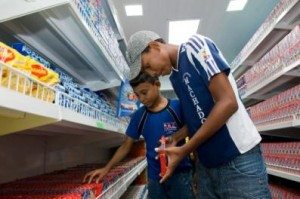
இது வெயில் காலம். செயற்கை மென்பானங்களுக்குப் பொற்காலம். நம்மில் மென்பானங்களைக் குடிக்க விரும்பாதவர்களை விரல்விட்டு எண்ணிவிடலாம். 
மென்பானங்களின் தித்திப்பான ருசியும், கண்ணைக் கவரும் வண்ணங்களும் நம்மை மயக்கிவிடுகின்றன. போதாக் குறைக்கு 'மென்பானங்களைக் குடித்தால் புத்துணர்வு கிடைக்கிறது' என்று பொய் சொல்லும் ஊடக விளம்பரங்களும் நமக்குப் போதை ஏற்றிவிடுகின்றன. 
இந்த மென்பானங்கள் நம் தாகத்தைத் தணிக்க உதவுகின்றன என்பது உண்மை என்றாலும், இவற்றால் நமக்கு எத்தனை கெடுதல்கள் என்பதை நினைத்துப் பார்க்க மறந்துவிடுகிறோம். 
மென்பானம் என்பது எது? 
மென்பானம் (Soft drinks) என்பது அதிக அளவில் ‘ஃபிரக்டோஸ்' எனும் சர்க்கரையும் கார்பன்-டை-ஆக்சைடும் கலக்கப்பட்ட ஒரு பானம். இதில் எந்தவொரு ஊட்டச்சத்தும் இல்லை. இதைக் குடிப்பதால் சக்தியும் கிடைப்பதில்லை. இது ஆரோக்கியமும் அளிப்பதில்லை. 
மென்பானங்களின் சுவையை மேம் படுத்துவதற்காக, காஃபீன் எனும் வேதிப்பொருளைச் சேர்க்கிறார்கள்; இனிப்பை நிலைப்படுத்துவதற்காகச் சிட்ரிக் அமிலம், பாஸ்பாரிக் அமிலம் போன்றவற்றைக் கலக்கிறார்கள்; வண்ணமூட்டுவதற்காக கேராமல் மற்றும் பீட்டா கரோட்டீனை பயன்படுத்துகிறார்கள். தவிர மென்பானங்களில் செயற்கைச் சுவை யூட்டிகள், செயற்கை நிறமூட்டிகள், பதப்படுத்தப் பயன்படும் பொருள்கள் ஆகியவை அதிக அளவில் உள்ளன. இவை ஒவ்வொன்றும் ஒவ்வொரு விதத்தில் நம் உடல் உறுப்புகளுக்கு ஆபத்தைத் தருகிறது. 
இளம் வயதிலேயே சர்க்கரை நோய்! 
மென்பானங்களில் உள்ள ‘ஃபிரக்டோஸ் கார்ன் சிரப்' எனும் சர்க்கரை ரத்தத்தில் கலந்து உடல் முழுவதும் பாய்கிறது. அப்போது ரத்தச் சர்க்கரை அதிகரிக்கிறது. உடலின் வளர்சிதைமாற்றப் பணிகளைப் பாதிக்கிறது. இதைக் கட்டுப்படுத்தக் கணையத்திலிருந்து இன்சுலின் அதிக அளவில் சுரக்கிறது. அடிக்கடி மென்பானங்களை அளவில்லாமல் குடிப்போருக்கு இன்சுலினும் அடிக்கடி அதிகமாகச் சுரப்பதால், இளம் வயதிலேயே கணையம் களைத்துவிடுகிறது. இதன் விளைவால், இன்சுலின் சுரப்பு குறைந்து, இளமையிலேயே நீரிழிவு நோய் வந்துவிடுகிறது. நம் நாட்டில் 'டைப் டூ நீரிழிவு நோய்' இளைஞர்களுக்கும் இளம்பெண்களுக்கும் அதிகமாகி வருவதற்கு மென்பானம் குடிப்பது முக்கியக் காரணம் என்கிறது ஒரு ஆய்வு. 
குழந்தைகளுக்கு உடற்பருமன்! 
தினமும் மென்பானம் குடிக்கும் குழந்தைகளில் 60 சதவீதம் பேர் அடுத்த ஒன்றரை ஆண்டுகளில் உடல் பருமனால் பாதிக்கப்படுகின்றனர். மென்பானம் குடிக்கும்போது ரத்தச் சர்க்கரை அளவு அதிகரிக்கிறது அல்லவா? இந்தச் சர்க்கரை கல்லீரலில் கொழுப்பாக மாற்றப்பட்டு, உடலில் சேமித்து வைக்கப்படுகிறது. இப்படிப் படிப்படியாகச் சேமிக்கப்படும் கொழுப்பு, உடற்பருமனை உண்டாக்குகிறது. இந்த உடற்பருமன் இளம் பருவத்திலேயே இதய நோய், உயர் ரத்தஅழுத்தம், சிறுநீரக நோய் என்று பல்வேறு பிரச்சினைகளுக்கு அடித்தளம் அமைக்கிறது. இந்தியாவில் குழந்தைகளுக்கு நீரிழிவு நோய் ஏற்படுவதற்கும், குண்டுக் குழந்தைகளின் எண்ணிக்கை அதிகமாவதற்கும் மென்பானங்களே முக்கியக் காரணம் என்பதை மத்திய சுகாதாரத் துறையே ஒப்புக்கொண்டுள்ளது. 
பற்களின் ஆயுள் குறையும்! 
மென்பானங்களில் உள்ள பாஸ்பாரிக் அமிலம் பல்லின் மேற்பூச்சாக இருக்கின்ற எனாமலை மிக விரைவாக அரித்துவிடுவதால், பற்சிதைவு உண்டாகிறது. பல்லின் ஆயுள் குறைகிறது. சீக்கிரமே பற்கள் விழுந்துவிடுகின்றன. 
பாஸ்பாரிக் அமிலத்தால் மற்றொரு கெடுதலும் உண்டு. இது கால்சியம் சத்து, குடலில் உறிஞ்சப்படுவதைத் தடுக்கிறது. எலும்பில் உள்ள கால்சியத்தைச் சிதைத்துவிடுகிறது. இதனால் உடலில் கால்சியம் குறைந்துவிடுகிறது. எலும்பு, பல் வளர்ச்சிக்கு கால்சியம் மிக அவசியம். கால்சியத்தை பாஸ்பாரிக் அமிலம் குறைத்துவிடுவதால், எலும்பின் அடர்த்தி குறைகிறது. எலும்புச் சிதைவு நோய் வருகிறது. வயதானவர்கள் லேசாகத் தடுக்கி விழுந்தாலும் எலும்பு முறிவு ஏற்பட்டுவிடுவதற்கு இது ஒரு முக்கியக் காரணம். மேலும், மென்பானங்கள் மூட்டுவலிப் பிரச்சினையை மிகச் சிறிய வயதிலேயே ஏற்படுத்திவிடுகின்றன. 
சிறுநீரகக் கற்கள் 
அடிக்கடி மென்பானம் அருந்துவது சிறுநீரகப் பிரச்சினையை இரு மடங்கு அதிகரிக்கிறது. சிறுநீரகத்தில் கற்கள் உருவாகவும் சிறுநீரகம் செயலிழக்கவும் மென்பானம் ஒரு காரணமாகிறது. சில பானங்களுக்குக் கருப்பு வண்ணம் தருகின்ற ‘கேராமல்' எனும் வேதிப்பொருள், புற்றுநோயை உண்டாக்குகிறது என்பது பல ஆண்டுகளுக்கு முன்பே உறுதி செய்யப்பட்டுள்ளது. மென்பானங்களில் உள்ள காஃபீன் ரத்தஅழுத்தத்தை அதிகரித்து நரம்புத்தளர்ச்சிக்கும் இதய நோய்க்கும் வழிவகுக்கிறது. 
அணிவகுக்கும் ஆபத்துகள் 
மென்பானங்கள் நீண்ட காலம் கெட்டுப்போகாமல் இருப்பதற்காகப் பொட்டாசியம் பென்சோவேட், சோடியம் சைக்ளோமேட் போன்றவற்றையும், திண்மையூட்டுவதற்காக பெக்டின், அல்ஜினேட், கராஜென், ஃபிரக்டோஓலிகோ சாக்கரைடு, இனுலின் போன்ற பல வேதிப்பொருள்களையும் சேர்க்கிறார்கள். இவை அனைத்துமே நம் உடல்நலனைக் கெடுக்கக் கூடியவை என்பதில் மாற்றுக் கருத்துக்கு இடமில்லை என்று டெல்லியில் உள்ள அறிவியல், சுற்றுச்சூழல் பாதுகாப்பு மையம் தெரிவித்துள்ளது. 
இன்னும் சொல்லப்போனால், மென்பானங்களைத் தொடர்ந்து அருந்தும்போது, இரைப்பையில் அமிலத்தன்மை அதிகரித்து, இரைப்பைப் புண், குடற்புண் ஏற்படும். பசியின்மை, புளித்த ஏப்பம், எதுக்களித்தல், வயிற்று வலி போன்ற தொல்லைகள் நீடித்து, நாளடைவில் செரிமானக் கோளாறுகளுக்கு வழிவிடும். 
வெப்பத்தை அதிகப்படுத்தும் 
பெரும்பாலும் அதிகக் குளிர்ச்சியான நிலையில்தான் மென்பானங்களைக் குடிக்கிறோம். இவை உடலைக் குளிர்ச்சியடையச் செய்யும் என்று நினைக்கிறோம். இந்த எண்ணம் தவறு. மென்பானங்களை வரம்பின்றி அருந்தும்போது, இவற்றில் உள்ள குளிர்ச்சியானது ரத்த நாளங்களைச் சுருக்கி, உடலின் வெப்பத்தை இன்னும் அதிகமாக்கிவிடுகிறது. இதன் விளைவால் தாகம் அதிகரிக்கிறது. இது மீண்டும் மீண்டும் குளிர்ந்த மென்பானங்களைக் குடிக்கத் தூண்டுகிறது. இதை உங்கள் அனுபவத்திலேயே உணர முடியும். 
செயற்கைப் பழச்சாறுகள் 
உணவியல் நிபுணர்களின் பரிந்துரைப்படி, பழம் சாப்பிடுவதே நல்லது. காரணம், பழத்தை அப்படியே நேரடியாகச் சாப்பிடும்போது, பழத்தின் சத்துகளோடு, அதன் தோலில் உள்ள நார்ச்சத்தும் கிடைக்கிறது. இது மலச்சிக்கலைத் தடுப்பதுடன், நீரிழிவு நோய், புற்றுநோய் உள்ளிட்ட பல நோய்களைத் தடுக்கும் அரணாக விளங்குகிறது. இயற்கைப் பழச்சாறுகளைத் தயாரிக்கும்போது தோலை நீக்கிவிடுவதால் அவற்றில் நார்ச்சத்து இல்லாமல் போகிறது. 
அடுத்து வருவது, செயற்கைப் பழச்சாறுகள். இவற்றில் பழத்தின் சத்துகள் எதுவும் இருப்பதில்லை. பழத்தின் நிறம், மணம், சுவை மட்டுமே இருக்கும். கார்போஹைட்ரேட் மிகுந்த சர்க்கரையாலும் சில வேதிப்பொருள்களாலும் இவை தயாரிக்கப்படுகின்றன. இது பொதுவான உடல் ஆரோக்கியத்தைக் கெடுப்பது மட்டுமில்லாமல், சர்க்கரை நோயாளிகளுக்கு ஆகவே ஆகாது. 
போலிகள், கவனம்! 
‘காற்றுள்ள போதே தூற்றிக் கொள்' என்பதுபோலக் கோடை காலத்தில் விற்கப்படும் பல மென் பானங்கள், குளிர்பானங்கள் போலி நிறுவனங்களின் தயாரிப்புகளாகத் தான் இருக்கின்றன. குறிப்பாக, கிராமங் களில் விற்கப்படும் பல குளிர்பானங்கள் இந்த ரகத்தைச் சேர்ந்தவை. இவற் றைக் குடிக்கும்போது, செரிமானக் கோளாறுகள், வாந்தி, வயிற்றுப்போக்கு, வயிற்று உப்புசம் போன்ற உடல்நலப் பிரச்சினைகள் தொல்லை கொடுக்கும். 
தாகம் தணிக்க என்ன செய்வது? 
இயற்கையில் தாகத்தைத் தணிக்கும் ஆற்றல் தண்ணீருக்குத்தான் உள்ளது. ஆகவே, கோடைக் காலத்தில் தினமும் மூன்றிலிருந்து ஐந்து லிட்டர் தண்ணீர் குடிப்பது அவசியம். பாட்டில் தண்ணீரைவிட கொதிக்கக் காய்ச்சி, ஆறவைத்த தண்ணீர்தான் சுகாதாரமானது. இதைக் குளிரக் குளிரக் குடிக்க விரும்புபவர்கள் ஃபிரிட்ஜுக்கு பதிலாக மண்பானையில் ஊற்றிவைத்துக் குடிப்பதுதான் ஆரோக்கியம். 
தண்ணீருக்கு அடுத்துத் தாகம் தணிக்க உதவுவது இளநீர், நீர்மோர், சர்பத், பானகம், பதநீர். இயற்கைப் பழங்கள், பழச்சாறுகளும் இதற்கு உதவும். தர்ப்பூசணி, வெள்ளரி, கொய்யா, பப்பாளி, சாத்துக்குடி, ஆரஞ்சு, திராட்சை, பலாப்பழம், அன்னாசி, கிர்ணி, நுங்கு போன்ற நீர்ச்சத்து நிறைந்த பழங்களையோ, பழச்சாறுகளையோ அடிக்கடி சாப்பிடலாம். எலுமிச்சம் பழச்சாற்றில் உப்பு அல்லது சர்க்கரை கலந்து சாப்பிடுவது குறைந்த செலவில் நிறைந்த பலனைப் பெற உதவும். 
இளநீர் நல்லது 
கோடையில் குடிக்க இளநீர்தான் மிகச் சிறந்த பானம்; சத்தான, சுத்தமான பானம். இளநீர் குளிர்ச்சியாக இருக்க வேண்டும் என்று நினைப்பவர்கள் இளநீரைத் தண்ணீரில் போட்டு வைத்து, ஒரு மணி நேரம் கழித்து வெட்டிக் குடித்தால், குளிர்ந்து இருக்கும். மாறாக, இளநீரைக் குளிர்சாதனப் பெட்டியில் வைத்துச் சில மணி நேரம் கழித்துக் குடித்தால், இளநீரின் மருத்துவக் குணங்கள் மாறிவிடும். இளநீரில் உள்ள பொட்டாசியம், சோடியம், கால்சியம், மெக்னீசியம் முதலிய தாதுக்கள் உடலின் வெப்பநிலையை உள்வாங்கி, சுற்றுச்சூழல் வெப்பநிலைக்கு ஏற்றபடி உடலின் வெப்பத்தைக் குறைக்கின்றன. இதனால், உடலில் நீரிழப்பால் ஏற்படுகின்ற பாதிப்புகள் உடனடியாகக் குறைகின்றன. 
கு.கணேசன், மருத்துவர் 
தொடர்புக்கு: gganesan95@gmail.com

NAGAI FSO ACTIVITIES


Food labelling guidelines to be followed by Food Business Operators of “Edible Oils & Fats”, “Permitted Food Colors” and “Irradiated Food” : Module 12

Specific Labelling Requirements of edible oils and fats

Specific Labelling Requirements of edible oils and fats
The specific requirements and restrictions regarding labelling of packages of edible oils and fats are as given below :-
1. The words like ,“Super-Refined”, “Extra-Refined”, “Micro-Refined”, “Double-Refined”, Ultra-Refined”, “Anti-Cholesterol”, “Cholesterol Fighter”, “Soothing to Heart”, “Cholesterol Friendly”, “Saturated Fat Free” or any other words which are an exaggeration of the quality of the Product ,are not allowed to be used on the package, label or the advertisement of edible oils and fats .
2. The containers of solvent-extracted oil packed for sale shall bear the following additional label declaration;
(i) If the oil is not conforming to the standards of “refined” solvent extracted oils specified in regulation 2.2.6 (1) of Food Safety and Standards (Food Products Standards and Food Additive) Regulation, 2011 for Edible vegetable oil/Vanaspati, then a declaration as given below shall be given on the label .
“NOT FOR DIRECT EDIBLE CONSUMPTION”
(ii) If the oil is complying with the requirements for the “semi-refined” or “raw-grade 1” grades of oil specified in regulation 2.2.6 (1) of Food Safety and Standards(Food Products standards and Food Additive) Regulation, 2011, then a declaration as given below shall be given on the label
“FOR INDUSTRIAL NON-EDIBLE USES ONLY”
3. Every container of solvent shall bear the Indian Standards Institution certification mark. 
4. (i) The containers of vanaspati, margarine, bakery shortening, blended edible vegetable oils, mixed fat spread and refined vegetable oil in addition to other labelling requirements shall bear the following label declaration .
“free from Argemone Oil”
(ii) The regulation has specified that edible vegetable oils, fats which include hydrogenated vegetable oils, packages & processed food items with known shelf life, have to mention ‘the minimum percentage of trans fat content & saturated fat content by weight’. Similarly, in case of trans fatty acids & saturated fatty acids, the declaration has to be there on the label with percentage by weight.
5. The containers of refined vegetable oil shall bear the following label, declaration,—
Refined (name of the Oil) Oil
The container of imported edible oil shall also bear the word, “Imported”, as prefix.
6. The packages containing an admixture of palmolein with groundnut oil shall carry the following label declaration —
BLEND OF PALMOLEIN AND GROUNDNUT OIL
Palmolein……per cent
Groundnut oil….per cent
7. The packages containing an admixture of imported rape-seed oil with mustard oil, shall bear the following label, declaration:
BLEND OF IMPORTED RAPE-SEED OIL AND MUSTARD OIL
Imported rape-seed oil…..per cent
Mustard oil…….per cent
8. Tha packages of vanaspati made from more than 30 percent of Rice bran oil shall bear the following label declaration :—
 This package of vanaspati is made from more than 30% Rice bran oil by weight
 9. The package of Fat Spread shall bear the following label declaration:— 
(i) Milk Fat Spread
Use before …………..
Date of packing …………
Total Milk Fat Content Per cent by weight…………
 (ii) Mixed Fat Spread
Use before …………..
Date of packing …………
Total Milk Fat Content Percent by weight……
(iii) Vegetable Fat Spread
Use before …………..
Date of packing …………
Total Fat Content Per cent by weight ……
10. A package containing annatto colour in vegetable oils shall bear the following label namely :—
Annatto colour in oil (Name of oil/oils) used
11. The package containing an admixture of edible oils shall bear the following label declaration:—
This blended edible vegetable oil contains an admixture of :
(i) ……………….% by Weight
(ii) …………….% by Weight
(Name and nature of edible vegetable oils i.e. in raw or refined form)
Date of Packing ————–
NOT TO BE SOLD LOOSE
12.2 Labelling of permitted food colours
1. The containers of permitted synthetic food colours shall bear the following label declaration :—
(i) “Food Colours”;
(ii) the chemical and the common name and colour index of the dye-stuff.
2. The containers mixture of permitted synthetic food colours shall bear the following label declaration :—
(i) “Food Colour Mixture”;
(ii) the chemical and the common name and colour index of the dye stuff contained in the mixture.
3. The containers of preparations of permitted synthetic food colours shall bear the following label declaration :—
(i) “Food Colour Preparation”;
(ii) the name of the ingredients used in the preparation.
12.3 Labelling of irradiated Food
Irradiated foods.-
All packages of irradiated food shall bear the following declaration and logo :—
PROCESSED BY IRRADIATION METHOD
DATE OF IRRADIATION ………………
LICENSE NO of Irradiation Unit……………………
PURPOSE OF IRRADIATION……………….
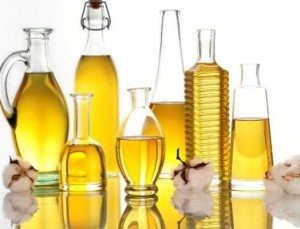
Edible oils have always been a lucrative product segment by the producers of cooking oil but regulatory is very tough on food business operators of edible oils in case the consumer is misguided on the factual information of such products on labels.

கந்தூரி விழாவுக்கு வரும் - பக்தர்களுக்கு பாதுகாப்பான உணவை வழங்க வேண்டும்

நாகை, ஏப்.1: 
நாகூர் ஆண்டவர் தர்கா கந்துரி விழாவை முன்னிட்டு உணவு விற்பனையாளர்களுக்கான விழிப்புணர்வு கூட்டம் நாகூர் தேசிய மேல்நிலைப்பள்ளியில் நேற்று நடைபெற்து. கூட்டத்தில், மாவட்ட உணவு பாதுகாப்பு நியமன அலுவலர் டாக்டர் செந்தில்குமார், நகராட்சி உணவு பாதுகாப்பு அலு வலர் அன்பழகன் ஆகியோர் கலந்து கொண்டு பேசும் போது, கந்தூரி விழாவிற்கு வருகை தரும் பக்தர்களுக்கும், உள்ளூர் பொதுமக்களுக்கும், தர மான பாதுகாப்பான உண வை வழங்க தகுந்த ஒத்துழைப்பு தர வேண்டும் என்று வேண்டு கோள் விடுத்தனர். 
கூட்டத்தில், ஹோட்டல் கள், தேனீர் கடை உள்ளிட்ட அனைத்து உணவு விற்பனையாளர்களும் தங்கள் கடை யை சுத்தமாகவும், சுகாதாரமாகவும் பராமரிக்க வேண் டும். கைகழுவும் இடத்தில் சோப்பு வைத்திருக்க வேண் டும். கழிவுகள் முறையாக அகற்றப்பட வேண்டும். உணவு கையாள்பவர்கள் தன் சுத்தத்தை பேண வேண் டும். துசி, ஒட்டடை, பூச்சி கள் உண வை தொட அனுமதிக்க கூடாது. தரமான மூலப் பொருட்களையே உணவு தயாரிக்க பயன்படுத்த வேண்டும். சுத்தமான பாதுகாக்கப்பட்ட குடிநீரை மட்டுமே வழங்க வேண்டும். 
தரமான தேயிலை துளை மட்டுமே பயன்படுத்த வேண்டும். பிளாஸ்டிக் கேரி பைகளில் டீ பார்சல் வழங்க கூடாது. திறந்த நிலையில் ஈ மற்றும் துசுகள் விழும் வகையில் தயாரிக்கப்பட்ட பூரி, வடை, பஜ்ஜி, சமோசா உள்ளிட்ட உணவு பொருட்களை விற்பனை செய்ய கூடாது. காலாவதியான, தயாரிப்பு விவரம் இல்லாத எந்தவிதஅடைக்கப்பட்ட உணவு பொருட் களையும் விற்பனை செய்ய கூடாது. இறக்குமதியாளர் விவரம் இல்லாத வெளி நாட்டு உணவு பொருட் களையும் யாரும் விற்பனை செய்யக் கூடாது. தமிழக அரசால் தடை செய்யப்பட்ட பான்பராக், குட்கா உள்ளிட்ட புகையி லை பொருட்களை விற் பனை செய்யக்கூடாது. 
உணவு எண்ணெய் அல்லாத மற்ற எண்ணை யை பயன்படுத்தி தயாரிக்கப்பட்ட உணவு வகைகளை விற்பனை செய்யக்கூடாது. அன்னதானம் செய்பவர்கள் உணவு பாதுகாப்புத்துறையிடம் அனுமதி பெற்ற பின்னரே அன்னதானம் செய்ய வேண்டும். அழுகிய மற்றும் கெட்டுப்போன மீன், கோழி, ஆடு, மாடு இறைச்சிகள் மற்றும காய் கறி விற்பனை செய்ய கூடாது என அறிவுறுத்தினர்.

உணவுப்பொருள் விற்பனையில் விதிமுறைகளை மீறினால் கடும் நடவடிக்கை அதிகாரி எச்சரிக்கை

நாகப்பட்டினம், ஏப்.1-உணவுப்பொருள் விற்பனையில் விதிமுறைகளை மீறினால் கடும் நடவடிக்கை எடுக்கப்படும் என்று அதிகாரி எச்சரிக்கை விடுத்துள்ளார். விழிப்புணர்வு கூட்டம் நாகூர் தர்கா கந்தூரி விழாவை முன்னிட்டு கலெக்டர் உத்தரவுப்படி, நாகூரில் உணவு விற்பனையாளர்கள் கடைபிடிக்க வேண்டிய நடைமுறைகள் மற்றும் பொதுமக்களுக்கு விற்பனை செய்யப்படும் உணவு பொருட்கள் தரமாக இருப்பதற்கான வழிமுறைகள் குறித்து விழிப்புணர்வு கூட்டம் நாகூர் தேசிய மேல்நிலைப் பள்ளியில் நடைபெற்றது. கூட்டத்துக்கு நாகை நகராட்சி உணவு பாதுகாப்பு அலுவலர் அன்பழகன் தலைமை தாங்கினார். சிறப்பு அழைப்பாளராக நாகை மாவட்ட உணவு பாதுகாப்பு நியமன அலுவலர் செந்தில்குமார் கலந்து கொண்டு பேசினார். அப்போது அவர் கூறியதாவது:- தரமான மூலப்பொருட்கள்நாகூர் கந்தூரி விழாவுக்கு வரும் பக்தர்கள் மற்றும் பொதுமக்களுக்கு தரமான பாதுகாப்பான உணவு வழங்க உணவு விற்பனையாளர்கள் ஒத்துழைக்க வேண்டும். ஓட்டல்கள், தேநீர் கடை உள்ளிட்ட அனைத்து உணவு விற்பனையாளர்களும் விற்பனை நிலையங்களை சுத்தமாக வைத்திருக்க வேண்டும். கழிவுகள் முறையாக அகற்றப்பட வேண்டும். உணவு கையாள்பவர்கள் தன் சுத்தத்தை கடைபிடிக்க வேண்டும். தரமான மூலப்பொருட்களைக் கொண்டு உணவு தயாரிக்க வேண்டும். கடும் நடவடிக்கைபொதுமக்களுக்கு சுத்தமான பாதுகாக்கப்பட்ட குடிநீரை மட்டுமே வழங்க வேண்டும். பிளாஸ்டிக் பைகளில் டீ பார்சல் வழங்கக் கூடாது. காலாவதியான, தயாரிப்பு விவரமில்லாத உணவு பொருட்களையும் விற்பனை செய்யக் கூடாது. தமிழக அரசால் தடைசெய்யப்பட்ட பான்பராக், குட்கா உள்ளிட்ட புகையிலை பொருட்களை விற்பனை செய்யக் கூடாது. அன்னதானம் செய்பவர்கள் உணவு பாதுகாப்பு துறையிடம் அனுமதி பெற்றபின்னரே அன்னதானம் வழங்க வேண்டும். மேற்கண்ட விதிமுறைகளை மீறி உணவு பொருட்களை விற்பனை செய்பவர்கள் மீது கடுமையான நடவடிக்கை எடுக்கப்படும். விழா காலங்களில் உணவு விற்பனை நிலையங்களை கண்காணிக்க 5 உணவு பாதுகாப்பு அலுவலர்கள் குழு அமைக்கப்பட்டு ஆய்வு மேற்கொள்ளப்படும். இவ்வாறு அவர் கூறினார். கூட்டத்தில் டீக்கடை, ஓட்டல், மளிகைக்கடை, மருந்துக்கடை, இறைச்சிக்கடை உள்ளிட்ட அனைத்து வகை உணவு விற்பனையாளர்கள் மற்றும் வணிகர் சங்கங்களின் நிர்வாகிகள் கலந்து கொண்டனர். முடிவில் நாகை வட்டார உணவு பாதுகாப்பு அலுவலர் மகாராஜன் நன்றி கூறினார்.

Street food to be served on a clean platter

With the process of registration of street vendors having begun in Delhi about 10 days ago, the prospects of hygienic food being served by roadside eateries has increased manifold in the Capital.
“We are in direct competition with multi-national companies as they are taking away bulk of the young food lovers with their reasonable offerings and talk of hygiene. So now we are encouraging street food vendors to adopt high standards of food safety and hygiene to compete with the best in business, even if it means recovering some of the additional costs through slightly increased prices,” said Ranjit Abhigyan of National Association of Street Vendors of India, which has been spearheading the campaign for the rights of all street vendors.
As part of the programme, eight areas have been identified across Delhi by the Department of Food Safety of Delhi Government to be developed as “Safe Street Food Zones” where vendors are being encouraged to adopt high standards of hygiene. “Simple things work: like you can have a glass cover around your kiosk to keep out flies and dust, or the staff can be asked to wear a cap or gloves at all times. The vendors are being told that more people will throng their kiosks on finding their food hygienic.”
The reason why a change in the street food profile looks a distinct possibility now is that it has taken much of its inspiration from Singapore, where high standards of hygiene are maintained.
“Eight street vendors from India had participated in the World Street Food Festival there last June and during the educative exercise they were exposed to the practices there,” said Mr. Abhigyan, adding that “even Indian participants at the festival had matched international standards. If they can do it there, why not here?”
Sharad Shrivastava, Managing Director of dStor Technologies, who is a Singapore resident, currently living in Gurgaon, agreed: “I can eat a South Indian breakfast, a Chinese lunch and a continental dinner at the same hawker centre in one day. And all cooked home-style. The variety and quality of food that is readily available at the hawker centres in Singapore is something that I and my family really miss.” But he is hopeful that soon the Indian street food scene would also change for the better.
For the Delhi vendors though, investment in upgrading remains a major issue. A chat seller in Mayur Vihar, Harish Kumar, said: “We try to keep our carts and counters as clean as possible. But we really can’t do much about the dust and filth around us. Things have to be looked at in totality. We are willing to put in some money. But the least the government can do is stop the police and municipal staff from fleecing us regularly.”

24,000 litres of spurious milk reaches consumers Seized last week, the milk was handed over to a plant for preservation, pending test

Moga, March 31
Risking the lives of consumers, a milk plant located in Nihalsinghwala allegedly sold 24,000 litres of spurious milk in the market. 
The police had seized the milk last Tuesday in two tankers belonging to a processing company, 'Today Milk'. The milk was handed over to the Health Department for testing and preservation. After collecting three samples, the health authorities — due to lack of preservation mechanism — returned the milk to the plant, owned by Varinder Kumar Dod and Rakesh Kumar Dod
The plant owners allegedly sold the milk even as the reports of the samples were awaited. The reports — the tests were conducted at a government laboratory — came in today and all the samples were declared unfit for human consumption. 
Senior Superintendent of Police KJS Dhillon said three samples were taken by the Health Department in the presence of the police. “All the samples failed quality tests. The first sample reportedly had foul smell, the second contained dead flies whereas the third had lumps and foreign material. All were declared unfit for human consumption,” he said. The police said the milk was allegedly seized from Longiwind village sarpanch Kulbir Singh's house in Dharamkot sub-division. Three persons, including Kulbir Singh, were arrested whereas the plant owners and two others are yet to be nabbed. 
An FIR under relevant sections of the IPC and the Food Safety and Standards Act, 2006, has been registered at Kot-ise-Khan police station. 
On how the spurious milk reached the market, Dhillon said it was “unfortunate” that the Health Department released the milk to the plant, which further sold it in the market”. 
“We have closed the Today Milk plant,” he said. Local MLA and senior Akali leader Tota Singh has demanded a magisterial probe into the incident. "It is a serious matter. Those behind the racket should reach behind bars," he said.
Risking lives 
The police had seized the milk last Tuesday in two tankers belonging to a processing company, 'Today Milk' 
The milk was handed over to the Health Department for testing and preservation 
After collecting three samples, the health officials returned the milk to the plant as they lacked preservation mechanism 
Without waiting for the reports, the plant owners allegedly sold the milk in the market 
The reports came on Monday, which declared all the samples unfit for consumption

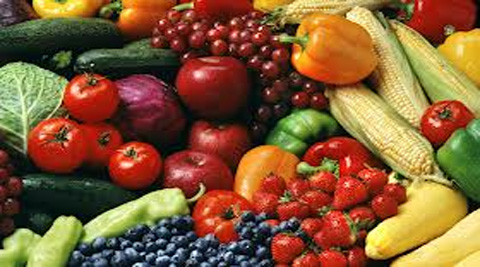
Vegetables, fruits to come under food safety scanner

After initiating action against namkeen manufacturers and restaurants, the food safety department is planning to intensify the campaign against cold drinks, fruit juices, fruits and vegetables sold in the city.
“The move is in view of the onset of summers. The demand of cold drinks and fruits increases in summer, besides, navratri festival is also one of the reasons for the drive,” said Food Safety Officer Manish Swami.
The department will conduct surprise inspections and collect samples from open markets, malls, restaurants and dairies.
“Food Safety and Standards Authority of India (FSSI) has issued instructions to conduct survey and collect at least 40 samples in the month of April and submit the report by May,” he added.
Swami said that the process of collecting samples will be intensified with the instructions of FSSI.
“We will ensure that fruits with artificial colours, polish and chemicals are not sold in the market,” said Swami.
The ill practice in fruits and vegetables include use of wax on fruits like apple. The vendors stock the fruits for festivals and polish them to give fresh and attractive looks to lure the customers.
“Honey wax is permitted to bring shine on fruit but it should be declared by the seller that the fruit has polish of honey wax. Use of any other type of wax or chemical including colour and injection of fluids is restricted in fruits and vegetables,” explained Swami.
The sale of cold drinks and fruit juices increases with rise in temperature and apart from popular brands, a number of local drinks also come up in market.
“We have to collect samples to find out if the prescribed limits of pesticides and chemicals are maintained in the drinks and fruit juices,” said Swami.
The samples are sent to FSSI notified National Accreditation Board for Testing and Calibration Laboratories (NABL) accredited food testing laboratories for analysis and action is initiated as per outcome of the analysis. There are total 22 such labs in MP and one in Indore. It takes about 15 days for completing the tests.

Mar 31, 2014

Specific Requirements and Manner of Labelling of Infant Milk Substitute and Infant Foods : Module 11

Specific Requirements and Manner of Labelling of Infant Milk

Specific Requirements and Manner of Labelling of Infant Milk 
In the earlier articles we have been discussing the general requirements of labeling and the information in general to be given on the label of any package of food. In addition to the general requirements and information, there are also some specific requirements and information, which are product specific and mandatory to be given on the label on the packages of food products. 
The packages of food products like: 
(i) Infant Milk Substitute and Infant foods including Infant Milk Substitute meant for premature baby or meant for babies who are allergic to milk proteins or allergic to milk sugars 
(ii) Edible oils and fats 
(iii)Irradiated foods and 
(iv) Other Food Products namely ; Coffee-Chicory Mixture, milk and milk powder, Compounded Asafetida, Mixed Masala, Iodised salt, Pan masala , Supari ,
Packaged drinking water and many others , are required to give certain product specific information , statements or warnings, which are as given below :- 
1. Infant milk substitutes /infant foods 
The container of infant milk substitute or infant food shall bear the following additional label declaration in the manner give below: 
“IMPORTANT NOTICE” :“MOTHER’S MILK IS BEST FOR YOUR BABY” 
(This declaration shall be given in the center of the label in color contrast of the label and the letter shall be not less than five millimeters .) 
“Infant food shall be introduced only after the age of six months and upto the age of two years” 
“ Infant milk substitute or infant food should be used only on the advice of a health worker “ 
Warning :” Infant milk substitute or infant food is not the sole source of nourishment of an infant” 
Instruction for appropriate and hygienic preparation including cleaning of utensils, bottles and teats .

Wholesale food markets to face random periodic checks by FSSAI


Wholesale vegetable and fruit markets, as well as beverage manufacturers, are soon going to face random periodic checks from the Food Safety and Standards Authority of India (FSSAI). While planning to focus more on surveillance and sampling, the Authority has constituted a panel to perform inspections on a regular basis, officials said.
"We are soon going to conduct regular inspections of vegetable and fruit markets, as well as of facilities that manufacture fruit-based beverages. Surveillance through sampling is going to be a major area of focus for FSSAI in the near future and we have already started taking steps to facilitate this," FSSAI Chief Executive Officer Dillip Kumar Samantaray told Business Standard.
In a meeting earlier this month, the Central Advisory Committee (CAC) of FSSAI also constituted a surveillance committee to formulate guidelines and detail a framework to carry on these inspections activities, another official said. FSSAI is the regulatory agency to monitor quality of food items, including imported products sold in the country.
The move comes in the wake of a Supreme Court order of last October voicing serious concerns over the harmful effects of carbonated drinks on the health of people. The apex court had asked FSSAI to monitor all manufacturing facilities of carbonated drinks, as well as major fruits and vegetable markets, to keep a tab on presence of pesticide residues in food products.
According to Samantaray, if manufacturing facilities or products sold in markets are found short on compliance, companies can face a hefty penalty under the Food Safety and Standards Act. "In extreme cases, if found guilty, they can also face tough actions, including prosecution," he said.
The panel formed for creating the surveillance framework is expected to give its report within a month, the official said. The report would primarily streamline criterion and processes for these checks. Once the framework is in place, the regulator would start inspections.
While some of the inspections would be carried by the central regulatory agency, it would also be assisted significantly by state level food safety officers. Various state food safety commissioners are also part of the surveillance committee constituted by FSSAI's CAC.
The SC had also directed FSSAI to evaluate the harmful effects of soft drinks on human health and to ensure that all beverages have labels detailing their ingredients, including levels of added chemicals.

Organic' vegetables come under lens

KOZHIKODE: The agriculture department will be extending its scheme of production and marketing of safe-to-eat vegetables through government outlets to more districts. The scheme, launched in association with Kerala Agriculture University last year, also envisages ensuring that vegetables and fruits being sold under the organic brand are pesticide-free.
The department will be collecting samples from parts of the state and testing them at the pesticide residue research and analytical laboratory of the university. The decision follows the detection of pesticide residue in nearly a dozen organic produce being sold at three shops selling organic vegetables and fruits in Thiruvananthapuram.
The pesticide residue research & analytical laboratory had conducted tests on 81 samples of 28 types of vegetables collected from these shops from July 1 to September 30 last year. Pesticide residues above the permissible levels set by Food Safety and Standards Authority of India (FSSAI) and European Union (EU) were found in seven types of vegetables -- coriander leaves, snake gourd, curry leaves, green chilli, okra, big chilli (sambar mulagu) and vegetable cowpea. The tests had also found pesticide residues in carrot, drumstick and beetroot. Only 46 samples of 18 vegetable varieties were found safe to eat.
Thomas Biju Mathew, professor (entomology), pesticide residue research and analytical laboratory said the highest volume of pesticide residues were found in curry leaf. "Residues of pesticides like malathion, chlorpyriphos, quinalphos, ethion, profenophos and cypermethrin were found in them, and that too above the permissible limit. Profenophos was found at a higher level in coriander leaf, ladies fingers, big chilli and green chilli,'' he said.
"A scientific study on daily consumption of such vegetables is yet to be conducted but they are definitely harmful,'' Mathew said. "We have decided to collect 200 samples a month to conduct tests, which will be double the samples collected now. The tests will also be extended to fruits, processed food products and spices this year."
The officials of the lab have already collected samples of organic vegetables from Kozhikode city.
The agriculture department will be collecting samples of organic vegetables from Ernakulam, Kottayam, Palakkad and Alappuzha in the coming days.

சவுகார்பேட்டையில் குடோனில் பதுக்கி வைத்திருந்த 3 லட்சம் குட்கா பறிமுதல்

தண்டையார்பேட்டை, மார்ச் 31: 
சவுகார்பேட்டையில், குடோனில் பதுக்கி வைத்தி ருந்த  3 லட்சம் குட்கா பொருட்களை அதிகாரிகள் பறிமுதல் செய்தனர். 
சவுகார்பேட்டையில் உள்ள சில குடோன்களில், தமிழக அரசால் தடை செய்யப்பட்ட பான்பராக், ஹான்ஸ் உள்ளிட்ட குட்கா பொருட்கள் பதுக்கி வைத்து, விற்பனை செய்வ தாக, சென்னை மாவட்ட உணவு பாதுகாப்பு அதிகா ரிகளுக்கு தகவல் கிடைத் தது. 
அதன்பேரில், அலுவ லர் லட்சுமி நாராயணன் தலைமையில், ஆய்வாளர் கள் இளங்கோ, சிவசங்கரன், சதாசிவம் ஆகியோர் நேற்று முன்தினம் அப் பகுதியில் உள்ள குடோன் களில் திடீர் சோதனை நடத்தினர். அப்போது, ஒரு குடோனில் 580 கிலோ எடையுள்ள குட்கா பொருட்கள் பதுக்கி வைக்கப்பட்டு இருந்தது தெரிந்தது. அவற்றை அதிகாரிகள் பறிமுதல் செய்தனர். அவற்றின் மதிப்பு, 3 லட்சம் என கூறப்படுகிறது. இதுதொடர் பாக, குடோனில் இருந்த ஆறுமுகம் (35), ரியாஸ் (32) ஆகியோரை கைது செய்து, குட்கா பொருட்கள் எங்கிருந்து வந்தது. குடோன் உரிமையாளர் யார், எங்கெங்கு சப்ளை செய்யப்படுகிறது என தீவிரமாக விசாரிக்கின் றனர்.

Mar 29, 2014

Food labelling requirements – Identification of Lot/Code/Batch number : Module 9


Identification of Batch, Code, Lot 
A batch number or code number or lot number is a mark of identification by which the food can be traced in the manufacture and identified in the distribution, shall be given on the label. 
All the packages of food product having the same batch number or code number are considered to be having the same substance of the same nature, quality and same in all respect. 
In case there is any consumer complaint about any package of food product, then the first step of investigation is to find out the Batch no/ Lot no of that food package and the food packages having the same batch/lot no are examined with respect to the complaint.Either following the consumer complaint or otherwise,if the food business operator considers or has reasons to believe that a food which he has processed, manufactured or distributed is not in compliance with the FSS Act, or the rules or regulations, he shall immediately initiate procedures to withdraw the food in question from the market and consumers indicating reasons for its withdrawal and inform the concerned competent authorities . 
In case, if the regulator is suspicious about the quality of any packaged food ,then he takes the sample of the packaged food product of the particular Batch or Lot No. for its quality check.He takes the required number of the food packagings having the same batch/ lot number and sends it for analysis. In case of any violation in the sample of food packages the entire quantity of the same batch or lot is considered to be in violation of the food laws . The legal action may be initiated against the offenders and/ or the manufacturer or the processor may be directed that the entire quantity of the particular Batch or Lot No is traced and the food be recalled. 
“Recall” means action taken to remove a marketed food product from distribution, sale and consumption that may pose a safety hazard to consumers and the procedure followed for the same is called food recall procedure. 
When the circumstances require for Food Recall , it is the responsibility of every food business operator to inform the competent authorities of the action taken and to follow such conditions and guidelines relating to food recall procedures as the Food Authority may specify by regulations. In this regard the Food Authority has yet to notify the regulation, however draft regulation for Food Recall Procedure has appeared on the FSSAI website for public objections and suggestions. 
From the Food Business Operator point of view, it is better, if smaller quantity of the food product is processed in one lot. 
The Food Business Operator may note that the packages containing bread and milk including sterilised milk are not required to mention Batch/Code/Lot No. 
A food has to bear a label of lot/batch/code from the time of its raw shape like at farm level till it becomes a final product for sale. Information like date of harvest, farm identification and who handles the produce from grower to receiver, scanning a product at the point of picking or loading, the recognition through batch/code/lot number is required to be maintained to track the culprit in cases of complaints. 
Every food business operator has to define & mention Batch, Lot, Code number on all the containers of the product, to be referred under incidents of examination on suspicion by the regulatory body or on action upon consumer complaints.

Most juice outlets in Kochi function by flouting food safety norms

Fruit shops in the city continue to violate the guidelines prescribed by the Food Safety Commissioner, with the department officials unable to check flouting of norms. A scene from a city juice shop in Kochi on Thursday. 
Water and other ingredients used is suspected to be contaminated 
Locating a juice shop in the city fully complying with the guidelines prescribed by the Commissioner of Food Safety may be a Herculean task this summer.
With shops mushrooming in every nook and cranny in Kochi, Food Safety officials seem groping in the dark on how to curb the violations.
Even though reports on use of contaminated ice have come down gradually, they admitted that the majority of the shops store ice in thermocol boxes against the prescribed rules. As per the guidelines, ice should not be stored in polystyrene boxes, but in freezers or ice boxes.
Many juice shop owners now claim that they use water supplied in cans by private manufacturers of bottled drinking water. But there is little check on whether these suppliers meet the safety standards.
Food safety guidelines recommend that the water being used should be from a source of impeccable quality and the quality of the water source should be tested every six months at a government-approved analytical laboratory. Shop owners should also keep these reports in the shop.
A ride along the main city roads reveals that only a few shops adhere to another major guideline recommending prominent display of the licence or registration details as per the Food Safety and Standards (FSSA) Act, 2006.
Use of low quality milk, especially that brought from outside the State, is also rampant in juice shops offering milk shakes. 
The Food Safety Department has no clues on whether the shops were storing milk in freezers well beyond the expiry period.
Customers can report cases where they found juice being prepared in unhygienic environments. 
They should also ensure that shop owners clean the implements used for preparing juices mainly mixers, juicers and strainers after every use.
The Food Safety guidelines also prescribe that the refrigerator and freezer should be cleaned regularly and the last date on which it was cleaned should be displayed on the fridge.
All food items, including water, in the shops should be stored in covered containers of food grade quality. The fruits should be of good quality, with no trace of fungus. The fruits should be washed and refrigerated.
All employees in juice shops should have medical fitness certificates. They should strictly follow hygienic practices in handling food. Those with any skin conditions or infectious diseases should not be allowed as employees in food businesses.

Organic food may not lower cancer risk

organic-food-medium 

Scientists found no evidence that regularly eating a diet that was grown free from pesticides reduced a woman's overall risk of cancer.
Summary
Eating a well-balanced diet which is high in fruit and vegetables – whether conventionally grown or not – can help reduce your cancer risk. 


Eating organic foods may not lower the risk of developing cancer, a new study has claimed. 
Women who always or mostly eat organic foods are no less likely to develop cancer than women who eat a more conventional diet, according to the study published in the British Journal of Cancer.
to help us personalise your reading experience.

Cancer Research UK scientists from the University of Oxford found no evidence that regularly eating a diet that was grown free from pesticides reduced a woman’s overall risk of cancer. 
The researchers asked around 600,000 women aged 50 or over, who were part of a project, named Million Women Study, about whether they ate organic foods, and tracked the development of 16 of the most common types of cancer in a nine year period following the survey. 
Around 50,000 women developed cancer in this period. 
The scientists’ analysis found no difference in overall cancer risk when comparing the 180,000 women who reported never eating organic food with around 45,000 women who reported usually or always eating organically grown food. 
When looking at the results for 16 individual types ofcancer they found a small increase in risk for breast cancer but a reduction in the risk for non-Hodgkin lymphoma in women who mostly ate organic food, although these results could be partly due to chance and other factors. 

“In this large study of middle-aged women in the UK we found no evidence that a woman’s overall cancer risk was decreased if she generally ate organic food,” said Professor Tim Key, a Cancer Research UK epidemiologist based at the University of Oxford and one of the study authors. 
“More research is needed to follow-up our findings of a possible reduction in risk for non-Hodgkin lymphoma,” Key said. 
“This study adds to the evidence that eating organically grown food doesn’t lower your overall cancer risk. But if you’re anxious about pesticide residues on fruit and vegetables, it’s a good idea to wash them before eating,” said Dr Claire Knight, Cancer Research UK’s health information manager. 
“Scientists have estimated that over nine per cent of cancer cases in the UK may be linked to dietary factors, of which almost five per cent are linked to not eating enough fruit and vegetables. 
“So eating a well-balanced diet which is high in fruit and vegetables – whether conventionally grown or not – can help reduce your cancer risk,” Knight said.

Appeals court rules in favor of meat labels

Appeals court rules in favor of meat labels, denies industry attempt to block them

WASHINGTON (AP) -- A federal appeals court is allowing labels on certain cuts of meat to say where the animals were born, raised and slaughtered. 
The appeals court decision issued Friday dismissed an attempt by the meat industry to block the rules, which took effect last year and require packaged steaks, ribs and other cuts of meat to include country of origin labels. The industry has long fought the labels, saying they are costly and provide no health benefits to the consumer. 
In court, the meat industry said the rules go beyond what Congress intended and violate First Amendment rights to freedom of speech. The industry argued that the rules violate the U.S. Constitution because they force meat producers to provide information about their products, and that the information is of no real value to the consumer. 
Judge Stephen F. Williams of the U.S. Court of Appeals for the District of Columbia ruled those claims were unlikely to succeed in court and refused to block the labeling rules, agreeing with a lower federal court. 
Williams wrote that the labeling "enables a consumer to apply patriotic or protectionist criteria in the choice of meat," and "enables one who believes that United States practices and regulation are better at assuring food safety than those of other countries, or indeed the reverse, to act on that premise." 
He said those goals are worthy of what he called a "minimal" intrusion on the meat industry's First Amendment rights. 
The lawsuit was led by the American Meat Institute, which represents the nation's largest meatpackers, and joined by other meat industry groups. In a statement, the American Meat Institute said it was disappointed by the ruling and disagreed with it. James H. Hodges, interim president and CEO of AMI, said the group is "evaluating our options moving forward." 
The meat industry has argued that the paperwork to make the labels possible is burdensome and that it's not practical to keep cattle and hogs from other countries separate from domestic animals. 
The labeling rules have support from consumer groups, environmental groups and some farm groups. Cattle ranchers who raise cattle near the northern border and compete with Canadian ranchers have been most supportive of the rules, which Congress first wrote in 2002 and later revised in 2008 after years of haggling with the meat industry. 
Under the rules, labels must specify that a meat product was "Born in Mexico, raised and slaughtered in the United States" or "Born, raised and slaughtered in the United States." 
The Agriculture Department has also prohibited meat processors from mixing meat from animals born, raised or slaughtered in other countries with meat from the U.S.

Is GM the way to go?

Environment Minister Veerappa Moily’s decision to allow field trials of genetically modified food crops marks a major shift in official policy on a highly contentious issue. Photo: G. Moorthy

The Hindu Environment Minister Veerappa Moily’s decision to allow field trials of genetically modified food crops marks a major shift in official policy on a highly contentious issue. 

We asked you if you think India needs GM crops. Here are some of our best responseGenetically modified seeds in India can cause incalculable harm to our environment and human health. These seeds are subjected to a genetic material from soil bacterium (Bacillus thuringiensis) which releases toxins that kill both pest and beneficial insects. Due to the effect of Bt in soil, many weeds called the super weeds and super bugs start dominating the field which is herbicide-resistant that plague farmers. Furthermore, these seeds do not produce second generation seeds for sowing. The bitter truth is that these seeds are the brainchild of some multinational companies that are interested only in making money.
B.Deepna, Class VIII, Amrita Vidyalayam, Ettimadi, Coimbatore. 
*** 
Genetically modified (GM) crops have many potential advantages in terms of raising agricultural productivity and reducing the need for pesticides. They might also pose hazards to human health, from toxicity and increased risk of allergies, for example. However, particularly in Europe, regulations designed to ensure adequate safety of GM technologies may go too far. 
K.Thendral, Class VIII, Nava Bharath International School, Annur 
*** 
Even though India is an agricultural country, there is not enough crops for its people. In some lands, cultivating hybrid variety crops will produce good crops. People can get good food and become healthy because of this hybrid variety crops. This will allow them to do their duties correctly which will rise the productivity of India. 
B.Gokulnath, Class XI, Cheran MHSS, Karur 
*** 
In many developed countries GM foods are illegal. When it is not good for them, how can it be good for us? I prefer organic food as it is much healthier than GM food. I don’t understand why Mr. Moily has taken such a hasty decision when the issue is in the Supreme Court. 
M. Keerthi, Class X, Teja Vidyalaya, Kodad 
*** 
GM crops need less pesticides. The cost of growing decreases, due to this. Food prices even decrease. But there are even disadvantages using them. The taste of food changes. It causes harm to other organisms. Possible damages may occur to the environment. Even unforeseen risks and damages may take place. So, it is better if we do not use GMO crops for our food. 
G. Amit , Class VI, Sri Gowthami Smart School, Rajahmundry.

Indians consuming imported GM-processed food, parliamentary panel says

NEW DELHI: India doesn't allow commercial cultivation of genetically modified (GM) crops but Indians may well be consuming GM processed food- knowingly or un-knowingly. 
A Parliamentary panel has brought this out in the open by pointing out shortcomings in the functioning of the Food Safety and Standards Authority of India (FSSAI), which has failed miserably to check import of such products. 
Taking note of the government's response over various issues concerning GM food crops, the committee on agriculture - which submitted its report to Lok Sabha speaker on March 15 - pointed out that "there is no check on GM processed food and other items coming from outside the country or being produced here" in India. 
It gave an example of cotton seed oil, produced in the country from Bt Cotton which is the only genetically modified crop allowed for commercial production. The cotton seed oil is, incidentally, widely used in India as cooking oil. 
After making its point, the panel - headed by CPM Lok Sabha MP Basudeb Acharia - also asked the government to "investigate the matter without further loss of time". 
The panel's report comes at the time when the ministry of environment and forest (MoEF) is planning to keep in abeyance its controversial August, 2007 notification - which allows the import of GM foods into India without its prior permission - for another three or six months, beginning April 1. 
The required order will be notified by the ministry soon as the period of existing notification will expire on March 31. 
The ministry has continuously been keeping the notification in abeyance since February 2008. At present, any genetically engineered organism can be imported (either for research or for restricted lab trial) only after the prior permission Genetic Engineering Approval Committee (GEAC). 
The ministry's order, keeping the 2007 notification in abeyance, has been in tune with what the Supreme Court's direction in response to a petition six years ago. The court had directed the ministry to put such order on hold till the controversial issue of transgenic crops is finally decided by it. The apex court will begin its hearing on April 14.

Mar 28, 2014

கடைகளில் காலாவதி உணவு பொருட்கள் விற்பனை - நடவடிக்கை எடுக்க கோரிக்கை

பரமக்குடி, மார்ச் 28: 
பரமக்குடி நகர் பகுதியில் உள்ள மளிகை கடைகளில் காலாவதியான உணவுப்பொருட்கள், ஐஎஸ்ஐ முத்திரை இல்லாத உணவுப்பொருட்கள் விற்பனை செய்யப்படுகின்றன. சுகாதாரத் துறை அதிகாரிகள் சோதனை நடத்தி நடவடிக்கை எடுக்க வேண்டும் என பொதுமக்கள் வலியுறுத்தி வருகின்றனர். 
பரமக்குடியில் உள்ள மளிகை கடைகள், பெட்டி கடைகளில் விற்கப்படும் பிஸ்கட் பாக்கெட்டுகள், குளிர்பானங்கள், தண்ணீர் பாக்கெட்டுகள்ள மற்றும் பாக்கெட்டுகளில் அடைத்து விற்கப்படும் மசாலா பொருட்கள், பேரிச்சம்பழம் ஆகியவற்றில் தயாரிப்பு தேதி, முடிவு தேதி இல்லை. சில பாக்கெட்டுகளில் இந்த தேதி பிரின்ட் செய்யப்பட்டிருந்தாலும், அவை காலாவதியான பின்னர, அந்த தேதிகளை அழித்து விடுகின்றனர். பொதுமக்களும் இந்த முறைகேட்டை கவனிக்காமல், இந்த பொருட்களை வாங்கி செல்கின்றனர். 
இவ்வாறு காலாவதியான பொருட்களை வாங்கி சென்று சாப்பிடும் பொதுமக்கள் உடல்நலக் குறைவால் அவதிப்பட்டு வருகின்றனர். எதனால் இந்த உடல்நலக்குறைவு ஏற்பட்டுள்ளது என்பதை கூட கிராம மக்கள் உணர்வதில்லை. 
வாந்தி, வயிற்றுப்போக்கு உள்ளிட்ட பாதிப்புகள் ஏற்பட்டால் மட்டுமே, இந்த உணவுப்பொருட்களால் ஏற்பட்டுள்ளது என்பதை உணர்ந்து கொள்கின்ற னர். 
எனவே பரமக்குடி நகர் பகுதியில் உள்ள கடைகளில் சுகாதாரத் துறை அதிகாரிகள் அடிக்கடி சோதனை மேற்கொள்ள வேண்டும் என்றும் காலாவதியான உணவுப்பொருட்களை விற்பனை செய்து வரும் கடைகளின் உரிமையாளர்கள் மீது கடும் நடவடிக்கை எடுக்க வேண்டும் என்றும் பொதுமக்கள் வலியுறுத்தி வருகின்ற னர். 
பரமக்குடியை சேர்ந்த ராஜேந்திரன் கூறுகையில், நகர் பகுதியில் கிராம மக்கள் அடிக்கடி வந்து செல்லும் இடங்களில் உள்ள கடைகளிலும், பஸ் ஸ்டாண்ட், அரசு மருத்துவமனை அருகே உள்ள கடைகளிலும் காலாவதியான உணவுப்பொருட்கள், குளிர்பானங்களை கடைக்காரர்கள் விற்பனை செய்கின்றனர். பஸ்களை பிடிக்க செல்லும் அவசரத்தில் செல்லும் பயணிகள் இந்த உணவுப்பொருட்களின் காலாவதி தேதியை பார்ப்பதில்லை. இதனால் கிராம மக்களிடம் கடைக்காரர்கள் தைரியமாக காலாவதியான உணவுப்பொருட்களை விற்பனை செய்கின்றனர். 
மேலும் காலாவதியான பிஸ்கெட் பாக்கெட்டுகள் உள்ளிட்ட பொருட்களை மிக குறைந்த விலைக்கு கடைக்காரர்களிடம் மொத்த வியாபாரிகள் விற்பனை செய்து விடுகின்றனர். தெரிந்தே இந்த முறைகேட்டில் ஈடுபடுவோர் மீது கடும் நடவடிக்கை எடுக்க வேண்டும் என்றார். 

8.10 லட்சம் மதிப்பிலான புகையிலை பொருட்கள் பறிமுதல்

கிருஷ்ணகிரி, மார்ச் 28: 
கிருஷ்ணகிரி மாவட்ட நியமன அலுவலர் (உணவு பாதுகாப்பு பிரிவு) டாக்டர் கலைவாணி, உணவு பாதுகாப்பு அலுவலர் ராஜசேகர், மதுவிலக்கு அமல் பிரிவு எஸ்ஐக்கள் ரவீந்திரன், ராமதாஸ், ஏட்டுகள் பிரபு, செந்தில்குமார் ஆகியோர் கிருஷ்ணகிரி & பெங்களூர் தேசிய நெடுஞ்சாலையில் குருபரப்பள்ளி ஆற்று பாலம் அருகே நேற்று வாகன தணிக்கையில் ஈடுபட்டிருந்தனர். 
அப்போது அவ்வழியே வந்த மினிலாரியை நிறுத்தி சோதனை செய்தனர். அதில் 8 லட்சத்து 10 ஆயிரம் மதிப்பிலான தடை செய்யப்பட்ட ஹான்ஸ் 45 மூட்டைகள் இருந்தது தெரியவந்தது. இந்த பொருட்கள் அனைத்தும் பெங்களூரில் சுரேஷ் என்பவரிடமிருந்து ஈரோட்டில் உள்ள சத்தீஷ்குமார் என்பவருக்கு, சேலம் மாவட்டம் செம்மாண்டப்பட்டியை சேர்ந்த லாரி ஓட்டுனரான கார்த்திக் (28), கிளீனர் ரங்கநாதன் (23) ஆகியோர் மூலம் எடுத்து செல்வதும் கண்டுபிடிக்கப்பட்டது.
பறிமுதல் செய்யப்பட்ட புகையிலை பொருட்களை மாவட்ட கலெக்டர் ராஜேஷ் பார்வையிட்டு, இதன் மீது உணவு பாதுகாப்பு தர நிர்ணய சட்டம் 2006ன் கீழ் நடவடிக்கை எடுக்கவும், பொருட்கள் அனைத்தையும் நுகர்பொருள் வாணிப கழக கிடங்கில் வைத்து சீல் வைக்கவும் உத்தரவிட்டார்.

Declaration of “Net Quantity” on food labels : Module 8


Net Quantity 
The net quantity of contents is the statement on the label which provides the actual amount of food in the container. 
From the net quantity mentioned on the label of the food product, the buyer can assess that for purchasing the particular quantity, how much he has to pocket out and he can also compare the quantity and the price of the similar product of different manufacturers. 
Though as per food laws FSS (Packaging and labelling) Regulation, 2011, it is not mandatory to mention the minimum retail price of the product, but the Legal Metrology (Packaged Commodities) Rules, makes its mandatory to mention the Maximum Retail Price (MRP) as well as the net weight of the food product along with guidelines that specific food commodities like biscuits, bread, tea, cereals and pulses etc. are to be packed and sold in recommended standard packages. The Food business Operator has also to follow the Legal Metrology (Packaged Commodities) Rules, in this regard. 
The declared quantity on a package should be accurate and it should not be less than the declared quantity, otherwise it will make the food product misbranded which attracts penalty. The Food Safety and Standards (Packaging and Labelling) Regulations 2011 notified by FSSAI requires that: 
(i) Net quantity by weight or volume or number has to be declared on every package of food; 
(ii) If a food is packed in a liquid medium, then the net quantity along with the drained weight of the food shall be mentioned on the label. 
(iii) In case of a package contains a large number of small items of confectionery and each wrapped separately, where it is not possible to exclude the weight of the wrappers, in this case the net weight may also include the weight of the wrapper. 
The accurate amount of contents or weight have to be mentioned on the food label, else the food product would be treated as misbranded and liable to be penalised under the regulations.

Choco crunch

Melting moment The best chocolates don’t lose shape and stay
crisp even when not refrigerated

Melting moment The best chocolates don’t lose shape and stay crisp even when not refrigerated
How well do you know the chocolate you are in love with?
“Life is like a box of chocolates. You never know what you’re gonna get,” is a quote made popular by the Oscar-winning film Forrest Gump. But if you kept the life-chocolate box analogy aside and analyse the chocolate itself, what would you get?
A recent study by Consumer Voice magazine looked at the various attributes of dark and milk chocolate brands available in India. In a country where Cadbury’s is synonymous with chocolate, Amul turned out to be the top performer both among milk and dark chocolates, as well as the most value-for-money brand. Nestle ranked second among milk chocolates. The testing centres were accredited to the National Accreditation Board for Testing and Calibration Laboratories.
Cocoa solids, the leftovers from cocoa butter extraction, are a key determinant of chocolate taste. The more the cocoa solids present, the more intense the taste. This factor was given a weightage of 15 in the analysis. National standards decree a minimum of two per cent cocoa for milk chocolates and 12 per cent for plain/dark chocolate. Among milk chocolates, Amul had the most cocoa solids, with a score of 12.36, followed by Hershey’s with 10.43. Amul Dark scored over Cadbury’s Bourneville too.
The Bureau of Indian Standards (BIS) stipulates that sugar should not exceed 55 per cent by mass, but Hershey’s (56.59) and Cadbury Dairy Milk (55.68) overshot that, the study found. Lindt Lindor contains the least (39.13) and yielded more calories than any of the other tested brands. It also contained the highest amount of cholesterol. Nestle Milk yielded the most calories after Lindt, but had the least cholesterol.
When cholesterol is mentioned, can fat be far behind? Fat, whether it’s milk solids or cocoa butter, is what imparts richness. The more the amount of fat, the richer and smoother the chocolate. Under Food Safety and Standards (FSS) Rules, total fat in chocolate should not be less than 25 per cent by mass. Lindt topped the charts here as well (45.14 per cent). However, Lindt Lindor contains vegetable fats (coconut, palm kernel and palm oil), which are not permitted by BIS, says Consumer Voice. Nestle Milk had the second-highest amount of fat (33.13 per cent).
And then we come to carbohydrates, which raise blood sugar more than any other nutrient. The study found Cadbury Bourneville contained the highest amount, followed by Hershey’s and Cadbury Dairy Milk.
Bourneville had the highest melting point (43 {+0} C). A high melting point is an advantage as the chocolates are less likely to lose form and crispness even when not refrigerated.
Mostly it’s good news for consumers. No synthetic food colour was detected, and moisture, which could play spoilsport, was less than one per cent. There were checks for yeast and mould, E. coli, S. aureus and salmonella, which could manifest due to poor hygiene in manufacture or storage. All the microbes were well below the maximum permissible limit, but Consumer Voice sounds a note of caution — that FSS rules do not mandate a standard requirement. The tests were mainly based on the Indian Standard specification for chocolates (IS: 1163–1992) and relevant FSS Rules 2011.
In the case of packaging, the study points out that Hershey’s did not feature a green/red dot to indicate vegetarian/non-vegetarian ingredients. Except for Chocon Milcreme, none of the brands mentioned the percentage of cocoa solids they contained.
Vitamin C is a weekly dose of consumer empowerment

Penalty for possessing adulterant

Subject to the provisions of this chapter, if any person who whether by himself or by any other person on his behalf, imports or manufactures for sale, or stores, sells or distribute any adulterant shall be liable – 
- where such adulterant is not injurious to health, to a penalty not exceeding two lakh rupees; 
- where such adulterant is injurious to health, to a penalty not exceeding ten lakh rupees. 
In a proceeding under sub-section (1), it shall not be a defence that the accused was holding such adulterant on behalf of any other person.

Tax Hygiene Uncalled For On Packaged Food Products: PHD Chamber

Mr. Vijay Sardana, Co-Chairman, Agri Business Committee of the PHD Chamber of Commerce and Industry on Tuesday asked the state governments to stop levying packaged food products with multiple taxes which are imposed on hygiene in poultry sector to enable India realize the real potential of food processing industry including that of poultry products. 
Addressing a roundtable on Poultry Marketing under aegis of the PHD Chamber of Commerce and Industry, Mr. Sardana said that nowhere in the world hygiene tax was imposed on packaged food products barring India. This is leading to health and food safety issues and preventing investments in India's infrastructure sector. 
In case, if it wanted its food processing industry to grow to its real potential, such illogical measures need to be shunned, especially when the unpacked food products are allowed to be sold off without any taxes he cautioned pointing out that food safety can not be compromised. 
Different states levy packaged food products with different slabs of tax hygiene ranging from 10 per cent to over 25 per cent without consulting the industry which not only discourage the entrepreneurs but also disconnect them with the consumers in the entire value chain of the industry, pointed out Mr. Sardana. 
He prescribed a multi-pronged strategy to market poultry products which include a suitable connect between farmers, middle men and retailer so that each stake holder's share of profit is protected in an equitable manner. Co-operative market approach was also recommended by him to sell off meat and poultry products. 
Global CEO AB Agri, Mr. David Yiend and Mr. Simon, representing AB Agri also shared their global experience with Indian poultry industry also stressing that time has come to look at livestock issues seriously in India.

Mar 27, 2014

கிருஷ்ணகிரி வழியாக வடமாநிலங்களுக்கு செல்லும் கலப்பட மரவள்ளிக்கிழங்கு மாவு - விவசாயிகள் சங்கம் புகார்

கிருஷ்ணகிரி, மார்ச் 27: 
கிருஷ்ணகிரி மாவட்டம் வழியாக கலப்பட மரவள்ளிக் கிழங்கு மாவு வடமாநிலங்களுக்கு கொண்டு செல்லப்படுகிறது என தமிழக விவசாயிகள் சங்கம் புகார் தெரிவித்துள்ளது. 
தமிழக விவசாயிகள் சங்க மாநில பொதுச் செயலாளர் ராமகவுண்டர் கிருஷ்ணகிரி மாவட்ட கலெக்டர் ராஜேஷிடம் அளித்துள்ள புகார் மனுவில் கூறியிருப்பதாவது: 
தமிழகத்தில் சேலம், நாமக்கல் மற்றும் தர்மபுரி மாவட்டங்களில் லட்சக்கணக்கான விவசாயிகளால் மரவள்ளி கிழங்கு சாகுபடி செய்யப்படுகிறது. இவை, அந்தந்த மாவட்டங்களில் உள்ள மரவள்ளி கிழங்கு அரவை ஆலைகளுக்கு தரமான கிழங்கு மாவு ஜவ்வரிசி மற்றும் ஸ்டார்ச் தயாரிப்பதற்காக அனுப்பப்படுகிறது. 
இவ்வாறு அனுப்பப்படும் மரவள்ளி கிழங்குடன், சில ஆலைகளில் மக்காச்சோள மாவு கலப்படம் செய்து, அத்துடன் அரசால் தடை செய்யப்பட்ட விஷத்தன்மை உள்ள ரசாயனங்களையும் சேர்த்து கிழங்கு மாவு ஜவ்வரிசி மற்றும் ஸ்டார்ச்சுகளை தயாரிப்பதாக தெரிகிறது. 
இவ்வாறு தயாரிக்கப்படும் கிழங்கு மாவு ஜவ்வரிசி, அரசு உணவு தரக்கட்டுப்பாடு அனுமதி பெறாமல், கிருஷ்ணகிரி மாவட்டம் வழியாக வணிகவரி மற்றும் எந்த விதமான பரிசோதனையும் இல்லாமல் வடமாநிலங்களுக்கு கொண்டு செல்லப்படுகிறது. இந்த பொருட்களை உண்பவர்களுக்கு ரத்த அழுத்தம், சர்க்கரை நோய், புற்றுநோய், ஆண்மை இழத்தல் மேலும் பல மோசமான நோய்கள் உண்டாகும். மேலும் இதனால் அரசுக்கும் வரி இழப்பு ஏற்படுகிறது. 
இதை தடுக்கவில்லை என்றால், வருங்காலத்தில் மரவள்ளிக்கிழங்கு மதிப்பூட்டப்பட்ட பொருட்களுக்கு கெட்ட பெயர் ஏற்பட்டு, நுகர்வோர்கள் இதை ஒதுக்கித்தள்ள வேண்டிய நிலை ஏற்படும். இதனால் மரவள்ளிக்கிழங்கு விவசாயிகள் பாதிக்கப்படுவார்கள். 
எனவே, தமிழக அரசு மற்றும் மாவட்ட நிர்வாகம் கலப்பட பொருட்கள் வெளி மாநிலங்களுக்கு கொண்டு செல்லப்படுவதை கண்டறிந்து, தடுக்க நடவடிக்கை எடுக்க வேண்டும். தரமான பொருட்கள் மட்டுமே கொண்டு செல்ல அனுமதிக்க வேண்டும். இவ்வாறு அந்த மனுவில் கூறப்பட்டுள்ளது.

சவுகார்பேட்டையில் இரண்டரை டன் குட்கா பொருள் பறிமுதல்

சென்னை, மார்ச் 27: 
சென்னை முழுவதும் அரசால் தடை செய்யப்பட்ட பான்பராக், ஹான்ஸ் உள்ளிட்ட போதை பொருட்கள் கடைகளில் விற்கப்படுவதாக உணவு பாதுகாப்பு அதிகாரிகளுக்கு தகவல் கிடைத்தது. இதைதொடர்ந்து, சவுகார்பேட்டை பந்தர் தெருவில் நேற்று முன்தினம் உணவு பாதுகாப்பு அதிகாரிகள் செபராஜ், சுந்தரேசன், இளங்கோ ஆகியோர் தலைமையில் சோதனை நடத்தப்பட்டது. அப்போது, அங்கிருந்த குடோனில் அரசால் தடை செய்யப்பட்ட பான்பராக், ஹான்ஸ், புகையிலை உள்ளிட்ட போதை பொருட்களை பறிமுதல் செய்தனர். மேலும் அங்குள்ள கடைகளில் சோதனை நடத்தியதில் மேலும் சில புகையிலை பொருட்கள் பறிமுதல் செய்யப்பட்டன. 
தொடர்ந்து இரு தினங்களாக நடத்திய சோதனையில் 2,500 கிலோ புகையிலை பொருட்கள் பறிமுதல் செய்யப்பட்டு, கொடுங்கையூர் குப்பை கொட்டும் வளாகத்துக்கு கொண்டு சென்று, ராட்சத குழிகள் தோண்டி புதைக்கப்பட்டன.

சென்ட்ரல் ரயில் நிலையத்தில் ஆந்திராவுக்கு கடத்த முயன்ற 22 மூட்டை பான்பராக் பறிமுதல்

சென்னை, மார்ச் 27: 
தமிழக ஆளுநர் ரோசய்யா, நேற்று மாலை 4.45 மணிக்கு சென்ட்ரலில் இருந்து ஐதராபாத் எக்ஸ்பிரஸ் ரயிலில் ஆந்திராவுக்கு புறப்பட்டுச் சென்றார். 
இதனால் முன்னெச்சரிக்கை நடவடிக்கையாக சென்ட்ரலில் டிஎஸ்பி தில்லை நடராஜன் தலைமையில் இன்ஸ்பெக்டர் அழகர்சாமி மற்றும் ரயில்வே பாதுகாப்பு படையினரும், ரயில்வே போலீ சாரும் இணைந்து, நேற்று காலை முதல் தீவிர கண்கணிப்பில் ஈடுபட்டிருந்தனர். பாதுகாப்பு ஏற்பாடுகளுடன் சோதனை களையும் செய்தனர். 
அப்போது பார்சல் அனுப்பும் இடத்தில் 22 மூட்டைகள் இருந்ததை பார்த்து சந்தேகத்தின்பேரில் அவற்றில் ஒன்றை பிரித்தனர். அதில் தடை செய்யப்பட்ட பான்பராக், புகையிலை பொருட்கள் இருந்தன. விற்பனைக்கான பாக்கெட்களில் அடைக்காமல் மூட்டையில் மொத்தமாக திணித்து வைக்கப்பட்டிருந்தது. ஆந்திர மாநிலம் விசாகப்பட்டினத்திற்கு அனுப்ப பதிவு செய்யப்பட்டிருந்த ஒவ்வொரு மூட்டையிலும் 55 கிலோ பான்பராக், புகையிலை பொருட்கள் இருந்தன. 
சுமார் 10 லட்சத்துக்கும் அதிகமான மதிப்புள்ள பான்பராக் மூட்டைகளை கைப்பற்றி ரயில்வே போலீசார் வழக்கு பதிவு செய்து விசாரித்து வருகின்றனர். இந்த மூட்டைகளை பதிவு செய்ய கொடுத்திருந்த சென்னை முகவரி போலியானது என்று கண்டுபிடிக்கப்பட்டு உள்ளது. மேலும் விசாகப்பட்டினம் முகவரி குறித்தும் விசாரணை நடத்தப்படுகிறது. பறிமுதல் செய்த மூட்டைகள் நீதிமன்றத்தில் ஒப்படைக்கப்பட்டன.

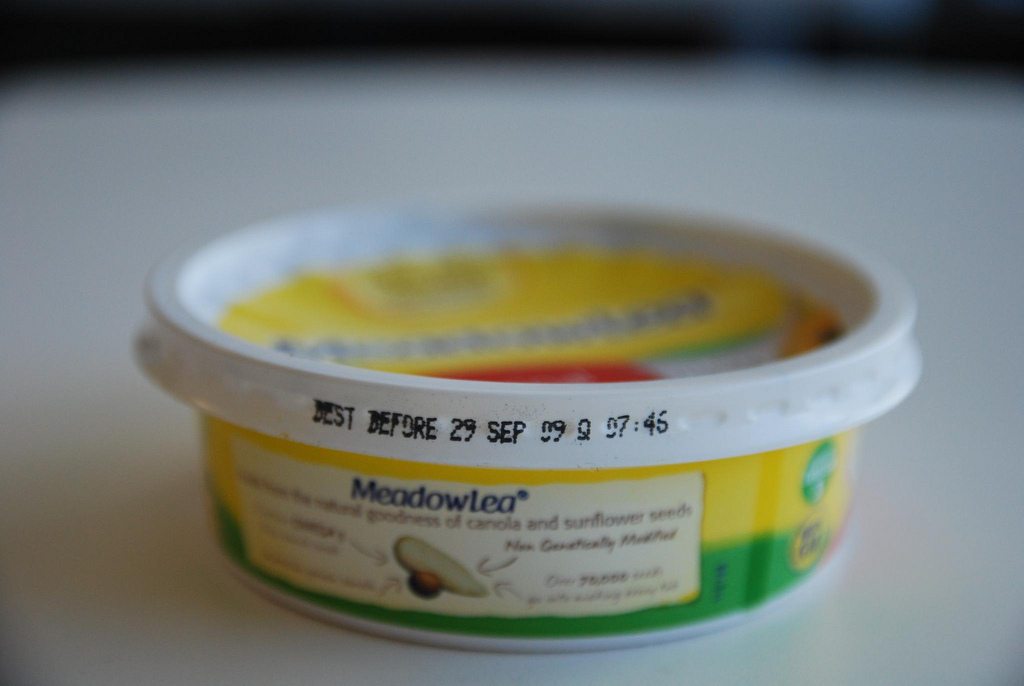
Food labelling requirements – Date of Manufacture or Packing and Best Before or Use By Date : Module 7

Best Before

Date of Manufacture or Packing and Best Before or Use By Date 

Information about dates on pre-packaged food product is a valuable source of information about the life of the packaged food product for the consumers. Date of manufacture or packing on the labels provides an information about the age of the product and from this date the consumer can assess, how old the product is ? Whereas, the Best Before Date or Use by Date indicates the remaining healthy life of the unopened product. Best Before Date is the date by which it is expected that the unopened food, when stored under appropriate conditions, will retain its freshness, taste, nutritional value and all other claimed qualities. A “best-before” date, tells when the potential shelf-life period of the unopened foods ends. One can consume foods after the “best before” date has passed.
However, when this date has passed, the food may lose some of its freshness and flavour, or its texture may have changed. Some of its nutritional value, such as vitamin C content, may also be lost. Remember that “best before” dates are not indicators of food safety, neither before nor after the date. They apply to unopened products only. Once opened, the shelf life of a food may change. 
“Best before” dates do not guarantee product safety. However, they do give you the information about the freshness and potential shelf-life of the unopened foods you are buying. 
The Indian Food Law, FSS (Packaging and Labelling ) Regulations,2011,notified by FSSAI, defines the terms like , Date of Manufacture , Date of Packing, Best Before Date and Use by Date . The Regulation makes it mandotary that the information about the Date of manufacture or packing and Best Before or Use By Date has to be mentioned on the label on the package of the food product. 
The regulations define: 
a.“Date of manufacture” means the date on which the food becomes the product. 
b. “Date of packaging” means the date on which the food is placed in the immediate container in which it will be ultimately sold; 
c. “Best before” means the date which signifies the end of the period under any stated storage conditions during which the food shall remain fully marketable and shall retain any specific qualities for which express claims have been made and beyond that date, the food may still be perfectly safe to consume, though its quality may have diminished. However the food shall not be sold if at any stage the product becomes unsafe.
d.“Use – by date” or “Recommended last consumption date” or “Expiry date” means the date which signifies the end of the estimated period under any stated storage conditions, after which the food probably will not have the quality and safety attributes normally expected by the consumers and the food shall not be sold.
7.1 Date of manufacture or packing: 
The date, month and year in which the commodity is manufactured, packed or pre-packed has to be given on the label in the prescribed manner : 
In case the Best Before Date of the product is more than three months then only the month and the year of manufacture, or prepacking is required to be mentioned. 
In case the packaged food product has a short shelf life of less than three months than the date, month and year in which the food commodity is manufactured, prepared or pre-packed is required to be mentioned. 
7.2 Best before and Use By Date: 
The month and year in capital letters up to which the product is best for consumption has to be mentioned on the label, as given below :— 
“BEST BEFORE ……..MONTHS AND YEAR 
OR 
“BEST BEFORE ……..MONTHS FROM PACKAGING 
OR 
“BEST BEFORE …………MONTHS FROM MANUFACTURE 
In case of packages containing the food commodity of perishable nature which has a short shelf life i.e. pizza, doghunts,khoya, paneer etc. The date, month and year in capital letters up to which the product is best for consumption has to mentioned on the label as given below. 
“BEST BEFORE ……….DATE/MONTH/YEAR” 
OR 
“BEST BEFORE……..DAYS FROM PACKAGING” 
OR 
“BEST BEFORE …….. DAYS FROM MANUFACTURE” 
In case of Aspartame and Infant milk substitute and Infant Foods, Use by Date/recommended last consumption date/expiry Date has to be mentioned. Best Before Date is not required to be given on such packages.
In case of wines liquors and alcoholic beverages containing more than 10% of alcohol, Best Before Date, Use by Date or Expiry Date is not required to be mentioned. 
From the manufacturer or packers point of view it is important to note that he has to ensure that his unopened pre-packaged food , when stored under appropriate conditions, retains its freshness, taste, nutritional value and all other claimed qualities , atleast upto its Best Before Date. 
If there are any particular storage conditions for the product to maintain its shelf life, these must be pointed out. However, as a rule it is recommended to always describe the necessary storage conditions for a food product. 
Shelf life should be established for all products by conducting planned and carefully executed shelf life studies
To make sure food lasts until its date, it’s important to mention storage instructions, such as ‘Keep refrigerated’ and ‘Store in a cool, dark place’ on the label. 
A consumer will always be interested to know about the life of a packaged food product, so the label should have the information about the date of manufacture or packing and best before or use by date.

Online facility launched under Food Safety Act

Those dealing in food business in the state will no more have to visit the office of civil surgeon or district health officer to apply for registration or to obtain licence under the Food Safety and Standards Act, 2006, as the health department has launched an online facility for the purpose. 
The department has already organised official training for its food safety officers and other health staff to facilitate people. A team of experts has also held an exercise for them in districts recently. 
The health department would soon send computers, scanners and printers to the headquarters besides an operator who will be assigned by the department to handle online applications. 
The food safety officers have been ordered not to entertain any application regarding food licence through offline mode this week. 
For the online facility, applicants can log on to the designated website foodlicensing.fssai.gov.in, where they will have to register as users after furnishing details of the business. After that a fee has to be submitted as per the government order. Then, the applicant would have to fill up the form for seeking registration/issuance of licence and upload scanned copies of the required documents on the website. 
Even after the facility goes online, applicants will also have to send documents and receipt through registered post to the office of district health officer. 
After getting the application through online mode, health workers will visit the shops or manufacturing units for physical verification of the premises. 
Food business operators with an annual turnover of above Rs. 12 crore it is must to have a licence and those who earn less than Rs. 12 crore a year must get a registration certificate, as per the Food Safety and Standards Act, 2006. 
Sources said till date, nearly 1,600 eateries have got licences and nearly 8,200 joints, including stall holders, hotels, restaurants, canteens, dhabas, food carts, sweetshops, tea stalls, grocery stores, meat sellers and milk sellers, have got themselves registered with the department. 
Sources added that if the Centre has been continually putting pressure on the state health department to start online facility as eight states have already implemented this system. 
They said due to general elections, the Centre had extended the deadline from February 4 to August 4. The health department would start issuing challans to those, who fail to enroll under this Act. 
They added that earlier, the deadline for registration and getting licences were extended two times, from August 5, 2012, to February 4, 2013, and then from February 4, 2013, to February 4, 2014 and later to August 4. 
"Once the code of conduct ends, the department will also publicise the online facility," they said. 
Earlier, the district health officials held camps asking shopkeepers and other outlet owners to apply for licence or registration manually. 
According to the Act that was implemented in August 2011, a food business with an annual turnover exceeding Rs. 12 lakh requires a licence, while those earning below that need registration only. 
The fee for registration is Rs. 100, and for a licence it varies from Rs. 2,000-Rs 3,000 and Rs. 5,000 depending on the category of the business. 
When contacted, state food safety commissioner Hussan Lal said, "As of now, application for licence will be taken through online facility and after few weeks application for registration will also be accepted online."