Jan 21, 2017

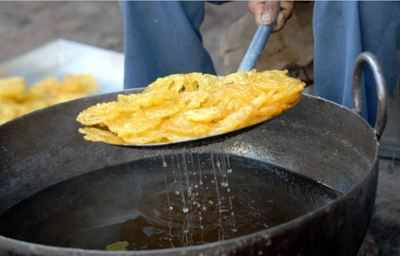
FBOs cannot use oils with total polar compounds exceeding 25%: FSSAI

Mumbai
In a bid to bring clarity over the repeated use of cooking oils, the Food Safety and Standards Authority of India (FSSAI) has proposed that vegetable oils whose total polar compounds (TPC) are in excess of 25 per cent cannot be used by the food business operators (FBOs) for the purpose of frying.
The draft notification issued by the regulator stated that the following details be included under the Food Safety and Standards (Licensing and Registration of Food Businesses) Regulations, 2011, under Schedule 4, Part V, Clause II, Sub-clause 3(j). However, vegetable oil having over 25 per cent TPC cannot be used.
Several food inspectors received complaints last year regarding repeated use of the cooking oils by the FBOs, which prompted FSSAI to take further action in this regard. Further, to streamline the standards for cooking oils, the regulator observed that the regulations had no particular provisions to limit the use of cooking oils.
J P Singh, food safety officer (FSO), Uttar Pradesh, said, “The notification was released just three months after the concerns over the repeated usage of cooking oils were reported by FSOs to the FSSAI. This shows the speed at which the Centre is addressing issues. On studying the detailed analysis of the cooking oils, the prescribed limit was shared with the industry for their comments and suggestions.”
Meanwhile, the regulator has directed FSOs not to draw samples to test the oils till the limits are prescribed by it. Also, the regulation to impose limits on the reuse of the cooking oils, considering the TPC of the used oil, clearly states that the regulator has clarified its intention to build the legal infrastructure to ensure safe food for all.
Moreover, biodiesel manufacturers are keen to develop a parallel legislation, which will address the concerns regarding the repeated use of cooking oils by making use of the used cooking oils from the hotels and restaurants as their raw material to manufacture biodiesel. The hotels and restaurants have welcomed this move and has responded positively in this regard.

France to review food whitener additive for health risks

The French government has ordered a review of the safety of titanium dioxide as a food additive after a scientific study released on Friday found health effects in animals that consumed the substance.
Titanium dioxide is widely used in industry as a whitener, notably for paint. It is an ingredient in some foods such as sweets and known as additive E171.
France's National Institute for Agricultural Research (INRA) and partners in a study on oral exposure to titanium dioxide had shown for the first time that E171 crosses the intestine wall in animals to reach other parts of the body, INRA said.
The researchers observed immune system disorders linked to the absorption of nano-sized E171 particles and found that swallowing regular doses of the additive led to a non-malignant stage of early cancer formation in the colon in 40 percent of animals, INRA said.
"While the findings show that the additive plays a role in initiating and promoting the early stages of colorectal carcinogenesis, they cannot be extrapolated to humans or more advanced stages of the disease," it said, calling for further research to study later stages of cancer.
France's agriculture and health ministries said in a statement they would request a review from the country's health and safety agency ANSES to see if the additive presented risks for consumers.
The findings of the review were expected at the end of March, the ministries said, adding that this was in addition to a wider study of the risks of nano-particles in food launched last year.
The European Union's food safety agency EFSA last year completed a re-evaluation of the E171 additive in food, concluding that available data did not indicate health concerns.
However, it recommended new research to fill data gaps on possible effects on the reproductive system.

Baker, restaurateur, two vegetable sellers booked for violation of food safety act

“A joint checking squad on the instructions of Divisional Commissioner Kashmir today conducted market inspection in various areas of Srinagar city,” said an official spokesman.
Baker, restaurateur, two vegetable sellers booked for violation of food safety act
Two vegetable sellers, a baker and a restaurateur were booked and penalized for violation of Food Safety and Standards Act in Srinagar on Saturday.
“A joint checking squad on the instructions of Divisional Commissioner Kashmir today conducted market inspection in various areas of Srinagar city,” said an official spokesman.
The team comprising officials of Legal Metrology, Food Civil Supplies & Consumer Affairs and Food Safety Standard Departments conducted the drive to book erring traders for violating various consumer protection and food safety standard laws, he added.

Jan 20, 2017

FEMINA ARTICLE


DINAKARAN NEWS


CIFT declared national level referral laboratory

A major mandate of the institute is dispute resolution whenever there is variance in test reports of two laboratories
KOCHI: The city-based Central Institute of Fisheries Technology (CIFT) under the Indian Council of Agricultural Research (ICAR) has been notified as a national level referral food laboratory through a government of India notification.
The mandate of the institute is notified as for the whole of India and the scope of testing includes physio-chemical analysis, bacteriological tests, detection of viruses, bacterial toxins, and anti-bacterial substances, other microbiological tests, and analysis of pesticide residue and heavy metals in fish and fishery products, said a press release here.
A major mandate of the referral laboratory is dispute resolution whenever there is variance in the test reports of two laboratories. According to the Food Safety Act, the designated officer can send the sample to the referral laboratory for opinion against any appeal on the report submitted by the food analyst.
The decision of the referral laboratory is deemed to be final in cases where opinion is sought for settling a dispute or when samples are submitted through the legal route.
The other functions of the referral laboratory include analysis of samples of food sent by any officer or authority authorised by the Food Safety and Standards Authority of India for the purpose and submission of certificates of analysis to the authorities concerned; investigation for the purpose of fixing the standard of any article of fish and fishery product; investigation in collaboration with laboratories of food analysts in various States and such other laboratories and institutions which the food authority may approve on its behalf.
Meanwhile, CIFT Director C.N. Ravishankar was cited in a press release as saying that technologies developed by the institute had played a pivotal role in modernising the harvest and post-harvest sectors of fishery in India, making the country a major exporter of processed fish and fish products.

FSSAI to define 'junk food' to ease fat tax implementation: Srcs

With the government considering a proposal to implement fat tax on junk food, sources say the Food Safety & Standard Authority of India (FSSAI) is working on defining the term ‘junk food’. 
Without a proper definition, tax implementation could become challenging for the government. Sources say FSSAI will consider a definition for High Fat, Sugar & Salt (HFFS) foods. 
It will also look at international standards and classifications while penning down the definition. 
This is likely to lead to change in labelling of packaged foods as they will have to mention it on their labels. 
Some clarity from the food regulator is expected in 1-2 months.

Jan 19, 2017

நல்ல தேனை கண்டறிவது எப்படி?

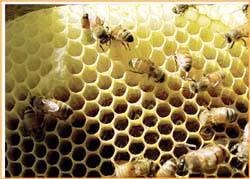
தேன், நினைத்தாலே இனிக்கும் இயற்கையின் அற்புதம். தேனை விரும்பாதவர்கள் குறைவு. கெட்டுப்போகாத ஒரே உணவுப் பொருள் என்றால் அது தேன் மட்டும்தான். பழங்காலம் தொட்டே மருந்திலும், விருந்திலும் தவறாமல் இடம்பெற்றிருந்த தேனில் கலப்படம் என்பதும் ஹைதர்காலத்து பழைய சமாச்சாரம்தான். இன்றைய வர்த்தகமயமான சூழலில் வளர்ப்புத் தேனீக்கள் மூலம் கிடைக்கும் தேன் பெருகிவிட்டது. கூடவே கலப்படமும் இவற்றில் நிறையவே நடப்பதாகக் கூறப்படுகின்றது. இவை கண்ணாடி பாட்டில்களில் அடைக்கப்பட்டு வண்ணமயமான ஸ்டிக்கர்களுடன் கணஜோராக காட்சியளிக்கின்றன. கிட்டத்தட்ட எல்லா பாட்டில்களின் லேபிளின் மீதும் 'ஒரிஜுனல் நேச்சுரல் ஹனி' என்றே குறிப்பிடப்பட்டிருக்கின்றது. சூப்பர்மார்க்கெட்களில் அடுக்கி வைக்கப்பட்டிருக்கும் இந்தத் தேனின் பளபளப்பான நிறம் நம் அனைவரின் கண்களையும் ஈர்க்கவே செய்கின்றது. ஆனால், எளிதில் கலப்படம் செய்யக்கூடிய பொருட்களில் முதலிடம் வகிப்பது தேன்தான். 
வணிக நோக்கத்துக்காக சில நிறுவனங்கள் தேனில் வெள்ளை சர்க்கரையைக் கலந்து விற்பனை செய்து வருகின்றன. தங்களது வியாபாரத்தைப் பெருக்க, இந்திய உணவுத் தரக் கட்டுப்பாட்டு அமைப்பு விதித்திருக்கும் கட்டுப்பாடுகளை தனியார் நிறுவனங்கள் சாமர்த்தியமாக மீறுவதை வாடிக்கையாகக் கொண்டிருக்கின்றன. இதுபோன்ற கலப்படங்களின் விளைவாக தேனுக்கான மகத்துவமும், மருத்துவ குணமும் இல்லாமல் போகிறது. மேலும் தேனில் மற்ற சில கலப்படங்களும் நடக்கின்றன. இந்தக் கலப்படங்களைக் கண்டறிவது எப்படி, நல்ல தேனை எப்படிக் கண்டுப்பிடிப்பது போன்ற விஷயங்களை அனைவரும் அறிந்து கொள்ளவேண்டும். 
* ஒரு சிறு கிண்ணத்தில் தண்ணீரை நிரப்பி, அதில் ஒரு சொட்டுத்தேனை விடவும். தண்ணீரில் அது கரைந்தால், அது கலப்படம் செய்யப்பட்டது. கரைந்து போகாமல் நேராக பாத்திரத்தின் கீழே சென்று தங்கினால், அது சுத்தமான தேன்.
* சுத்தமான காட்டன் துணியை தேனில் நனைத்து, அதை எரியும் தீக்குச்சியில் காண்பித்தால், நன்றாக சுடர்விட்டு பற்றி எரியும். அப்படி எரிந்தால் அது சுத்தமானது. 
* சிறிதளவு தேனை எடுத்து வாணலியில் சூடு செய்தால், அதன் அடர்த்தி குறைந்து, உருகிவிடும். பின்னர் அடுப்பை அணைத்து விடவேண்டும். சுத்தமானதாக இருந்தால், சில மணி நேரங்களானதும், பழைய அடர்த்தியை அடைந்துவிடும். கலப்படம் செய்யப்பட்டதாக இருந்தால், இழந்த அடர்த்தியைத் திரும்பப் பெறாது.
* தேனை கண்ணாடி ஜாரில் ஊற்றி, சில மணிநேரம் வைத்திருக்க வேண்டும். சுத்தமான தேனாக இருந்தால், அடர்த்தி ஒரே சீராக இருப்பதுடன், நிழல் போன்ற அடுக்குப் படலம் ஏற்படாது. தேனின் நிறம் ஒரே சீராக இருக்கும். கலப்படம் செய்த தேனின் அடர்த்தி மாறுபடும். 
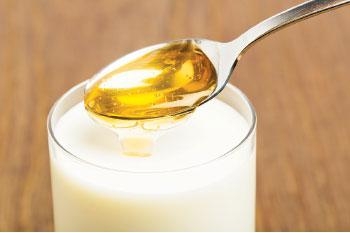
* சுத்தமான தேனுக்கு அடர்த்தி அதிகம். அதை ஸ்பூனில் எடுத்து கிண்ணத்தில் விட்டால், மெல்லிய நூல் இழை போல் இறங்கும். கலப்படம் செய்யப்பட்ட தேன், சொட்டு சொட்டாக வடியும். 
 சுத்தமான தேனை ஒரு பாத்திரத்தில் இருந்து மற்றொரு பாத்திரத்துக்கு மாற்றினால், அதன் அடர்த்தி காரணமாக உடனே ஒட்டாமல் குமிழ் போல பரவி, பாத்திரத்தின் வடிவத்துக்கு ஏற்ப தேன் சம நிலை பெற சிறிது நேரம் எடுத்துக்கொள்ளும். கலப்படம் மிகுந்த தேனை பாத்திரத்தில் ஊற்றினால், உடனேயே தண்ணீர் போல பாத்திரத்தில் சமநிலையில் இருக்கும்.

DINAMALAR NEWS


Gurgaon: MCG will set up lab to check food adulteration

The lab can assist the MCG in expanding their dedicated street food vending zones across the city. 
If you are suspicious of the quality of food or beverage being served and feel it is adulterated, you can soon find out the chemical and metallic contents of the item with the help of the Municipal Corporation of Gurugram (MCG).
The MCG will partner with a leading pharmaceutical company recommended by the Food Safety and Standards Authority of India (FSSAI) to set up a food and water testing laboratory in Gurgaon.
Although the service will be open to public, from MCG’s perspective, the lab can assist in expanding and replicating their dedicated street food vending zones across the city.
“Once food and water served at the street vending zones are certified that they are within the permissible safety limit and do not include high content of metals or other harmful elements, the MCG is looking to expand the scope of the project to other parts of the city,” Vivek Kalia, joint commissioner of the MCG, said.
At the two street vending zones in sectors 38 and 4, the hawking zones offer snacks and beverages at nominal rates.
At each zone, 20 hawkers have set up stalls and serve a range of dishes, including paranthas, vegetarian dishes, maggi, bread and egg, hot and cold beverages, rajma chawal and kadhi chawal, costing between Rs 15 and Rs 70. The MCG has earmarked 31 areas where the zones can be replicated.
Kalia said the new lab will be accredited by the National Accreditation Board for Laboratories (NABL) and adhere to ISO guidelines.
Some of the technologically advanced instruments in the project will include high pressure liquid chromatography (used to separate, identify, and quantify each component in a mixture), ultra water purifying system (used to identify mineral content in liquids), and a dedicated microbiological department that will identify bacteria and microbes in an item.
The MCG said public can test their samples at nominal rates and results can be returned within a month. It is expected to open towards 2017-end, though the MCG is yet to finalise a location to establish the lab.

Time to come down hard on those adulterating food

Traces of harmful chemicals indicate rampant adulteration of milk. The adulteration of milk is particularly worrying as it affects young children the most. 
There have been task forces and committees galore to look into the issue of food adulteration but nothing much has come of these. Clearly, the only solution to this is stricter laws and penalties and this is what the Law Commission has recommended. It has suggested that those convicted of manufacturing and selling adulterated food should be given life imprisonment or pay ₹10 lakh as fine. In its report The Criminal Law (Amendment) Bill, 2017 (Provisions dealing with Food Adulteration) submitted to the law ministry, the law panel has proposed amendments to sections 272 and 273 of the Indian Penal Code. At present the penalty starts from a mere six months in prison. Grading “injury” to those consuming these adulterated products into various categories, the Commission has recommended different jail terms and fines. Section 272 deals with manufacture of adulterated items, section 273 deals with their sale.
According to the amendments proposed, a “non grievous injury” may attract jail term of one year and a fine of ₹ 3 lakh. A grievous injury will fetch a jail term of six years and a fine of ₹ 5 lakh. At the same time, the Food Safety and Standards Act, Rules and Regulations has to be strengthened to stop what really amounts to slow poisoning through unregulated use of pesticides, antibiotics and other harmful chemicals and additives in food and other items of daily consumption. An earlier study found that one in five of food items contained some form of adulterant. Many of these are used daily like water and milk. The adulteration of milk is particularly worrying as it affects young children the most. One of the most frightening instances of adulteration was that of low quality khesari dal being added to arhar dal resulting in paralysis of the lower body. This toxic dal had been banned since 1961 but was freely used over the years. Another report released a few years ago referred to `permissible’ levels of rat excreta in milled flour. Even high end products in India do not have proper labelling, prime among them being cosmetic products.
The Indian penchant to adulterate goes as far as goods being exported. A consignment of Indian pepper was turned back from a European country on account of its containing poor quality berry substitutes. This adulteration affects the health of people at every level, causing life threatening morbidities and in some cases death. Cutting corners for profit in items of daily use cannot be dealt with on a piecemeal basis. A stricter law will be a deterrent once the conviction rate which is abysmal at the moment goes up. The Law Commission’s suggestions are a sign that the cavalier attitude to food adulteration is changing and this must be followed through.

Panel wants stricter law against food adulteration

 
New Delhi, Jan 19,2017, DHNS:
Suggests life term in cases that lead to death
The Law Commission has recommended changes in the penal law to enhance punishment from the existing six months jail to life term for food adulteration resulting in the death of a consumer. 
It also suggested changing laws to award maximum compensation of Rs 10 lakh for pre-mature death.
“The Law Commission considers that the provisions to deal with the production and sale of adulterated food, which is harmful to human beings, be made more stringent, keeping in view the gravity of the offence. The existing maximum punishment of six months for such offences under the IPC is grossly inadequate,” panel chairman Justice B S Chauhan stated in a report submitted to the Centre on Wednesday.
The panel favoured the “punishment essentially be graded with reference to the harm caused to the consumer due to the consumption of adulterated food and drinks”.
It recommended suitable changes in Sections 272 and 273 of the Indian Penal Code.
“The low quantum of punishment and uncertainty surrounding sentencing lends itself to and encourages food safety offences. Raising the overall limit of punishment cannot be enough, however, and a graded framework is hence proposed,” it said.
On a PIL by Swami Achyutanand Tirth, the apex court had in May directed the Centre to bring in amendments in the Indian Penal Code, as done by states like Uttar Pradesh, West Bengal and Odisha , enhancing jail term to the imprisonment for life with or without fine for the offence of food adulteration.
The commission made the report based on a reference by the Union government in November for a comprehensive review of the criminal justice system.

RMC, FDA team raids fruit market, finds use of carbide to ripen fruits


Raipur, January 18: Food and Drugs Administration, Raipur Municipal Corporation and District Administration joint team conducted raid of Lalpur and Malviya Road Fruit Market, in a joint operation.
The action had been taken after doubts were raised over the ripening of fruits using carbide.
From Lalpur based fruit market around 2300 kg banana while from Malviya road fruit market 5500 Kg papaya and 80 Kg Mango was seized. These fruits have been ripened using carbide gas.

Based on Food Safety and Standards Authority of India (FSSAI) regulations the ripening of fruits using carbide has been banned.
According to Ashwani Dewangan, Assistant Commissioner, Food and Drugs administration such raids and action would be carried out further.

Green protocol for Attukal Pongala

Use of plastic to be restricted; Pink Patrol team to be deployed for security
The city Corporation and Shuchitwa Mission will come together to implement the green protocol at the Attukal Pongala festival, to be held from March 3 to 12.
The decision was taken at a meeting held on Tuesday to examine the arrangements being made at the Corporation level for the festival.
As part of the protocol, devotees who take part in the Pongala will be instructed to bring only steel glasses and plates, in order to limit the use of plastic at the venue. Directions were also given at the meeting to prevent the installation of flex boards in connection with the festival.
Groups and clubs extending voluntary help at the festival have been requested to cooperate with the protocol.
CCTV cameras
Pink Patrol will be deployed to ensure the safety of female devotees. Apart from this, around 3,500 police officers will be deputed in two shifts.
Further, CCTV cameras will be installed to prevent robbery during the festival. Directions were also issued at the meeting to various departments in order to ensure the smooth conduct of the festival.
The Food Safety Department was asked to ensure that disposable glasses and plates were not used for Annadaanam at the festival. A special squad will be arranged under the department for ensuring good quality food.
Instructions were also given for ensuring drinking water, the fixing of potholes on roads under the Corporation and the National Highway division, the cleaning of sewers, and the maintenance of street lights in the festival area.
The medical team will begin operation from March 5, in view of Kuthiyottam.
Fire extinguishers will be deployed at various spots around the festival venue, including the parking area.

FSSAI to play tough with direct selling companies

NEW DELHI: After packaged food industry and street food vendors, the food safety regulator is set to tighten the noose around direct selling companies and agents.
The Food Safety and Standards Authority of India (FSSAI) has issued draft guidelines proposing to make it mandatory for such companies to seek regulatory nod before launching or selling food products in India.
"It is necessary to ensure that direct selling food business operators have the mechanism to help consumers on issues related to safe and wholesome food," the draft guidelines say.
Direct selling food business operators will also need to update approvals on a quarterly basis, along with details and identities of the sales force. According to the draft guidelines, the direct selling food business operators would have to maintain proper records, either manually or electronically, of their business dealings, with complete details of their products, services, terms of contract, prices, income plan and details of direct selling agents among others. Companies will need to take undertakings of their agents and be liable to sampling and inspections by authorities.
The industry which includes players such as Amway, Avon, Herbalife and Oriflame is pegged at Rs 8,000 crore annually. The proposed guidelines also want direct selling food business operators to spell out clear mechanisms for consumer grievance redressal and product recalls. FSSAI has sought comments from stakeholders by February 2 on the draft guidelines.
In September last year, the ministry of consumer affairs had issued regulatory guidelines on direct selling, creating a distinction between legitimate direct selling and fraudulent schemes.

Jan 18, 2017

GUIDELINES FOR OPERATIONS OF DIRECT SELLING FBO's


Tax on junk food to boost organic, wellness products

MUMBAI: The government's consideration of a tax on junk foods is expected to boost the current consumption trends towards organic foods and health & wellness products, according to Arvind Mediratta, CEO & Managing Director of Metro Cash and Carry, India.
In a statement, Mediratta, said: "The health and wellness foods sector has been estimated to have a potential of Rs 33,000 crore in the Indian market, with a steady upwards growth rate over the last couple of years. With a large percentage of our population under the age of 30 years - many of them young professionals with busy work schedules - a healthier diet is the cornerstone of a wholesome and healthier lifestyle, with natural and organic foods becoming a key component. The growth of a middle class that increasingly enjoys a larger disposable income and has greater exposure to global standards of food safety and quality is another factor."
Reflecting such patterns of consumption in its business, Mediratta said the firm has seen a strong trend towards organic fresh and packaged foods amongst its customers. "We have also seen kiranas and small retailer customers expanding the breadth and depth of their assortment in the organic staples segment, catering to increasing consumer awareness and resulting in better penetration and distribution of organic foods in Tier 1 and Tier 2 cities," said Mediratta.

List of Certification Bodies -FSMS


Food Safety Management System
Sl.No.Accreditation No.Name of the Certification BodiesValid FromValid Upto
1FSMS 001Bureau Veritas Certification (India) Pvt. Ltd.13 Feb 200712 Feb 2018
2FSMS 002Foodcert India Pvt. Ltd.17 Aug 200716 Aug 2018
3FSMS 003TUV SUD South Asia Private Limited16 Dec 200815 Apr 2020
4FSMS 004Tuv India Pvt. Ltd.24 Mar 200922 Jun 2016
Accreditation Continues
5FSMS 005IRCLASS Systems and Solutions Private Limited
(Operating certification services through its Division Indian
Register Quality Systems)
25 Jun 200924 Jun 2016
Accreditation Continues
6FSMS 006INDOCERT18 Jan 201017 Jan 2017
7FSMS 007SGS India Pvt. Ltd.01 Apr 201031 Mar 2017
8FSMS 008DNV GL Business Assurance India Pvt. Ltd.21 Dec 201020 Dec 2017
9FSMS 009OneCert Asia Agri Certification (P) Ltd.20 Jun 201119 Sep 2018
10FSMS 010Intertek India Pvt. Ltd.09 Dec 201108 Dec 2018
11FSMS 011Vexil Business Process Services Pvt. Ltd.22 Jun 201221 Dec 2019
12FSMS 013BSI Group India Pvt Ltd.18 Oct 201317 Oct 2016
13FSMS 014MS Certification Services Pvt. Ltd.28 Mar 201427 Mar 2017
14FSMS 015KBS Certification Services Pvt. Ltd.
Accreditation Voluntarily Suspended w.e.f. 9 April 2016
19 May 201418 May 2017

Gluten-free Products – Go for it!

Gluten is a natural protein that is found in wheat, barley and rye. Some people are intolerant to gluten and this causes celiac disease. Eating gluten when suffering from celiac disease can damage the lining of the small intestine leading to digestive problems, diarrhoea, bloating and weight loss. Gluten free products are intended for people with celiac disease but a gluten-free diet has become trendy and a vast section of the mainstream has adopted gluten-free products for several reasons.
Rising Popularity
Gluten-free products are no longer just medicinal but are also considered lifestyle products. One of the reasons that people are inclined towards gluten-free diet is because they feel much better when eating gluten free and to top that it improves the mood too. Reduced bloating and weight loss are other reasons why people adopt the non-celiac related gluten-free diet. Since a gluten free diet includes foods like plain meat, fish, poultry, beans, eggs, vegetables, fruits, nuts and legumes besides rice, corn and soy it becomes easy to adopt this diet that doesn’t contain fattening wheat! ‘Live Science’ reports that gluten-free is considered healthier among young adults and women particularly. Public figures and celebs consider gluten-free healthier than other foods and swear that it has amazing detox effects. As a result of the growing popularity of gluten-free products manufacturers now produce a whole range of products including gluten-free cookies, cakes, pasta, etc. Gluten-free has become so trendy that even restaurants have gluten-free foods on their menus.
Nutritional Aspects
Gluten-free has a lot going for it but what takes away from these products is their appearance and a bland taste. To enhance taste manufacturers add high amounts of sugar, fat and sodium to make them more palatable and dieticians question the suitability of such foods as being healthy as they have more fat, sugar and salt. Consumers are also worried about reports that gluten – free products lack nutrients like vitamins, minerals as well as fibre to meet daily requirements. To dispel doubts, manufacturers use nutritious ingredients like pulses, legumes, quinoa, shorgum, buckwheat and amaranth to boost the nutritional value, proteins and fibre. Consumers need to read food labels on gluten-free products so they make a healthy choice. Anyone who is into pre-packaged gluten free products should be on the look-out for iron deficiency. Eating more vegetables, fruits or taking multivitamin supplements is recommended when on a gluten-free diet. On the other hand there are reports that suggest that gluten-free bread and standard bread do not really have very different nutritional value and in fact gluten free pasta could really have lower levels of fat, salt and sodium as compared to standard pasta. Is it any wonder then that gluten-free products have become popular as they have health written into them.
Innovative Manufacturing Technologies in Practice
According to estimates the market for gluten-free products is expected to grow to $6 billion by 2017. However, what consumers are looking for are good variety, nutrition quality and fine appearance. Fortunately, innovative manufacturing technologies and the development and use of flours, starches and bran made from alternative ingredients, are enhancing both taste and appearance. One of the innovative ingredients being effectively used in gluten-free products is almonds because of their fine taste and nutritional value. Blanched almond flour has always been popular in bakery and confectionery and has now become a gluten-free staple.
Natural almond meal along with the skin contains higher levels of vitamin E, potassium, fibre and calcium. Almond bran created from the brown outer skin of blanched almonds is a multifunctional antioxidant with a prebiotic component. Rice and tapioca flours give a better appearance, colour and texture and are less gritty and are similar to wheat in terms of nutrition and shelf life. Flours from legumes like peas, chickpeas, beans and lentils are high in protein, vitamins, minerals, fibre and nutraceutical phytochemicals, and attract vegetarian gluten-free consumers. Pulses are used in gluten-free pasta, snacks and even as substitute bread crumb and as a milk-like beverage. Everyone knows that potatoes are gluten-free therefore potato flour has gained acceptance as an alternative in bakery products like cake-mixes and cookies. Potatoes are also rich in B vitamins and potassium, and are one of the very few foods that do not lose vitamin C when cooked.
Gluten-free alternatives have become a big industry and food manufacturers are going for gluten-free products in a big way. This year, the Food Safety and Standards Authority of India (FSSAI) has introduced standards for gluten-free foods. According to the FSSAI gluten-free food consist of ingredients containing rice, millets, ragi, pulses or legumes. A product can be labelled gluten-free only if it contains gluten levels at 20 mg/kg. Foods must be analysed by the method declared by the Organization for Economic Co-operation and Development or the Association of Official Agricultural Chemists to be rated as gluten-free and any food that does not fit this criteria and is labelled gluten-free will amount to misleading the consumer. FSSAI also has provisions for Low-Gluten foods that have been specially processed to reduce gluten content to levels of 20 to 100mg/kg. This label shall also carry a ‘warning’ that the food labelled as Low Gluten may pose a risk for those with celiac disease.

Life term for food adulterators?


NEW DELHI: The Law Commission has recommended enhancing punishment from six months to life imprisonment under Sections 272 and 273 of Indian Penal Code (IPC) in case of death of a person due to adulteration of food and drinks. The matter is under adjudication of the Supreme Court which has to take a final view whether these amendments are required in the IPC or similar provisions under other laws are sufficient.
The law panel has forwarded its report to the apex court through the government and has proposed stringent punishment to those found guilty of adulteration of food and drinks. The apex court, while hearing a public interest litigation (PIL) last year, had asked the panel to give its view whether the Centre needed to revisit the Food Safety and Standards Act of 2006, which is the single reference point for all issues relating to food safety and standards. While hearing the PIL, the SC had favoured life term for offences of food and drink adulteration where it causes death.
Grading 'injury' to those consuming adulterated products into various categories, the panel recommended different jail terms and fines. "Non-grievous injury" may attract jail term of one year and a fine of Rs 3 lakh. Grievous injury may lead to a jail term of six years and a fine of Rs 5 lakh. In case of death of a person, the panel has recommended life in jail and a fine of Rs 10 lakh.

Jan 17, 2017

DINAKARAN NEWS


More red meat, higher the risk for bowel disease


FSSAI issues draft guidelines for direct selling FBOs

Food regulator FSSAI today issued a draft guidelines for direct selling companies engaged in food business, proposing mandatory licenses from either central or state authority, besides spelling out mechanisms for consumer grievance redressal and product recalls.
The Food Safety and Standards Authority of India (FSSAI) has sought comments from stakeholders by February 2 on its "draft guidelines for operations of direct selling food business operators (FBOs)".
In its first guidelines for direct selling FBOs to ensuring food safety, FSSAI said: "...It is necessary to address all ways in which food is supplied to consumers, including sale of food by direct selling companies."
Stating that food supplied through direct selling must meet same requirements as food sold in shops, the regulator said: "It is necessary to ensure that direct selling FBOs should have mechanism to help the general public to address the issues to consume, safe and wholesome food supplied through operation of this model."
According to the guideline, a direct FBO has been defined as an entity selling food product directly to consumers or through network of their agents, representatives, consultants, direct distributors.
FSSAI said direct selling FBOs would require to take license from it for activities related to the business, including manufacturing, import, distribution and retailing among others.
If the FBOs are operating in more than one state, then they would need to take licenses from the central licensing authority for their network of agents and salesman.
As per the draft guidelines, the FBOs would have to maintain proper records either manually or electronically of their business dealings, with complete details of their products, services, terms of contract, prices, income plan and details of direct selling agents among others.
On the issue of consumer of complaints, FSSAI said the direct selling FBOs would be responsible for maintaining effective grievance redressal mechanism and will have to address issues within seven working days.
Moreover, the FBOs will be liable for grievances arising out of sale of products by them or their agents.
On products recalls, the regulator proposed direct selling FBOs and their agents should immediately comply with recall orders issued by FSSAI and provide details to the authority.
The FBOs would also have to submit an undertaking stating that their agents would comply with Food Safety and Standards Act and rules and regulations made under this law. They would be liable to sampling of food product at any point.
Last year, FSSAI had also issued draft guidelines for food business operators in e-commerce sector.

Beware, you’re not served what you have asked for


A recently-published study of the National Institute of Nutrition highlights risky practices among street food vendors.
If street food is an irresistible indulgence, choose with care where your palate is treated, warns a recently-published study from the National Institute of Nutrition.
The institute in the past has pointed out through several studies the risk of eating street food, including serious bacterial contamination, but in its recent study has listed risky practices among street food handlers. These practices were determined after examining 463 samples of food collected from across the city, and the way they were handled from storage to serving.
Accordingly, testing for food-borne pathogens revealed that most of the carrots used in the samples and over three-quarters of onion — two commonly-used vegetables — were contaminated with the bacteria escherichia coli. The bacteria, known to be a part of the human gut flora, are expelled in faecal matter. Though not all, some types of E.coli can cause serious illnesses.
The study was published in the British Food Journal.
The study is part of the institute’s larger efforts to improve food safety standards in the city. Partnering with the Greater Hyderabad Municipal Corporation (GHMC) and civil society organisations, researchers at the institute have developed a training module based on the findings. A few vendors have also been trained. The training suggestions are low-cost measures to get more vendors to adopt them.
Among the common high-risk practices examined in the study, which have been addressed in the training module, researchers found that pani puri vendors, who did not wash their hands with soap, had higher risk of contaminating the delicacy with fecal coliforms like E.coli. In all, about 150 samples of pani puri were analysed.
Researchers also estimated that leaving peeled or cut fruits and vegetables uncovered, made them 13 times riskier to consume than ingredients well stored.
Besides street food, studies in the past have also assessed quality of ice creams sold by pushcart vendors.
A study published last year by food and nutrition researchers of Osmania University found that about a third of samples tested were contaminated due to poor hygienic conditions at point of preparation and subsequent inadequacies in handling.

Watch your plate: Doctors warn against eating out


HYDERABAD: Next time you try a new restaurant, do check if they have a food license from the Greater Hyderabad Municipal Corporation(GHMC).
After a series of crackdown against restaurants revealed how they were dishing out unhealthy food, city doctors have warned of serious health concerns. In the past few months, authorities in the twin cities have sealed about 75 hotels and restaurants.
Warning foodies of serious health implications, both short term and long term, Dr P Avinash, a paediatrician who treats about 3-4 food poisoning cases a month said, "These foods primarily infect the stomach with bad bacteria and kill the good bacteria. The bad bacteria then spread to the other parts of the gut causing infections and allergic reactions."
Many street vendors reuse the same oil to cook snacks, eating such food can also cause cancer, say doctors. "The soot that results from the over burning of cooking oil is stuck to food and injecting it regularly might lead to various types of cancers," Dr K Sreekanth, consultant onco-surgeon with Yashoda hospital.
Many customers think a hotel with a good ambience is a safe place to eat. But M Devender, food inspector of Secunderabad Cantonment Board says, the major issues they come across are hygiene of the kitchens in the hotels. Even though the serving area is well maintained, the kitchen and the storage places fall below the prescribed standards, he said.
Eating food outside on regular basis is also harmful for your liver, says Dr Sanjoy Paul, a diebetologist with Apollo Sugar. "About 20 per cent of the patients that come to me have food poisoning. Most of it is caused by the nitrous compounds present in the foods. Apart from minor problems like nausea and vomiting, these compounds can also lead to liver damage and jaundice."
One best way to solve this problem is, GHMC should make it mandatory to post all the food establishments to post their business licenses and also food inspectors food safety checkups on the wall at the entrance.Lakshma Reddy
In a city with huge migrant and floating population, it seems almost impossible to discourage people from eating food in restaurants and street food carts and the increasing demand only shows that the business is going to thrive in the future.
However, the GHMC, with a severe staff crunch, is struggling to put a check on the malpractices followed at the ever-growing numbers of food centres in the city. Ravi Kiran, assistant commissioner, GHMC said, "There is a requirement of 26 food inspectors in the GHMC limits and we just have four. Even though we are doing our best, it is still not enough. We urge the public check for the GHMC license and avoid eating at places that lack permission."

Eatery sealed for lack of hygiene


Noida: A restaurant in Noida's Sector 18 was sealed on Monday after a team from the food safety and drug department (FSDA), Lucknow, conducted a raid in the eatery for operating in "unhygienic conditions."
According to sources, a team from FSDA raided the Top Breads restaurant and another one on the premises of Radisson Blu Hotel, Sector 18.
The team led by FSDA additional commissioner Pradeep Kumarcollected five samples of food ingredients from Top Breads and three from Radisson Blu. The Top Breads samples were found 'unhygienic'. "The bread, cream, butter and the base of the cakes are being prepared in unhygienic conditions here," Kumar said.
Tarun Chopra, owner of Top Breads, told TOI that the restaurant has been operating for the past 19 years and the management has applied online for a licence from FSDA.

Delhi govt may raid restaurants in CP, Khan Market over hygiene


The Delhi government will launch a food surveillance programme starting Monday to determine quality and hygiene of the fare served in restaurants and fast food chains across the city.
The drive will cover major food hubs as well as sale of packaged food items like chips and juices. In the first phase, target areas to be covered under surveillance will be Connaught Place, Karol Bagh, Chandni Chowk, Khan Market, Lajpat Nagar and a few others, sources in the department said. The purpose of the programme is to ensure that eateries are conforming to conditions laid out in the Food Safety and Standards Act, 2006.
"It will have a great preventive effect in the food market regarding unsafe and unhealthy food all across the national Capital, including leading food chains here," said Dr Mrinalini Darswal, food commissioner,department of food safety.
According to Darswal, this is one of the most ambitious programmes undertaken so far and the department has tied up with nine private laboratories with 'microbiological' trial facilities. Microbiological tests can detect pathogens and spoilage organisms in food which a normal chemical test facility cannot scrutinise. Earlier, the department was conducting only chemical testing due to shortage of staff and food inspectors. "We have started our microbiological food testing labs which can detect bacteria, fungus and virus inside a food item. The officials can also write their comments in reports on the kitchen hygiene of these food eateries, besides sample tests," Darswal said. The commissioner said food officials will pick thousands of food samples everyday from the market irrespective of the size and brand of an outlet. "The officials from private labs will pick up surveillance samples (for preliminary testing) and if these food samples fails at in the initial testing then the government food inspectors will pick legal samples for prosecution purpose," she said.
Food fix
Food officials said the programme was planned after they received complaints from consumers against popular food chains operating in the city. The officials said the raids will include cooperatives such as Mother Dairy, transnational food chains like McDonald's or Pizza Hut, and domestic businesses like Haldiram or Bikanerwala. "Our sole aim is to ensure hygiene and standard quality served to the people by these eateries," said Darswal.
Reacting to the programme on food safety, spokesperson for Domino's Pizza said they have always "maintained highest quality standards" and strictly adhere to all policies applicable on the food business. "We always look for areas for continuous improvement in our operations, supply chain and storage. As a practice, in case of a customer complaint, we closely investigate the matter and immediately take necessary measures," the spokesperson said.
Queries to other popular city food chains like KFC, Pizza Hut, McDonalds did not elicit any response.
The food and drug department of Delhi carries out surprise inspections and raids of food establishments and draws samples of food articles that can be potentially adulterated, substandard or misbranded. However, in the programme beginning Monday the scale will be wider, said officials.
As per the official process, when the department receives a complaint about an adulterated food item, a report is filed and marked to the designated district officer, after which the officer collects samples. The samples are sent for testing where the food analyst supervises the work and sends the reports back to the department concerned. Officials said the programme is part of a larger initiative to spruce up food safety standards in the Capital. "A proposal has been sent to the Central government for commissioning more food laboratories and revamping the existing ones. The Centre has agreed to fund for state-ofart food laboratories," officials at food department said.
The FSSAI recently trained at least 23,000 street vendors all across Delhi for food hygiene. "This was done under Pradhan Mantri Kaushal Vikas Yojana (PMKVY), a flagship scheme of the Ministry of Skill Development and Entrepreneurship and all the street vendors have been registered, trained food hygiene and provided with a certificate," officials said.

Jan 16, 2017

Spinach in Hyderabad markets richer in insecticide than in iron?

HYDERABAD: Spinach, well known for its rich iron content, comes laced with insecticides in Hyderabad as found by a study published recently by researchers from the Department of Entomology at Professor Jayashankar Telangana State Agricultural University.
To carry out the study, researchers G Geetha and C Sreenivas, collected samples of spinach from three main vegetable markets Gudimalkapur, Mehdipatnam and Shamshabad. While around 11 pesticides were found in the spinach samples, around five pesticides were frequently found in all the sample: chlorpyrifos, triazophos, cypermethrin, deltamethrin + triazophos and profenophos.
However, it is difficult to declare the pesticide residues as unsafe as there is no Maximum Residue Limit set for spinach by the Food Safety and Standards Authority of India. The FSSAI has set MRL standards for only a handful of vegetables like soyabean, onion, ginger, okra and green chilly that are exported to other countries. But, if the pesticide residue found in spinach is compared to MRL set for other vegetables, it shows that the residues in spinach are much higher. For example, MRL set by FSSAI for chlorpyrifos is 0.5 milligram/kilogram (mg/kg) for onion. It was found to be as high as 6.3 mg/kg in spinach. The EU standard for triazophos in onion is 0.2 mg/kg which was found as high as 6.8mg/kg in spinach. The Codex Alimentarius of Food and Agriculture Organisation set cypermethrin standard at 0.1mg/kg for onion which was detected at 3mg/kg for spinach.
Dr Shashi Bhushan Vemuri, former head of All India Network Project on Pesticide Residues, said, “None of the pesticides found in the spinach samples should have been actually found as their usage on vegetables is not recommended. Spinach is often sprayed with pesticides just before it is brought into markets as the vegetable has big and soft leaves.”


Junk food, sugary drinks may invite higher taxes

HIGHLIGHTS

  • Government is mulling an additional fat tax on sugary beverages and packaged food.
  • This is seen as an effort to curb the growing incidence of diseases like diabetes and obesity.
  • There were 69.1 million cases of diabetes in India in 2015.


NEW DELHI: Junk food and sugar-sweetened beverages may attract higher taxes in the upcoming budget. In an effort to curb the growing incidence of lifestyle diseases like diabetes and obesity, the government is mulling an additional fat tax on sugary beverages and packaged food high on salt and saturated fats.
The proposal was made by the group of secretaries on health, sanitation and urban development in a recent meeting with PM Narendra Modi to discuss budget proposals, an official said. The 11-member group has also suggested that proceeds from such higher taxes be used to increase the government's spending on health.
"I n our presentation to the PM, we suggested higher taxes on junk food and sugary beverages because consumption of such products is growing fast and fuelling several lifestyle diseases like obesity, diabetes and heart disorders. We have also suggested that revenue earned from such tax be invested in health schemes," said a member of the gro up.
T he proposal for higher taxes on such products has been in the pipeline since April last year. The government had also constituted an inter-ministerial committee headed by the health secretary to deliberate on the proposal to impose stringent measures including higher taxes and restrictions on endorsements and advertisements of such products on TV, mainly during prime time . "The FSSAI (Food Safety and Standards Authority of India) is already working on mechanisms to regulate consumption of junk food. This is crucial given the growing disease burden in India," health secretary C K Mishra said, adding the ministry was in support of the proposal made by the group of secretaries.
Of late, FSSAI has issued several guidelines to regulate junk food, including those on sale of such food in schools, and packaging norms. India's diabetes burden and the obesity problem have assumed serious levels. Experts blame these on the consumption of sugary beverages and junk food. Every year, nearly 5.8 million Indians die of heart and lung diseases, cancer and diabetes. In 2015, 69.1 million cases of diabetes were diagnosed in India.
This kind of tax also exists in many other countries which has resulted in people ... Read MoreCaptain Zed
Th e disease burden is also fast increasing among children. Globally, the trend is high among children under five years of age with at least 41 million found to be obese or overweight in 2014. While the prevalence rate of obesity in this age group is still low in India at less than 5%, the WHO suggests it is rising at the fastest pace among all developing countries. Between 1990 and 2014, the number of overweight children in low and middle-income countries more than doubled from 7.5 million to 15.5 million. In 2014, almost half (48%) of all overweight and obese children under 5 years lived in Asia and a quarter (25%) in Africa.
"High consumption of sugary beverages contributes to multiple metabolic disorders due to accrual of body fat, as well as directly through excess nonesterified fatty acids (NEFAs), which impair critical functioning of the liver, pancreas and cellular functions," said Dr Anoop Misra, chairman of Fortis CDOC Centre of Diabetes. The government's move is in line with the WHO which has been urging its member countries to regulate eating habits.

Jan 15, 2017

Watch out what you eat, it may harm your health

A day after Food & Drug Administration (FDA) found adulteration in common food items sold in the city markets, activists and citizens have demanded better monitoring of the food and swift action against the erring manufacturers and traders for selling adulterated food.
Laboratory tests conducted by the Nashik division of FDA found presence of nickel in vanaspati ghee and oil, soluble colours in chilli powder, urea in milk and bacteria in packaged drinking water. Activists and citizens told TOI that as buyers, they are unable to detect whether the food is safe for consumption. Unless the government deals the issue with an iron hand, people will be at the receiving end, they contended.
Consumer activists claimed that the FDA action against these spurious food items is just an eyewash and officials were not making any sincere efforts to curb food adulteration. They claimed that most vegetables are mixed with colours so that they look fresh and fruits are ripened with help of some chemicals.
Vilas Deole, secretary of Nashik Zilla Grahak Panchayat, said the worst part is that the consumer does not have the right to lodge a complaint if he suspects that the product he has purchased is adulterated. "The departments concerned take the information from customers and only give assurance to investigate the matter. Such complaints do not reach any logical conclusion," Deole added.
It is also mandatory for the civic administration to conduct checks of the stables from where milk is sold twice a month. However, the departments concerned are least interested in conducting the checks, he alleged.
Activists said buffaloes were injected with steroids by some owners, which ultimately lead to poor quality milk. The activists cited reports in TOI according to which a bench of the Supreme Court referred to reports of the Food Safety and Standard Authority of India (FSSAI) of 2011, which said that over 68% of the milk sold in the market was adulterated.
Many citizens said there were certain brands in the market which sold genuine products. Even when the price of the product of different companies is the same, the shopkeepers keep only a particular brand for sale from which they can earn more profit. Many citizens suggested that FDA should start a free laboratory in the city, where any person buying a product can get it tested to check if it is safe for consumption.
FDA officials said they take up continuous action. However, the staff crunch prevented them to take up more cases.

Jan 14, 2017

Diet diary: The pitfalls of tampering with our food supply

The alarming increase in gluten-related disorders and celiac disease in the last decade has led to much speculation on the causes, with the majority of the blame apportioned to the new cereal hybrids introduced into our diet.
Milk in India is referred to as the elixir of life but many people are increasingly shifting to dairy-free and vegan diets.
Some of the most profound changes in our food supply have had a negative impact on our health. Here is a list of a few:
Modification of wheat
The alarming increase in gluten-related disorders and celiac disease in the last decade has led to much speculation on the causes, with the majority of the blame apportioned to the new cereal hybrids introduced into our diet. This implies that changes in the gluten containing cereals themselves have been the principal cause. Sophisticated hybridisation techniques have been used to produce new strains of modern wheat, which could be high-yielding, high-gluten, disease resistant or pest resistant. These have made their way into our food supply in the absence of human safety studies. It is believed that these newer varieties are highly immunogenic compared to earlier varieties. Their effects can be diverse ranging from mild nutritional deficiencies to disorders like digestive problems, migraines, acne, skin conditions, mental health to diseases like auto-immune, growth & cancers. Very often symptoms can be mild and eventually serious diseases can manifest later.
Milk
Milk in India is referred to as the elixir of life but many people are increasingly shifting to dairy-free and vegan diets. Increased demand for milk has led to cross breeding and the creation of genetic variants. There are two varieties of cows based on their genes: the high yielding ones that produce A1 milk protein and the other, which produce A2 milk protein. Studies suggest that milk from cows with A2 genes is far healthier than that of their A1 counterparts. Evidence linking A1 milk to ill-health is building. These include conditions like type -1 diabetes, cardiovascular disease (IHD), delayed psychomotor development among children, autism, schizophrenia, sudden infant death syndrome (SIDS) auto-immune diseases and intolerance. Those with digestive disorders like stomach ulcers, ulcerative colitis, Crohn’s disease, Celiac disease, and on long-term medication or antibiotic treatment, are at higher risk.
Refining of oils
In the aspiration for healthy eating, almost every urban household today has switched to refined vegetable oils. The first casualty has been traditional cooking fats like desi ghee and coconut oil. But abandoning traditional fat in favour of modern oils has also led to radical decline in health. If statistics are to be believed, heart disease, diabetes and cancer rates are growing exponentially. Refining of oils involves natural oilseeds being heated to a very high temperatures (often over 200°C) and oil is then extracted through a solvent extraction process. This high heat destroys most of the essential fatty acids (the reason why one needs fat), natural vitamins including Vitamin E and antioxidants. Even lecithin, a fat emulsifier present in oil, is sold separately to the food industry. The oil thus obtained, ripped off its antioxidants tends to become very unstable and prone to rancidity. Therefore, then it is further subjected to a process of hydrogenation to increase its shelf life. This process is seriously harmful as it causes formation of “trans fatty acids” which increase risk to coronary artery disease.
Refining of sugar: HFCS
Refined sugar has been associated with not only an increase in diabetes, heart disease and cancer but also digestive and immune function disorders. Refined sugar is cheap, has better shelf life and texture and is easy to use. This has not been without serious repercussions. Sugar’s role in metabolic diseases like diabetes is well known. But its impact is far greater. In excess, sugar can lead to coronary heart disease, obesity, insulin resistance, metabolic syndrome, poly-cystic ovarian syndrome (PCOS), lowered immunity, impaired brain function and increased risk to cancer. Sugar, in fact has been found to be addictive in nature, using the same neurological pathways as narcotics to hit the pleasure centre of the brain. Worse still, a new combination of sugars (50% fructose and 50% glucose), also called high fructose corn syrup (HFCS), has found its way as a sweetener and significantly increases blood fat levels, which eventually can lead to fatty liver, pre-diabetes or metabolic syndrome.
Pesticides, preservatives and undesirable processing
Increased intake of chemicals including chemical pesticides, preservatives, additives, stabilisers and solvents in our food have been associated with high risk of health problems including auto-immune diseases, neurological problems, reproductive and birth defects and cancers to name a few.

Vadodara Municipal Corporation teams check undhiyu, jalebi samples for quality


VADODARA: Teams of food safety officers of the Vadodara Municipal Corporation (VMC) conducted extensive checking of various delicacies consumed during Uttarayan. Samples of food that looked substandard quality were collected by the officers
The officials began the drive since early this week, particularly on Thursday and Friday. Since Thursday, shops in the Waghodiya Road, Alkapuri, Tarsali, Karelibaug, Ajwa Road, New Sama Road, Khanderao Market, Warasiya, Sanjaynagar, Kadakbazaar and TP-13 areas of the city were checked.
Officials said that 27 samples of food products believed to be of substandard quality were collected during the drive since Thursday. The samples included those of prepared food items as well as raw material. The officers also destroyed 20 kg material during the drive.
Several food business operators were also issued warnings to maintain hygienic conditions at their shops. Sources said that since undhiyu-jalebi and chiki were consumed in large quantities during Uttarayan, preparations to make them began well in advance by those selling them.

HC: Sub-Inspectors can’t order closure of hotels

KOCHI: The Kerala High Court on Friday held that police sub-inspectors do not have the power to order closure of hotels after 11 pm citing the menace of antisocial activity. The court issued the order while considering a petition filed by R Ravikumar, owner of Sree Bhadra Hotel, challenging an order by the Sakthikulangara SI to close the hotel at night.
The petitioner argued that he had been operating the hotel with the necessary licence and certificate. According to the petitioner, the police official issued the order citing traffic congestion and increasing anti-social activities in the area.
The SI, meanwhile, submitted that shops and retail outlets at Sakthikulangara, Kavanadu and the nearby areas were directed not to function between 11 pm and 4 am, following complaints of theft. Recently, burglars had targeted some textile shops and bakeries. The petitioner submitted that no government agency, including the Food Safety and Standards Authority of India, had imposed any restriction on operating at night.
Observing that the petitioner did not commit any offence and no crime was registered against him, the court stated, “anti-social activities by a few individual cannot be a ground to direct a hotel to close down after 11 pm. If anyone commits offence, it is up to the police to investigate, and to take measures to avert such incidents in future. The SI issued the order in violation of the principles of natural justice.”