Mar 19, 2015

What FBOs must do to ensure food safety?


What FBOs must do to ensure food safety?
The food business, like all other businesses, must be operated with sincerity, responsibility, transparency, and accountability. Importantly, the Food Business Operators (FBOs) must realize that they too have a major responsibility in society, since the food they supply or serve has a direct bearing on the health of the citizens. With this in mind, the Food Safety and Standards (Licensing and Registration of Food Businesses) Regulations, 2011 have clearly stipulated that all FBOs must have a valid license/registration in compliance to FSS Act, 2006.
It is to be noted that FBOs include any of the following: hotel, restaurant, catering, permanent/temporary stall holder, hawker (mobile food vendor), home based canteens/dabba wallas, petty retailer of snacks/tea shops, manufacturer/processor, packaging/re-packaging, food stalls/arrangements in religious gatherings, fairs etc., milk producers (who are not members of dairy co-operative society)/milk vendor, dhaba, fish/meat/poultry shop/seller, distributor/supplier, as well as others that may not strictly fall within the above classification.
The Schedule 4 of the Food Safety and Standards (Licensing and Registration of Food Businesses) Regulations, 2011, clearly identifies what the FBOs need to do in order to maintain high standards of food safety. The regulations indicate that all FBOs must maintain general hygienic and sanitary practices. This applies to petty FBOs; FBOs engaged in manufacture, processing, storing and selling of milk and milk products; FBOs engaged in manufacture, processing, storing and selling of meat and meat products; and FBOs engaged in catering/food service establishments.
Since the last category i.e. catering and food service establishments such as hotels, restaurants, snack bars, canteens, rail and airline catering, hospital catering, neighborhood tiffin services/dabba wallas, etc. come in contact directly with the public-at-large, this category is discussed in detail below.
The following guidelines should be followed by the FBOs:
  • Food preparation areas must be clean, and properly ventilated. Separated and designated sinks to be provided for washing raw food and cleaning cooking utensils.
  • Food areas and equipment between different tasks, especially after handling raw food should be cleaned.
  • There should be adequate number of hand wash basins, along with soap and water, and clean dry towels/tissue papers for the customers.
  • Facilities for staff to change their clothes, where necessary must be provided.
  • Raw materials shall be purchased from reliable and known dealers and checked for visible deterioration and off-odor.
  • Whole fruits and vegetables should be washed in potable water before being cut, mixed with other ingredients.
  • Raw meat and processed meat should be separated from other foods, items and surfaces.
  • Separate items (e.g. cutting boards, dishes, knives) and preparation area for raw meats and poultry and marine products should be used to avoid cross-contamination of food.
  • Hands should be thoroughly washed before switching from preparing raw meat or poultry or marine products to any other activity.
  • Ensure proper cooking of all non-vegetarian products.
  • The vehicle/transportation being used to carry cooked/prepared/processed food should be clean and, dedicated for this purpose and should not carry anything else.
  • Time required for transportation should be minimum, to avoid microbial growth.
  • Fresh fruits/vegetables cut or juiced should be used immediately; however, short storage should be only under refrigeration in sanitized and properly covered vessels.
  • Water used in beverages should be potable.
  • Ice used should be made of potable water only.
  • Prepared confectionery products should be kept in airtight containers and displayed hygienically (no flies please!)
  • Cream to be used should be stored covered under refrigeration.
  • Good quality, packaged/branded oils/fats should be used for food preparation, frying etc.
  • Use of oils with high trans-fats (like Vanaspati) should be avoided as far as possible.
  • Ingredients added to the cooked food should be thoroughly washed/cleaned.
  • Garnishes etc., if added, should be prepared using fresh, thoroughly washed and freshly cut vegetables and used immediately.
Keeping in mind the theme of “Food Safety” for the upcoming World Health Day on April 7, 2015,the World Health Organization (WHO) has come-up with an ingenious idea for spreading awareness about food safety amongst food handlers that applies not only to homes and private canteens, but also to commercial establishments such as hotels, restaurants and dhabas. WHO has developed a poster highlighting “Five Keys to Safer Food”
In essence, the five keys are:
  • Keeping clean, both oneself as well as the cooking area while preparing food.
  • Separating raw food from cooked food in order to prevent cross contamination.
  • Cooking the food thoroughly in order to kill all germs that may be present.
  • Keeping the food at safe temperatures: hot food hot (140°F+), cold food cold (41°F or lower), especially during buffet service.
  • Using safe water and raw materials for cooking.
Having set out instructions for the FBOs, the responsibility for enjoying good food does not end there. Some of the responsibility has to be shared by the consumers as well, especially while eating outdoors. When eating out, there is a special need to protect oneself and one’s family. Make sure that the restaurant is clean. Confirm that tables, floors, and utensils are clean. See that the waiters serving food are wearing clean clothes and maintaining basic personal hygiene (not coughing, sneezing, touching nose, smoking or chewing tobacco products etc.). Ensure that there are no insects like cockroaches or rodents like rats roaming about on the floor. Check that your food is cooked thoroughly. Meat, fish, poultry, and eggs should be cooked thoroughly to kill germs. If food is served undercooked or raw, send it back.
If you decide to take your leftovers, remember to refrigerate it within 2 hours of eating out. If food is left in a hot car or temperatures above 90°F, refrigerate it within 1 hour. Eat leftovers within 3-4 days and throw them out if they smell bad or there are visible signs of deterioration. Following these simple instructions will ensure a safe, healthy, and enjoyable eating experience for all.

Single kitchen for veg, non-veg stirs up storm with food safety department

COIMBATORE: Sixty-five-year-old Red Fields-based Raghunathan S and his family walked out of a North Indian restaurant in Race Course because their Achaari Paneer smelled different. An innocent waiter also admitted that they sometimes use the same grill and kebab sticks for vegetarian and non-vegetarian food. 
A majority of the mid and small level restaurants in the district say they find it economically unviable to use different vessels for vegetarian and non-vegetarian food. This is despite clause 2 of the Food Safety and Standards Act 2006 clearly stating that 'separate cutting boards, knives, dishes and preparation area should be provided for raw meats, poultry and marine products. ' 
Mainstream restaurants say it is impossible to follow the system unless you are a fast-food joint. "During peak hours when we serve 15 tables with a menu of 150 dishes, there is a lot of pressure in the kitchen," said Pradheesh Narayanaswamy, owner of the Mexican restaurant Mexitoes. "Having a double kitchen system is too big an investment," said the owner of a continental food restaurant in Race Course. "Though we keep the tawas, oils and cutting board separately, we never assure customers of using separate dishes, refrigerators and ovens" said Narayanasamy. 
"We try our best to have separate dishes for vegetarian and non-vegetarian food for every cuisine we serve, because we do not want the flavor or smell of any dish to get affected," said the Continental food restaurateur. "But many sauces or gravies that is served with both meat and vegetable can't be cooked twice," he said. 
Many Jains and Brahmins though feel that it is against their religious sentiments when the same vessels are used to cook vegetarian and non-vegetarian food. "We are afraid that some flavor or part of the meat will enter our food," said Coonoor-based resident Urmila Chordia. 
Religious sentiments aside, there is a risk of food contamination, say food scientists. "When raw meat and raw vegetables come into contact with each other before they are cooked, there is a risk of cross contamination because both types of food have a completely different set of bacteria," said food scientist Janani Sundararajan. 
However, few restaurants like Avinashi Road-based Yolo follow this rule to the dot. "We have separate burners and cutting boards for vegetarian and non-vegetarian food," said owner-S Harsha Vardhan. "We also color code our dishes, knives, tawas and kettles, green (vegetarian), yellow (egg) and red (non-vegetarian), so even at the end of the day the dishes are not mixed up," he said. 
The Food Safety Department said that they do reiterate this rule every time they conduct a camp for restaurants that have applied for and have been issued a license. "However, we can't monitor them every minute," said designated food safety officer R Kathiravan.

Officials seize tobacco products worth Rs. 1.60 lakh

Food Safety Officers seize tobacco products from shops on Thomas Street, near Town Hall, in Coimbatore on Wednesday.

Tamil Nadu Food Safety and Drug Administration Department (Food Safety Wing) officials seized more than 850 kg of tobacco products from shops here on Wednesday.
Team
A team of nine Food Safety Officers led by Designated Officer R. Kathiravan conducted inspections at shops in Town Hall area.
During the course of the inspection, banned tobacco products were seized from shops on Thomas Street and RG Street.
The total value of the seized products was estimated to be around Rs. 1.60 lakh. The officials have taken samples of the product. It would be tested at the Government Food Safety Laboratory here. Once the tests confirm the seized items were banned tobacco products, it would be destroyed at the Corporation Compost Yard at Vellalore.
The ban on ghutka, pan masala, and other products containing tobacco and nicotine was in force since May 8, 2013.

DINAMALAR NEWS


கோவை குடோன்களில் ரெய்டு 850 கிலோ புகையிலை பொருள் பறிமுதல்

கோவை, மார்ச்.19:
கோவை தாமஸ் வீதி பகுதிகளில் உள்ள குடோன்களில் புகையிலை பொருட்கள் தொடர்பாக மாவட்ட உணவு பாதுகாப்பு பிரிவு அதிகாரிகள் நேற்று அதிரடி சோதனை நடத்தினர். இதில், 850 கிலோ புகையிலை பொருட்கள் பறிமுதல் செய்யப்பட்டது.
தமிழகத்தில் பான்பராக், குட்கா, புகையிலை போன்ற போதை பொருட்கள் விற்பனை செய்ய தடைவிதிக்கப்பட்டுள்ளது. இந்நிலையில், கோவை மாவட்டத்தில் பல்வேறு பகுதிகளில் புகையிலை பொருட்கள் விற்பனை அதிகரித்துள்ளதாகவும், குடோன்களில் கிலோ கணக்கில் புகையிலைகளை வியாபாரிகள் பதுக்கிவைத்துள்ளதாகவும் மாவட்ட உணவு பாதுகாப்பு பிரிவு அதிகாரிகளுக்கு புகார் வந்தது. இந்த புகாரின் அடிப்படையில் மாவட்ட உணவு பாதுகாப்பு நியமன அலுவர் கதிரவன் தலைமையில் உணவு பாதுகாப்பு அலுவலர்கள் ஜெரால்டு, சுருளி ஆகியோர் அடங்கிய குழுவினர் கோவை தாமஸ் வீதி பகுதியில் உள்ள குடோன்களில் தீவிர சோதனை நடத்தினர். இந்த சோதனையில் கல்கத்தா பான் ஹவுஸ் குடோனில் 500கிலோ, மீனாட்சி குடோனில் 350கிலோ புகையிலை பொருட்கள் பதுக்கிவைத்து விற்பனைக்கு வைக்கப்பட்டு இருந்தது கண்டறியப்பட்டது.
இதனை தொடர்ந்து புகையிலை பொருட்கள் அனைத்தையும் மாவட்ட உணவு பாதுகாப்பு பிரிவு அதிகாரிகள் பறிமுதல் செய்தனர்.
இதன் மதிப்பு சுமார் 1.5 லட்சம் இருக்கும் என அதிகாரிகள் தெரிவித்தனர். மேலும், கல்கத்தா பான் ஹவுஸ் குடோனை சீல் வைத்தனர்.
இது குறித்து நியமன அலுவலர் கதிரவன் கூறுகையில் கோவையில் புகையிலை விற்பனை அதிகரித்துள்ளதாக தொடர் புகார் வந்தது. இதன் அடிப்படையில் குடோன்களில் ரெய்டு நடத்தினோம்.
இந்த ரெய்டில் இரண்டு குடோன்களில் இருந்து 850 கிலோ புகையிலை பொருட்களை பறிமுதல் செய்துள்ளோம். ஒரு கடையை சீல் வைத்துள்ளோம். தொடர்ந்து பல்வேறு பகுதிகளில் உள்ள குடோன்களிலும், பெட்டிகடைகளிலும் ஆய்வு மேற்கொள்ள முடிவு செய்துள்ளோம் என்றார்.

WHO’s ‘5 keys’ for safe food

Stating that food safety is a major determinant of health, diseases and productivity as it affects the survival, well-being and functioning of individuals and societies, the World Health Organisation (WHO) has released ‘five keys’ to safe foods.
The ‘five keys’ include – keep clean, separate raw and cooked food, cook thoroughly, keep food at safe temperature and use safe water and raw material.
“It is essential to keep clean like washing hands often during food preparations, after going to toilets, wash and sanitize all surface and equipment used in food preparations and protect from inspects pests and other animals,” noted WHO in its release.
Meanwhile, WHO stated that recognising the high relevance of food safety it has selected ‘food safety’ as the theme for World Health Day 2015 on Tuesday April 7.
From ‘Farm to Plate, Make Food Safe’ campaign emphasises the full spectrum of food safety issues from production to end-users. The campaign aims to spur governments to improve food safety through public awareness campaigns.

Food adulteration will be checked, says Sivakumar

Reports of adulterated food items in market
The government will strengthen all measures to prevent adulteration of food items in the market, including rice, coconut oil, fruits and vegetables, Health Minister V.S. Sivakumar has said.
There was no need for panic regarding rumours about plastic content in the rice available in the market as scientific tests of several samples of rice across the State had failed to detect the presence of such contamination, he added, following a high-level meeting convened at the Secretariat here on Wednesday. He was referring to recent media reports on plastic contamination in rice sold in the State.
Agriculture Minister K.P. Mohanan and Civil Supplies Minister Anoop Jacob were present at the meeting.
The Secretaries of the departments concerned had been asked to formulate specific action plans to check adulteration of food items. Following complaints about plastic content in rice, the Food Safety Department had examined over 25 samples of rice from various parts of the State, but had found the allegations to be untrue.
The public could test samples of rice to check for adulteration or plastic content at the analytical labs of the government in Thiruvananthapuram, Ernakulam and Kozhikode directly or through the Food Safety officials.
2,000 samples tested
Coconut oil adulterated with mineral oils had not been detected anywhere in the State in the past two years, though the Food Safety Department had tested over 2,000 samples. Some 300 samples of coconut oil were found to have been contaminated with edible palm oil and palm kernel oil and action had been initiated against the manufacturers and distributors.
  • No reason to panic, people told
  • Public can test rice samples at State analytical labs

Strict Norms for Drinking Water Supply in Tanker Lorries

THIRUVANANTHAPURAM : Laying down strict guidelines for the supply of drinking water in tanker lorries, the Food Safety Commissionerate on Wednesday stressed that only persons having a valid Food Business Operator (FBO) licence issued under the Food Safety and Standards (Licensing and Registration of Food Businesses) Regulations 2011 can supply water in the state. The Commissionerate also urged the public to stop taking potable water from tanker lorry operators who do not possess the licence. Food Safety Commissioner T V Anupama issued the guidelines in the wake of complaints pouring in regarding the poor quality of water supplied in tankers.
The guidelines are applicable to both water suppliers as well as their customers such as hotels, restaurants and hospitals. The food safety licence is mandatory for water sources used by the tankers as well.
The food safety licence number should be displayed prominently on the tanker lorry. Suppliers who use hired vehicles for distributing/selling water also should obtain the licence. Tanker lorry operators should get the water tested once every six months by a government lab or an NABL-accredited lab and maintain certificates of the same. 
Tankers used for supplying drinking water should have the label ‘Drinking Water’ displayed on them. If the water is meant for other purposes, such as construction, the vehicles should have a ‘Not for Drinking Purpose’ label displayed on them.
“The water will be considered as being transported for drinking purposes if the purpose is not mentioned, Anupama said.
The interior of the tank used for transporting drinking water should have a bitumen coating or any other permitted coating. 
All tanker lorries transporting drinking water should carry the Food Safety and Standards licence, the lab report on water quality, details of the tanker capacity, and certification on the coating used in the interior of the tanker. 
Absence of such documents can invite legal action, the Commissioner said. 
BEWARE OF CONTAMINATED WATER
Drinking water falls within the definition of ‘Food’ as per Section 3(j) of the Food Safety and Standards Act, 2006. The Food safety Commissionerate has introduced the guidelines following complaints that water supplied in tanker lorries was unfit for consumption.milk, lassi etc.
• The FSSAI should fix limits of unhealthy ingredients such as transfats to 5 per cent at the earliest. 
• Schools should promote nutrition education and awareness for children. A well-structured curriculum on balanced diet and its health impacts should be introduced. 
• Labeling regulations must be strengthened by the FSSAI to enable complete and transparent information on the amount of fat, salt and sugar with reference to recommended daily allowed limits.

Iron dust in tea and brick powder in chilli!

KOCHI: Frequent warnings and raids seem to have little impact on rampant food adulteration in the district. Over the last six months, food safety officials registered 45 cases against producers and shopkeepers for selling adulterated packed food following complaints and random raids. 
The adulteration was mainly reported in tea powder, coconut oil, chilli powder, turmeric powder, coriander powder, peas dal, chips and many spices sold in the district. 
For colouring grocery, many producers were found to be using non-permissible colours such as coal tar dyes. The most startling find was the presence of powdered iron even in branded tea powder packets. Officials have registered four cases in this regard. 
During inspections, they sub-standard oil mixed with coconut oil, non-permissible starch in coriander and turmeric powder, coal tar dyes in peas dal, yellow colour in chips and sudan dye used for colouring chilli powder. 
"We found 4 to 5% adulteration in food items during our inspections. Iron powder is mixed while tea leaves are processed following the crush, tear, curl (CTC) method. The presence of coal tar dyes in food can even result in cancer. Spices such as cardamom are dipped in synthetic dyes to give it green colour. As we don't have the required manpower, it is difficult to control the practice of contaminating food items. There are only five people currently in the department, leaving nine posts vacant," said food safety officer K Ajith Kumar. 
He said the public can inform food safety officials if they detect any adulteration in food items by calling the toll-free helpline number 1800 - 4251125 at the commissionerate office in Thiruvananthapuram. 
The Food Safety and Standards Act, 2006, which replaced the Prevention of Food Adulteration Act, 1954, stipulates stricter punishment of up to 10 years of imprisonment and hefty penalties for adulteration. 
According to gastroenterologist Dr Rajeeve Jayadevan, exposure to iron powder in tea for a long period of can result in heart failure. "Excessive iron getting deposited in parts of the body will also lead to bronze diabetes," he said. 
"Adulteration in food items will affect the endocrine system. Authorities should test samples of food products before they are packed. The certification label of the agency that tested the sample should be on the packet for public information," said city resident Vijay Dileepraj.

CSE welcomes Delhi High Court order on junk food

  • Delhi High Court orders to regulate junk food consumption among school children across India. Asks the food authority to enforce its guidelines on wholesome and nutritious foods
  • Foods high in fat, salt and sugar such as chips, fried foods, and sugar sweetened beverages should be restricted in schools and nearby; advertisement and promotion of such foods targeted at children is to be regulated 
  • CSE says the judgement is significant, as it recognises the fact that this kind of food is bad for children. Could prove to be a milestone in combating diseases like obesity and diabetes among children in India 
New Delhi, March 18, 2015: “We welcome the Delhi High Court order in the junk food case, in which it has directed strict implementation of the guidelines for making available wholesome, nutritious, safe and hygienic food to school children in India,” said Sunita Narain, director general, Centre for Science and Environment (CSE), responding to the judgement which came on March 16.
“We would have liked a complete ban on the sale of junk food in schools, but what the Court has ordered is also very significant: restriction is an important step in recognition of the fact that this kind of food is bad for children, and must not be allowed in schools,” Narain added. 
The Court order has come in a public interest litigation of 2010 on the availability of junk foods to school children. In its order, the Court has directed the Food Safety and Standards Authority of India (FSSAI) to implement the ‘Guidelines for making available wholesome, nutritious, safe and hygienic food to school children in India’. These guidelines were developed by a committee constituted by the FSSAI as directed by the Court.
The guidelines provide a scientific background on how consumption of junk foods high in fat, salt and sugar is linked with growing non-communicable diseases such as obesity, diabetes and hypertension among children. Some of the key principles behind these guidelines are ‘benefits of balanced, fresh and traditional food cannot be replaced, ‘schools are not the right places for promoting foods high in fat, salt and sugar’ and ‘children are not the best judge of their food choices’. 
The Court has directed that the guidelines be given a form of regulations or directions as per the Food Safety and Standards Act, 2006 within a period of three months to enforce their implementation across the country.
Narain said: “The guidelines are scientific, comprehensive and well establish the harmful effects of junk foods. The essence throughout the document is to not allow the availability of such foods in schools. If well implemented maintaining the spirit of it, the guidelines will help avoid the looming health crisis in this country”.
She added: “The Court has emphasised on time-bound enforcement across the country and has put immense faith in the FSSAI. It could prove to be a milestone development towards addressing the growing burden of obesity, diabetes and heart disease -- among other non-communicable diseases -- in the Indian context.”
For schools in Delhi, the Court has asked the Administrator, Delhi to consider issuing directions under Rule 43 of the Delhi School Education Rules, 1973 to follow the guidelines and ensure their compliance. The Court has suggested not waiting for regulations or directions from the food authority and taking necessary action by the end of April 2015. 
For schools outside Delhi and those affiliated to Central Board of Secondary Education (CBSE), the Court has directed CBSE to consider this issue, take a decision on it and if possible see if it can include abidance with the guidelines or similar directions as a condition for affiliation or continued affiliations of the schools with CBSE.
What do the guidelines recommend?
• Most common junk foods that are high in fat, salt and sugar such as chips, fried foods, sugar sweetened carbonated beverages, sugar sweetened non-carbonated beverages, ready-to-eat noodles, pizzas, burgers, potato fries and confectionery items should be restricted in schools and 50 meters nearby.
• Advertisement and promotion of such foods targeted at children is to be regulated through a framework that includes all types of media, celebrity endorsements and promotional activities.
• A canteen policy should be implemented based on color coding. Green category foods -- the healthy food options -- should constitute about 80 per cent of available foods. Red category of select most common junk foods that are high in fat, salt and sugar should not be sold or served in schools. Suggested, healthy menu options should include fruit salad, fruits, paneer / vegetable cutlets, khandvi, poha, uthapam, upma, idlis and kathi rolls, low fat milk shakes with seasonal fruits and no added sugar, fresh fruit juice and smoothies with fruits, fresh lime soda, badam

Enforce norms restricting junk food availability: Delhi HC to FSSAI

Chips, fried foods, carbonated beverages and pizzas may no longer be available in school canteens and within its vicinity with the Delhi High Court directing the food safety authority to enforce guidelines on restricting sale of junk food in and around schools.

Chips, fried foods, carbonated beverages and pizzas may no longer be available in school canteens and within its vicinity with the Delhi High Court directing the food safety authority to enforce guidelines on restricting sale of junk food in and around schools.
Under the guidelines, food high in fat, salt and sugar (HFSS) cannot be sold within 50 metres of school premises.
A bench of Chief Justice G Rohini and Justice R S Endlaw refused to direct Food Safety and Standards Authority of India (FSSAI) to use the word "junk" instead of HFSS to describe the unhealthy food articles like chips, fried foods, carbonated beverages, pizzas, etc, saying the word 'junk' has diverse meanings in different areas. It directed FSSAI to turn the guidelines into directions or regulations and to take appropriate steps for ensuring their enforcement within three months.
In order to ensure that the guidelines are adhered to and any violation is actionable under Delhi Schools Education Act, the court directed the Administrator, Delhi to consider, by April 30, whether to issue instructions under the Delhi School Education Rules to follow the FSSAI guidelines.
To ensure adherence by schools outside Delhi, most of which are affiliated to CBSE, the bench directed the Board to consider including compliance of the guidelines as a condition for being affiliated with it.
"We direct CBSE to, on or before April 30, 2015, consider the said aspect and take a decision thereon and if possible, include the condition aforesaid (adherence to guidelines) in the conditions for affiliation / continued affiliation prescribed by it," the bench said in its 22-page judgement.
The FSSAI guidelines require formulation of a canteen policy to provide nutritious, wholesome and healthy food in schools, setting up of a school health team as well as promotion by the schools of nutrition education and awareness though various tools such as posters.
The court's February 25 order came on a PIL flagging the issue of easy availability of junk food and carbonated drinks to children and the harmful effects thereof and seeking a ban on such food items in schools.
The guidelines also lists "sandwiches, fruit salad, fruits, paneer or vegetable cutlets, khandvi, poha, uthapam, upma, idlis and kathi rolls etc. as healthier menu options and low fat milk shakes with seasonal fruits, no added sugar, fresh fruit juice and smoothies with fruits, fresh lime soda, badam milk, lassi, jaljeera etc. as healthy beverage options".
The FSSAI guidelines said there should be colour coding of foods, regulation of promotion of HFSS food among school children by Advertising Standards Council of India (ASCI) and other relevant bodies, review of labeling regulation to enable disclosure of all relevant information as well as controlling of intake of trans fatty acids (TFAs).
The court refused to tinker with the guidelines, saying "an expert body constituted for this very purpose and in performance of its statutory duties has framed the guidelines, without there being any specific challenge thereto".
"We therefore do not feel the need, either to ourselves make changes to the guidelines, or to suggest the same to FSSAI and which axiomatically will have to consider the said suggestions by following the procedure as followed for framing the guidelines," it also said.

Curb junk food in and around schools, HC directs Board

Delhi High Court has asked FSSAI to create regulations and implement them within three months.

Accepting the draft guidelines for restriction on sale of junk food in and around schools, the Delhi High Court has asked the Food Safety and Standards Authority of India (FSSAI) to create regulations and implement them within three months.
The court also directed the Delhi government and the Central Board of Secondary Education (CBSE) to consider issuing directions to schools to implement the guidelines even before the FSSAI frames rules under the Food Safety and Standards Act.
The draft guidelines, which were submitted to the court last year, include measures such as restriction/limit on the the availability of most common “High Fat, Sugar and Salt (HFSS) foods” — chips, burgers and aerated drinks — in schools and area within 50 metres of schools. The guidelines also suggest the creation of a canteen policy and school health education programmes to educate students and parents about the “ill effects” of unhealthy food habits.
The High Court bench of Chief Justice G Rohini and Justice R S Endlaw in its judgment declined to pass orders or directions to the government on how to regulate sale of HFSS foods in schools, after noting that the guidelines had been created by an expert panel.
The court also declined to define the term “junk food” after observing that the draft guidelines had not used the term “junk” but had used the term, HFSS foods.
“When an expert body constituted for this very purpose and in performance of its statutory duties has framed the guidelines, without there being any specific challenge thereto, we do not consider appropriate on our part to tinker with it,” the court said.
The judgment has been issued on a PIL filed in 2010 by the NGO Uday Foundation to curb the sale of junk food and unhealthy eating habits among children in Delhi. The FSSAI guidelines will apply to the whole of the country.
The court took note of the objections raised by amicus curiae Sanyat Lodha regrading the terminology, but held that it did not wish to change the guidelines created by the expert body. In a bid to ensure the implementation of the guidelines in Delhi, the court directed the L-G to consider issuing instructions under the Delhi School Education Act, by April 30.
SchoolSpeak
“ We do not have a canteen. There is a Mother Dairy outlet which sells healthy milk products. We do not provide junk food on the premises and there are no such outlets within 50 metres of the school
- D R Saini, Principal, DPS, R K Puram
Most progressive schools introduced such measures years ago. Some schools do not even have canteens. There is only a window of 20 minutes — the interval — during which students can have their meal. The issue is not really about the school, but what children eat outside school, with parents giving food rich in starch and carbohydrates in their wards’ tiffins”
- Ameeta Mulla Wattal, Principal, Springdales School, Pusa Road

3 die, 500 ill after eating ‘prasad’ in Assam

Guwahati: Three persons died and over 500 have been taken ill in Assam's Barpeta district after consuming adulterated grams given to them as 'prasad' at a religious ceremony.
The trio, including a 10-year-old girl, died at the Fakhruddin Ali Ahmed Medical College Hospital, Barpeta, on Wednesday.
On Monday evening, a large number of people took part in a religious function at Nasattra village in the district where they ate the adulterated grams. They complained of nausea, stomach ailments and dysentery after taking the 'prasad'.
Hospital superintendent Pradip Ojha told TOI on Wednesday that altogether 545 people were admitted to the hospital since Tuesday morning and of them 130 were children.
The district administration on Wednesday ordered an inquiry into the incident. An FIR has also been lodged at Barpeta police station. Barpeta DC Varnali Deka formed a committee to look into the matter. She asked the officials to find out from where the grams were brought by the villagers. "A sample of the prasad has been sent to the state food safety department on Wednesday," the DC said.

Mar 18, 2015

Here’s how you can fight the milk adulteration menace

MGP activists conduct a milk adulteration test in Vile Parle. 

After the Supreme Court directed central and state governments to act against the menace of milk adulteration, the Mumbai Grahak Panchayat (MGP) located in Vile Parle, has started campaigning in Maharashtra since June 2014, to spread awareness about it.
After it was found out that at least 68% of milk being supplied across India did not conform to standards set by Food Safety and Standards Authority of India, MGP tested around 700 samples, out of which at least 25% of the samples were adulterated with water. They also observed that around 5% of the samples were adulterated with sugar and urea to make the milk thick. Overall, more than 46% of the milk consumed by citizens is below the standards set by the Food and Drug Administration (FDA) in the state.
MGP has set up camps to test the milk quality in Mumbai, Pune, Thane, Raigad and Ratnagiri in the past. In Mumbai, the areas where maximum number of milk adulteration has been reported are in Dharavi, Vakola, Mahim and Wadala. Shubhada Chaukar, member of the MGP’s Pure Milk -Our Right campaign, says, "We tested various kinds of milk packets, branded as well as unbranded ones, which were brought by people to the camp. In most of the cases, the milk was seen to be adulterated with water.”
The milk samples are tested by MGP in four ways. First, by inspecting the pouch or container, then checking its density-level using the lactometer, an electronic analyzer is used to check the percentage of fat, protein and water and finally a reagent kit is used to check for the presence of urea, sugar and starch. "The first method is the easiest way people can detect adulteration of milk at home. All they need to do is check 11 parameters on the milk pouch. We have circulated a small film on WhatsApp as well so that everybody has the right to check the quality of the milk they receive", said Chaukar.
Parameters to look out for when checking a milk pouch:
  • The milk should be cold/room temperature
  • Stitches should be zigzag and sealed
  • Four corners should be pointing outwards
  • Name and address of the manufacturer should be mentioned
  • Net quantity should be written
  • MRP must be visible
  • Type of milk must be mentioned on the packet
  • Expiry date must be mentioned
  • FSSAI license number must been written on the packet
Nutrition table should be printedThe MGP will be holding a similar campaign in Goregaon, next week. Those who are interested in participating in the campaign, may contact the activists on 022-26281839. Consumers can also register a complaint on milk adulteration by calling on the FDA Maharashtra helpline number 1800222365 or Consumer Affairs Maharashtra Helpline number 1800222262.


Four arrested in a milk adulteration racket in Borivali

The accused have been adulterating milk for last six months now

In a raid organised by the Borivali Police Station officers, on Thursday, four people have been caught adulterating milk. The raid was conducted near Leela Petrol Pump, Ram Mandir, Borivali (W), at around 8 am.
Out of the four people arrested, three are male and one is female. The accused have been identified as Ramesh Malaya Niman, 48, Sujata Ramesh Niman, 42, Ganesh Lingaya Golala, 30, and Saidul Somaya Shinjari, 35.
When iamin contacted Balsing Rajput, deputy commissioner of police (DCP), he said that his police team received information about the miscreants, two days prior. “We received information about four people involved in adulteration of milk. We had well-planned the raid and it was led by Avinash Gharge, assistant police inspector,” Rajput said. “When my team reached the spot to arrest them, they were already preparing 140 litre of milk from the existing 90 litre. We have sent samples to the FDA and are awaiting the final report,” he added.
According to Gharge, who led the raid, the gang has been adulterating milk for last six months now. Moreover, Sujata Ramesh Niman, the only woman member in the group, already has a criminal record in the past. “The racket is not very big. These miscreants earned nearly Rs 5,000 to Rs 10,000 on a daily basis. They also used polythene bags of several brands and sold the adulterated milk in them,” Gharge explained.
When contacted, Dr AR Khan, MBBS, said that consumption of adulterated milk is injurious to health. “Consumption of adulterated milk can have a bad affect on children, especially. The solution is the boil the milk and then consume. But this procedure will not just remove the bad bacteria but also the good ones. Ideally, this practice has to be stopped completely,” Khan said.
Rajput has requested citizens to report to the nearest police stations or FDA (Food and Drug Administration) directly, if similar cases are suspected in the vicinity.

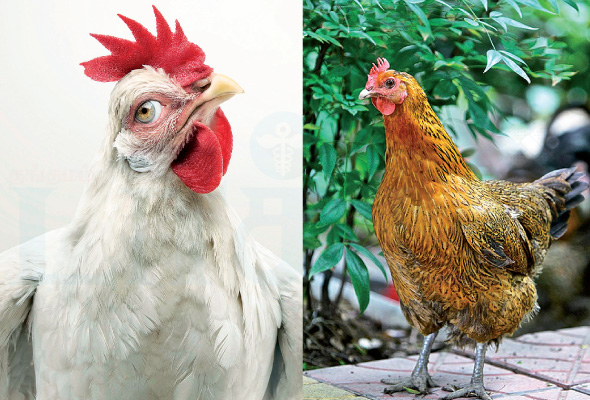
நாட்டுக்கோழி Vs பிராய்லர் - கவனம் எந்தக் கோழி நல்ல கோழி?

முறுக்கில்லாத வாலிபர்கள், உடல் வலு இல்லாத பூப்பெய்திய பெண்கள், புது மணத்தம்பதிகள், நீடித்த நோயால் பாதிக்கப்பட்டவர்கள் என சகலருக்கும் உணவாக மட்டுமில்லாமல் மருந்தாகவும் கொடுக்கப்படுவது கோழிக்கறி. மேற்கூறிய நன்மைகளுக்கெல்லாம் உரித்தானது நாட்டுக்கோழி. விவசாய நிலங்களில் புழு, பூச்சிகளைக் கொத்தித் தின்று விட்டு நாட்டுக்கோழி இடும் கழிவு நிலத்துக்கு உரமாகவும் பயன்பட்டது. இப்படியாக ஒரு சூழலியல் தொடர் சங்கிலியைக் கொண்டிருந்தது நாட்டுக் கோழி வளர்ப்பு. 
ஜெர்மனிலிருந்து இறக்குமதி செய்யப்பட்ட வொய்ட் லெகான் எனப்படும் பிராய்லர் கோழி வளர்ப்பு எப்படி இருக்கிறது, தெரியுமா? குடோனுக்குள் சூரிய ஒளியே படாமல், ஒரு கூண்டுக்குள் அடைக்கப்பட்டு வளர்க்கப்படுகிறது. குறுகிய காலத்துக்குள் அதிவேகமாக வளர வேண்டும் என்பதற்காக ஹார்மோன் ஊசிகள் போடப்படுகின்றன. அப்படியாக வளரும் கோழிகளைத்தான் இன்றைக்கு நாம் விரும்பி உண்கிறோம். இக்கோழிகளுக்கு மேற்கூறிய மருத்துவத் தன்மையெல்லாம் அறவே இல்லை. மாறாக அவை நோய்களை நமக்குத் தரவல்லவை. 
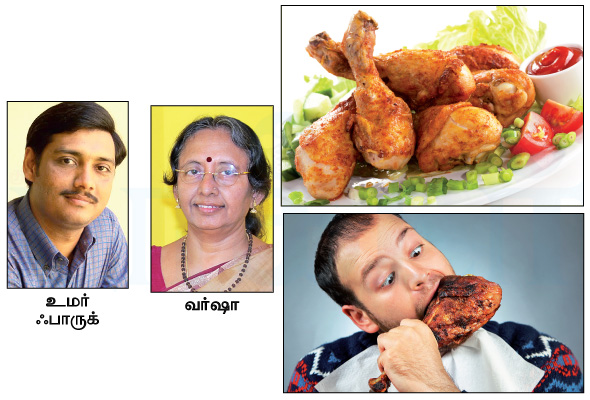
இது குறித்து முதலில் அக்கு ஹீலர் உமர்ஃபாருக்கிடம் பேசினோம்... ‘‘நம் நாட்டில் பிராய்லர் சிக்கன் அறிமுகப்படுத்தப்பட்ட காலத்தில், அதனுள் புரதம் மற்றும் சில சத்துகள் அதிக அளவில் இருப்பதாக சிக்கன் கம்பெனிகளும் மருத்துவர்களும் இணைந்து அறிவித்தனர். 90களில் பிராய்லர் சிக்கனை எதிர்த்துப் பேசுவது என்பது அறிவியலையே எதிர்த்துப் பேசுவதாக பார்க்கப்பட்டது. இப்படியாக உருவகப்படுத்தப்பட்டு நம்முள் சந்தைப்படுத்தப்பட்டுக் கொண்டிருக்கும் பிராய்லர் சிக்கன் பற்றிய ஆய்வுகள் நம்மை புருவம் உயர்த்தச் செய்கின்றன.
அமெரிக்காவின் பீட்டர்ஸ்பர்க்கில் அமைந்துள்ள Duquesne பல்கலைக்கழக ஆய்வுகள் பிராய்லர் கோழியின் வளர்ச்சிக்காக பயன்படுத்தப்படும் ரோக்ஸார்ஜோன் என்ற ஹார்மோன் ஊசிகள் மனிதர்களுக்கு புற்றுநோயை உருவாக்கும் தன்மை வாய்ந்தவை என்று கூறுகின்றன. பிராய்லர் கோழியை உணவாக தொடர்ந்து உட்கொள்ளும் இந்தியர்களில் நூற்றில் 65 பேருக்கு கல்லீரல் வீக்க நோய் இருப்பதாக சென்னையில் இயங்கும் மருத்துவ ஆய்வுக்குழு சார்ந்த குடல் நோய் சிறப்பு மருத்துவர்கள் தெரிவித்துள்ளனர். 
பிராய்லர் சிக்கன் நல்லதல்ல என்கிற அடிப்படை புரிதல் எல்லோரிடமும் இருக்கிறது. அப்படியிருந்தும் அதிக அளவில் நாம் உண்ணும் பிரதான உணவாக இன்று திகழ்வது பிராய்லர் சிக்கன்தான்.
நல்ல உணவே செரிக்காத இன்றைய வாழ்க்கைமுறையில் பிராய்லர் சிக்கன் போன்ற ரசாயன உணவுகளைச் சாப்பிட்டால் என்ன ஆகும்? அது மட்டுமல்ல... ஒவ்வொருவரும் தங்களது தேவைக்கேற்ப சாப்பிடுவதுதான் சரியான முறை. பசி என்பதைத் தாண்டி ருசிக்காகச் சாப்பிடத் தொடங்கிய பிறகோ கணக்கு வழக்கில்லாமல் சாப்பிடுகிறோம்.
முன்பெல்லாம் ஒரு குடும்பத்துக்கே ஒரு கிலோ அல்லது அரை கிலோ கறி எடுத்து சமைத்துச் சாப்பிடுவார்கள். இன்றைக்கு ஒரு தனிநபர் வேறு உணவுகள் எதையும் சாப்பிடாமல், சிக்கனை மட்டுமே அரை கிலோவிலிருந்து ஒரு கிலோ வரை சாப்பிடும் கலாசாரம் வந்து விட்டது. சாப்பிடும் உணவுகள் செரிப்பதற்கான உடல் உழைப்பும் நம்மிடம் இல்லாத காரணத்தால், அவை கொழுப்பாக மாறி பருமனுக்கு வழி வகை செய்கின்றன. 
பிராய்லர் சிக்கனை நாம் எதிர்ப்பதற்கான காரணங்களை அலசுவோம். பிராய்லர் கோழிகள் குறிப்பிட்ட நாட்கள் மட்டுமே உயிர்வாழும் தன்மை கொண்டவை. அதற்குள்ளாகவே அவற்றை சதைப்பிடிப்போடு, எடை கூடுதலாக்கி வளர்த்து, விற்பனை செய்து விட வேண்டும் என்கிற நிர்ப்பந்தம் பண்ணை உரிமையாளர்களுக்கு இருக்கிறது. அதனால் கோழிகளின் வேகமான வளர்ச்சிக்காக இரவு நேரங்களிலும் பல்புகளை எரிய விட்டு சாப்பிட வைத்துக்கொண்டே இருப்பார்கள். அப்படி வளர்க்கப்பட்ட எடையும் போதாமல் பிராய்லர் கோழிகளுக்காகவே தனியான சத்து மருந்துகளையும் ஊசிகளையும் பயன்படுத்தத் தொடங்கினார்கள். 
இந்தப் பயன்பாட்டின் உச்சம்தான் இன்றைக்கு அதிவேக வளர்ச்சிக்குப் போடப்படும் ஹார்மோன் ஊசிகள். மனிதர்களுக்கு ஹார்மோன் ஊசிகளைப் பயன்படுத்தினாலே பல்வேறு விளைவுகள் தோன்றுவதை தவிர்க்க முடியாது. இந்த நிலையில் குறுகிய ஆயுள் கொண்ட சிறிய கோழிகளுக்கு ஹார்மோன்களை செலுத்துவதன் மூலம், அதன் உடல் முழுவதும் பாதிப்புகள் பரவி விடுகின்றன. இந்தக் கோழியை சாப்பிடும் நம் உடலிலும் ஹார்மோன் மாற்றங்கள் ஏற்படுகின்றன. 
நம் நாட்டில் நடத்தப்பட்ட பிராய்லர் கோழி பற்றிய சமீபத்திய ஆய்வு அதிர்ச்சி அளிக்கிறது. டெல்லியில் இயங்கும் 'சென்டர் ஃபார் சயின்ஸ் அண்ட் என்விரோன்மன்ட்' அமைப்பின் பொல்யூஷன் மானிட்டரிங் லேபரட்டரி மூலமாக பிராய்லர் சிக்கன் பற்றி ஆய்வு மேற்கொண்டது. இந்த ஆய்வுக்காக பிராய்லர் கோழியின் கறி, கல்லீரல் மற்றும் சிறுநீரகம் ஆகிய உறுப்புகள் எடுத்துக் கொள்ளப்பட்டன. 
அதற்காக டெல்லியில் இருந்து 36 வகை மாதிரிகளும், நொய்டாவிலிருந்து 12 வகை மாதிரிகளும், குர்கானில் 8 மாதிரிகளும், ஃபரிதாபாத் மற்றும் காஸியாபாத்தில் 7 வகை மாதிரிகளும் சோதனை செய்யப்பட்டன. கோழியின் வளர்ச்சிக்காக செலுத்தப்பட்ட ஆன்டிபயாடிக் ரசாயனங்கள் கோழியின் கல்லீரலிலும் சிறுநீரகங்களிலும் தேங்கியிருந்ததை ஆய்வில் கண்டறிந்தனர். ஆய்வுக்கு எடுத்துக்கொள்ளப்பட்ட மாதிரிகளில் 40 சதவிகித கோழிகளில் பலவகை ஆன்டிபயாடிக் கலப்பும், 22.9 சதவிகித கோழிகளில் இரு ஆன்டிபயாடிக்குகளும், 17.1 சதவிகித கோழிகளில் ஒரு ஆன்டிபயாடிக் ரசாயனமும் கலந்திருப்பது கண்டுபிடிக்கப்பட்டது. 
ஒன்றுக்கொன்று எதிரானதாகச் செயல்படும் ஆன்டிபயாடிக் ரசாயனங்களை கலந்து கொடுப்பது கோழிகளுக்கு வேண்டுமானால் வளர்ச்சியைத் தரலாம். மனிதர்களுக்கு கணக்கற்ற நோய்களைத்தான் தரும். 
கோழிகளின் கறியில் கலந்திருக்கும் ஆன்டிபயாடிக்குகளை போல, ஹார்மோன்களும் பல்வேறு உடல்நலச் சிக்கல்களை ஏற்படுத்துகின்றன.கோழி உருவாக்கப்பட்டு கறியாக்கப்படும் வரையிலான செயல்பாடுகளே நம்மை மலைக்க வைக்கின்றன.
அதன் பிற்பாடு அக்கறியை ருசியாக சமைத்து நம் நாக்குக்கு விருந்தளிக்க என்னென்ன செயல்பாடுகளுக்கெல்லாம் கோழிக்கறி உட்படுத்தப்படுகிறது என்பதையும் பார்க்க வேண்டும். சிக்கன் 65, சில்லி சிக்கன் என்று அடர் சிவப்பு நிறத்தில் பொரித்தெடுக்கப்பட்ட சிக்கனை வாங்கி ருசிக்கிறோம். அதன் அடர் சிவப்பு நிறத்துக்காக செயற்கை பவுடர்கள் பயன்படுத்தப்படுகின்றன. புற்றுநோயை ஏற்படுத்தும் தன்மை இது போன்று நிறத்துக்காகச் சேர்க்கப்படும் ரசாயனப் பொருளில் இருப்பதாக எச்சரிக்கிறார்கள் உலக அளவில் உள்ள ஆய்வாளர்கள்.
பொன்சியூ, எரித்ரோசின் என்கிற இரு ரசாயன நிறமிகளைப் பயன்படுத்தினால் சிவப்பு நிறம் கிடைக்கும். பிரில்லியன்ட் ப்ளூ, இண்டிகோ கார்மைன் நிறமிகள் மூலம் ஊதா நிறம் கிடைக்கும். இதுபோன்ற 8 வகை நிறங்களை ஐஸ்க்ரீம், ஃப்ளேவர்டு மில்க், பிஸ்கெட், இனிப்பு வகைகள், டின்களில் அடைத்து வரக்கூடிய பட்டாணி வகைகள், பாட்டில் பழ ஜூஸ் வகைகள், குளிர்பானங்கள் என 7 வகை உணவுகளில் மட்டுமே சேர்க்க அனுமதி உண்டு.
அதுவும் 10 கிலோ உணவுக்கு ஒரு கிராம் மட்டுமே சேர்க்க வேண்டும் என்பது வரைமுறை. அளவு கூடினால் நிறங்களின் நச்சுத்தன்மை உணவைப் பாதித்துவிடும் என்பதால்தான் அரசு இந்த வரைமுறைகளை ஏற்படுத்தியிருக்கிறது.
சிக்கனுடன் எந்த நிறமிகளையும் சேர்க்கக்கூடாது என்கிறது உணவுச்சட்டம். நடைமுறையில் இதற்கு நேர் எதிரான செயல்பாடு கள்தான் நடந்து கொண்டிருக்கின்றன. நல்ல சிவப்பு நிறத்தில் பளிச்சென தெரிய வேண்டும் என்பதற்காக செயற்கை நிறத்தை அள்ளிக் கொட்டுகின்றனர். சூடான் டை, மெட்டானில் மற்றும் எரித்ரோசின் ஆகிய ரசாயனங்களைக் கொண்டு தயாரிக்கப்படும் அந்த பவுடர் நம் உடலில் ஏற்படுத்தும் விளைவுகள் பல. 
எரித்ரோசின் அளவு கூடினால் கழுத்துக் கழலை நோயும், ஹார்மோன் தொடர்பான பல்வேறு சிக்கல்களும் ஏற்படும் என்பது ஆய்வுகள் மூலம் நிரூபணமாகியுள்ளது. சிறுநீரகம் மற்றும் கல்லீரல் புற்றுநோய்க்கு வழிவகுக்கும் என்கிற காரணத்தால் சூடான் டையை உணவில் பயன்படுத்துவதற்கு கிழக்கு ஐரோப்பிய நாடுகளிலும் அமெரிக்காவிலும் தடை விதிக்கப்பட்டுள்ளது. 
இங்கோ இப்பொருட்கள் சர்வசாதாரணமாகக் கிடைக்கின்றன. கண்ட கண்ட குப்பைகளையெல்லாம் கொட்டுவதற்கு நமது உடல் குப்பைத் தொட்டியல்ல... நாம் சாப்பிடுகிற உணவு தரமானதா என்பதை அலசுவதில் கவனம் வேண்டும்’’ என்கிறார் உமர்ஃபாருக்.
‘தேவையற்ற கொழுப்பைத் தவிர பிராய்லர் கோழியில் எதுவுமில்லை’ என்கிறார் உணவியல் நிபுணர் வர்ஷா‘‘நாட்டுக்கோழி சிறந்தது என்று சொல்வதற்கு காரணம் அது இயற்கையானது. அதோடு இயற்கையான சூழலில் வளர்வது. கிராமப்புறங்களிலும் விவசாய நிலங்களிலும்தான் நாட்டுக்கோழி வளர்ப்பை மேற்கொள்கின்றனர். ஒரு கோழி முட்டையிலிருந்து குஞ்சாகி வெளியே வந்து 200 நாட்கள் ஆன பிற்பாடுதான் இறைச்சிக்காகக் கொல்லப்படுகிறது. 
அந்த 200 நாட்கள் கோழி வாழும்போது அது பல்வேறான சத்துகளைப் பெற்றுக் கொள்கிறது. விளைநிலங்களில் இருக்கும் புழு, பூச்சிகளைக் கொத்தித் தின்று வளர்கிறது. ஓடியாடி சுறுசுறுப்பாக இயங்கிக் கொண்டிருப்பதால், அதன் தசைகள் கடினமாகினாலும் சுவை கூடுகிறது. நாட்டுக்கோழியில் கொழுப்பை விட புரதச்சத்து அதிக அளவில் இருக்கிறது. 
பிராய்லர் கோழியோ, முட்டையில் குஞ்சாகி வெளியே வந்த 45 நாட்களுக்குள் இறைச்சிக்காக அழிக்கப்படுகிறது. நாட்டுக்கோழி 200 நாட்கள் சேர்ந்து வளர வேண்டியதை பிராய்லர் 45 நாட்களில் வளர்கிறதென்றால் சும்மாவா? உண்மையில் அது வளரவில்லை... ஹார்மோன் ஊசிகள் மூலம் வளர்க்கிறார்கள். பிராய்லர் கோழிகள் சூரிய ஒளியே படாத கூண்டுக்குள் அடைக்கப்பட்டிருக்கின்றன. இதனால் கால்சியம் கிடைக்கப் பெறுவதில்லை. ஓடியாடாமல் ஒரே இடத்தில் நிலை கொண்டிருப்பதால் புரதத்தை விட பிராய்லரில் கொழுப்புச் சத்து அதிகரிக்கிறது. 
100 கிராம் நாட்டுக்கோழியில் 4 கிராம் கொழுப்புதான் இருக்கிறது. அதுவே 100 கிராம் பிராய்லரில் 23 கிராம் கொழுப்பு இருக்கிறது. 100 கிராம் பிராய்லரில் 16 கிராம் புரதம்தான் இருக்கிறது. அதுவே நாட்டுக்கோழியில் 21 கிராம் புரதம் இருக்கிறது. கொழுப்பு குறைவாகவும் புரதம் அதிகமாகவும் இருக்கும் உணவே சிறந்தது. அந்த அடிப்படையிலும் நாட்டுக்கோழிதான் சிறந்தது. 
பிராய்லர் கோழிகளுக்கு உடல் மற்றும் மன நலப் பிரச்னைகள் அதிக அளவில் ஏற்படுகின்றன. Sudden Death Syndrome எனப்படும் திடீர்ச்சாவு பிராய்லர் கோழிகளுக்கு ஏற்படுகிறது. நாட்டுக்கோழிகளுக்கு Dexa Hexanoic Acid எனப்படும் ரசாயனம் அதிகளவில் சுரப்பதால் மூளை வளர்ச்சி நன்றாக இருக்கும். பிராய்லர் கோழிகளில் இந்த ரசாயனத்தின் அளவு குறைவாக இருப்பதால் மூளை வளர்ச்சி இருக்காது. 
மூளை வளர்ச்சியில்லாத, உடல் வலுவில்லாத பிராய்லர் கோழிகளை சாப்பிடுவதன் மூலம் கொழுப்பைத் தவிர்த்து நமக்கு வேறேதும் கிடைக்கப்போவதில்லை’’ என்கிறார் வர்ஷா. கண்ட கண்ட குப்பைகளையெல்லாம் கொட்டுவதற்கு நமது உடல் குப்பைத் தொட்டியல்ல... நாம் சாப்பிடுகிற உணவு தரமானதா என்பதை அலசுவதில் கவனம் வேண்டும்! மூளை வளர்ச்சியில்லாத, உடல் வலுவில்லாத பிராய்லர் கோழிகளை சாப்பிடுவதன் மூலம் கொழுப்பைத் தவிர்த்து நமக்கு வேறேதும் கிடைக்கப்போவதில்லை!

தர்ப்பூசணியை சிவப்பாக்க இன்ஜெக்க்ஷன்! பகீர் கலப்படம்

கோடை வந்தாலே கூடவே அனல் தணிக்க வந்துவிடும் தர்ப்பூசணி. இனிக்கும் இந்தப் பழத்தைக் கடித்துச் சாப்பிட்டால், எவ்வளவு வெயிலையும் சமாளிக்கும் உத்வேகம் வந்துவிடும். அவ்வளவு நீர்ச்சத்து இந்தப் பழத்தில். வீதிக்கு வீதி இளநீர்க் கடைகளைவிட தர்ப்பூசணி கடைகள் கோடையில் முளைப்பது இதனால்தான்.ஆனால் வாட்ஸ் அப்பில் வைரஸாகப் பரவிய அந்த வீடியோ காட்சி நிச்சயம் அதிர்ச்சி ரகம். 
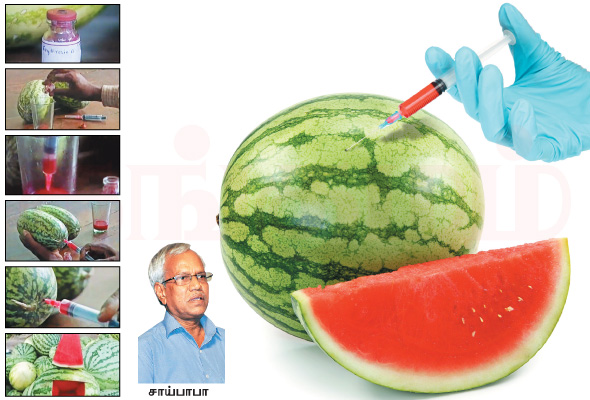
வியாபாரி ஒருவர் தர்ப்பூசணி பழத்தில் ‘எரித்ரோசின் பி’ எனும் ஒரு சிவப்பு நிறமியை இன்ஜெக்ஷன் வழியே உட்செலுத்துகிறார். பிறகு, அந்த தர்ப்பூசணியை வெட்டி விற்பனைக்கு வைக்கிறார். இப்போது தர்ப்பூசணியின் உள்ளே இருக்கும் பகுதி நல்ல சிவப்பாக பழுத்த பழம் போல் காட்சியளிக்கிறது! வட இந்திய நியூஸ் சேனல் ஒன்றில் வெளியான அந்தக் காட்சி, மொழி புரியாதவர்களையும் பதைபதைக்க வைக்கிறது. 
அப்படியானால் இப்படித்தான் தர்ப்பூசணிகளை சிவக்கச் செய்கிறார்களா? மாம்பழத்தில் கல் வைத்துப் பழுக்க வைப்பது மாதிரி விற்பனையைக் கூட்டும் வியாபார தகிடுதத்தங்கள் நமக்குப் புதிதல்ல. ஆனால் இந்த வாட்டர் மெலன் மேட்டர் ரொம்பவே சீரியஸ். பழத்தின் சாப்பிடும் பகுதியில் இது சேர்க்கப்படுவதுதான் ஆபத்தே! இதில் சேர்க்கப்படும் அந்த நிறமி புற்றுநோய் ஏற்படுத்தும் தன்மை உடையது என்கிறார்கள் நுகர்வோர் உரிமை ஆர்வலர்கள். எனவேதான், இந்தக் காட்சி பரவிய சில நிமிடங்களிலேயே தர்ப்பூசணி வியாபாரிகளை பரிசோதனை செய்தார்கள் தமிழக சுகாதார அதிகாரிகள். 
‘‘ஒரு சில வியாபாரிகள் இப்படிச் செய்றாங்க சார்... அது இப்போ வெளிச்சத்திற்கு வந்திருக்கு!’’ - ஆதங்கம் பொங்கினார் பெயர் குறிப்பிட விரும்பாத நுகர்வோர் ஆர்வலர் ஒருவர். அவர் நேரில் பார்த்த காட்சி ஒன்றையும் பகிர்ந்தார். ‘‘வட இந்தியா மாதிரி நம்மூர்ல இப்படி இன்ஜெக்ஷன் வழியா ஏத்துறதில்ல. அதுக்குப் பதில், பழத்தை வெட்டிட்டு இதுக்குன்னே இருக்கிற சில கலர்களை அதுல சேர்க்குறாங்க. தர்ப்பூசணி சைஸ் பெரிசாக பெரிசாக விலை அதிகமாகும். 
சின்ன சைஸா இருக்கறது சரியா பழுத்திருக்காது. ஆனால் விலை குறைவா இருக்கும். இதைத்தான் இப்படி சிவப்பாக்கி விக்க முயற்சி பண்றாங்க. முதல்ல, கலரை ஒரு துணியில நனைச்சு வச்சுக்கறாங்க. அப்புறம், வண்டிக்கு அடியில உட்கார்ந்து பழத்தை வெட்டி அதுல இந்தக் கலரை யாருக்கும் தெரியாம கொஞ்ச கொஞ்சமா தெளிக்கிறாங்க. 
இதனால, பழங்கள் நல்லா பழுத்த மாதிரி, பார்க்க கவர்ச்சியா இருக்கும். இந்தப் பழங்களை சாப்பிடுறப்போ சாறு சட்டையில வடிஞ்சா சாயம் போல ஒட்டிக்கும். அதை வச்சே இந்தக் கலப்படத்தை கண்டுபிடிச்சிடலாம்’’ என்றவர், ‘‘வெட்டாத முழுப் பழமா பார்த்து வாங்குறதுதான் நம்மூர் மக்களுக்கு நல்லது’’ என்றார் எச்சரிக்கை தொனியில். 
சென்னை தரமணியில் உள்ள உணவுப் பாதுகாப்பு ஆய்வகத்தின் தலைமை அறிவியலாளர் சாய்பாபாவிடம் இதுபற்றிப் பேசினோம். ‘‘தர்ப்பூசணியில கலர் சேர்க்கிறாங்கன்னு சொல்ற செய்தியை இப்பதான் கேள்விப்படுறேன். பொதுவா, கலர்ஸ் எந்த உணவுப் பொருளுக்கு தேவைப்படுதோ, அதுல சேர்த்துக்கலாம்னு அரசே உணவுப் பாதுகாப்புச் சட்டத்துல சொல்லியிருக்கு.
இதற்கு அனுமதிக்கப்பட்ட வண்ணங்கள்னு பேரு. இதுல எட்டு கலர் இருக்குது. இந்த ‘எரித்ரோசின்’னும் அனுமதிக்கப்பட்ட வண்ணங்கள்ல ஒண்ணுதான். இதை எந்தெந்த உணவுப் பண்டங்கள்ல எவ்வளவு பயன்படுத்தணும்ங்கிற விஷயமும் சொல்லப்பட்டு இருக்கு. அந்த அளவுக்குள்ள பயன்படுத்தினா உடலுக்கு ஆபத்தில்ல. அதுக்கும் மேலன்னா... அவ்வளவுதான். 
இந்த வண்ணங்களை மிட்டாய், லட்டு, ஜாங்கிரி, கேக், ஜெல் போன்ற இனிப்பு வகைகள்ல பயன்படுத்திக்கலாம். ஆனா, மிக்சர், சேவு போன்ற கார வகைகளிலும், வெட்டப்பட்ட பழ வகைகளிலும் பயன்படுத்தக் கூடாது. தர்ப்பூசணியில கலர் சேர்த்தா, அது நிச்சயம் சட்டப்படி குற்றம். அது உடலுக்கு கேடு விளைவிச்சு, கேன்சருக்கும் வழிவகுக்கும்!’’ என்றவர், கலர் சேர்க்காத தர்ப்பூசணியைக் கண்டுபிடிப்பது எப்படி என்பதையும் விளக்கினார்.
‘‘கோடையில தர்ப்பூசணி தவிர்க்க முடியாதது. எனவே, இப்படி வர்ற செய்திகளைப் பார்த்து பொதுமக்கள் பயப்பட வேண்டாம். கவனமா பார்த்து வாங்கணும், அவ்வளவுதான். இயல்பா பழுத்த பழத்துக்கும், வண்ணம் போடப்பட்ட பழத்துக்கும் நிறைய வித்தியாசம் இருக்கு. செயற்கை கலர் பளிச்னு ரொம்பவும் ரத்தச் சிவப்பா இருக்கும். பார்த்தாலே வித்தியாசம் தெரியும். அதே மாதிரி, பழத் தோல் மேலிருக்கும் முதல் வெள்ளை அடுக்கிலும் சிவப்பு நிறம் இருந்தா, தர்ப்பூசணியில கலர் கலந்திருக்கிறாங்கனு தெரிஞ்சுக்கலாம். 
ஏன்னா, ஸ்பிரே அடிச்சாலோ, ஊசி வழியா செலுத்தினாலோ அதிலும் அந்த நிறம் சேர்ந்திடும். பொதுவா, பழங்களை வீட்டுக்கு வாங்கிட்டுப்போய் சாப்பிடறதுதான் நல்லது. கடைகள்ல கட் ஃப்ரூட்ஸ் சாப்பிடறதா இருந்தா வலை போட்டு மூடியிருக்கிறது பெஸ்ட் சாய்ஸ்’’ என்கிறார் அவர். இதில் சேர்க்கப்படும் ‘எரித்ரோசின் பி’ என்ற அந்த நிறமிபுற்றுநோய் ஏற்படுத்தும் தன்மை உடையது!

விஷமாகும் காய்கனிகள்! தப்பிப்பது எப்படி?

ம் தாத்தா காலத்தில் கோடியில் ஒருவருக்கு இருந்தது புற்றுநோய். பிறகு, லட்சங்களில் ஒருவர் என்பதைத் தாண்டி, ஆயிரங்களை அசால்டாக ஓவர்டேக் செய்து விட்டது தற்போது. நூற்றுக்கு ஒருவர் புற்றுநோயாளி ஆகும் நிலை வெகுதூரம் இல்லை என அச்சமூட்டுகின்றன ஆய்வுகள். எங்கோ ஒருவருக்கு எப்போதோ வந்த புற்றுநோய், இன்று மனித வாழ்வுக்கு அச்சுறுத்தலாக மாறிப்போன காரணியைத் தேடிப்போனால், அது நாம் தினமும் உண்ணும் காய்கறி, பழங்கள் உள்ளிட்ட உணவுப் பொருட்களைத் தொட்டுநிற்கிறது. ஆக, இது நமக்கு நாமே வைத்துக் கொண்டிருக்கும் ஆப்பு.
'ஒன்றின் கழிவு மற்றொன்றின் உணவு’ என்ற மகத்தான கொள்கையை அடிப்படையாகக்கொண்ட, நமது பண்டைய வேளாண்முறைகளைக் கைவிட்டு, அதிக விளைச்சல் என்ற இலக்குக்காக, நாம் ஒட்டுமொத்த சூழலையும் இழந்து நிற்கிறோம். பயன்பாட்டு சுழற்சி அடிப்படையிலான நமது வேளாண்முறை, ஆரோக்கியத்தை அள்ளித்தந்தது. ஆனால், பசுமைப் புரட்சி என்ற பெயரில், ரசாயனப் பயன்பாடு அதிகமான பிறகு, வரமே சாபமான கதையாக, மனித குலம் உயிர் வாழ்வதற்கு  அடிப்படையான விவசாயமே அழிவுக்கும் காரணமாக அமைந்துவிட்டது.
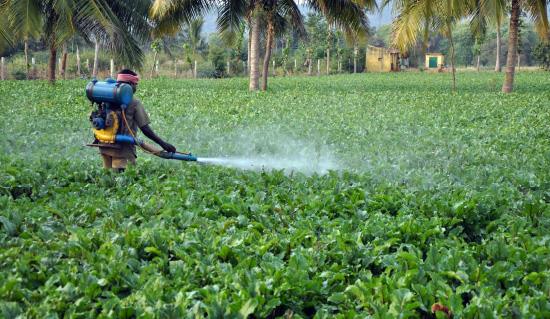
ரசாயன உரங்கள், பூச்சிக்கொல்லிகளின் தொடர் பயன்பாட்டால், பூச்சிகள் வீரியத்தன்மை பெற்றுவிட்டன. அதை சமாளிப்பதற்காக, தாறுமாறாக விஷத்தைத் தெளித்து, காய்கறிகளை விளைவிக்கிறார்கள். விளைவு, காய்கறிகள் மட்டுமல்லாது, மண்ணும் நீரும்கூட நஞ்சாக மாறிக்கிடக்கின்றன. இந்தியாவைப் பொறுத்தவரை தெளிவான விவசாயக் கொள்கை இல்லாததன் விளைவு, உலக நாடுகளால் தடை செய்யப்பட்ட, பல பூச்சிக்கொல்லிகள் இன்றைக்கும் நம் நாட்டில் பயன்பாட்டில் இருக்கின்றன.  
பொதுவாக, காய்கறிகளில் பூச்சிக்கொல்லி தெளித்து, 23 நாட்கள் கழித்துத்தான், சமையலுக்குப் பயன்படுத்த வேண்டும். ஆனால், இன்றைக்கு அறுவடைக்கு முதல் நாள் வரை காய்கறிகள் மீது மருந்து தெளிக்கப்படுகிறது. முட்டைக்கோஸ், காலிஃப்ளவர் போன்ற சில காய்கறிகள், அறுவடையான பிறகும் ரசாயனத்தில் நனைந்தே சந்தைக்கு வருகின்றன. பழங்களில், திராட்சை, காய்கறிகளில், முட்டைக் கோஸ், காலிஃப்ளவர், கத்தரி ஆகியவற்றில்தான் அதிக அளவில் பூச்சிக்கொல்லிகள் பயன்படுத்தப்படுகின்றன.
இப்படிப்பட்ட ரசாயனக் காய்கறிகளை உண்பதால், பாதிப்பு வருமா? நிச்சயம் வரும் என்கிறார் மதுரை 'அப்போலோ மருத்துவமனை’ 'சிறுநீரகவியல்’ தலைமை மருத்துவர் சௌந்தரபாண்டியன்.
- 'புற்றுநோய்க்கான முக்கிய காரணிகள், இந்த ரசாயன உரங்களும் பூச்சிக் கொல்லிகளும்தான். இதை ஏராளமான ஆய்வு முடிவுகள் உறுதிபடுத்தியுள்ளன. இப்போது நியோநிகோடினாய்ட் (Neonicotinoid) என்ற ஐந்தாம் தலைமுறை பூச்சிக்கொல்லி மருந்து, காய்கள் மற்றும் பழங்களில் அதிக அளவில் பயன்படுத்தப்படுகிறது. இது, மூளையையும் நரம்பு மண்டலத்தையும் பாதிக்கக்கூடியது. காய்கறி, பழங்களைச் சமைப்பதற்கு முன்பு கழுவினாலும், ஏற்கனவே உள்ளே சென்ற ரசாயனம் உடலில் பாதிப்பை ஏற்படுத்தும். இதனால், அல்சைமர், ஞாபகமறதி, குழந்தையின்மை போன்ற பாதிப்புகளை இது ஏற்படுத்தும்.
நன்கு விளைய ரசாயன உரம், பூச்சிகள் தாக்குதலை சமாளிக்கப் பூச்சி மருந்து என்பதைத் தாண்டி, பழங்களைப் பழுக்கவைக்கவும் பதப்படுத்தவும்கூட அதிக அளவு ரசாயனங்கள் பயன்படுத்தப்படுகின்றன.  இத்தகையக் காய்கறி பழங்களைத்தான்  நாம்  வாங்கிப் பயன்படுத்துகிறோம். அதனால்தான், நோயாளிகளின் எண்ணிக்கை சமீபகாலமாக அதிகரித்துவருகிறது.''
'காய்கறிகள், பழங்களைப் பயன்படுத்தாமல் இருக்க முடியாதே. இதற்கு என்னதான் மாற்று?'
'ரசாயனங்களைப் பயன்படுத்தாமல் இயற்கை வழி விவசாயத்தில் விளையும் காய்கறி, பழங்களைப் பயன்படுத்துவதுதான் இதற்கான ஒரே மாற்று.' என்கிறார் சௌந்தரபாண்டியன்.
'ரீஸ்டோர்’ என்ற பெயரில் இயற்கை விவசாய முறையில் விளையும் பொருட்களைச் சந்தைப் படுத்திவரும், அனந்துவிடம் கேட்டோம்.
'விஷ உணவுகளில் இருந்து நம்மை எப்படித்தான் தற்காத்துக் கொள்வது?'
''இதற்கு முதல் தீர்வு, நமக்குத் தேவையானவற்றை வீடுகளிலேயே விளைவித்துக்கொள்வதுதான். வீடுகளில் தோட்டங்கள் அமைக்கும் முறை, சமீப காலமாக அதிகரித்துவருவது ஆரோக்கியமான மாற்றம். மொட்டை மாடிகளில் வீட்டின் அருகே இருக்கும் காலி இடங்களில், காய்கறிகள், கீரைகள் போன்றவற்றை இயற்கை இடுபொருட்களைக் கொண்டே விளைவித்துக் கொள்ள முடியும். மொட்டைமாடியில் பப்பாளியைக்கூட விளைவிக்கிறார்கள். சென்னை போன்ற பெருநகரங்களில் உள்ளவர்களே ஆர்வமுடன் வீட்டுத் தோட்டங்களை அமைக்கும்போது, மற்ற பகுதிகளில் உள்ளவர்களாலும் அமைக்க முடியும். இதற்கு முதல் தேவை ஆர்வமும் உழைப்பும்தான்.
இரண்டாவது, இயற்கை முறையில் விளைந்த காய்கறிகளைத் தேடி வாங்குவது. இயற்கை வழியில் உற்பத்தி செய்யப்படும் பொருட்களைத்தான் வாங்குவோம் என நுகர்வோர் முடிவு செய்தால், உற்பத்தியாளர்களும் அதை உற்பத்தி செய்துதானே ஆக வேண்டும். இதையும் தாண்டி, 'கிடைப்பதை வாங்கி உண்போம்.’ என்ற மனநிலையில் இருப்பவர்கள், சின்னதாக ஓட்டை, இலை வாடிக்கிடக்கும் காய்கறி, பழங்களை வாங்கிப் பயன்படுத்தப் பழகிக்கொள்ளுங்கள். சின்ன புழு உயிர் வாழக்கூடிய காய்கறிகளில், நிச்சயம் பெரிய அளவில் நஞ்சு இருக்காது. எனவே, அதைத் தைரியமாக வாங்கி, புழு உள்ள அல்லது ஓட்டையாக இருக்கும் பகுதியை வெட்டிவிட்டு மற்ற பகுதியைப் பயன்படுத்தலாம்'' என்றார்.
ஆர். குமரேசன்,படங்கள்: வீ.சிவகுமார்

விஷத்தை முறிக்கலாம்!
'எல்லாம் சரி, ஆபீஸ் போற அவசரத்துல கிடைக்குறதை சமைச்சு, சாப்பிடும் நடுத்தர மக்கள் என்ன செய்வது. உடலுக்குக் கெடுதினு தெரியுது. ஆனா, இயற்கை அங்காடிகளைத் தேடி போக முடியலையே'' என அலுத்துக் கொள்பவர்களுக்கும் ஒரு தீர்வைச் சொல்கிறது திருவனந்தபுரத்தில் உள்ள கேரள விவசாய பல்கலைக்கழகம். சிறிது புளியை எடுத்துக் கரைத்து, அந்த தண்ணீரில் கொஞ்சம் வினிகரை கலந்துகொள்ளுங்கள். அந்தக் கலவையில் காய்கறி, பழங்களை 15 நிமிடங்கள் ஊறவைத்துக் கழுவினால் காய்கறி, பழங்களில் உள்ள ரசாயன உரங்கள், பூச்சிக்கொல்லிகள் 95 சதவிகிதம் நீங்கி விடும். பீன்ஸ், பாவக்காய் போன்ற காய்கறிகளை இரண்டு முறை கழுவ வேண்டும்.

சீசன் பழங்களே சிறந்தது!
சொரசொரப்பான தோல்கொண்ட பழங்கள் அதிகம் ரசாயனப் பயன்பாடு அற்றதாக இருக்கும். ஆப்பிளை வாங்கியதும் சுடுநீரில் சிறிது நேரம் ஊறவைத்தோ அல்லது தோலை சீவிவிட்டோ உண்பதுதான் நல்லது. கூடுமானவரை பதப்படுத்தப்பட்ட பழங்களைப் பயன்படுத்தும் முன்பாக, வெதுவெதுப்பான நீரில் கழுவிய பிறகு, பயன்படுத்தினால் பெரும் பாதிப்புகளில் இருந்து தப்பலாம். இதையெல்லாம்விட, அதிக விலை கொடுத்து, பதப்படுத்தப்பட்ட பழங்களை வாங்கிப் பயன்படுத்துவதைத் தவிர்த்து, அந்தந்த சீசனில் கிடைக்கும் பழங்களை மட்டுமே சாப்பிடப் பழகுவோம். 

DINAMALAR NEWS


DINAMALAR NEWS


Experts can't digest HC ruling, say it won't help

NEW DELHI: Health experts have expressed shock and dismay over the Delhi high court's refusal to ban sale of junk food in schools.
They claim that putting 'restrictions', the suggested option, cannot help curb the menace which is associated with three of the four major non-communicable diseases-cardiovascular diseases, diabetes, cancers and chronic respiratory diseases. It is responsible for about a quarter of all deaths globally, say doctors.
"Restrictions mean nothing. The regulatory mechanism in our country is so poor that it is impossible to limit the sale of junk food items unless it is banned completely," said Dr Anoop Misra, director and head, Fortis C-Doc. He gave the example of California in the US where the ban on junk food in schools has led to a reduction in calorie consumption, improving children's health.
In India, health experts pointed to the success of the ban on smoking in public places to draw parallel to the need for a similar action against consumption of carbonated and caffeinated beverages, chips and packaged fried food, instant noodles and confectionaries.
The Delhi high court, in its order, has approved guidelines made by Food Safety and Standards Authority of India (FSSAI) which advocates that food high in fat and sugar content be 'restricted' from canteens, and asked the government to implement them in three months.
Speaking to TOI, Sunita Narain who was a member of FSSAI committee that framed the guidelines, said: "It is disappointing that the court has not banned junk food in schools. But we feel that the guidelines have detailed points on how to limit the usage of such food items in schools. If implemented properly, it can help avoid the health crisis."
According to Dr Sujeet Jha, who heads the endocrinology department at Max Hospital, Saket, a ban on junk food in schools could have sent a strong message to the public. "Children consume more junk food at home than in schools. But the ban order would have helped significantly in sending across the message that children must be discouraged," he said.
Another senior doctor  said, "The FSSAI guidelines have replaced the word 'ban' with 'restrictions' and regulatory area near schools has been reduced from 500 yards to 50 metres, which is not satisfactory".
For example, one can give children cereal with milk, but add crushed dates instead of sugar to sweeten it. One can also use brown or whole-wheat bread for preparations like sandwich, subs or toast.

Junk food curbed, not banned in schools

NEW DELHI: Availability of food items high in fat, sugar and salt such as noodles, pizzas, burgers and carbonated drinks is set to be restricted within 50 metres of schools across the country. 
Refusing to ban such foods in schools, Delhi high court on Tuesday gave its nod to guidelines prescribed by Food Safety & Standards Authority (FSSAI) of India that identify certain category of food and drinks as harmful for children advocating these be "regulated/restricted". 
But, neither the high court bench of Chief Justice G Rohini and Justice Rajiv Sahai Endlaw nor the FSSAI agreed to the plea of petitioner Uday Foundation to include the term "junk food" in the guidelines and ban these explicitly. The court said according to Food Adulteration Act, there is no such provision. 
The guidelines were fra- med by a court-appointed expert committee under aegis of FSSAI on the subject of "making available quality and safe food in schools". The panel identified foods high in fat, sugar and salt that must be limited by schools in canteens. 
It said schools must promote nutrition awareness and encourage food items including sandwiches, fruit salads, paneer, vegetable cutlets, upma, idli, uthapam, khandvi, poha, low fat milkshakes, etc. 
While approving the guidelines the court gave Centre and FSSAI three months' time to convert these into law and start enforcing it. The court also focused on Delhi schools and directed the state government to frame fresh rules on the basis of the FSSAI norms so that schools can ignore these at their own peril. It has empowered students, parents and teachers to lodge a complaint with the government if they find unrestricted sale of harmful food in their canteens. 
"A direction from the administrator, Delhi, may also serve the purpose of violation of such guidelines being actionable under Delhi School Education Act. We direct the administrator, Delhi to issue directions, on or before April 30, 2015, for compliance by schools with the guidelines and from time to time exercise supervisory powers over the schools," the court said. 
Declining the plea of Uday Foundation to insert additional directions in the guidelines prepared by the panel, the high court said, "When an expert body constituted for framing guidelines to make available quality and safe food in schools has framed them, we do not consider it appropriate to tinker with them." 
The PIL by Uday Foundation through its founder Rahul Verma had sought an immediate ban on junk food and carbonated drinks in all unaided and private schools. It further urged the court to initiate measures to discourage availability of fast food within 500 yards of schools in Delhi, apart from a canteen policy. 
After preliminary hearings the HC had set up a panel to examine dietary habits of schoolchildren on the question of banning sale of junk food in and around educational institutions. 
The panel examined harmful effects of junk food and recommended guidelines. It included environmentalist Sunita Narain, nutritionists, doctors, scientists and representatives of the food industry, the latter included after their association approached the court arguing their stand must also be accommodated.

Website launched to tackle adulterated coconut oil menace

KOCHI, MARCH 17: 
Reports of adulterated coconut oil in Kerala have prompted a co-operative forum to launch a website to throw light on brands that sell adulterated oil in the market.
www.savecoconutoil.com, launched by the Kochi-based Coconut Oil and Copra Producers Cooperative Society, is an initiative aimed at creating awareness on the ill-effects of adulterated coconut oil as well as finding out ways to counter this menace. The website – introduced with public participation – would enable testing of coconut oil at NABL-approved labs.
Customers, who wish to check the oil for adulteration, can contact the phone number provided on the website. The representative of the forum will approach them and collect samples.
The results of the test, if it was found to be fake, will be published on the website along with the brand’s name.
The move assumes significance as reports of inferior coconut oil brands flooding the Kerala market from Tamil Nadu are on the rise.
According to traders, this has started affecting the sale of traditional Kerala coconut oil, known for its unique taste and quality.
However, Cochin Oil Merchants Association (COMA) said that adulterated coconut oil arrivals into the State has come down considerably, as small traders are now keeping away from the business fearing criminal cases.
The Coconut Development Board officials also claimed that the entry of adulterated oils into the State is now on the decrease following the special drive initiated by the Kerala Food Safety Commissioner.

Measures to cheque the quality of foodgrains during storage

The quality of foodgrains in storage is monitored by Food Corporation of India (FCI) at regular intervals by a system of check and super checks to ensure proper preservation of foodgrains in the storage. These are as follows:- 
Fortnightly inspection of stock on 100% basis by Technical Assistants at storage depot level. 
Monthly inspection by Manager (Quality Control) at storage depot level. 
Quarterly inspection by Assistant General Manager (Quality Control) at District level. 
Super checks by Regional, Zonal and FCI Headquarter squads. 
This information was given by the Minister of Consumer Affairs, Food and Public Distribution, Shri Ram Vilas Paswan in a written reply in Lok Sabha today. 
Shri Paswan said that similarly, at the time of issue of foodgrains to States/UTs, there is a well defined procedure of joint inspection/sampling of the stocks by State Government authority and FCI to ensure that only good quality foodgrains are issued under Targeted Public Distribution System (TPDS) and other welfare schemes. 
The Minister said that complaints received about quality of foodgrains are also investigated by the officers of Quality Control Cells (QCCs) of the Department and tests are conducted on quality of foodgrains at the Central Grain Analysis Laboratory (CGAL), New Delhi in case of disputes.

Food authority widens food safety net

Abu Dhabi Food Control Authority is expanding its new food safety programme for 3,400 small eateries
Customers having their lunch at a small restaurant on Shaikh Rashid Bin Saeed Al Maktoum street in Abu Dhabi.

Abu Dhabi: The Abu Dhabi Food Control Authority (Adfca) is expanding its new food safety programme for 3,400 small eateries in the emirate which cater daily to around 340,000 people who mostly belong to low- and lower-middle income groups.
The number of food safety violations found by the Adfca inspectors at small eateries has gone down since the authority implemented a new system, ‘Salamat Sadna’ (safety of our food), a senior official told Gulf News on Tuesday.
It offers a simple method to maintain safe practices and record essential food safety information, said Dr Mariam Hareb Sultan Al Yousuf, executive director of policy and regulation at Adfca.
“We pay more attention to this category because they cater to a large number of people. And the number of such eateries is going up considerably,” she said.
“There were around 2,500 small eateries in the emirate by the end of 2013, which has gone up to 3,400 now,” the official said.
Eateries with less than 10 employees and up to 50 seats, offering around 100 meals a day, comes under the category of small eateries, she said on the sidelines of an event to launch the special edition of the Worldwide Hospitality and Tourism Themes (WHATT) Journal published by Emerald Group. Seven scientific articles in the journal focusing on various government strategies in the hospitality industry tell the success story of Abu Dhabi emirate in improving food safety.
Mariam Al Khaja, project manager of Salamat Sadna, said officials have imparted lessons on Safe Operating Practices (SOPs) to food handlers at 1,200 small eateries in the first phase and the remaining eateries will be covered in the next phases. Although the officials taught a few SOPs only to food handlers, they made an overall improvement in Good Hygienic Practices (GHP).
One of the SOPs stipulates that food handlers should keep their nails short and avoid using nail polish, jewellery and wristwatches, which may hide dirt on their hands. Food handlers learn safe practices in cooking, chilled storage, cleaning high-risk surfaces, washing fruit and vegetables, when and how to wash hands, protective clothing, personal hygiene, handling ready-to-eat foods, among others.
Dr Mariam said this is part of implementing the International HACCP (Hazard Analysis and Critical Control Points) standards, which were made mandatory as a federal policy in the UAE for four- and five-star hotels and the food manufacturing sector since 2001. Adfca started implementing it for catering businesses since 2010 and small eateries in 2014.
There are 160 hotels and hotel apartments, and 9,000 catering businesses in the emirate, another senior official told Gulf News.
Of the hotels and hotel apartments, 133 are in Abu Dhabi, 17 in Al Ain and 10 in the Western Region, said Ahmad Saeed Al Kaabi, Catering Control Section Manager at Adfca.
HACCP is a preventive approach to food safety and pharmaceutical safety that addresses physical, chemical and biological hazards as a means of prevention rather than inspection of finished products.
The Food and Drug Administration of the US and the United States Department of Agriculture (USDA) say that their mandatory HACCP programmes for juice and meat are an effective approach for food safety and protecting public health.
In view of the linguistic diversity and inability to read or write in English or Arabic among managers and workers in food businesses in the UAE, the project was developed using photographs with a minimum number of words. The majority of managers (69 per cent) and food handlers (73 per cent) here speak southern Asian languages such as Urdu, Hindi and Malayalam.

Codex Committee on contaminants in food, Ninth Session is being held at New Delhi on 16-20 March, 2015

The official opening of the meeting took place on 16 March and was performed by Mr Yudhvir Singh Malik, the CEO of the FSSAI

From Monday 16 to Friday 20 March, 2015 the Ninth Session of the Codex Alimentarius Committee on Contaminants in Foods (CCCF) is being held in New Delhi. 
The Codex Alimentarius is a UN organization which develops international standards for food products with the aim of protecting international food safety and promoting fair trade practices in the food trade. 
Unsafe food helps cause an estimated 2 million deaths annually. Contaminants are unwanted toxic substances which can be present in food and feed, for example as a result of environmental pollution. International standards help to improve world food safety, step by step and substance by substance. The chairmanship of this committee is the responsibility of The Netherlands and is executed by the Ministry of Economic Affairs of The Netherlands. 
This year the meeting is co-hosted with India. From the Indian side, the Food Safety and Standards Authority of India (FSSAI) is involved in the organization. 
The official opening of the meeting took place on 16 March and was performed by Mr Yudhvir Singh Malik, CEO, FSSAI. His Excellency Alponsus Stoelinga, ambassador of the Kingdom of The Netherlands also addressed the meeting together with the officials from FAO and WHO. 
The meeting is being attended by delegations from 57 countries and 13 international organisations. Over 200 delegates in total are attending the meeting.